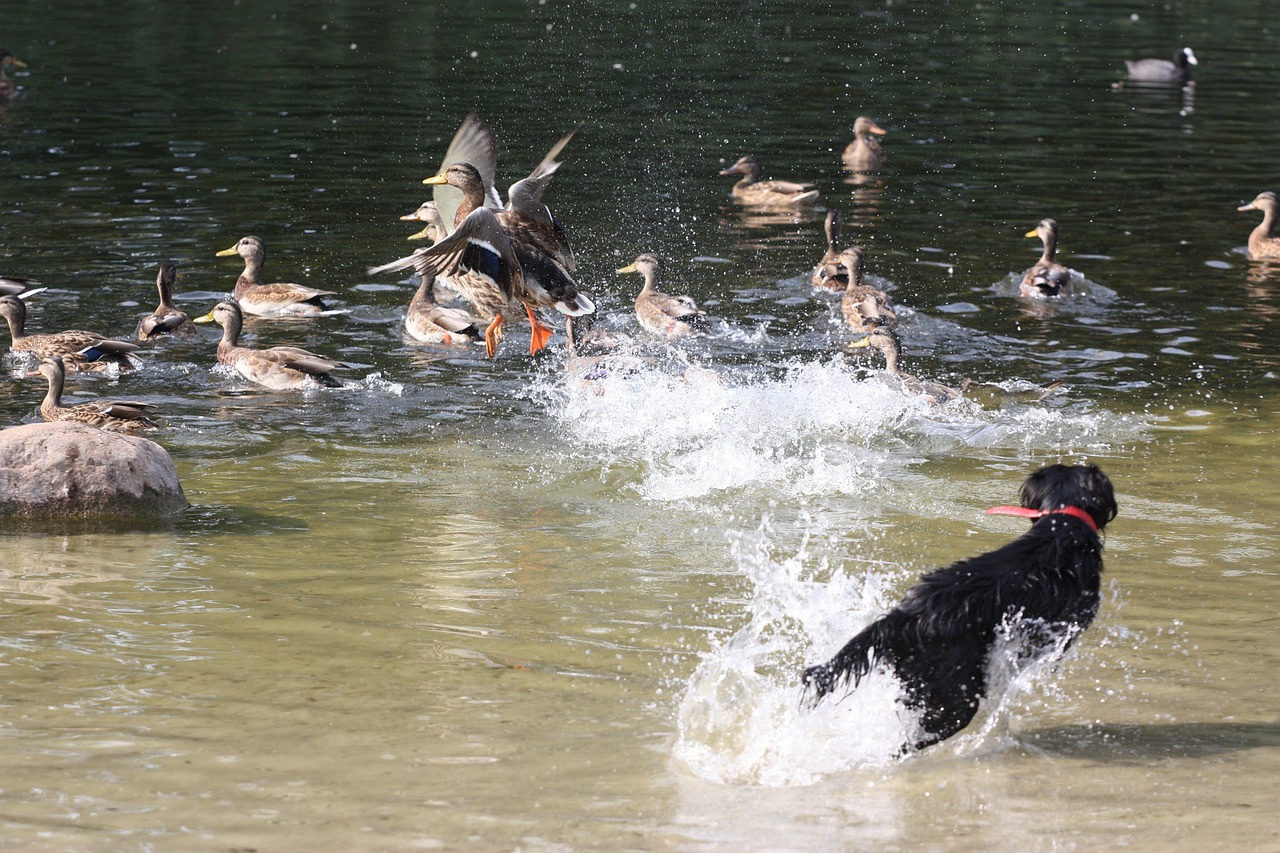

Walking the dog is one of those daily rituals that feels uncomplicated and straightforwardly good. Fresh air, exercise, routine. Most owners assume they’re doing everything right simply by showing up. The reality is more nuanced, and veterinary research from recent years suggests that several very common walking habits are placing quiet, cumulative stress on a dog’s joints in ways that don’t become obvious until the damage is already done.
Canine osteoarthritis is a common problem characterized by irreversible and progressive degenerative changes to joints that lead to pain and disability. The troubling part is how early and silently it can begin. A study looking at young dogs aged just eight months to four years found that nearly forty percent had radiographic signs of osteoarthritis in at least one joint, and more than twenty percent already had clinical signs combining imaging findings with actual joint pain.
The scale of the problem in adult dogs is significant. In the United States alone, about fourteen million adult dogs are affected with osteoarthritis, making it a top health concern for owners. The global canine arthritis treatment market was valued at nearly 2.32 billion USD in 2024, and it is projected to keep growing through the next decade. These are not minor numbers, and they point to something systematically going wrong long before most pet owners start paying attention.
Walking Exclusively on Hard Pavement
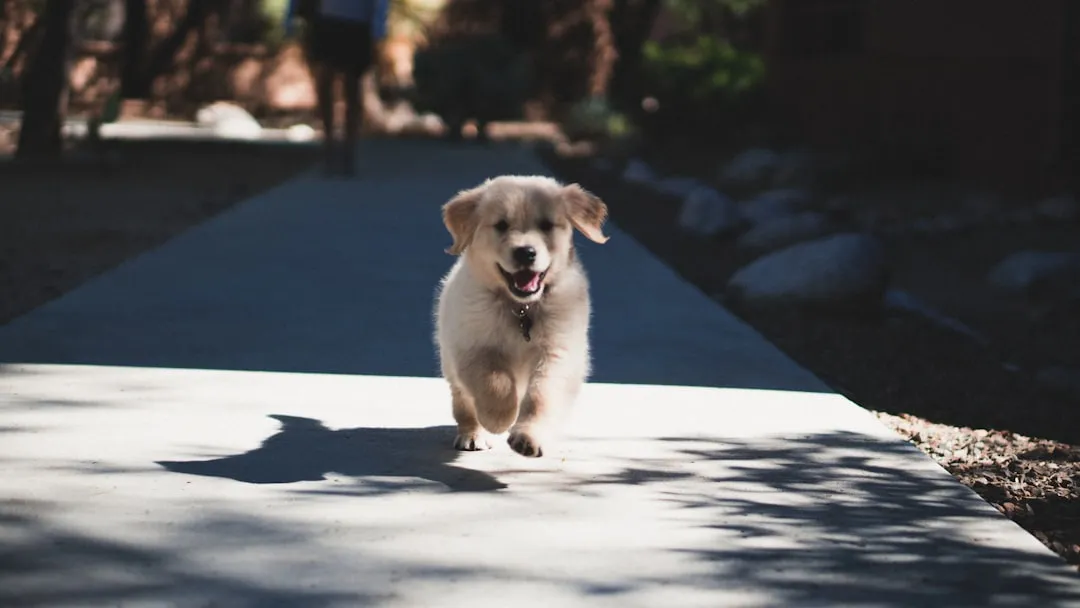
This is probably the most common overlooked risk, and it’s baked into everyday urban life. Hard surfaces take a greater toll on arthritic joints, while softer, more forgiving surfaces reduce impact. Pavement and concrete provide essentially no shock absorption. For a dog taking thousands of steps during a single walk, that adds up to a significant cumulative load.
The repeated impact on hard ground can cause micro-trauma, which involves tiny injuries to the cartilage and soft tissues within the joints, trigger inflammation, and over time cause the cartilage that cushions bones to break down under consistent pressure.
Cartilage has no nerve endings, which means the damage can develop without any outward signs of pain until the condition is quite advanced. Arthritis or degenerative arthritis may not manifest until a dog has experienced years of abnormal stress. By the time a limp appears, the wear is often well established.
Never Varying the Walking Surface
Even if pavement walking in moderation seems manageable, doing it exclusively removes the natural variability that joints need. The issue with pavement really arises when it becomes the only surface a dog experiences. Whenever possible, mixing in parks, trails, fields, and woodland areas creates a more balanced routine.
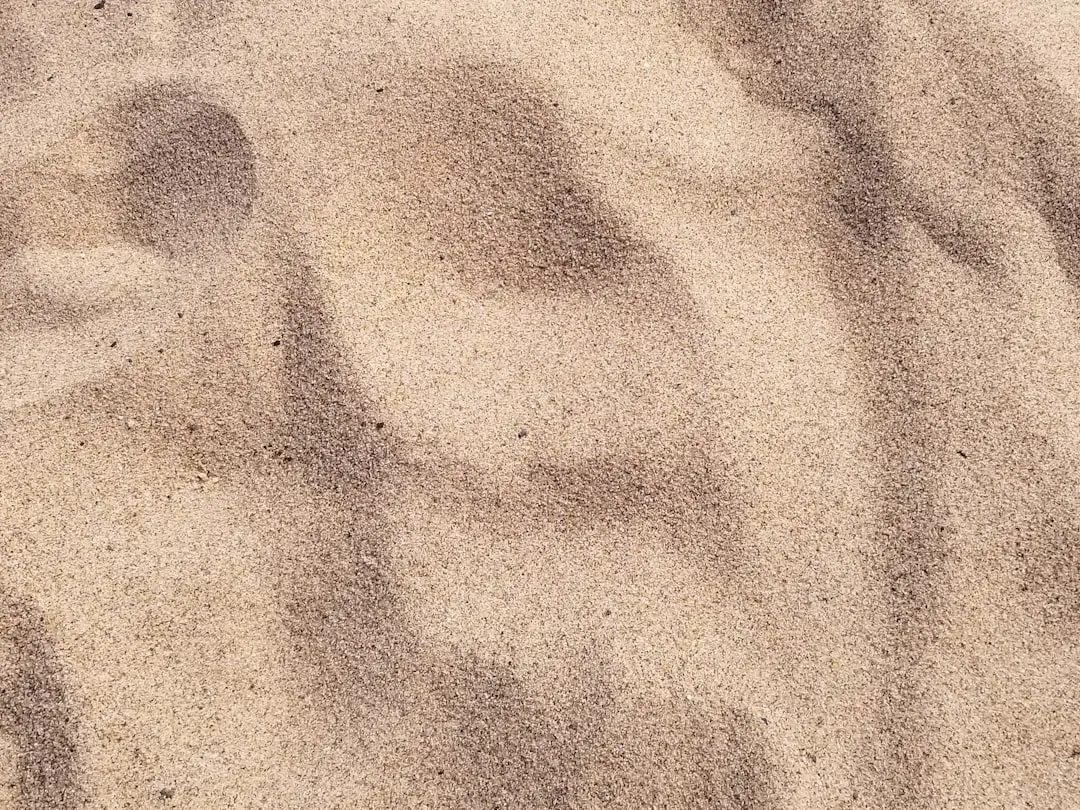
Controlled leash walks on soft surfaces like grass, dirt, or packed sand reduce impact compared to pavement, with the key being allowing the dog to move at a natural, comfortable stride. Natural terrain also recruits stabilizing muscles differently with each step, which builds protective muscular support around joints over time.
Walking through soft sand, for instance, requires more muscle activation than firmer surfaces as the stabilizing muscles of the legs work continuously to compensate for the shifting ground. This increased muscle demand, in moderation, builds the muscular support around joints that helps protect them over time.
Letting Your Dog Pull on the Leash
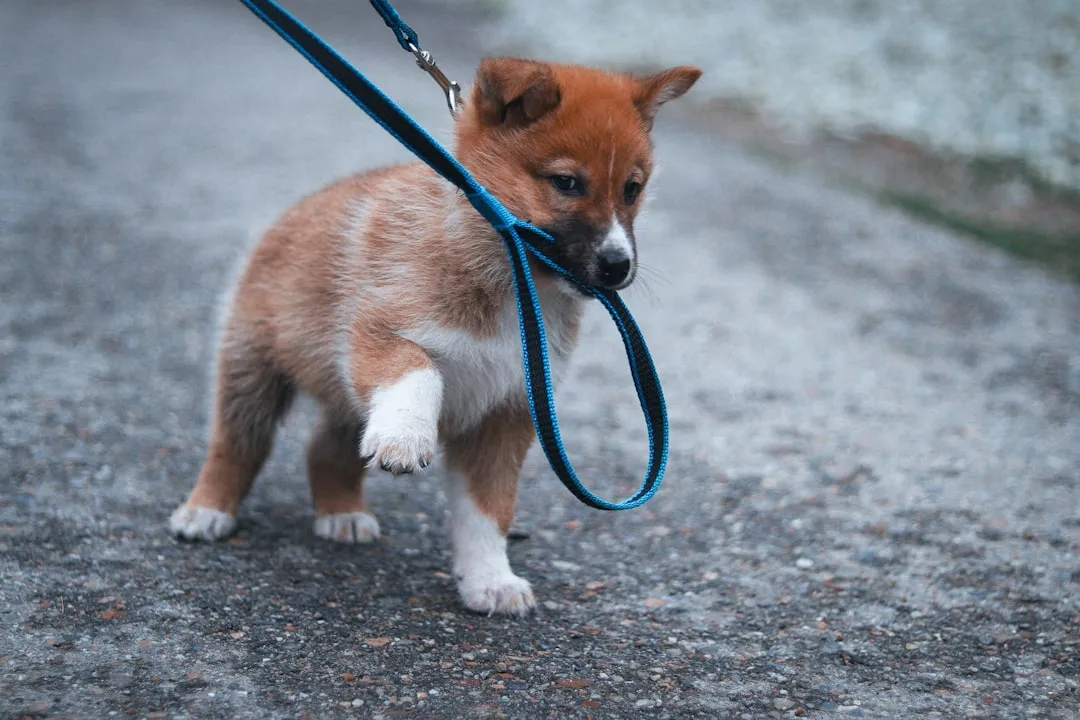
It might seem harmless, or even charming, when a dog pulls enthusiastically ahead on a walk. Mechanically, though, pulling changes the entire biomechanics of both the dog’s gait and the owner’s movement. Dog leash-related injuries have increased, particularly among women over sixty-five. The most common causes are dog-pulling behavior, which can result in tripping or tangling, as well as upper extremity injuries.
For the dog, constant forward-straining pull puts irregular load on the neck, shoulders, and forelimb joints with every step. Research findings help identify risk and point toward areas for further study, including dog training practices, leash and harness design, and considerations for people with joint, balance, or mobility concerns.
Shoulder pathologies are a common reason for presentation to veterinary sports medicine and rehabilitation practices. A dog that pulls regularly is placing repetitive, abnormal strain on those same structures walk after walk.
Walking Too Far Too Fast Without Conditioning
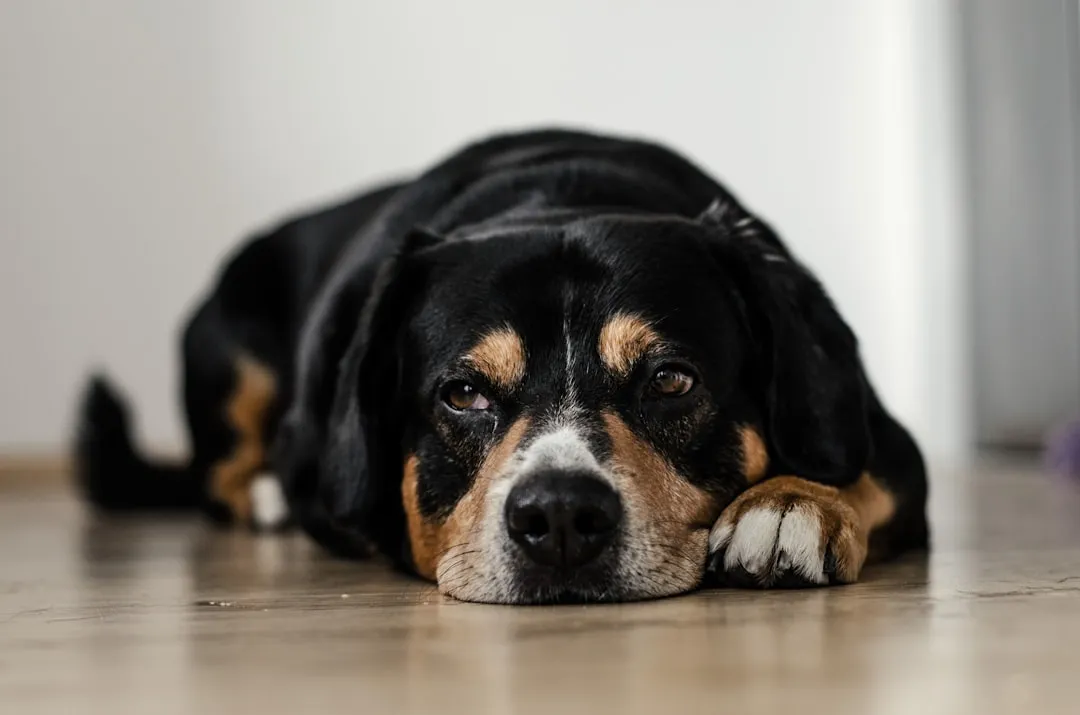
The impact associated with extreme exercise can cause strain and sprain in various dog joints. Toe joints are particularly susceptible, but the wrist and elbow are also at risk. Dogs carry about sixty percent of their weight on their front limbs, which puts quite a bit of stress on those joints.
Over-exertion can cause immediate pain in older dogs with osteoarthritis and accelerate joint tissue degeneration. Many owners make the mistake of suddenly lengthening walks on weekends after shorter weekday outings, which places unprepared joints under significant load without any build-up period.
Evidence from working and sporting dogs shows better performance and lower injury rates when rest days and active recovery days are built into regular cycles. Rest days allow joints, muscles, and tendons to repair, while active recovery such as gentle strolls helps circulation without extra load.
Pushing Puppies Too Hard Before Growth Plates Close
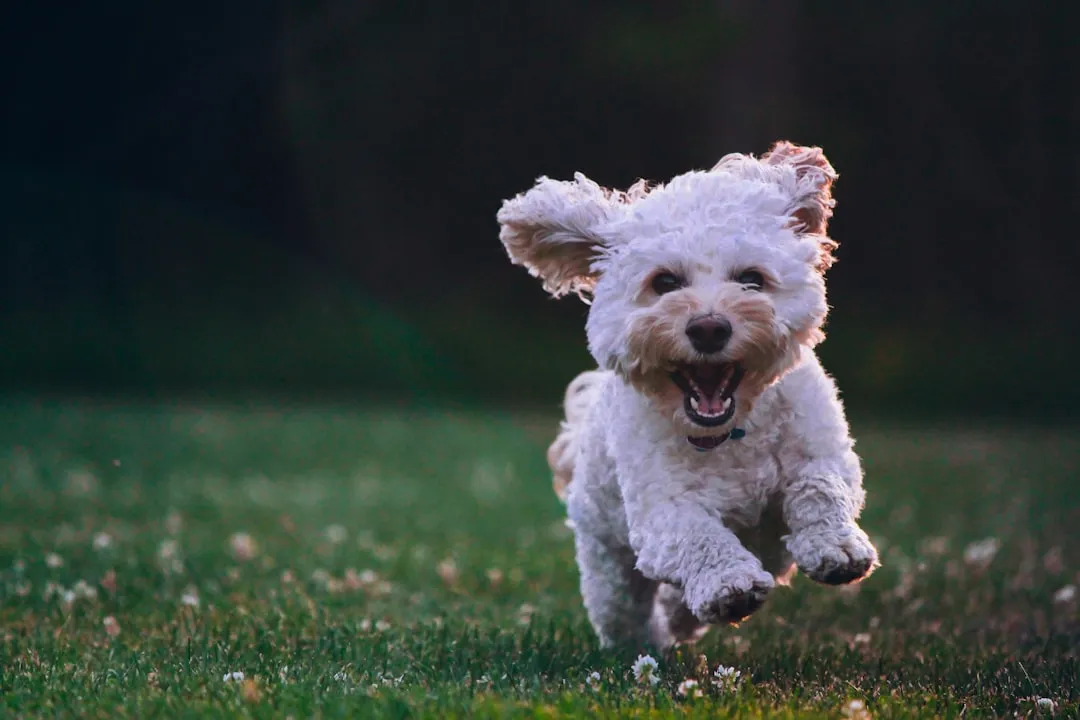
Young dogs are particularly vulnerable, and the enthusiasm of early ownership can unintentionally cause lasting harm. Excessive exercise before the growth plates have closed poses a documented orthopedic risk, according to research by Krontveit et al. Growth plates in large breeds can stay open well into the second year of life.
The primary goal with young dogs is to avoid high-impact, repetitive motions that put excessive strain on the joints. One common mistake is engaging in daily, high-intensity games and fast walks with a very young puppy. The repeated sprinting, hard stops, and sudden directional changes can be incredibly damaging.
Over-exertion can cause immediate pain in older dogs with existing osteoarthritis and accelerate joint tissue degeneration. Exercise is necessary for young puppies, especially giant breeds, but too much can cause joint problems later in life. The damage done in those early months can shape a dog’s mobility for years to come.
Ignoring Weight and Its Compounding Effect on Joints
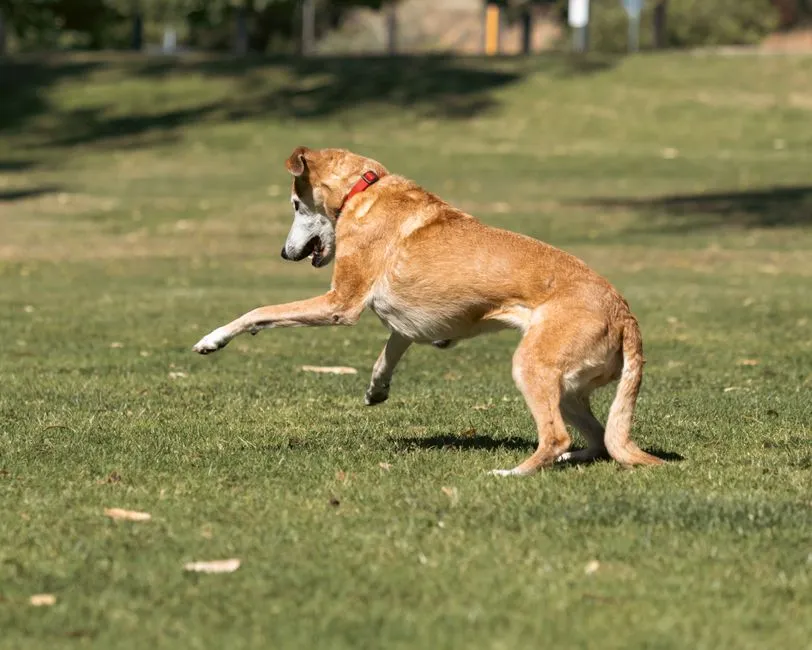
Body weight is a key multiplier for joint stress. Every extra kilogram a dog carries is translated into additional load on hips, knees, and elbows with each stride. Risk factors for osteoarthritis in dogs include higher bodyweight alongside older age and neutered status.
Osteoarthritis is affecting a growing number of animals worldwide, due in part to an increase in obesity rates and life expectancy. Walking an overweight dog on hard pavement compounds two risk factors simultaneously. The joints are working harder, on an unforgiving surface, every single day.
Osteoarthritis is a complex condition that can result from mechanical and biological factors. It has been described as the consequence of abnormal forces applied to joints with normal physiology, or from normal forces applied to joints with abnormal physiology. An overweight dog essentially fits both descriptions at once.
Walking at the Owner’s Pace Rather Than the Dog’s Natural Stride
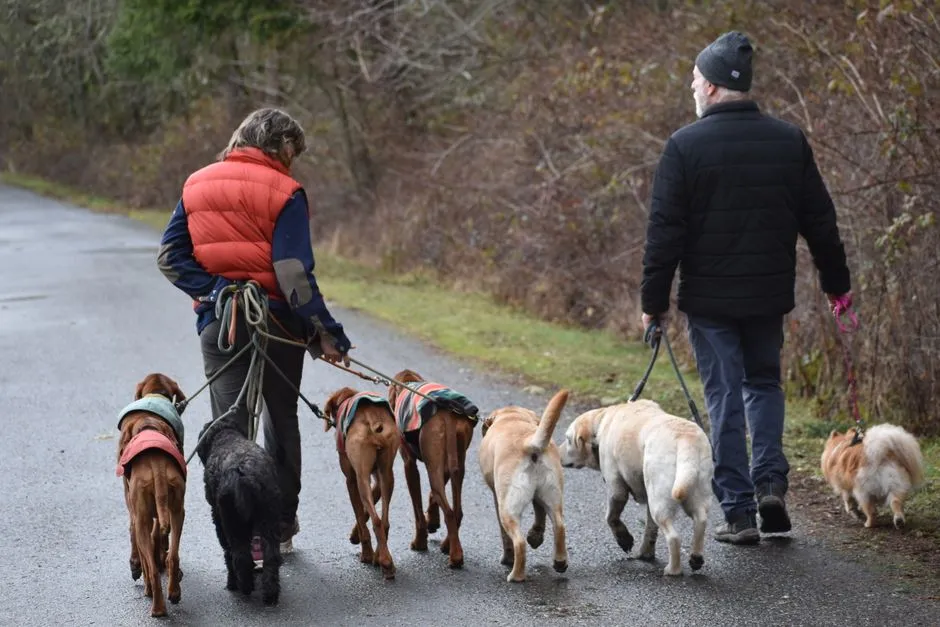
Dogs have a natural, biomechanically efficient gait for their size and build. When forced to walk faster or slower than that natural rhythm, they have to compensate through altered joint angles and muscle activation. Controlled walking, either on flat ground or on inclines or declines, is recommended in nearly every recovery rehabilitation program precisely because gait quality matters enormously for joint health.
Veterinary rehabilitation research shows that the angle and pace at which a dog moves significantly affects the load across specific joints. Decline walking significantly increases muscle activity in the supraspinatus and deltoideus muscles of dogs. These findings provide important insights regarding muscle activity during various walking positions and should be considered when developing any exercise plan for dogs with shoulder or forelimb concerns.
Even on a casual daily walk, consistently forcing a small dog to trot to keep up with a long-legged adult, or making a large dog dawdle, creates an unnatural movement pattern that quietly accumulates stress over time.
Skipping Rest Days Entirely
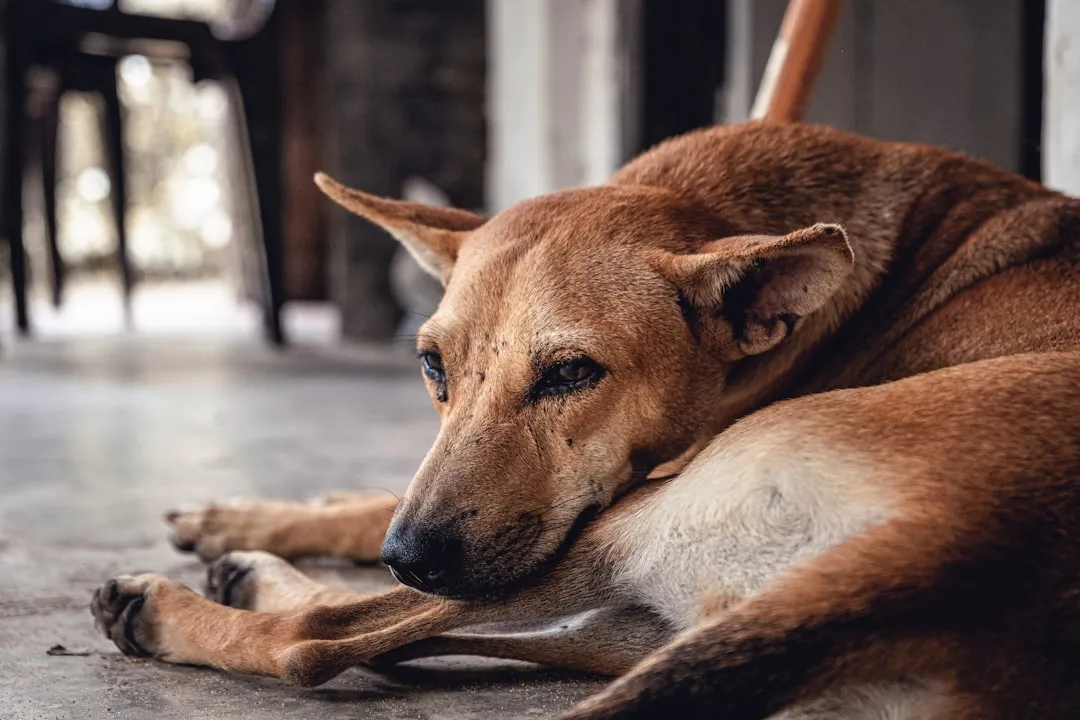
There’s a prevailing assumption that dogs need to be walked every single day at the same intensity regardless of how they’re feeling. Rest is not laziness. It’s a physiological requirement. Rest days allow joints, muscles, and tendons to repair, while active recovery days with gentle strolls help circulation without adding extra load to the musculoskeletal system.
Signs of overexertion in dogs include excessive panting, reluctance to continue, and limping. If any of these signs appear, stopping the activity and allowing rest is important. It is also important to gradually increase the intensity and duration of exercise rather than pushing a dog too hard too quickly.
A dog that comes home stiff, is reluctant to get up the next morning, or hesitates at stairs is communicating something. Those signals deserve attention rather than another long walk on concrete.
Using the Wrong Harness or Collar Setup
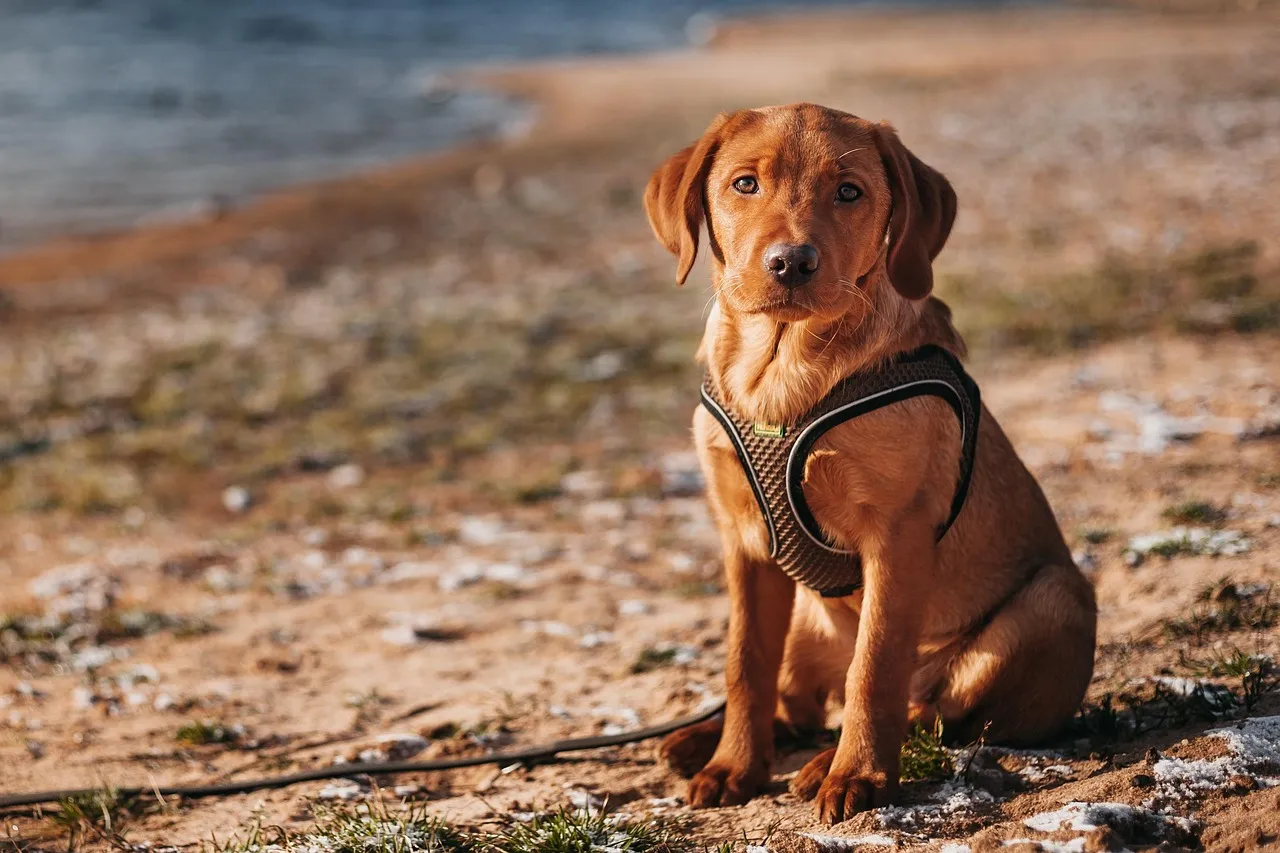
The equipment a dog wears during a walk isn’t just a comfort issue. It directly influences how force is distributed across the neck, shoulders, and forelimbs. A collar that allows a pulling dog to strain repeatedly against its throat alters the tension through the cervical and shoulder muscles with every step. Research identifies leash and harness design as a specific area warranting further study in the context of walking-related injuries and joint strain.
Poorly fitted harnesses that sit across the point of the shoulder can restrict the natural swing of the foreleg, creating a subtle but consistent gait alteration. Over weeks and months, this altered gait changes how load is distributed through elbow and shoulder joints. There is a recognized lack of information regarding the type of leash and harness used at the time of injury and the role each factor may have in the incidence of related injuries.
The right equipment fitted correctly for the dog’s size and build is not optional. It’s part of the biomechanical picture of every walk the dog takes.
Missing Early Warning Signs During Walks
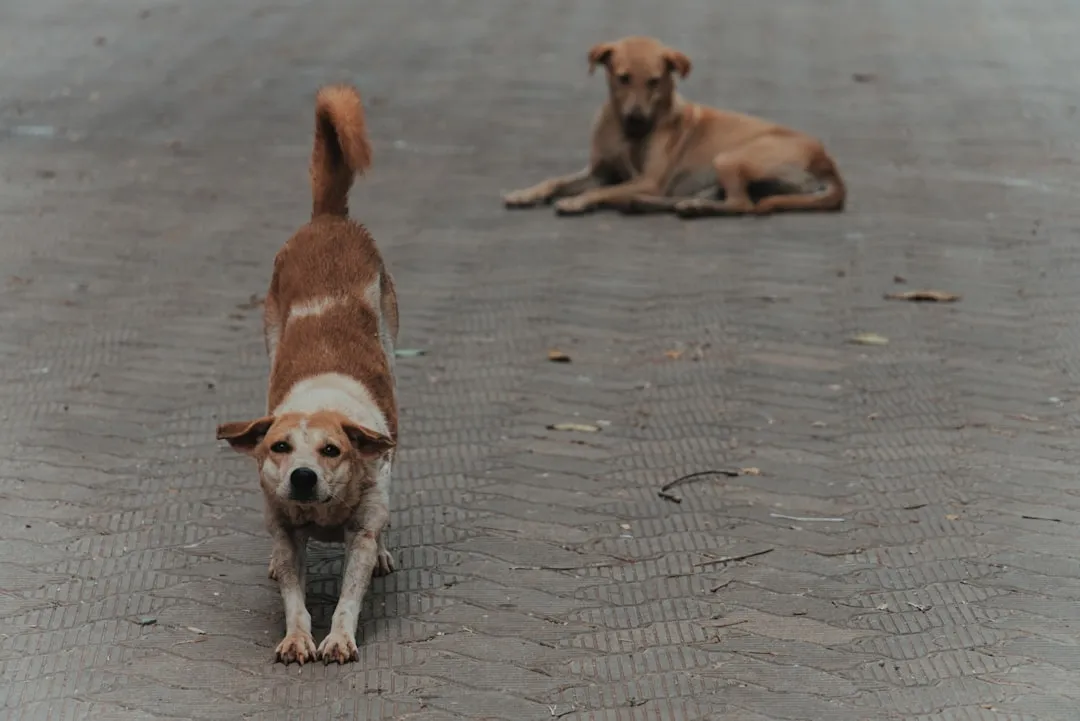
One of the most consequential habits isn’t about pace or surface or equipment. It’s about observation. Dogs rarely vocalize pain. Instead, they show it through subtle behavioral shifts during and after exercise. Cartilage health in dogs is the foundation of long-term mobility and comfort. When cartilage wears down, bones rub directly against each other, leading to inflammation, stiffness, and chronic pain.
Cartilage doesn’t contain blood vessels, meaning it relies entirely on nutrients from synovial fluid. This makes it especially slow to heal once damaged. Watching for a dog that starts lagging behind, begins favoring one side, sits down unexpectedly mid-walk, or takes longer to warm up at the start of a walk are all early signals worth taking seriously.
Osteoarthritis can manifest unexpectedly, from a slip on a tile floor to a gradual struggle up the stairs. The condition can significantly impact a pet’s quality of life. While age is a known risk factor, even younger pets can be diagnosed with osteoarthritis. Catching it early, and adjusting habits accordingly, makes a real difference to how far the condition progresses.
The Bigger Picture
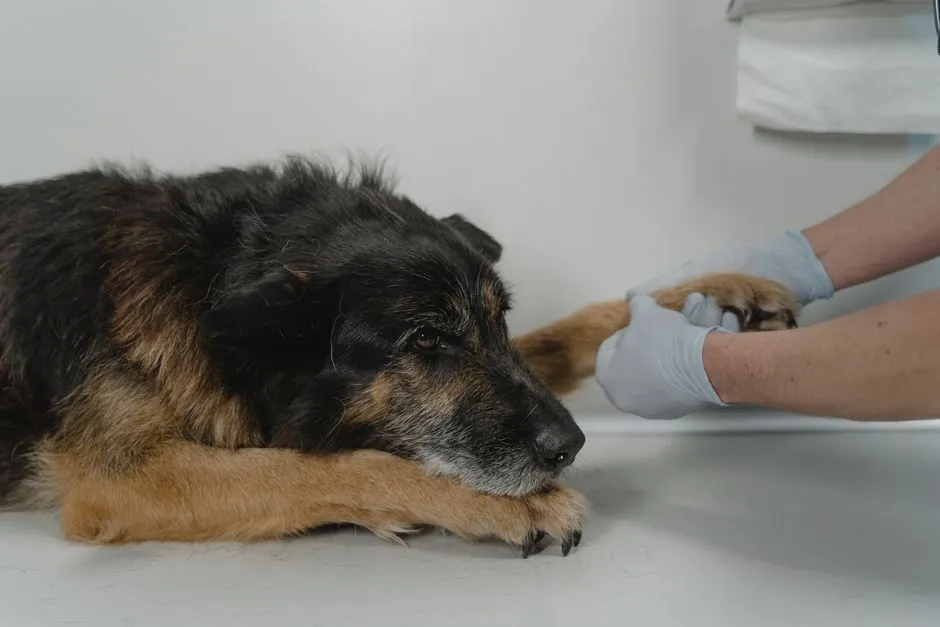
Most of these habits are things that well-meaning owners do without a second thought. The pavement walk to the park each morning. The weekend hike with an under-conditioned dog. The enthusiastic puppy being taken on adult-length walks. None of these feel harmful in the moment. That’s precisely why the joint wear is so easy to miss.
Osteoarthritis includes inflammation, the degeneration of articular surfaces, changes in the synovial membrane, changes in subchondral bone, and bone production at the edges of the articular surface. These changes are cumulative, and they build quietly across years of daily walks.
The good news is that most of these habits are adjustable. Softer surfaces are often closer than you think. Shorter, more frequent walks generally serve joints better than fewer, longer ones. For dogs dealing with arthritis, hip dysplasia, or age-related stiffness, softer surfaces are generally preferable. If a dog is showing signs of discomfort, it is worth reviewing not only walk length but also the surfaces they are regularly walking on. Paying attention costs nothing, and it can add genuinely comfortable, mobile years to a dog’s life.
AI Disclaimer: This article was created with the assistance of AI tools and reviewed by a human editor.