

Most people run a full cycle, hear the machine click off, and assume their dishes are clean. The dishwasher is supposed to be the hygienic option, after all. Hot water, strong detergent, high pressure – it sounds like a microbe’s worst nightmare.
The reality is a little more complicated. Certain common habits, and a few overlooked parts of the machine, create conditions where bacteria and fungi not only survive but quietly thrive. Here are ten dishwasher mistakes that may be working against you.
Never Cleaning the Rubber Door Seal
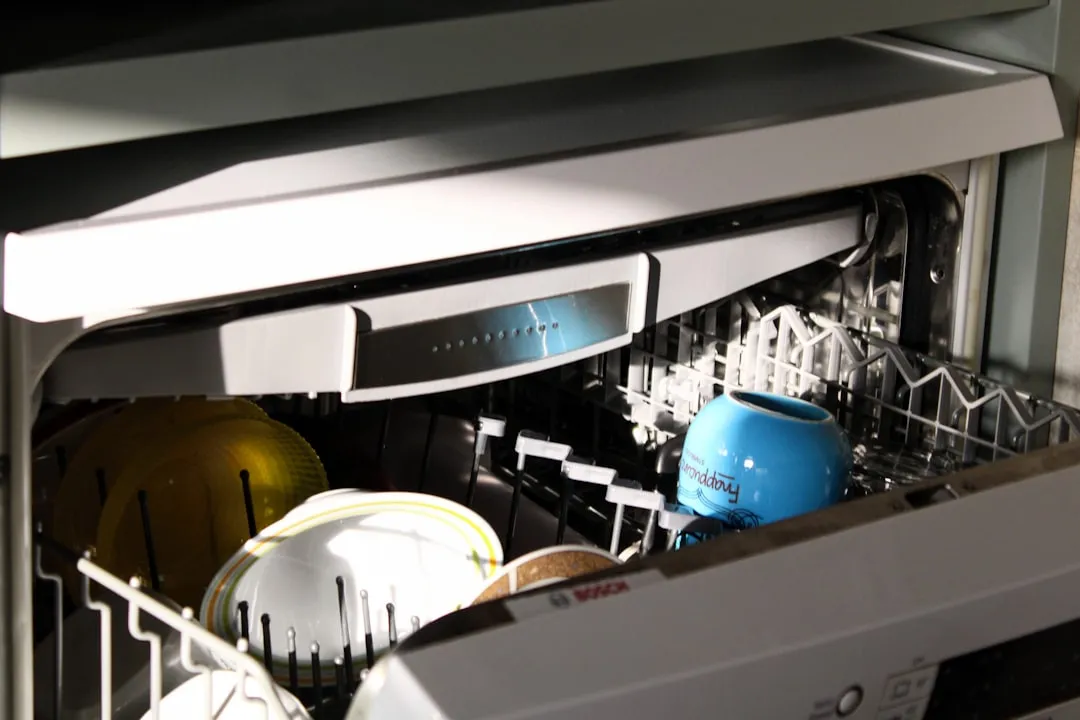
The rubber gasket that runs around the inside edge of your dishwasher door is one of the most bacteria-dense spots in the entire kitchen. Research published in BMC Microbiology found that all 30 dishwashers investigated were colonized by various bacteria, with cultivation approaches yielding 632 bacterial isolates in total, belonging to four phyla, eight classes, 40 genera, and 74 species.
Bacterial genera such as Pseudomonas, Escherichia, and Acinetobacter, known to include opportunistic pathogens, were represented in most samples, while the most frequently encountered fungal genera belonged to Candida, Cryptococcus, and Rhodotorula, also known to include opportunistic pathogenic representatives.
The data indicate that colonization of dishwasher rubber seals depends primarily on the bacterial input from the dirty vessels, and much less on the bacteria in the tap water. In other words, every load of dirty dishes you run contributes to what’s living in that seal.
Ignoring the Filter for Months at a Time
As you run your dishwasher every day, soap scum, food, dirt, and bacteria develop in the filter, resulting in filthy water, a breeding ground for germs, and foul odors. Most people have no idea the filter even needs attention.
In recent years, dishwasher manufacturers have moved away from self-cleaning filters to manual filters, largely because self-cleaning filters, which are often equipped with a grinder, can be noisy and use more energy. That shift means the maintenance responsibility now falls entirely on you.
Without proper maintenance, food particles and grime can build up in the filter, which can affect the performance of your dishwasher and could even lead to unwanted odors. In extreme cases, a dirty filter may lead to a broken dishwasher. Cleaning it every one to four weeks, depending on how frequently you run the machine, is a reasonable baseline.
Overloading the Machine
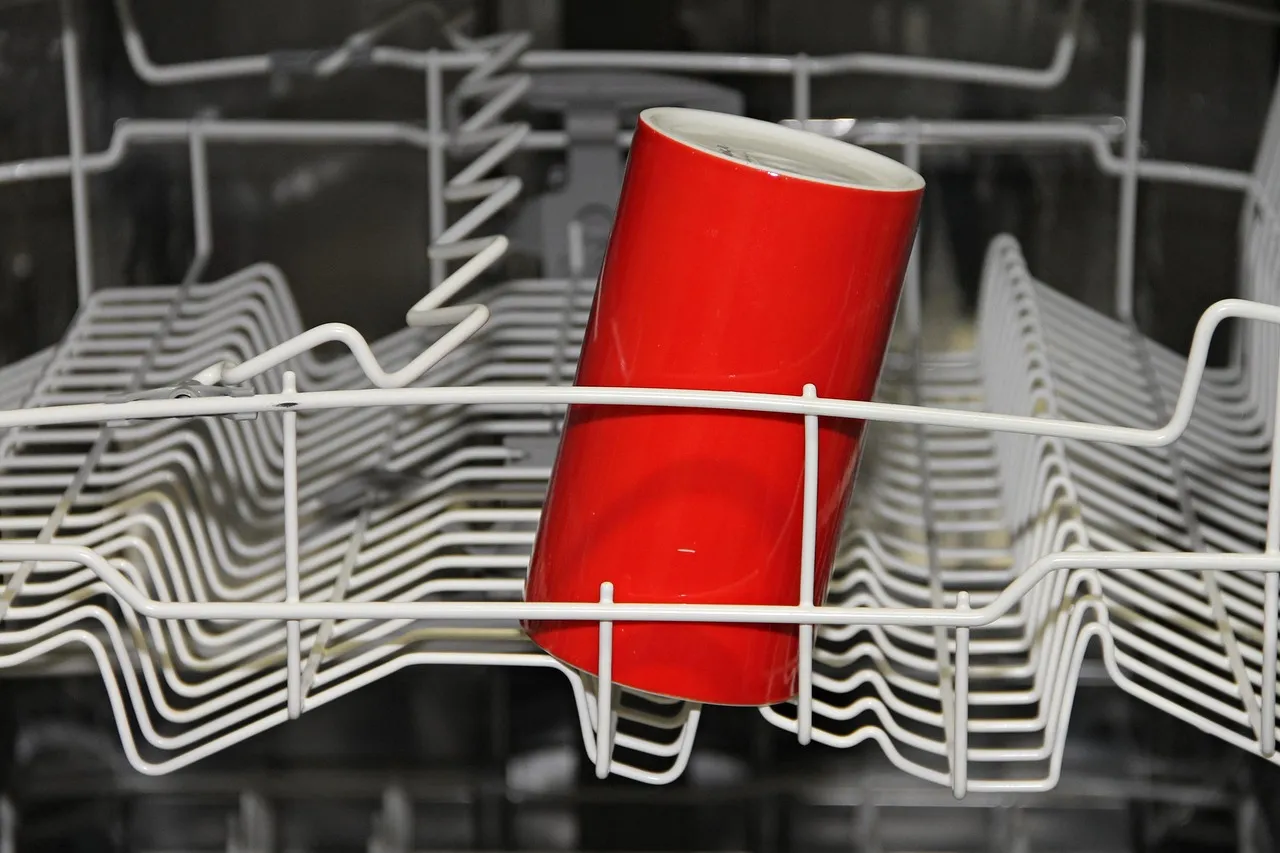
Packing the racks too tightly is one of the most common habits that quietly compromises hygiene. When dishes are wedged too close together, the spray arms can’t reach every surface properly, and food residue survives the cycle. Without a properly functioning filter, food particles could recirculate inside the dishwasher and end up back on your dishes, leaving them dirty even after a full cycle.
The spray arms need clear rotation to distribute hot water evenly. Bowls and cups stacked rim-to-rim trap water and food debris between them, creating a small, moist pocket where bacteria can persist. Leaving reasonable space between items is not just about cleaning performance – it matters for basic hygiene too.
Placing Dishes the Wrong Way Up
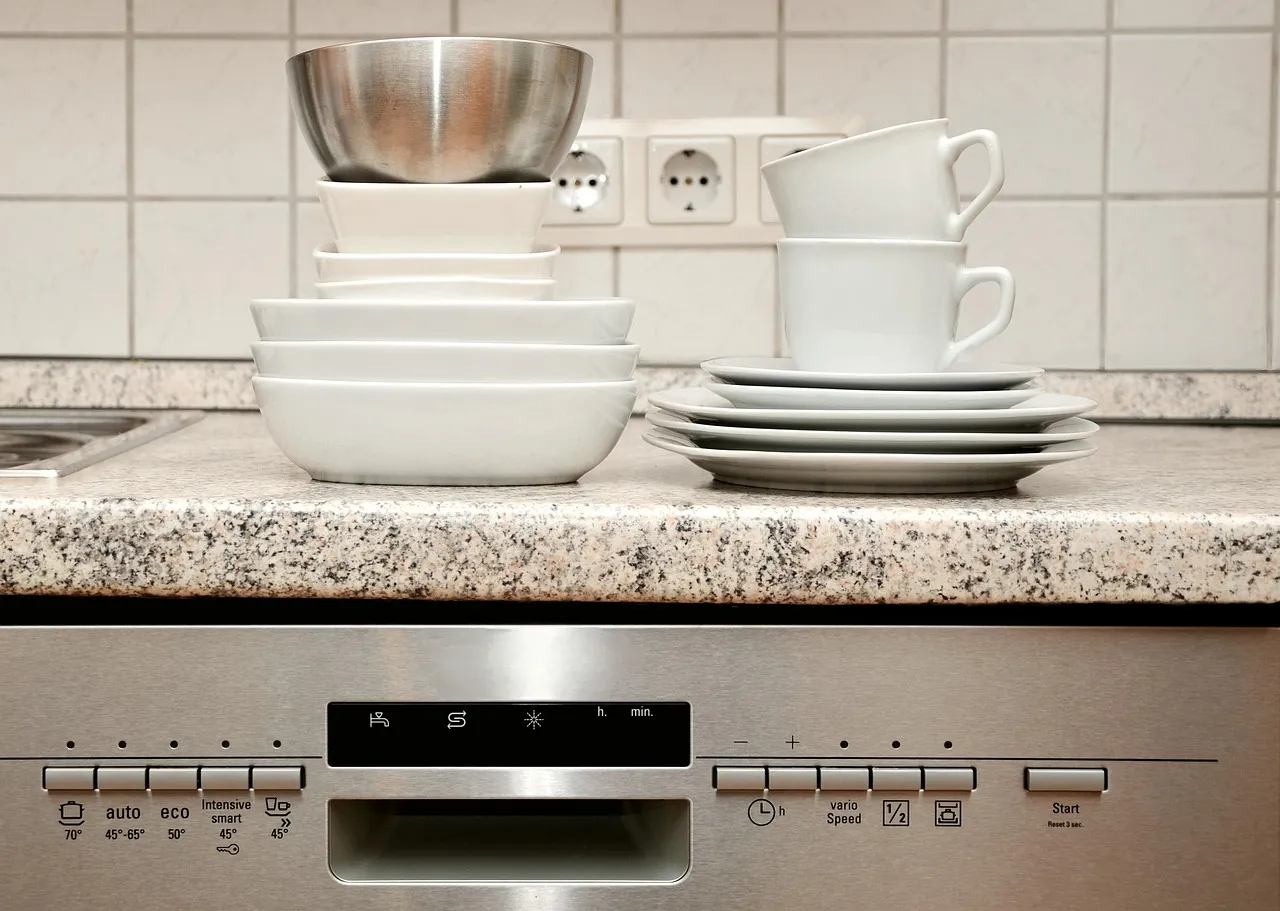
Cups, bowls, and mugs placed right-side up collect pools of standing water at the end of each cycle. That trapped water, mixed with trace food residue, sits at room temperature after the cycle finishes and becomes a hospitable environment for microbial growth.
Extreme habitats are not only limited to natural environments but also exist in manmade systems such as dishwashers. Limiting factors such as high temperatures, high and low pHs, high salt concentrations, presence of detergents, and shear force from water during washing cycles define microbial survival in this extreme system. The organisms that do survive inside dishwashers are specifically adapted to tough conditions – giving them a pool of standing water to sit in is not helping.
Using the Wrong Water Temperature
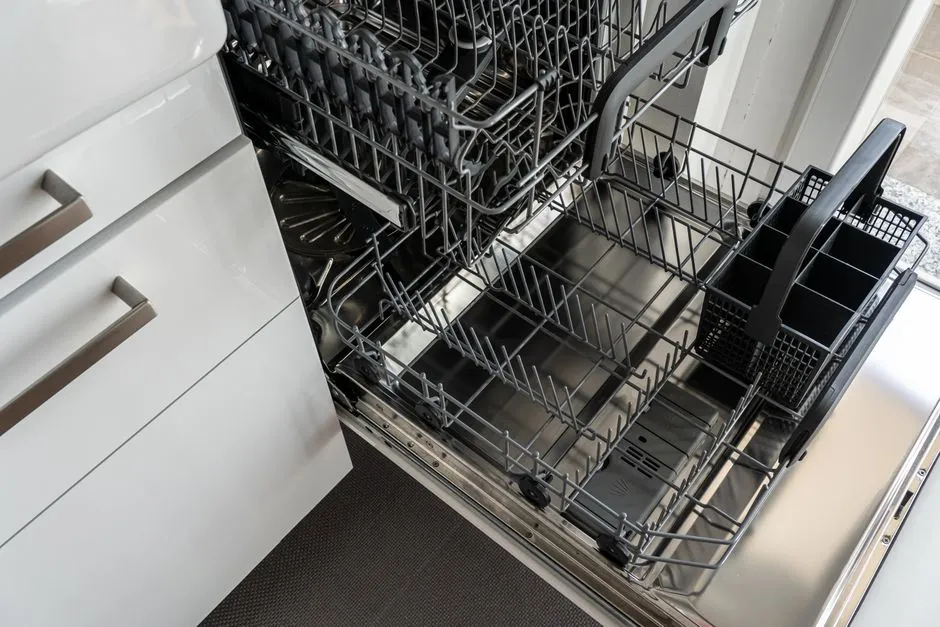
Running short or eco cycles at lower temperatures might save energy, but the trade-off can be significant in terms of microbial load. The viability of bacterial species is affected by both organic matter types and the washing water temperature. Lower wash temperatures leave more survivors on surfaces and inside the machine itself.
A 2025 study published in the journal Microorganisms examined the hygiene efficacy of short cycles in domestic dishwashers specifically, confirming that hygiene efficacy of short cycles in domestic dishwashers is a recognized research focus, with findings published as recently as June 2025 from Rhine-Waal University of Applied Sciences. For households with immunocompromised individuals, sticking to hotter, longer cycles is particularly worth considering.
Skipping the Monthly Deep Clean
Running dishes through a dirty dishwasher is a bit like washing your hands in murky water. Without regular maintenance, grease, food particles, and mineral buildup can reduce efficiency, and a dirty dishwasher can become a breeding ground for bacteria and mold.
Regular cleaning stops the buildup of food particles that cause unpleasant smells, a well-maintained filter reduces strain on the machine and its components, and a clean filter prevents the growth of bacteria and mold in your dishwasher. A monthly run with a dedicated dishwasher cleaner, combined with wiping down the interior walls and door, goes a long way.
Hard Water Left Unchecked

Hard water increases the prevalence of dishwasher fungi because it contains minerals that these organisms adhere to. Hard water can also cause cloudiness and filming on dishes, and these films can be a breeding ground for bacteria and other organisms – even after the dishwasher has finished its washing cycle.
The type of tap water plays a role, with dishwashers that use hard water home to a bigger variety of fungi. If your home is in a hard-water area, using a rinse aid and a salt-based water softener system designed for dishwashers can meaningfully reduce this effect. Ignoring it means the mineral deposits accumulate and give microbes more surface area to cling to.
Not Cleaning the Spray Arms
The spray arms have small holes that jet water in every direction during a cycle. Over time, those holes clog with mineral deposits and small food particles. The spray arms can become clogged with food particles and mineral deposits over time, and removing and cleaning them regularly ensures proper water distribution.
When spray arm holes are partially blocked, hot water doesn’t reach every corner of the machine. Bacteria-harboring zones in the lower tray and along the interior sides get less water pressure and less detergent contact. It’s one of the most overlooked maintenance steps, and also one of the simplest fixes – most spray arms simply twist off for a quick rinse and scrub.
Leaving Wet Dishes Sitting Overnight

Many people run the dishwasher before bed and unload it the next morning. Leaving wet dishes sitting in a warm, sealed, damp environment for eight or more hours gives any surviving moisture time to redistribute and linger in pockets across the interior. The dishwasher is an “extreme environment” for germs, but bacteria and fungi can still grow near where you clean your glasses, utensils, and plates.
Opening the door slightly at the end of a cycle allows steam to escape and the interior to dry faster. Some modern dishwashers do this automatically with a door-pop feature. For older models, a brief manual crack of the door after the cycle ends makes a real difference in drying time and residual moisture.
Assuming the Machine Cleans Itself
Perhaps the single most consequential mistake is simply assuming that because the dishwasher cleans other things, it keeps itself clean in the process. It doesn’t. Researchers tested the rubber seals of 24 different dishwashers in homes across Slovenia, and all had a biofilm – a slimy colony of microorganisms – clinging to the surface.
A dishwasher study conducted at the University of Ljubljana in Slovenia and the University of Copenhagen in Denmark showed that dishwashers contain bacteria linked to urinary tract infections, skin infections, food poisoning, and heart infections. The risk to healthy adults is generally low, but it’s a reminder that the machine requires upkeep, not just loading.
By removing food particles and other contaminants, the filter helps maintain the dishwasher’s hygiene, preventing the buildup of bacteria and mold that can cause unpleasant odors. Treating the dishwasher as an appliance that needs regular maintenance, not just regular use, is the single most effective shift in thinking.
The Takeaway
None of this should make you distrust your dishwasher. For most households, it remains one of the more effective tools for cleaning dishes, and the bacterial risk it poses to healthy adults is modest when the machine is maintained reasonably well. The problem is that “reasonably well” is a bar that many households aren’t currently meeting.
Cleaning the rubber seal, clearing the filter regularly, checking the spray arms, and running a monthly deep clean are simple habits. They take very little time. The research on what accumulates inside neglected dishwashers makes a clear case for building these steps into a routine rather than treating them as optional. A clean dishwasher is one that earns the trust you already place in it.
AI Disclaimer: This article was created with the assistance of AI tools and reviewed by a human editor.