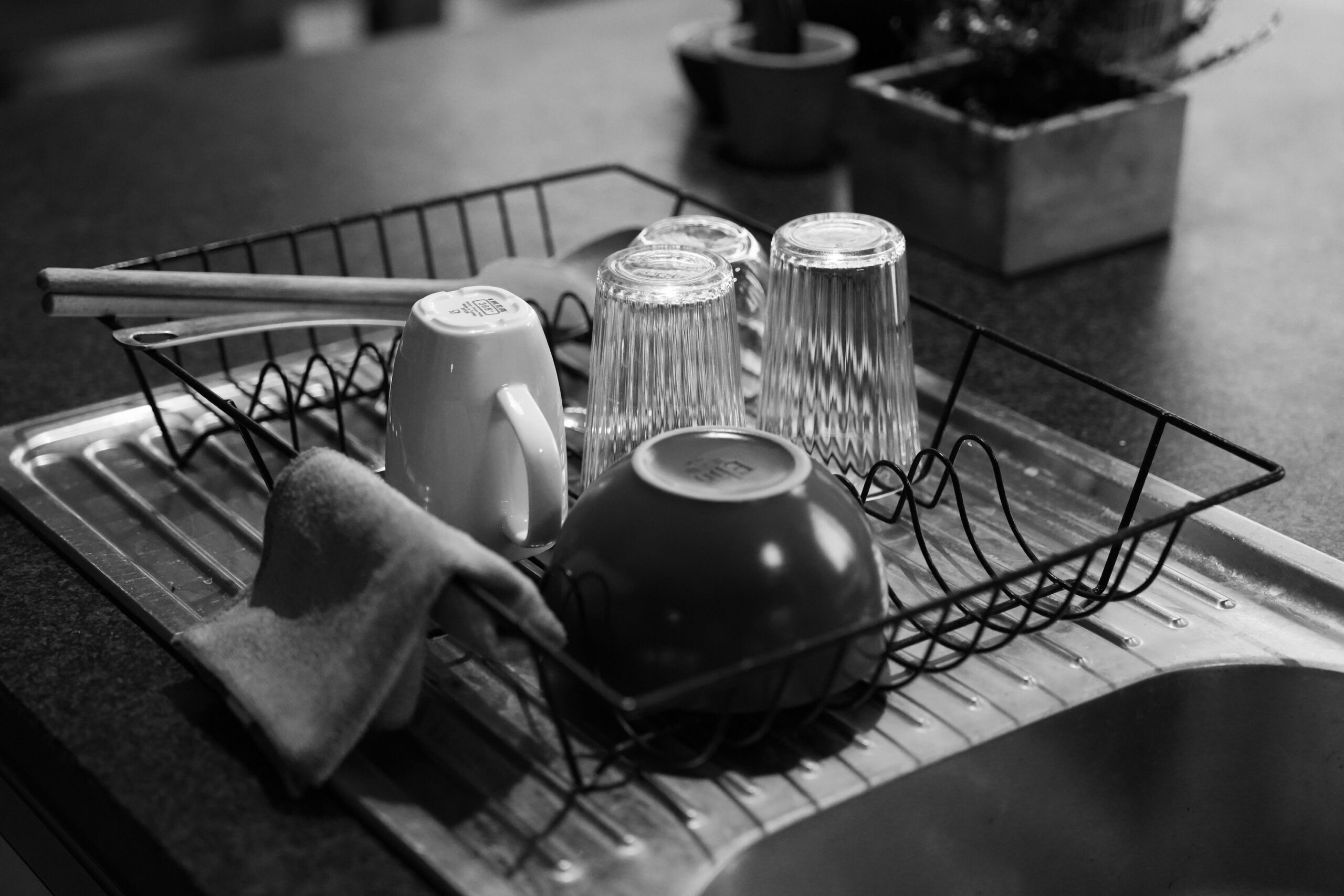

Your Kitchen Is Already the Germiest Room in the House
A landmark study by NSF International asked microbiologists to have 22 families swab 30 everyday household surfaces, and one of the biggest surprises was that the kitchen, not the bathroom, contained the highest levels of contamination. Most people would have guessed the toilet area. They would have been wrong.
The study revealed that three of the top five germ hot spots in the home were actually in the kitchen. This is the environment your dish rack lives in every single day. Warm, moist, and full of organic residue from food prep, it’s almost purpose-built for microbial growth.
Standing Water in the Drip Tray Is the Core Problem
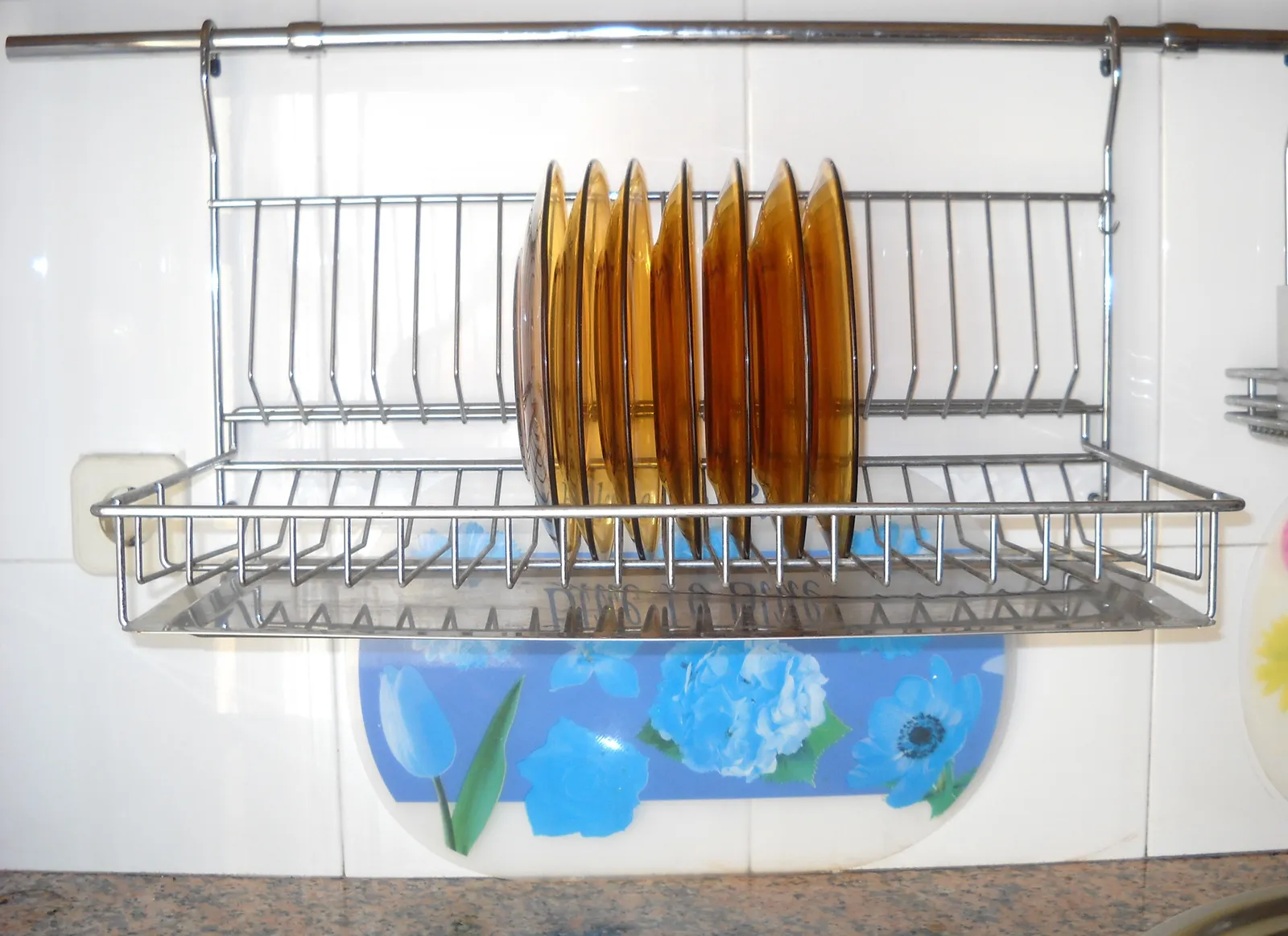
The biggest culprit in kitchen contamination is standing water, and many traditional dish racks use a flat plastic tray underneath to catch drops. When water sits in these trays for days at a time, it creates a stagnant, humid microclimate. Most people empty the tray occasionally, but rarely every day.
Within just 24 to 48 hours, that standing water can begin to harbor black mold, mildew, and other unwanted microbes. The problem isn’t dramatic or visible at first. It starts quietly, under the rack, out of sight.
The Pink Slime Isn’t Just Ugly – It’s Bacterial

That slippery, pinkish-orange slime that forms around the edges of dish racks and trays is a cluster of bacteria, often Serratia marcescens, thriving on soap residue and moisture. Many people scrub it off and assume the problem is solved. It usually returns within days if the surface stays damp.
Bacterial biofilm of this type is slimy and wipes off with pressure, but returns within days if the surface stays wet. Removing the visible slime without addressing the moisture is like trimming weeds without pulling the root. The conditions that created it are still there.
Mold Spores Can Transfer Directly to Your Clean Dishes
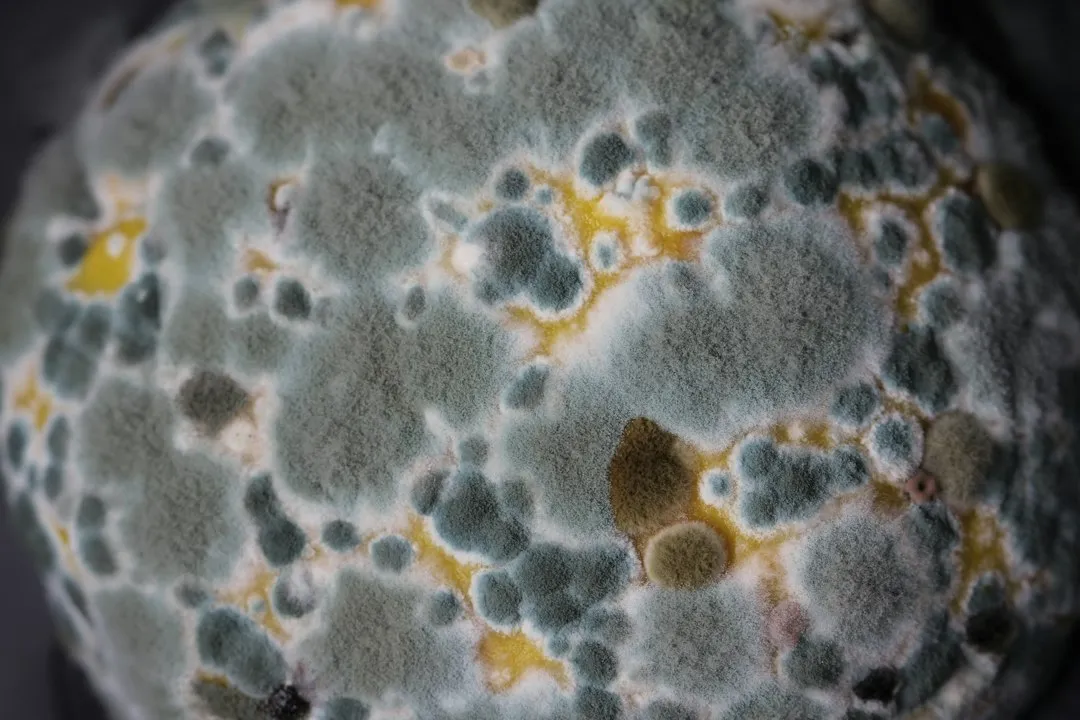
Leaving dishes to air-dry in a rack can inadvertently turn clean dishes into a breeding ground for harmful bacteria, as the moisture left behind, combined with the typical design of many dish racks, creates an ideal environment for microbial growth. This is especially true when a rack isn’t cleaned regularly between uses.
Mold spores growing in the drip tray can easily become airborne or transfer directly onto the rims of glassware. Those rims are exactly where your mouth goes. The irony is that the dish went into the rack clean, and came out with a new problem.
The Utensil Holder Is Often the Worst Offender
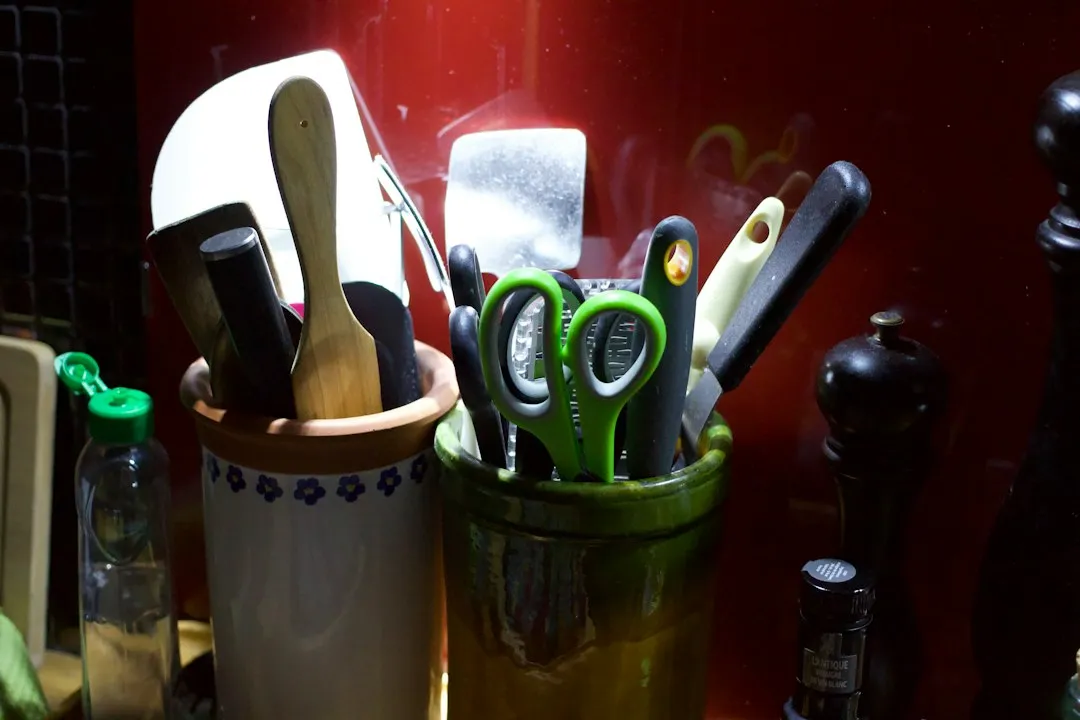
The utensil holder is often the worst offender in a dish rack. Forks, spoons, and knives are placed handle-down, allowing water to pool around the parts that will eventually go into our mouths. That pooled water sits undisturbed for hours, sometimes days.
The narrow cylinder shape of most utensil holders makes them hard to dry and even harder to clean thoroughly. Food particles and soap residue collect at the bottom, and because there’s almost no airflow inside, moisture persists long after everything else has dried. It’s a small space with outsized potential for contamination.
Hard Water Buildup Makes Everything Worse

While calcium deposits from hard water are not directly toxic, they create a rough surface where bacteria can easily cling and multiply. Over time, that rough texture becomes almost impossible to clean with a standard sponge wipe. The buildup acts like a scaffold for microbial colonies.
Most people don’t think of scale as a hygiene issue, only an aesthetic one. In practice, a heavily scaled dish rack is significantly harder to sanitize than a clean one, and the texture gives mold and bacteria extra surfaces to grab onto. Regular descaling with diluted white vinegar addresses both problems at once.
Sealed Kitchens and Energy-Efficient Homes Amplify the Risk
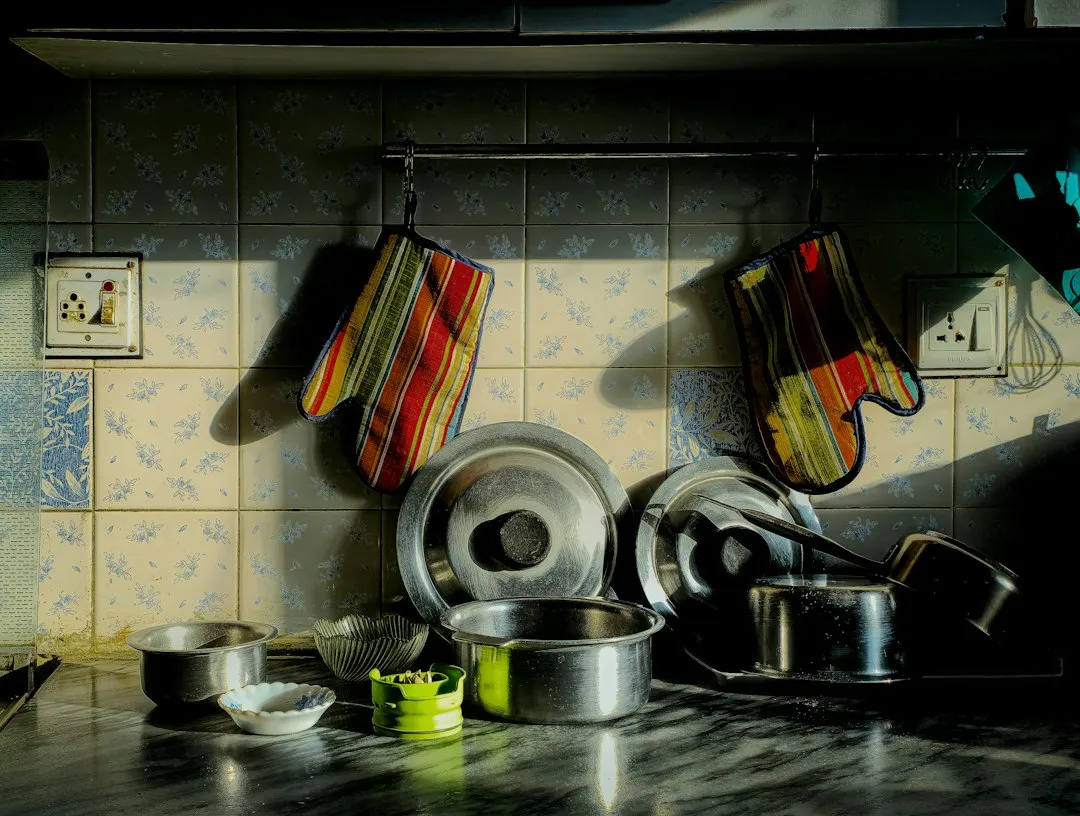
Energy-efficient homes seal tighter, which is great for heating bills but terrible for humidity, and cabinet-enclosed drying areas trap water vapor with almost no way out. In newer builds especially, kitchens can become significantly more humid than older open-plan spaces.
The kitchen is already one of the warmest, wettest places in the house, making buildup happen faster than most people expect. Add a tightly sealed modern apartment to the equation, and the dish rack’s drying time can stretch considerably longer than in a naturally ventilated space. That extra damp time is exactly what mold needs.
Common Cleaning Mistakes That Make Things Worse
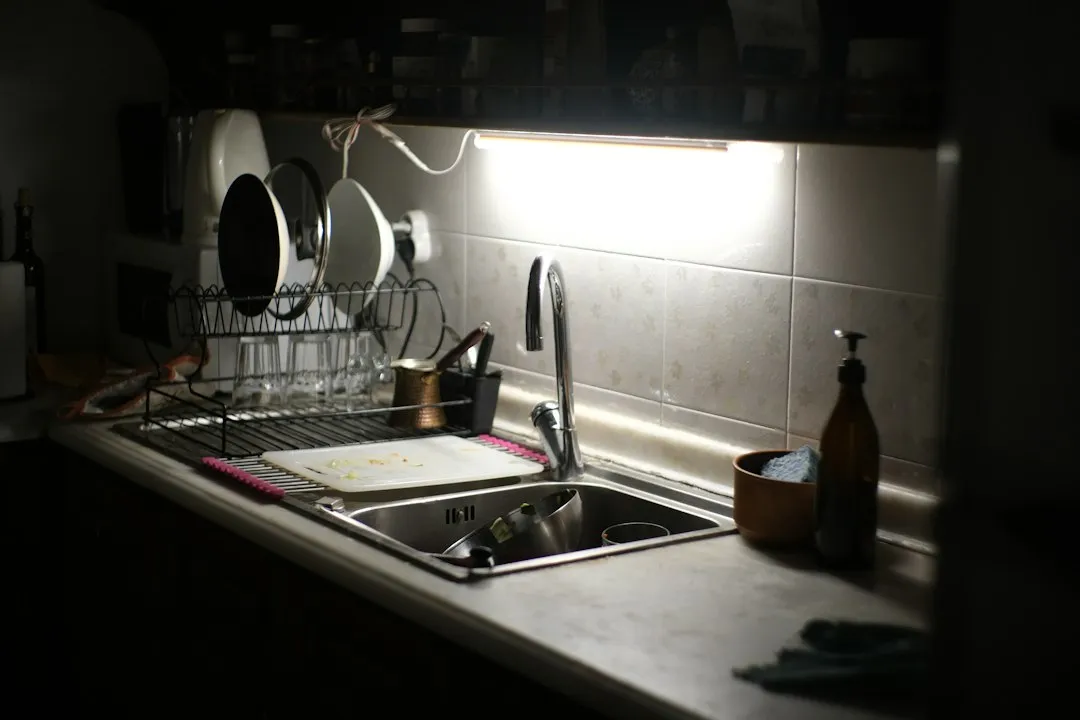
Using bleach on stainless steel is a bad idea – it pits the surface and creates more spore-friendly texture. Many people reach for bleach instinctively, assuming it’s the strongest option. For a dish rack, it can actually create the very conditions it’s meant to prevent.
Oil-based soaps on plastic leave a residue that actually feeds bacteria over time. The cleaning habits that seem thorough can quietly undermine the rack’s hygiene. The most effective routine for most racks is a scrub with dish soap, a rinse with diluted white vinegar, and complete drying before the rack is used again.
How Often You Should Actually Be Cleaning It
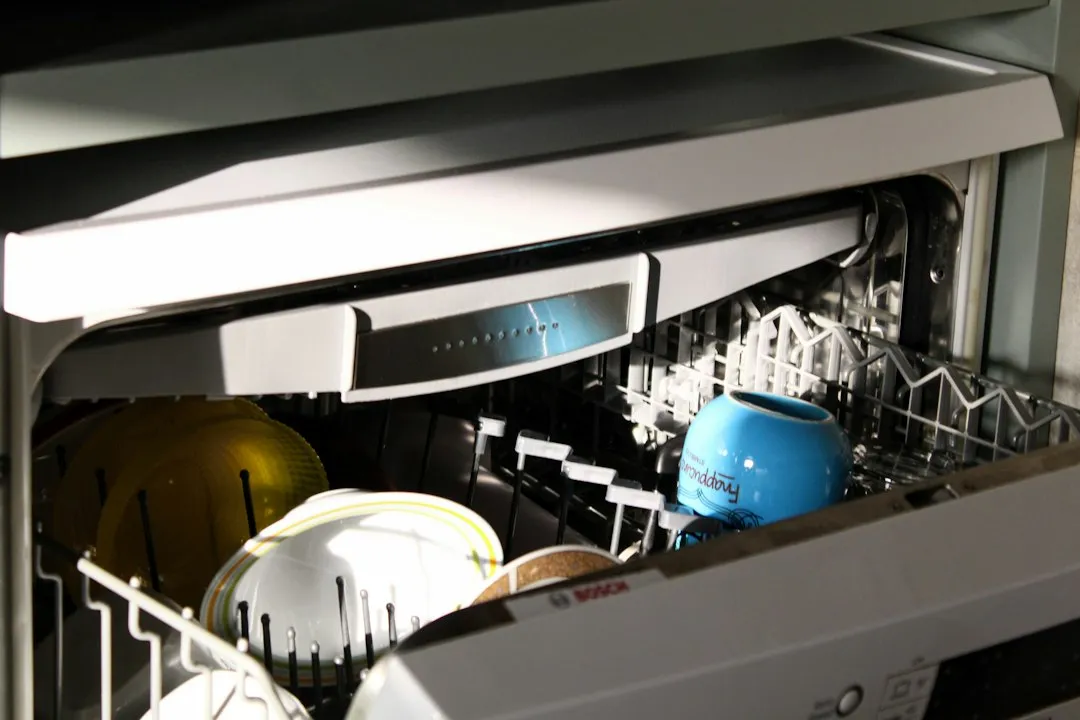
Mold or mildew can quickly become a problem if the rack isn’t properly dried after each use, and immediate action is vital when you spot any mold to maintain hygiene. Most hygiene guidance points toward a proper clean at least once a week, with the drip tray emptied and wiped daily.
If your rack is dishwasher-safe, running it on the hottest cycle with heated dry on is effective, as sustained heat above 150 degrees Fahrenheit kills active mold and most bacteria in a way room-temperature cleaning never quite matches. Even so, heat kills but doesn’t remove, and you still have to scrub off dead biofilm and staining.
Better Rack Design and Habits That Actually Help
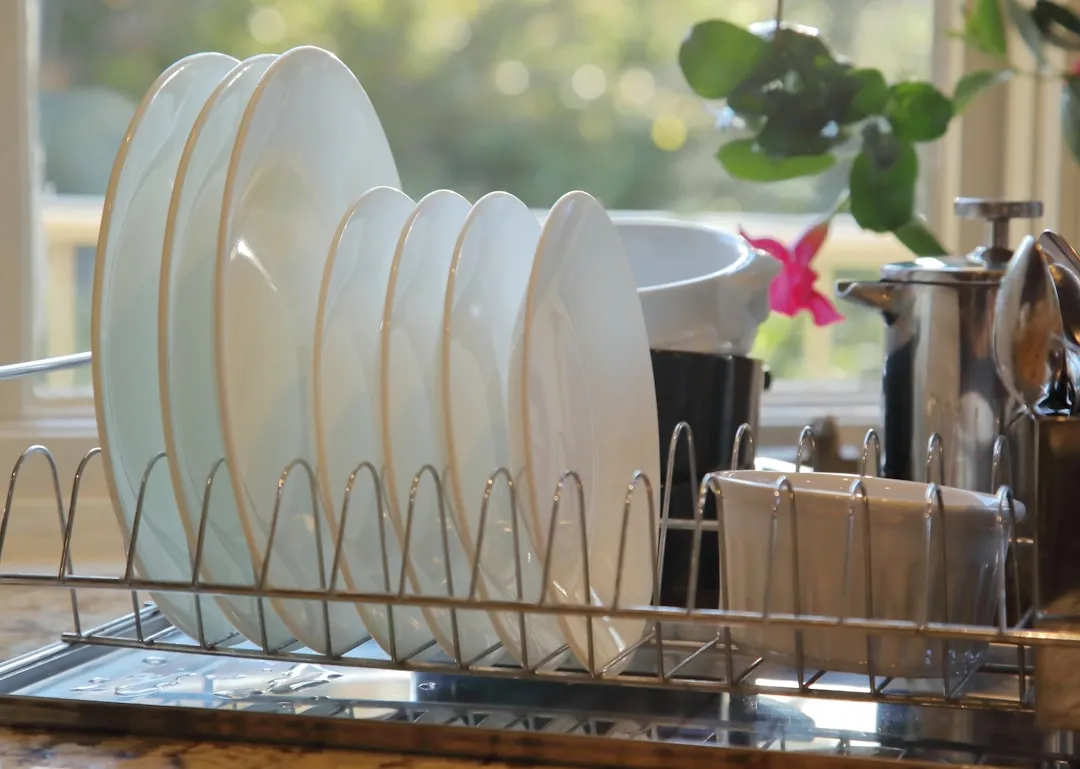
An over-the-sink roll-up rack can help maximize hygiene because it sits directly over the open sink basin, air circulates completely around the dishes speeding up drying time, and when finished you roll it up and store it away, keeping the countertop dry and free from moisture buildup.
Choosing a dish rack made with natural materials and designs that encourage air circulation is a practical starting point for anyone replacing an old rack. The goal is to minimize the time water stays in contact with any surface of the rack. Better airflow and fewer enclosed corners go a surprisingly long way.
The Takeaway
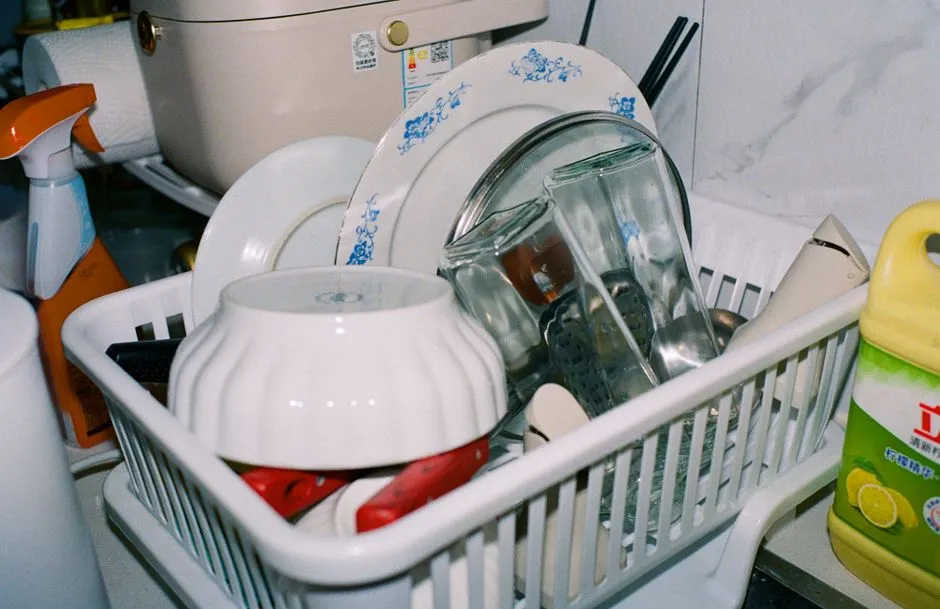
The dish rack is such an ordinary object that it rarely gets scrutinized. It just sits there, doing its quiet job, while the conditions for mold and bacteria build up unnoticed. The fix isn’t complicated: empty the tray daily, scrub the rack weekly, let it dry completely, and pay attention to the material and design you’re using.
Clean dishes deserve a clean place to dry. That connection, so obvious when stated plainly, is easy to lose track of in the daily routine. A small shift in habit is genuinely all it takes.
AI Disclaimer: This article was created with the assistance of AI tools and reviewed by a human editor.