

There was a time when moving trucks on a quiet street meant something more than a logistical headache for traffic. It meant someone would show up at the door with a basket. Maybe cookies, maybe a jar of local jam, maybe a small plant wrapped in newspaper. The gesture was simple, but it carried weight: you are new here, and we are glad you came.
That ritual has grown remarkably rare. Somewhere between the rise of digital neighborhoods, shifting cultural norms, and a creeping national habit of staying behind closed doors, the welcome basket quietly faded. The numbers behind that fading turn out to be quite striking.
A Tradition Rooted in Something Real
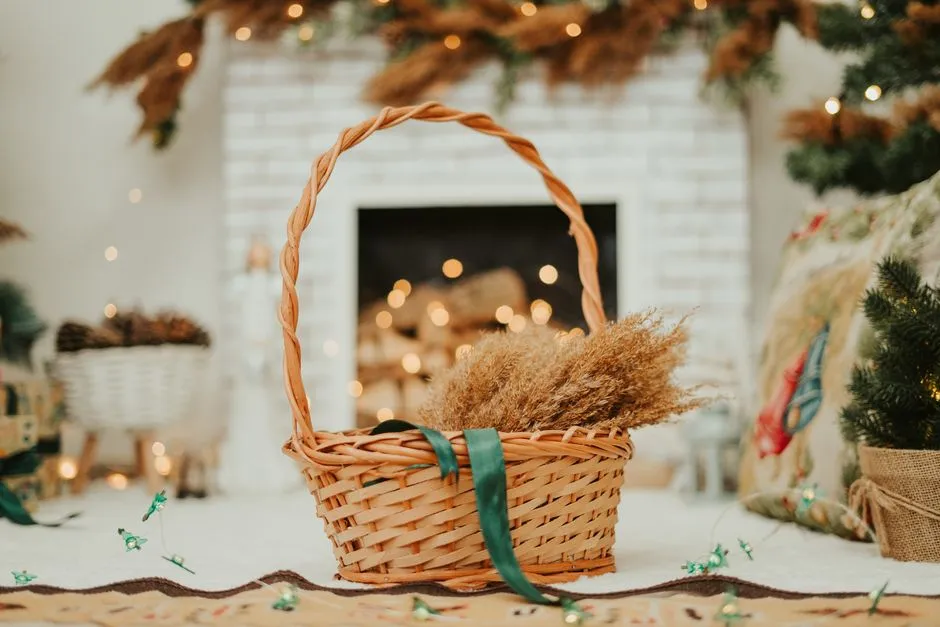
Moving into a new home can be disorienting. Surrounded by unfamiliar streets and unpacked boxes, it can be genuinely hard to put yourself out there to meet the people living nearby. The welcome basket was never really about the contents. It was a way of breaking a social silence that new arrivals often can’t break on their own.
A small gift could serve as a bridge to beginning a relationship, giving neighbors an easy, low-stakes reason to connect. In many communities across the United States, this tradition once passed naturally from one generation to the next, embedded in an unspoken code of neighborhood etiquette. You showed up. You brought something. You introduced yourself. It was that straightforward.
The Numbers Tell a Clear Story
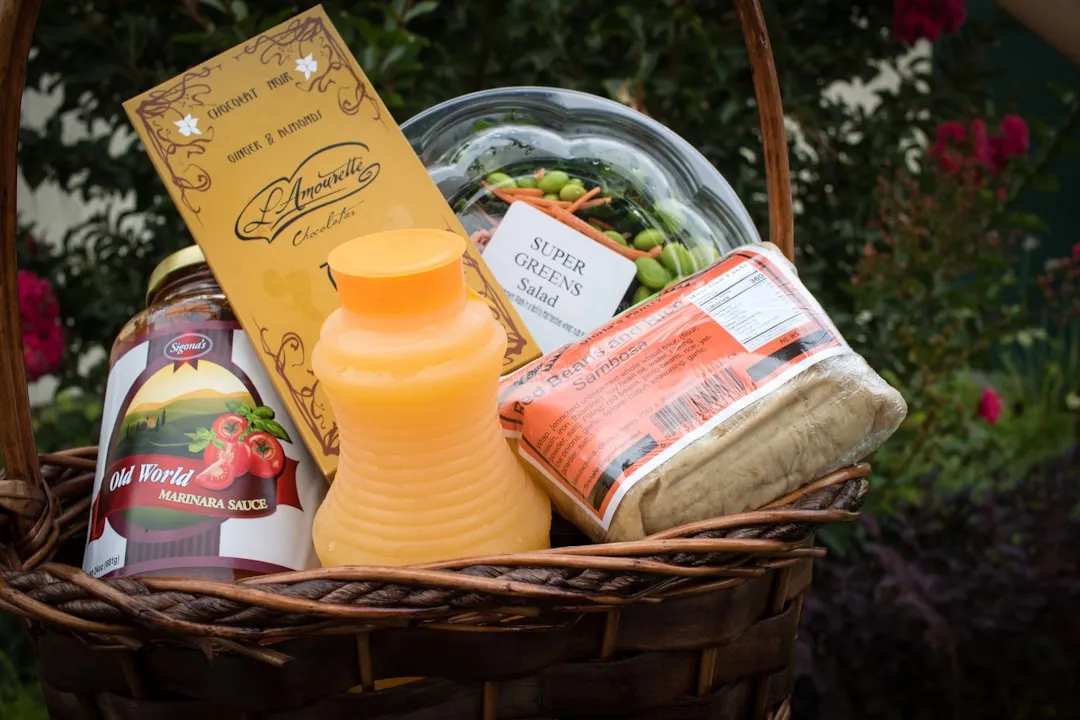
Back in 2010, roughly two in five American adults said they knew all or most of their neighbors. By 2018, that figure had dropped to nearly one in three, and by 2025, it had slipped further to just about one in four. That is a substantial decline across fifteen years, tracked by Pew Research Center data.
A 2026 Rocket Mortgage survey found that only about three in ten Americans know their neighbors beyond a casual level. More pointedly, roughly four in ten adults say that knocking on a neighbor’s door feels too bold, while more than one in five say they feel awkward making the first move at all. The welcome basket, as a social tool, was designed precisely for moments like these. Its disappearance has not made those awkward silences any shorter.
Trust Is Fading Along With Familiarity
Research from Pew’s 2025 survey found that familiarity with neighbors and trust tend to move in tandem. Roughly two in five adults say they trust all or most of the people in their neighborhood, while nearly half trust only some and about one in eleven say they trust none at all.
This marks a decline from the share who trusted some or all neighbors a decade earlier. Still, Americans remain more likely to trust their neighbors than a random stranger, which suggests the foundation for neighborly connection hasn’t entirely eroded. The social architecture is still there. The rituals that activate it, however, are becoming harder to find.
Younger Generations See It Differently
Millennials and Gen Z are significantly more likely than baby boomers to say it’s normal or common to dislike their neighbors, with roughly half of both younger groups holding that view compared to about one third of boomers. This reflects a genuine generational shift in how people frame their relationship with shared space.
About two in five Gen Z adults say they live in a judgmental neighborhood, a rate far higher than older generations. Around a third say their neighbors aren’t open or welcoming to new residents. That last detail is especially telling. The people who most need a welcome gesture are the ones least likely to receive one.
Remote Work Changed the Street

As remote work expanded in a post-pandemic world, millions of people stopped commuting to physical offices. More people are home during the day than at any point in recent decades. In theory, that should create more opportunity for neighborly contact. In practice, it appears to have reinforced the tendency to stay inside.
Half a century ago, neighborhoods were once described as the center of belonging, culture, and identity, with the vast majority of Americans saying they were places where people naturally connected. Today that dynamic has dramatically shifted, with hesitation emerging as the most prominent barrier to connection. More time at home, it seems, does not automatically translate into more time at the door.
What the Basket Actually Did

When a new family moves in nearby, a welcome kit or welcome basket provides a concrete, immediate opportunity to make contact that most people, left to their own devices, will quietly let pass. The physical object, a bag of coffee or a candle or a handful of snacks, was almost beside the point. It gave two strangers a reason to stand on a porch and exchange names.
Putting together a neighborhood gift basket is fundamentally about building community spirit rather than transferring goods. Local treats, small plants, handwritten notes: the items themselves reflect the character of the giver and the neighborhood more than they serve any material need. That reflection, that small act of showing someone who you are and where you live, is what made the ritual meaningful.
The Cost of Not Showing Up

Research published in 2025 found that low community engagement is the strongest risk factor for both loneliness and social isolation across all age groups, and that low neighborhood social cohesion significantly increases those risks, particularly among older adults. That is a clinical way of saying what most people already sense: neighborhoods where people don’t know each other are harder to live in.
Data from the CDC’s 2024 Household Pulse Survey found that approximately one in eight American adults reported experiencing frequent loneliness. A 2025 American Psychological Association poll found that nearly seven in ten adults said they needed more emotional support in the past year than they actually received. These are not abstract statistics. They represent real gaps that small gestures, including something as modest as a welcome basket, once helped to close.
The Awkwardness Problem
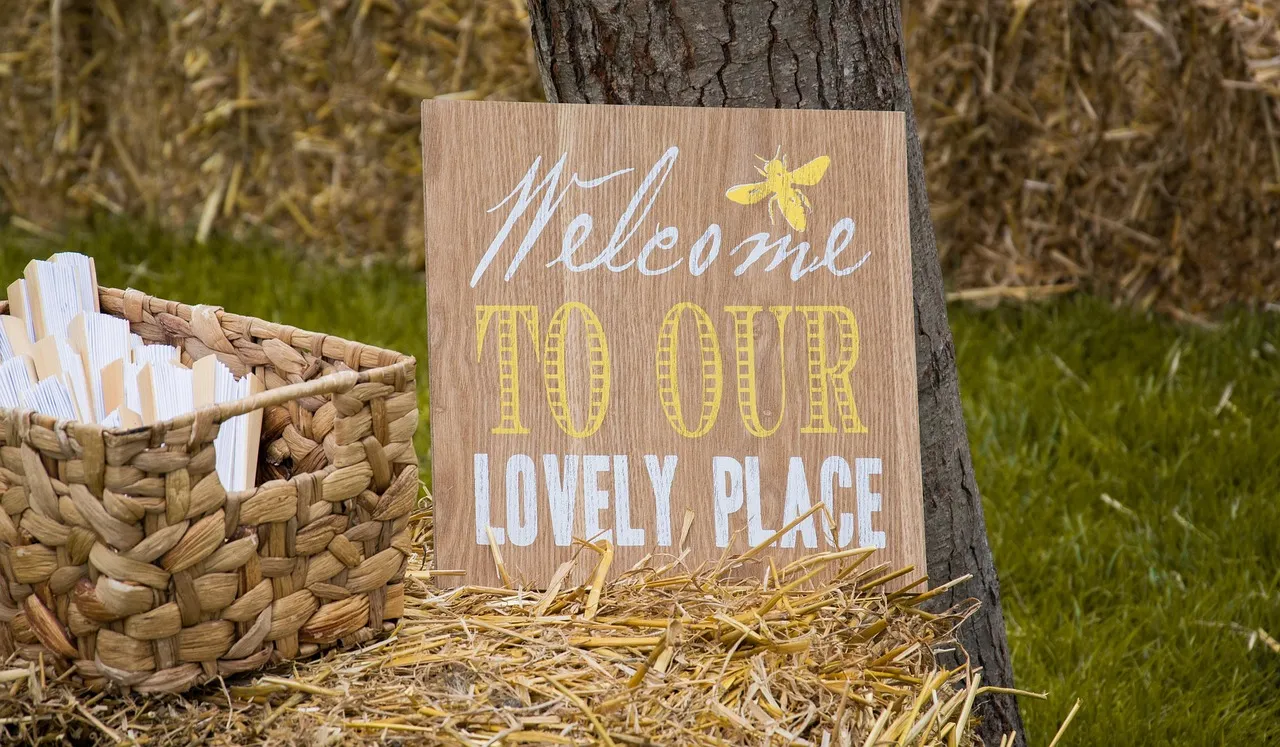
There are documented cases of families who moved to a new neighborhood and received no welcome at all from their neighbors, and who ended up introducing themselves by going door to door with homemade cookies. The fact that this gets noticed, and written about, says something about how unusual it has become to make the first move.
The social calculus has shifted in a strange direction. People recognize the value of community in the abstract while simultaneously finding it harder to act on in the specific. A welcome basket requires almost no resources, just a bit of time and a willingness to knock. What it demands most is the willingness to be seen as someone who cares, and that, for a growing number of people, appears to be the genuinely difficult part.
Small Communities Where It Still Happens
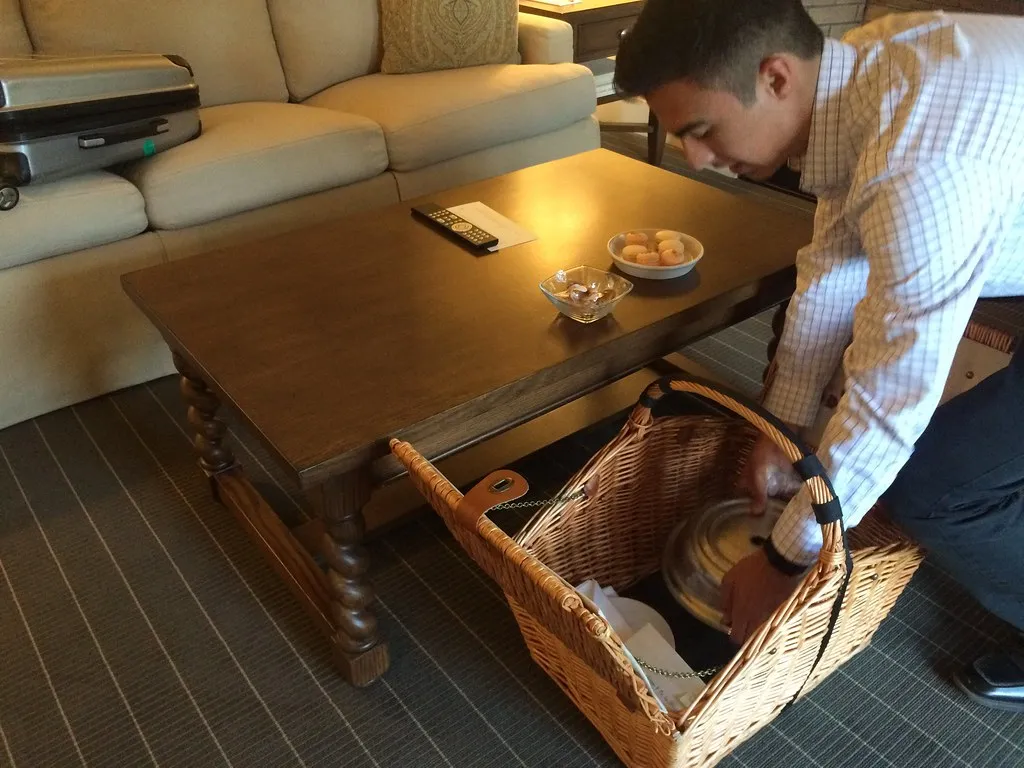
While neighborly familiarity has declined heavily across the country, the decline has not been evenly distributed. Rural and smaller communities, as well as certain suburban neighborhoods with active homeowners’ associations, still practice some form of the welcome tradition. In those places, the arrival of a moving truck still prompts someone to bake something.
In some neighborhoods, community groups have organized the practice deliberately, treating welcome baskets as a shared service project rather than a spontaneous individual act. This kind of organized welcome is a reasonable adaptation for an era when spontaneous neighborly contact has become less common. It works differently from the old tradition, but it works.
The Case for Bringing It Back
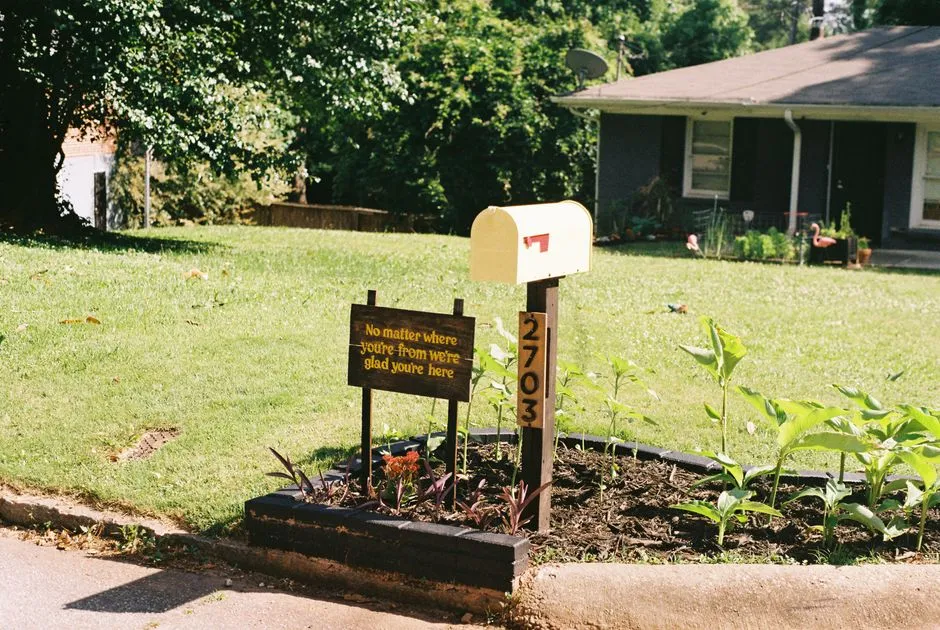
Despite the decline in genuine neighbor familiarity, nearly eight in ten Americans say that strong neighborhoods improve their quality of life. The desire for community is not in question. What’s missing is the practice that builds it incrementally, one introduction at a time.
Research highlights that cultural practices and altruism have measurable, age-specific effects on social isolation, and that community-level interventions addressing loneliness are more effective than focusing solely on individual factors. A welcome basket is not going to fix anything on its own. It is, though, the kind of small, low-cost act of altruism that researchers keep pointing toward as genuinely meaningful. The scale is modest. The signal it sends is not.
A Quiet Kind of Loss

What disappeared wasn’t just a basket of snacks. It was an unspoken agreement that arriving somewhere new entitled you to acknowledgment, to a face at the door and a name to remember. That agreement held communities together in ways that are only becoming clearer now that it has frayed.
The data on loneliness, declining trust, and eroding familiarity all point in the same direction. Neighborhoods haven’t changed so much in their geography. They’ve changed in their willingness to make contact. Reviving the welcome basket won’t reverse fifteen years of social drift. Still, it would be a start, which is, after all, precisely what it was always meant to be.
AI Disclaimer: This article was created with the assistance of AI tools and reviewed by a human editor.