
Seating Couples Right Next to Each Other

This is probably the most widespread seating mistake at dinner parties, and also the most consequential. Never seat a couple next to each other. This is the main rule involving seating arrangements. Romantically involved people may get too absorbed in each other, or bring their domestic tensions to your table.
Seat them across the table from each other instead. One partner can support the other and also be available if one wants to bring the other into a conversation they are having. That dynamic actually works better for everyone around them, too. It keeps both partners socially active rather than turned inward.
Ignoring the Shape of Your Table

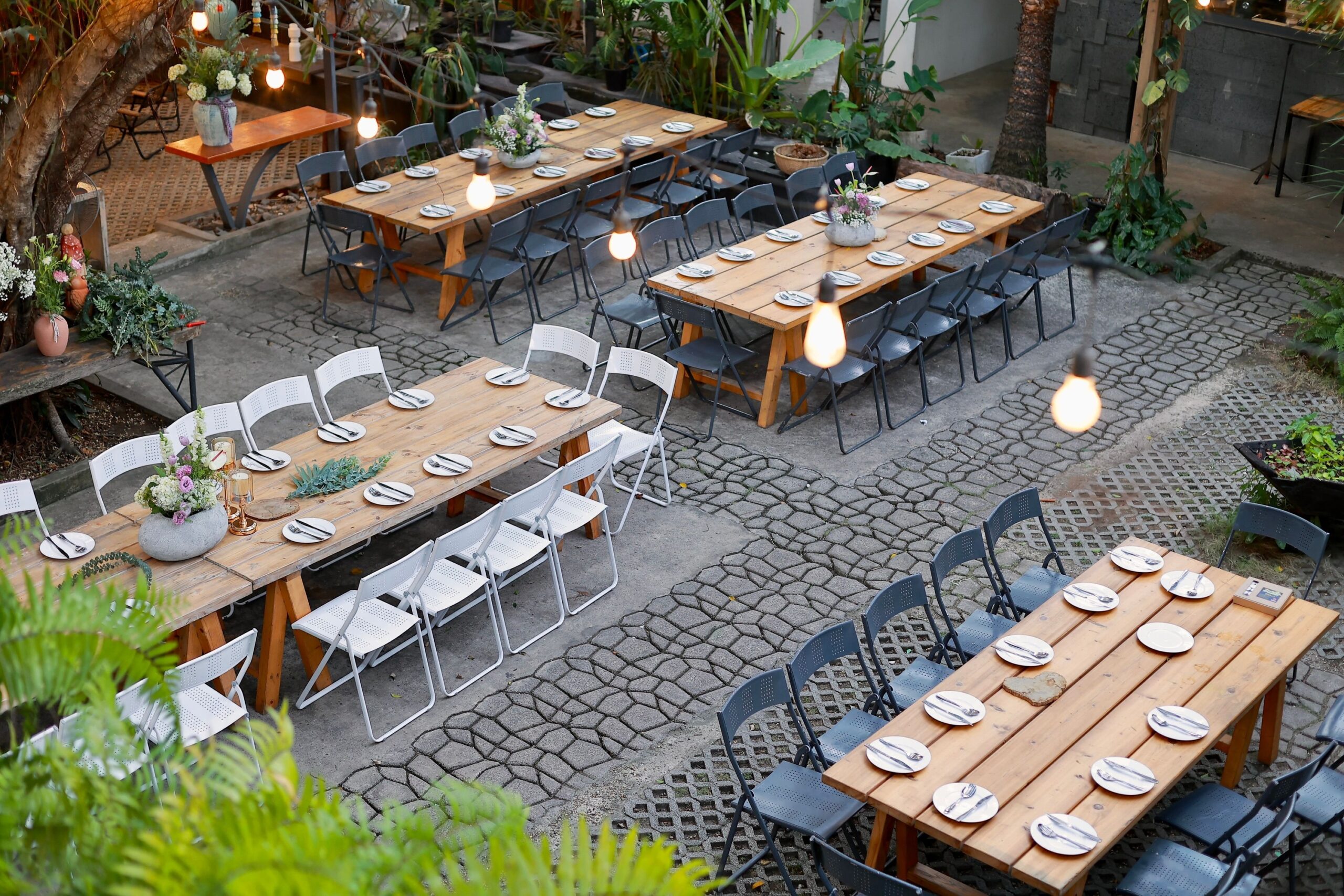
Beyond dimensions, a table’s shape profoundly impacts social interaction. Round tables allow everyone to face each other, and this democratic setup encourages a single, inclusive conversation, making it ideal for close-knit dinners or lively discussions where you want everyone to feel equally involved.
Rectangular tables create a more formal dining experience, establish a clear head and foot, and allow for multiple conversations to happen simultaneously, making them suited for larger parties where guests can mingle in smaller groups. Neither shape is wrong, but ignoring what each naturally produces is where hosts run into trouble. When deciding who to seat where, think first about the shape of your table and how conversation might naturally flow.
Choosing a Table That Is Too Large for the Group
Making conversation at a round table captures the attention of the entire group, which can be intimidating for some guests. To make it worse, it becomes necessary to speak loudly for everyone to hear at a large round table of eight or more.
Once a round table exceeds a sixty-inch diameter, the distance between diners sitting opposite each other often surpasses the comfortable conversational distance of four to six feet. In these cases, the very shape meant to bring people together can actually make them feel distant. Size matters more than most hosts realize. A beautiful table that is two feet too wide can silently strangle the energy of an otherwise great evening.
Putting Everyone in Their Comfort Zone

Seating friends with the people they already know best sounds kind. In practice, it removes almost all of the interesting tension that makes a dinner party feel alive. Seat people with common interests together, but also ensure that two guests who genuinely do not get along are not seated next to each other. That balance matters.
Physical closeness creates opportunities for conversation, eye contact, and even trust. Research indicates that sharing meals can enhance happiness, life satisfaction, and a sense of belonging. The effect is stronger when guests are pushed slightly outside their existing social bubble, not dropped so far outside it that they feel stranded.
Letting the Host Sit in the Wrong Spot

The host’s seat is part of the arrangement and should never be an afterthought. Where the host sits shapes the energy of the whole table. Placing the host and co-host opposite each other in the midst of the party allows them to direct and sustain the conversation as needed and look after the general welfare of their guests.
Making your guest of honor accessible to the greatest number of guests by seating them as close to the center of the table as possible not only maximizes their enjoyment, it makes every nearby seat desirable by virtue of proximity to either a host or a key guest. The ripple effect from those central seats is real. Get the anchor positions right and the rest of the table tends to follow.
Underestimating the Conversation Zone

Research on furniture arrangement and social interaction shows that the proximity and orientation of seating directly impacts how likely people are to engage in meaningful dialogue. There is an actual spatial threshold at play here. Professional designers apply what is known as a conversation zone, typically a seven to ten foot diameter circle within which all seating should be placed. Within that zone, people can hear each other comfortably without raising their voices. When seating extends beyond it, conversational intimacy diminishes regardless of how comfortable the individual seats are.
At a dinner table, this translates directly to how far apart guests are placed. The wider the gap, the more effortful the exchange becomes. Effort, at a dinner party, is the enemy of ease.
Sticking Too Rigidly to Old Seating Rules

Boy-girl-boy-girl seating ran the dinner party for almost a century, a Victorian convention that alternated genders around the table for reasons that were partly aesthetic and partly about social access. The convention quietly faded across the 2010s. It is not a rule worth enforcing in 2026, especially if it forces an awkward arrangement just to maintain a pattern.
Having an equal number of men and women is not a strict rule. It is more important for the conversations to be lively and to flow. The goal is connection, not symmetry. Any seating principle that prioritizes form over function deserves to be reconsidered.
Leaving the Shy Guest Stranded

Every group has at least one person who goes quiet when they are surrounded by strangers or placed in a loud, hard-to-navigate social setting. Seating that person at the far corner of a long table, surrounded by unfamiliar faces, is essentially writing them off for the evening.
Research shows that physical proximity strongly influences emotional connections. Even something as simple as moving someone from a central position to a peripheral one can lead to a sharp decline in participation frequency. The quieter guests in any group tend to engage more readily when placed beside at least one person they know and one genuinely curious conversationalist. That pairing takes about thirty seconds of planning and can change someone’s entire night.
Overloading One Side of the Table with Talkers

When all the loudest, most confident speakers end up on the same side of the table, one half of the evening roars and the other half essentially becomes an audience. It happens more than hosts notice, usually because strong personalities naturally cluster together. In a longer oval or rectangular arrangement, placing the strongest social connectors at the end opposite the host keeps that side of the table warm and active.
Spreading conversational energy evenly across both sides of the table, and across both ends, is one of the more underrated hosting skills. It does not require a spreadsheet. It just requires noticing who tends to fill silence and who tends to wait for an invitation to speak.
Forgetting That Noise and Lighting Change Everything
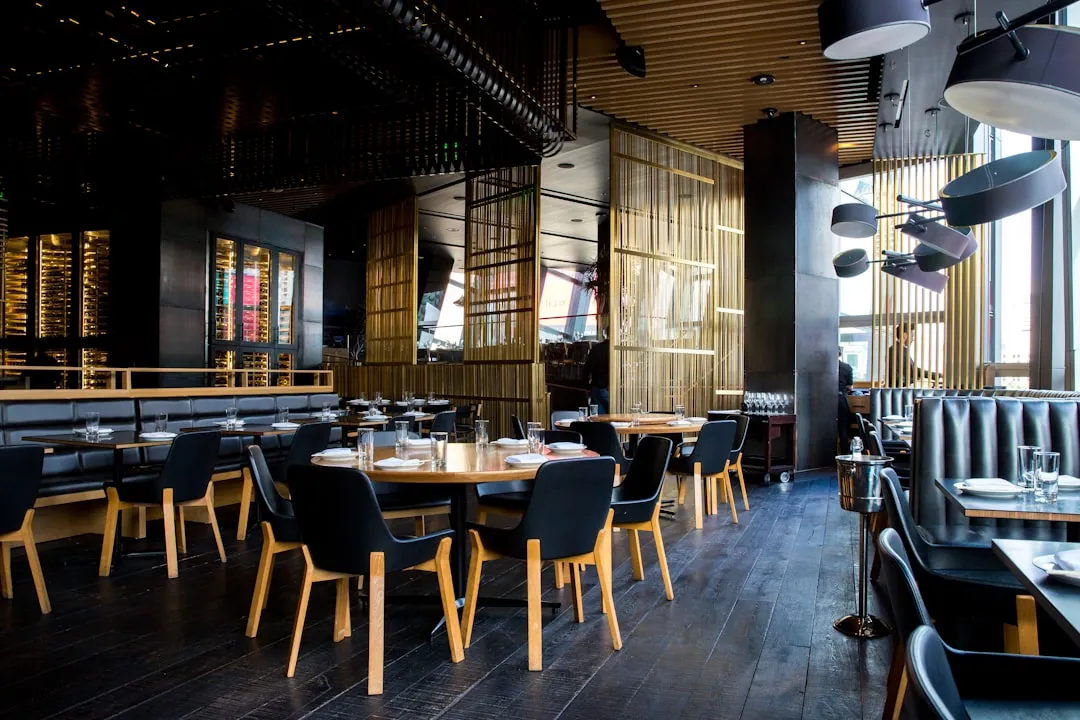
A seating plan can be thoughtful and still fail if the physical environment works against it. Lighting sets the mood. A well-lit table feels safe and engaging, but harsh or dim lighting can deter guests. Acoustics matter as well. Thoughtful design can reduce echoes and noise levels, helping groups enjoy conversation without raising their voices.
Hard floors, bare walls, and large tables all amplify ambient noise. When guests have to raise their voices to be heard, conversations shorten and deepen less. Seating arranged so people face each other, in circular or U-shaped arrangements, naturally promotes conversation by allowing everyone in the group to see and engage without shouting across the space. Even simple adjustments, like a tablecloth or a lower centerpiece, can bring the noise level down and make it easier for conversation to stay calm and connected.
Final Thoughts
The strange thing about seating mistakes is that guests rarely identify them as the reason a dinner fell flat. They just remember feeling a little disconnected, a little bored, or like they never quite found their footing. Whether hosting a group of four or twelve, planning a dinner seating arrangement genuinely enhances conversation and fun for guests. Contrary to popular belief, the success of a dinner party is more about the guests and conversation than what you serve.
None of this requires perfection. It just requires a few minutes before anyone arrives, a rough sketch of who is coming, and some honest thought about who might spark something interesting when placed beside someone new. The table does the rest.
AI Disclaimer: This article was created with the assistance of AI tools and reviewed by a human editor.