

Most people think of a will as a place to sort out the house, the car, maybe a piece of jewelry with some history behind it. Very few think about the thousands of dollars quietly sitting in airline loyalty accounts, cryptocurrency wallets, online business revenue, or cloud-stored photo libraries. These are digital assets, and they’ve slipped through the cracks of estate planning for long enough.
The gap between what people own digitally and what they actually plan for is striking. Roughly four out of five Americans recognize the importance of estate planning, yet only about a third have a will. Of those who do have one, the digital dimension is almost always missing. Here’s what tends to get left out, why it matters, and what you can actually do about it.
The Scale of the Problem Nobody Talks About

Only about one in four Americans has included their digital assets in an estate plan, and that oversight can leave families locked out of emotional memories, financial resources, and personal data. It’s a quiet crisis, and it’s growing. Research from the Wealth Management Institute shows that roughly four out of five high-net-worth individuals have at least one form of digital wealth that is not included in their estate plan.
According to the Bryn Mawr Trust 2024 Digital Assets Survey, Americans overwhelmingly report owning digital assets, yet only about a third feel knowledgeable about them. That knowledge gap is part of the problem. You can’t plan for something you don’t fully understand you own.
Loyalty Points and Airline Miles: The Invisible Windfall

US consumers earned $47.5 billion in credit card rewards in 2024 and redeemed approximately $43 billion during the year, leaving about $4.5 billion unused or carried forward. That’s not abstract. That’s money sitting in accounts that families often never think to look for after someone dies.
Airline loyalty programs alone are enormous: Delta SkyMiles, American AAdvantage, and United MileagePlus were collectively valued at $83.7 billion in 2026, with Delta’s program alone worth $31.7 billion. Airline miles can be worth one to two cents per mile, meaning 100,000 miles represents $1,000 to $2,000 in travel value, while hotel points typically range from 0.5 to 1 cent per point.
Because points are treated as contractual agreements rather than personal property, a will cannot override the loyalty program’s contract or give an heir rights the account holder never had, so what happens at death depends largely on corporate policy, which varies widely. Southwest Airlines, for example, states that Rapid Rewards points may not pass through an estate, settlement, inheritance, or will, and when the account is closed following death, the remaining points are forfeited.
Cryptocurrency: The Asset That Can Disappear Completely
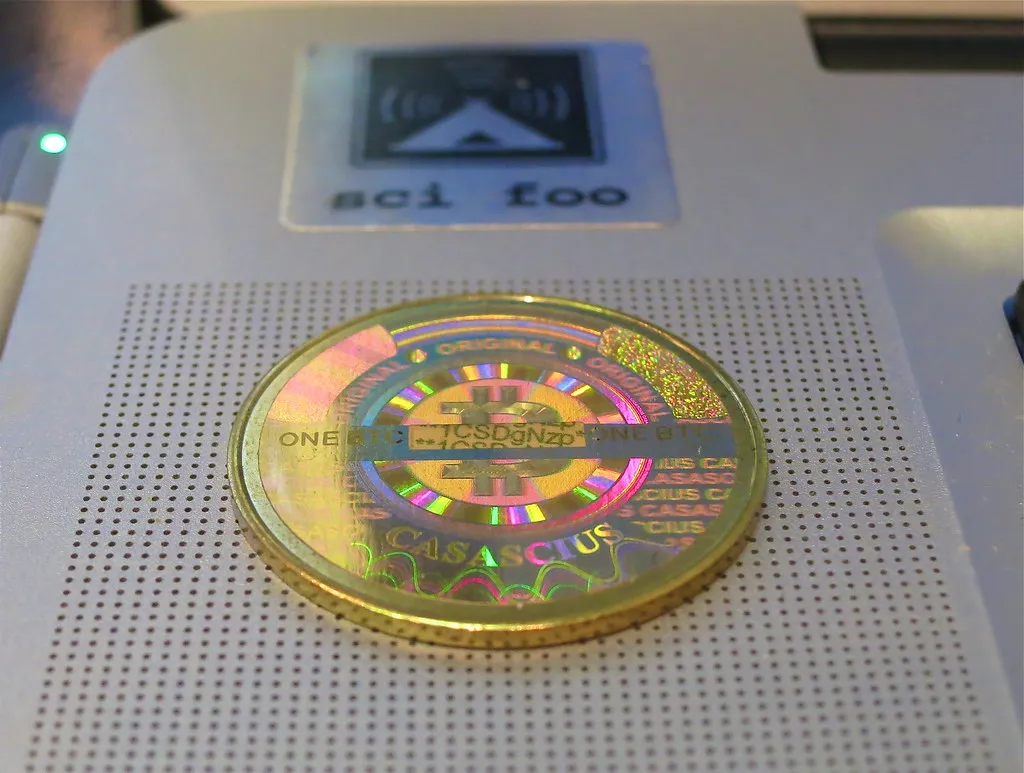
Unlike traditional holdings, many digital assets require more than simply naming a beneficiary in a will; they also require additional steps to ensure proper management, and without the appropriate private keys, passwords, or access credentials, these assets may be permanently inaccessible regardless of any legal entitlement.
Consider a common scenario: a dedicated cryptocurrency investor dies with over $200,000 in crypto holdings stored in a cold wallet, and the spouse named as executor was never told where the seed phrase, the recovery key, was stored. The money exists on the blockchain. It simply cannot be reached. Crypto assets operate on decentralized networks with no central authority to recover lost credentials, so if private keys or recovery phrases are not disclosed in a legally sound way, the assets are effectively gone.
Online Bank Accounts and Payment Platforms

Many people manage their money entirely online, through bank accounts, investment platforms, and services like PayPal or Venmo, and if these digital assets are not included in a will, a family might not even know they exist. Some of those accounts carry balances that took years to accumulate.
These digital assets are rarely properly addressed or even mentioned in a will, which means at best there will be confusion about who should have access to which online accounts, if anyone even knows which accounts exist. An executor looking for a traditional paper trail will often find nothing, because there isn’t one.
Cloud-Stored Photos and Personal Files

When one woman passed away, her daughter couldn’t access a single photo or letter stored in her iCloud account, even though she had done almost everything right: signed a will, created a trust, and accounted for her financial assets. She had simply overlooked her digital life. This scenario repeats itself constantly.
Some of these digital items hold deep sentimental value to surviving family members, such as old family photographs or the audio of a loved one’s voice, and it is therefore important to consider them so these items are not lost or forgotten after someone passes away. Unlike money, sentimental data cannot be replaced once it’s locked away or deleted.
Domain Names and Online Businesses

If you own a website or domain name, it can have real value. Established domains, especially those tied to active revenue streams, can sell for hundreds of thousands of dollars. Without explicit mention in an estate plan, they’re often simply left to expire.
Intellectual property in the digital era is significant: a surprising number of entrepreneurs and influencers have created digital IP that may continue to have worth long beyond their lifetimes, and if a YouTube channel or podcast could potentially produce income after someone passes, it should be included in the estate. That includes subscriber bases, ad revenue arrangements, and licensing rights tied to content.
Social Media Accounts and Digital Identity

Many people own digital assets that include everything from domain names and electronically stored photos and videos to email and social media accounts. What happens to a Facebook or Instagram account after death is not a small question. These accounts hold years of personal history and, in some cases, monetizable followings.
Wills, trusts, powers of attorney, and guardianship orders now need to include language about the management of digital property and devices to properly handle social media presence after death. Without that language, families can find themselves unable to memorialize, transfer, or close these accounts, often while grieving and under time pressure.
The Legal Framework Is Still Catching Up

Many people have the impression that if they have power of attorney and a will, without specific mention of digital assets and devices, everything is taken care of. That’s increasingly not true. The law around digital inheritance varies significantly by state and country, and most standard will templates were written before these issues became pressing.
Less than a quarter of Americans have designated digital estate beneficiaries, according to the American Bar Association. That’s despite laws like the Revised Uniform Fiduciary Access to Digital Assets Act, known as RUFADAA, which sets guidelines for digital fiduciaries managing a deceased or incapacitated person’s digital accounts. Even where the law provides a framework, the individual still has to actually name someone and document access.
Why Most People Still Don’t Do It

Despite widespread awareness, the majority of Americans remain unprepared, with procrastination and misconceptions about wealth fueling inaction. Most people simply don’t see themselves as someone with a complex digital estate. Yet the accumulation of accounts, subscriptions, files, and platforms is something almost everyone now carries.
The primary barrier to including digital assets in an estate plan is the tension between security and fiduciary access. Digital assets, especially decentralized ones like cryptocurrency, are designed to be accessible only with specific private credentials, and the very security that protects the owner during life is precisely what locks out the fiduciary after death. Solving that tension requires deliberate planning, not just a will.
What You Can Actually Do Right Now

Making a list of your digital assets and passwords so trusted people will know where to find them is the most practical starting point. A password manager with emergency access settings keeps the information secure while allowing designated people to step in when needed. Start simple: email, online banking, cloud photo storage, and social media, and once you begin the list, other accounts will come to mind.
To help protect your digital or online assets, working with an attorney to provide consent in legal documents is the most reliable path. For loyalty points specifically, documenting all loyalty programs in your estate plan and considering spending or transferring points before they are lost is a practical move many planners recommend. One important note: in the United States, wills are published after the testator’s death, so listing all passwords and access information in a will would make that information public, which is why a separate secure document alongside the will is usually the smarter approach.
The Takeaway

The digital estate planning services market was valued at roughly $246 billion in 2023 and is forecast to grow significantly through the next decade, which tells you something about how seriously the financial world is beginning to take this. The tools and legal frameworks are slowly improving.
Still, the burden is on individuals to act first. A will written ten years ago, before cloud libraries, crypto portfolios, and monetized social accounts became everyday realities, may be leaving an enormous amount on the table. The digital layer of a modern life deserves the same careful thought as the physical one, and right now, for most people, it isn’t getting it.
AI Disclaimer: This article was created with the assistance of AI tools and reviewed by a human editor.