

The Research That Started This Conversation

A long-term study at the University of Exeter found that adding plants to sparse offices increased productivity by about 15 percent. That number came from real offices, tracked over time, not a controlled laboratory setup.
Researchers noted that it directly challenges the widely accepted business philosophy that a lean office with clean desks is more productive. It’s a counterintuitive finding that has held up across multiple replications.
The research showed plants in the office significantly increased workplace satisfaction, self-reported levels of concentration, and perceived air quality. Analyses into the reasons why plants are beneficial suggests that a green office increases employees’ work engagement by making them more physically, cognitively, and emotionally involved in their work.
How Attention Restoration Theory Explains It

These findings underline the theory of “attention restoration,” which states that mental fatigue can be restored when we give our direct attention a break. Sleep can do the job, but when we’re awake, we can also refresh direct attention by shifting our minds to an indirect, or effortless form of engagement, such as nature.
Rachel and Stephen Kaplan showed that natural elements engage our attention in a gentle way. They called it “soft fascination.” The idea is that a plant doesn’t demand your focus the way a notification does. It simply draws the eye, gently, and lets the brain decompress.
Adding office plants for productivity can support deeper task engagement and longer mental endurance. The presence of plants has been shown to reduce cognitive fatigue, improve comfort, and introduce visual variation that breaks the monotony of screen-based tasks.
The Snake Plant: Lowest Maintenance, Strongest Case
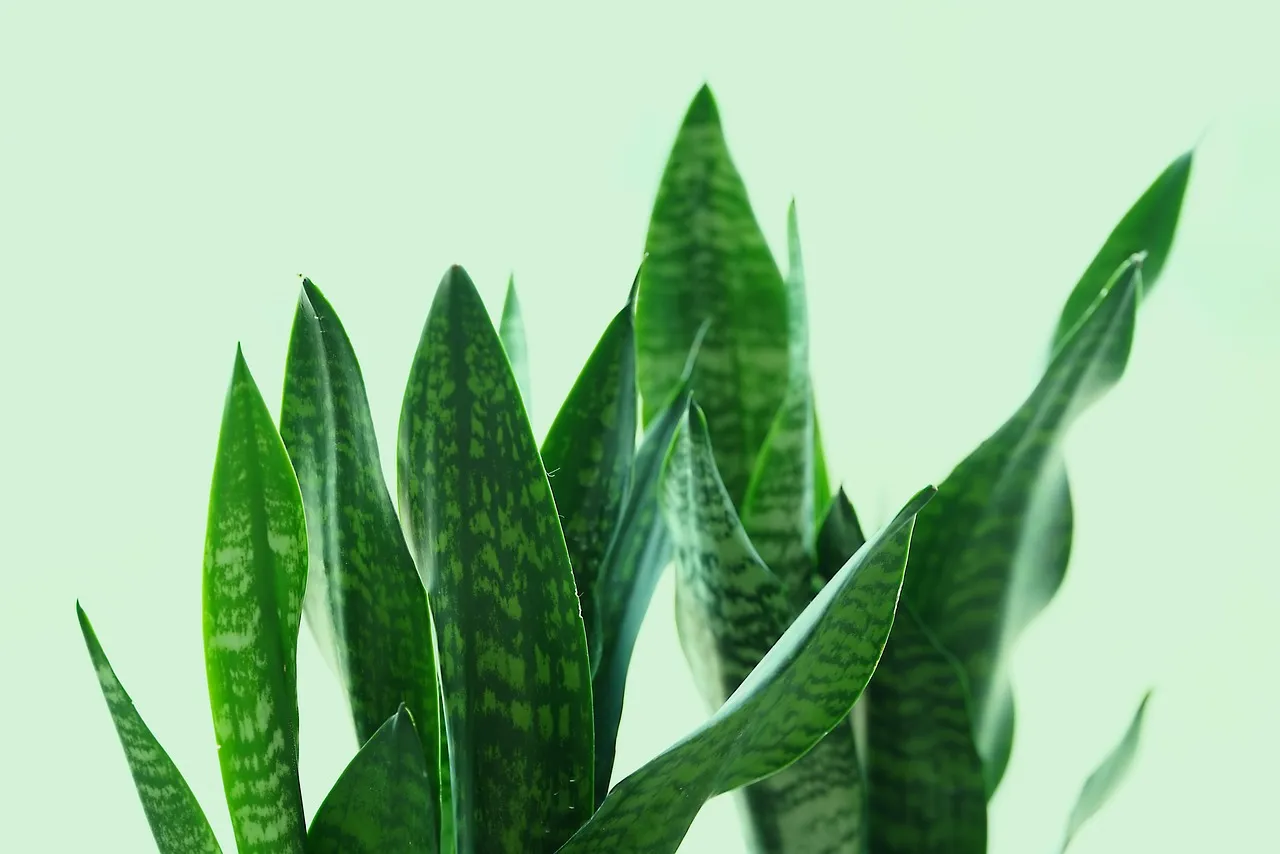
The Snake Plant thrives on minimal care, making it ideal for desks, corners and high-traffic offices where attention is limited. If you’ve killed plants before through neglect, this is probably where you should start.
Snake plants are very adaptable and maintain upright leaves that create a sense of order on the desk. Their stability makes them ideal for intense studying or long work blocks. They also handle low light well, making them suitable for offices that don’t benefit from a window view.
The snake plant or mother-in-law’s tongue is your perfect home office plant with proven scientific benefits. Snake plants are superior for filtering common office toxins, which matters more than it sounds in a sealed, air-conditioned workspace.
Pothos: The Trailing Plant That Earns Its Spot
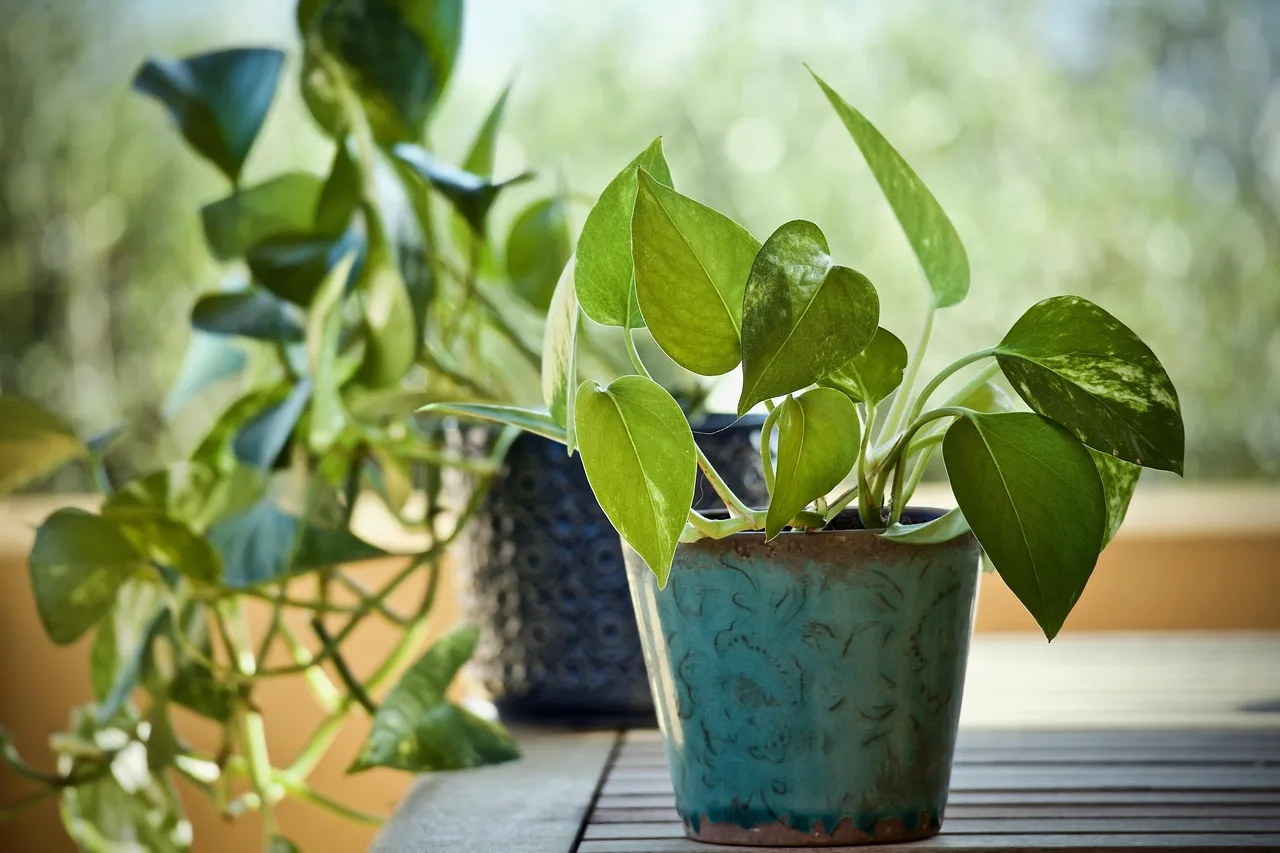
Fast-growing and naturally trailing, Pothos brings a sense of movement and freshness to stagnant spaces. That slow, living movement is part of what makes it restorative to glance at during a long work session.
A Japanese study rates Pothos as one of the top air-purifying plants. Pothos and Snake plants are superior for filtering common office toxins, particularly the kind that accumulate from electronics and synthetic furniture.
Positioning a pothos on a high shelf behind your monitor, letting it trail toward eye level, means it enters your peripheral view naturally throughout the day. That’s actually the ideal placement, not just an aesthetic choice.
Rosemary: The Scent-Based Focus Tool

The soothing fragrance of rosemary boosts memory, focus, and alertness. The plant also helps in improving mood and makes you more alert. Unlike most desk plants, rosemary works on two channels: visual and olfactory.
Research indicates that the visual system is primarily responsible for spatial structure recognition, while the olfactory system is more involved in emotional regulation and atmosphere creation. Rosemary happens to engage both.
A scent-based plant, such as lavender or mint, provides a moment of sensory grounding. The aroma helps break mental fatigue and supports transitions between tasks. Rosemary is particularly practical since it can also be used in cooking, which makes maintaining it feel less like a chore.
The ZZ Plant: Built for the Windowless Office

The ZZ Plant is perfect for workplaces with low natural light, offering a strong, glossy green presence that instantly lifts the room. Its slow, steady growth and sculptural form bring stability and calm. It requires very little water or attention, ideal for busy teams or hybrid work patterns where plants may be left for days at a time.
Three air-purifying, low-light species proven to reduce airborne volatile organic compounds (VOCs) while requiring minimal care include the ZZ plant, snake plant, and pothos. For a desk that rarely gets natural light, the ZZ plant is arguably the most practical choice of the three.
Snake plants, pothos, and ZZ plants are forgiving options that thrive in low light and need little attention. That combination of resilience and function makes all three worth keeping in mind when setting up a workspace.
How Much Green Is Enough?
Several studies confirm that small amounts of visible greenery improve concentration, reduce mental fatigue, and support clear thinking. You don’t need a living wall. The operative word here is “visible.”
Position greenery within your line of sight. A quick glance while thinking or resting your eyes from the screen can provide a mental refresh. One plant, placed where it’s easy to see, is often sufficient to deliver the attention restoration effect.
Even a photo helps, though living plants work better. That distinction matters when you’re trying to decide whether a real plant is worth the effort of keeping alive. The evidence says yes.
The Air Quality Connection
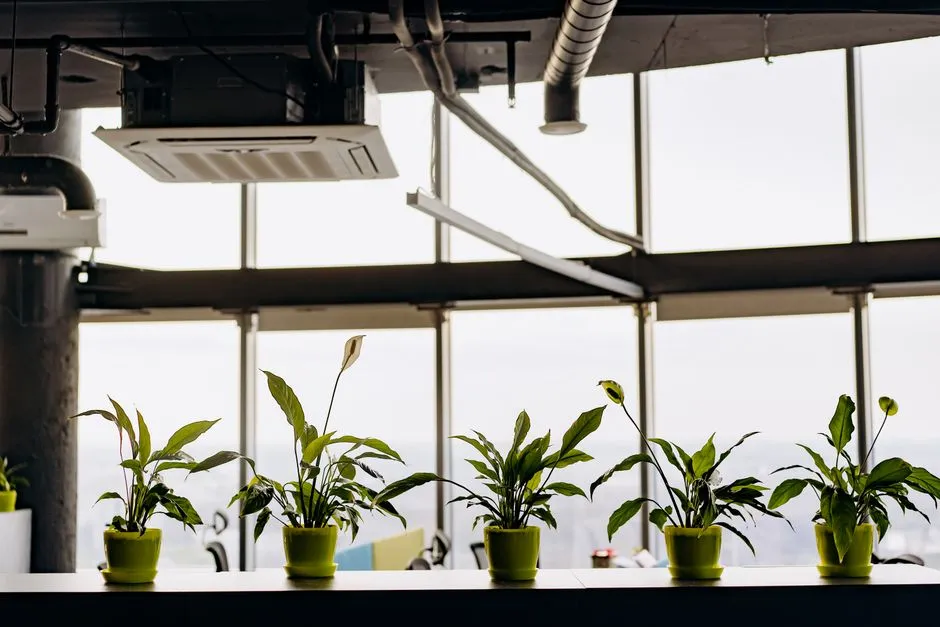
Striking the right balance between oxygen and carbon dioxide is key to optimal brain function. Since many of us spend several hours indoors, we’re exposed to higher amounts of carbon dioxide. Higher levels of CO2 make it harder to concentrate, think clearly, and make decisions.
The oxygen generated by indoor plants helps balance the levels of carbon dioxide in our bodies. This is less dramatic than some wellness claims make it sound, but it’s a real, documented mechanism, especially in poorly ventilated rooms.
The NASA Clean Air Study found that houseplants filter chemicals from the air that impair health and memory. These include, above all, formaldehyde, trichloroethylene, and benzene. Common desk materials and electronics are among the primary sources of these compounds indoors.
The Creativity Side Effect
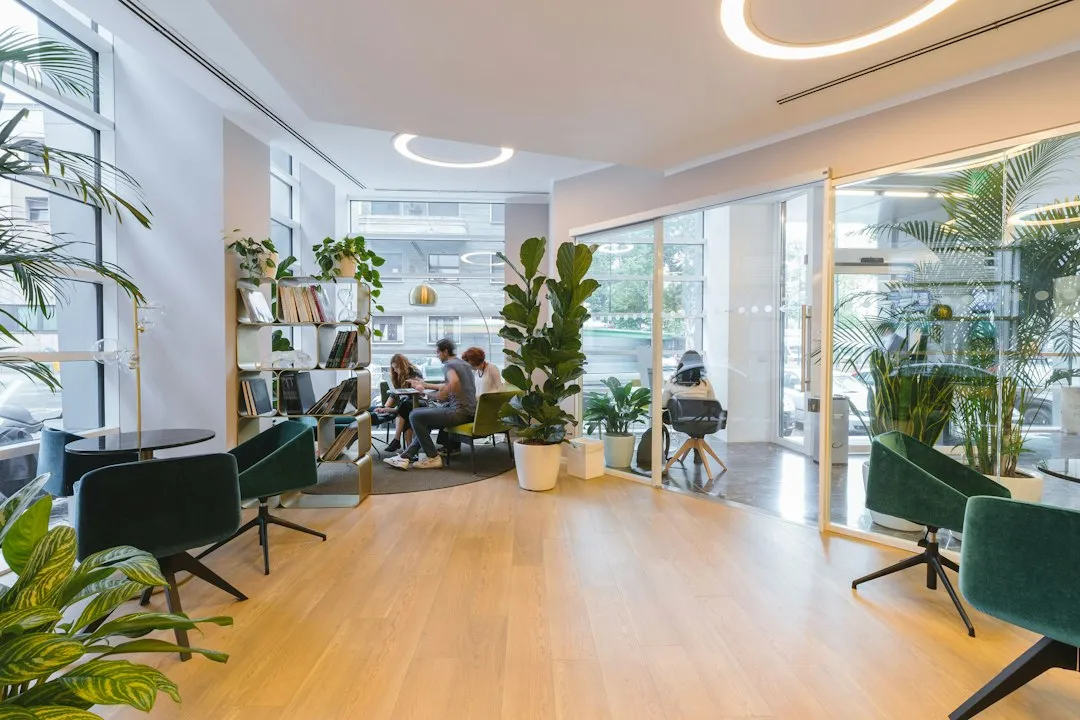
Following an eight-month study, Robert Ulrich found that adding office plants to a working environment resulted in a 15% increase in flexible solutions and new ideas from employees. Focus and creativity aren’t always separate things. A calmer, less fatigued brain tends to produce better ideas, too.
Studies show that plants can boost a host of other cognitive skills such as creative thinking, spatial processing and more. When it comes to cognition and creativity, it’s not so much the type of plant you add into your space, but rather the presence of plants as a whole.
When you have fewer distractions and feel calmer, your focus improves, and you can also unleash your creativity more effortlessly. That’s a pretty compelling argument for taking the trip to the garden center.
Placement Matters More Than People Realize
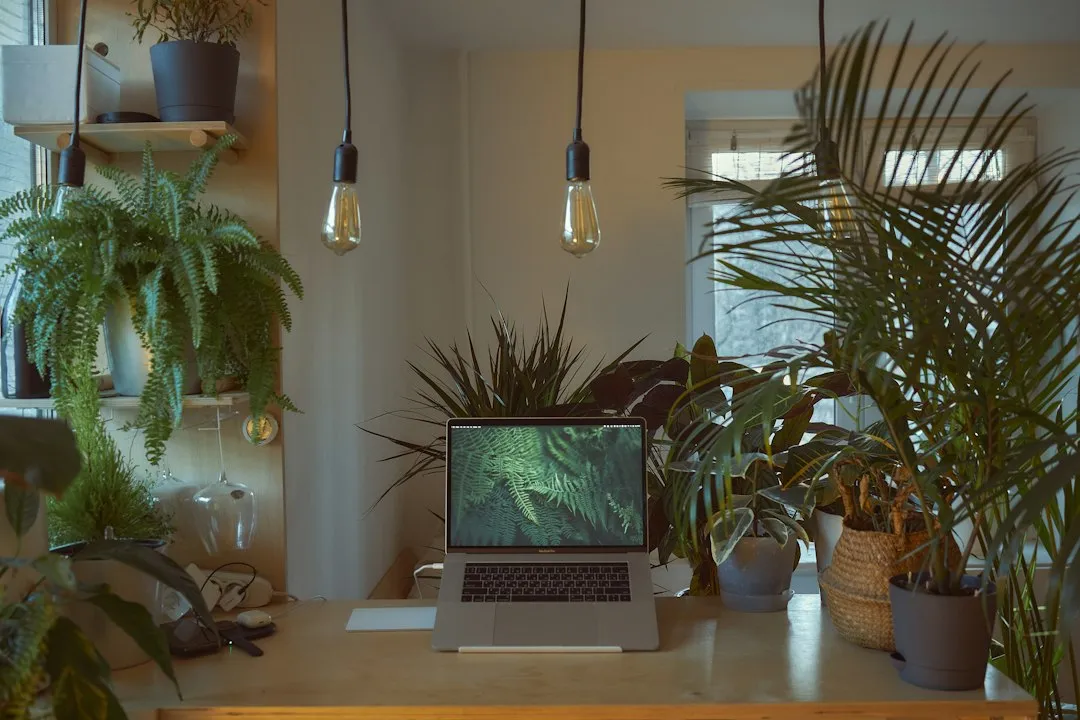
Position your plant where it receives appropriate light without blocking your computer screen or workspace. Keeping it near a window with indirect sunlight is ideal for many indoor plants. Most common desk plants, including the snake plant and pothos, tolerate indirect light well.
Always check soil moisture manually, as overwatering is the most frequent cause of indoor plant failure. Wipe leaves with a damp cloth to remove dust, which allows the plant to photosynthesize efficiently. A dusty plant is a less effective plant, both aesthetically and functionally.
Plants with structured leaves offer a steady visual rhythm that reduces screen fatigue and overstimulation. This is something to consider when choosing between species. A plant with bold, geometric leaves like the snake plant tends to have a calming visual effect, while trailing plants like pothos add movement that can serve as a gentle mental reset.
The Takeaway
The case for a desk plant is no longer just aesthetic. The research is consistent and spans universities in the UK, Norway, and beyond, pointing to real, measurable improvements in concentration, memory, and well-being. In studies measuring test scores and worker output, it has been found that environments with indoor plants show increased productivity and fewer sick days.
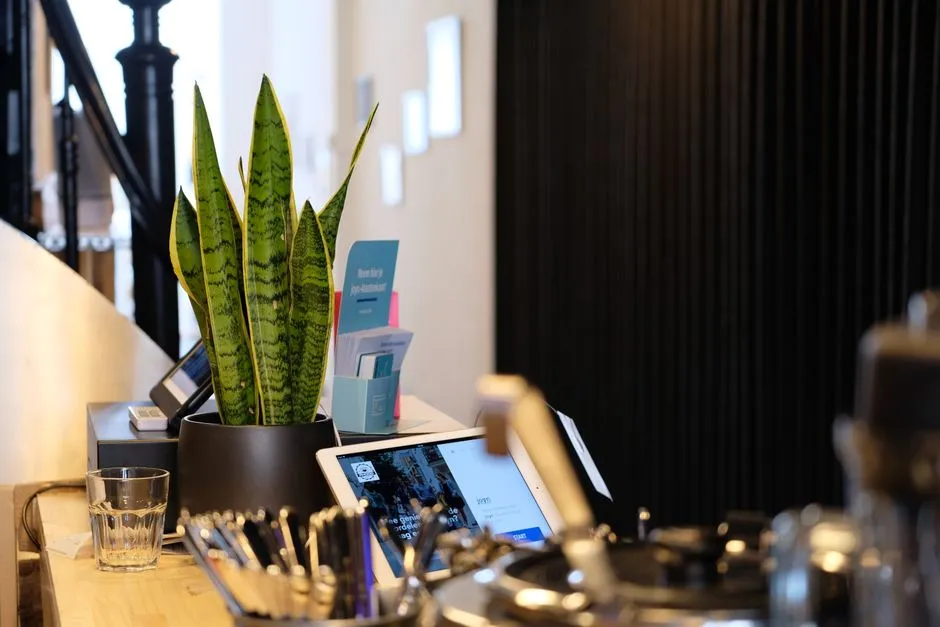
If one plant had to win the focus argument on all counts, the snake plant comes closest. It handles neglect, filters air, suits low light, and creates a quiet visual order that works in the background without demanding anything from you. That’s the whole point.
The best desk plant is ultimately the one you’ll keep alive. Start with something forgiving, put it where you can actually see it, and let the science do the rest.
AI Disclaimer: This article was created with the assistance of AI tools and reviewed by a human editor.