

The “Spark Joy” Rule Was Never Meant to Handle Grief

Using the KonMari Method, which divides decluttering into five categories, sentimental items are addressed last – and for good reason. Many people skip ahead and apply the “spark joy” test to emotionally loaded objects too early in the process, which tends to produce paralysis rather than clarity. When working on sentimental items too quickly, before sufficiently honing the ability to determine what sparks joy, you can get stuck.
So many people get warm fuzzies from objects, and the KonMari view can feel dismissive of those emotions. The method may not take full account of the power of objects with sentimental value as mood boosters and memory triggers. A grandmother’s knitted sweater may not exactly spark joy in the conventional sense, but it serves a different emotional function altogether – one that a simple binary test can’t fully capture.
Your Brain Treats Discarding as a Real Loss

Losing a sentimental object doesn’t register as “I now have one less thing.” It registers as a genuine loss, on par with the psychological sting of losing money. That asymmetry is exactly why decluttering advice that works for practical objects often fails completely for sentimental ones.
Daniel Kahneman, Jack Knetsch, and Richard Thaler published their seminal research on the endowment effect in 1991. Their finding: people value objects they own at approximately twice what they would pay to acquire the same objects. Mere ownership, independent of any sentimental history, inflates perceived value. For sentimental items, the endowment effect is dramatically amplified. That amplification is why standard decluttering logic collapses so quickly the moment an object carries personal history.
The Object and the Memory Feel Fused Together

The psychology behind keeping sentimental objects stems from how our brains link possessions to memory, emotion, and self-identity simultaneously. Once something becomes “yours,” the mind automatically inflates its worth through ownership bias. This makes identical replacements feel unacceptable because the value lies in perceived history, not material properties. This psychological mechanism explains why decluttering cherished items feels like genuine loss rather than simple tidying.
Guilt about discarding sentimental items emerges because removing them feels like betraying the memories and people they represent. The psychology of sentimental items reveals that we unconsciously believe objects preserve memories, so disposing of them triggers anxiety about forgetting. This anxiety is not irrational. It’s a predictable outcome of how human memory works in relation to physical anchors.
Anthropomorphism Makes Certain Objects Nearly Impossible to Release
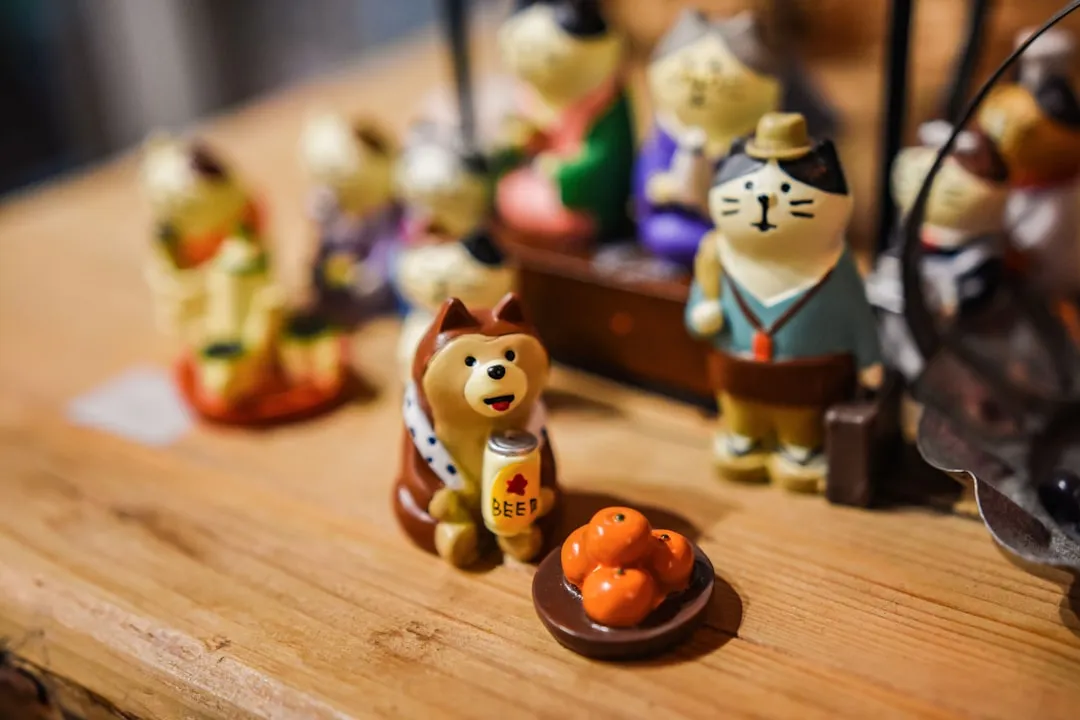
Behavioral psychology research by Kwok, Grisham, and Norberg (2018, PMID: 30311771) demonstrated a clear pathway linking how people perceive objects to how intensely they attach to them. The researchers found that individuals who anthropomorphize objects – attributing human-like characteristics to them, perceiving them as having “personality” or representing a continuing relationship – assign significantly greater sentimental and instrumental value to those objects.
The item isn’t just owned; it is psychologically fused with a relationship, an identity period, or an irreversible life event. Loss aversion compounds the effect. When an object is mentally treated as a stand-in for a person or a period of life, no decluttering rule designed for clothing or kitchenware will ever feel adequate.
The Brain Has a Dedicated Region for This Pain

The ventromedial prefrontal cortex is the part of the brain where sentimental activity happens, the home of “want power” and sense of self. It’s also the region of the brain associated with conflict and pain. What is happening when you are literally feeling pain attempting to let go of something is your brain looking for an opportunity to prevent harm or relieve anxiety – in this case, keeping that thing that is mentally connected to your sense of self.
Having some awareness of your brain’s habits and inner workings is the first step to approaching a decluttering project rooted in the sentimental. Self-awareness is half the battle, and you can practice overriding your prefrontal cortex circuitry and breaking free of the cycle. Knowing the mechanism doesn’t eliminate the discomfort, but it does make the discomfort less confusing.
Logic-Only Approaches Consistently Fail
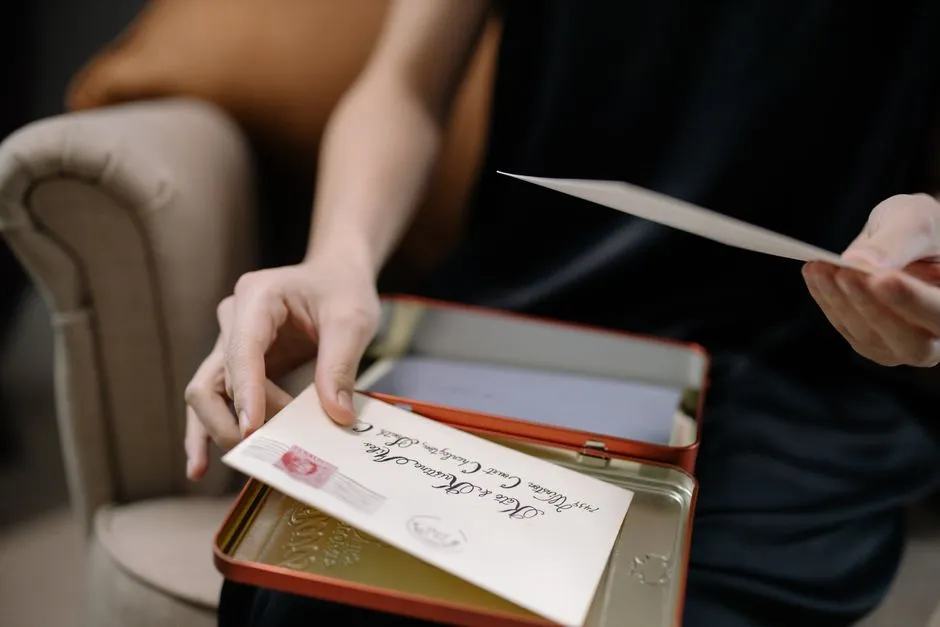
Strategies that try to reduce emotional attachment through logic alone tend to fail because they work against the endowment effect rather than accounting for it. More effective approaches reframe the decision from “loss” to “purposeful continuation,” which is why redistribution to family members and donation to meaningful institutions outperform simple discarding as decluttering strategies for sentimental items.
Strategies that try to reduce emotional attachment through logic alone tend to fail because they work against the endowment effect rather than accounting for it. More effective approaches reframe the decision from “loss” to “purposeful continuation.” This is a meaningful practical shift. Giving an object to a sibling who remembers the same person hits a different emotional register than dropping it into a donation bin.
Photographing Before Releasing Actually Works
Researchers found that people get stuck on sentimental things, so they tried something small: before donating, take a photograph of the item. Donations went up, reliably. Their explanation is that people were never attached to the object. They were attached to what it was holding for them, and they were afraid that if the thing went, the memory went too.
The photograph works if you give the thing away, and it stops working if you try to sell it. Because selling asks you to name a price, and the price isn’t for the coat – it’s for the thing the coat is holding. That distinction matters. The act of selling, unlike giving, forces a numerical valuation of something that has no market value in your mind.
Values-Based Approaches Outperform Category-Based Rules
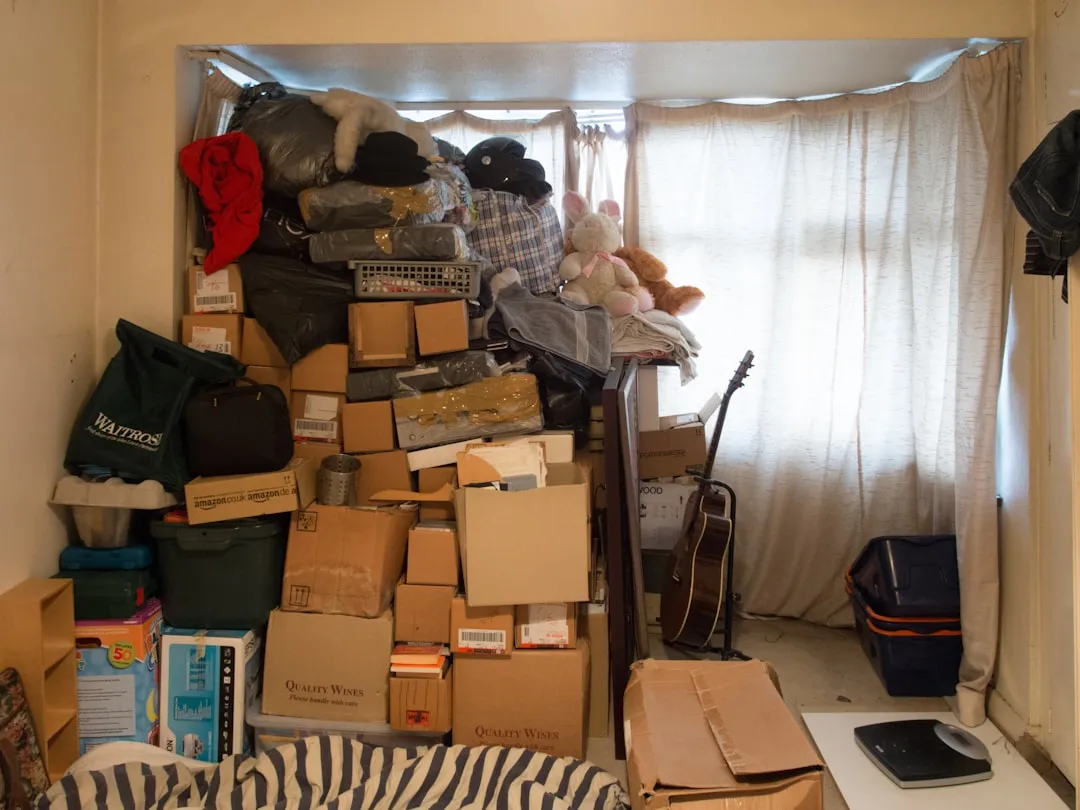
In a 2024 study, researchers demonstrated that taking a values-based approach to decluttering helps older adults decrease household clutter and increases their positive affect, a state of mind characterized by feelings such as joy and contentment. The key difference from standard decluttering methods is the starting point. Rather than evaluating objects, people first articulate what matters most to them in life.
People may keep things not out of fear of losing them but because saving them is consistent with their values. Your values can help guide which possessions should stay in your life and which ones should go. This is a more durable framework than “does it spark joy?” because it connects the decision to something stable and pre-existing inside the person, rather than a fleeting feeling when holding an old photo album.
Not All Clutter Is the Same Kind of Problem
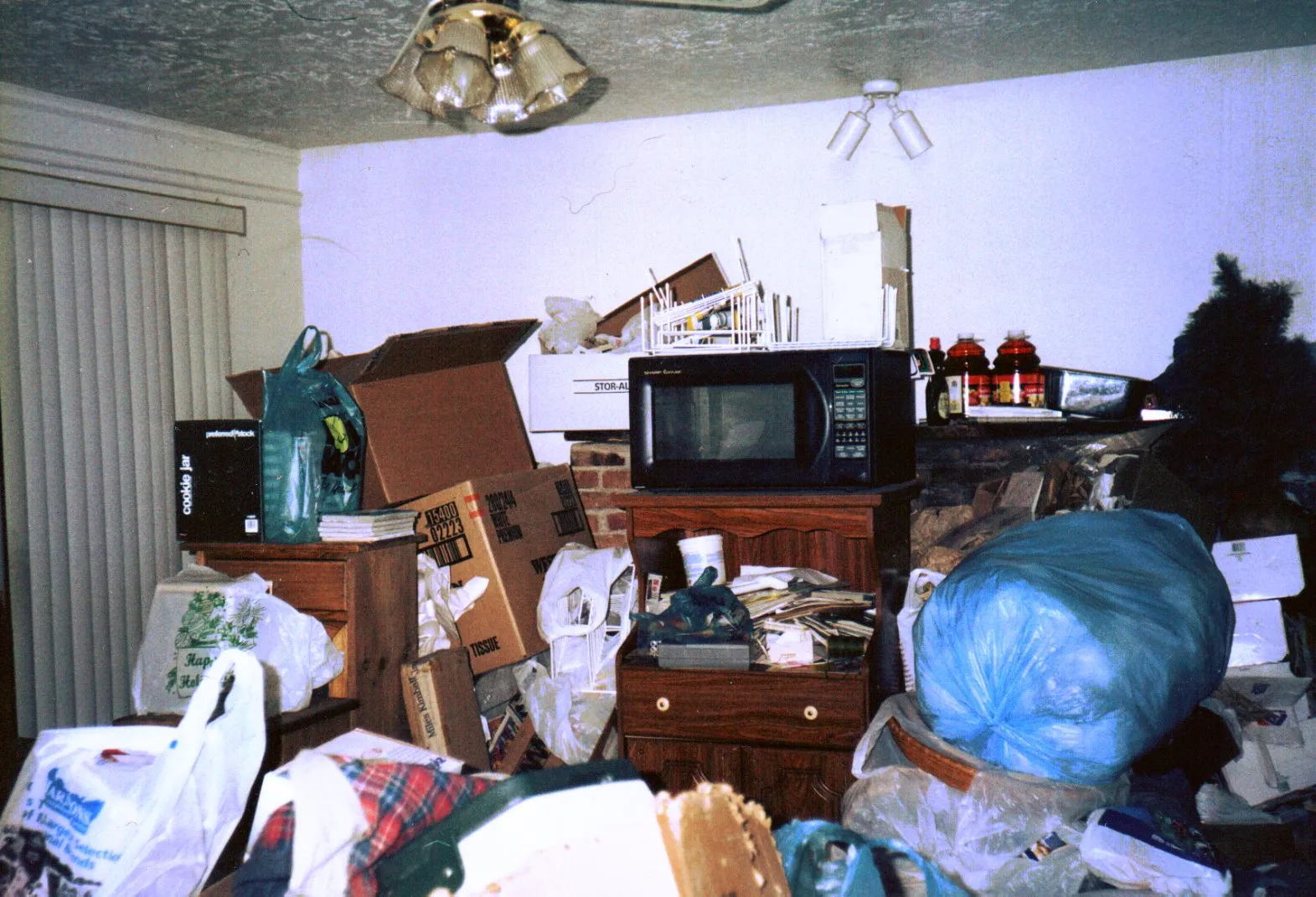
Research findings show that a higher volume of clutter positively predicted engagement beyond subjective clutter. This might be due to the feelings experienced when managing possessions by sorting, arranging, or cleaning, indicating that not all clutter is maladaptive. In other words, a home full of meaningful objects is not automatically a psychological burden, even if it looks cluttered by minimalist standards.
While sentimental items hold powerful emotional significance, the impact of physical clutter goes beyond mere feelings. This clutter can have a real cost on our mental well-being, impacting our stress levels, focus, and even our relationships. The tension between these two findings is real. Some sentimental accumulation is healthy; too much of any kind of clutter creates measurable stress. Finding that line is personal work, not something a universal rule can do for you.
A Holding Period Beats a Hard Deadline
Letting go of sentimental stuff requires a different approach than decluttering a sock drawer. Diving in headfirst can be a recipe for overwhelm and regret. Unlike an overflowing sock drawer, cherished possessions hold precious memories, powerful emotions, and meaningful stories. They deserve a more thoughtful approach, one that takes time and energy to process.
Give yourself a holding period – a box for uncertain items, revisited in three or six months rather than decided on the spot. This removes the false urgency that so much decluttering content manufactures. Some decisions simply need time to settle, and revisiting an object six months later often produces a clearer, less regretful answer than forcing a decision in an afternoon.
The Takeaway
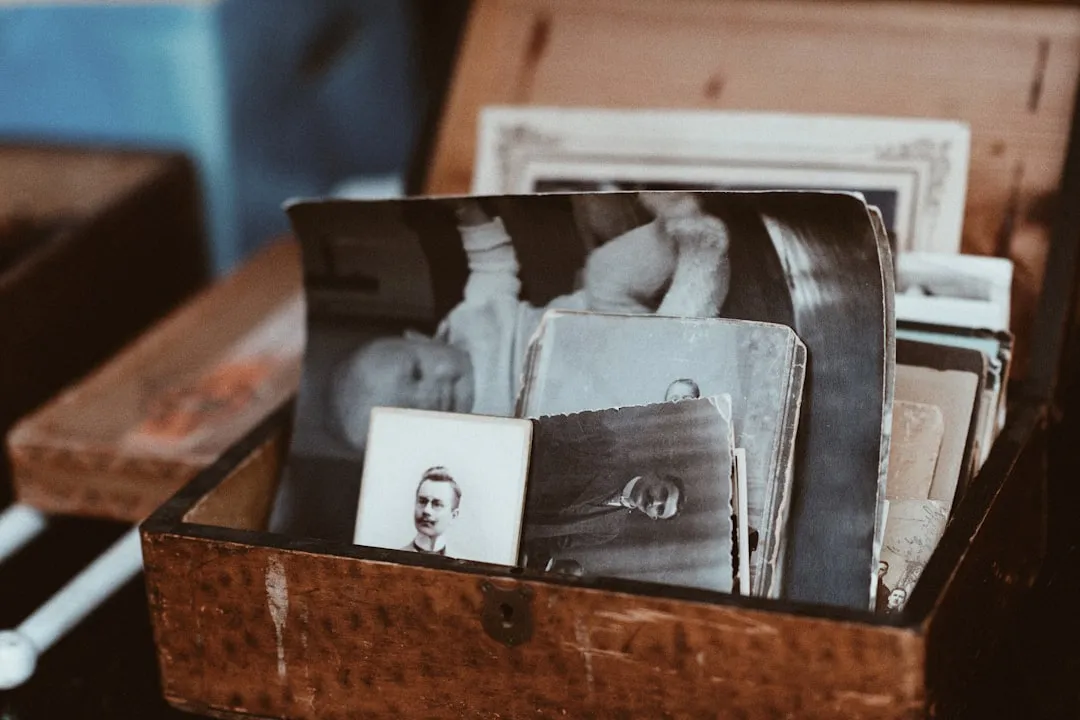
The rule that backfires isn’t any single method. It’s the assumption that one universal standard applies to every object in your home. Standard decluttering frameworks were built for practical things, and they work well there. Sentimental objects operate on different psychological machinery, involving memory, identity, loss aversion, and the deep human need to feel connected to people who are no longer present.
The research points toward something more patient: start with your values, not your belongings. Give rather than sell when you can. Take a photograph. Use a holding box. Recognize that letting go of an object doesn’t mean dismissing the memory it represents. That reframe, modest as it sounds, is where the real work begins.
AI Disclaimer: This article was created with the assistance of AI tools and reviewed by a human editor.