

For generations, the manicured green lawn stood as a quiet measure of respectability. Trim edges, vivid color, zero weeds. It was the kind of thing neighbors noticed and HOA boards rewarded. But something has shifted in American yards over the past few years, and it’s more than a passing trend.
Homeowners are tearing out their turf in growing numbers, replacing thirsty grass with wildflowers, native grasses, sedges, and pollinator gardens. The reasons are practical, ecological, and, for many, deeply personal. What once looked like a fringe movement now has real data and real momentum behind it.
The Lawn’s Hidden Price Tag
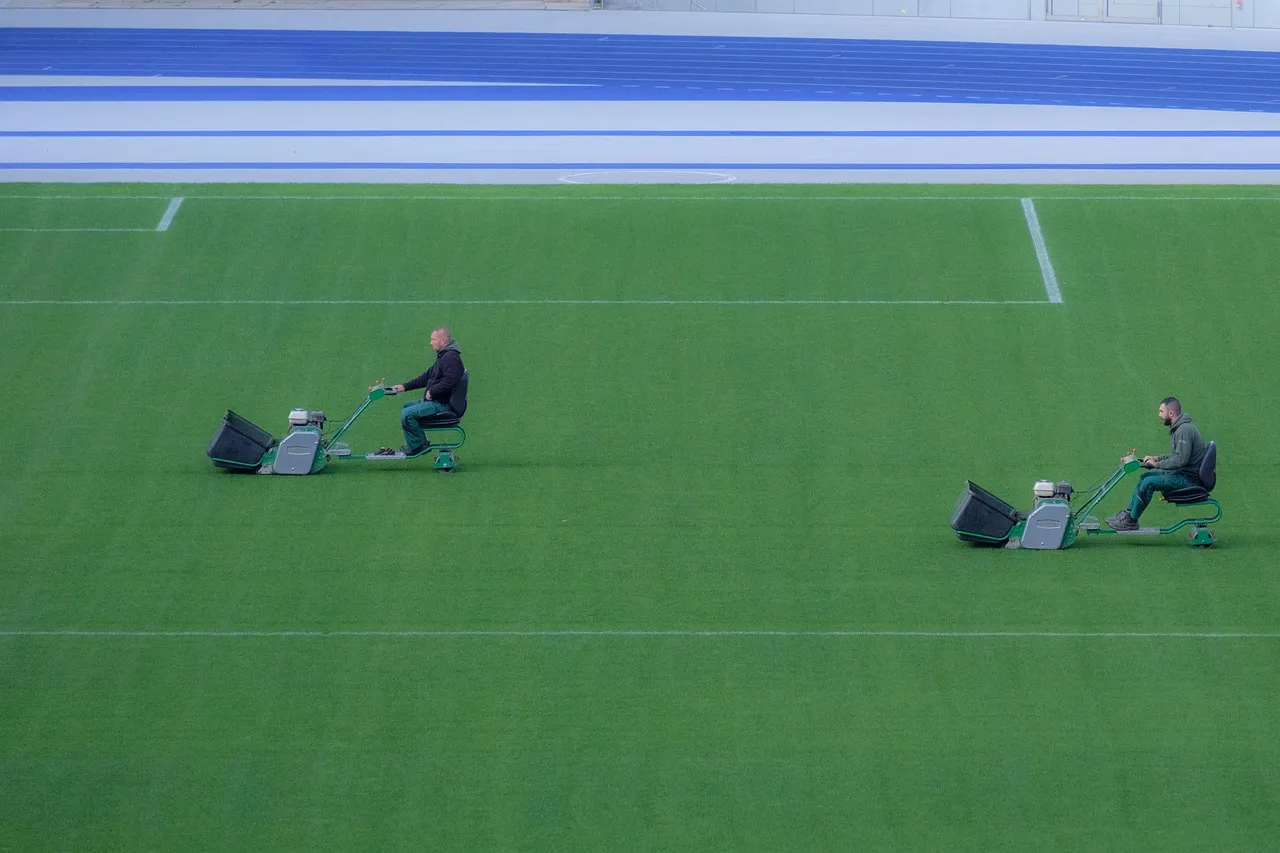
On the residential side, the average homeowner spends about $300 per month on general landscaping and lawn care services. That adds up to a significant annual expense, and it doesn’t account for the DIY hours spent pushing mowers, dragging hoses, or spreading fertilizer. For most families, the lawn is one of their largest recurring home maintenance costs, and many are starting to ask whether that money is well spent.
Nationwide, homeowners can expect to pay between $100 and $500 for standard lawn care services, with the average hovering around $300. Strip away the routine maintenance and you still face periodic reseeding, aeration, and pest control. Replacing a traditional lawn with native plants not only enhances local biodiversity but also reduces the need for frequent watering, mowing, and fertilizing, which can significantly lower maintenance costs and environmental impact.
The Water Problem Nobody Talks About Enough
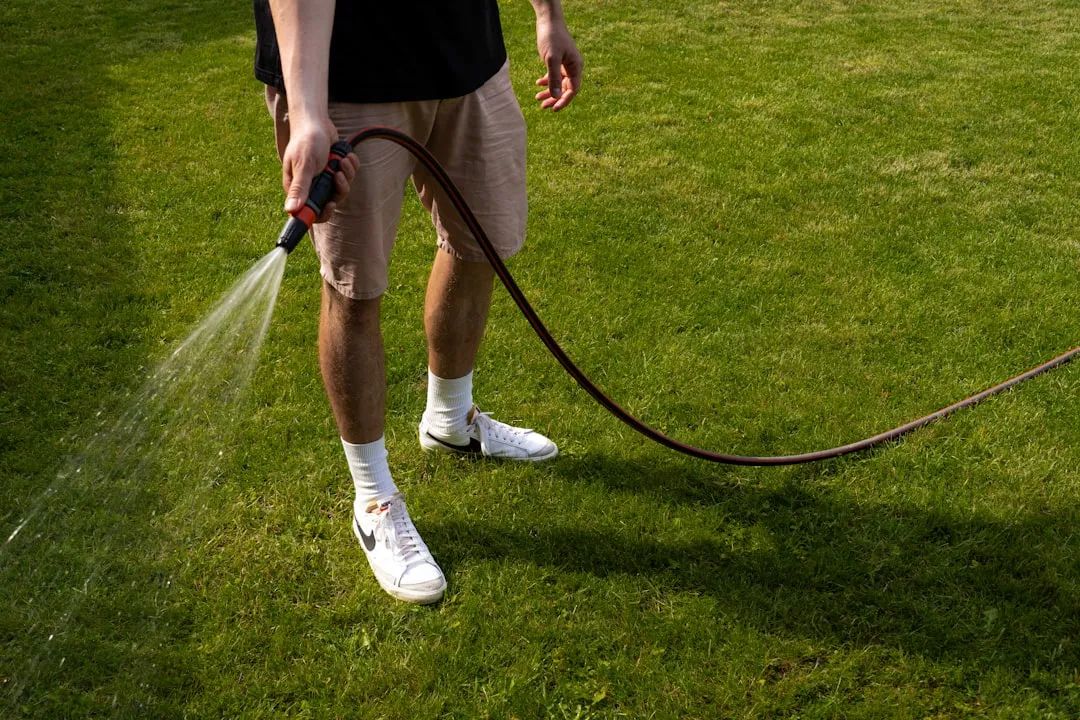
Grass lawns are notorious for their water waste. In the United States, lawn irrigation accounts for nearly one third of all residential water use, approximately 9 billion gallons per day. That figure is staggering on its own, but it gets worse in dry climates. Outdoor water use accounts for more than 30 percent of total household water use, on average, but can be as much as 60 percent of total household water use in arid regions.
As much as half of the water used outdoors is lost due to wind, evaporation, and runoff caused by inefficient irrigation methods and systems. In other words, much of what homeowners pump onto their lawns never reaches the grass at all. A standard lawn of 1,000 square feet requires roughly 35,000 gallons of water per year, though the Association of California Water Agencies estimates that customers over-irrigate landscaping by up to 60 percent, resulting in a home lawn using up to 75,000 gallons of water per year.
The Chemical Toll on Soil, Water, and Wildlife
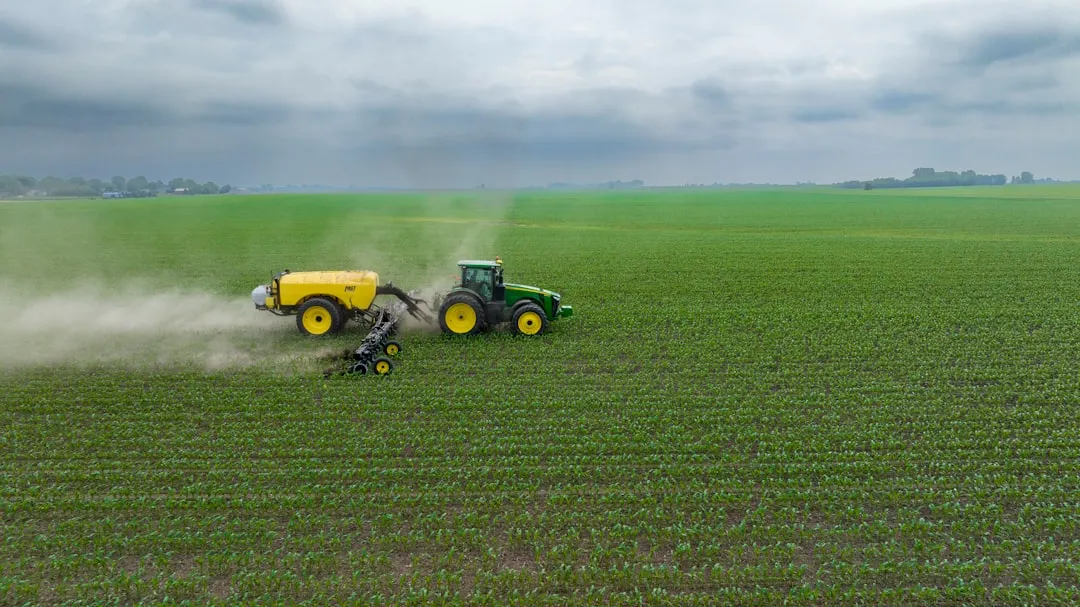
Every year, U.S. homeowners apply an estimated 80 million pounds of synthetic pesticides to their lawns, and this cosmetic use provides pesticide corporations their fastest sales growth. Most people assume this is far less intensive than agriculture. The reality is the opposite. On a per-acre basis, American homeowners use 10 times more pesticides than what is used on U.S. farms.
Studies show that these hazardous lawn chemicals are drifting into homes where they contaminate indoor air and surfaces, exposing children at levels ten times higher than pre-application levels. The risk extends well beyond the property line. On a larger scale, the widespread use of lawn chemicals significantly impacts local biodiversity. By eliminating crucial species within an ecosystem, these chemicals disrupt ecological balance and stability. The phenomenon of bioaccumulation means that these chemicals can remain active in the environment for decades.
Turf Monocultures and the Collapse of Urban Ecosystems
Green grass lawns provide minimal ecological benefit and are, in fact, detrimental to environmental health. Scientifically, these monocultures offer little to no habitat for local wildlife, disrupt natural ecosystems, and necessitate high water usage, which exacerbates water scarcity issues. The extensive use of chemical fertilizers and pesticides required to maintain these lawns further harms biodiversity, polluting water sources and contributing to the decline of insect populations essential for pollination.
When fertilizer flows into waterways, it triggers algal blooms that endanger fish and other marine species by depriving them of oxygen and worsening water quality in their ecosystems. The nitrogen running off manicured suburban lawns is a slow-motion environmental event. Since almost all of the grass species in the U.S. are not native to where they are planted, they use more water and chemicals in order to grow.
What Native Plants Actually Do for Local Ecosystems
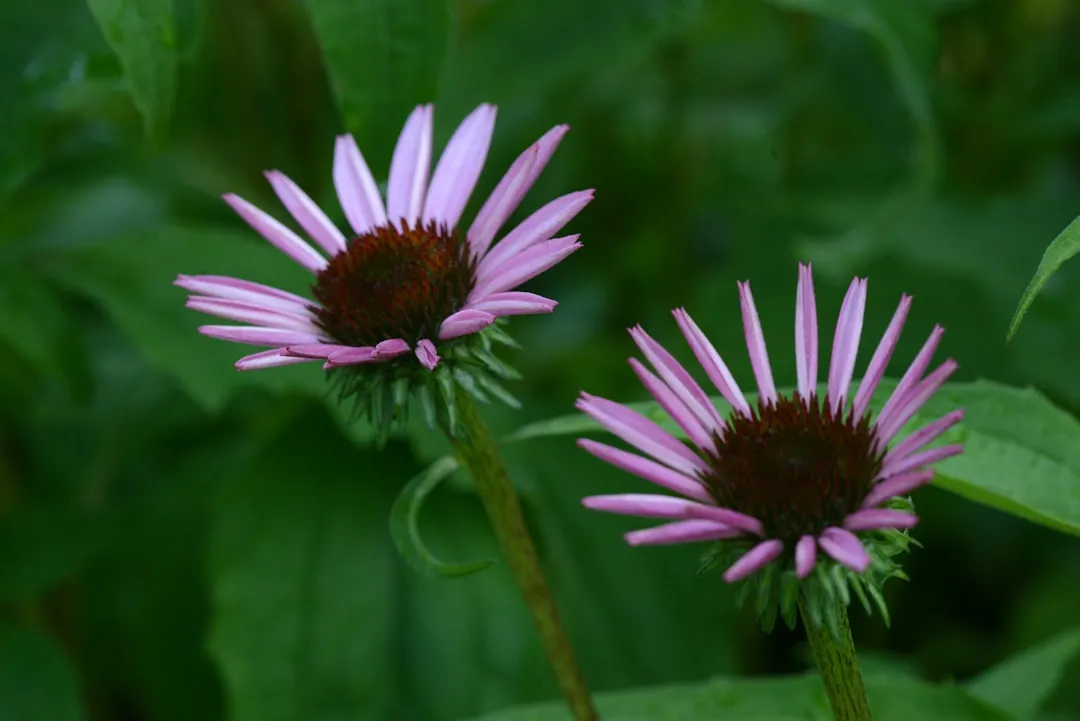
Homeowners increasingly prioritize native plants that support local ecosystems, require less water and maintenance, and provide habitat for beneficial insects and birds. These aren’t just aesthetic choices. They are functional ones. Replacing grass lawns with native plants can have profound environmental benefits. Native plants are adapted to local climate conditions and require less water, reducing the strain on water resources. They also provide habitat for native wildlife, supporting biodiversity and contributing to healthier ecosystems.
Recent published research from beehive studies found a strong negative correlation between colony survival rates and the amount of invasive plants bees foraged from. The same study found a strong positive correlation between survival rates and forage on native plant species. When bees have access to nutritious forage from native plants, it increases their resilience to colony-threatening pests and pathogens. The science is becoming hard to ignore.
Native Plants Attract More Pollinators Than Cultivars
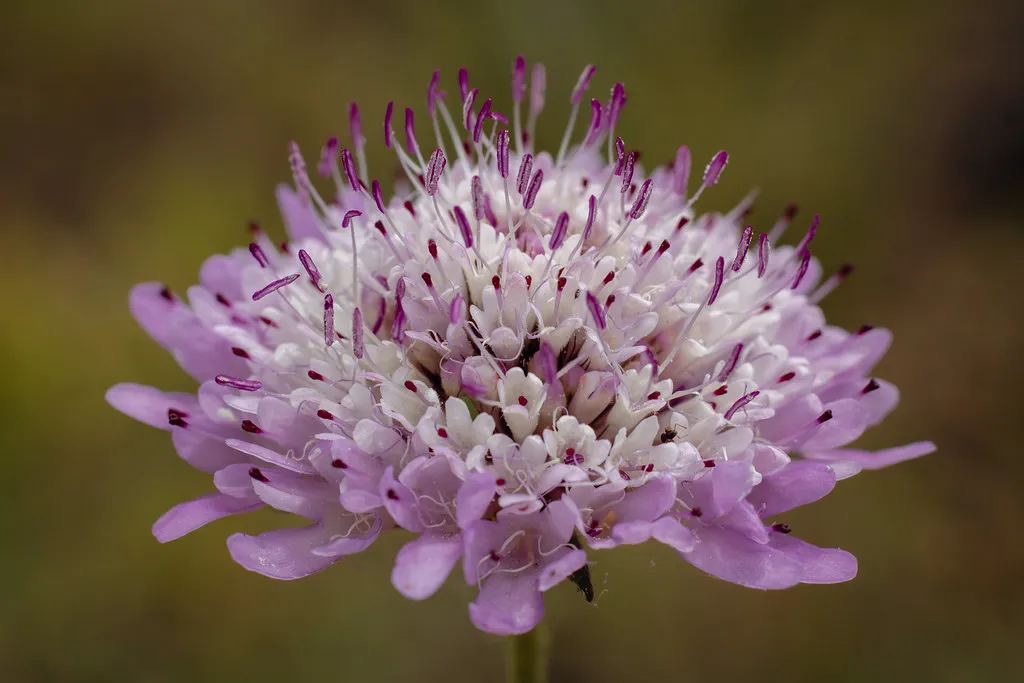
A three-year garden experiment conducted by Oregon State University found that wild native plants tend to draw more pollinator visits than their cultivated counterparts. Specifically, pollinators preferred wild native plants about 37 percent of the time, whereas cultivars were preferred only about 8 percent of the time. That is a meaningful gap when you consider the scale of residential landscapes across the country.
The study emphasizes that differences in visitation depend on both the specific plant and pollinator groups. Some cultivars performed equally well, especially minimally modified ones, but overall the wild forms held a clear advantage. For homeowners looking to make a real difference for local bee and butterfly populations, choosing unmodified native species offers the clearest benefit.
How Much Water and Maintenance Do Native Gardens Actually Save?
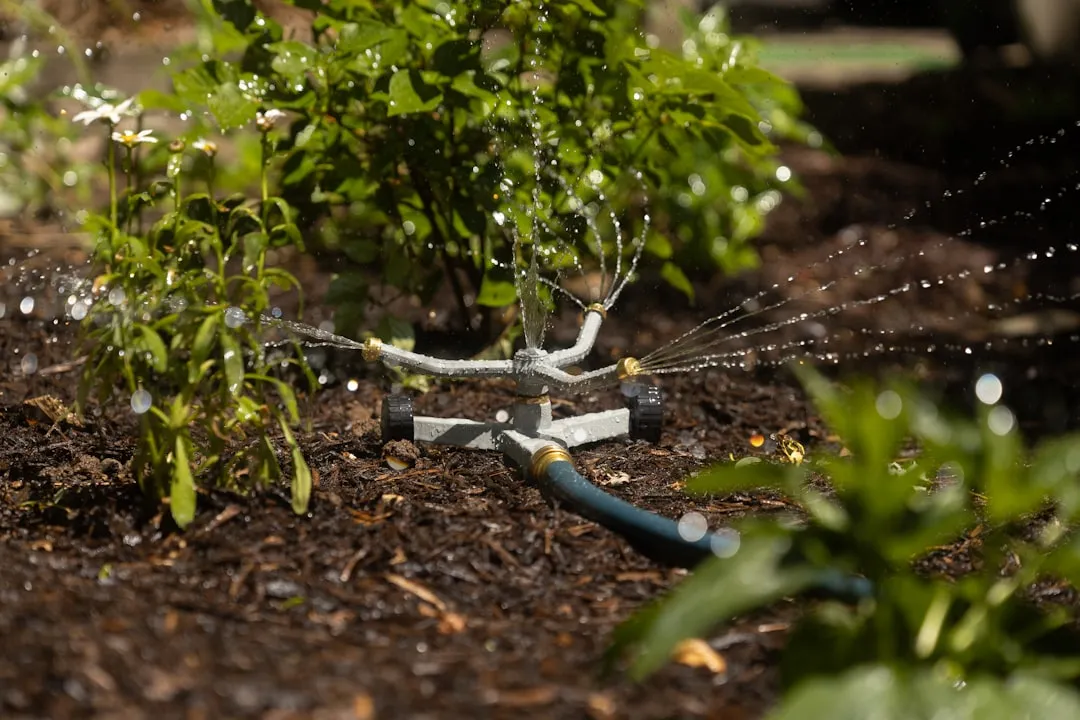
Native plant gardens typically require 60 to 80 percent less water and maintenance than traditional landscapes once established. That is not a marginal improvement. It is a fundamental change in how a yard functions. Once established, native plants require little water beyond normal rainfall.
Studies found that woody plants and other non-turf plants, in general, perform well with up to 55 percent less water than that needed by the average tall fescue lawn. The establishment phase requires patience, typically one to two growing seasons, but the long-term savings in both water bills and labor are real. Properties with existing native plants or natural areas represent significant savings in landscape establishment costs and ongoing maintenance.
A Cultural Shift Among Younger Homeowners
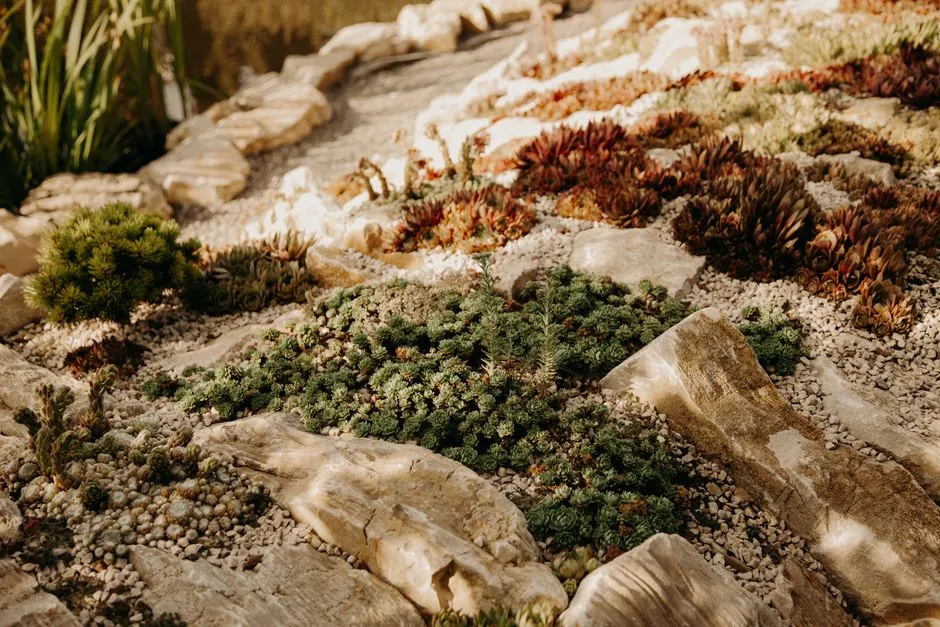
Focusing on planting species native to an area continues to grow in popularity. Part of what is driving this is a generational shift in how people relate to their outdoor spaces. In 2025, roughly 61 percent of Millennials and about 54 percent of Gen Z increased gardening budgets, compared to 43 percent of Gen X. Younger homeowners are simply more likely to view a yard as an ecosystem rather than a decorative surface.
About 17 percent of U.S. adults are purchasing plants local to their region, and 28 percent are purchasing plants that benefit native bees, birds, and butterflies, according to the National Wildlife Federation. Those numbers reflect a market that is maturing. People aren’t just curious about native landscaping anymore. Many are actively spending money on it.
Government Rebates and Policy Pressure Are Accelerating the Shift
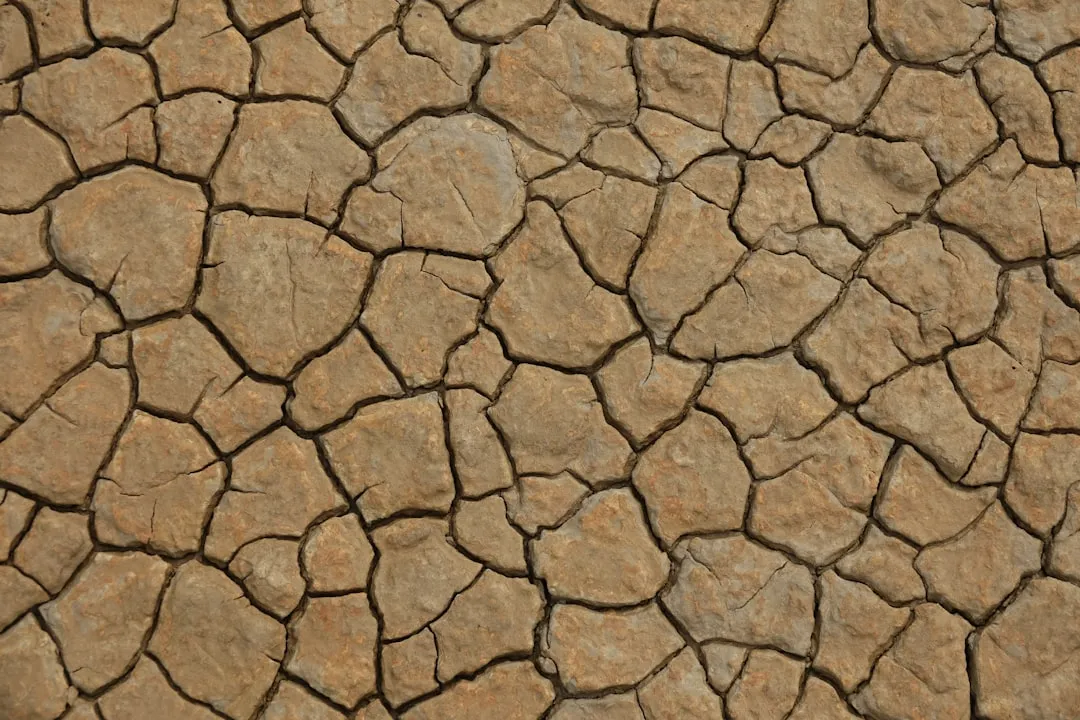
California is in need of converting landscaping to low-water plants and design. Even with the state caught up on its water needs, the imperative of updating exterior landscaping to drought-tolerant varieties is not only essential but now legislated to be in full effect by 2028. The non-functional turf ban goes into effect for government properties first, with commercial buildings facing mandated turf replacement in 2027 and multi-unit residential properties mandated to be in compliance by January 2028.
The Water Smart Landscapes Rebate is a program that pays properties to convert their lawns to water-efficient landscaping as part of water conservation efforts. For non-single-family properties, the rebate pays $3 per square foot of grass that is replaced with desert landscaping up to the first 10,000 square feet converted. Financial incentives like these are removing one of the last practical barriers to conversion.
What Replacing Half of America’s Lawns Could Look Like
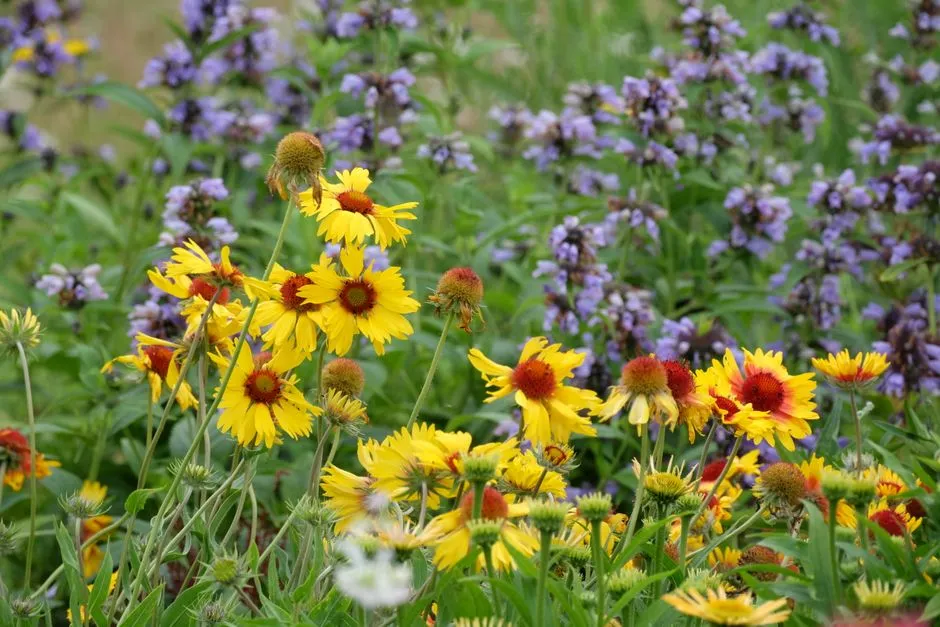
If half of American lawns were replaced with native plants, the collective impact would be staggering. We could create the equivalent of a 20 million acre national park, nine times larger than Yellowstone National Park or 100 times larger than Shenandoah National Park. That hypothetical carries real weight. The combined acreage of American residential turf is not a trivial thing.
Creating wildlife-friendly gardens is a growing trend among environmentally conscious homeowners. These gardens, often designed as pollinator-friendly spaces, are designed to provide habitat and food for local wildlife such as birds, butterflies, and bees. Key elements include native plants, birdhouses, feeders, and water sources. What was once considered eccentric is now viewed as thoughtful stewardship.
The Lawn Ideal Is Fading, and That’s Probably Fine
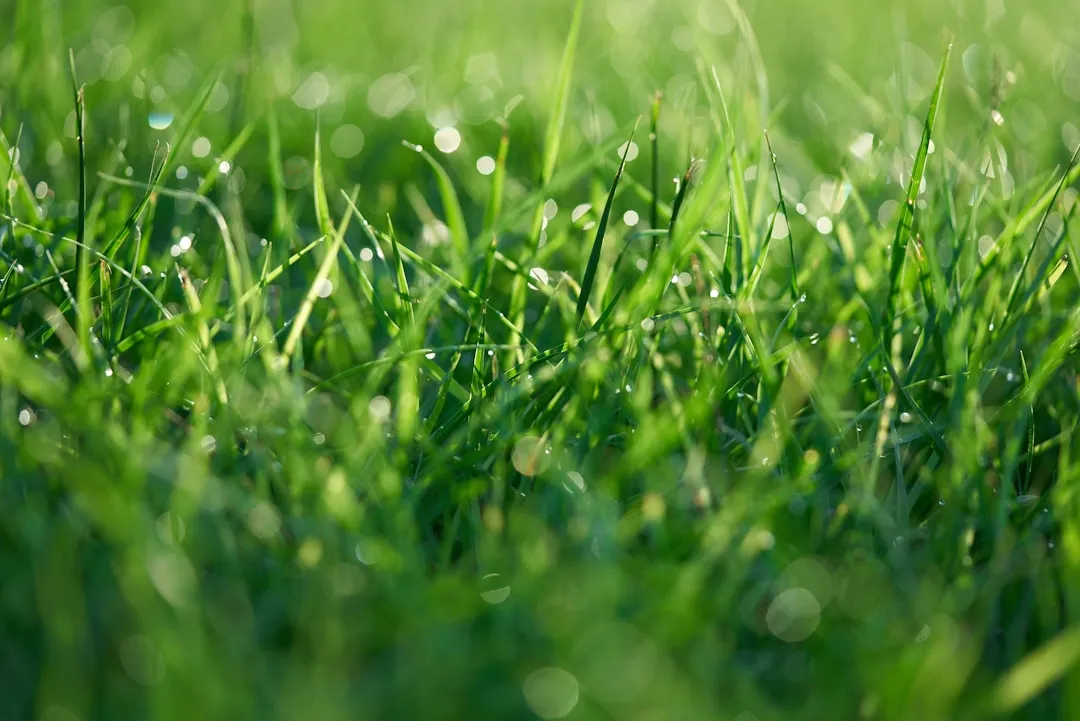
The idea of a lush green lawn took root in American culture through the rise of suburban developments in the mid-20th century. Advertising and entertainment media perpetuated the notion that a lush, green lawn is synonymous with success and respectability. This cultural norm persists today, despite the growing awareness of its environmental impact. But cultural norms do shift, and this one is shifting visibly.
In 2025, the trend is towards more naturalistic and sustainable designs. This includes features such as rain gardens, which capture and filter stormwater, and natural swimming pools, which use plants and biofilters to keep the water clean without chemicals. The front yard is being reimagined as something that gives back rather than just takes. Professional landscaping that incorporates native plants and sustainable features can also attract buyers and enhance property value. The financial and ecological arguments are converging, and for many homeowners, that convergence is the tipping point.
The perfect green lawn was never really perfect. It was expensive, thirsty, chemically dependent, and ecologically empty. What is replacing it is messier in the best possible way: alive with insects, varied in color through the seasons, and genuinely part of the landscape around it. That shift, quiet as it looks from the street, turns out to matter quite a lot.
AI Disclaimer: This article was created with the assistance of AI tools and reviewed by a human editor.