

There is a quiet crisis unfolding inside millions of homes across the country. Older adults living alone go about their days without any guarantee that someone will notice if something goes wrong. A fall, a sudden illness, a stroke: these events can become tragedies not because help wasn’t available, but because no one knew to look.
The daily check-in call service addresses exactly that gap. It is simple in concept and increasingly important in practice, sitting at the intersection of safety, social connection, and community care for one of the fastest-growing segments of the population.
The Scale of the Problem: How Many Older Adults Live Alone?

About 28 percent of Americans over 65 live alone, according to the National Council on Aging (2024). That number is substantial enough on its own, but it does not tell the full story. Nearly half of women aged 75 and older live alone. As the population continues to age, the practical and emotional consequences of this reality become harder to ignore. Officials anticipated 65 million older adults in the United States by 2025, up from about 54 million in 2019.
What a Daily Check-In Call Service Actually Does
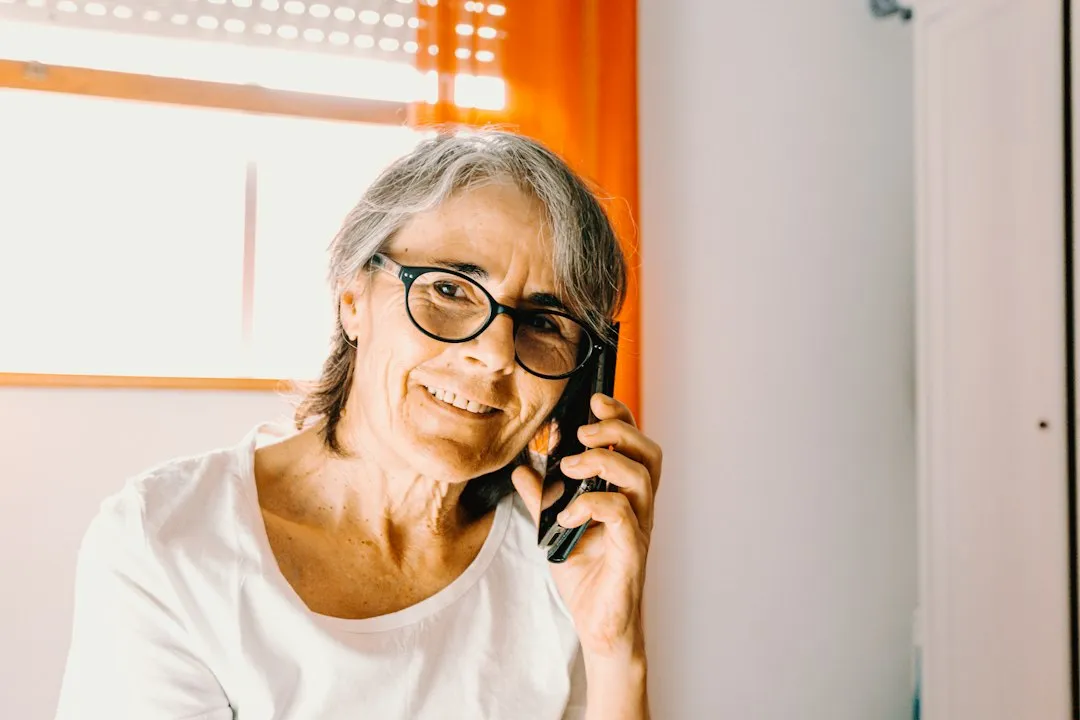
Daily check-in calls for seniors are automated safety services that contact elderly individuals once or twice a day to verify they are safe. The mechanics are deliberately low-friction. Residents sign up to receive a daily automated phone call at a time they choose, and if they answer and confirm they are okay, the call ends. If a senior does not respond after multiple attempts, their designated care circle, which may include family, friends, or neighbors, receives immediate alerts via phone, email, or text message.
The Loneliness Epidemic Driving Demand

In 2024, roughly a third of older adults felt lonely some of the time or often in the past year, a rate nearly identical to that seen in 2018. According to a recent study, close to three in ten older people between the ages of 50 and 80 said they felt socially isolated in 2024. The health implications of this isolation are well documented. Loneliness and social isolation increase the risk of dementia by around half, and are also linked to heightened risks of stroke, heart disease, and premature mortality.
How a Phone Call Becomes a Lifeline
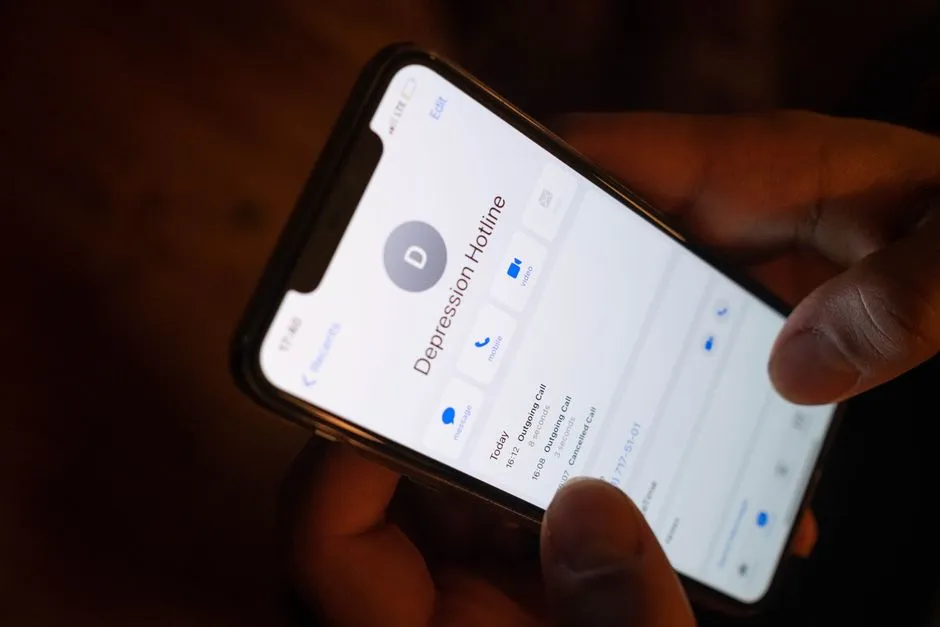
Studies note that about half of older adults who fall cannot get up without assistance, and being immobile for long periods can lead to dehydration, pressure sores, and other complications. According to the Centers for Disease Control and Prevention, about one in four Americans aged 65 and older experiences a fall each year, approximately 36 million falls annually, and tens of thousands of seniors die each year due to fall-related injuries (CDC, 2024). A daily check-in call can ensure that if a senior has fallen or is suddenly ill, the alarm is raised the same day rather than days later, and early intervention can literally save lives or reduce the severity of an outcome. Real documented rescues have resulted from these programs, including a man who fell on a Friday and was not found until Monday when his next call came through.
The Emotional and Social Value Beyond Safety

Friendly calling, defined as regularly scheduled check-in calls by a trained staff member or volunteer, is believed to provide companionship to older adult clients and ensure they are safe. Research described in Scientific Reports on recurring phone calls for community-dwelling older adults found that scheduled phone calls providing cognitive stimulation and emotional support over 31 weeks were associated with lower depression scores and improved memory scores. Regular social contact, even a brief friendly phone call each day, can make a meaningful difference, and participants often report that they feel safer and less alone knowing someone will check on them.
Why the Telephone Remains the Right Tool

Phone-based support works because it meets older adults where they already are. According to Pew ownership figures, 96 percent of Americans aged 65 and older own a cellphone or landline, while 61 percent own a smartphone. This means that a phone call, unlike a wearable device or a sensor system, requires no learning curve, no new hardware, and no behavioral change from the user. A daily check-in call service requires nothing from the senior, making it the most accessible option for those who will not or cannot wear a device.
Who Is Running These Programs?
Hundreds of police agencies in small towns, suburbs, and rural areas across the country are checking in on seniors who live alone by offering them a free automated phone call every day. Some programs go further than automated systems. In San Diego County, for instance, 452 senior volunteer patrol members call 334 older adults at least five times a week and visit them at least weekly, depending on their preference. A pilot program studied by Texas A&M University assessed the effectiveness of friendly calling among Meals on Wheels clients at seven sites across the country.
Evidence That These Programs Work

Findings from the Meals on Wheels pilot suggest that coordinated friendly calling initiatives can reduce social disconnectedness risk among clients within short durations of around three months, highlighting the feasibility of telephone-based intervention strategies for socially vulnerable older adults. At the community resource level, results are also encouraging. In Pinellas County, Florida, about 65 percent of participants in the CARES program made no 911 calls after enrollment, and among those who still called, there was a reduction of more than a quarter in total calls. A 2025 evaluation of the CareLine service found that it effectively provides social and emotional support to a vulnerable population of older adults, particularly those living alone.
Limitations and Where These Services Fall Short
No fall detection system catches every fall, and a daily check-in call does not detect falls in real time, but a missed call does alert the family. There is also a gap between data and decision-making for families. A 2025 industry report found that close to four in five families struggle to connect check-in data with medical decisions, pointing toward a shift in care-integrated models in which dedicated care managers track call patterns and communicate with clinicians. These are honest limitations worth acknowledging, because the daily check-in call is one layer of protection, not a complete solution in itself.
The Role of Volunteers and Community Networks
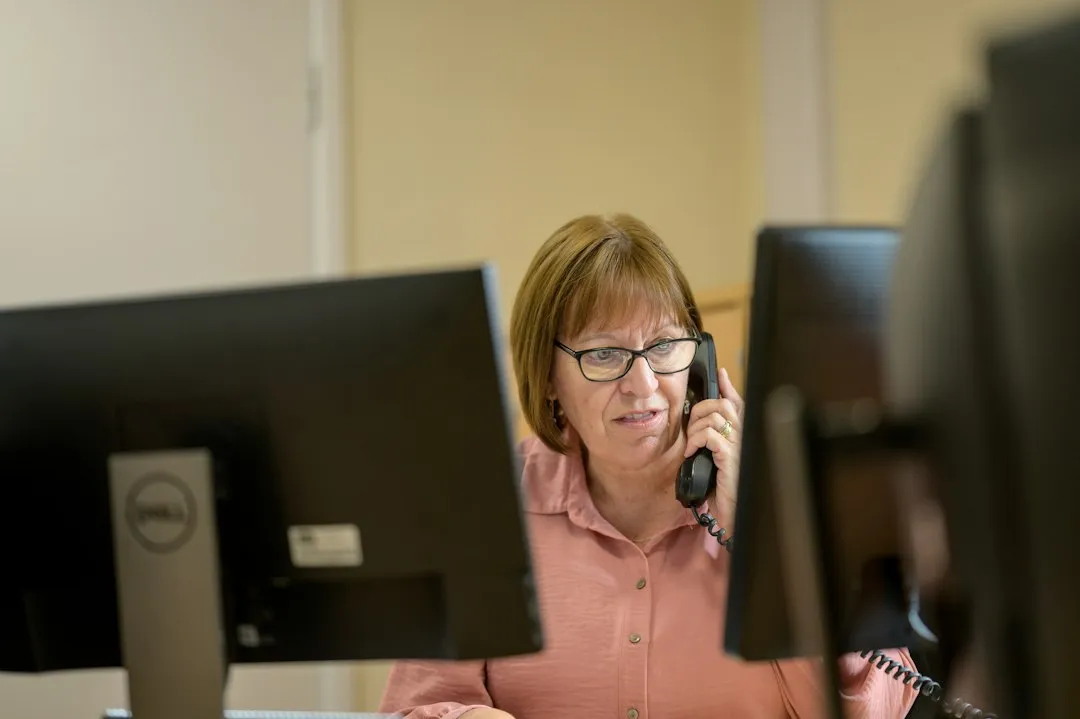
In Belton, Texas, 130 senior participants receive an automated call every weekday, except Wednesdays, when they receive a live call from one of dozens of volunteers, according to the local police department. This hybrid model, blending automation with genuine human contact, captures something that purely automated systems cannot: a real voice, attentive and responsive, on the other end of the line. Older adults face predisposing factors for isolation such as living alone, the loss of family or friends, chronic illness, and sensory impairments, and health care providers may be in the best position to identify those at highest risk, for whom the health care system may be the only point of contact with their broader community. Volunteer networks fill a significant portion of that gap when formal systems are overstretched.
The Broader Public Health Case for Scaling These Services
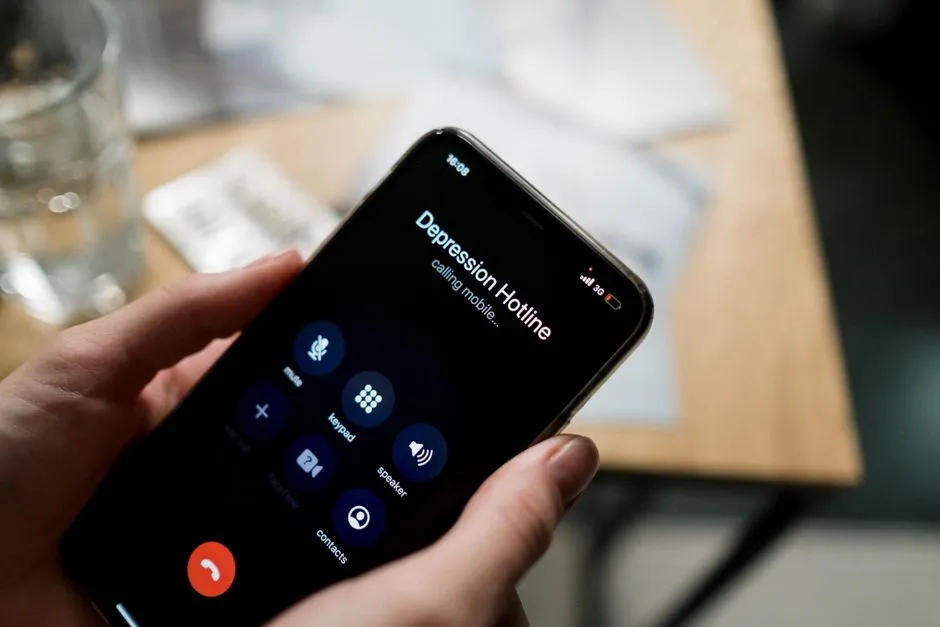
Loneliness increases mortality risk by 26 percent, while social isolation raises it by 29 percent, placing loneliness among major public health threats. Meanwhile, 28 percent of U.S. counties report a shortage of in-home care aides, according to Kaiser Family Foundation data from 2024. Against that backdrop, daily check-in call services stand out as cost-effective, scalable, and accessible. These services are emerging as an effective preventative strategy that complements traditional emergency response rather than replacing it.
The Takeaway

A phone call is one of the oldest forms of connection, and it turns out to be one of the most practical tools we have for protecting older adults who live alone. It doesn’t require a hospital, a wearable, or a complex piece of infrastructure. It requires someone to call and someone to answer.
The evidence from 2024 and 2025 research increasingly points in the same direction: consistent, scheduled contact reduces isolation, improves mental health outcomes, and catches emergencies earlier. For millions of older adults, that daily ring of the phone is not a minor convenience. It is the signal that someone is paying attention.
AI Disclaimer: This article was created with the assistance of AI tools and reviewed by a human editor.