
What “Blackout” Really Means on a Label

The word “blackout” on a curtain or shade label describes the fabric’s opacity, not how dark the room will actually get. It describes fabric opacity alone, not system performance. A curtain can block every photon passing through the fabric itself and still fail to darken a room, because light travels around fabric, not just through it.
Blackout or light-blocking materials typically refer to coated layers that are substantially impermeable to light, such as visible or UV radiation. When a blackout curtain is hung over a window, it generally blocks substantially all external light from entering through that window, in theory. The gap between theory and practice is where most buyers get surprised.
Blackout curtains are fabric panels designed with tightly woven or triple-layer materials, often with blackout lining, that block up to ninety to one hundred percent of light. That range is wide, and where a given product lands depends heavily on both the fabric construction and how it is installed.
Triple-Weave Polyester: The Fabric Leading the Field
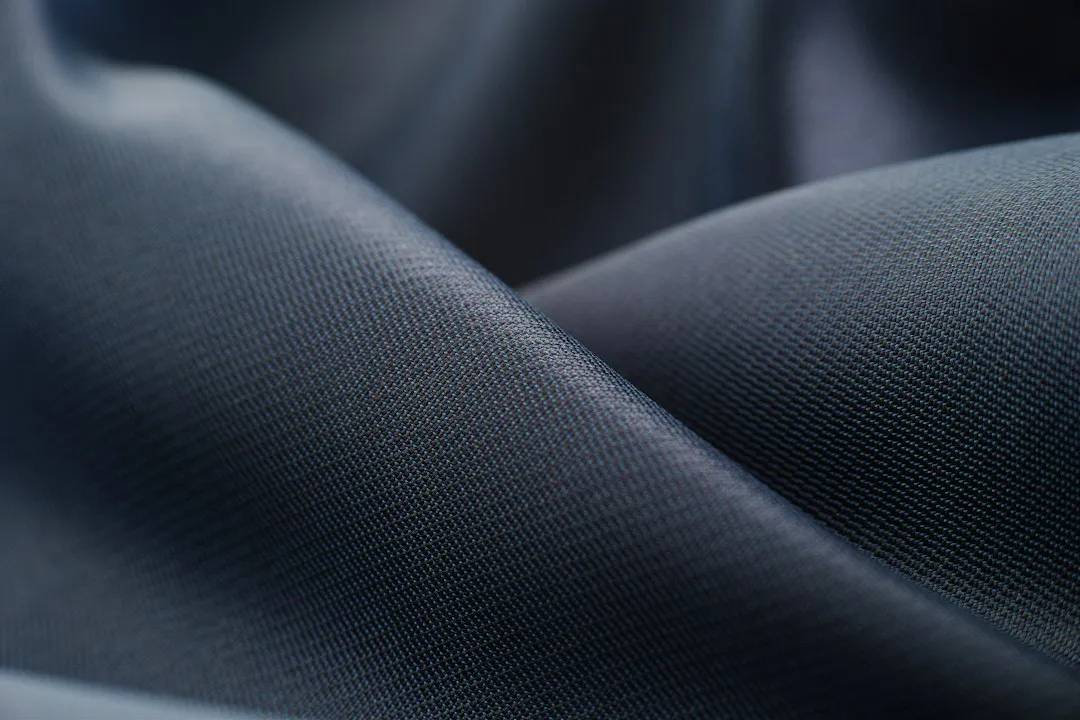
When selecting the best blackout fabric for curtains, materials like triple-weave polyester, foam-backed fabric, and thermal-insulated fabric are highly recommended. These fabrics are known for their superior light-blocking capabilities, energy efficiency, and noise reduction, making them ideal for bedrooms, home theaters, and any space where privacy and comfort are a priority.
Triple-weave blackout fabrics offer the most effective light blocking without heavy backing materials. The weaving process creates complete opacity while maintaining fabric flexibility and appearance. This matters because a fabric that stays flat, flexible, and consistent over time performs better year after year than one that cracks or separates.
A triple-weave or multiple-pass woven blackout fabric creates a dense, light-blocking structure without a separate backing layer. Higher-quality motorized shades use this construction. The fabric is more durable over time, maintains its performance through repeated cycling, and doesn’t develop the separation issues that bonded fabrics can.
Foam-Backed Fabric: Extra Insulation, Extra Opacity
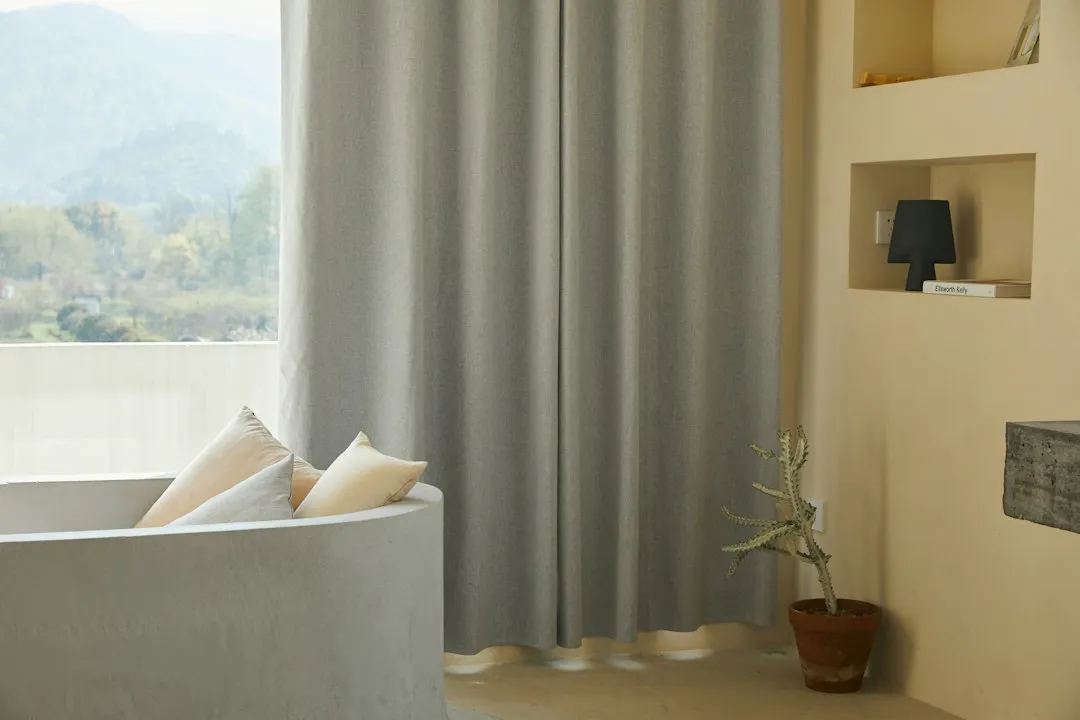
Foam-backed blackout fabric offers superior insulation properties. The foam layer not only enhances the fabric’s ability to block light but also provides thermal insulation, helping to maintain room temperature. This dual benefit makes it a popular pick for bedrooms that face direct morning or afternoon sun.
Foam-backed blackout fabrics provide excellent light control but can deteriorate in high-humidity environments. Coastal installations benefit from fabric selection with acrylic backing that resists moisture damage while maintaining blackout effectiveness. So the right choice depends somewhat on where you live.
Light-blocking articles such as blackout curtains can be comprised of a fabric substrate coated with more than one layer of a foamed latex composition. Multiple coating passes are what push the fabric from “very dark” into genuine blackout territory.
Why Curtain Fabric Can Outperform Roller Shades
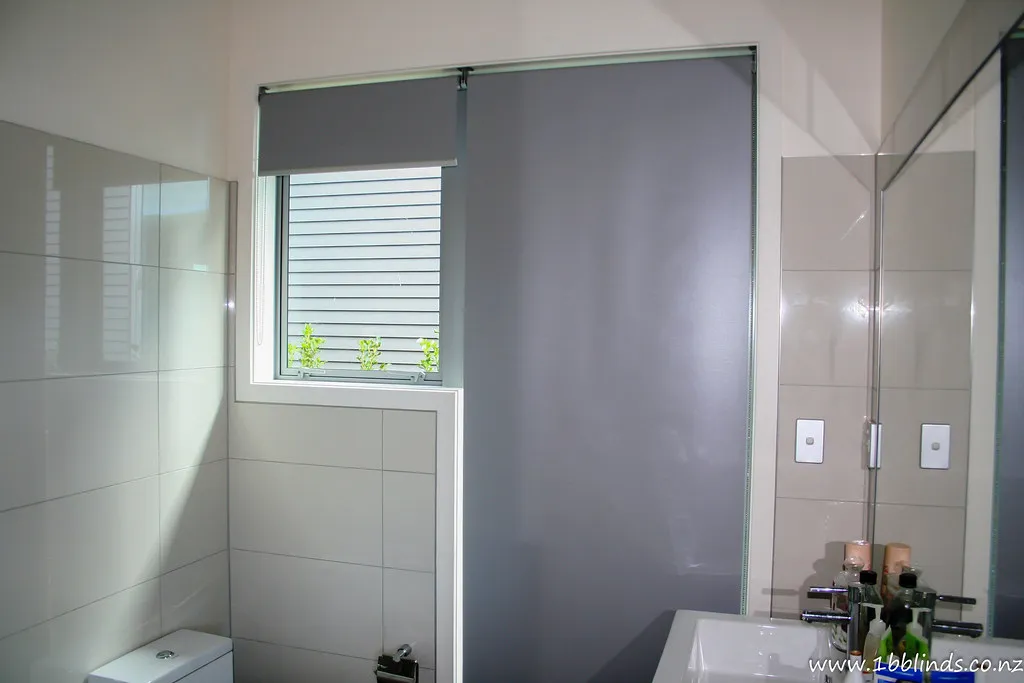
Roller blinds are the most popular choice marketed as “blackout.” A true blackout roller blind uses a coated fabric that performs well through the material itself. The problem is the mounting. Because roller blinds sit inside or just outside the window recess, they leave visible gaps on all sides. Light spills in along both edges, across the top where the roller housing sits, and along the bottom if the fabric doesn’t press flat against the sill.
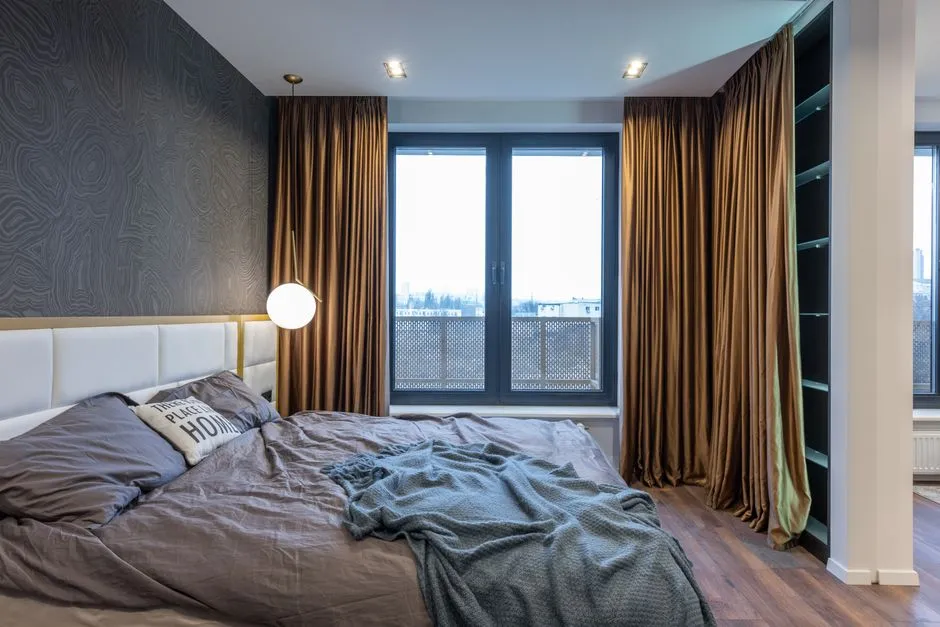
Blackout curtains excel at blocking light when installed wider and higher than the window frame, especially with a wraparound rod. This wider coverage is a structural advantage that a shade mounted within the window frame simply cannot replicate without additional sealing hardware.
Because the fabric overlaps the window frame, blackout curtains naturally stop most edge light. This one design difference, total frame coverage versus frame-fitting, accounts for a significant portion of the real-world gap in performance between the two options.
The Gap Problem: Physics Over Marketing
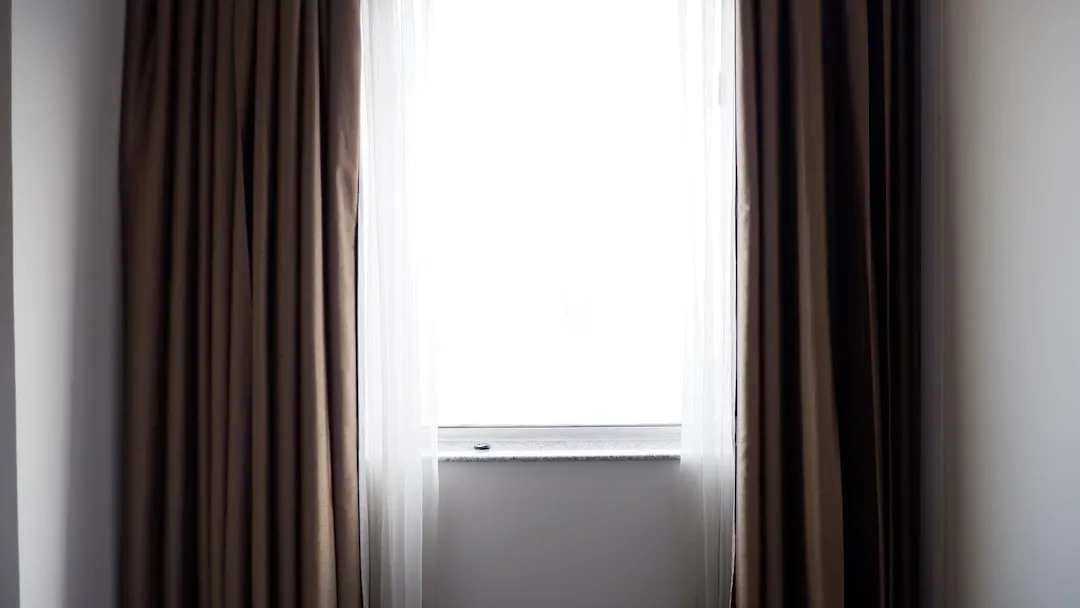
Fully opaque fabric still allows light through four structural failure points: the top gap, where the rod holds fabric away from the wall; side gaps, where gravity pulls fabric straight while the wall angles away; the bottom gap, where the hem cannot hang and seal simultaneously; and the inner gap, where light reflects off interior surfaces and scatters into the room. A standard 57-inch curtain on a standard rod creates approximately 60 square inches of unobstructed gap.
The gaps at curtain edges, where fabric meets the wall, allow light leak that can suppress melatonin production by over fifty percent. That is a meaningful health consequence tied directly to installation quality, not just fabric choice.
Outside-mount blackout shades and curtains that extend beyond the window frame can help reduce light gaps around the edges. For curtain fabric, this means mounting the rod well above and wider than the window opening, which is a simple fix with a measurable payoff.
What the Sleep Research Says
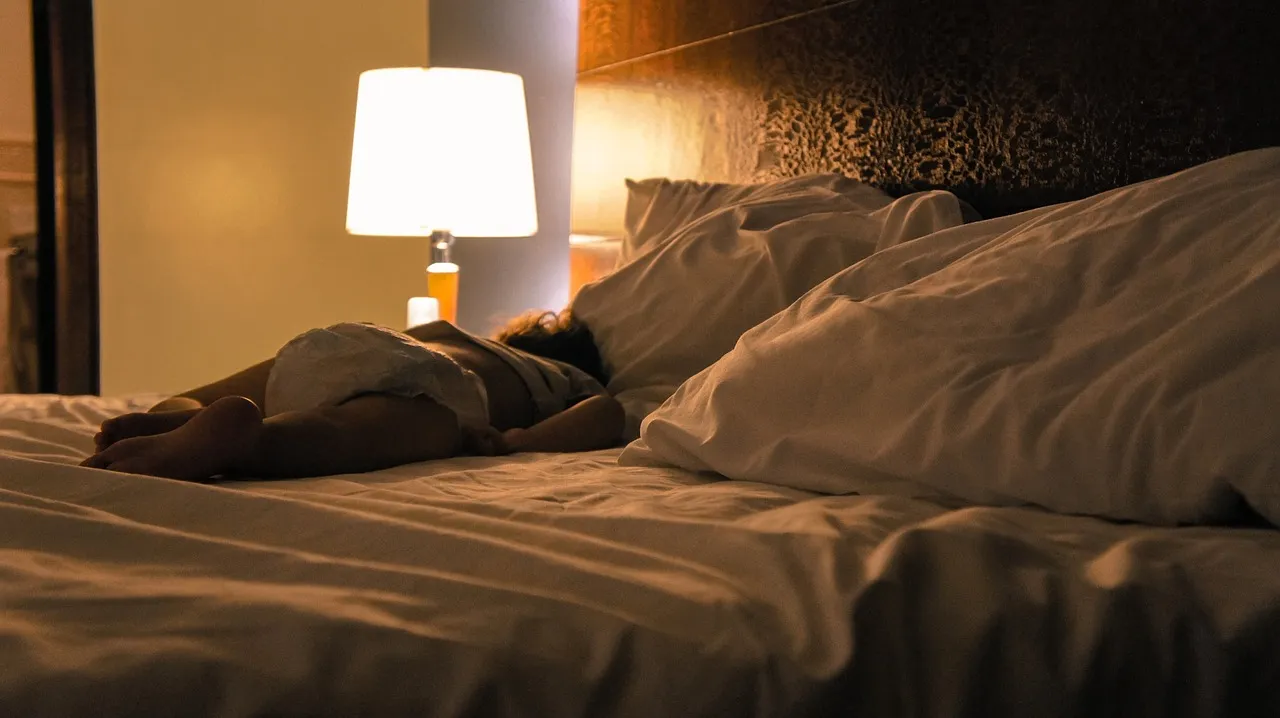
A 2024 study published in Sleep by Sweeney, Nichols and colleagues at the NIH’s National Institute of Environmental Health Sciences examined 47,765 participants in the Sister Study. The researchers found that indoor light at night was associated with a higher prevalence of poor sleep across multiple dimensions, including trouble falling asleep, trouble staying asleep, and non-restorative sleep.
A 2025 study presented at the American Heart Association Scientific Sessions found a nearly linear relationship between nighttime light exposure and heart disease risk. Researchers from Harvard Medical School and Massachusetts General Hospital tracked 450 adults and found that every standard deviation increase in artificial light at night was associated with a significantly increased risk of heart disease over five years.
Research confirms that melatonin suppression begins at five to ten lux, and biological disruption including elevated heart rate and increased insulin resistance occurs at 100 lux after a single night. Getting the curtain fabric right is not just an aesthetic choice. It has measurable physiological consequences.
Velvet and Dense Wovens: The Overlooked Performers
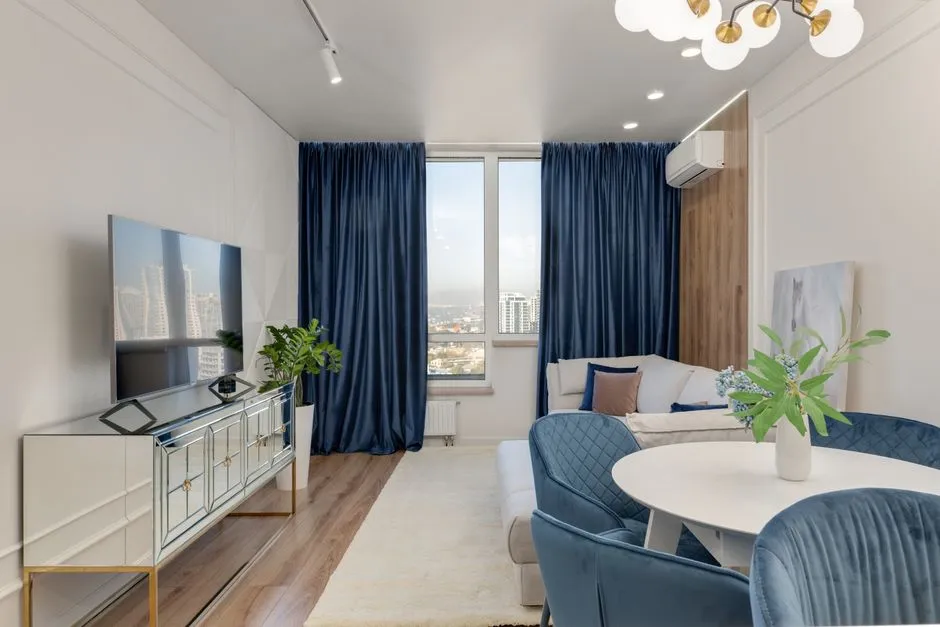
Blackout curtains are designed from dense, layered fabrics, often linen, velvet, or polyester blends, with special liners that block out ninety-five to one hundred percent of external light. Velvet in particular brings a natural density that makes it one of the better-performing decorative fabrics for light control.
From lush velvet to airy linen, picks come in dark, insulating fabrics designed to reduce light and improve comfort. The trade-off with velvet is care requirements, since most velvet curtains are dry-clean only, but the performance payoff is real.
West Elm’s Worn Velvet features luxurious brushed velvet with a subtle sheen and is designed for people who want their bedroom to look beautiful first, dark second. Still, independent testing has found that quality velvet panels hold up well against light infiltration through the fabric itself.
How Installation Determines the Outcome
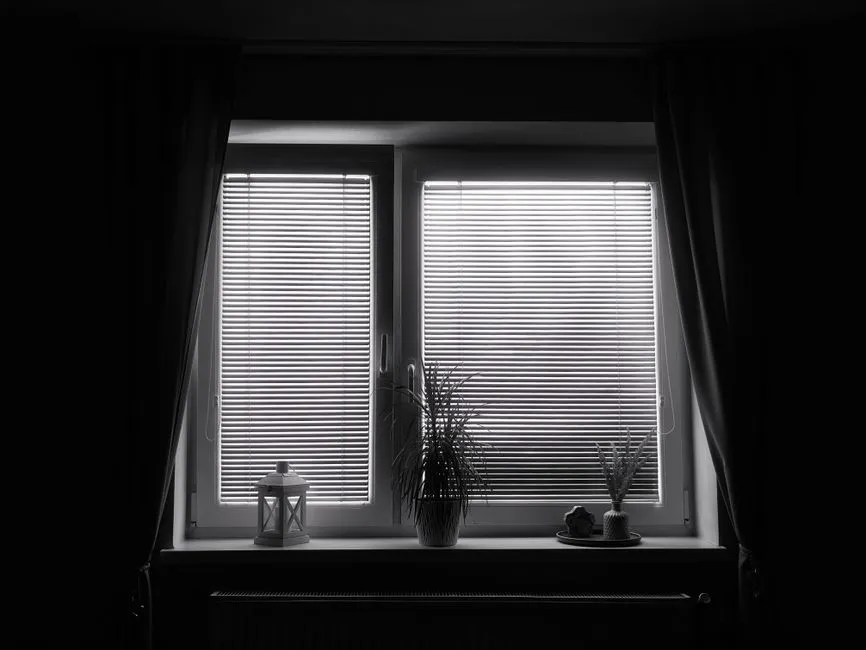
Both blackout shades and blackout curtains can provide excellent light control, but the effectiveness depends on the installation, fabric, and window coverage. No fabric, however well-engineered, compensates for poor hanging technique.
A ceiling-mounted track usually seals better than standard wall brackets because it keeps the fabric closer to the opening. A wraparound or French-return rod is worthwhile for side light, especially in media rooms. Magnetic tie-backs can hold the panel against the wall, while a pelmet or valance can close the top gap.
Blackout curtains excel at blocking light when installed wider and higher than the window frame, especially with a wraparound rod. The French return, where the rod curves back to the wall at both ends, is one of the most effective and underused installation tricks available to anyone hanging curtain fabric.
The Energy Efficiency Angle
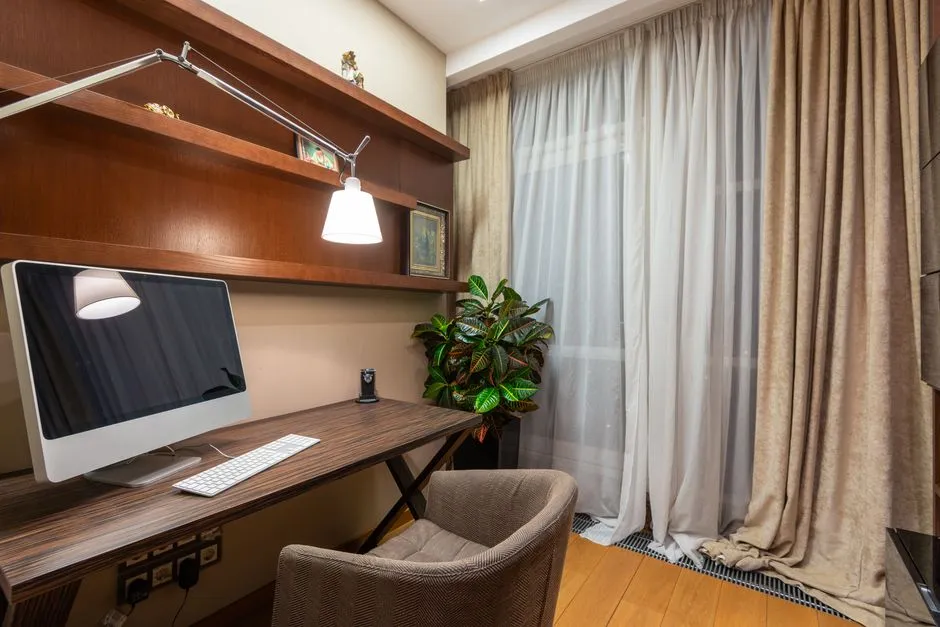
One of the most significant benefits of blackout curtains is their ability to improve energy efficiency. By reducing the amount of heat that escapes through your windows, these curtains help maintain a consistent indoor temperature, reducing reliance on heating and cooling systems. This energy-saving feature not only lowers utility bills but also makes homes more environmentally friendly.
Cellular blinds lead in raw insulation value thanks to their honeycomb air pockets, and the DOE reports they can reduce unwanted solar heat gain by up to sixty percent in summer. However, a thick curtain fabric mounted with proper coverage can compete closely, especially when combined with a ceiling-fitted track that limits air circulation at the window surface.
A 2025 study in Indoor Air found that optimizing the bedroom environment for light and temperature directly impacts both sleep quality and energy consumption. Window coverings play a central role in both. The curtain fabric decision is therefore a two-in-one investment, affecting both comfort and the energy bill.
The Market Behind the Movement
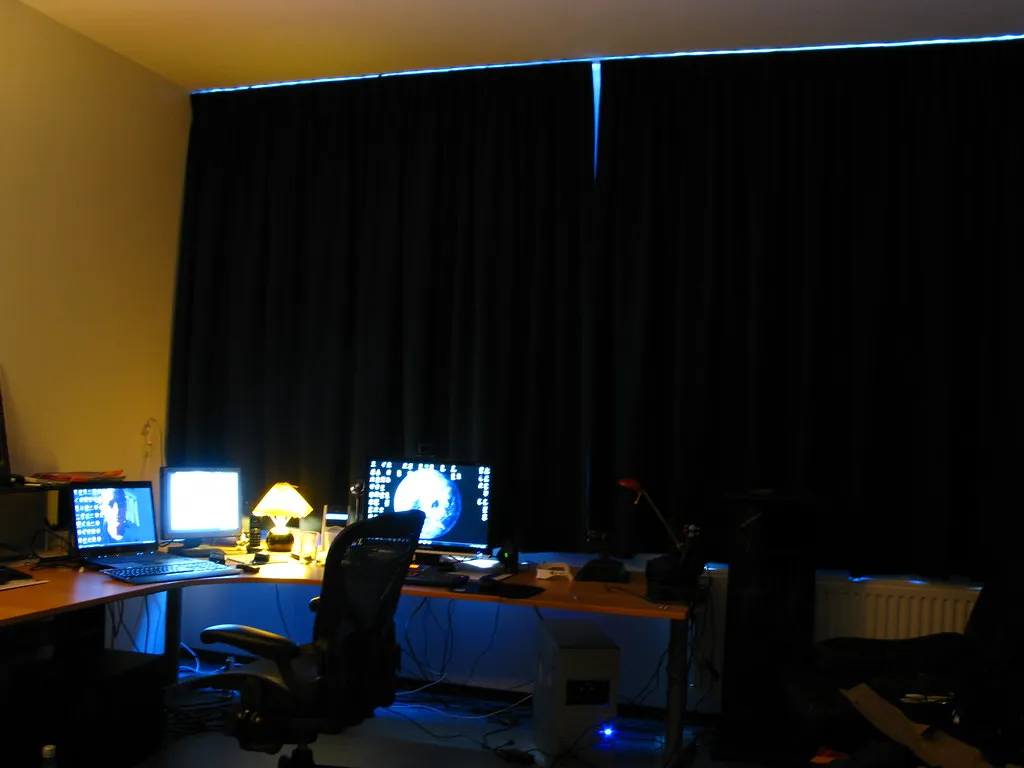
The wider blackout-curtain category is now a substantial home-furnishing market. It was valued at USD 10.46 billion in 2024 and is projected to reach USD 13.30 billion by 2032, implying a compound annual growth rate during the forecast period, according to Intel Market Research’s blackout curtains market estimate. That is not a niche trend. It reflects a fundamental shift in how people think about their sleep environment.
Blackout curtains are best for creating total darkness, dampening street noise, and reducing energy bills by trapping air at the window. These three benefits together explain why demand has grown steadily even as smart shades and motorized blinds have expanded their market share.
A 2025 cross-sectional study in European Geriatric Medicine found that nighttime light exposure is directly associated with poor sleep quality, even at low levels. For light-sensitive sleepers and shift workers, eliminating every source of bedroom light is not a luxury. It is a health decision.
The Takeaway
AI Disclaimer: This article was created with the assistance of AI tools and reviewed by a human editor.