
Two Very Different Kinds of Bees
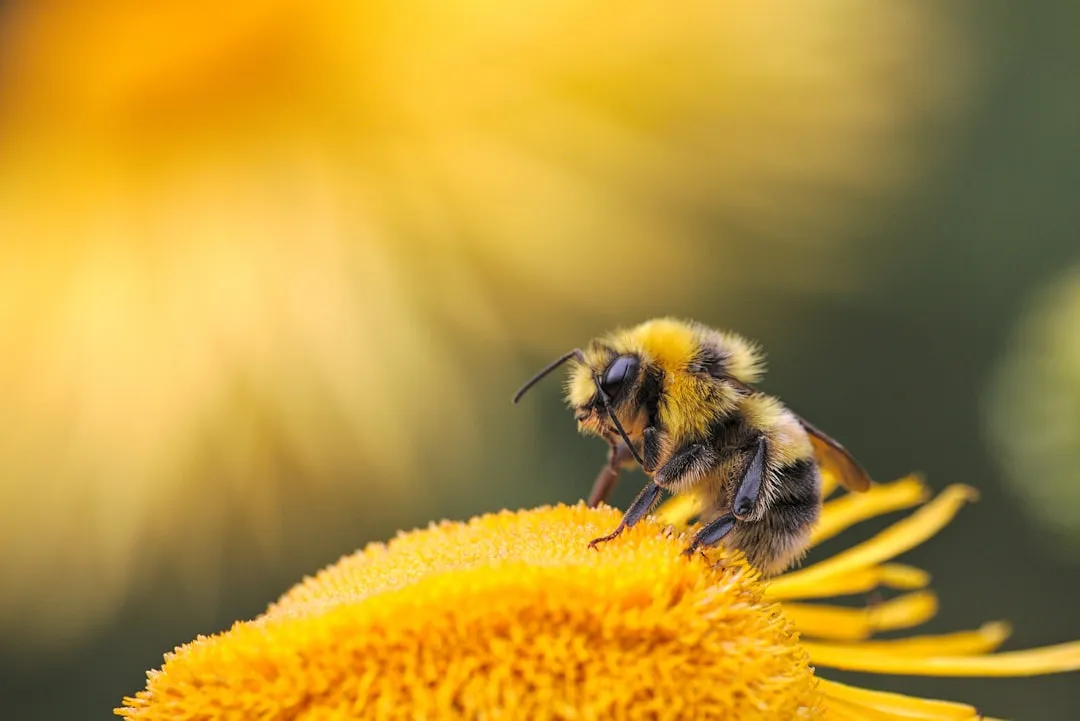
When people say “bee,” they almost always mean the honeybee, a single species that arrived from Europe centuries ago. Native bees are a different story entirely, a sprawling category that includes thousands of distinct species with their own shapes, colors, and habits. There are over 20,000 known bee species in the world, and 4,000 of them are native to the United States. That single number alone should reframe how anyone thinks about bee conservation, because it means honeybees represent just one species out of thousands doing this work.
A Newcomer in North America
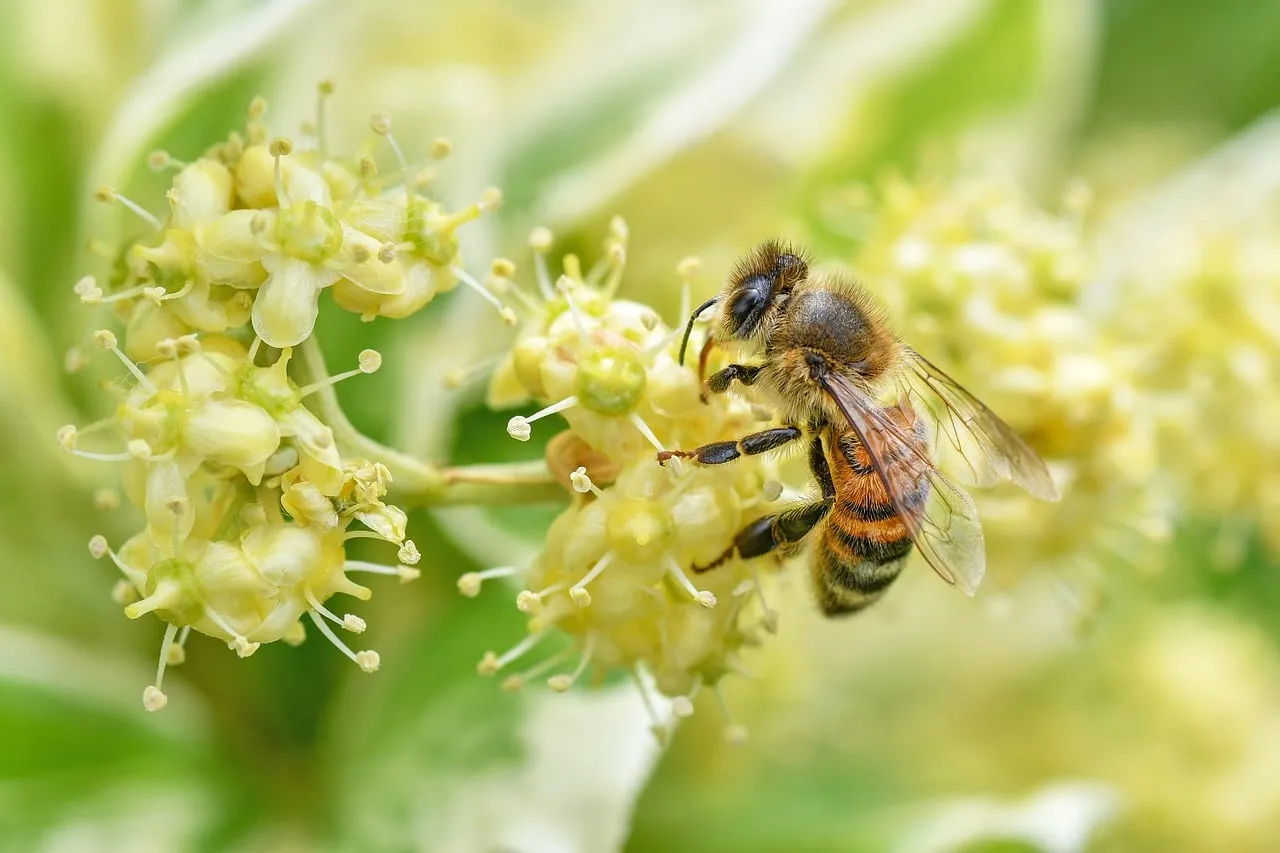
It surprises a lot of people to learn that the honeybee buzzing around a backyard garden isn’t actually from around here. Native bees were here long before European honeybees were brought to the country by settlers, since honeybees are not native to North America. Honey bees are not native to North America and were originally imported from Europe in the 17th century. That timeline matters because it means every native plant and native bee species on this continent evolved for millions of years without a single honeybee anywhere in the picture.
Solitary Life Versus Colony Life
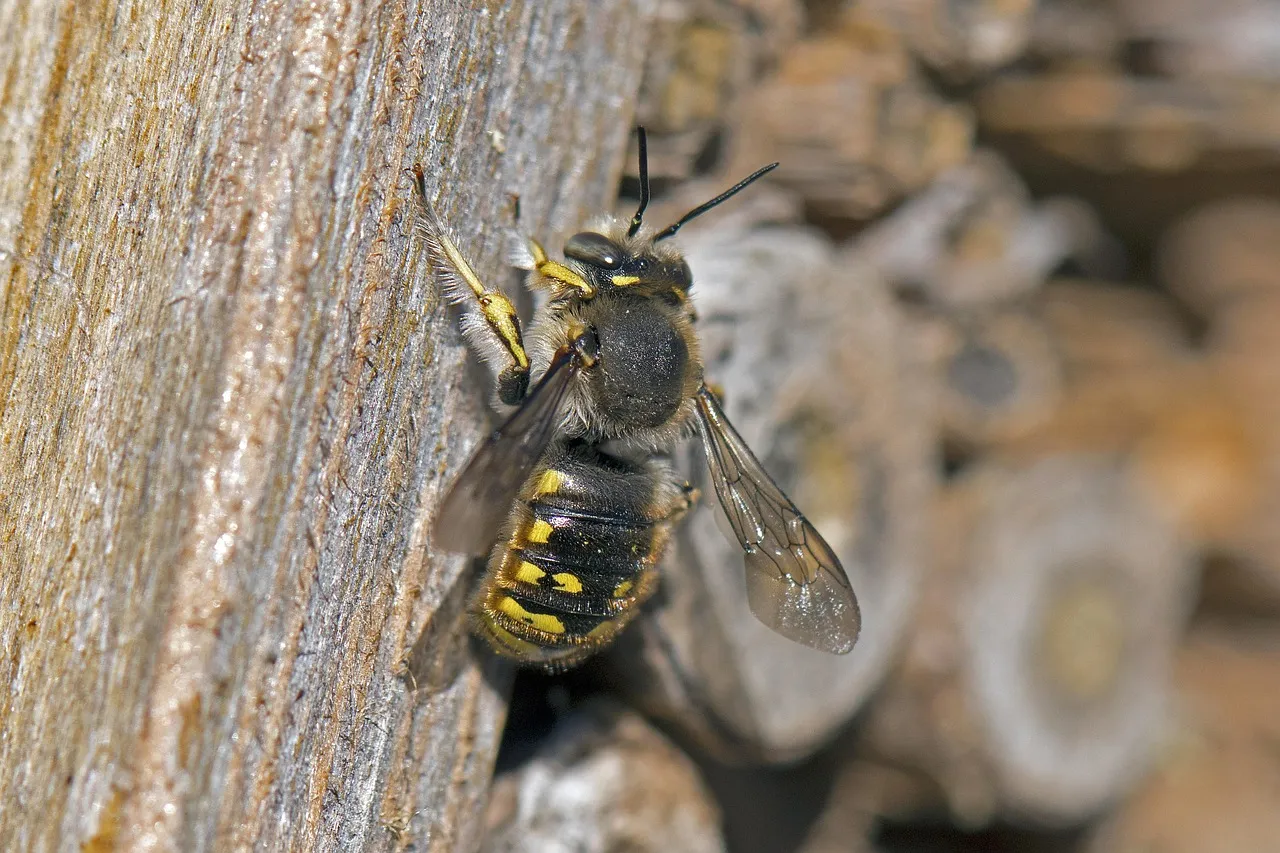
The lifestyle gap between these two groups is enormous, and it explains a lot of the confusion people have about how bees actually behave. The world is home to more than 20,000 species of bees, and a whopping 90% of them do not live together in hives, meaning most of the world’s bees are solitary and live alone. Unlike social bees, each female solitary bee has to gather pollen and nectar, build nests, and lay eggs all on her own, without the help of hundreds or thousands of doting workers. A honeybee colony, by contrast, functions almost like a single organism spread across tens of thousands of individuals, all working toward one shared goal.
Efficiency at the Flower
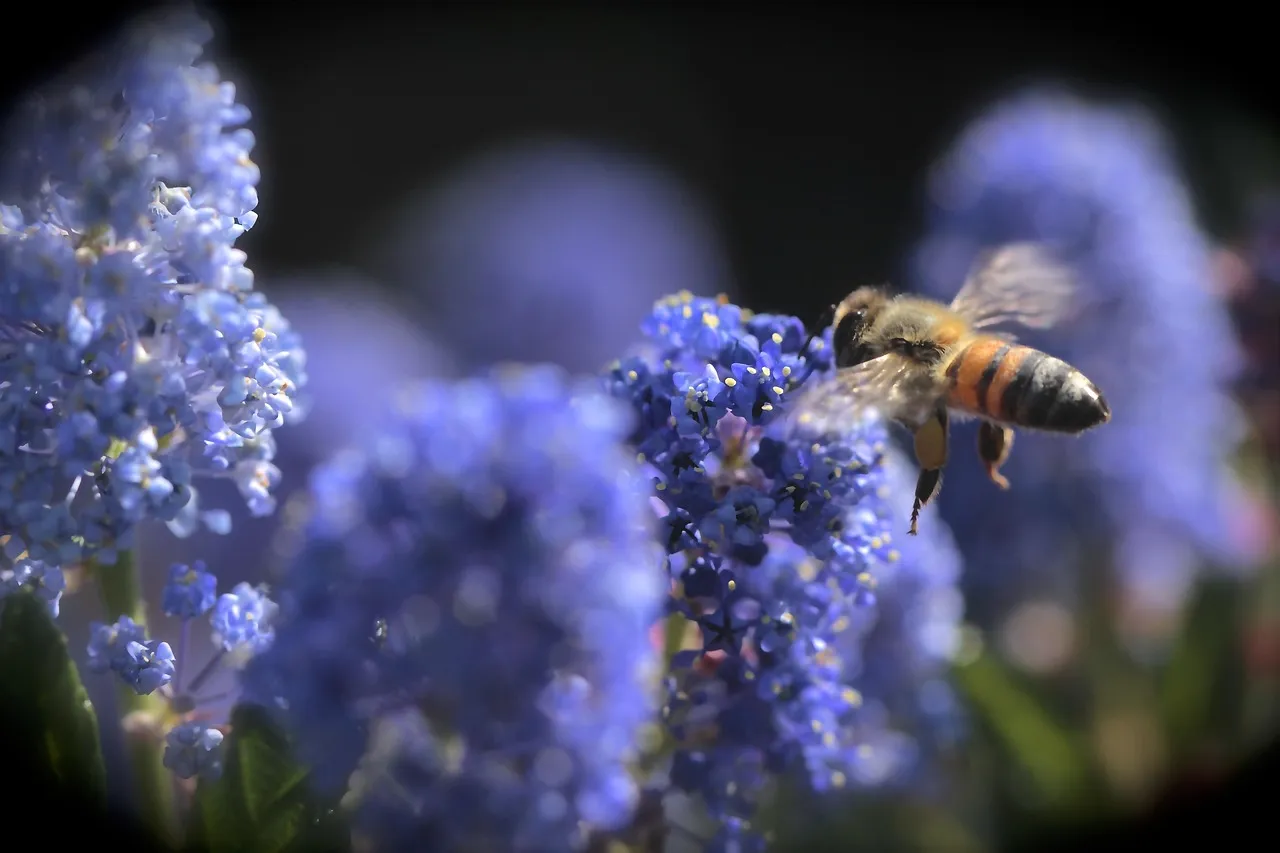
Sheer numbers aren’t everything when it comes to pollination, and this is where native bees quietly outperform their more famous cousins. Although honey bees tend to get all the credit for keeping our crops going, native solitary bees are almost two to three times more effective at pollinating. Many native species also use a technique called buzz pollination, vibrating their bodies at a frequency that shakes loose pollen honeybees simply cannot access, which matters enormously for crops like tomatoes and blueberries. That single behavioral difference is a big reason why native bees remain irreplaceable even in a world dominated by managed honeybee hives.
The Scale of Managed Honeybee Agriculture
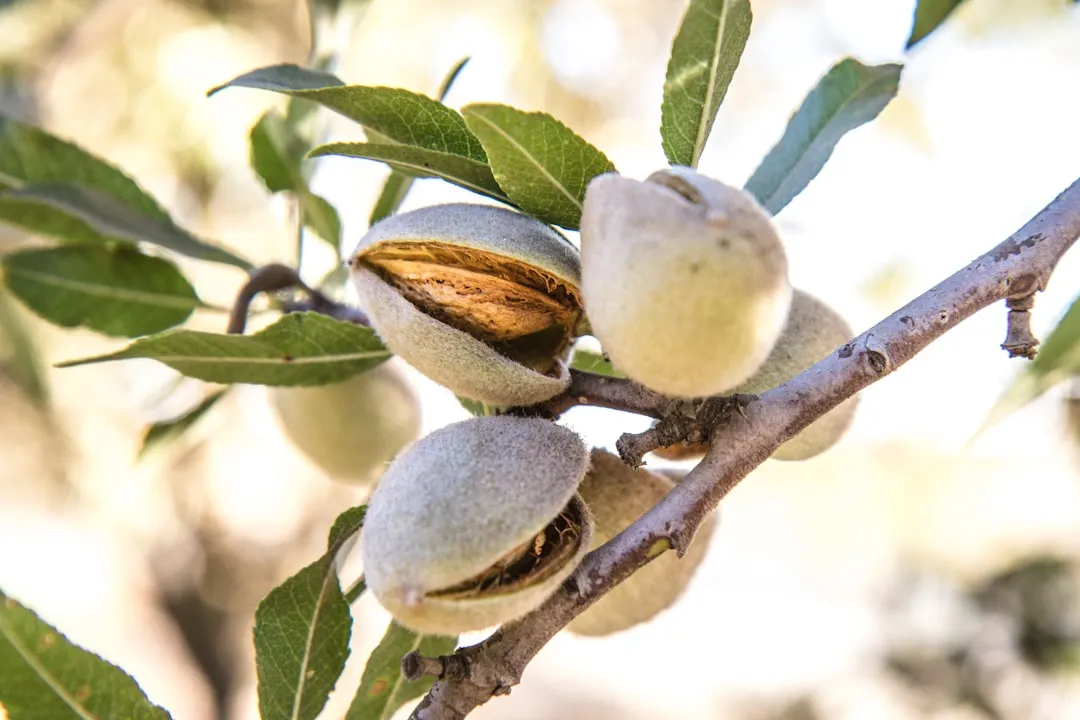
None of this diminishes what honeybees contribute to modern food production, because their economic footprint is genuinely massive. Honey bees play an essential economic role for a wide variety of agriculturalists, ranging from small subsistence farmers to massive commercial operations, and in the United States they pollinate over 100 fruits, nuts, and vegetables, along with over 40 seed crops, sustaining billion-dollar crops in almonds and other high-value crops. According to the USDA, bees of all sorts pollinate approximately 75 percent of the fruits, nuts and vegetables grown in the United States, with bee pollination responsible for more than 15 billion dollars in increased crop value each year. That scale is precisely why beekeepers truck millions of hives across the country every February for almond bloom season.
New Evidence of Competition for Pollen
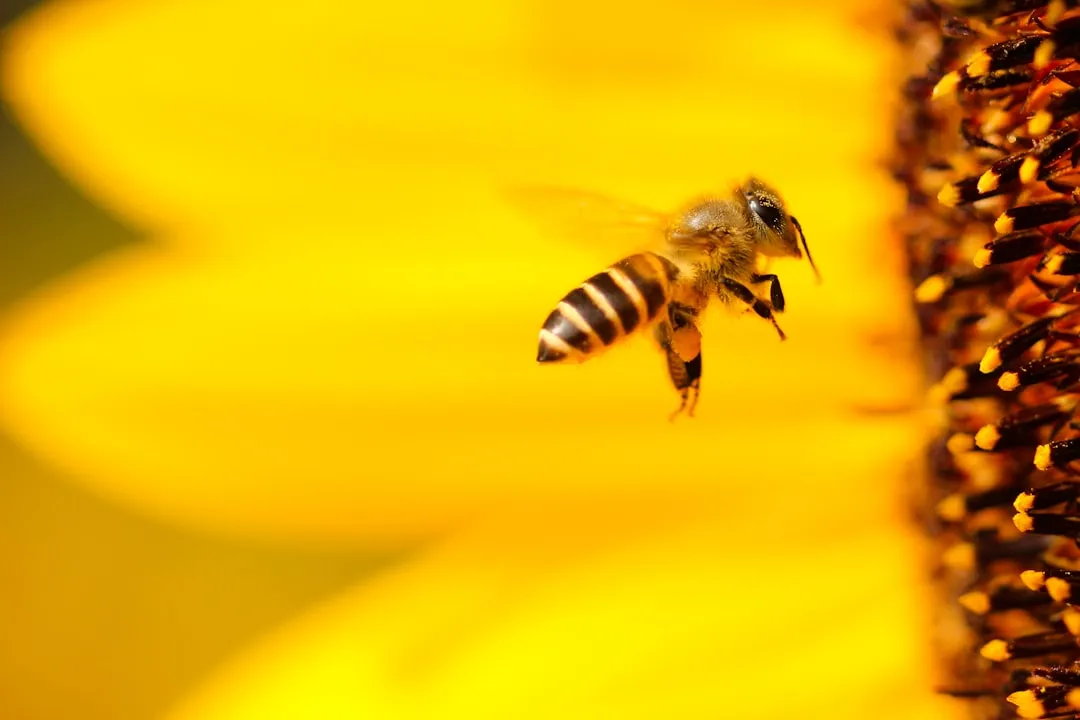
A study published in 2025 out of UC San Diego put hard numbers behind something ecologists had long suspected. Researchers used pollen-removal experiments on three common native plants and found that just two visits by honey bees removed more than 60 percent of the available pollen from flowers of all three species. The team’s broader estimate showed that honeybees remove about 80% of pollen during the first day that a flower opens. Since pollen is essentially the protein source native bees rely on to feed their offspring, that kind of depletion leaves very little behind for anyone else.
When Honeybees Dominate a Landscape
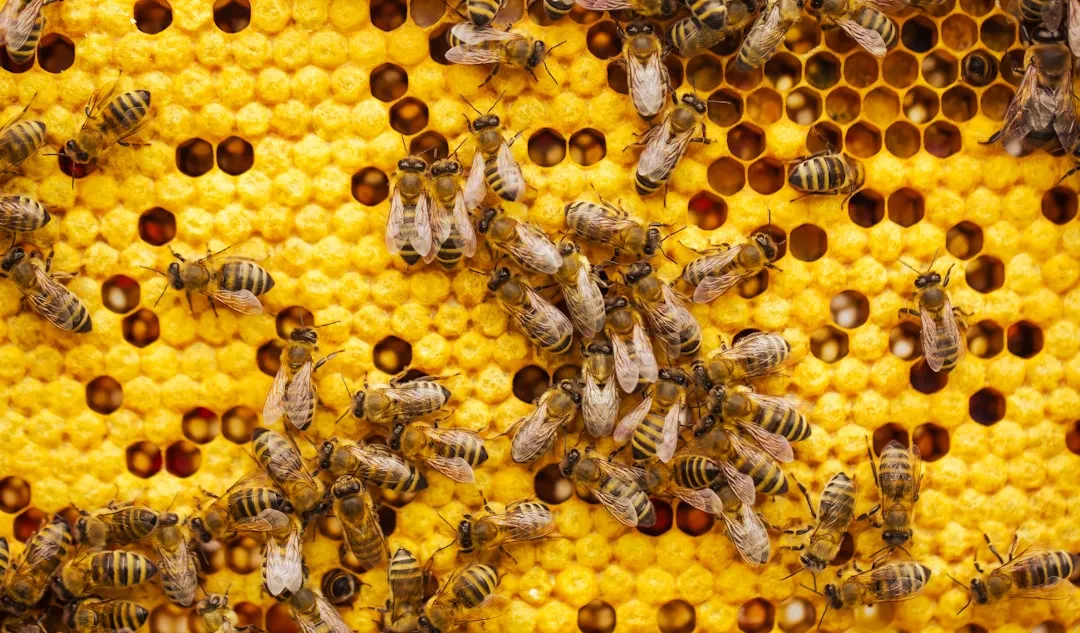
In parts of Southern California, feral honeybee populations have grown so large that they have effectively taken over the local pollinator scene. Honey bees currently make up 75 percent of the observed pollinators in San Diego, a region considered a global biodiversity hotspot. Because honeybees are larger than most native bee species in Southern California, they now comprise 98% of all bee biomass in the local ecosystem. Researchers involved in the study estimated that if the pollen and nectar currently supporting honeybee colonies were instead available to native species, local native bee populations could theoretically grow roughly fifty times larger than they are today, according to findings summarized by UC San Diego.
Record Colony Losses Don’t Tell the Whole Story
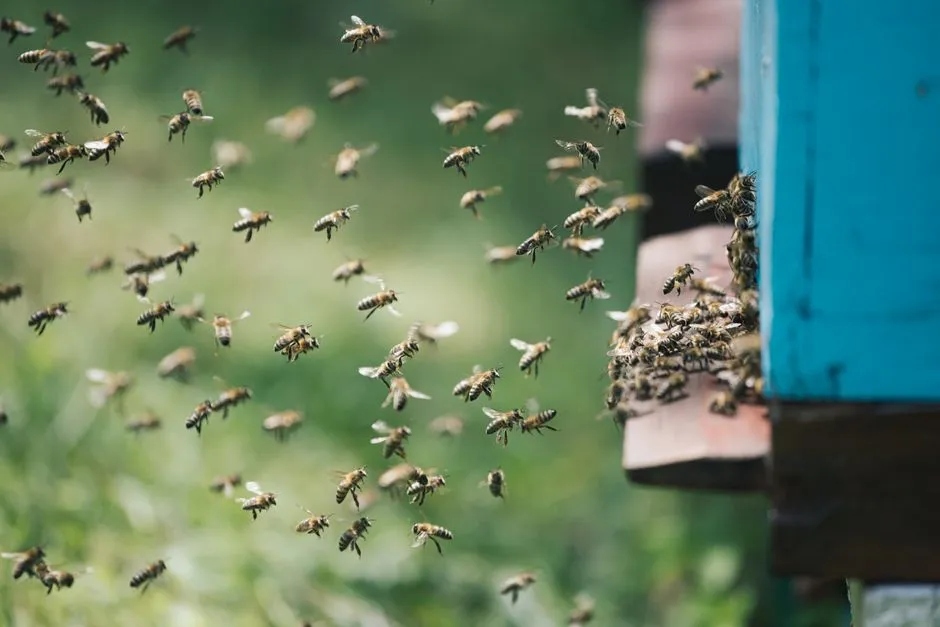
Headlines about honeybee die-offs can leave the impression that bees in general are vanishing, but the reality is more nuanced. The 2024-2025 season recorded the highest honeybee colony losses since tracking began, with 55.6% of managed colonies lost. Yet wild and native bee populations face their own decline, driven primarily by habitat loss rather than Varroa mites, which affect only Apis mellifera. Meanwhile, some native species are in far worse long-term shape than honeybee colony counts suggest, since the western bumble bee was once the most common bumble bee species in western North America, but its population has decreased by 93% over the last two decades. These are two separate crises with two separate causes, and treating them as one problem tends to obscure both.
Disease, Recovery, and Indirect Effects
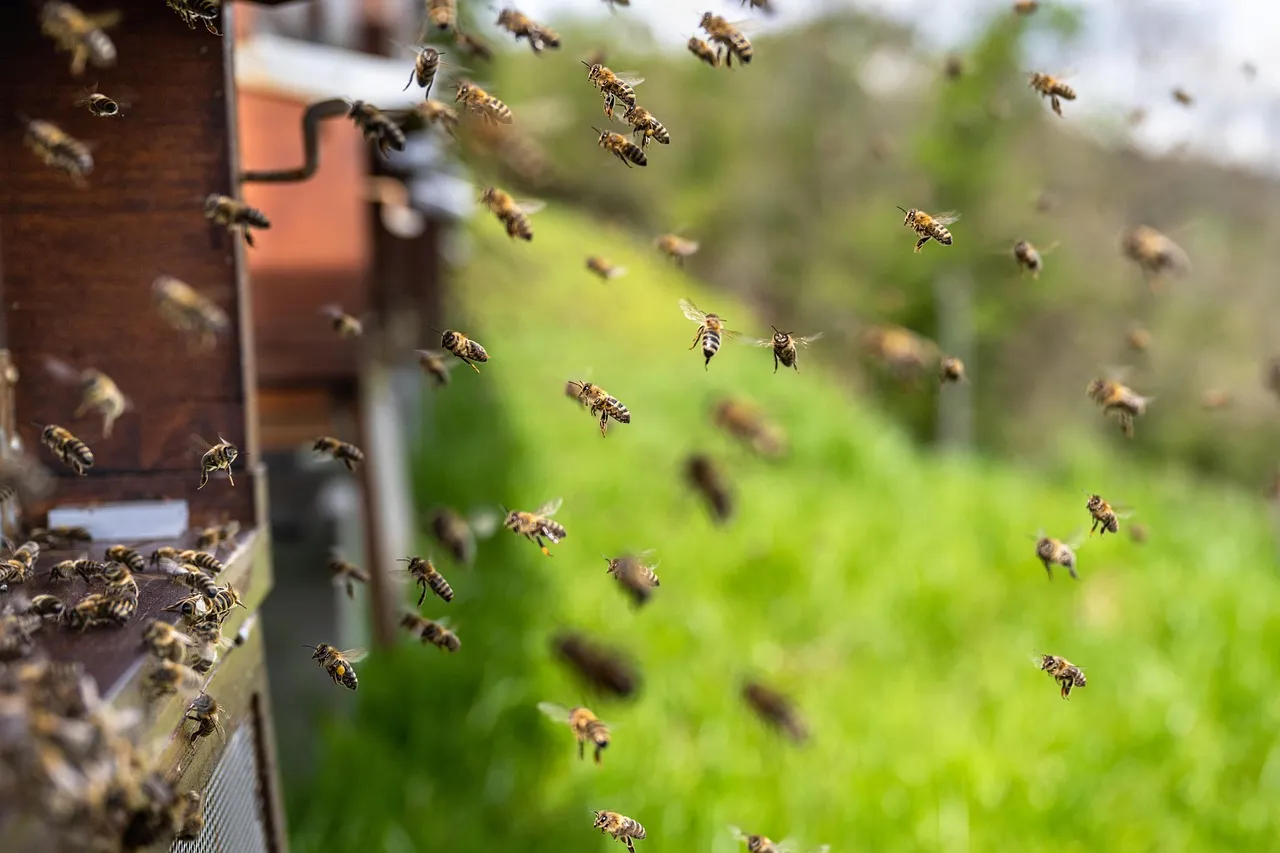
Beyond direct competition for food, managed hives can influence native bee populations in subtler ways. Research on the Qinghai-Tibet Plateau, where migratory managed apiaries are seasonally present but honeybees don’t live wild, found that these exotic species can sometimes have a positive effect on crop plants, but they can also compete with native species for resources, such as honey bees vying with native bees for flowers. Notably, Penn State researchers documented that native bee numbers in that region rebounded once the managed honeybee colonies were moved away for the season, suggesting the competitive pressure is real but not necessarily permanent. A separate California-based study reinforced this, finding clear evidence of exploitative competition in both ecosystems studied, where increased honey bee abundance led to decreased pollen and nectar availability in flowers, and native bee communities responded by shifting their floral visits.
Why Both Are Necessary
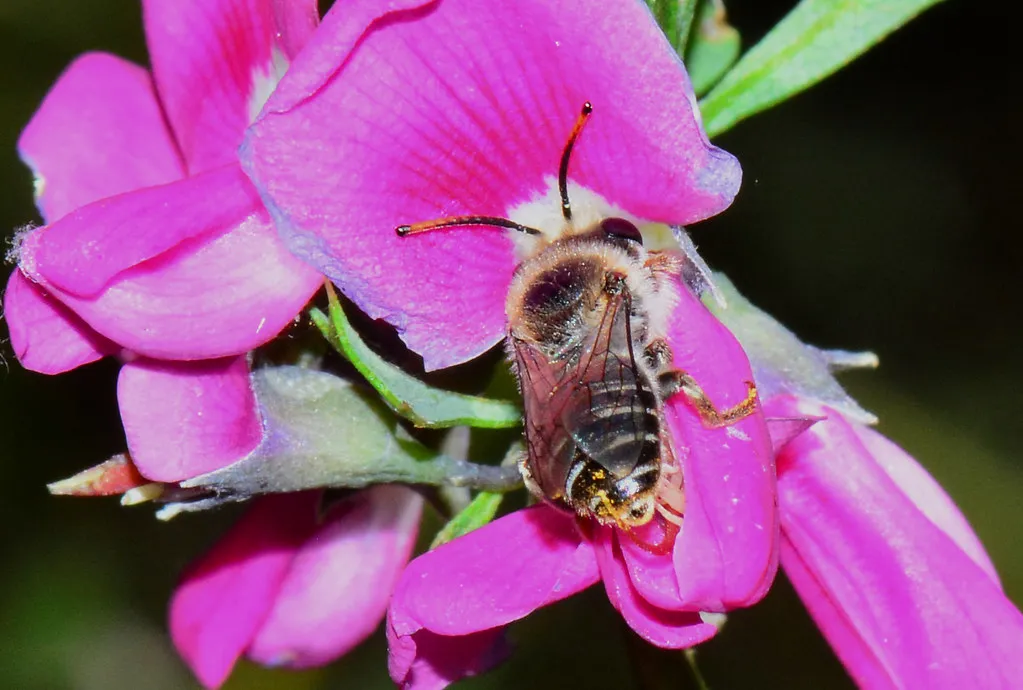
None of this research argues for eliminating honeybees, nor does it suggest native bees can simply replace them in commercial agriculture. Honeybees are key to a few crops such as almonds and lemons, but native bees like the blue orchard bee are better and more efficient pollinators of many crops, including those plants that evolved in the Americas. Food systems, gardens, and wild ecosystems all depend on this division of labor, whether or not most people ever notice it happening. Planting a wider variety of native flowering plants, leaving small patches of bare or undisturbed ground for ground-nesting species, and being thoughtful about where backyard hives get placed are practical ways individuals can support both groups rather than favoring one at the expense of the other.
The honeybee and the native bee were never really in a contest, at least not until humans moved one species across an ocean and asked it to do a job that thousands of local species had already been doing for millions of years. What the last two years of research make clear is that supporting pollinators isn’t a single task with a single solution. It means paying attention to both the newcomer working overtime in commercial orchards and the quiet, solitary insects that were pollinating the same landscapes long before anyone thought to keep bees at all.AI Disclaimer: This article was created with the assistance of AI tools and reviewed by a human editor.