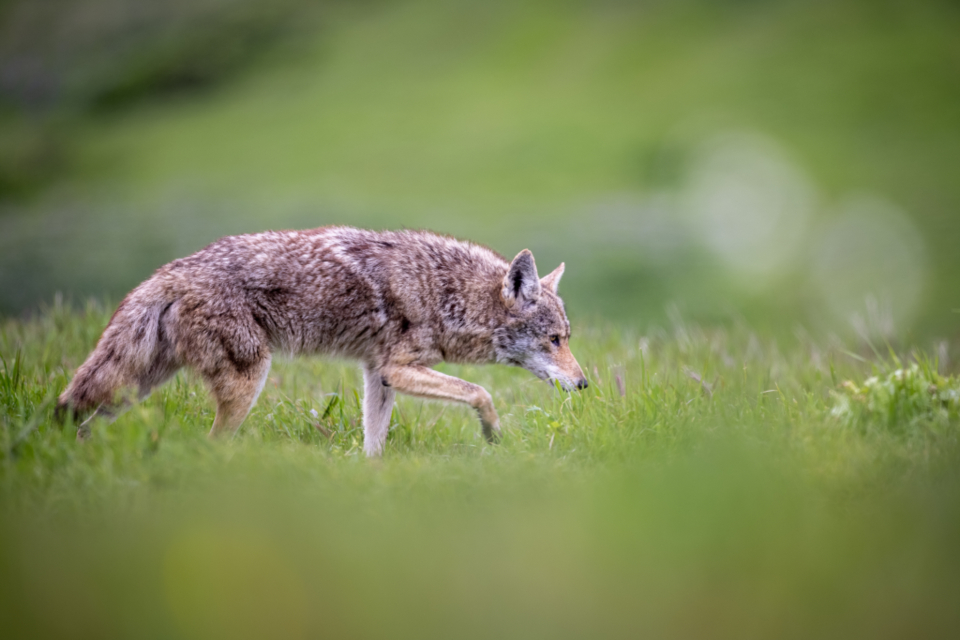

Approaching Humans Without Being Provoked
The clearest sign that a coyote has lost its fear of people is a simple one: it walks toward you. Signs of habituation include a lack of fear of humans, approaching people or pets, lingering in residential areas during the day, and feeding on human-provided food sources. A healthy, wild coyote treats every human as a potential threat and responds accordingly, either freezing and watching from a distance or slipping out of sight entirely.
Habituation occurs when a coyote has repeated innocuous interactions with people, resulting in the eventual loss of fear and avoidance. Habituation is not an all-or-none response and may vary widely among individuals within the same population. One animal in a pack may become bold while its relatives remain cautious. That variation makes it especially important to recognize individual behavior, not just assume the whole area is either safe or dangerous.
Staying Put When You Make Noise or Wave Your Arms
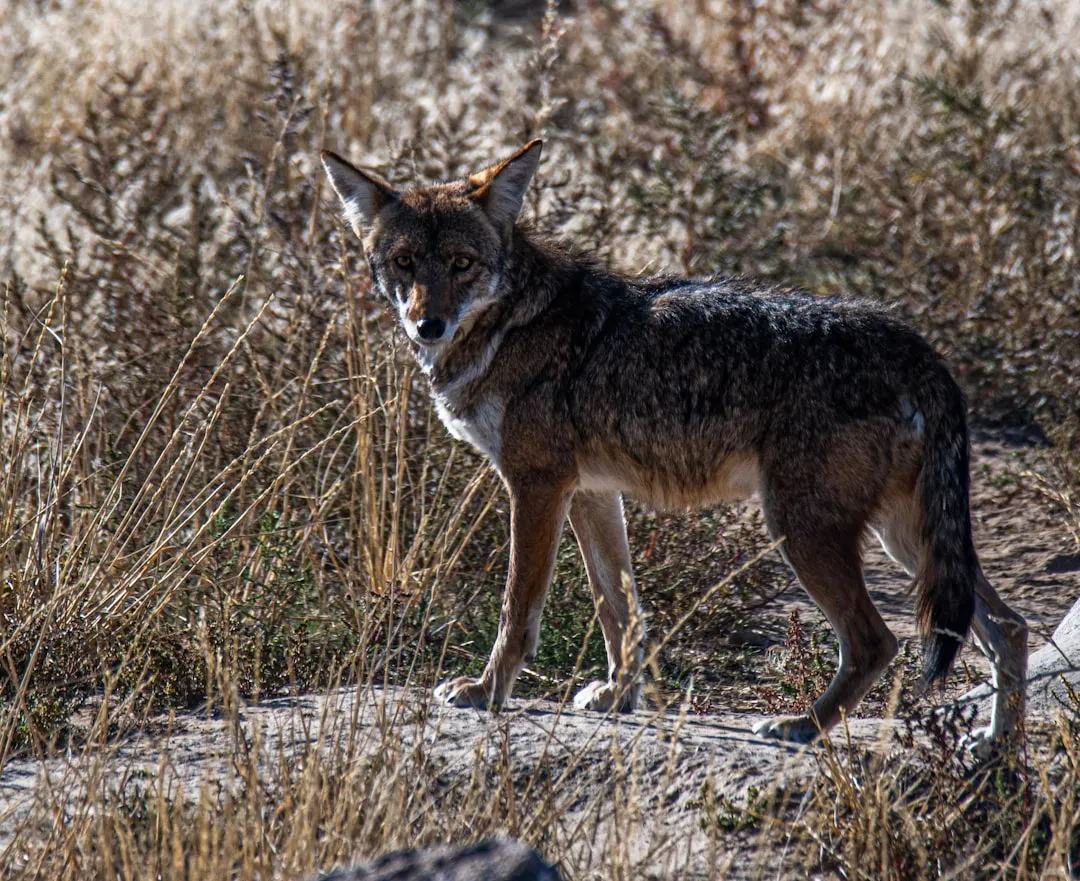
If a coyote continues to stand its ground or approach despite yelling, waving arms, or throwing small objects near it, this lack of response is a strong indicator of problematic habituation and warrants increased caution. Wildlife managers call this “hazing,” and it’s one of the most reliable field tests for whether a coyote has habituated to humans.
Coyotes that quickly flee after hazing are exhibiting a healthy, desirable fear of humans. If the animal simply stands there, looks at you, or begins moving closer even as you shout, the behavioral shift is already well underway. At that point, the animal’s risk profile has changed in a meaningful way.
Roaming Yards and Streets During Full Daylight
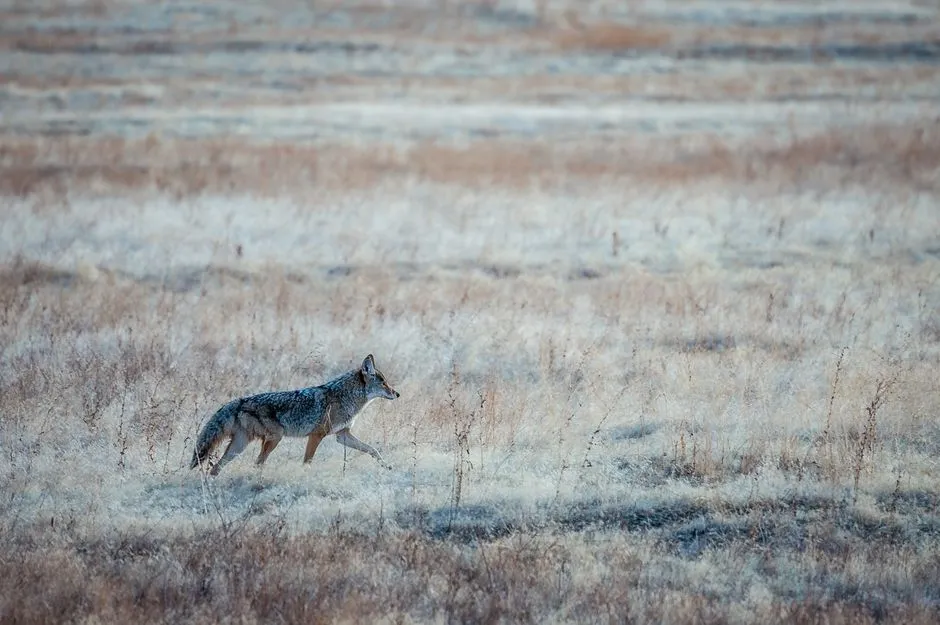
Most healthy coyotes are crepuscular, meaning they are most active at dawn and dusk. Yet, they will frequently forage during the day if food is abundant or if they feel safe from human interference. A single midday sighting isn’t automatically alarming, but a pattern of relaxed, confident daytime activity is worth paying attention to.
If you see a coyote during the daytime, you should exhibit caution, as that coyote may have become habituated to humans and may be more likely to attack. The Illinois Extension’s wildlife program echoed this in 2025: be very cautious when encountering a coyote during the day, as these coyotes may have lost their fear of humans, increasing their risk of attack.
Following Pedestrians or Their Pets Down the Street
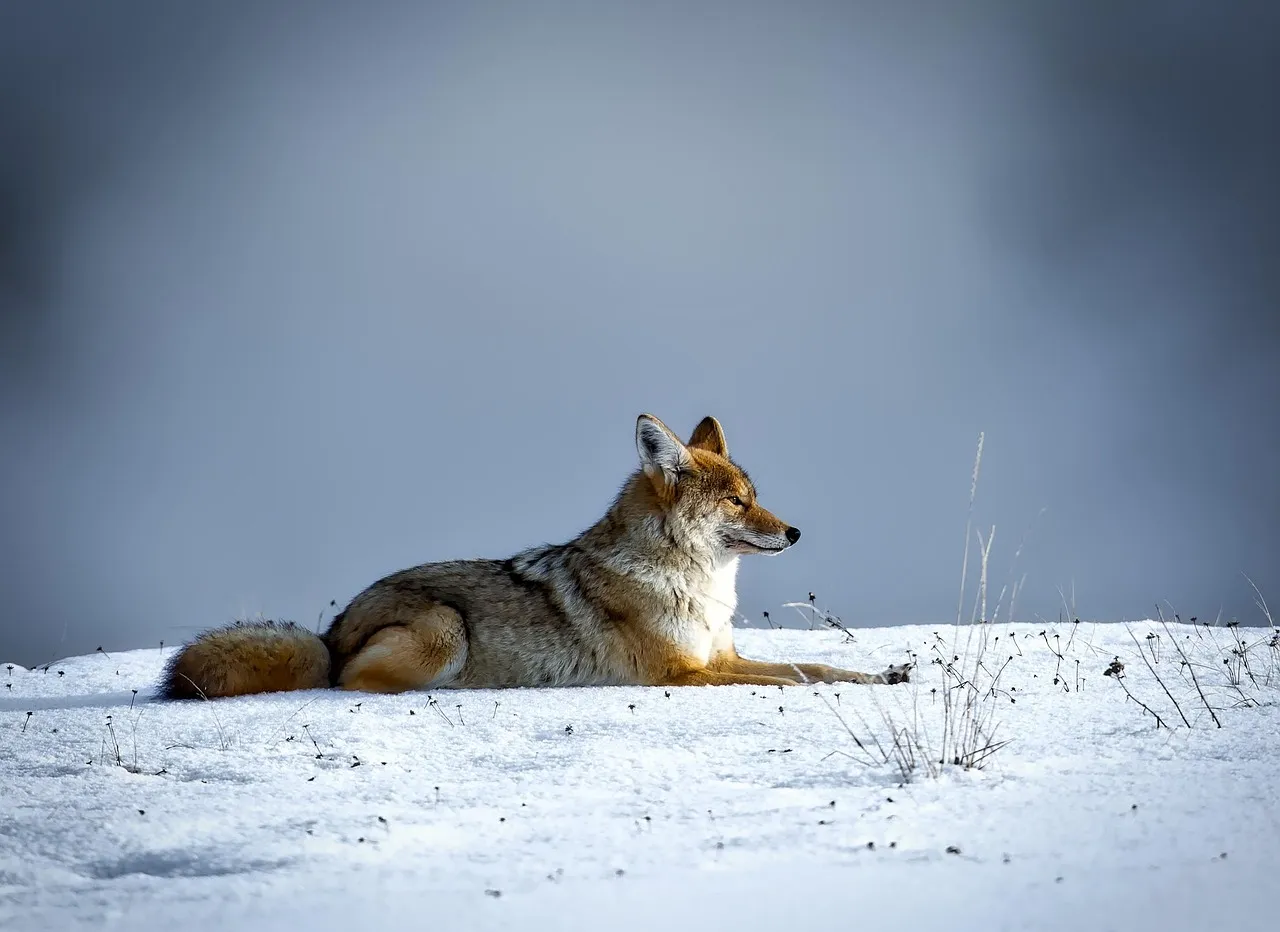
A coyote that approaches people or pets without hesitation is a concern. If a coyote follows you or your pet, it could be an indication of food conditioning. This following behavior is particularly unsettling for dog owners on leash walks and tends to escalate over time rather than resolve on its own.
Habituated coyotes often become nuisances in metropolitan areas; as they lose fear of humans, they may become bolder and more aggressive towards people, often in search of food. The following behavior essentially means the animal has begun associating humans with a food outcome, either directly because someone fed it or indirectly because its territory now overlaps with steady food access.
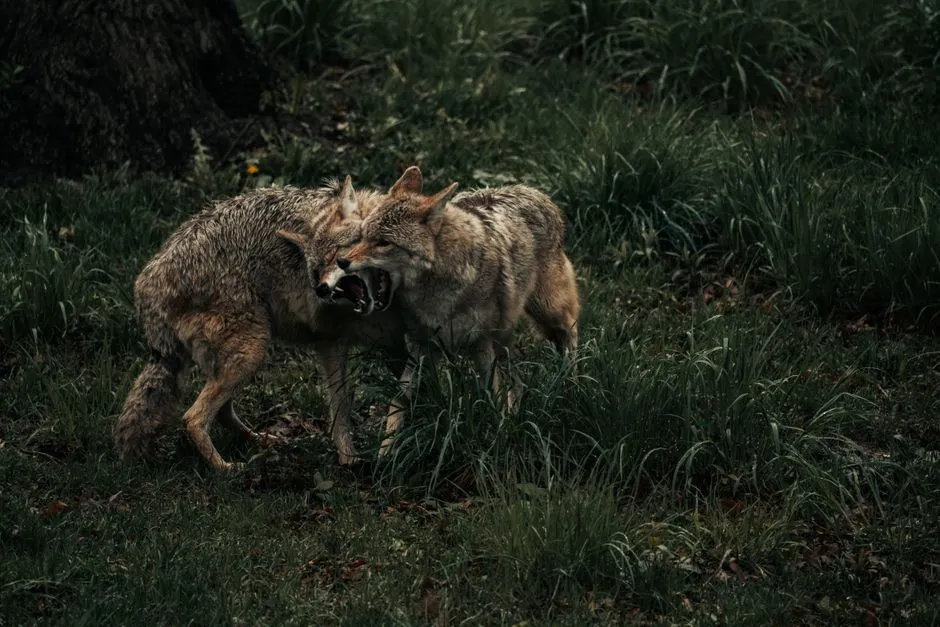
Defending Food Sources Aggressively
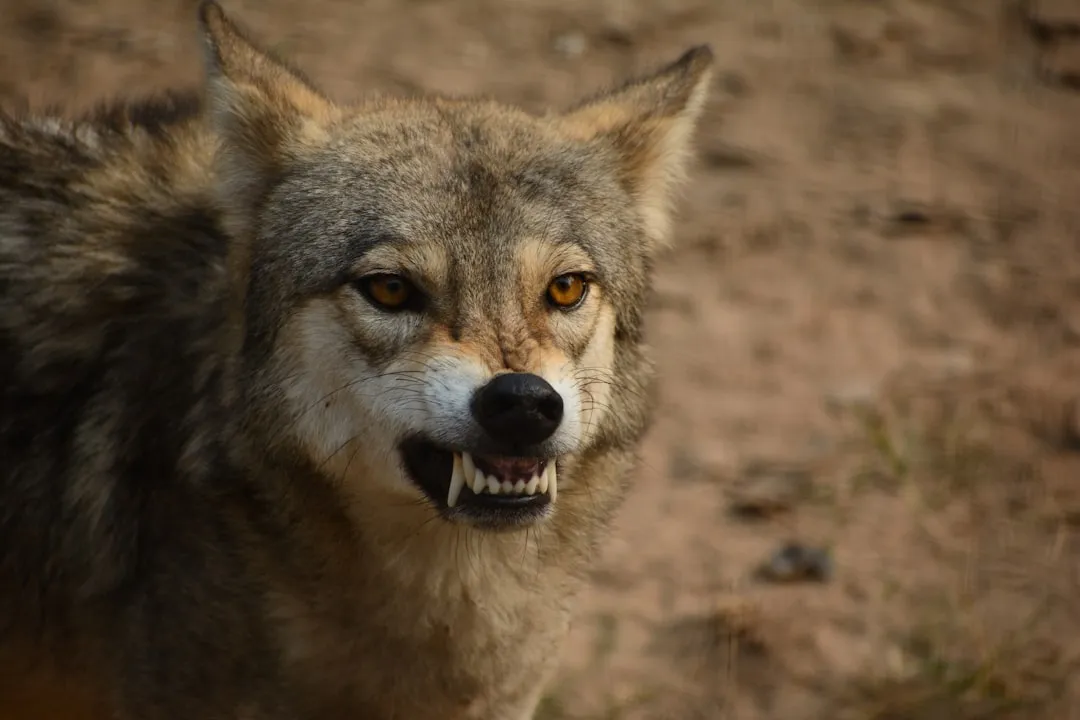
Normal coyote behavior in urban areas during the day typically involves avoidance or cautious observation. However, unusual aggression or excessive boldness indicates a problem. This might manifest as approaching people or pets without provocation, defending food sources aggressively, or showing escalating territorial behavior.
Bird feeders are a less obvious but frequently underappreciated factor. Many people unintentionally feed coyotes by leaving pet food or garbage out at night or having large bird feeders. Coyotes are usually not interested in bird food, but bird feeders often attract rodents, especially squirrels, which then attract coyotes. Over time, the coyote learns that your yard reliably produces a meal and begins treating the space as its own.
Stalking or Menacing Behavior in Residential Zones
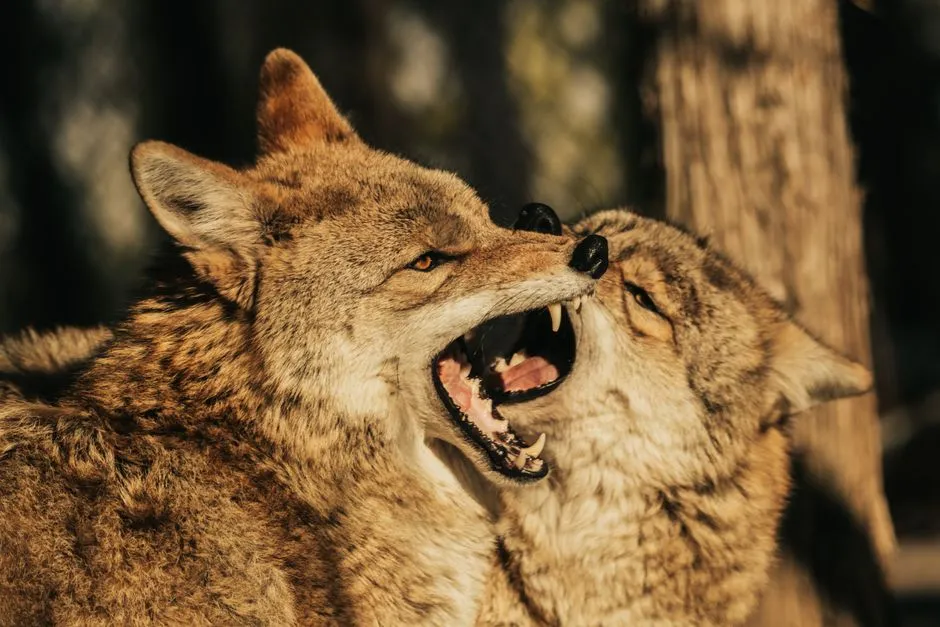
The Toronto case from 2024 and 2025 became a closely watched example of what full habituation can look like in a dense urban setting. In 2024 to 2025, four resident coyotes occupied one of the most densely populated urban neighborhoods in Canada, with escalating reports including repeated lethal attacks on domestic dogs and increasingly bold behavior toward humans. Between November 2024 and May 2025, at least 335 incidents were reported, with 106 involving menacing or stalking, 43 attacks, 2 dog deaths, and 2 human attacks.
Municipal authorities relied on socially acceptable responses like public education and low intensity hazing as a deterrent, with the official perception being that hazing was effective in repelling problem animals and mitigating conflict. The scale of the Toronto numbers illustrates how quickly a small number of habituated animals can generate an outsized community impact.
Urban Coyotes Showing Bolder Body Language Overall
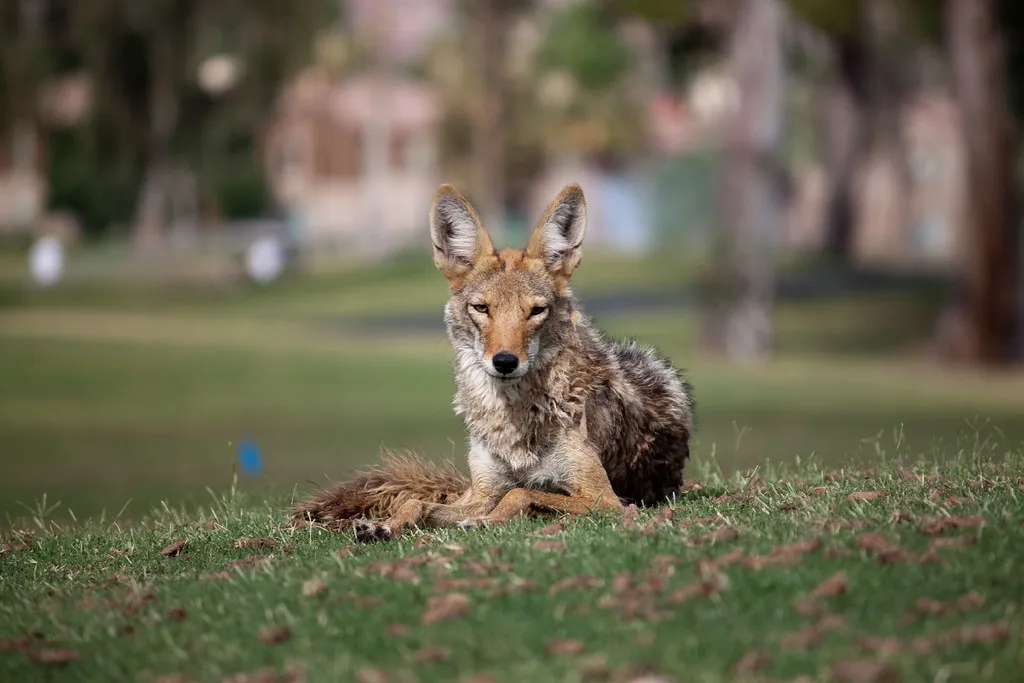
Research from Utah State University confirmed what wildlife managers had long suspected: city coyotes simply carry themselves differently. Coyotes in urban areas reacted more boldly when facing an unfamiliar object. Using camera traps and scent lures, researchers documented animals in rural areas spending more time in object-vigilant behaviors like crouching, tail-tucking, or flinching. Urban coyotes were more willing to approach new objects and got closer to them, spending more time in natural, relaxed actions like shaking, rolling, grooming, and stretching.
Researchers used coyotes as a model species because they have adapted to live in cities across North and Central America, with some evidence of rural and urban populations exhibiting genetic differences. Scientists hypothesized that this highly adaptable species increases boldness in urban areas in response to the intensity and duration of human activity the population experiences. In other words, the boldness may be reinforced across generations, not just within a single animal’s lifetime.
Habituation Passed Down Through Generations
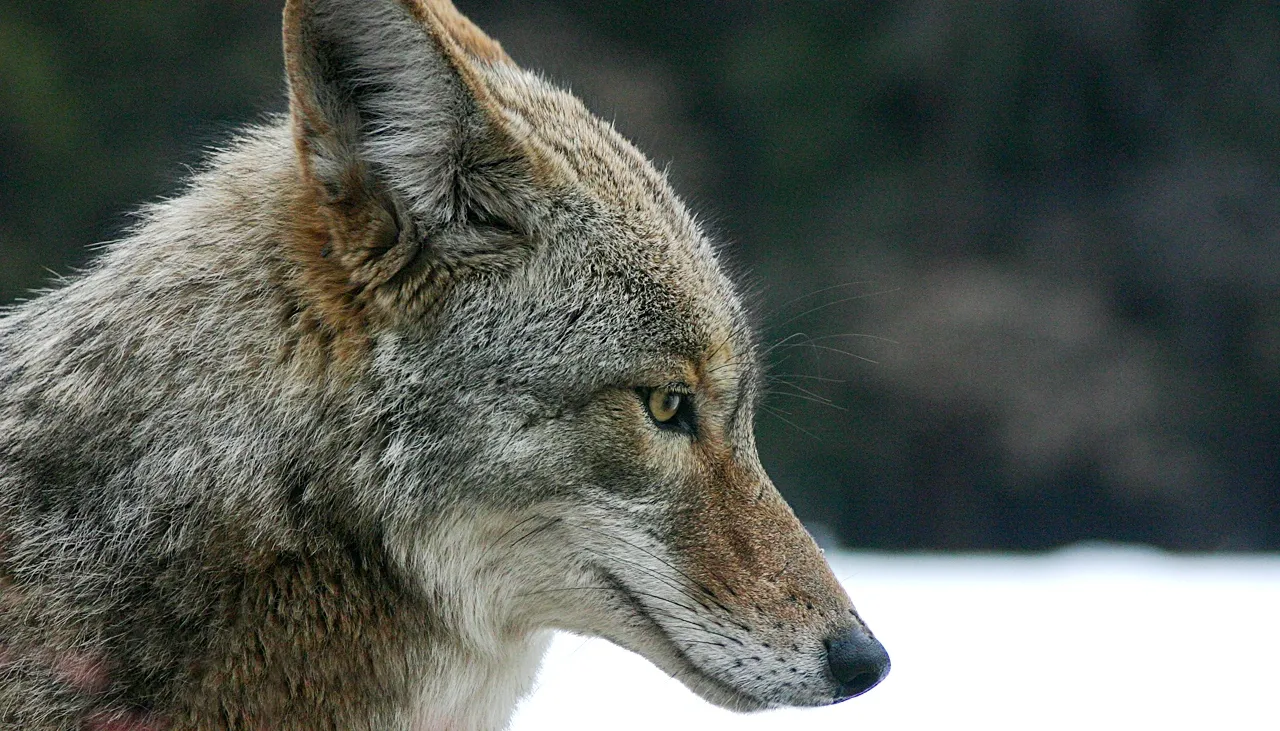
One of the more sobering findings in coyote behavioral research is that learned fearlessness doesn’t stay contained to one individual. Research cited in the journal Scientific Reports found that pups born to captive parents with more experience interacting with humans are more willing to feed in the presence of humans. Parental habituation to human disturbance reduces fear in coyote offspring.
This generational transfer means that a single food-conditioned adult can effectively produce a lineage of bolder animals. Although most urban coyotes are secretive and exhibit strong human avoidance, sustained exposure to human-associated food sources promotes habituation and increased boldness. These behavioral shifts are well-documented precursors to conflict escalation, marked by reduced avoidance.
How Wildfires and Habitat Loss Push More Coyotes Into Habituation
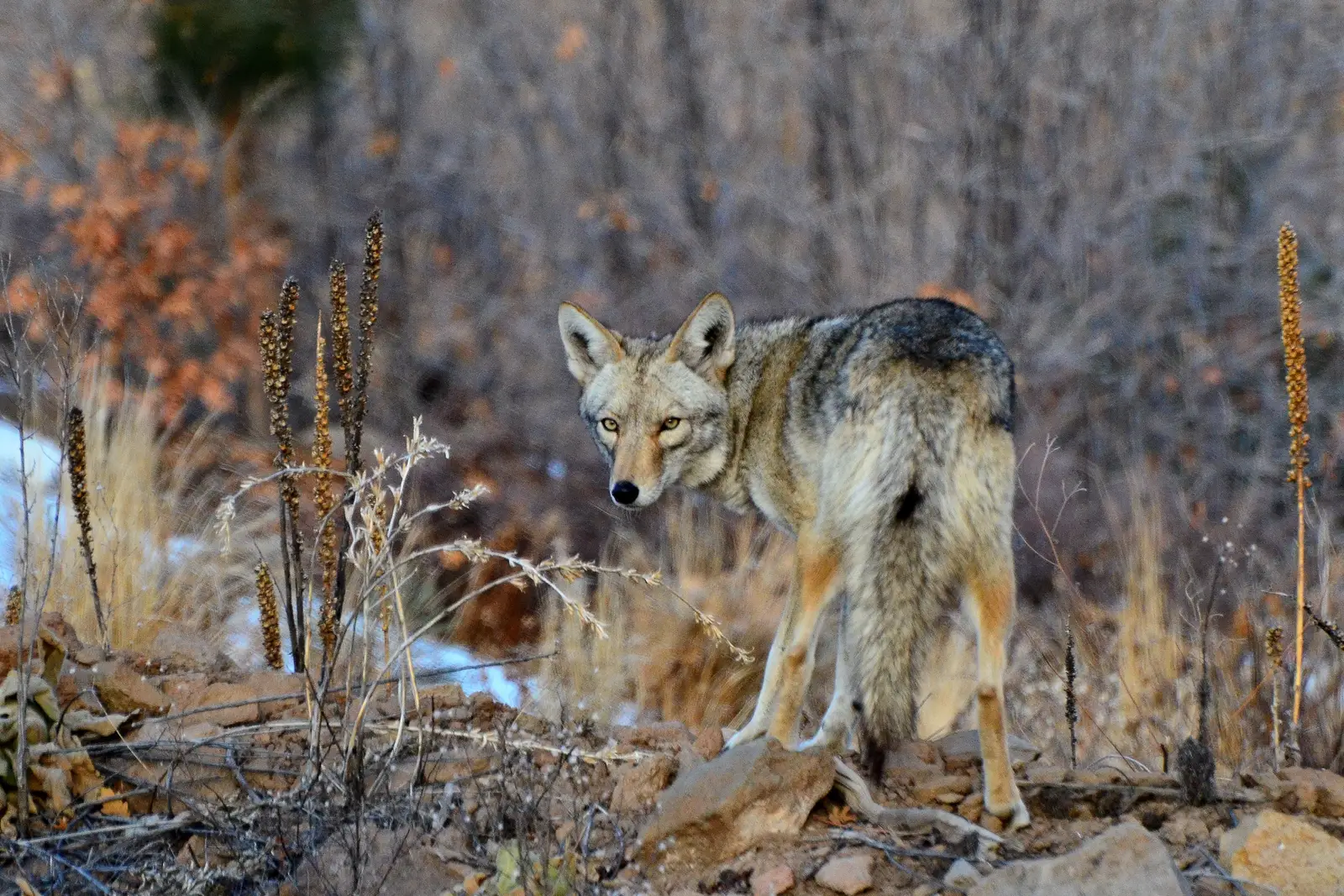
Not every habituated coyote started in a calm suburban setting. Displacement also plays a significant role. The January 2025 Palisades Fire burned through vast sections of the Santa Monica Mountains, and wildlife experts directly attributed the surge in urban coyote activity in Santa Monica and surrounding communities to the displacement effect of the fire. Displaced animals that are suddenly foraging in unfamiliar neighborhood streets learn quickly that humans, yards, and garbage cans are not as threatening as they once seemed.
A U.S. Forest Service study estimated that the Southern California wildfires of 2025 affected the habitats of at least 508 vertebrate species, displacing them into urban-adjacent zones. Coyotes, mountain lions, bobcats, and other predators were among the species pushed into closer contact with human communities as their natural foraging and denning grounds became inaccessible. Under enough environmental pressure, even naturally cautious animals begin adapting to residential settings very fast.
What Residents and Communities Can Actually Do
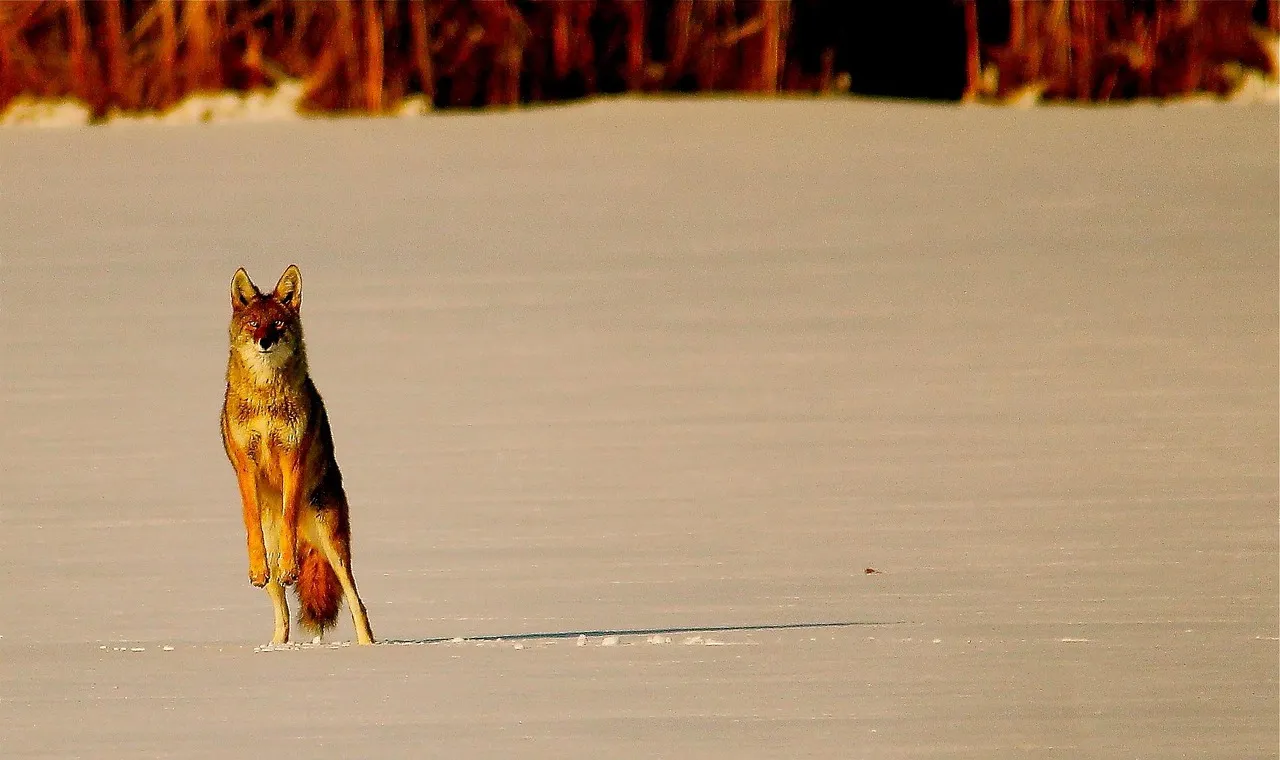
Do not feed coyotes intentionally and review your yard for any unintentional feeding. This may include bird feeders that attract squirrels or rodents, compost bins or garbage, and excess pet food left outdoors. These aren’t dramatic changes, but they matter more than most people realize because the connection between food access and behavioral change is well established in the research.
Report unusual coyote behavior, such as daytime activity, aggression, or habituation, to your local animal control or wildlife agency. This information helps them monitor coyote populations and implement appropriate management strategies. In Washington State, the Washington Department of Fish and Wildlife issued a coyote warning in October 2024 after a woman in Seattle’s Queen Anne neighborhood was bitten while attempting to protect her dog. Reporting incidents early is how agencies catch escalating patterns before they reach the scale seen in Toronto.
The Bigger Picture
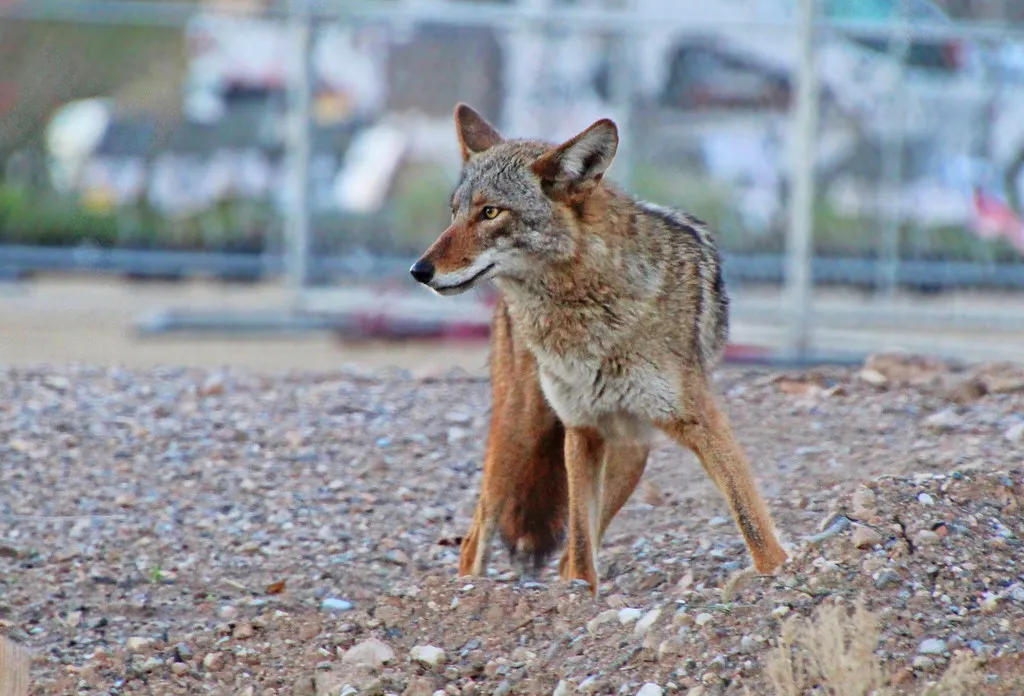
Coyotes are not becoming more dangerous because they are becoming more aggressive by nature. They’re becoming bolder because the conditions we create, the unsecured trash, the intentional feeding, the suburban sprawl pushing into their habitat, are teaching them that boldness pays off. That’s a fundamentally different problem, and it has a fundamentally different set of solutions.
Once confined to desert plains and rural landscapes, coyotes have transformed into urban neighbors, with some cities now hosting thousands of these adaptable predators. While attacks on humans remain relatively uncommon, the statistics reveal troubling patterns and geographical hotspots. The behavior to watch for isn’t aggression in isolation. It’s the quiet, incremental erosion of the wariness that kept both species safe. When a coyote stops flinching at your presence, something has already gone wrong, and the time to respond is well before it decides to follow you home.
AI Disclaimer: This article was created with the assistance of AI tools and reviewed by a human editor.