

Why Bare Soil Is a Problem Worth Taking Seriously
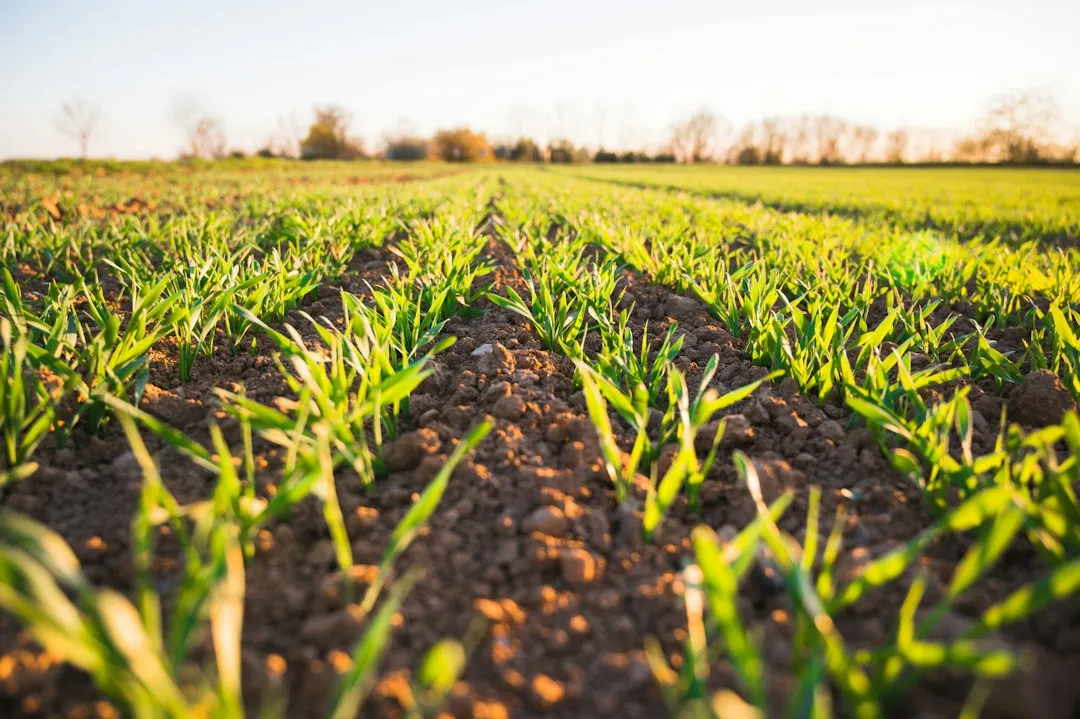
When a garden bed sits empty through winter, it isn’t just resting. Without cover crops, garden beds are vulnerable to erosion from wind and rain and intrusion from weeds. Soil structure that took years to build can be compacted by heavy rainfall in a single season.
In general, cover crops protect the soil from erosion, suppress weeds, maintain soil moisture, increase organic matter, and recycle nutrients. These aren’t minor perks. They’re the foundational conditions that determine how well your spring planting performs.
What the Research Actually Shows About Cover Crop Impact
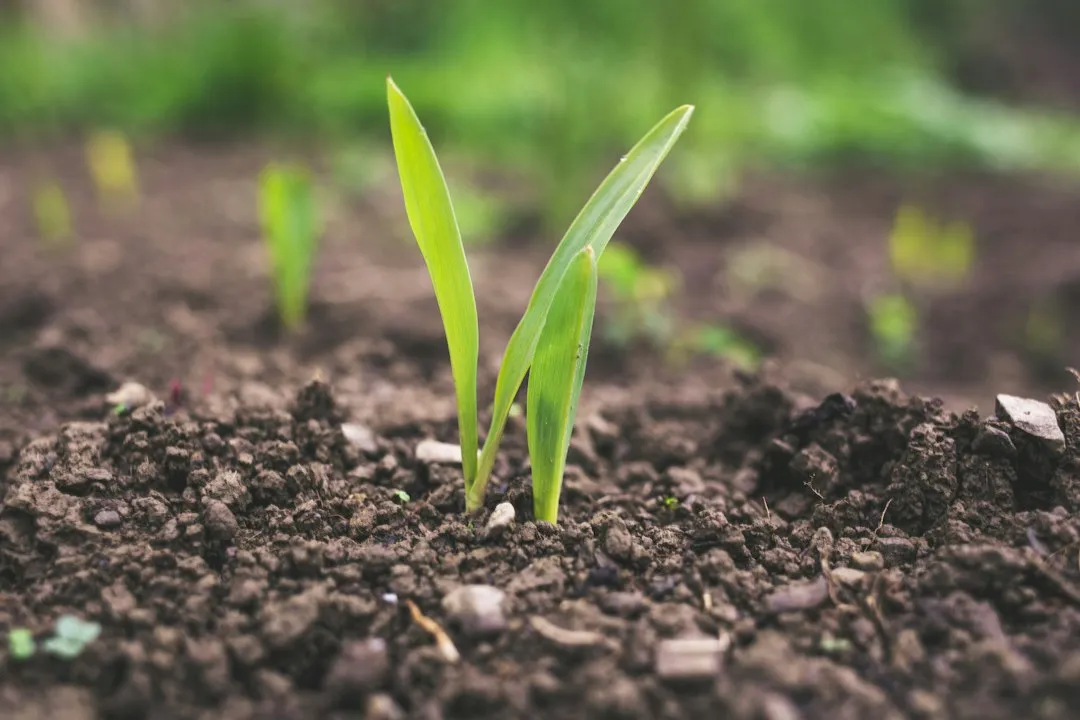
Cover crops are among the best practices to keep soil healthy. Farmers have long debated which practices do the most to keep their soil healthy. Now, after pulling data from 21 long-term field trials scattered across the United States, a multi-state research team found cover crop use comes out on top.
When the numbers were pooled, cover crops were the practice most consistently linked to improvements, specifically higher levels of mineralizable carbon and water-extractable organic carbon, two markers that tell scientists the soil’s microbial community is active and its carbon cycle is humming along. This study was published in 2026 in Agriculture, Ecosystems and Environment, drawing on trials that spanned up to 50 years.
Cereal Rye: The Most Reliable Cold-Season Workhorse
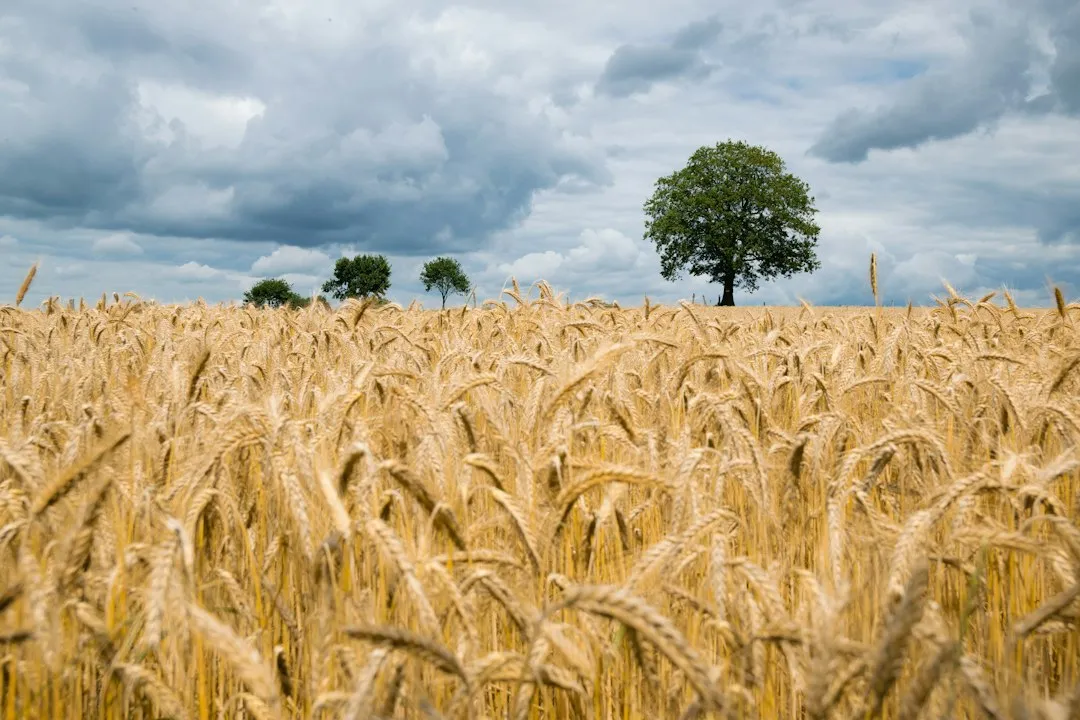
If you’re just wading into the world of fall cover crops, winter rye, also known as cereal rye, is one of the best places to start. It germinates in cold soil, survives hard freezes, and grows into a dense mat that outcompetes most winter weeds.
Rye aggressively competes with weeds and can provide effective weed suppression, especially of winter annual species. Rye mulch protects soil from erosion while reducing water evaporation, especially when roll-crimped at termination. Additionally, rye takes up free nitrogen from the soil, which reduces nitrate leaching to groundwater.
Cereal rye is reported to take up from 20 to 100 pounds of nitrogen per acre due to its fast-growing roots. Cover crops scavenge nitrogen from the soil and prevent it from being lost to leaching or volatilization. For a home gardener, that’s nutrients staying in your bed rather than washing into the watershed.
Hairy Vetch: The Nitrogen Fixer That Pays Forward
Legumes such as clovers and hairy vetch can produce up to 300 pounds of nitrogen per acre in the soil. That’s not a supplement, that’s a meaningful portion of a plant’s annual nitrogen budget delivered essentially for free.
Hairy vetch earns its reputation as one of the most effective nitrogen-fixing cover crops, but its real superpower lies in weed suppression. Termination is critical with hairy vetch to prevent it from becoming a garden weed. The high-nitrogen residue breaks down quickly, providing an immediate fertility boost for spring plantings.
If you inoculate seeds with rhizobia bacteria, which live on the roots of legumes and do the work of nitrogen fixation, you can get the best results. This simple step, often skipped, makes a real difference in how much nitrogen actually accumulates.
Crimson Clover: Beauty That Also Does Real Work
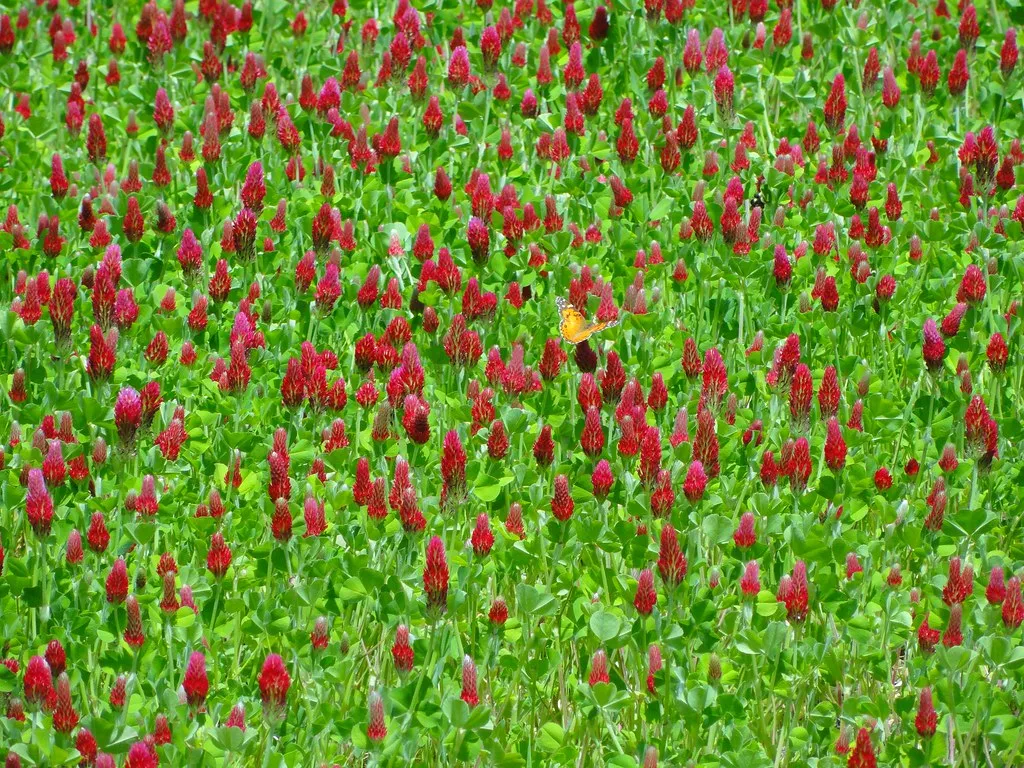
For gardeners seeking rapid soil fertility improvement, crimson clover delivers impressive results through its nitrogen-fixing capabilities. It also produces a bloom in spring that attracts early pollinators before it’s terminated, which makes it genuinely useful on two fronts.
Crimson clover fixes nitrogen in the soil, adding up to 200 pounds per acre, which is perfect for fertilizing your spring garden. It grows best in well-draining soil. This is a cover crop that is easy to terminate in spring since it dies back or breaks down easily, unlike aggressive root crops.
Daikon Radish: The Natural Tillage Solution
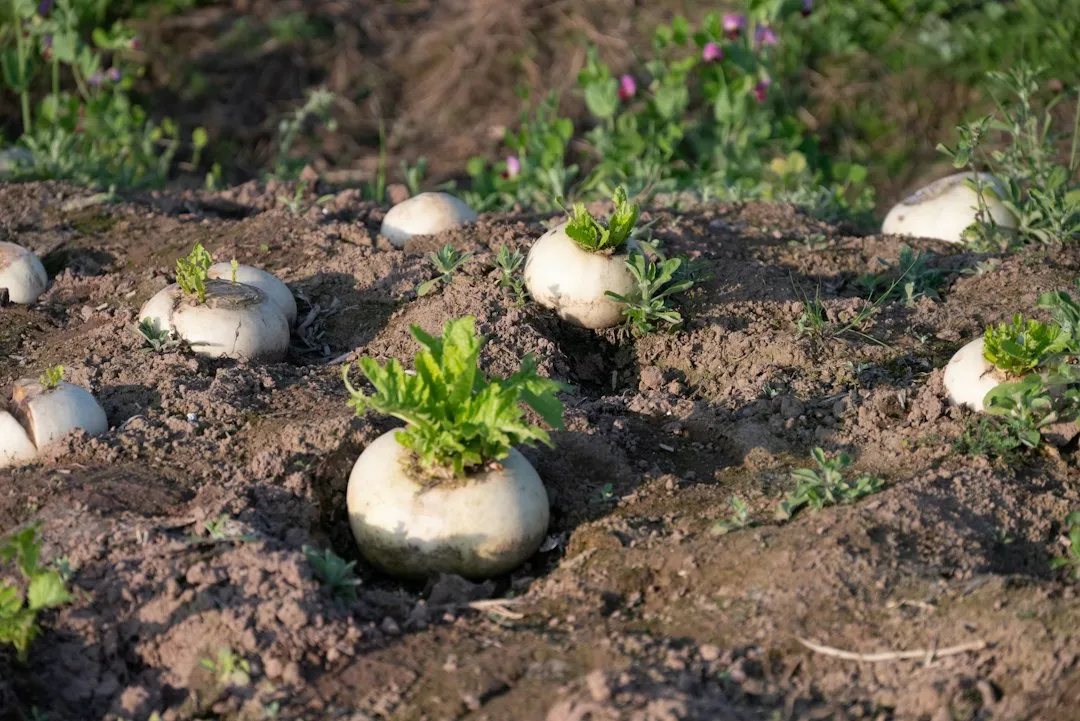
Deep taproots grow up to 6 feet deep to penetrate compacted soil layers. As the radish decays, it contributes organic matter to the soil, improving microbial activity and nutrient cycling. This is the core reason daikon radish has become popular in no-till gardening circles.
The long taproots loosen soil without mechanical equipment, hence the name “tillage” radish. The decomposed radish biomass helps the soil dry out and warm up faster in spring, which is especially beneficial for early vegetable planting. Because it winterkills naturally, tillage radish supports no-till spring planting, which further reduces erosion by minimizing soil disturbance.
Radishes are reported to scavenge from 50 to 200 pounds of nitrogen per acre, making them effective at capturing nutrients that might otherwise leach away over winter. Keep in mind, though, that daikon radish is a non-legume and does not fix atmospheric nitrogen, but its growth can capture nutrients already present in the soil.
Oats: The Easy, Fast-Establishing Option for Beginners
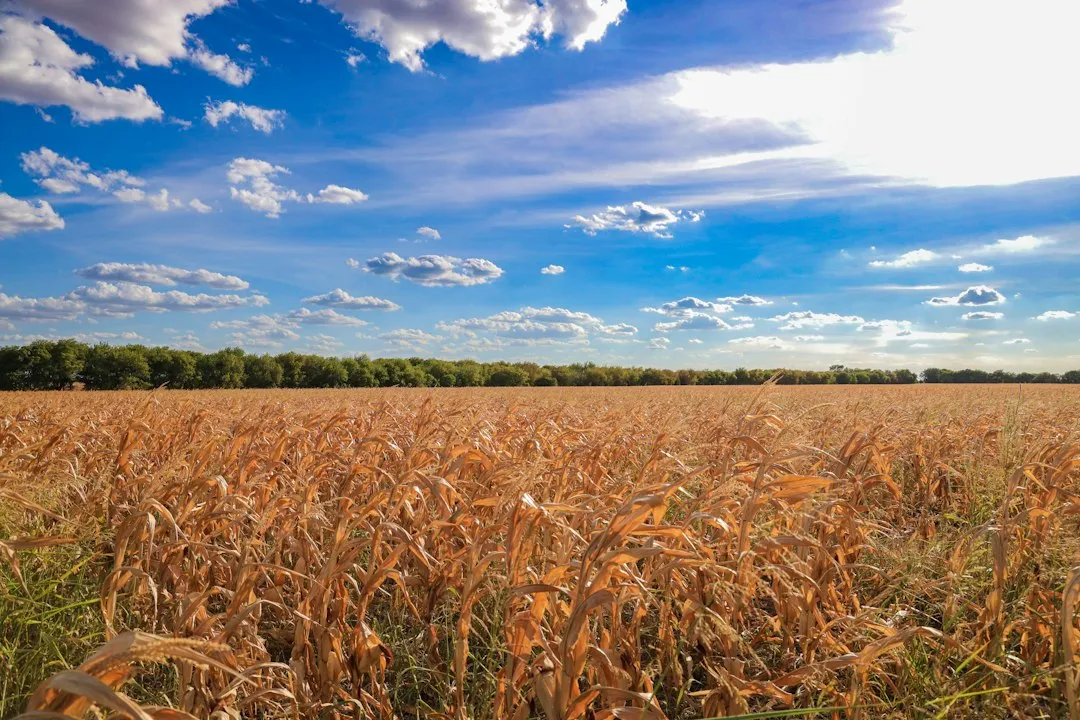
Oats planted in late summer or fall grow quickly, similar to winter rye. Fall-planted oats grow organic matter, crowd out weeds, prevent erosion, and provide winter-killed ground cover that is easily incorporated for early spring vegetables. When mixed with a legume such as peas, they provide a lot of nitrogen to the following crop.
Oats are particularly forgiving for first-time cover croppers because they don’t need to be actively terminated in spring. Cold temperatures do the work. Oats usually succumb to winterkill, but the residue is still beneficial to the soil. You simply rake or till the matted residue in before your first spring planting.
Austrian Winter Peas: A Cool-Season Legume That Earns Its Space
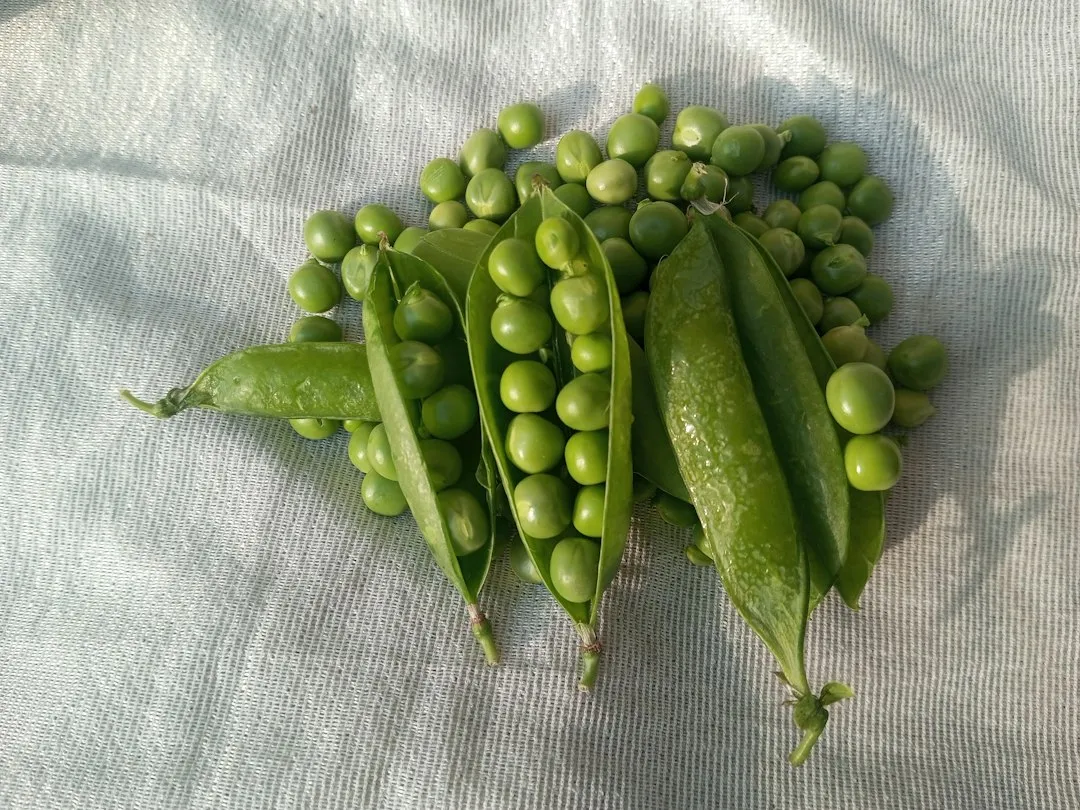
Austrian winter peas, or winter field peas, are cool-season annual legumes that are popular fall cover crops. Like other legumes, these peas fix nitrogen in the soil, producing up to 150 pounds of nitrogen per acre, to the benefit of spring crops. That positions them between crimson clover and hairy vetch in terms of nitrogen contribution.
These plants are lush vines that carpet the soil. If you use rye or oats as companion plants for fall cover crops, they will provide upright physical support for winter pea stems. Pairing peas with a grass cover crop is one of the most practical ways to get both nitrogen fixation and erosion protection from a single seeding.
What the Science Says Happens in Spring, Specifically

Sampling biological soil health indicators in spring resulted in more positive, significant treatment effects of 12 to 19 percent compared to sampling in autumn, where researchers found no effect. Winter cover crops had a greater positive effect on soil biological measurements in spring. This finding, from a 15-year study published in the Soil Science Society of America Journal in 2025, reinforces why the spring payoff is real.
Research drawing on 190 studies reveals that cover crops reduce soil bulk density by 1 to 24 percent, increase organic matter by 7 to 74 percent, enhance macropores by 1 to 67 percent, and improve water infiltration rates by 5 to 629 percent. Those ranges are wide because conditions vary, but the directional improvement is consistent across climates and soil types.
Cover crop acres showed a 6 percent reduction in soil compaction throughout the soil profile. These results prove that across varying soil types, cover crops significantly reduced soil compaction. Early season sampling from 0 to 24 inches deep showed cover crops reduced soil nitrates by 44 percent, confirming cover crops’ ability to scavenge excess nitrates in the soil profile.
How and When to Sow for the Best Results
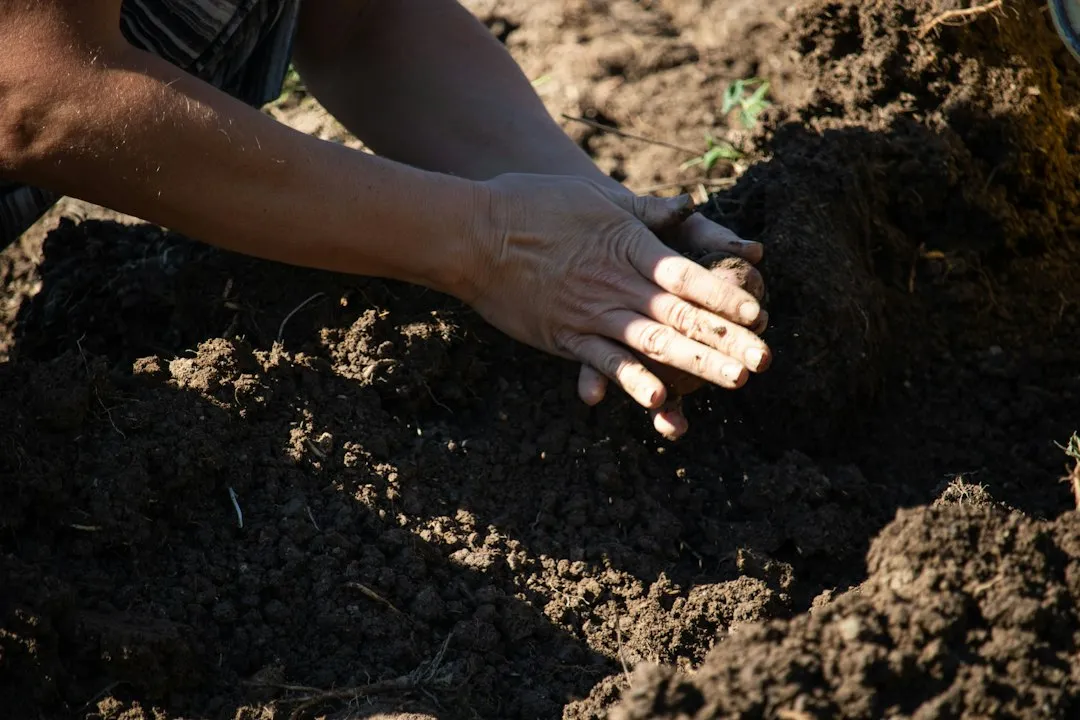
As the last of summer vegetable crops are harvested, the fall weather is still warm enough to sow over-winter cover crops, which restore fertility and humus, and enrich the soil for planting next spring. Timing matters more than most gardeners realize, since seeds need warm enough soil to germinate before temperatures drop hard.
For a fall crop, sow in late August or early September. In colder zones, that window narrows considerably. Before seeding, consider what you want the cover crop to accomplish. Cover crops are service plants, and their benefits depend on your goals.
Termination timing matters just as much as seeding. Cover crops are mowed or cut in early spring, at least 3 to 4 weeks before the bed is planted with the intended crop. This gives residue enough time to begin breaking down and releasing its nutrients before your seeds or transplants go in.
Mixing Cover Crops for Compounded Benefits
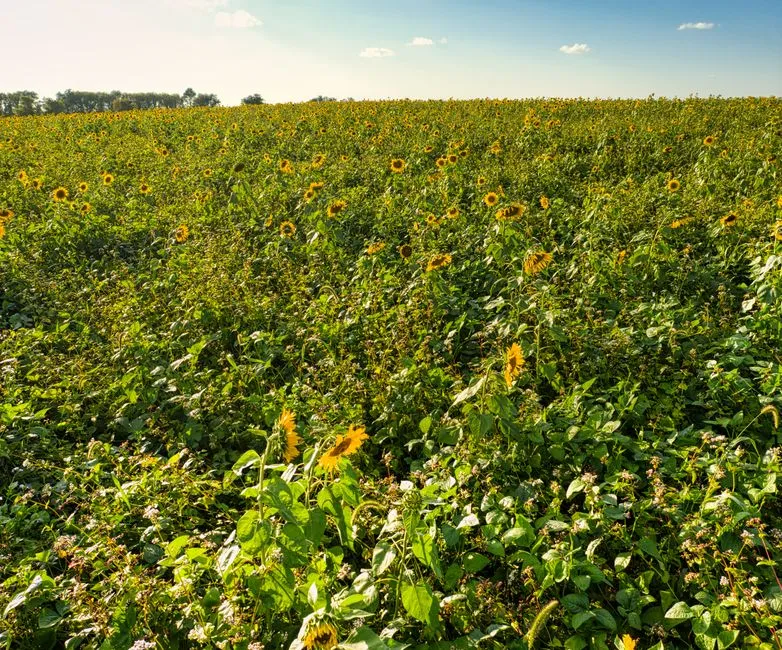
A single species cover crop is effective. A thoughtfully mixed blend can do more. Fertility-focused blends combining crimson clover, hairy vetch, and field peas deliver nitrogen, while structure blends using barley, daikon radish, and turnips are better suited for compaction relief. Choosing a mix based on your soil’s actual problem is the practical starting point.
Cover crops have the potential to increase soil organic matter and increase the biodiversity of soil organisms in the soil. Mixing legumes with grasses captures both nitrogen fixation and high biomass, covering the two biggest soil fertility gaps left by vegetable cropping. Research has found that using cover crops as living mulch between rows can significantly improve soil health and nutrient cycling, offering a sustainable approach to agricultural management.
The Takeaway
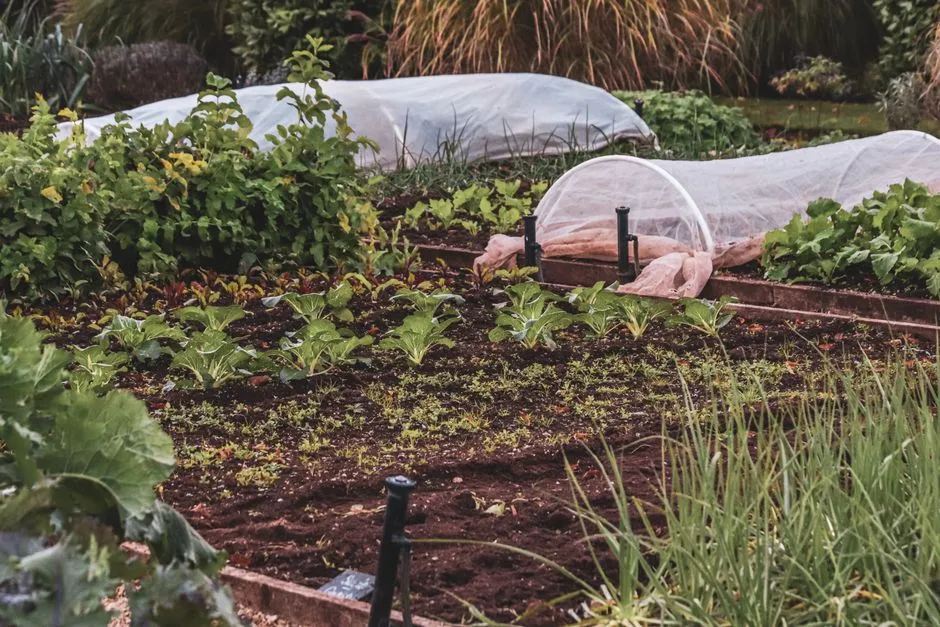
Fall cover cropping asks for a modest investment of time and seed cost in exchange for a measurably healthier garden the following year. The soil biology does the heavy lifting. Your job is mostly to get the seeds in while the ground is still receptive.
What makes this practice compelling isn’t any single number or study. It’s the consistency. Across 21 long-term US trials, across 190 international studies, across 15-year field experiments, the results keep pointing the same direction. Cover crops improve soil. They do it quietly, over winter, while nothing else in the garden is growing.
The gardeners who start this fall will notice the difference by May. Their beds will drain better, warm faster, and need less amendment before planting. That’s not a promise, it’s a pattern that the research has been documenting for decades.
AI Disclaimer: This article was created with the assistance of AI tools and reviewed by a human editor.