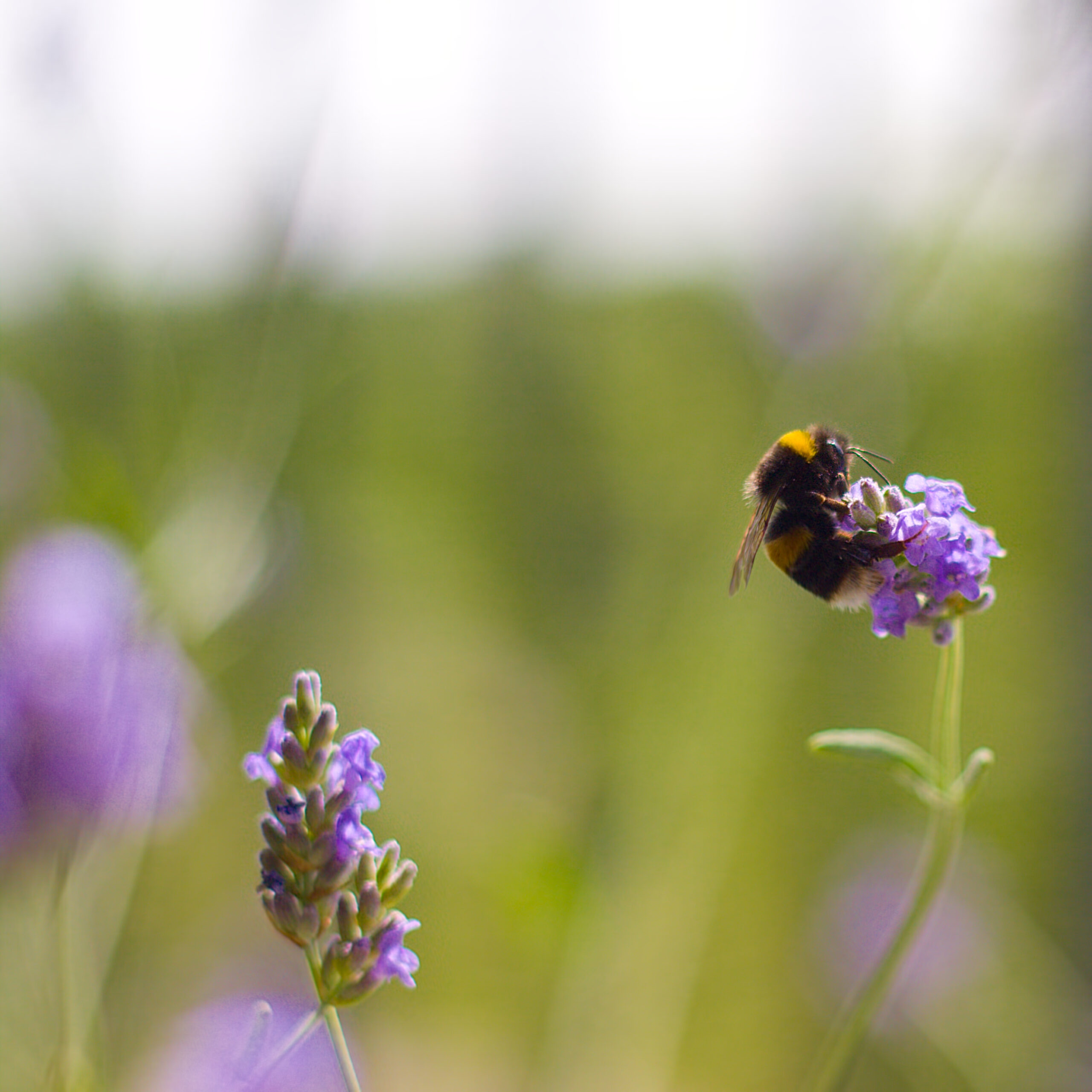

There’s something quietly satisfying about a garden that looks like nobody tried too hard. Flowers tumbling over stone paths, roses arching across a wooden gate, lavender humming with bees. It’s the kind of scene that feels inherited rather than designed. For a long time, that looseness was quietly out of fashion in a world that preferred sharp lines and low-maintenance bark mulch. Now it’s back, and it’s back with real numbers behind it.
According to 2024 search data from Marshalls Plc, cottagecore as a garden style is still on an upward trajectory, with a remarkable 150% year-on-year increase in searches for “cottagecore garden,” highlighting the rising interest in the romantic and practical style. That’s not a niche curiosity anymore. That’s a genuine shift in how people want their outdoor spaces to feel.
Where It All Began: Roots in Medieval England
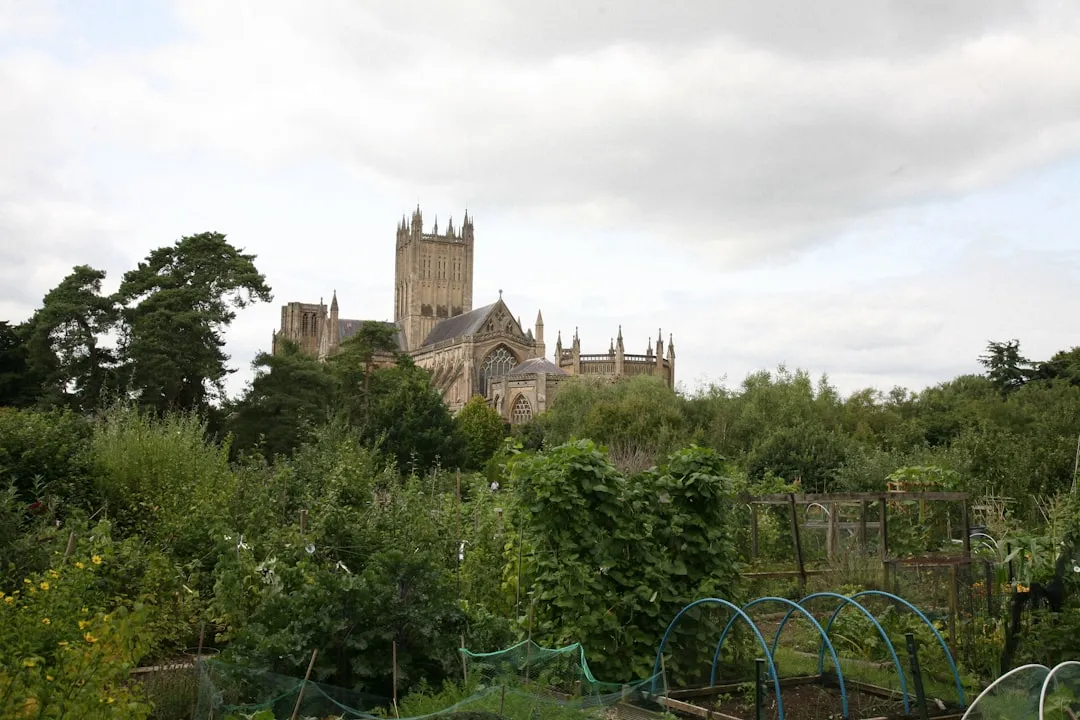
The cottage garden is a distinct garden style that uses informal design, traditional materials, dense plantings, and a mixture of ornamental and edible plants. English in origin, it depends on grace and charm rather than grandeur and formal structure. Its stylized reinvention occurred in 1870s England as a reaction to the more structured, rigorously maintained estate gardens with their formal designs and mass plantings of greenhouse annuals.
Historically, cottage gardens trace their roots to the medieval period around the 12th century, when rural peasants cultivated compact plots for survival, growing edible crops alongside pollinator-attracting flowers to support food production.
The earliest cottage gardens were more practical than today’s, with emphasis on vegetables and herbs, fruit trees, perhaps a beehive, and even livestock. Flowers, used to fill spaces, gradually became more dominant. That gradual drift from pure utility toward something beautiful is really the whole story of the cottage garden in miniature.
The Victorian Romanticization That Shaped Everything
The cottage garden style evolved through the centuries, reaching prominence in the Victorian era from 1837 to 1901 as middle-class enthusiasts embraced gardening for leisure, influenced by horticulturists like William Robinson and Gertrude Jekyll, who advocated for naturalistic, colorful herbaceous borders over rigid formal designs.
That’s when the cottage garden became idealized and romanticized, in all those quaint pictures full of masses of flowers. The essential marriage of practical and pretty had thoroughly rooted itself in people’s hearts: the charming mixed plantings and informal style of flowers tucked in among the vegetables, or fruit trees hiding a rustic seat.
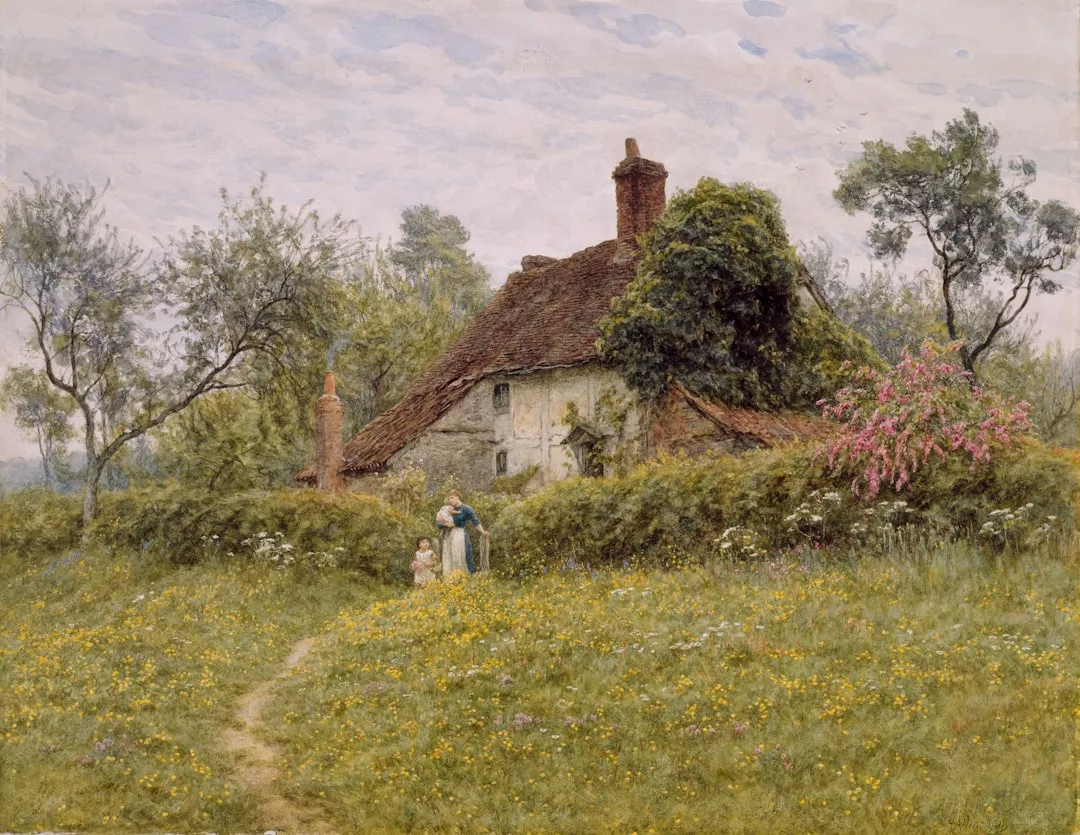
Victorian artist Helen Allingham captured the essence of cottage gardens in her watercolor paintings, portraying them as picturesque havens of blooming perennials and climbers around humble dwellings in Surrey and surrounding counties. Allingham’s works romanticized these gardens as emblems of domestic tranquility, influencing public perceptions of rural England during an era of urban expansion.
The Classic Plants Your Grandmother Grew

Perennials were the largest group of traditional cottage garden flowers, and those with a long cottage garden history include hollyhocks, carnations, sweet Williams, marigolds, lilies, peonies, tulips, foxglove, monkshood, lavender, evening primrose, lily-of-the-valley, primrose, cowslips, and many varieties of roses.
Foxgloves and hollyhocks are ideal companions in any cottage garden, adding height and structure. These tall, stately plants with their bell-shaped flowers bring a sense of elegance while complementing the softness of roses.
A combination of well-chosen plants ensures continuous seasonal blooms, starting with peonies and aquilegias in late spring, peaking with delphiniums, lupins, foxgloves, snapdragons, and sweet Williams in summer, and extending into late summer or autumn with hollyhocks and repeat-blooming geraniums, fostering a dynamic, ever-changing tapestry. That layered succession is precisely what makes these gardens feel alive across an entire season.
The Numbers Driving the Current Revival
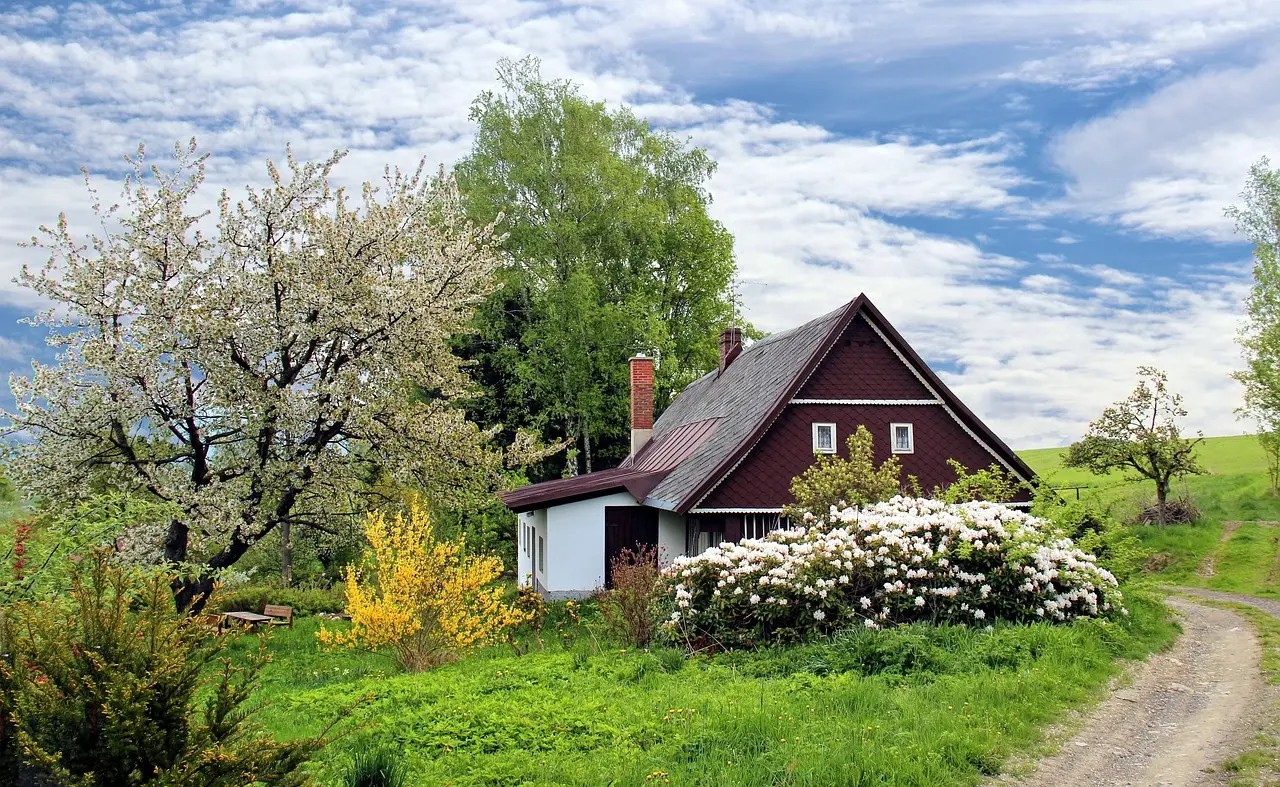
As many homeowners are leaving city living behind for a slower pace of life, cottage-inspired gardens are seeing a huge spike in popularity. Yardzen’s 2025 Trend Report, which culls opinions and data from over one million users, reported an 18 percent increase in requests for the easygoing landscaping style, reflecting a growing interest in wildness, imperfection, and authenticity in outdoor design.
The global gardening market is valued at over $150 billion and growing at roughly 5 percent annually. About 55 percent of U.S. households have a garden, which translates to approximately 71.5 million gardening households and 185.9 million people.
Based on displays at the UK’s Royal Chelsea Flower Show and other major garden events, for 2026 and beyond, there is a definite swing toward softer, flower-rich gardenscapes. The big shows pushed wildlife-first ideas, climate-savvy features, and woodland and cottage gardens. The direction is clear, and it’s pointing squarely back toward the past.
The Philosophy of Organized Chaos
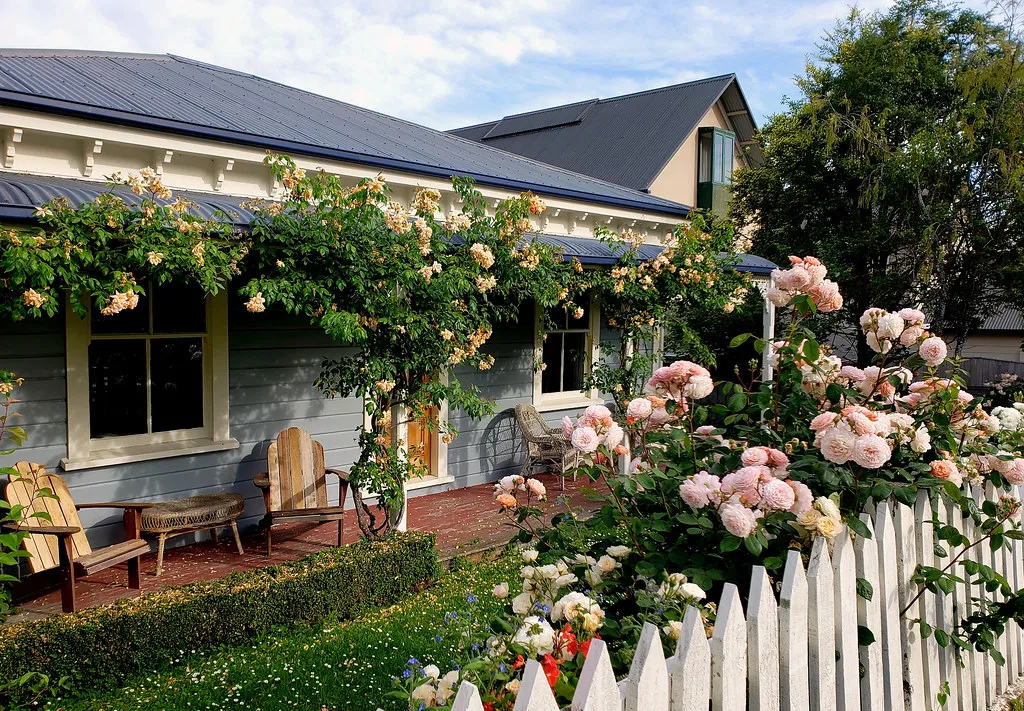
The whole ethos around a cottage-style garden centers on organized chaos. What looks at first to be a beautiful, organic display of flowing grasses or small flowers actually disguises something with much more intention, albeit with a laid-back attitude.
The cottage garden is designed to appear artless, rather than contrived or pretentious. Instead of artistic curves or grand geometry, there is an artfully designed irregularity. That’s the sleight of hand that makes these spaces feel effortless even when considerable thought has gone into them.
At first glance, cottage gardens may seem arbitrary, but planning is important. The main things to focus on while mapping out your cottage garden are grouping, focal points, texture, color, and sightline. Choose plants and decor that provide a peaceful energy, lush colors, and a gentle flow.
Paths, Stone, and Structure: The Bones of the Garden
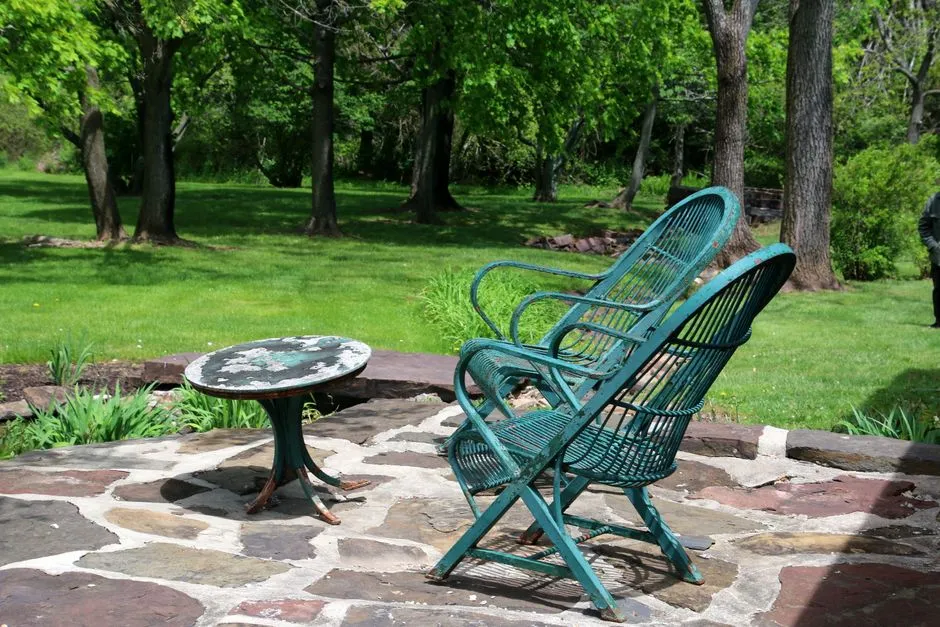
Cottage gardens often include winding pathways and covered private patio spaces with natural features. When choosing paving options, an unpolished, natural option will create warmth and texture. Limestone, granite, and sandstone offer unique textures and rustic vibes.
It can also be helpful to create a more structured foundation through hardscaping, including gravel paths, organic stone patios, and worn wood edging, as well as foundational plants that help to create the “skeleton” of your garden.
Vines climbing walls or draped over fences or trellises in wisteria or grapes add movement and lushness. Plants are generally grouped closely together so that when mature, the planting paints a sea of color, texture, and movement.
The Ecological Case for Going Cottage
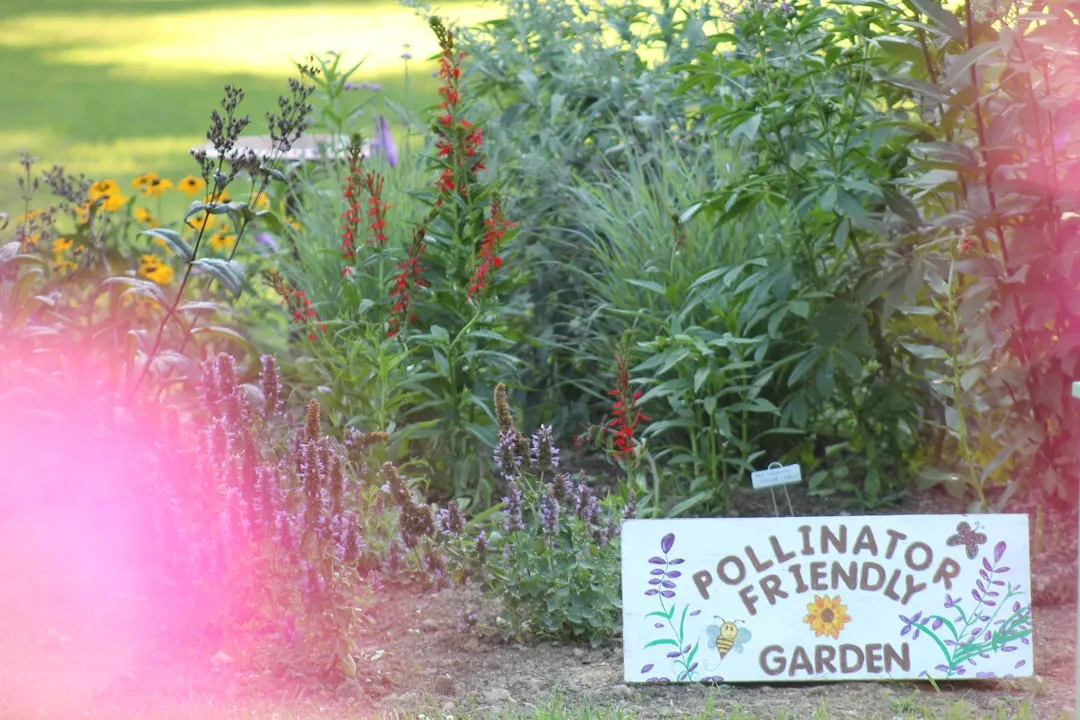
Pollinator gardens support biodiversity, create vital habitats, and help wildlife thrive. They are an opportunity to participate in healing the local ecosystems on which wild neighbors depend.
Adding native perennials such as black-eyed Susans, echinacea, and wildflowers brings seasonal interest, attracts pollinators, and connects your garden with the local ecosystem. These are the same plants that filled cottage borders for centuries, only now we have the science to explain why they worked so well.
Plants that are native to a region attract pollinators necessary for growing vegetable gardens and fruit trees; they often thrive without pesticides and fertilizers, require little water and attention, and improve habitat for wildlife, with the added benefit of reducing stormwater runoff and improving air quality and biodiversity.
Why Younger Gardeners Are Embracing It
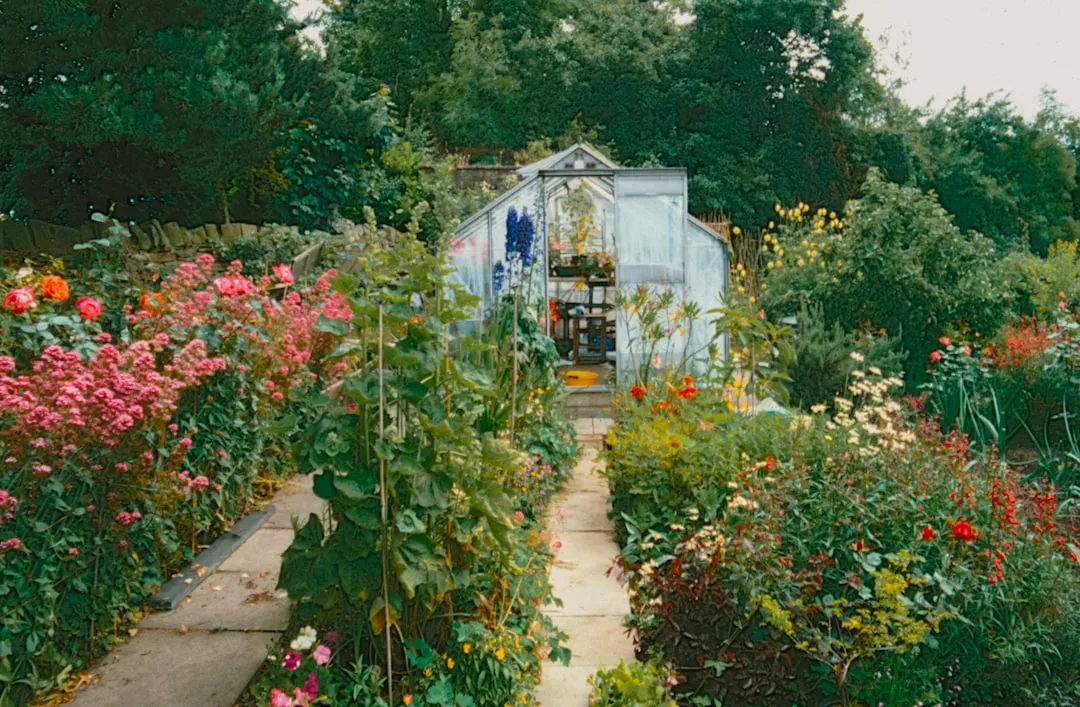
Studies have shown that nearly 70 percent of people aged 18 to 34 are considered garden lovers, while roughly a quarter of those between 35 and 44 say they love to garden. Over the past few years, many more age groups have become gardeners.
In a world that often feels overwhelming and fast-paced, cottagecore provides a sense of calm and escape. It’s about slowing down and finding joy in simple things like baking bread, tending to houseplants, or enjoying a sunny spot in the garden. This connection to nature and focus on mindfulness speaks directly to the values of younger generations, who are increasingly interested in sustainability, wellness, and balance.
From pollinator-friendly plants to techniques and layouts that give plants the freedom to spread unencumbered, this latest gardening trend is a far cry from the manicured hedges and artificially bright turfs of eras past. For many younger gardeners, rejecting that over-controlled aesthetic feels almost political.
Roses, the Perennial Star
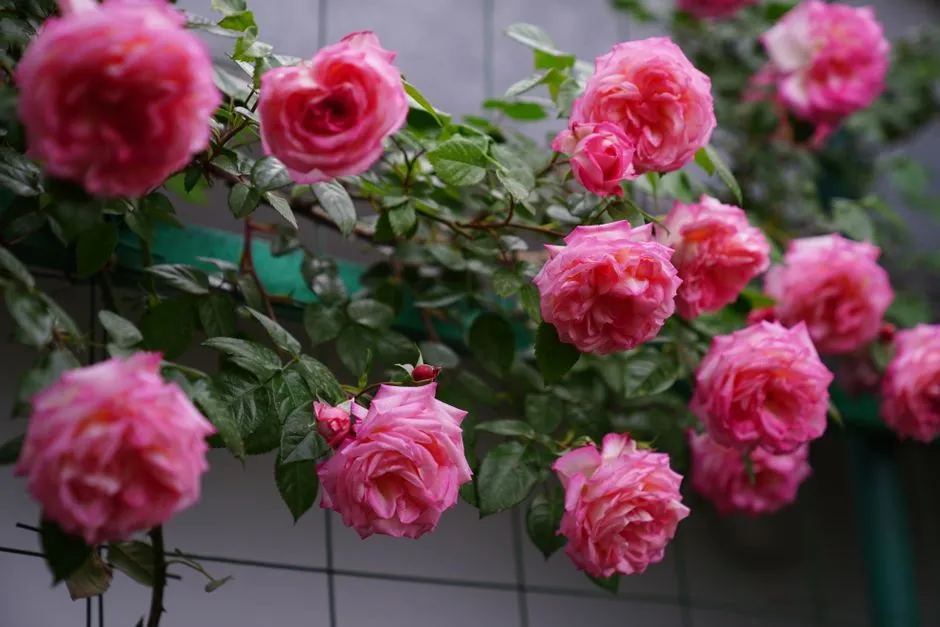
There are few flowers more romantic than the rose, and Chelsea 2025 made a big show of bringing roses back to mainstream garden design. Their return to prominence wasn’t a surprise to anyone who knew their garden history.
Modern roses developed by David Austin have been chosen for cottage gardens because of their old-fashioned look, with multi-petaled form and rosette-shaped flowers and fragrance, combined with modern virtues of hardiness, repeat blooming, and disease resistance.
Key among cottage garden plants are climbing roses and shrub roses, which have become synonymous with cottage style. These classic plants cascade over trellises, walls, and arches, creating a lush, romantic atmosphere. They were the backbone of these gardens five hundred years ago, and they still are today.
The Move Away from Manicured Lawns
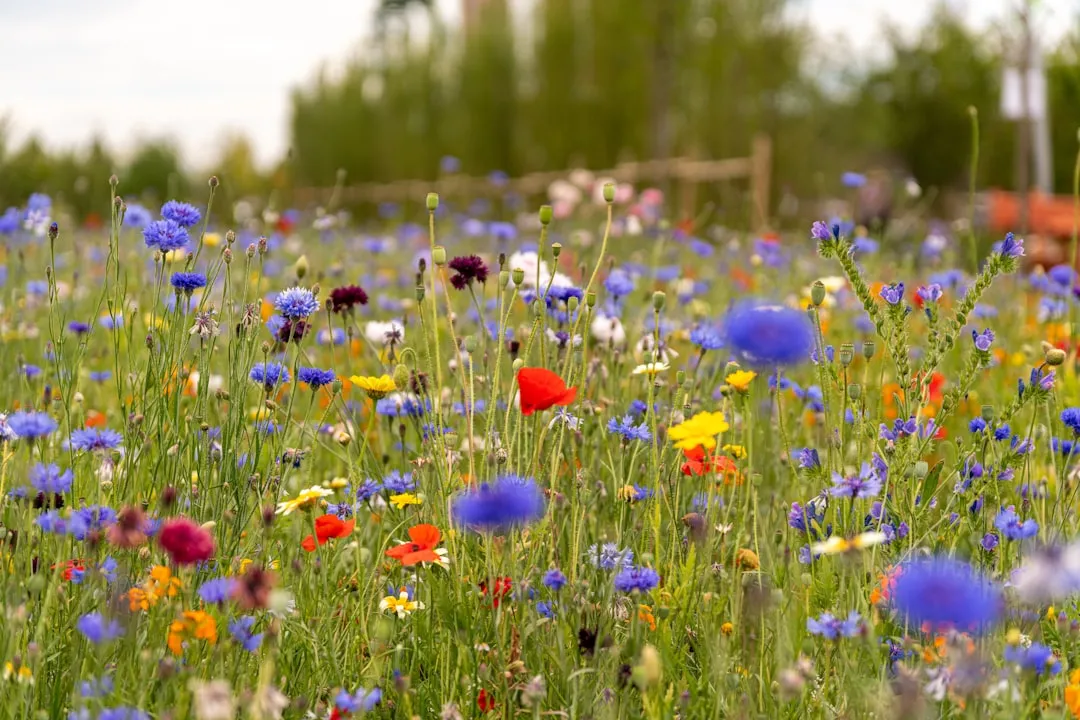
High-maintenance landscaping designs with perfect flower beds and immaculate lawns are out of favor and definitely the gardening trend to leave behind. The new approach to garden design means less intervention and instead letting nature take the lead. Low-input landscaping means celebrating unexpected outcomes instead of trying to control every little detail.
Eco-conscious homeowners are opting for “tapestry lawns,” also known as meadows, matrix, or patchwork lawns. These are collections of interlacing low-lying plants and flowers that add dimension and color. They look beautiful, support biodiversity, and require less watering and mowing.
Gardeners are moving away from traditional high-maintenance design and opting for free-form landscapes, focusing on creativity and natural beauty. After decades of pressure to keep everything neat and symmetrical, letting the garden breathe a little turns out to be a relief.
What Comes Next: Cottage Gardens in 2026 and Beyond
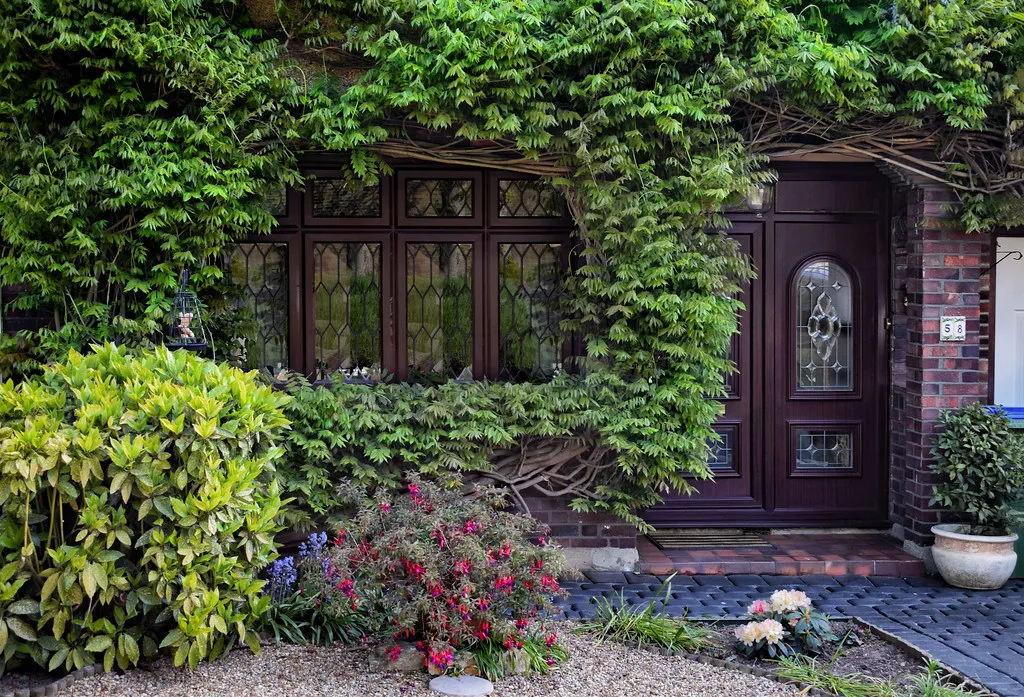
Cottage style plants and old-school favorites are gaining renewed interest, bringing warmth and familiarity to garden displays. Garden centers are reporting this clearly in their stocking decisions and marketing, with heritage plants pulling more weight than they have in years.
The Garden Media Group describes a broader cultural shift for 2026 that transforms challenges into opportunities through creativity, mindfulness, and joy. Amid climate anxiety and digital overload, the garden is becoming the place where chaos softens and possibility blooms.
Modern cottage gardens often use native plants and those adapted to the local climate, rather than trying to force traditional English plants to grow in an incompatible environment, though many of the old favorites thrive in cottage gardens throughout the world. The style, it turns out, travels well.
A Garden Style That Was Never Really Gone
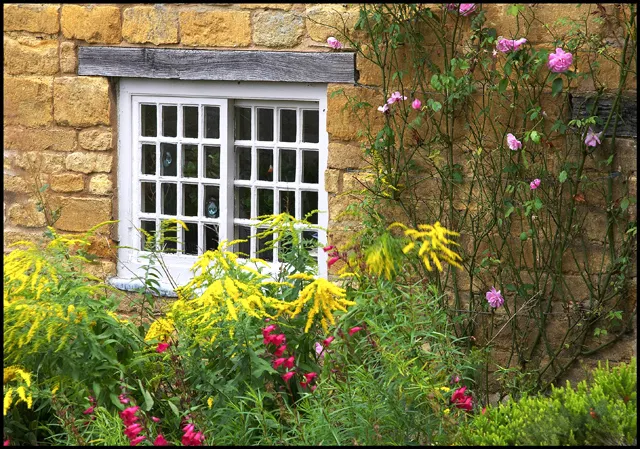
What makes the cottage garden different from most design trends is that it never fully disappeared. Cottage gardens have always fulfilled a need and they always will. That observation, from a garden designer quoted in British Heritage, feels exactly right.
There is a growing interest in natural, eco-friendly gardening, with many homeowners seeking to create beautiful outdoor spaces that are kind to the environment. From climbing roses to quaint picket fences, this style offers an inviting, relaxed aesthetic that continues to flourish in modern gardens, proving that classic beauty never fades.
Your grandmother didn’t call it a trend. She just called it her garden. The fact that millions of people are now actively searching for that same feeling, that same abundance and purposeful disorder, says something worth sitting with. Some things don’t need reinventing. They just need rediscovering.
AI Disclaimer: This article was created with the assistance of AI tools and reviewed by a human editor.