
The Label Itself: What “Flame Resistant” Actually Means
The U.S. Consumer Product Safety Commission (CPSC) has long advised parents to look for costumes, masks, beards, and wigs labeled “Flame Resistant,” noting that although this does not mean these items won’t catch fire, such labeling indicates that they will resist burning and should extinguish quickly once removed from the ignition source. That distinction is more important than it might sound at first.
Flame resistant does not mean fireproof. It means the fabric is treated or constructed so it does not catch and race the way untreated synthetic fabric does. That distinction matters on a night when children walk past open flames in jack-o’-lanterns, luminaries on walkways, and the occasional fire pit in a driveway.
Parents should look for costumes made from synthetic fibers like nylon and polyester because these materials are less likely to ignite, will resist burning, and will extinguish more quickly if they do ignite. Manufacturers sometimes promote this by putting a “flame resistant” label on the package.
Why Jack-o’-Lanterns Are a Specific Hazard
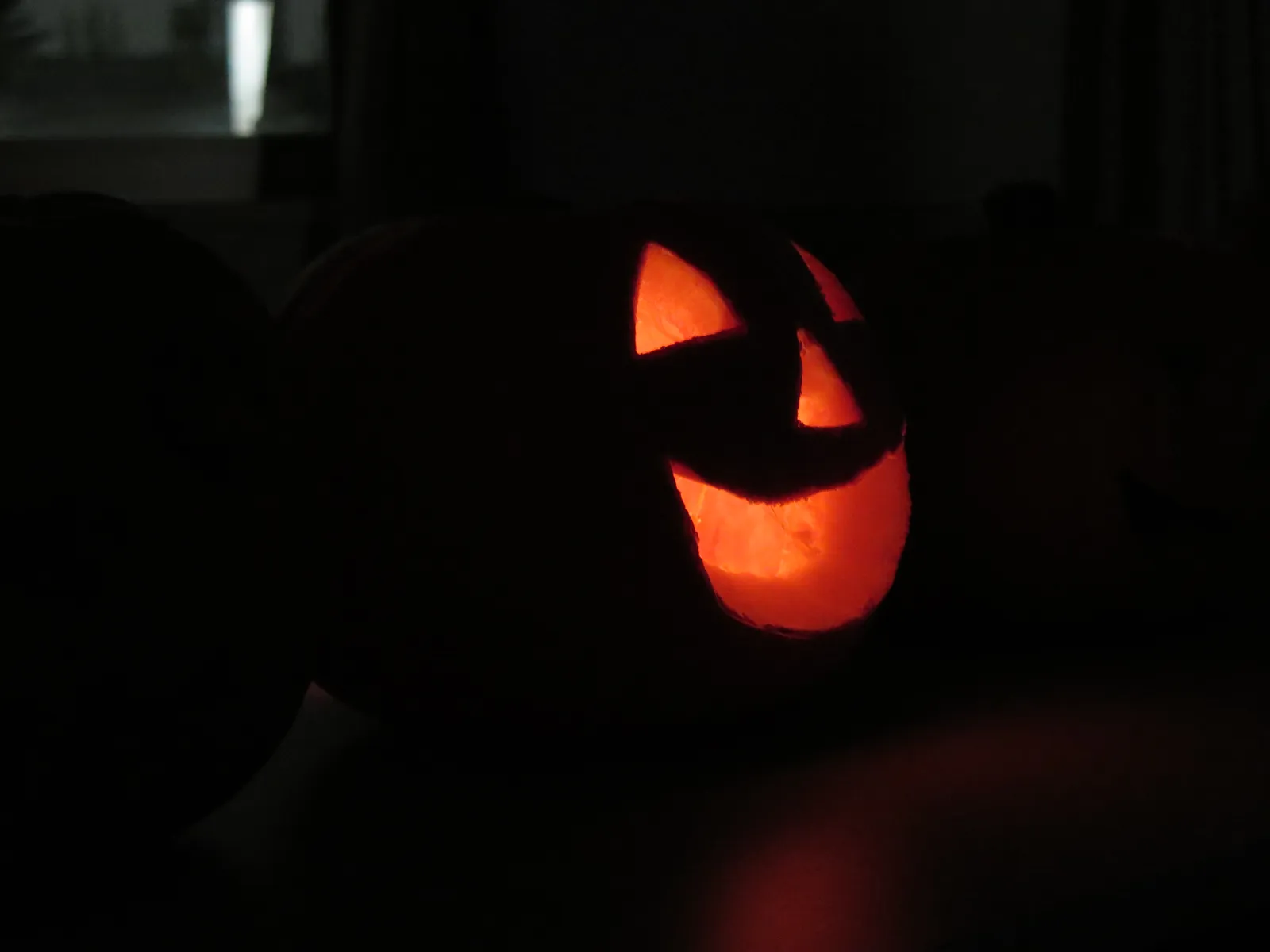
Traditional candles inside jack-o’-lanterns can easily tip over or come into contact with flammable materials like costumes or dried leaves. Children are often at the exact height where a flowing cape or long skirt would be level with a pumpkin placed on a porch step.
Candlelit jack-o’-lanterns should be kept away from landings and doorsteps where costumes could brush against the flame. That’s a specific warning from CPSC that homeowners often don’t think about when they set their pumpkins out for the evening.
The reality of Halloween includes jack-o’-lanterns with candles and glowing decorations, making flame resistance a vital part of costume safety for children going out on Halloween night. The hazard is especially pronounced because kids move quickly, they’re excited, and they aren’t watching their hemlines.
The Fire Statistics Behind the Warning
From 2020 through 2024, there was an annual average of 835 home structure fires that began with decorations per year. These fires caused an annual average of three civilian fire deaths, 29 civilian fire injuries, and $18 million in direct property damage.
Nearly half of these fires occurred because the decorations were too close to a heat source, such as a candle or hot equipment. Approximately one-third of these fires were started by candles. That tells you exactly what the seasonal combination of open flames and fabric costumes can produce.
According to the CPSC, there have been at least 16 cases in which children under 15 years of age suffered burn injuries involving Halloween costumes since 1980, including one death. In 1997, a 12-year-old girl in Texas died from burn injuries she suffered when her homemade Halloween costume ignited after she brushed up against a jack-o’-lantern. That case became one of the most-cited examples in consumer fire safety guidance.
Where Candles Factor Into the Equation
In eight of the documented costume injury incidents tracked by the CPSC, the source of the flame was a candle or jack-o’-lantern. This makes open-flame decorations by far the most common ignition source in costume-related burns.
According to the National Fire Protection Association, candles were the heat source in an estimated annual average of 5,894 reported home structure fires from 2020 through 2024. Those incidents resulted in an average of 63 civilian deaths, 532 injuries, and $286 million in direct property damage annually.
More than half of home candle fires began when combustible materials were positioned too close to a flame. Decorations, clothing, curtains, and paper can all ignite when exposed to burning candles. Costume fabric in particular is often thin, lightweight, and treated with dyes that can accelerate burning.
The Problem With Homemade and Imported Costumes
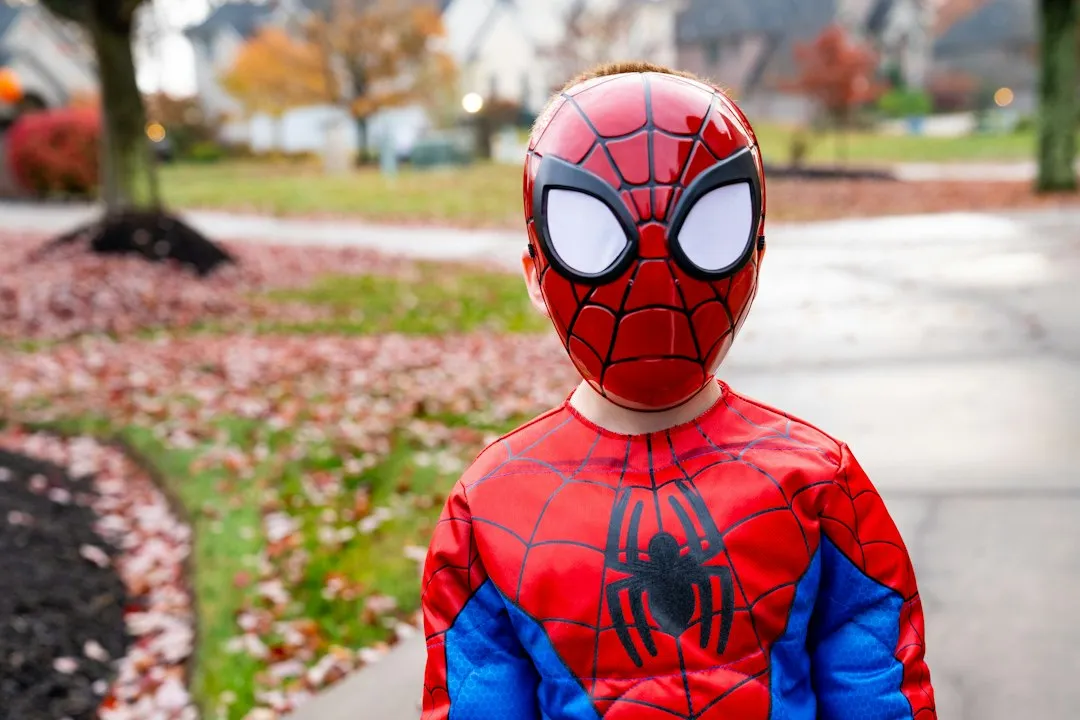
Evidence from fire safety standards highlights that many DIY costumes lack flame-resistant protection. When parents assemble a costume from craft store materials or repurpose household items, they’re almost certainly working with untreated fabrics.
If the costume is homemade, parents should make sure it is made with polyester or nylon materials, both of which are flame resistant. Cotton, linen, and loosely woven natural fabrics burn much faster and should be avoided for any costume worn around open flames.
The CPSC and U.S. Customs and Border Protection have conducted seizures at U.S. ports of children’s Halloween costumes with safety issues, which raises a real concern about costumes purchased from unverified online retailers. If a costume arrives without any label information at all, that itself is a warning sign.
What the Regulations Actually Require (and What They Don’t)
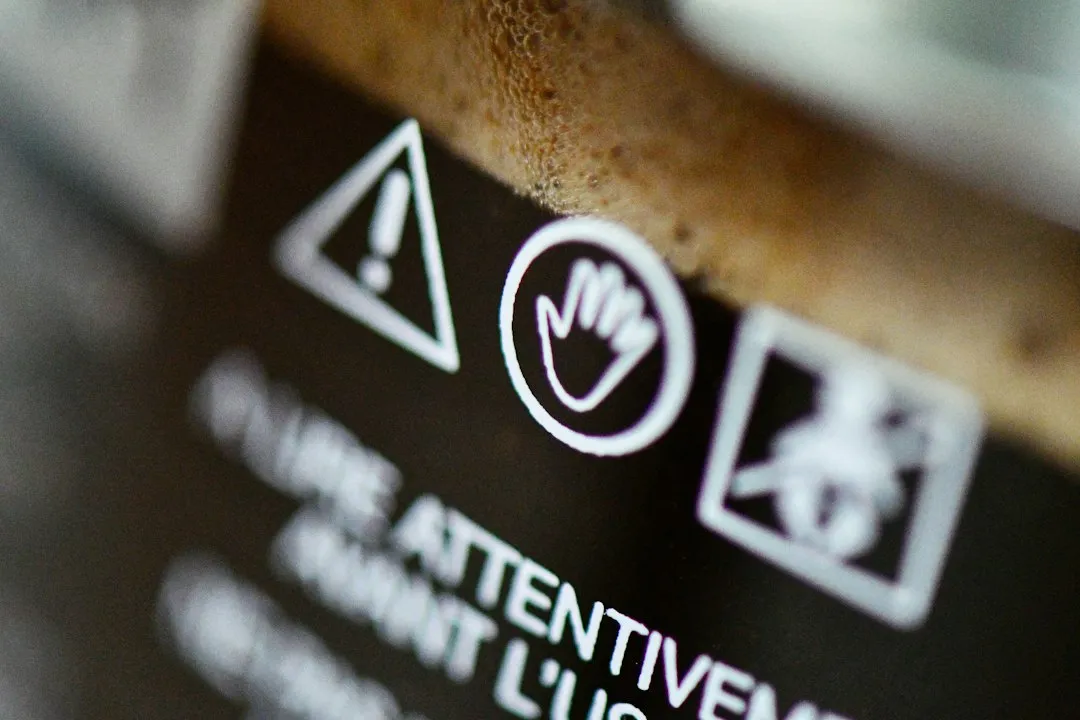
Despite what many parents assume, costumes that say “keep away from flames” and those that say “flame resistant” are both required to meet flammability requirements. All costumes must meet the flammability requirements set by federal regulation.
The stricter standard for children’s sleepwear is federal law, found in 16 CFR part 1615 for sizes up to 6X. Costumes are generally not held to that more stringent sleepwear standard, which is precisely why finding the label yourself is worth the effort.
Since the introduction of the Flammable Fabrics Act, children’s costumes are required to meet flame resistance standards, but adult costumes don’t always adhere to the same rules. Parents choosing an adult-sized costume for a teenager, or buying in a size that’s not clearly classified as children’s, should pay extra attention to what the label actually says.
The Specific Fabrics That Burn Fastest
Fabric that billows or trails can easily ignite near open flames. If you are making your own costume, avoid loosely woven fabrics like linen and cotton, which can be very flammable. These materials catch a flame quickly and spread it even faster.
CPSC staff has identified that children’s garments manufactured using certain untreated fibers typically fail children’s flammability testing, including 100% cotton, 100% silk, 100% rayon, and 100% modal. Many budget costume materials fall into these same categories.
Tightly woven fabrics are safer than loose, gauzy, or wispy ones. As one safety resource put it, cheesecloth-style ghost costumes look wonderful and behave badly near a flame. That kind of fabric is almost purpose-built to catch quickly.
How Costume Design Shapes the Risk
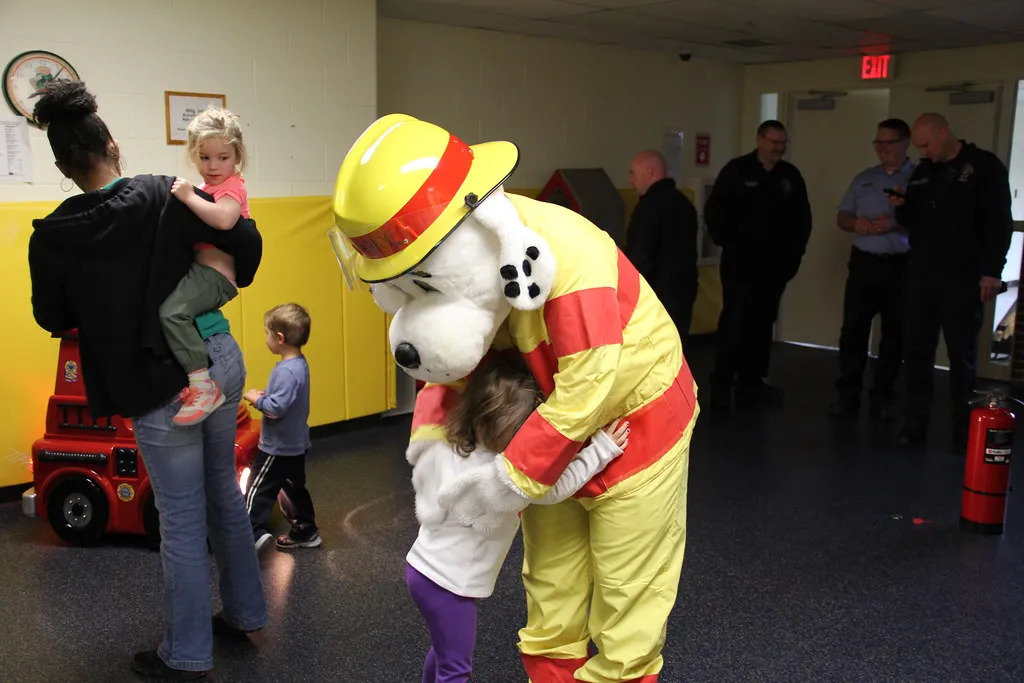
Billowy sleeves, capes, or flowing materials dramatically increase the risk because they could catch fire near open flames such as candles, jack-o’-lanterns, or fire pits. The more fabric in motion, the more surface area that could brush past a lit candle or pumpkin without the child even realizing it.
Costumes can also contribute to injuries when they restrict movement or obstruct vision. Masks that interfere with peripheral sight may make it difficult for children to recognize approaching hazards. Long or loose clothing can create tripping hazards and may come into contact with open flames.
Flimsy materials and outfits with big, baggy sleeves or billowing skirts should be avoided to minimize the risk of contact with candles or other sources of ignition, according to the CPSC. A slimmer-fitting costume design is almost always the safer choice.
The Safest Alternative: Flameless Lighting
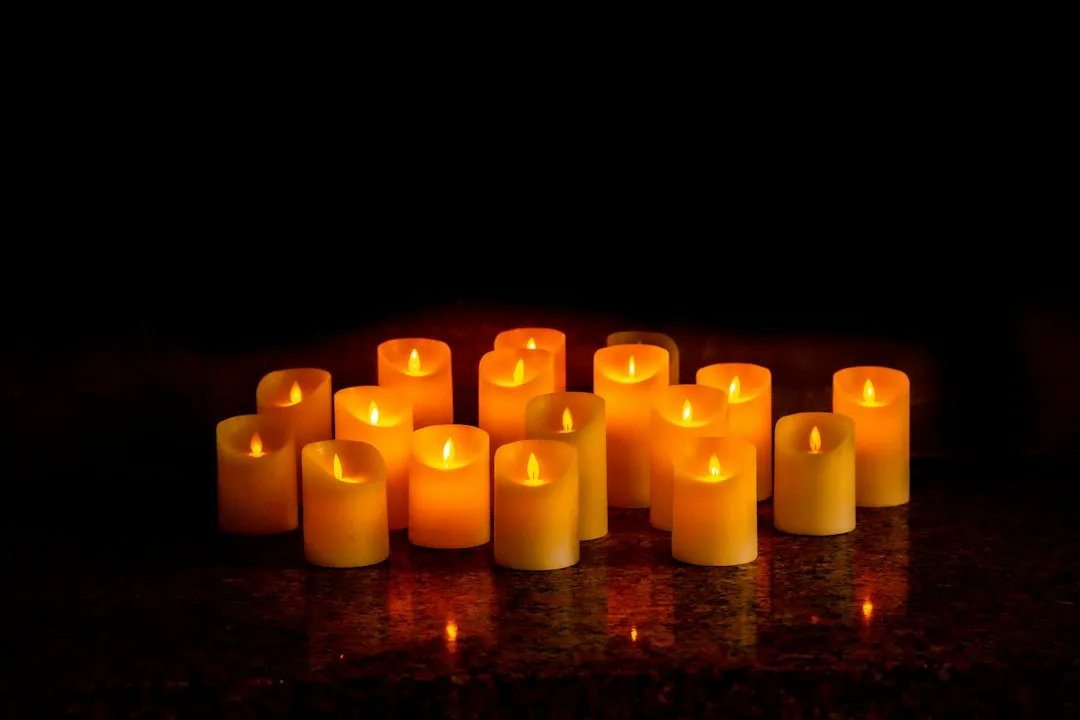
The NFPA recommends using glow sticks or battery-operated candles for jack-o’-lanterns and other Halloween decorations as the single most effective way to remove open-flame risk from the equation entirely. This doesn’t require any changes to the costume itself.
Battery-operated candles and glow sticks are safer alternatives for illuminating jack-o’-lanterns. Families who use traditional candles should keep them away from combustible materials and out of reach of children or visitors who might accidentally knock them over.
The NFPA recommends keeping flames at least 12 inches from combustible materials and using battery-powered lights instead of candles inside jack-o’-lanterns. That 12-inch rule is a practical, easy-to-apply benchmark for any household that still wants to use real candles outdoors.
Teaching Kids the Stop, Drop, and Roll Response
Children should be told explicitly to stay away from open flames, including jack-o’-lanterns with candles in them, and they should know how to stop, drop, and roll if their clothing catches fire. Most children learn this in school at some point, but a quick refresher before Halloween night is never wasted.
Educating children about the dangers of fire and teaching them to stay away from open flames, including jack-o’-lanterns with candles inside, is a core Halloween safety step. They should understand the importance of avoiding anything that could ignite their costumes.
The NFPA recommends reminding children of the dangers of open flames and ensuring they are always supervised when candles are lit. Candles should always be extinguished before leaving an area. That supervision piece matters most with younger children who move unpredictably near doorstep decorations.
Final Thoughts
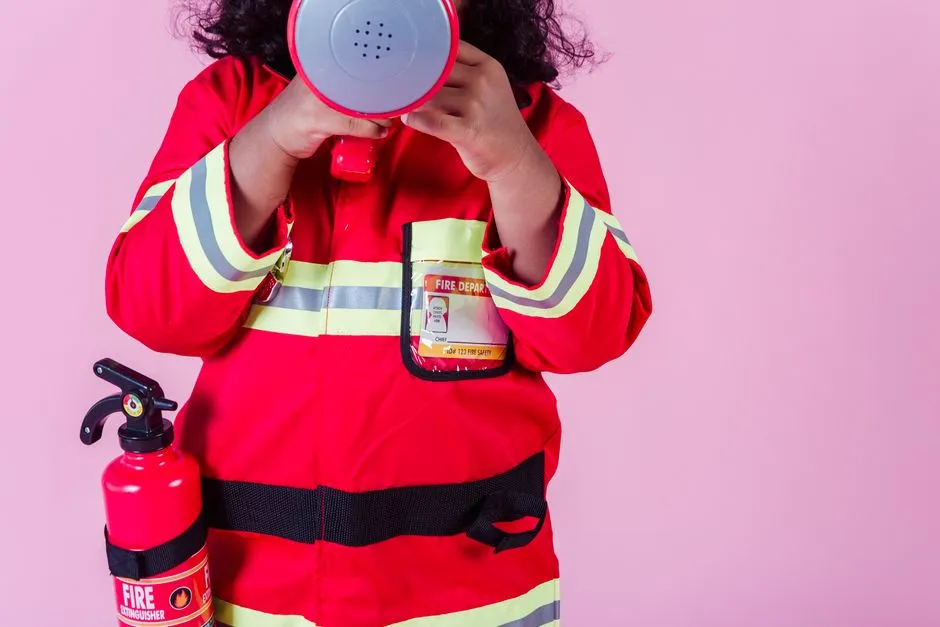
The “flame resistant” label on a costume tag is one of those details that takes about three seconds to check and tends to get skipped entirely in the rush to get kids dressed and out the door. Fire safety agencies have been consistent on this point for decades, and the underlying data from the NFPA and CPSC gives their guidance real weight.
Choosing a well-fitting costume made from tighter-woven synthetic fabric, paired with flameless lighting in jack-o’-lanterns, eliminates most of the fire risk before a single piece of candy is collected. That’s a reasonable trade for a night that’s supposed to be fun. The label is small. The reason to look for it isn’t.
AI Disclaimer: This article was created with the assistance of AI tools and reviewed by a human editor.