
There is something quietly compelling about a compost bin becoming a collector’s item. It is not the kind of object most people expect to find at an estate sale or on a vintage marketplace, yet here we are in 2026, with a growing audience hunting down the ribbed steel pails, enamel-coated canisters, and tin ash bucket forms that defined the home composting aesthetic of the 1970s. The story of why these objects matter starts decades before anyone called them collectibles.
The Decade That Put Composting in the Home
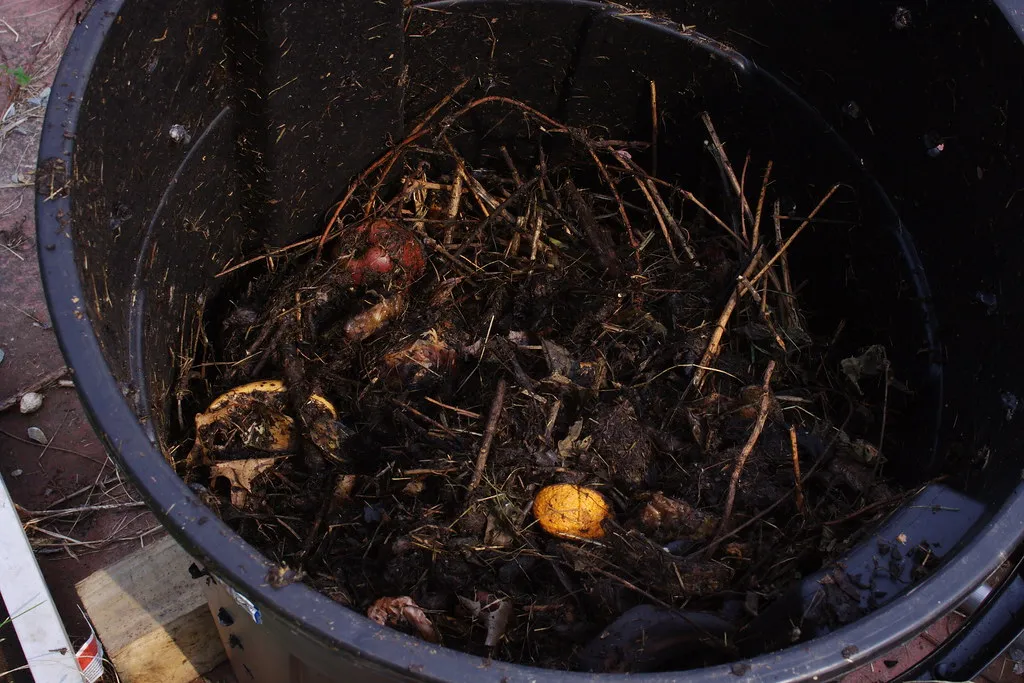
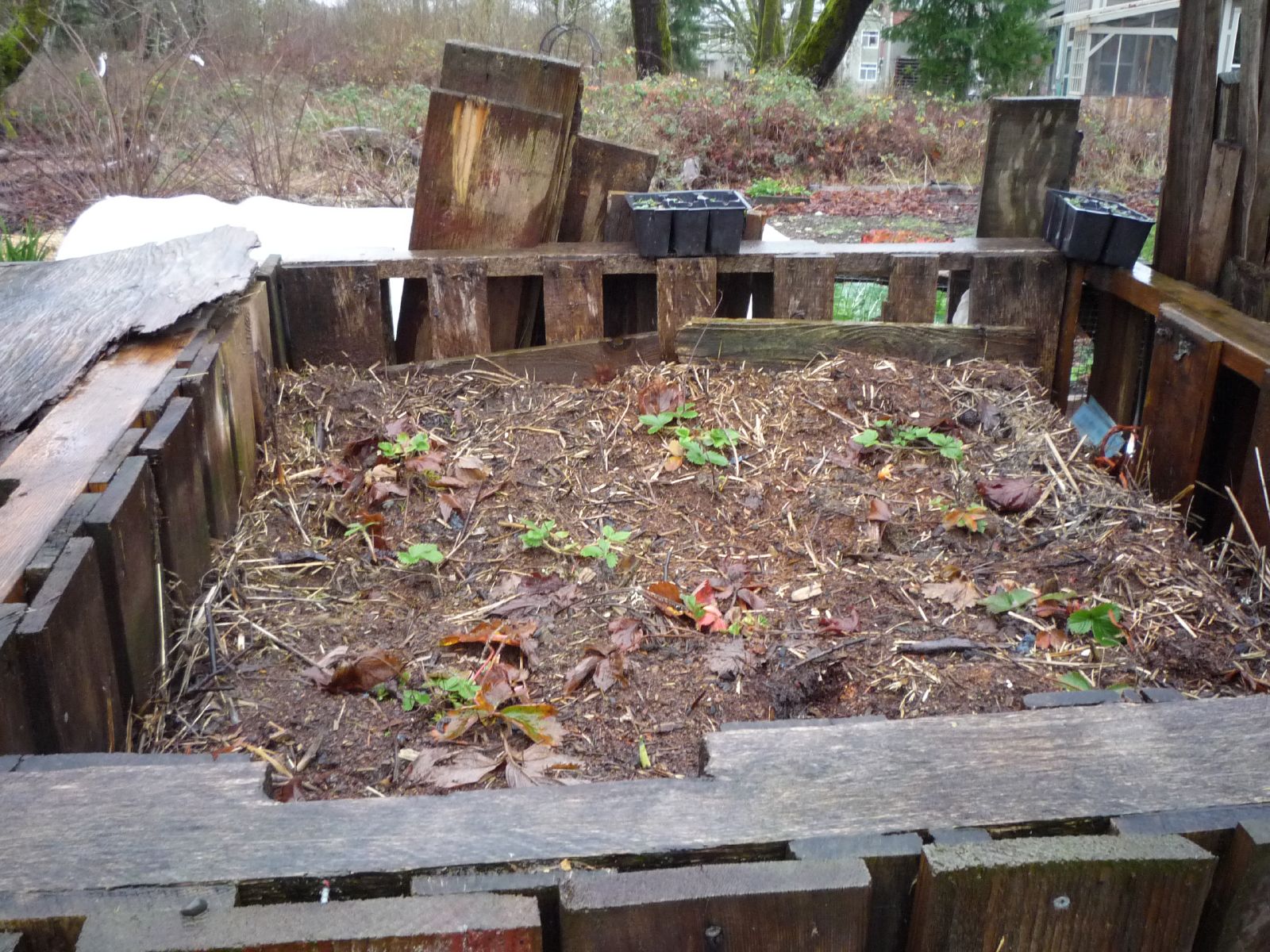
Composting in the US gained popularity in the 1960s and 1970s, as the environmental movement took hold. The rise of synthetic fertilizers and growing concerns about their environmental impact pushed people toward more sustainable alternatives, including composting. This shift was not just philosophical. It was physical. People needed containers to collect kitchen scraps, and those containers had to fit inside the home.
Earth Day, which was first celebrated in 1970, played a significant role in the history of composting, acting as a cultural catalyst that sent ordinary households scrambling for practical tools to live a little more responsibly. The kitchen compost bin was one of the most visible results of that energy.
The First Compost Ordinances and Their Influence on Design
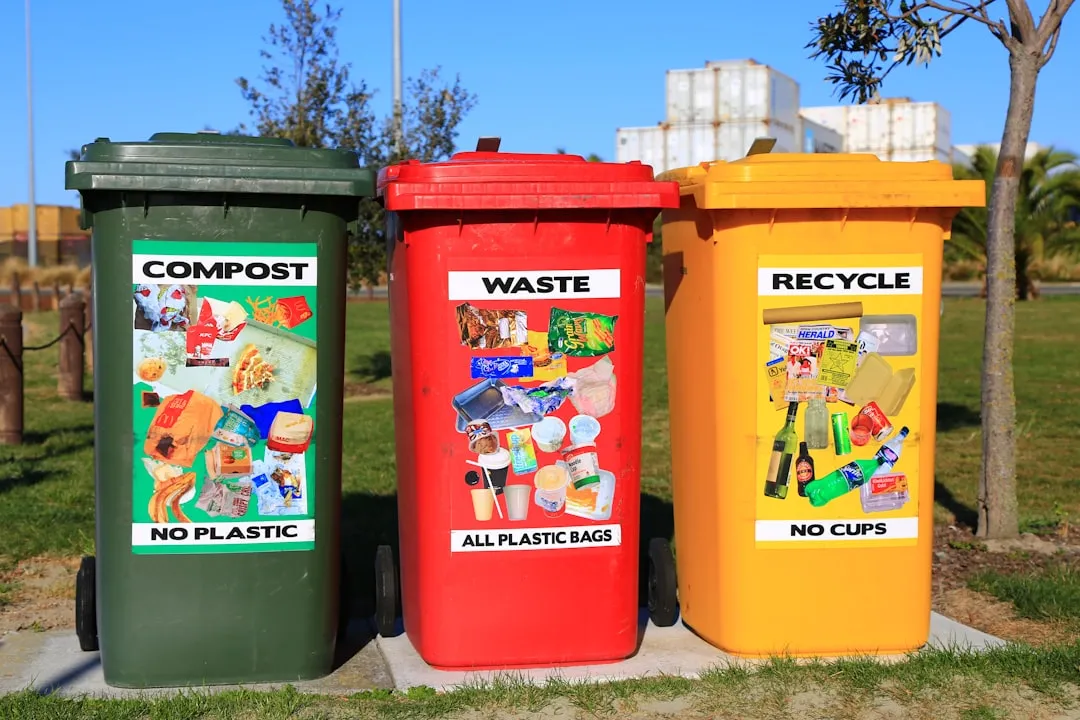
The 1970s saw the introduction of the first compost ordinances in the United States, designed to encourage the development of composting facilities and regulate compost use. By the end of the decade, the US had over 500 composting facilities. That institutional momentum pushed household composting into legitimacy, and with it came demand for better designed domestic bins.
Composting was another form of recycling that first gained popularity in the 1970s. Roughly a fifth of municipal waste is organic kitchen and yard waste that can be shredded and arranged for decomposition. The result is compost, which is useful for agriculture and landscaping. Designers of the era responded to this new routine need with simple, honest forms built from steel and enamel.
The Iconic Ribbed Tin Pail Form
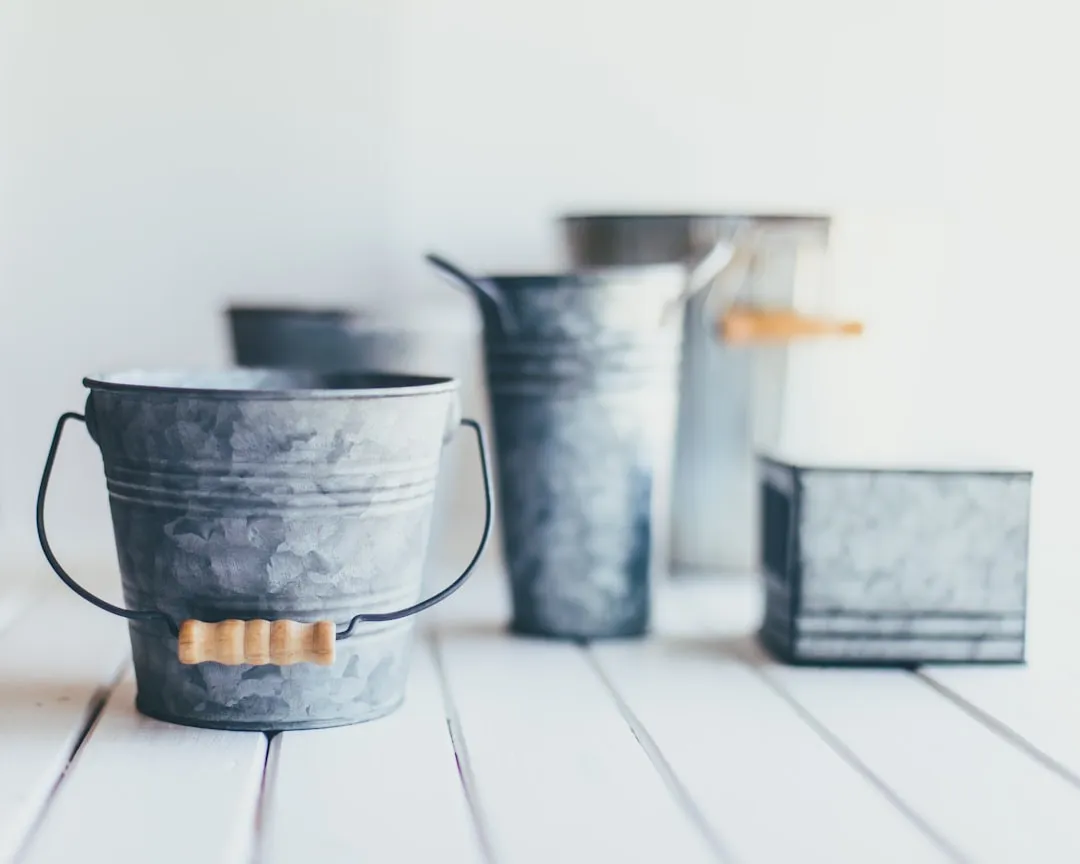
The most sought-after 1970s compost bin design today is rooted in the shape of the traditional tin ash bucket: vertical ribbing, a solid lid, and a swing handle in a contrasting finish. The design draws on the vintage look of a tin ash bucket, featuring a ribbed-can body, a shiny black lid, and a convenient silver swing handle, with the whole structure made from powder-coated steel that resists rust.
These details sound simple, but they represent a very deliberate design language. The ribbing added structural rigidity to thin-gauge steel without extra material cost, and the swing handle made single-handed carrying practical when your other hand was holding a handful of vegetable peels. That logic is exactly what collectors now appreciate: good form following real function.
Steel, Enamel, and the Materials That Lasted
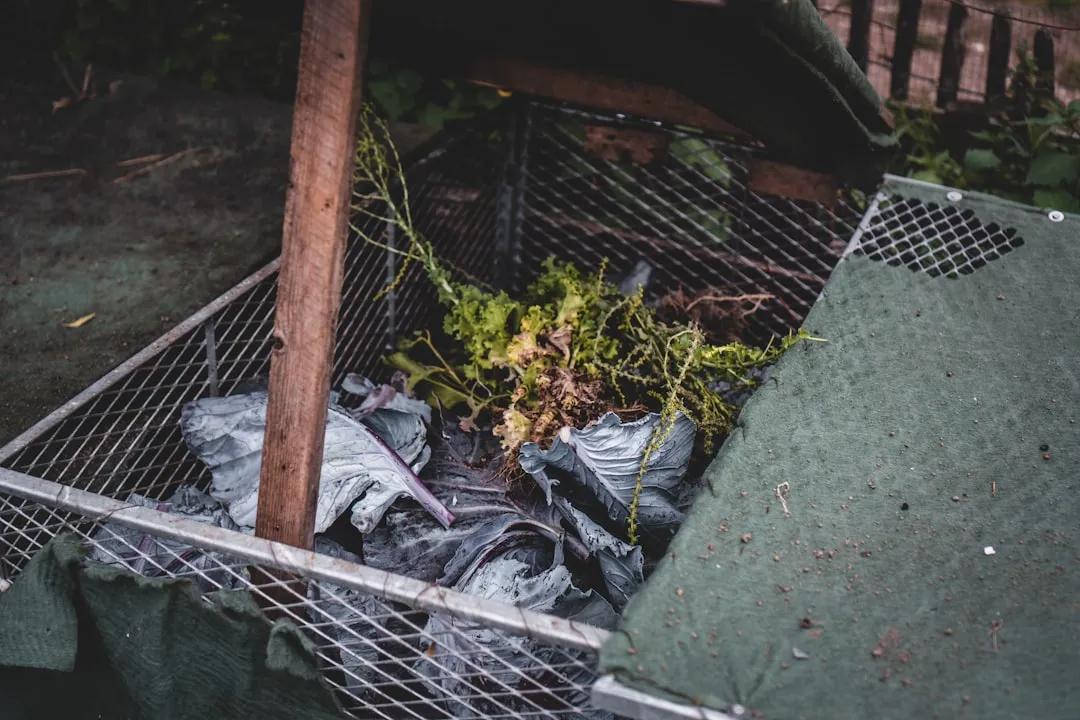
Part of what makes the 1970s bins so appealing to today’s collector is their material honesty. The composter was built according to a design philosophy of looking elegant while being made of robust steel and remaining genuinely useful. Plastics were just becoming cheaper and more common in that decade, but the better-made compost bins stuck with steel and powder coating.
Antiques often carry historical value, attracting collectors interested in specific time periods or cultural artifacts. Unique craftsmanship and design from past eras appeal to those looking to incorporate vintage elements into modern décor. A steel compost bin from the early 1970s, still intact and showing its original color, fits this profile precisely.
The Charcoal Filter: A Detail Ahead of Its Time
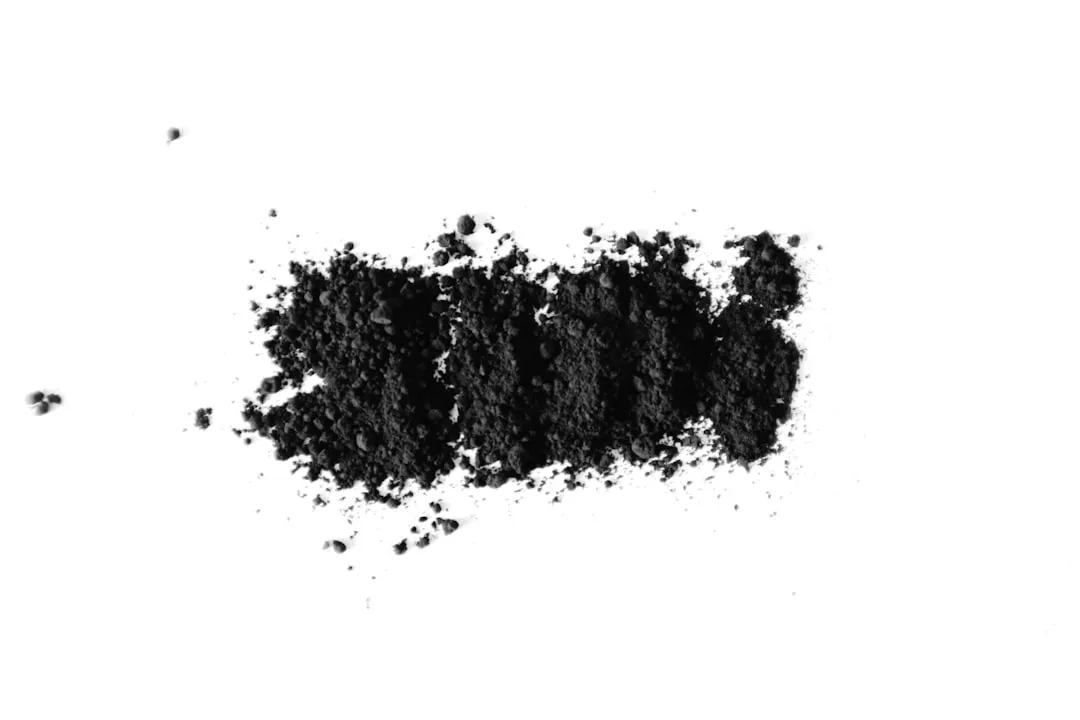
One feature that distinguishes the more sophisticated 1970s kitchen compost containers from their predecessors is the integrated odor filter. A replaceable activated carbon filter in the lid controls odors, while a convenient carry handle makes it easy to tote organic scraps outside to add to a compost pile. This was not a casual design decision. It reflected genuine concern for indoor air quality and daily usability.
Charcoal-activated filters absorb odors, with the filter typically needing replacement every three to six months. Collectors who find original examples with intact or period-correct filters consider those pieces especially complete. It is a small detail, but it marks the difference between a utilitarian bin and a thoughtfully designed kitchen object.
Why Collectors Are Drawn to These Pieces Now
The global collectibles market has been driven in part by growing consumer interest in nostalgia and pop culture, increased disposable income among millennials and Gen Z, and the rise of digital platforms and marketplaces that simplify trading and authentication. The 1970s kitchen compost bin sits at the intersection of nostalgia and sustainability, two things that younger collectors care about simultaneously.
A 2024 survey indicated that nearly all Gen Z and millennials expressed interest in collectibles, compared with roughly half of Baby Boomers. Many of those younger collectors are specifically drawn to objects that represent an earlier, more hands-on approach to sustainability. The 1970s compost bin is a direct artifact of that impulse.
The Vintage Market for Domestic Kitchen Objects

The global antiques and collectibles market was estimated at approximately USD 238 billion in 2024, and within that broader market, functional domestic objects from the postwar and environmental-movement eras have been gaining ground. The antiques segment generated significant revenue in 2024, with antiques often carrying historical value that attracts collectors interested in specific time periods or cultural artifacts.
Online marketplaces and auction platforms have broadened access, attracting a global collector base and driving higher participation rates. Platforms like Etsy now host dozens of listings for vintage compost containers, and the better-preserved examples from the 1970s command noticeably higher prices than newer reproductions.
Reproductions Versus the Real Thing
![Reproductions Versus the Real Thing (EraPhernalia Vintage . . . [''playin' hook-y''] ;o, Flickr, CC BY-SA 2.0)](https://nvmwebsites-budwg5g9avh3epea.z03.azurefd.net/thegardenmagazine/619cde729c1ed2ba5098363e09575d56.webp)
The growing demand for the 1970s aesthetic has not gone unnoticed by manufacturers. Modern reproductions aim for the vintage look of a tin ash bucket, featuring a cream ribbed-can design, a shiny black lid, and a convenient silver swing handle, with the whole form rendered in powder-coated stainless steel. These new versions are well-made and functional, but they are not what collectors mean when they talk about originals.
Well-documented history and ownership of an antique can significantly increase its value and desirability. A genuine 1970s bin with its original finish, original hardware, and a clear provenance from that decade carries a different cultural weight than a reproduction built last year to the same specification. Collectors make that distinction clearly.
The Rodale Connection and the Cultural Roots of the Object
J.I. Rodale, a noted pioneer in the development of organic farming, was one of the first to see the hazards of relying on synthetic fertilizers and the benefits of using compost derived from natural sources. His influence, and the wider influence of the organic farming community, helped shape the culture that produced the 1970s home composting bin as a household standard.
Environmental movements in the 1960s and 1970s helped increase public interest in composting and soil health. Concerns about pollution, landfill growth, and long-term soil degradation encouraged renewed attention toward organic matter recycling and sustainable agriculture. The humble steel bin on the kitchen counter was a physical commitment to those ideas, which is part of what gives it meaning today.
What Makes a 1970s Compost Bin Worth Collecting
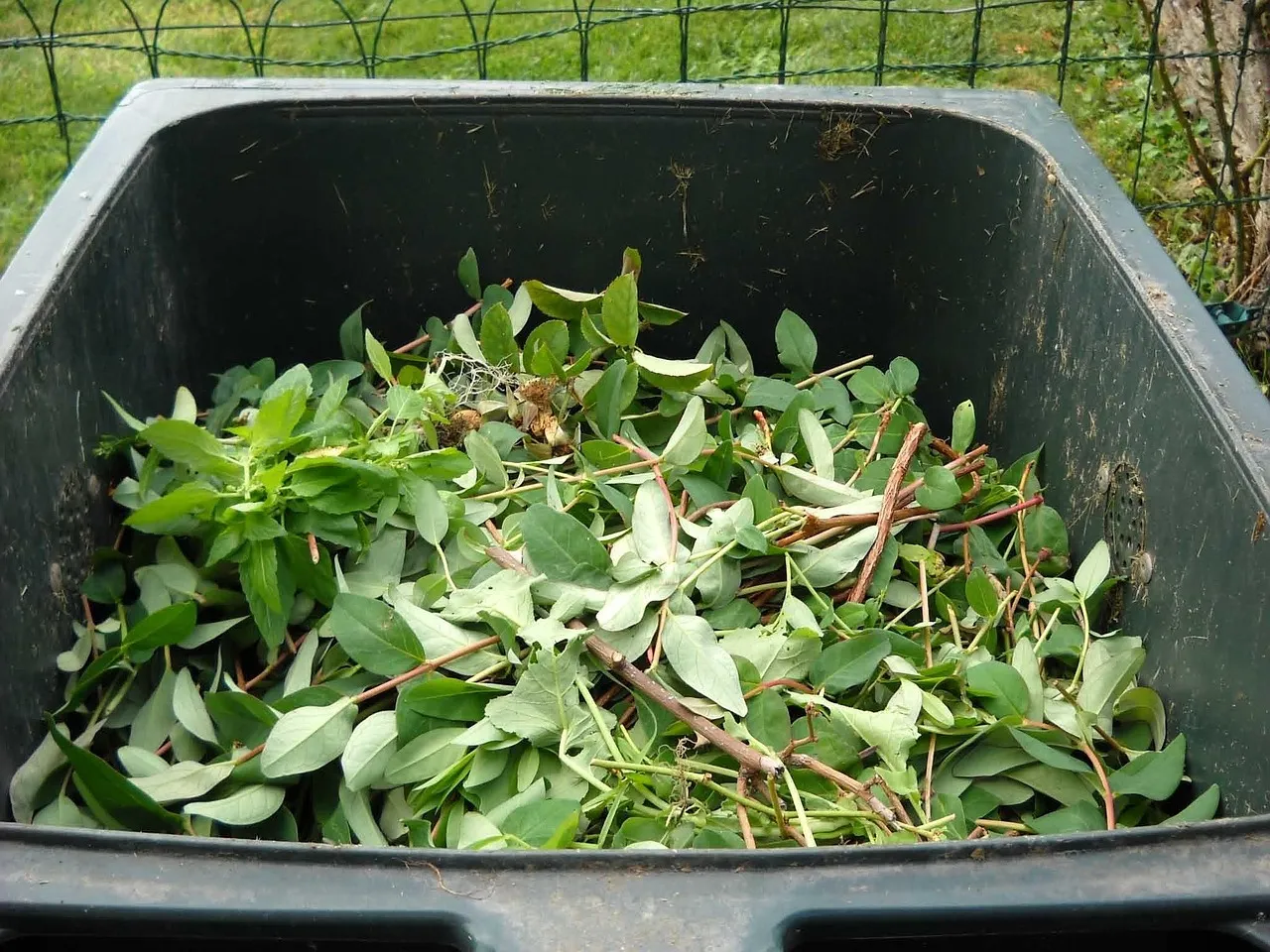
Condition matters most. Original paint, readable markings, an intact lid, and working hardware are the first things knowledgeable buyers look for. Features like a stainless steel handle, a retro look with block lettering, and a solid lid in a contrasting color are the identifying details that confirm a piece belongs to the right era and production tradition. Bins with the word “COMPOST” in original period typography are particularly prized.
Key growth drivers in the collectibles space include increasing disposable income, a rising trend in alternative investments, and the expansion of online marketplaces that simplify global buying and selling. For the niche category of vintage kitchen sustainability objects, this translates into a slowly tightening supply of genuine pieces and a steadily growing audience willing to pay for them.
The Quiet Staying Power of a Good Design
The 1970s compost bin was never meant to be beautiful. It was meant to work: collect scraps, contain odors, survive daily handling, and last long enough to make composting a real habit rather than a short-lived resolution. That it succeeded on all those counts is precisely why it is still around, and why the best examples now belong in curated collections rather than under kitchen sinks.
There is a certain satisfaction in that outcome. The emergence of environmental movements in the 1960s and 1970s spurred renewed interest in composting as a sustainable waste management practice. The bins designed to serve that movement are now evidence of it, modest steel containers holding fifty years of cultural intent. That is not a bad reason to want one on your shelf.
AI Disclaimer: This article was created with the assistance of AI tools and reviewed by a human editor.