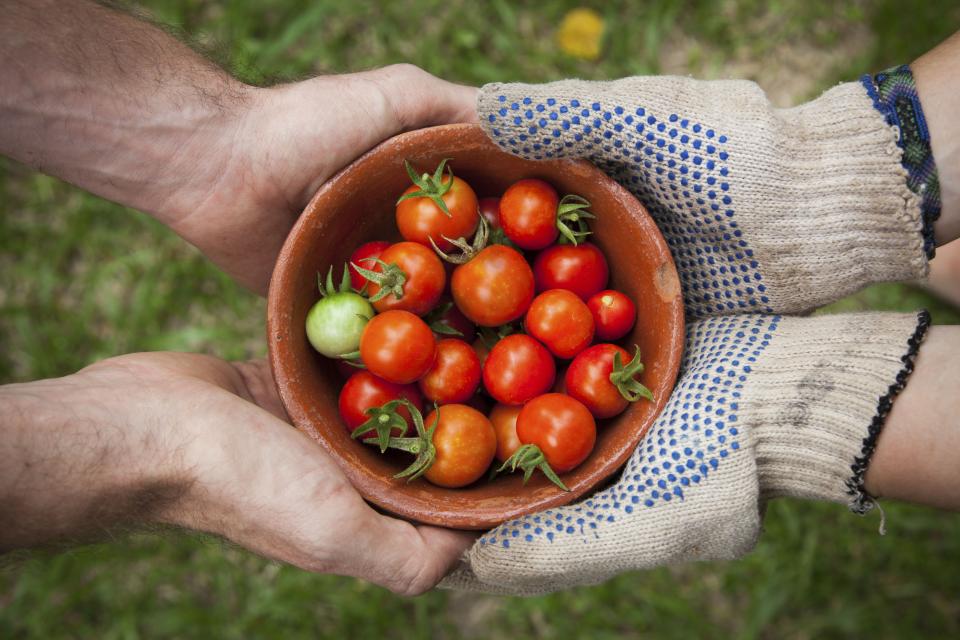

There’s a reason homegrown tomatoes taste nothing like the ones from the grocery store, and it isn’t just the variety or the sunshine. What you plant around your tomatoes matters more than most gardeners realize. The soil beneath your feet, the insects in the air, and the invisible chemical signals drifting between plant stems all play a role in how a tomato develops its sugar, acid, and depth of flavor.
Companion planting, the practice of growing specific plants in close proximity to benefit one another, has been used for centuries. Today, science is beginning to catch up with what experienced growers have long observed. The combinations explored here are grounded in research, not garden folklore.
Why Companion Planting Works: The Science Behind Plant Partnerships
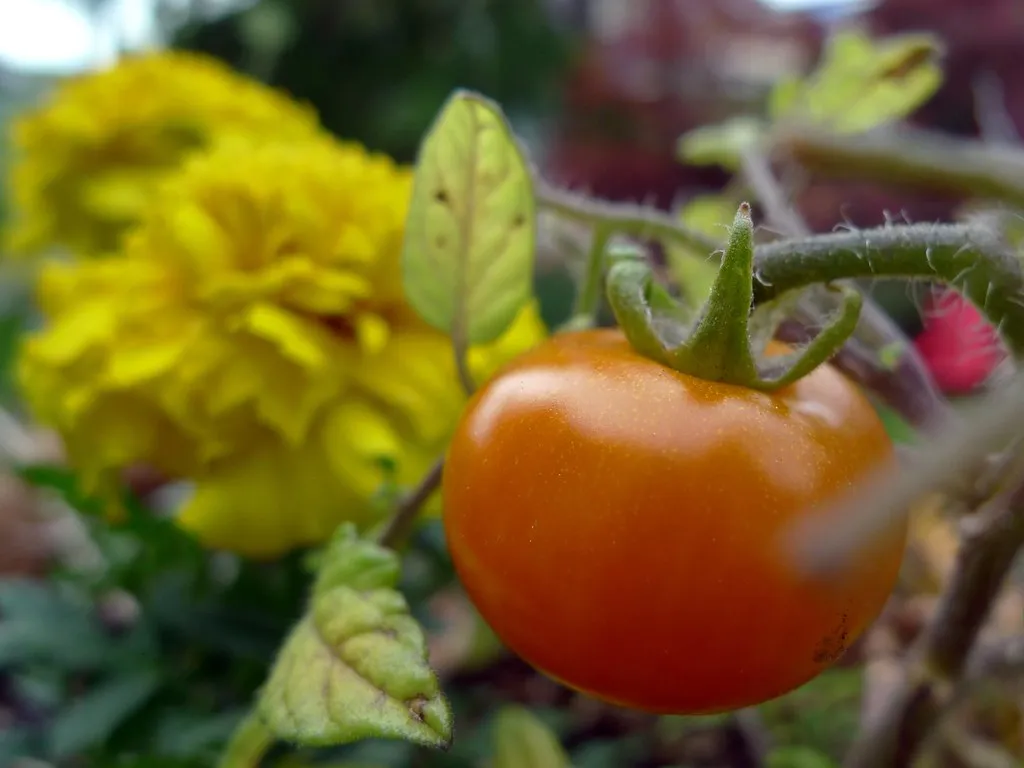
Companion planting involves growing two or more different plant species close together to benefit each other. Some plants help with pest control, others enrich the soil, and some even enhance the taste or growth rate of nearby plants. The mechanisms are real and increasingly well-documented.
Companion planting is the practice of growing plants in close proximity so they can benefit from each other. Sometimes these beneficial relationships involve deterring pests, while other times they may enhance plant growth or vegetable production, attract beneficial insects and pollinators, or prevent disease.
Companion planting works best when you focus on a few validated combinations rather than trying to implement every recommendation you find online. The science supports specific pairings through pest deterrence, volatile signaling, and beneficial insect attraction, not through vague associations between plants.
Basil and Tomatoes: The Most Research-Backed Pairing
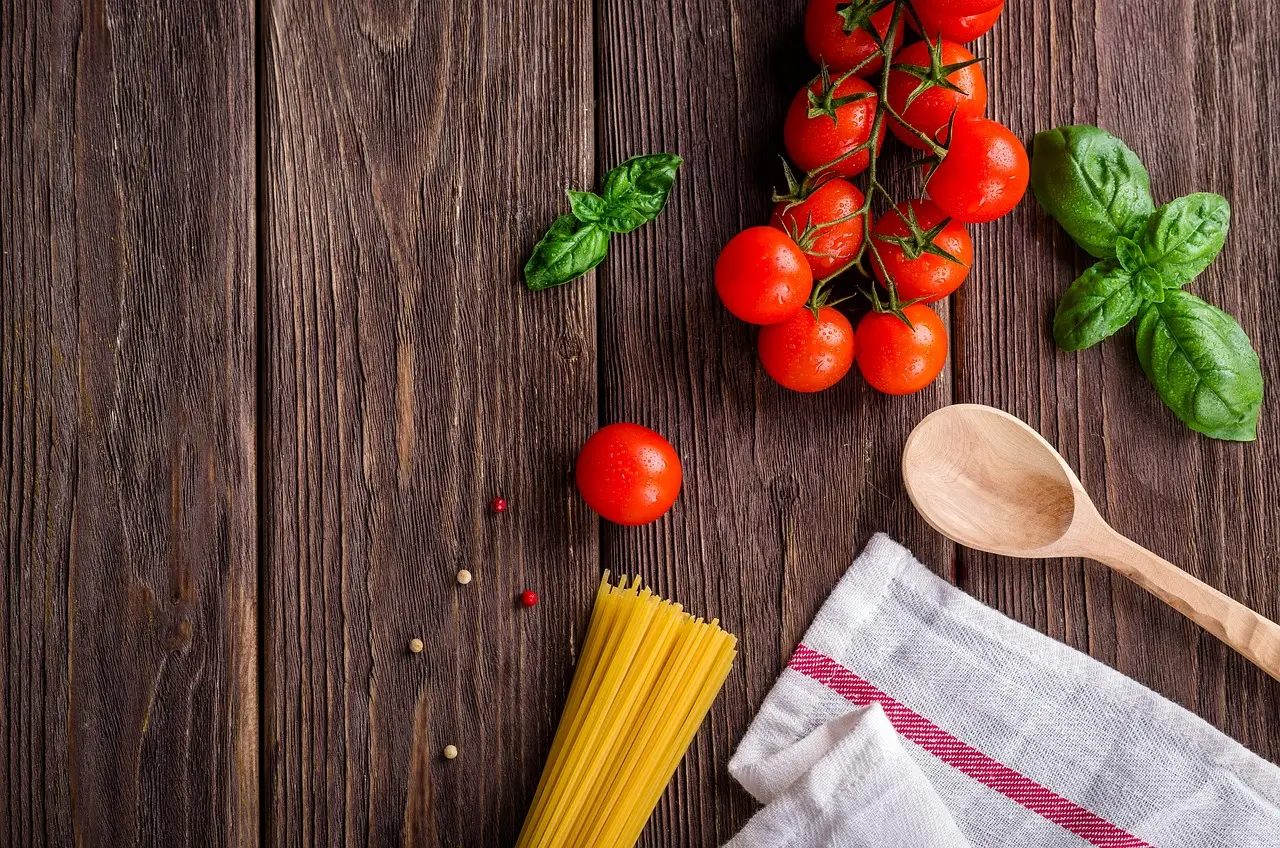
Basil is the single most research-backed tomato companion. A peer-reviewed study published in PMC in 2024 found that volatiles released from basil leaves prime tomato plants to respond more rapidly to pest attack by boosting the expression of wound-response genes, specifically the Pin2 gene that produces protease inhibitors against chewing insects.
Basil emits a continuous stream of volatile organic compounds that actively change the chemistry of neighboring plants. A 2024 study from Kagoshima University, published in Plant Cell Reports, identified three basil compounds – linalool, chavicol, and α-terpineol – that prime the tomato wound-response gene Pin2, triggering reactive oxygen species production up to three times higher than in unprimed control plants.
The preliminary findings of a 2024 study showed that planting basil significantly increased the symbiosis of mycorrhizal fungi in tomato plant roots. This underground relationship is thought to play a role in overall plant health and fruit development. Mixed planting with basil substantially increases the symbiosis of mycorrhizal fungi in tomato plant roots, and several studies have revealed that mycorrhizal fungi can prime disease resistance in plants.
The Honest Truth About Flavor: What Research Actually Shows
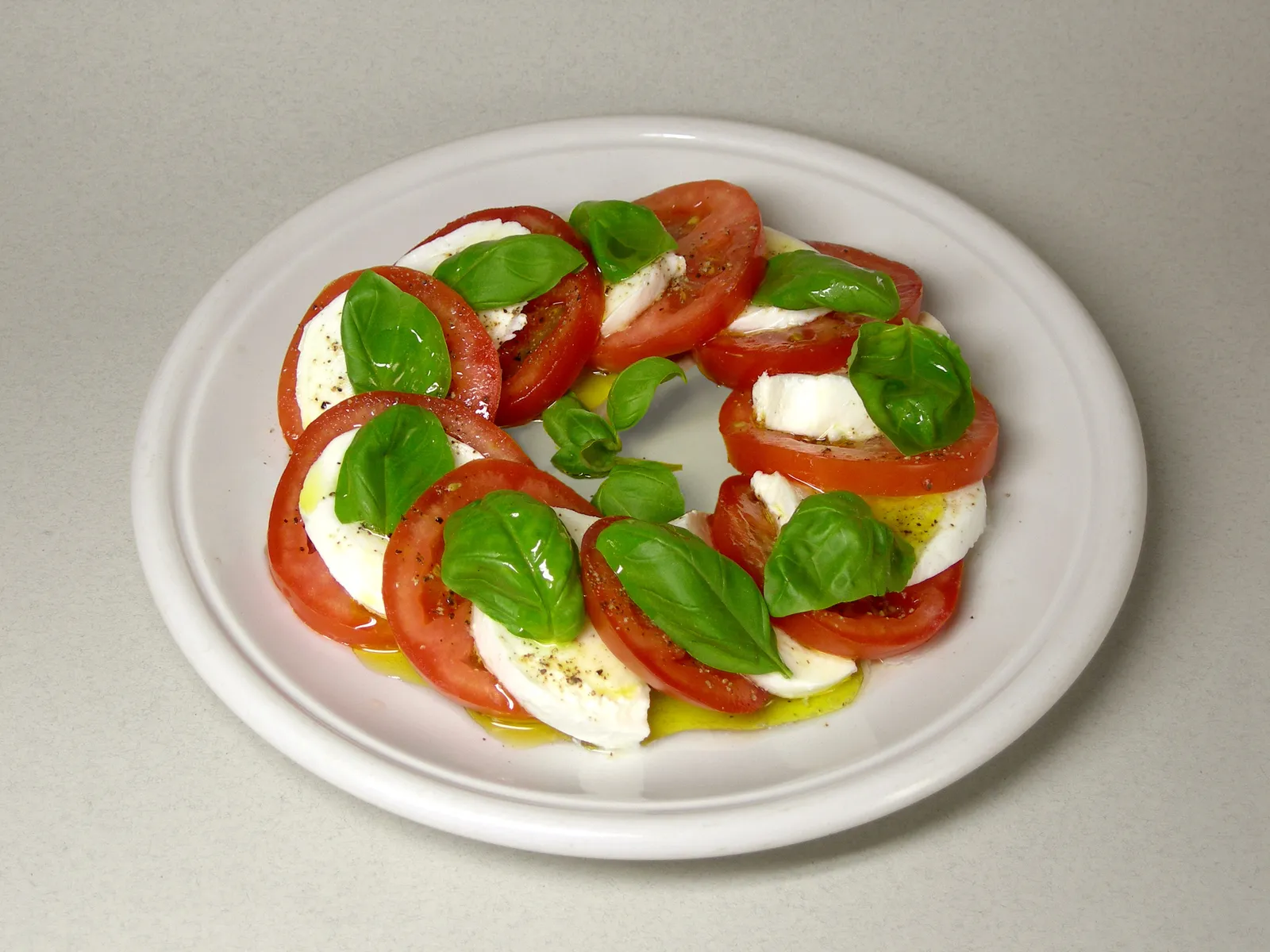
The claim that basil “doubles” tomato flavor is widespread in gardening circles, but the evidence requires careful reading. A West Virginia University study found no consistent flavor preference in double-blind taste tests. Basil definitely improves tomato plant health and yield, though whether it improves flavor is harder to prove.
Tomato flavor is determined by genetics, ripening conditions, water stress in the final weeks before harvest, and soil mineral content. A basil plant growing a couple of feet away is not influencing any of those variables directly. That’s a grounded point worth keeping in mind before attributing every flavor improvement to a single companion.
However, the indirect pathway is real. Research indicates that allelopathic chemicals released by basil can suppress pest attraction and influence microbial activity, and increased essential oil concentration suggests enhanced flavor compounds, which may explain the widely reported taste improvement. Healthier plants, under less pest pressure, simply do a better job of developing their natural sugars and acids.
How Basil Signals Tomatoes Through the Air
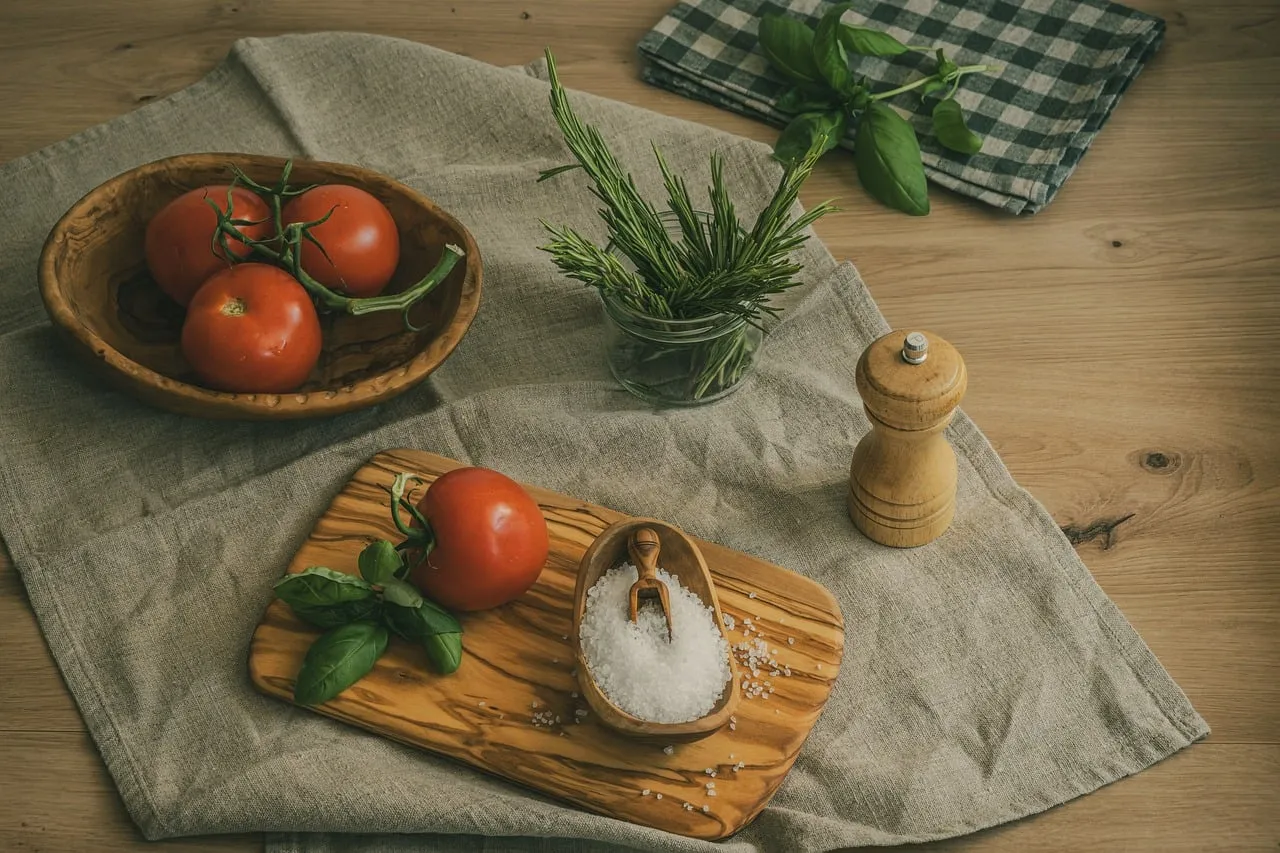
Volatile compounds released from basil prime the tomato wound response by promoting jasmonic acid, mitogen-activated protein kinase, and reactive oxygen species signaling. This is not a slow or subtle process. It occurs at the molecular level and changes how the tomato plant allocates its energy.
Recent studies show that basil releases volatile compounds that prime a tomato plant’s defense mechanisms. If a tomato plant is attacked and damaged by pests or disease, one growing alongside basil will react more quickly and robustly than one that isn’t. A plant spending less energy fighting off pest damage can direct more resources toward fruit development.
Although researchers initially focused on volatile compounds released from aboveground plant parts to explore the scientific basis of companion planting, belowground interactions may also be involved in the enhancement of stress responses. The full picture of how basil supports tomatoes is still being mapped, and newer findings continue to add layers to the story.
French Marigolds: The Underground Defenders
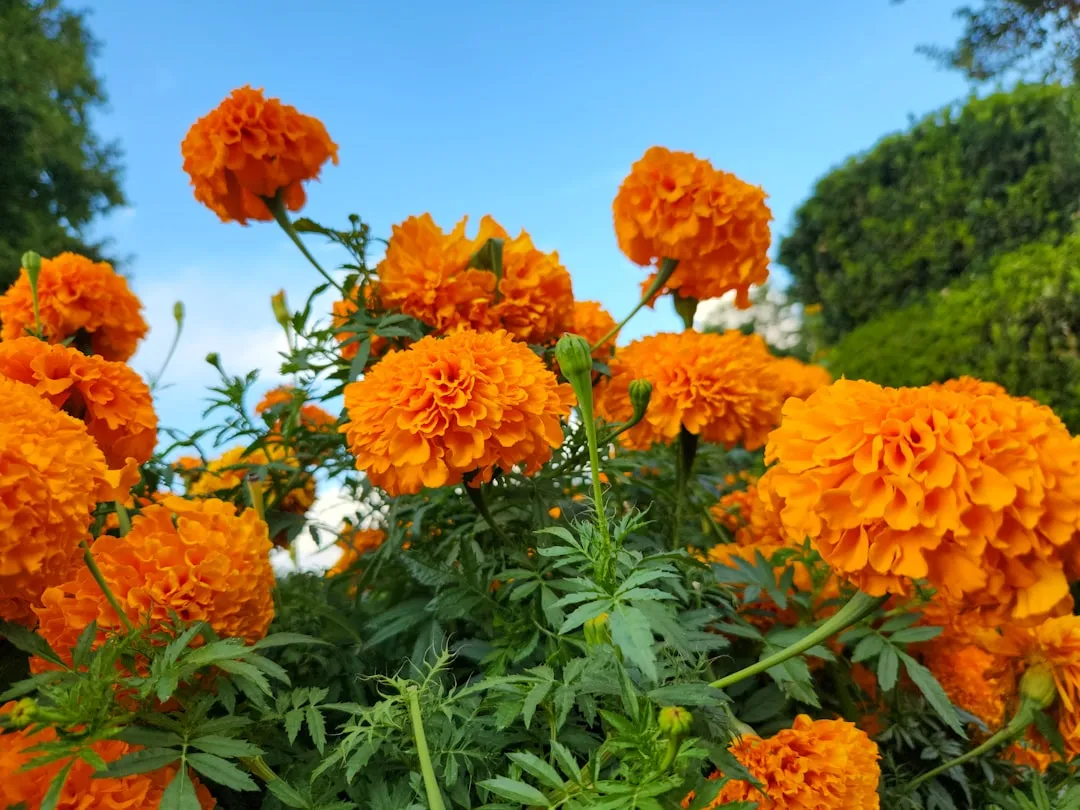
Marigolds (Tagetes patula) are the second essential tomato companion, and for a specific reason: their roots produce alpha-terthienyl, a compound that kills root-knot nematodes in the soil. Research from the University of Hawai’i demonstrated that French marigolds suppressed approximately half of root-knot nematode populations when planted immediately after a nematode-susceptible crop. The cultivar ‘Single Gold’ has been shown to suppress multiple nematode genera.
Tomato yields after marigold were roughly fifty percent higher than after fallow. Marigold Single Gold consistently reduced nematode infestation and galling of tomato roots. These aren’t marginal improvements. A root system free of nematode damage feeds the plant far more efficiently.
Chemical parameters of tomato fruit quality, including antioxidants content, were positively affected by the intercrop systems in most cases. All tested companion plants suppressed to some extent the development of root-knot nematodes, with white mustard and marigold being the most promising, with marigold showing nearly forty-seven percent effectiveness against root-knot nematode invasion.
Getting the Spacing Right: Distance Matters More Than You Think
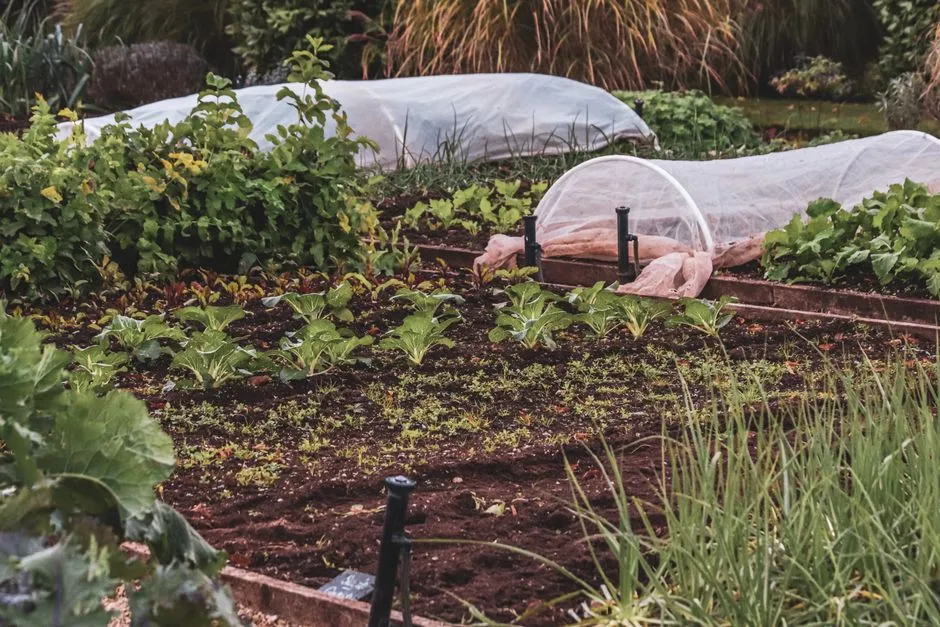
Position basil plants throughout the bed, not in a corner, to keep companions within the 100 cm effective VOC range. Volatile organic compounds dissipate over distance, so tucking basil to one end of a long bed defeats the purpose entirely.
Position basil throughout the bed, one plant per four to six feet of row, rather than treating it as a border or corner ornament. For marigolds, this synergy works only with specific marigold species, at proper spacing of one to two feet between marigold plants and six to twelve inches from tomato stems, and when marigolds are established before or concurrently with tomato transplanting, not added mid-season.
Garden-scale intercropping can offer advantages over monoculture, but these are not achieved simply by combining certain compatible companion species. Crop density, ratio, and relative planting times all affect the way companion species interact with one another and their environment.
What to Avoid: Plants That Hurt More Than They Help
Dill attracts beneficial insects like ladybugs and parasitic wasps, but mature dill can inhibit tomato growth and it also attracts tomato hornworms. Plant it, but harvest it young or keep it at the bed’s edge. Good intentions don’t always translate to good outcomes in a mixed bed.
A common misconception is that any herb can be planted freely with tomatoes. In reality, some herbs like mint or fennel can actually inhibit tomato growth. Mint, in particular, spreads aggressively and competes for the same soil resources your tomatoes need most.
Avoid African marigolds (Tagetes erecta) for nematode suppression, and never substitute calendula (“pot marigold”), which lacks the bioactive thiophenes essential for soil-borne pest control. The species you choose matters just as much as the decision to plant marigolds at all.
The Role of Soil Microbiology in Tomato Flavor Development
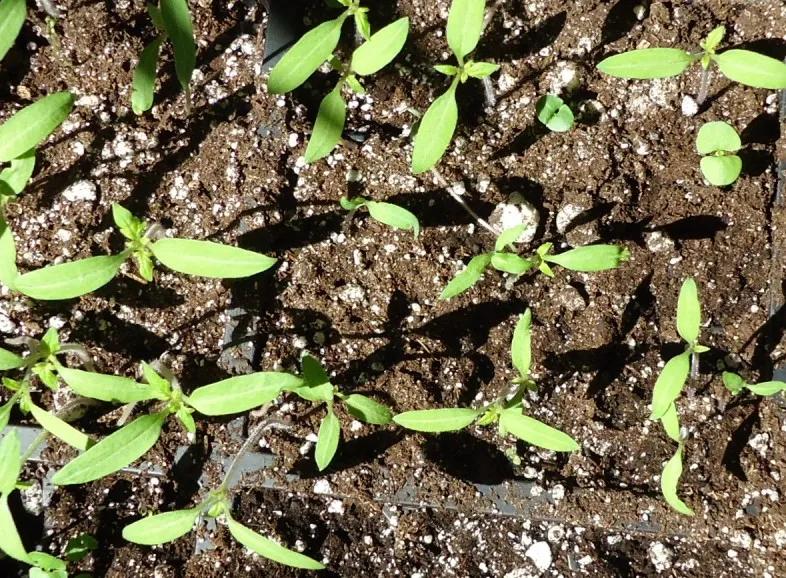
The utilization of nitrogen fertilizer in excess over an extended period in facility cultivation has been demonstrated to engender a decline in tomato yield and quality, becoming a bottleneck issue that restricts production. Companion planting offers a way to reduce that dependence without sacrificing productivity.
Both tomatoes and basil respond well to balanced organic fertilizers. However, excessive nitrogen can reduce basil’s essential oil content and aroma. Use compost or slow-release fertilizers instead of high-nitrogen blends. The chemistry of your soil sets the ceiling for what companion planting can achieve.
The roots of marigolds release substances that help cleanse the soil of harmful nematodes and other pests, promoting a healthier environment for tomato plants. A cleaner, more biologically active soil is ultimately what allows tomatoes to pull more complex nutrients during fruit set, which is when flavor compounds are built.
Borage, Parsley, and the Supporting Cast
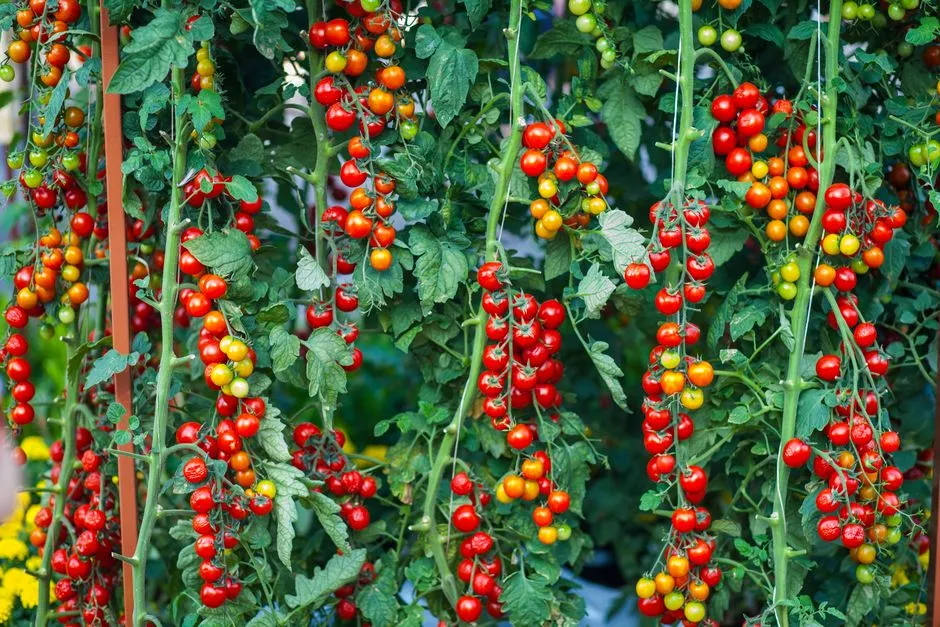
Borage improves growth and flavor and repels tomato hornworms. It also draws in pollinators with its striking blue flowers, which matters more than gardeners often acknowledge. Pollination quality directly influences fruit set and the density of seeds, which in turn affects how sugars distribute through the fruit.
Parsley, when planted near tomatoes, can enhance their flavor, making them taste even better. It also provides excellent ground cover, helping to retain soil moisture and reduce the need for frequent watering. Consistent moisture during fruiting is one of the most reliably documented factors in tomato flavor quality.
Anything in the mint family improves the health and flavor of the tomato. This includes mint, lemon balm, and oregano. That said, mint should always be container-grown nearby rather than planted directly in the bed, given how readily it takes over.
Building the Ideal Tomato Companion Bed
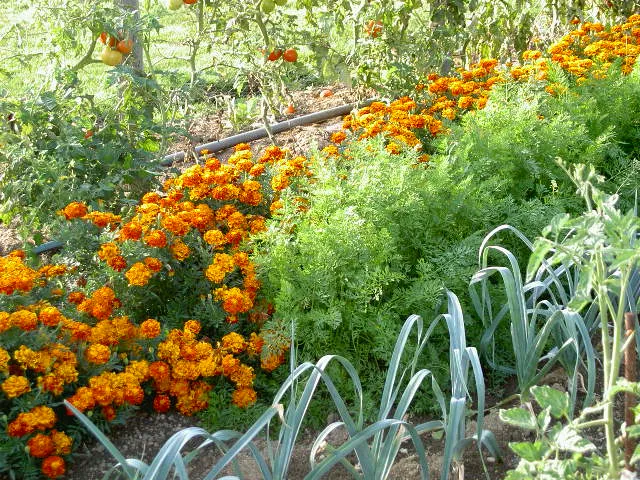
The yield, flavor, and pest resistance of tomatoes can be improved by planting them alongside a variety of herbs, flowers, and vegetables. The key is building a layered system rather than relying on just one companion. Basil handles airborne signaling. Marigolds handle soil-borne threats. Borage handles pollination. Each one fills a gap the others leave open.
A reputable study found that companion planting tomatoes with marigolds can help reduce humidity and related diseases, including early tomato blight. To reap the rewards, plant marigolds around the base of your tomato plants wherever you have a bit of free space, between plants or around the borders of the bed.
At the end of the season, be sure to cut the marigold plants out instead of pulling them and leave the roots in the soil. The nematode-suppressing compounds continue to release as the roots decompose, which means next season’s tomatoes benefit from this season’s marigolds even before a new plant goes in the ground.
The Takeaway
Companion planting won’t transform a mediocre tomato variety into something extraordinary overnight, and the research is honest enough to say so. What it does do is stack the conditions in your favor: fewer pest-related setbacks, better soil biology, stronger plant immunity, and more consistent ripening. Flavor is the downstream result of all those things working together.
The basil and French marigold combination has the strongest evidence base for tomato growing, supported by peer-reviewed studies published through 2024 and 2025. When you add supporting companions like borage and parsley, you’re building a garden ecosystem rather than just a row of tomato cages. That shift in thinking is ultimately what makes homegrown tomatoes taste like a different fruit entirely.
AI Disclaimer: This article was created with the assistance of AI tools and reviewed by a human editor.