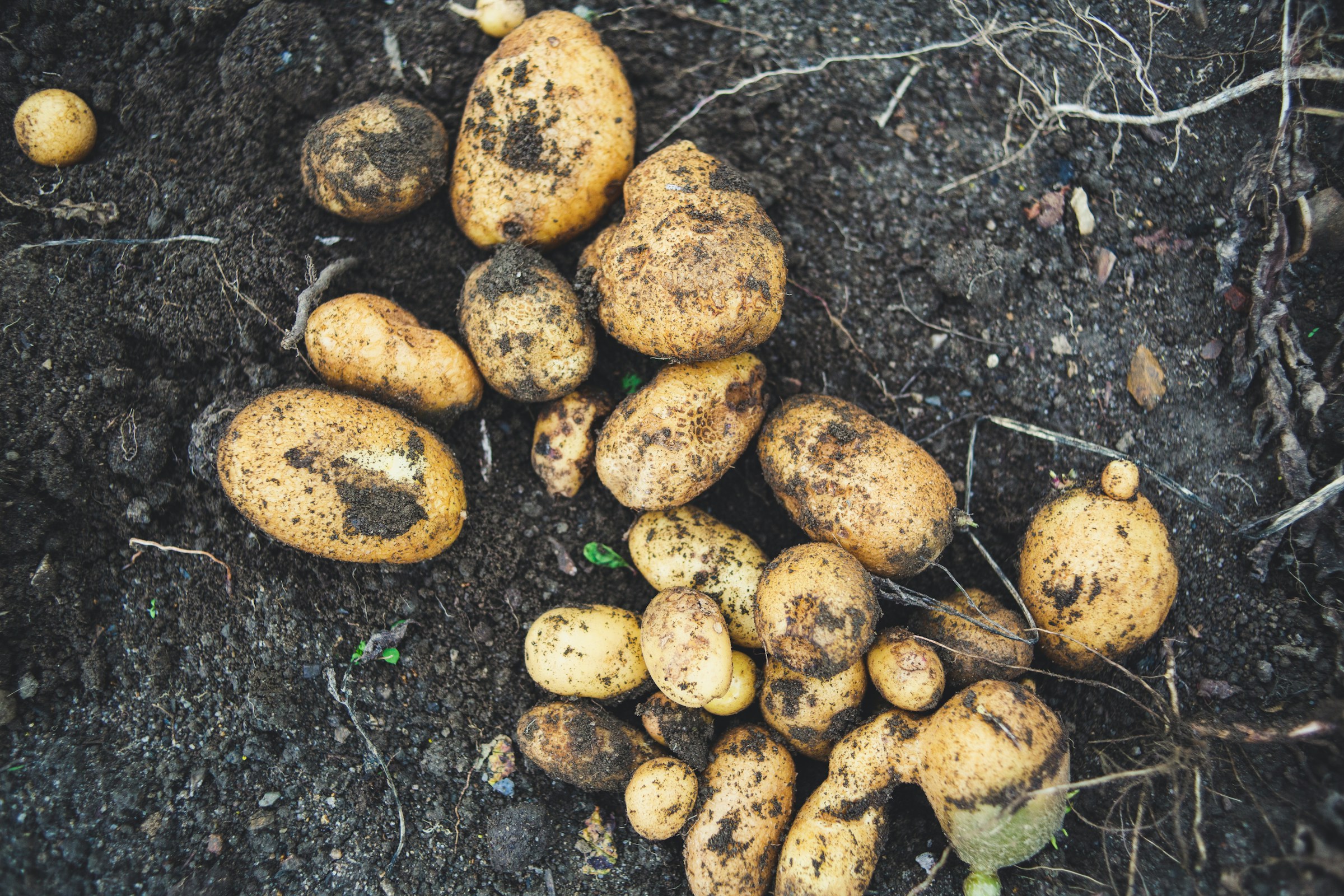

Most people who grow potatoes in their backyard feel completely confident about what ends up on their plate. It’s a potato. You’ve eaten thousands of them. What could go wrong? Quite a lot, it turns out, if you skip a few critical steps during planting, growing, or storage.
The potato is one of the most widely consumed vegetables on earth, but it carries a built-in chemical defense system that can turn genuinely dangerous under the wrong conditions. The trigger isn’t rare or exotic. It’s something as simple as sunlight, shallow soil, or leaving your harvest on a lit counter too long.
The Toxin Inside Every Potato You’ve Ever Eaten
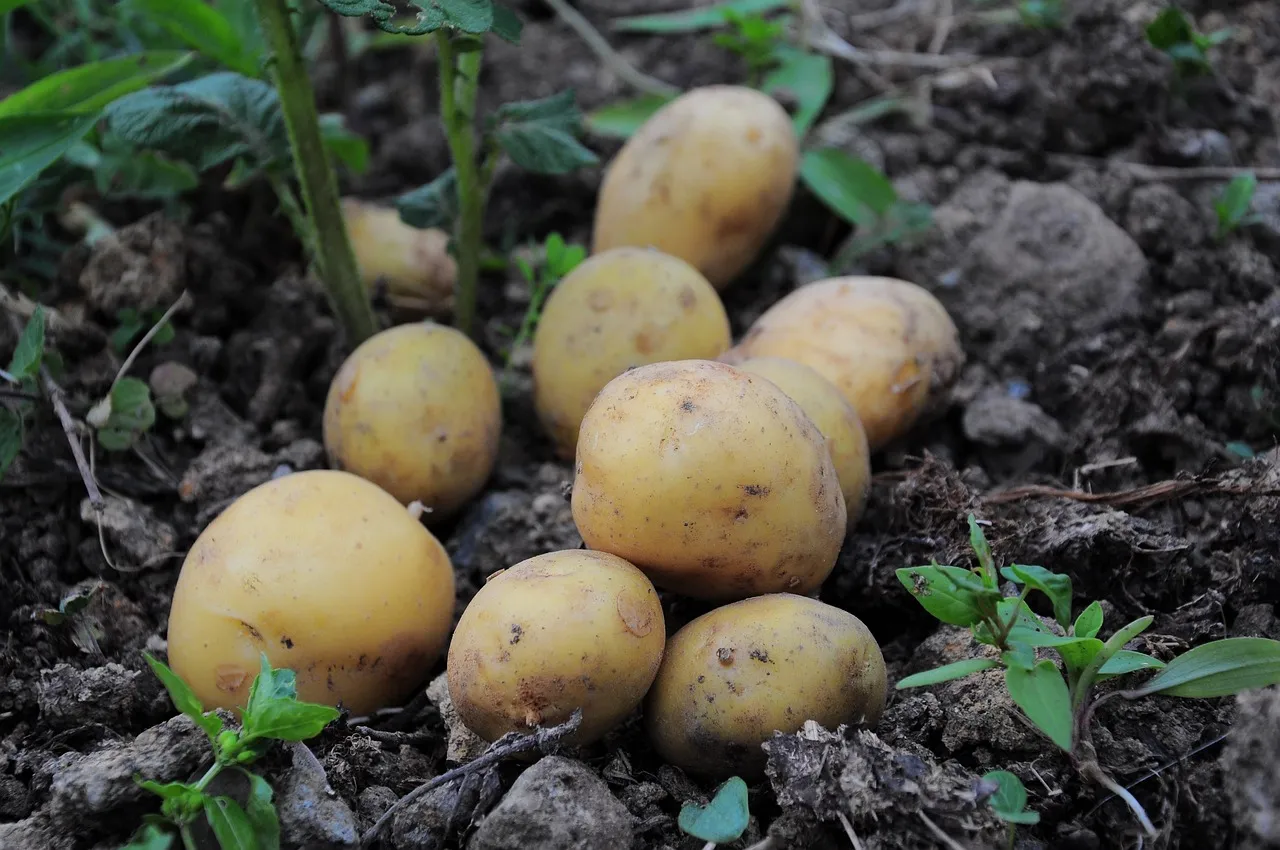
Solanine is a type of steroid alkaloid known as a glycoalkaloid, produced by plants belonging to the Solanaceae family as a defense mechanism. It is a toxic compound with fungicidal and insecticidal properties, and it can naturally occur in any part of the plant, including the leaves, fruits, and tubers.
All potatoes contain toxic compounds called glycoalkaloids, of which the most well-known is solanine. Potatoes accumulate glycoalkaloids primarily to deter pests. A safety limit of 20 mg of total glycoalkaloids per 100 g of potato was established a century ago, and most domesticated potatoes contain less than 10 mg per 100 g of glycoalkaloids in tubers. In other words, a healthy, properly grown potato stays well within a safe range by default.
What Happens When Light Reaches the Tubers

Solanine levels in potatoes vary depending on the variety, age, maturity, and storage temperature, but levels are significantly increased upon exposure to light. Light also causes chlorophyll production and the resulting development of a green skin color, so the degree of potato greening is an indirect indicator of the development of toxins such as solanine.
The normal amount of solanine in a potato’s peel means a 200-pound person would have to eat 20 pounds of potatoes to experience a toxic level, according to the University of Nebraska. However, exposure to light can increase solanine levels up to 10 times, making even 2 pounds of potatoes potentially dangerous, as a large baked potato can weigh about 1 pound.
Commercially grown potatoes are selected to have low initial concentrations of solanine, but post-harvest exposure to light can rapidly increase these levels to ten or more times the original value. Grocery store fluorescent lighting can induce potato greening in as little as 12 hours. That’s a detail worth pausing on, especially for home growers who harvest and then leave potatoes out in a bright kitchen.
Growing Mistake #1: Skipping the Hilling Process
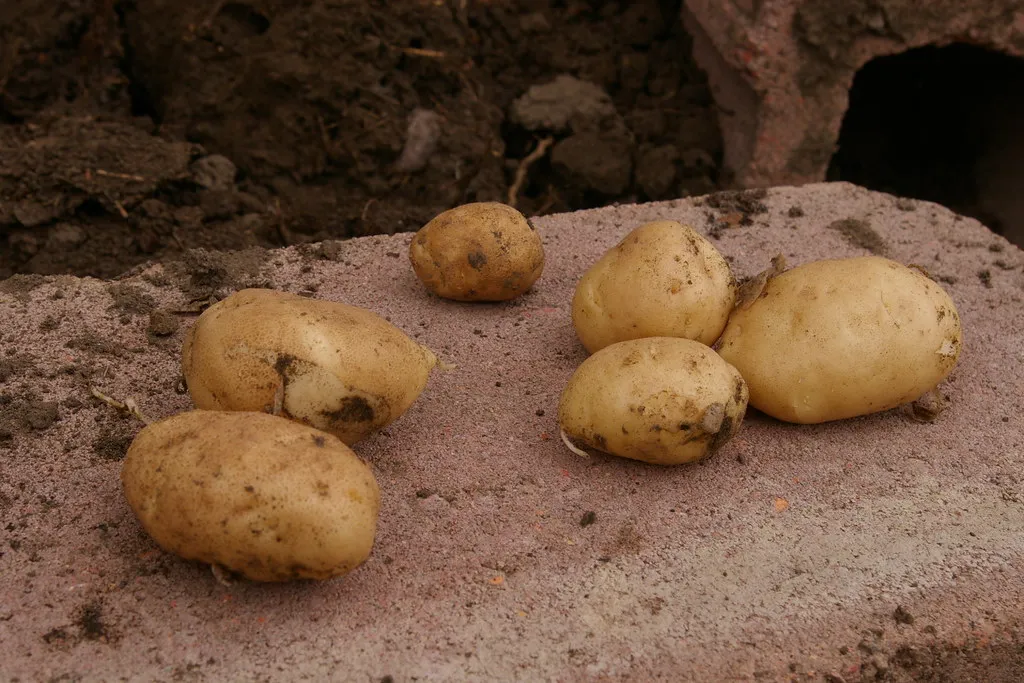
Hilling is essential for a good harvest. It involves piling additional soil up around the stems to keep sunlight from reaching the developing tubers. If exposed to light, potatoes turn green and produce a natural toxin called solanine, which should not be eaten.
Potatoes produce tubers above the point where the seed potato was planted. Without proper hilling, some of the tubers produced later in the season will grow above the surface of the soil. After exposure to sunlight, these tubers will turn green and start to produce solanine.
When your plants are about 6 to 8 inches tall, hill them by mounding soil halfway up the stems, and repeat this every three weeks or so until the plants begin to bloom. This single habit protects nearly the entire harvest.
Growing Mistake #2: Planting Too Shallow
If potatoes aren’t buried deep enough, or if soil erodes away from the tubers during the growing season, parts of them can be exposed to sunlight. Direct or indirect light exposure is the primary trigger for this transformation, and it can happen through shallow planting in the garden or improper storage in your pantry.
Exposure to light causes potatoes to turn green and develop solanine, a toxin. Always keep tubers well-covered with soil or mulch. Not hilling enough means exposed potatoes turn green and become inedible. It sounds straightforward, but it’s one of the most common oversights for first-time growers.
What Sprouted Potatoes Mean for Your Health
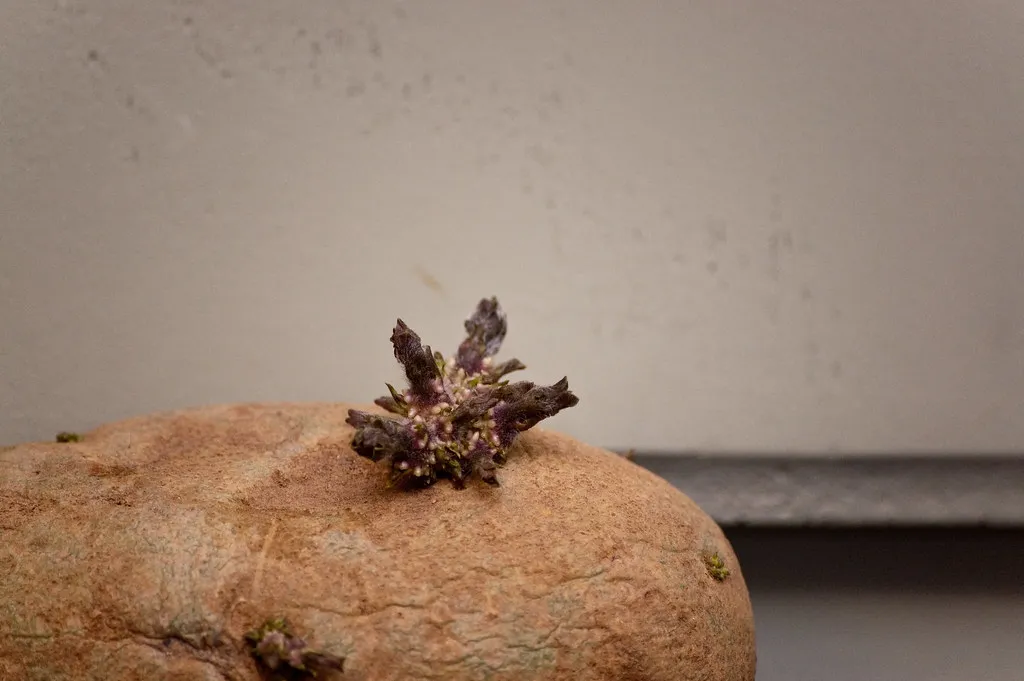
Potatoes contain glycoalkaloid compounds, namely solanine and chaconin, which function as a natural plant defense mechanism against pests and diseases. Solanine can be found in the leaves, skin, tuber flesh, and especially the shoots.
You are better off tossing potatoes that have turned green or grown sprouts. Eating them puts you at risk for toxicity from solanine and chaconine, two natural toxins found in green or sprouted potatoes. Solanine content can increase due to improper storage, harvesting of immature potatoes, or prolonged exposure to sunlight.
Research suggests that 200 to 400 mg of glycoalkaloids can cause toxic symptoms in adults, while doses of 20 to 40 mg may cause them in children. Extremely high doses of around 600 mg or more are considered potentially lethal. This means a person would need to consume a large quantity of heavily sprouted or green potatoes to reach dangerous levels.
The Symptoms of Solanine Poisoning

Solanine and chaconine can cause gastrointestinal symptoms such as vomiting, abdominal pain, and diarrhea. Some people might also experience headaches, flushing, confusion, and fever.
At lower doses, solanine causes gastrointestinal disturbances that mimic common microbial gastroenteritis and may easily be missed by a general practitioner. At higher doses, it produces severe symptoms including fever, rapid respiration, low blood pressure, and neurological disorders.
Symptoms typically appear within the first 2 to 24 hours. Research published in the Journal of Experimental and Basic Medical Sciences in 2024 concluded that solanine toxicity disrupts the digestive system, general body metabolism, and membrane integrity, and can cause birth defects. This is a particularly important note for pregnant women.
Cooking Won’t Save a Green Potato
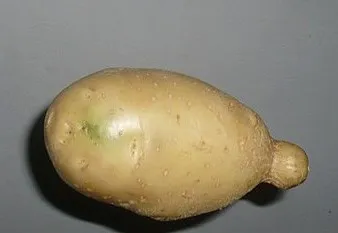
Cooking potatoes by baking, boiling, frying, and microwaving does not eliminate glycoalkaloids. This surprises many home cooks who assume heat neutralizes plant toxins the way it kills bacteria. With solanine, that logic simply doesn’t apply.
Cooking does not destroy the solanine toxin, so the green parts of potatoes should be removed entirely. The green color indicates high levels of solanine. If boiled with the tubers, the compound can spread to all parts of the potato, and therefore the shoots and green parts should not be consumed.
How Heirloom and Wild Varieties Raise the Stakes
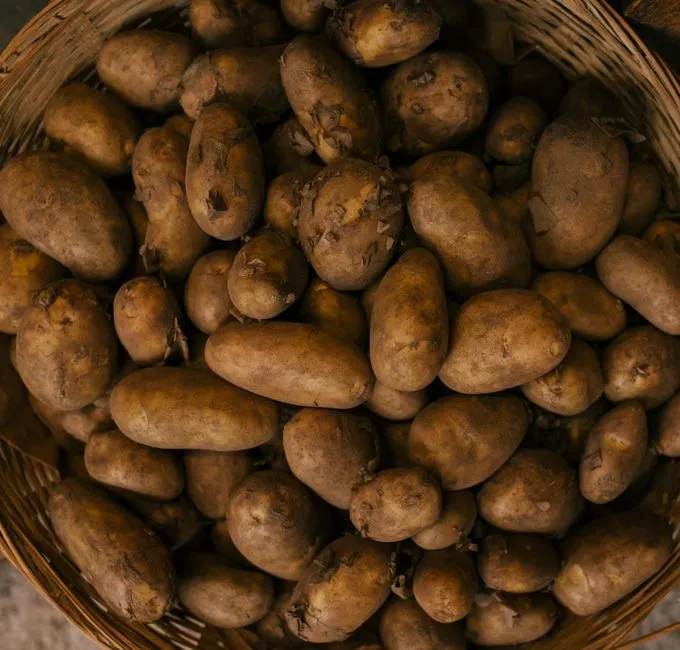
Most modern potato varieties contain less total glycoalkaloid than 10 mg per 100 g, but there are some heirloom varieties that exceed the 20 mg per 100 g safety limit. A study of Norwegian varieties found that some contained high total glycoalkaloid levels, reaching 34.5 mg per 100 g in the variety Prestkvern.
Potatoes grown from true seed will have a range of glycoalkaloid concentrations, and some may exceed the 20 mg limit, particularly if they include wild potato genetics. Home gardeners experimenting with heritage or specialty seed stock should be especially mindful of this. The variety really does matter when it comes to baseline toxin levels.
The Right Way to Store Potatoes After Harvest
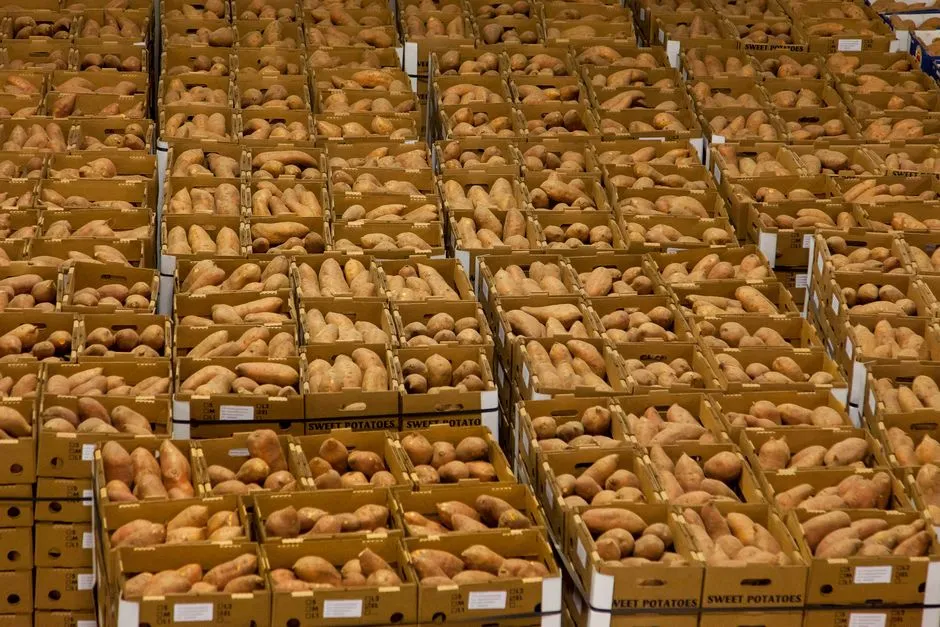
Potatoes should be stored in cool, dark environments to prevent an increase in solanine content due to environmental conditions. You can minimize glycoalkaloid toxicity by only buying potatoes as you need them and storing them in a cool, dry place. They should be in a breathable container so air can circulate around them. Do not store potatoes in sealed containers, and do not store them with onions, as gases emitted from onions can speed up potato sprouting.
Based on Cornell University’s post-harvest research, potatoes should never be refrigerated because cold temperatures convert starch to sugar, increasing solanine risk. Store in dark, ventilated spaces between 10 and 15 degrees Celsius, and keep away from onions. A cardboard box in a cool pantry or basement is genuinely one of the best options available.
When to Discard and When It’s Still Safe to Eat
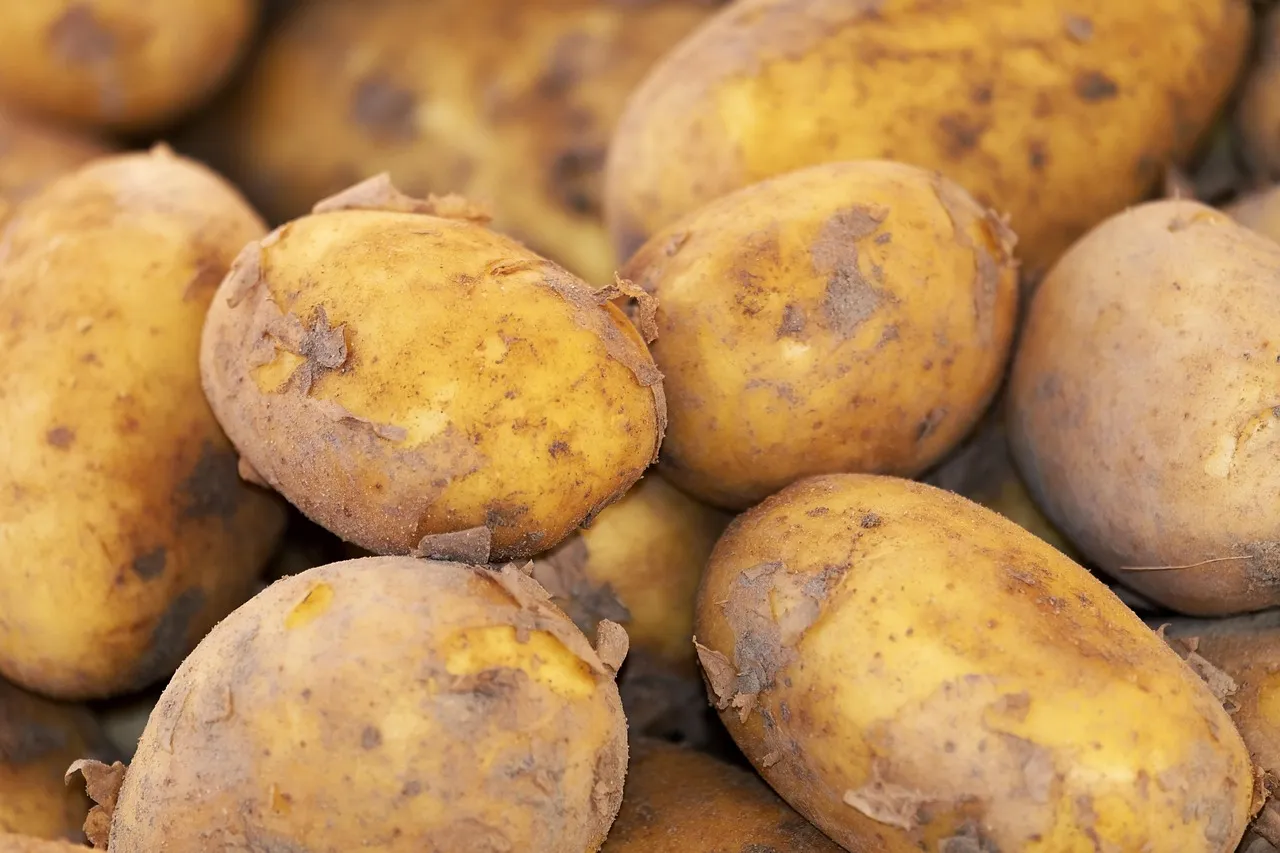
Always use caution if small areas of greening are found in tubers, because they contain elevated levels of solanine. Removing the green portions by simply cutting them out will eliminate most of the toxin. However, if more extensive greening occurs, throw the tuber away.
Green potatoes should never be served to children, whose smaller bodies make them more susceptible to poisoning. Potatoes showing signs of greening, sprouting, rotting, or physical damage should not be consumed as they may contain high levels of solanine.
If a potato is more than 5 percent green, the U.S. Department of Agriculture considers the potato damaged and less than US Grade 1. That’s a useful benchmark: if the green has spread well beyond a small patch, the practical call is to compost it and move on.
Mulching as a Practical Garden Safety Tool
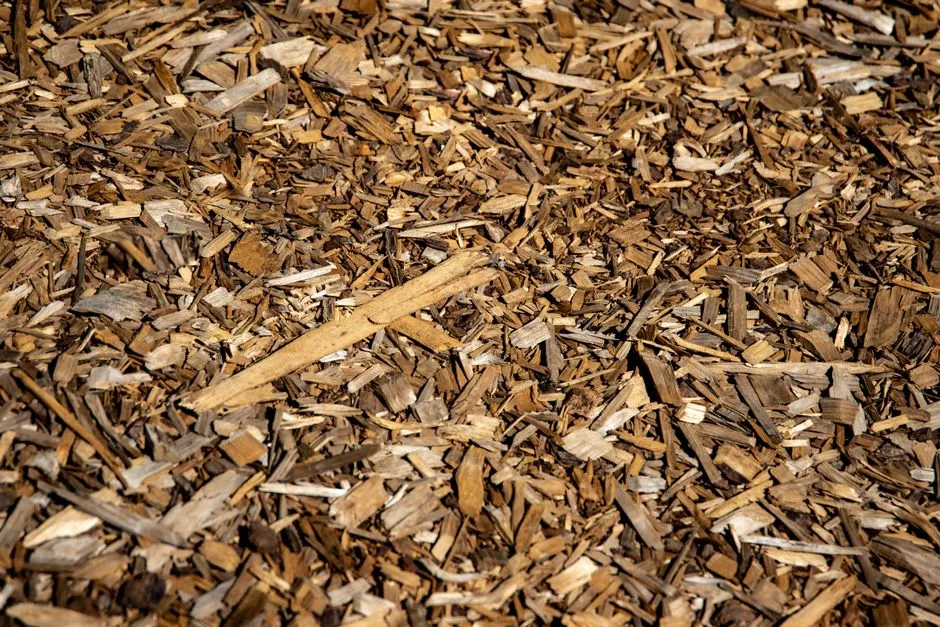
Adding a layer of mulch, such as straw, not only helps prevent sunlight from reaching the tubers but also conserves moisture in the soil. This is particularly beneficial in hot, dry climates. Mulching works in tandem with hilling and is especially useful for gardeners who can’t hill frequently throughout the season.
Handle your potatoes carefully to prevent bruising or injury, as these stresses can also lead to solanine production. Extreme temperatures, whether too hot or too cold, can further exacerbate greening. A little care during harvest and storage is genuinely protective, not just good gardening practice.
The Bigger Picture: A Vegetable Worth Growing Carefully

The potato is not a dangerous food. Billions of people eat it safely every day. The risk isn’t in the vegetable itself but in specific, avoidable errors: too much light, too little soil cover, improper storage, or harvesting tubers that weren’t quite ready.
Potato-related solanine poisoning has made many people ill and resulted in some deaths, according to published statistics. Those outcomes are rare and almost always tied to a clear handling mistake rather than the potato itself. Proper care ensures that potatoes remain free of solanine, making them safe to eat and delicious to cook. By taking simple preventive measures during both growth and storage, you can avoid food waste and enjoy a bountiful, healthy crop.
Grow your potatoes deep, hill them regularly, keep them dark after harvest, and don’t hesitate to discard anything that’s gone significantly green. That’s really the whole of it.
AI Disclaimer: This article was created with the assistance of AI tools and reviewed by a human editor.