

Most homeowners don’t think twice about the silver maple shading their lawn on a hot afternoon. It grows fast, looks beautiful, and seems utterly harmless. What’s happening underground, though, is a different story entirely.
Large trees and aggressive plants can create hidden risks beneath the soil by disrupting foundations, pipes, and surrounding structures. The silver maple is one of the most planted backyard trees across North America, and it also happens to be one of the most structurally dangerous. The damage rarely announces itself until it’s already expensive to fix.
Why the Silver Maple Is Especially Problematic
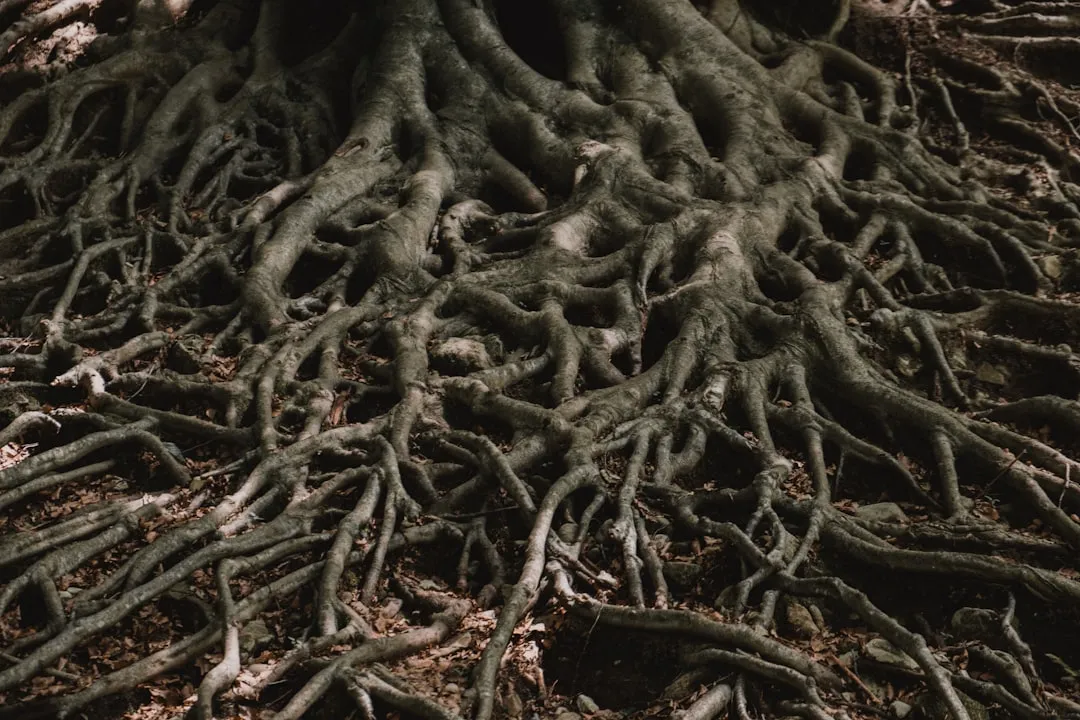
Silver maple trees are native to the eastern and central parts of the United States and southeastern Canada. They are among the most common trees in the US, but that doesn’t mean they’re a good choice to plant close to a home. Their popularity is precisely the problem. Millions of these trees were planted in suburban yards during landscaping booms, often without much thought about proximity to the house.
Just like the Norway maple, the silver maple’s root system is very shallow and large. Since it spreads out in a thick fibrous pattern, it is notorious for cracking sidewalks, invading drainage pipes, and damaging foundations.
Silver maples have aggressive, spreading root systems that can damage foundations and driveways, while Japanese maples have compact, shallow root systems that stay manageable. The contrast matters because the two trees look broadly similar to untrained eyes, and many buyers don’t know what species is already in the yard when they purchase a home.
How Tree Roots Actually Damage a Foundation
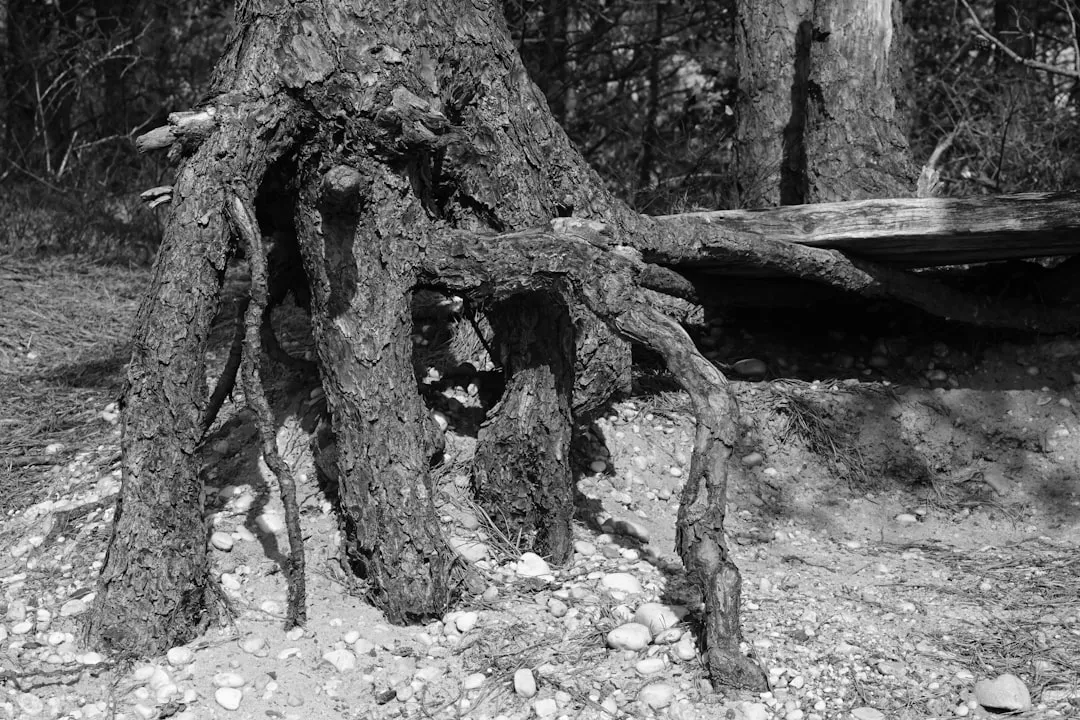
Roots generally redirect themselves when they encounter a solid object like a concrete foundation or sewer line. They don’t bore through intact concrete. But if there’s an existing crack, a weakened joint, or a gap in a drainage pipe, roots will find it and grow into it. As the root thickens over time, that crack widens.
Tree roots can add pressure to foundation walls, forcing them to crack and bow inward. Once a foundation is cracked, the tree roots may even start to grow through the crack. Additionally, tree roots suck up large amounts of moisture in the soil. When this occurs close to the foundation, it can cause erosion, causing the home to sink unevenly.
As trees drink up water during hot months, roots pull moisture from the soil. When the soil dries out, it shrinks and pulls away from the foundation. That shrinking creates gaps and uneven support beneath your house. It’s a slow, invisible process that can take years before the effects become visible inside the home.
The Clay Soil Factor That Makes Things Worse
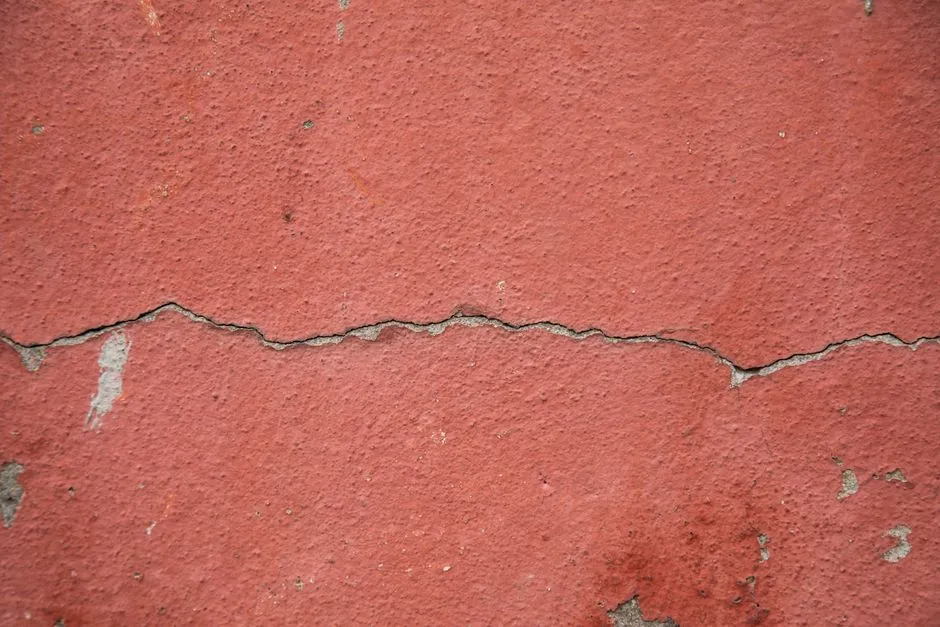
Tree roots are known to cause severe subsidence in clay soil types. As the roots grow, they absorb more moisture from the surrounding soil. The worst trees for subsidence are oak, ash, poplar, willow, and sycamore. In clay soil types, this moisture absorption causes the soil to shrink. When clay soil shrinks due to subsidence, any structure built on or inside the ground will likely move or subside. When the soil shrinks, it destabilizes the foundations’ support structure, and this can cause the foundation material to shift, settle, and crack.
Clay soil is especially tricky, as it swells when wet and shrinks a lot when dry. A big tree can pull hundreds of gallons of water from the ground every day in summer. When the soil shrinks, it leaves spaces under your foundation, which leads to settling and cracks.
When tree roots pull moisture from clay soil repeatedly over years, the ground beneath a foundation can settle unevenly, leading to cracks, shifts, and structural instability. According to Purdue Extension, this process can cause foundations to settle several inches over the course of a decade in severe cases. A few inches may not sound dramatic, but even minor differential settling can be enough to compromise door frames, crack interior walls, and affect plumbing lines.
Other Common Backyard Offenders
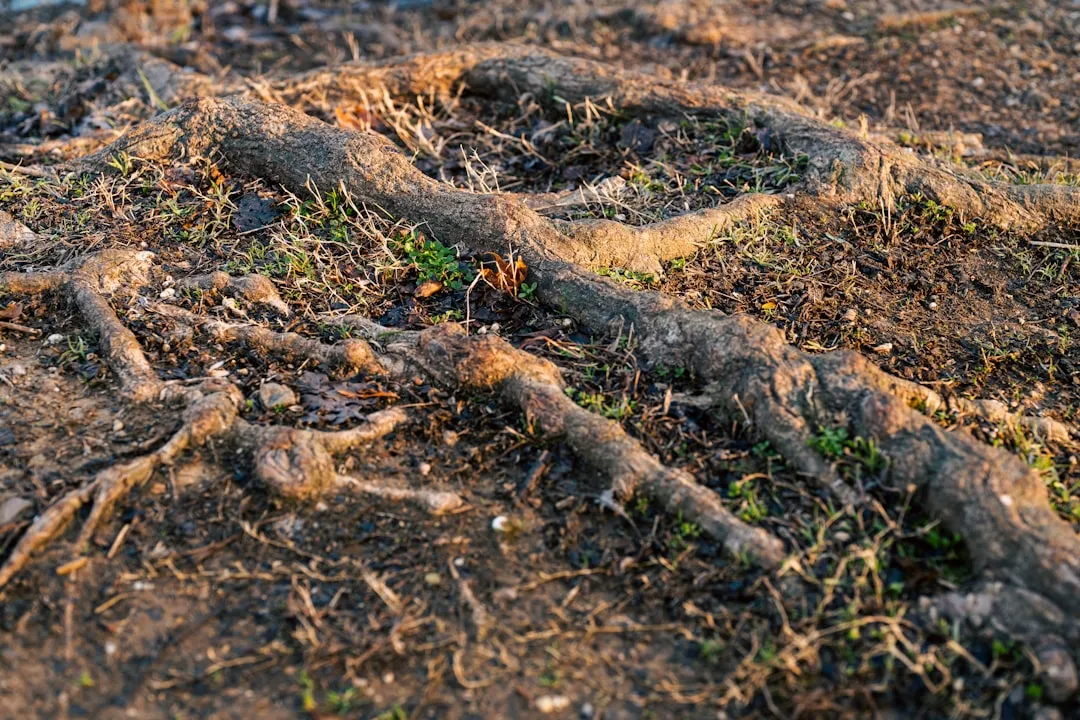
Oaks, poplars, and ash trees are all prone to causing foundation damage if planted close enough. They share a common trait: shallow, fast-growing roots, which can wreak havoc on a foundation if left untreated.
Willow trees grow quickly and create a dramatic landscape feature, but their roots have a well-earned reputation for causing trouble. These trees actively seek out moisture, often extending roots several times wider than the tree’s canopy. When a foundation, drainage line, or underground pipe offers access to water, willow roots frequently head straight toward it. Even small leaks can attract roots and encourage further expansion underground.
According to one study on tree root foundation damage, oak species account for 11 percent of all foundation problems cited by property owners. Poplars also have shallow, fast-growing root systems. These trees tend to cause quite a bit of sewer pipe damage, due to the roots breaking into cracks in the pipes.
How Far Is Far Enough? Safe Distance Guidelines
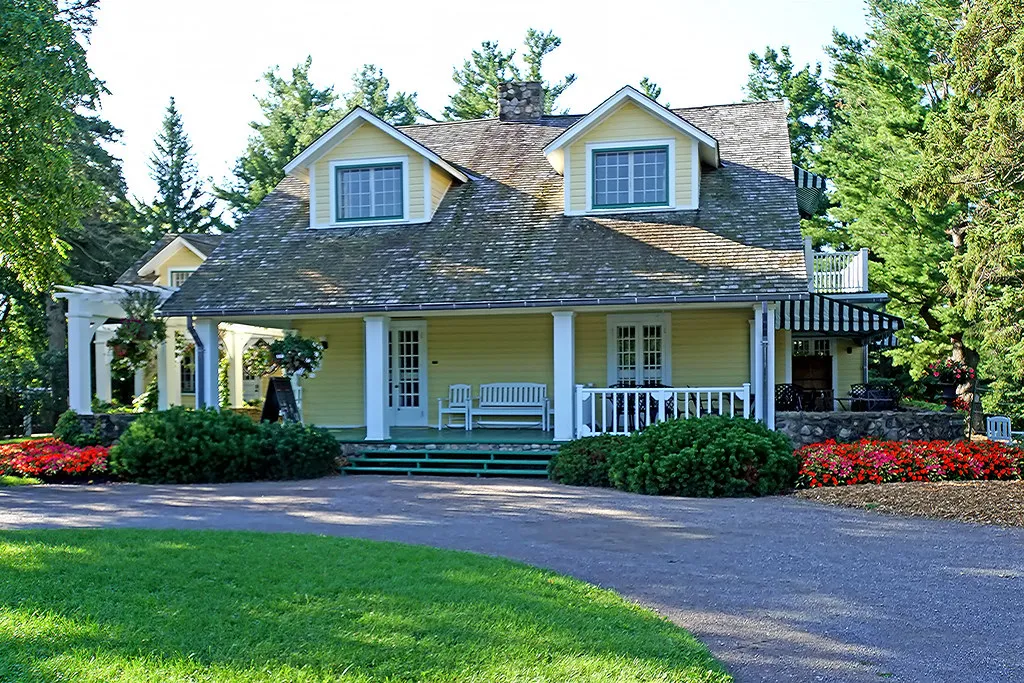
It may not seem like a tree close enough to your home can cause damage to the foundation, but tree roots can extend two to three times farther than the tree’s foliage. This means it’s best if trees sit about 15 feet away from the home, with larger types of trees needing even more space.
In general, trees should be planted no closer than 15 to 20 feet from a foundation. For larger trees with far-reaching roots like maples, oaks, or poplars, a good guide is to plant as many feet from the home as the tree’s height is expected to reach at maturity.
For most trees, a minimum of 10 feet from the foundation is a general starting point. For species with aggressive or wide-spreading root systems, such as silver maple, willow, and cottonwood, 25 to 50 feet is a more appropriate distance. That’s a significant buffer, and most suburban lots simply don’t have that kind of space to work with when a mature tree is already established.
Warning Signs Your Foundation Is Already Affected
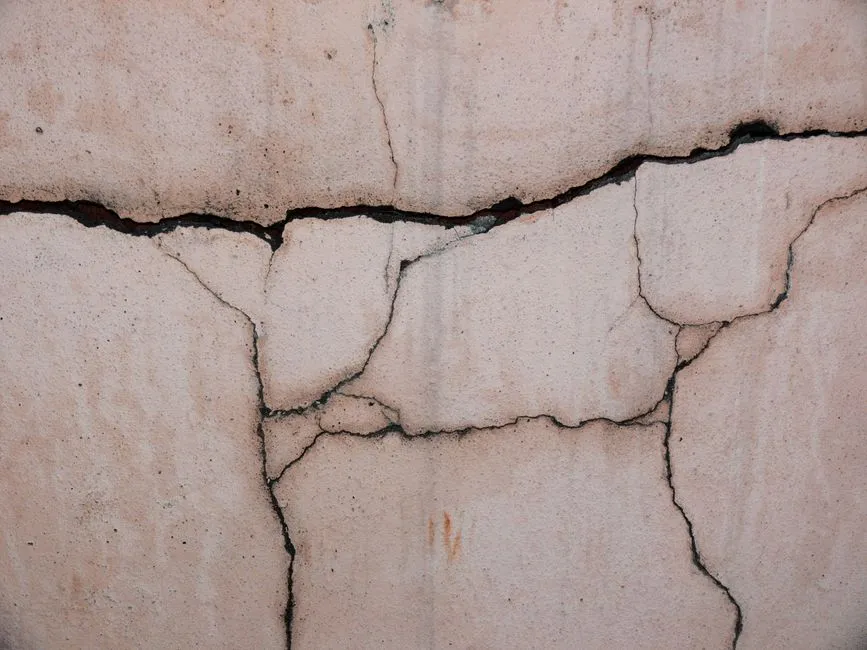
Root displacement can cause a home’s foundation to settle unevenly, leading to stuck doors, cracked drywall, and windows that no longer open. These symptoms are easy to dismiss as normal house settling, especially in older homes.
Horizontal or stair-step cracks in basement walls or the exterior foundation can indicate root pressure or soil displacement from large roots. Roots drawing moisture from clay-heavy soils can cause differential settling, which shows up as floors that slope or interior doors that no longer close properly. Lifted sidewalks or driveways, surface roots pushing up concrete within 10 feet of a house, signal a root system that is likely also affecting the foundation.
When invasive roots cause damage, homeowners may see telltale signs including foundation damage on the same side of the house as the tree and pooling water in or around the home after a storm. A consistent pattern of damage concentrated on one side of the house is a strong indicator worth investigating.
What This Costs When Left Unaddressed
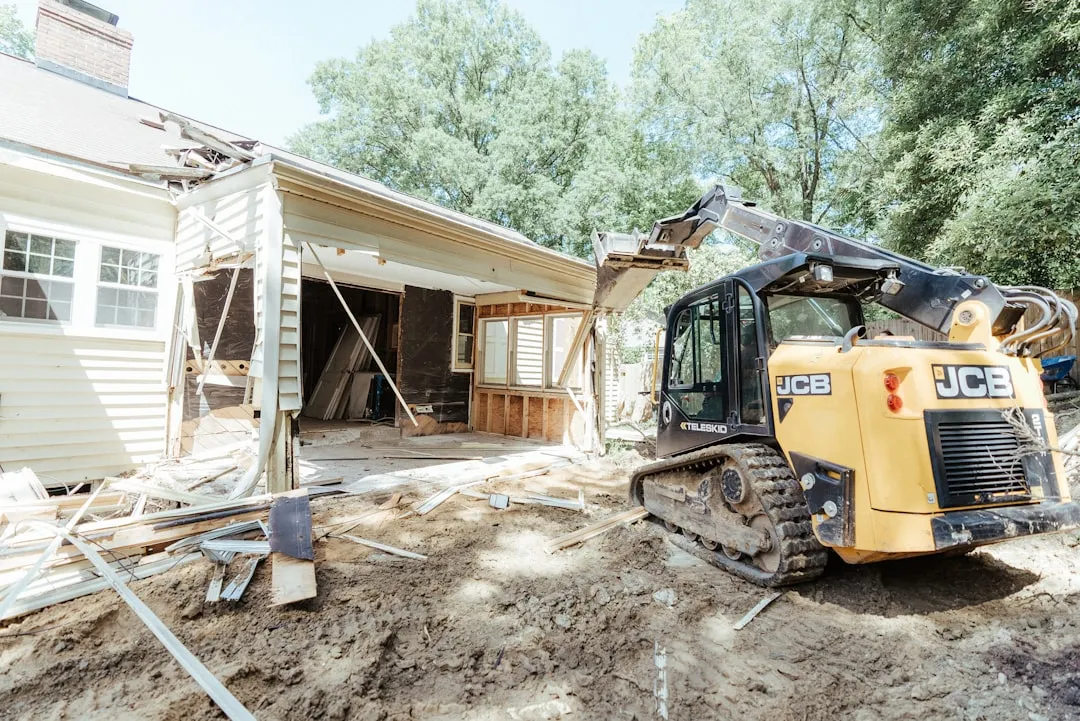
Nationally, foundation repair averages around $11,950 in 2026. Minor crack repairs start at $750. Extensive slab or basement underpinning or full crawl space restoration can exceed $20,000.
Tree root damage can cost anywhere from $15,000 to $50,000 in repairs when the problem is severe and long-standing. Water, tree roots, and seasonal soil movement compound damage over time. A repair that costs $3,000 today may cost $12,000 or more after another year of movement.
Most homeowner’s insurance excludes damage from soil movement or gradual settlement, including that caused by roots. That detail comes as an unpleasant surprise to many homeowners who assumed their policy would cover it. The financial responsibility typically falls entirely on the homeowner.
The Role of Sewer Lines and Plumbing
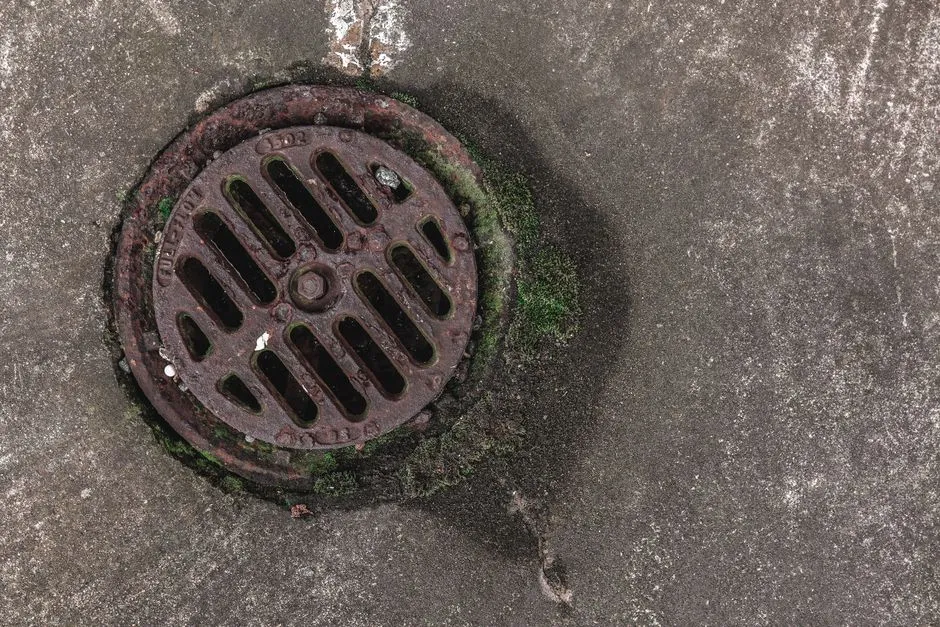
American elms love moisture. Because of this, they often invade drain pipes and sewer lines. Silver maples behave similarly. Silver maple, willow, and elm are the species most frequently associated with sewer line intrusion in regions where these trees are common.
Poplar tree roots search for small pockets of loose soil to grow and spread. This is what makes older foundations especially susceptible to poplar tree roots. Beware if there are cracks or imperfections in a foundation: poplar tree roots will find an opening to move in.
The issue often worsens as the tree matures. A young poplar may seem harmless when planted, but its roots continue expanding every year. Many arborists recommend substantial separation distances between poplars and buildings. Property owners who ignore those recommendations sometimes face cracked pavement, plumbing repairs, or foundation concerns years later.
Prevention: Root Barriers and Smart Planting
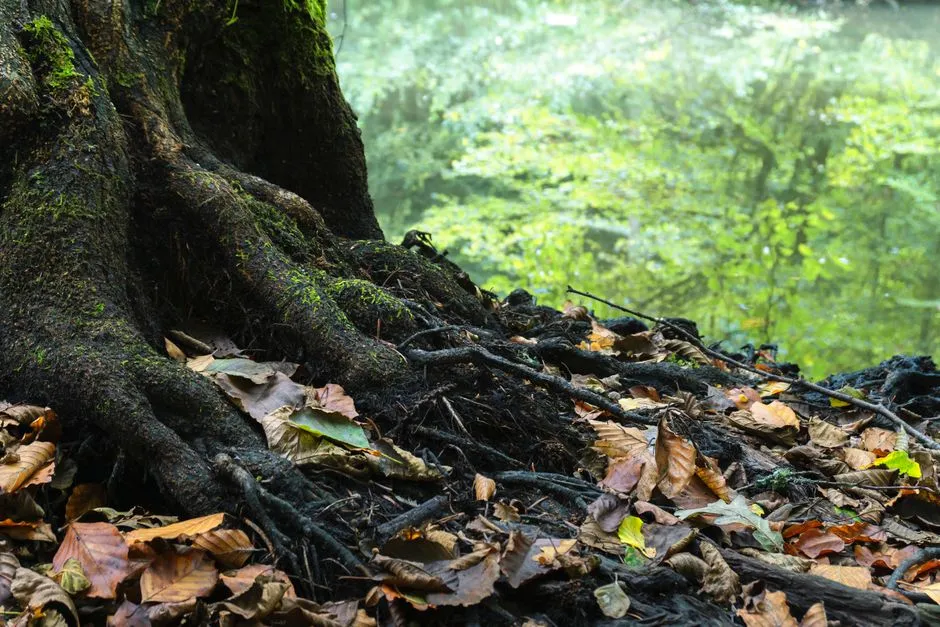
Root barriers are rigid plastic or metal panels installed vertically in a trench between the tree and the structure you want to protect. They redirect roots downward and away from foundations, sidewalks, and pipes. They’re most effective when installed early, before root systems have had years to spread.
Planting trees far enough from a foundation will protect a home from root damage, but for existing trees, homeowners can still guard against roots. Root barriers form a physical boundary that will prevent roots from encroaching on a foundation and can help save homeowners from expensive foundation repair costs.
If trees near a home are kept properly watered, there’s less chance of them creating problems. While it’s important that water drains from a foundation, it’s equally important to maintain soil moisture to combat soil shrinkage consistently. Regularly watering trees within 20 to 30 feet of a house using a drip hose will add moisture slowly and ensure even hydration. This simple step reduces the tree’s drive to seek water elsewhere, including under the house.
When Removal Is the Right Answer
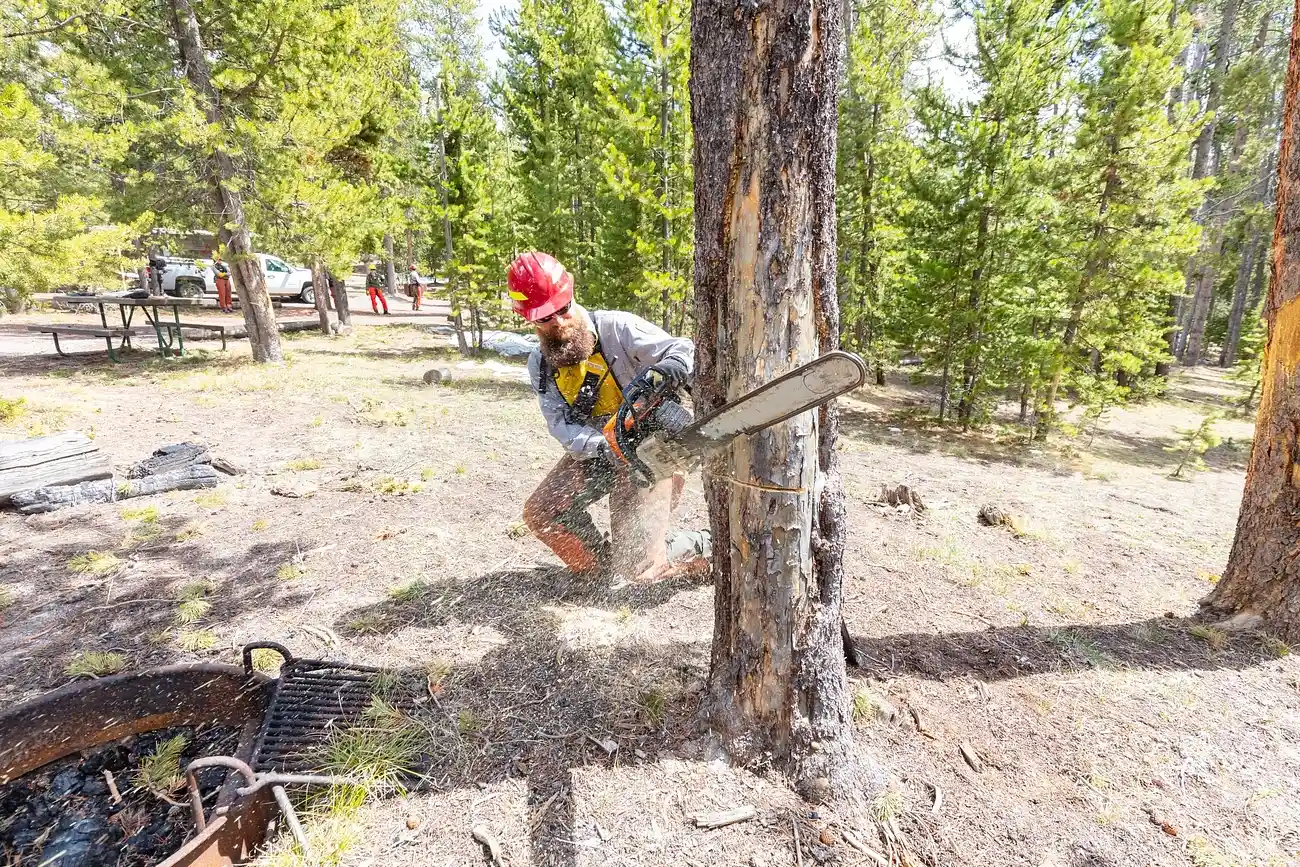
If a tree is large, close to the house, of a high-risk species, and showing signs of structural decline, or if foundation damage is already confirmed, removal may be the most responsible option. A dead or structurally compromised tree near a foundation is both a liability and an accelerating problem. Getting it down before it falls or the root damage worsens is almost always less costly than dealing with the aftermath.
Choosing a smaller tree with a non-invasive root system is the best option for planting near a house. Trees such as the Japanese maple and the crabapple tree are good options. Both offer genuine beauty and seasonal interest without the structural risk that comes with fast-growing, shallow-rooted species.
In many cases, homeowners don’t have to remove the entire tree if it grows toward a foundation or sewer system. Instead, calling a tree-trimming expert to inspect and possibly remove a portion of the tree that caused the damage can be enough. Every situation is different, and a certified arborist can help determine whether the tree can stay or needs to go.
The Bigger Picture for Homeowners in 2026
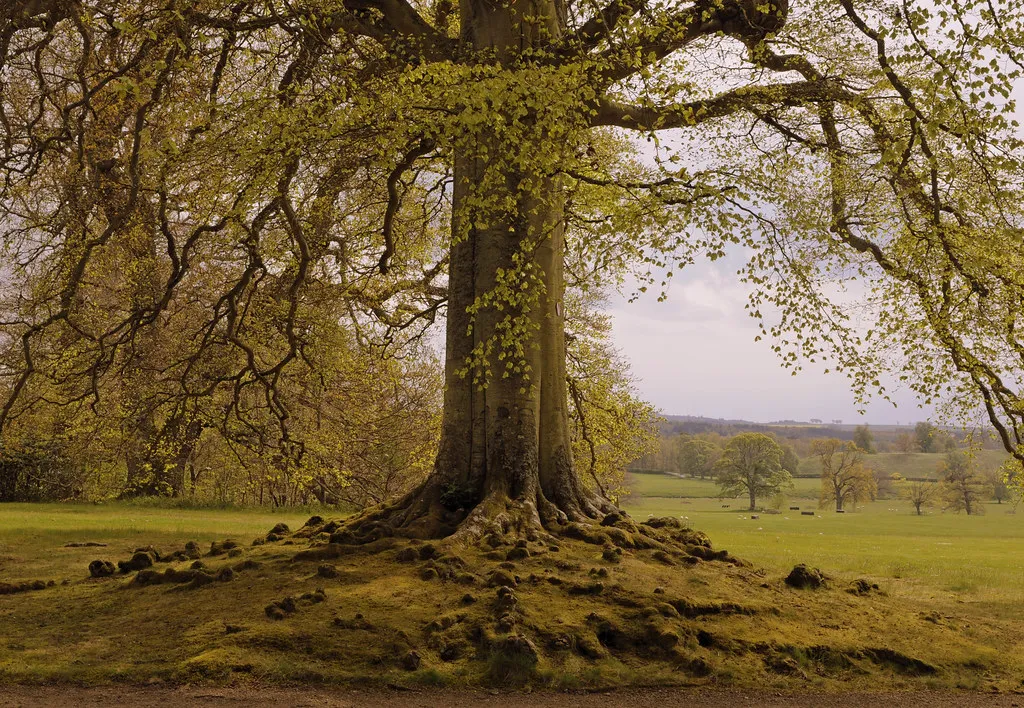
While homeowners often worry about the dramatic impact of a tree falling in a storm, the most common threats to property are often silent and slow-moving. The silver maple sitting 12 feet from your back wall isn’t going to make headlines. It’s going to quietly work its roots into the soil year after year, drawing moisture, shifting ground, and eventually showing up as a crack you can’t quite explain.
Foundation repairs can cost thousands of dollars, making plant selection far more important than many people realize. While concrete foundations look strong and immovable, persistent roots can exploit tiny cracks, shift soil, and create moisture imbalances that gradually lead to serious problems.
The good news is that this kind of damage is genuinely preventable with the right tree choices, appropriate spacing, and periodic professional assessments. What the ground hides, an informed homeowner can get ahead of.
Final Thoughts
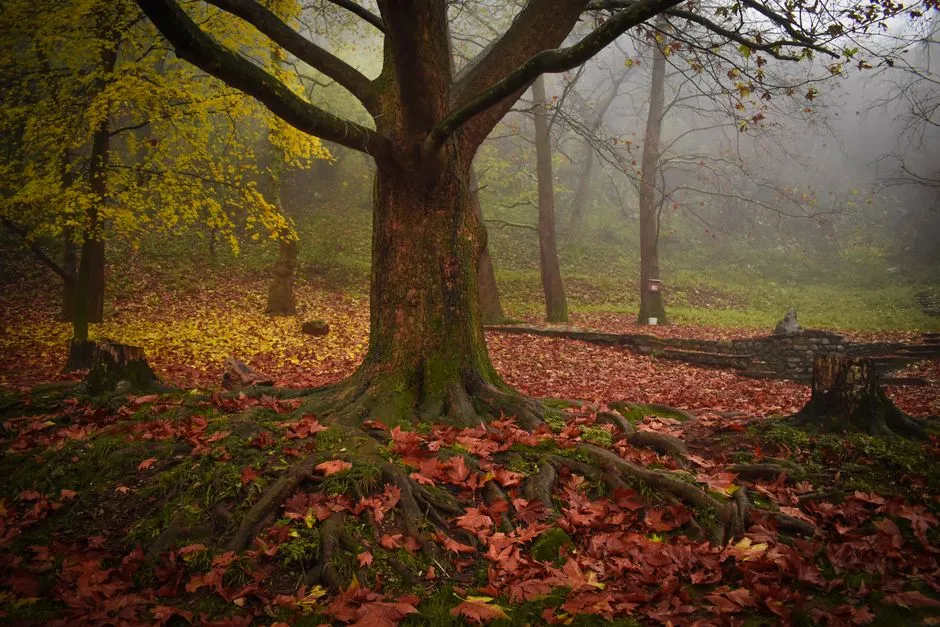
The silver maple is not a villain. It’s simply a tree doing exactly what trees do: growing toward water, spreading outward, and thriving wherever conditions allow. The problem lies in where people plant it and how rarely they think about what’s happening below the surface.
The primary issue with large trees near a foundation isn’t just the physical wood pushing against the concrete; it’s the soil movement. During wetter periods, as these massive trees grow, their roots displace enormous amounts of earth. This displacement can cause a home’s foundation to settle unevenly, leading to stuck doors, cracked drywall, and windows that no longer open.
A tree that adds genuine character to a yard and a tree that’s a structural liability aren’t always easy to tell apart at planting time. That’s exactly why knowing the species matters. The most expensive foundation problems in residential homes often started with a decision made thirty years ago by someone who just wanted a bit of shade.
AI Disclaimer: This article was created with the assistance of AI tools and reviewed by a human editor.