

You can spend three hours on a braise, hunt down the perfect wine, and iron linens that haven’t seen daylight since a wedding two years ago, and still watch the room feel flat the second guests sit down. It’s rarely the food. Most people trace a lackluster dinner party back to the wrong culprit, when the real issue is sitting in plain sight, right there on the table and above it. Once you know what to look for, it’s almost impossible to unsee.
The Single Light Mistake That Flattens a Room
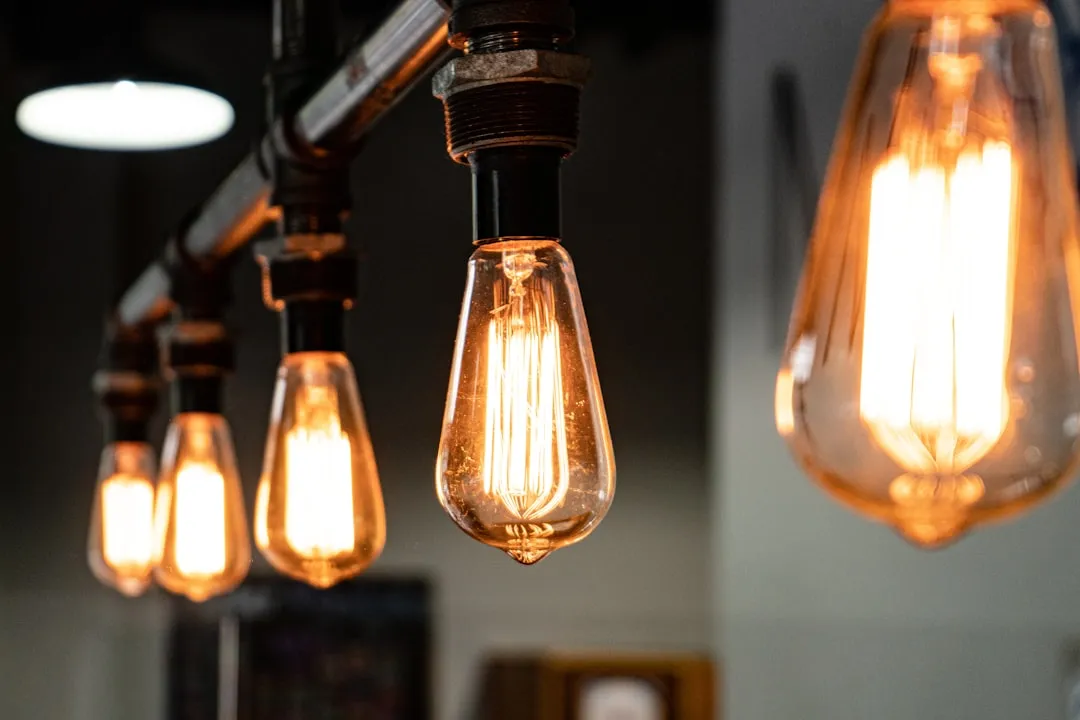
Ask any event stylist what quietly wrecks more dinner parties than bad cutlery placement, and the answer usually comes back to lighting, not linens. Designer Shabrin Momm has pointed to having a solitary bright light that blasts the space with a jarring, unwelcoming glare as the most common stumbling block that most dinner parties face. That single fixture does more damage than a mismatched fork ever could. It can make the space feel flat, harsh, or even a bit like a hospital. Guests notice it even when they can’t name it, which is exactly the problem.
Why One Overhead Bulb Undoes Everything Else
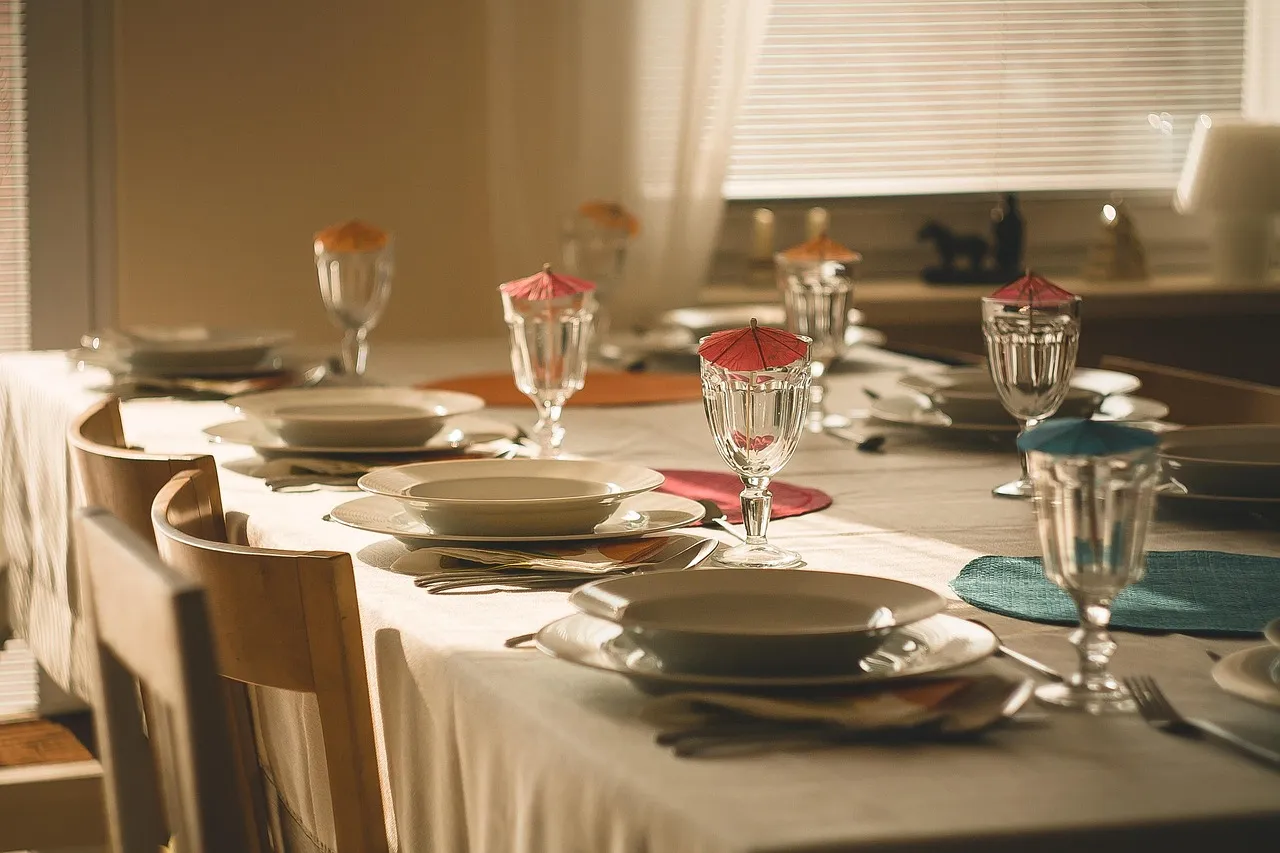
The fix isn’t complicated, but it does require planning ahead of time rather than flipping a switch as people walk in. Momm recommends starting with a soft hanging light over the table, some warm LED strips, and a few candles or small lamps. She also warns against cool white bulbs, as they steal those cozy vibes that you are trying to create at the dinner table. Think of lighting less like a utility and more like a conversation, since Momm describes good lighting as needing ups and downs, little pauses, and warm moments. Layer it, and the rest of the table suddenly looks more intentional too.
Cutlery Confusion: Mixing Up Left and Right
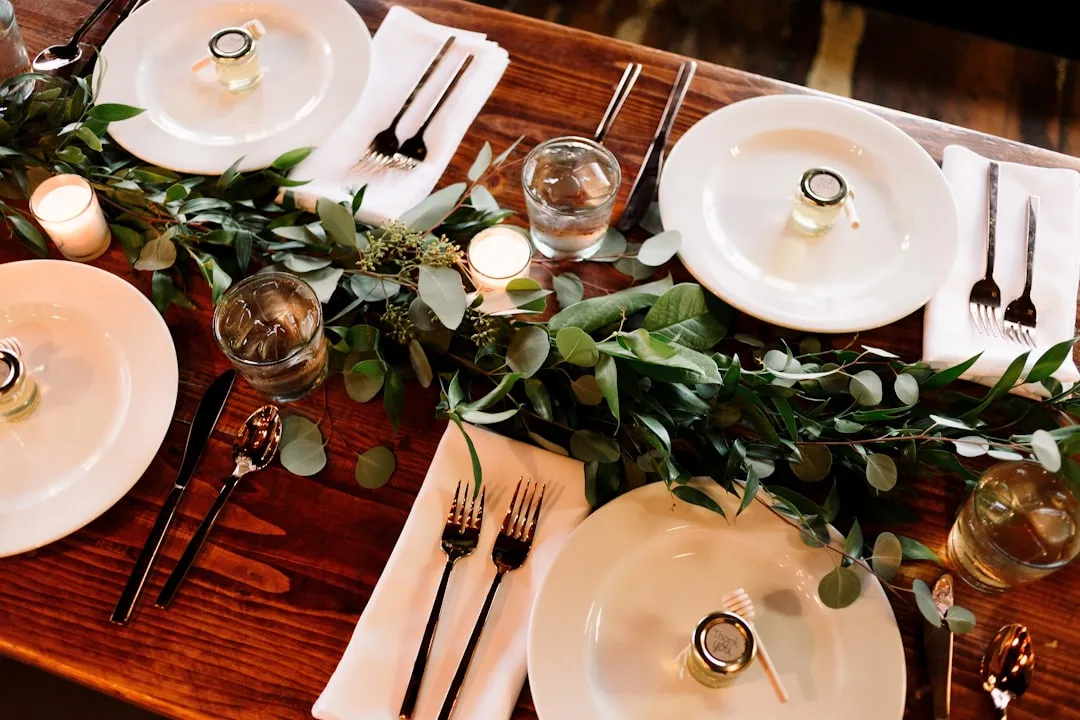
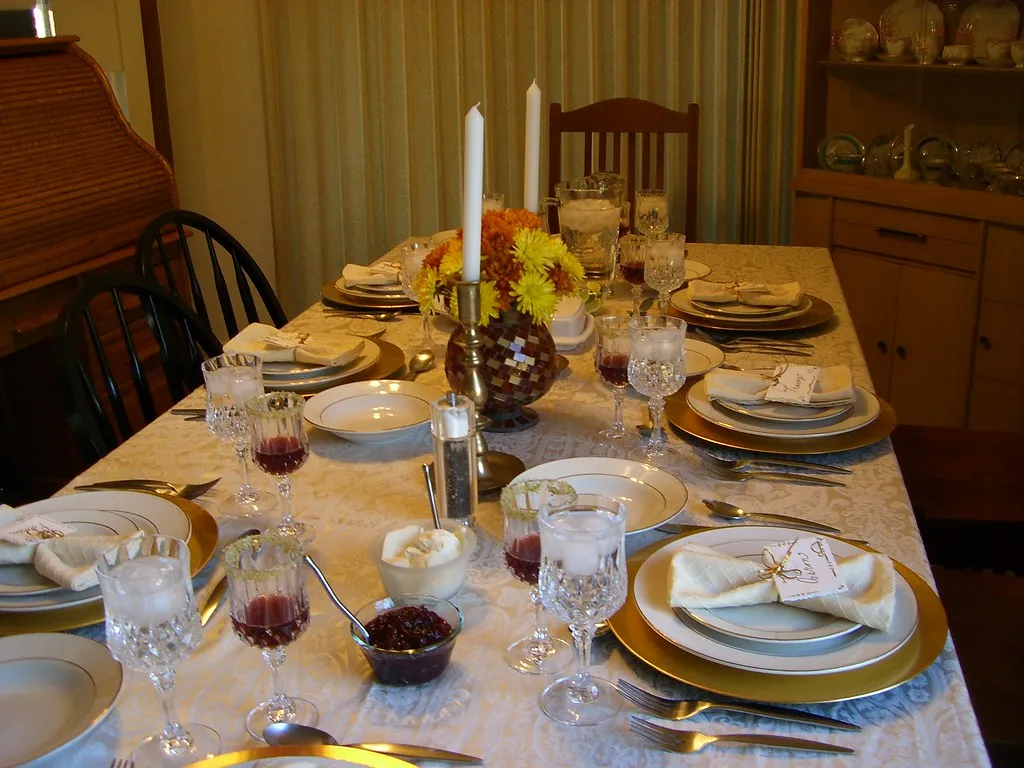
Once lighting is sorted, the next classic misstep is flatware placed with no real logic. Common slip-ups include turning knives the wrong way, mixing up cutlery sizes, or forgetting dessert utensils altogether, which leaves guests awkwardly reusing their dinner fork. The rule is simpler than it sounds: start with the cutlery on the outside and work your way in towards the plate, forks sitting on the left, knives and spoons on the right, with the knife blades facing the plate, and dessert spoons or forks going across the top of the plate.
A quick memory trick helps too, since forks, a four letter word, go on the left, another four letter word, while knife and spoon belong on the right, and you can remember the order because knife comes before spoon alphabetically. It takes thirty extra seconds and changes how put-together the whole table feels.
Mismatched Plates and the Illusion of Carelessness
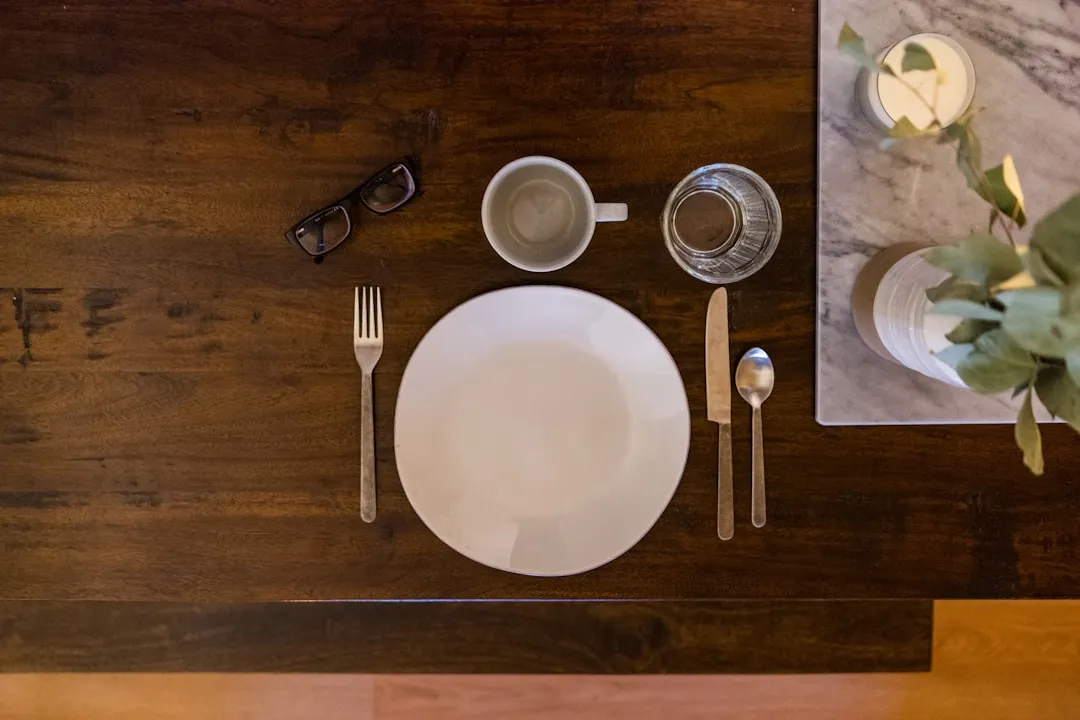
Mismatched dinnerware isn’t automatically a mistake anymore, but it can easily read as one. When putting together tableware for a dinner party, the only rule is that there are no rules, and extremely formal settings aren’t favored anymore. Still, there’s a real difference between deliberate variety and a table that just looks thrown together, since when oddly sized plates, glasses, and spoons are squished into one table setting, it can suggest a lack of attention and care, and the chance that some guests might not receive plates as nice as others also makes for an etiquette faux pas.
The way around it is simple. The trick is to tie everything together with either color, texture, or shape, using different patterned plates as long as they share similar colors.
Centerpieces That Block the Conversation
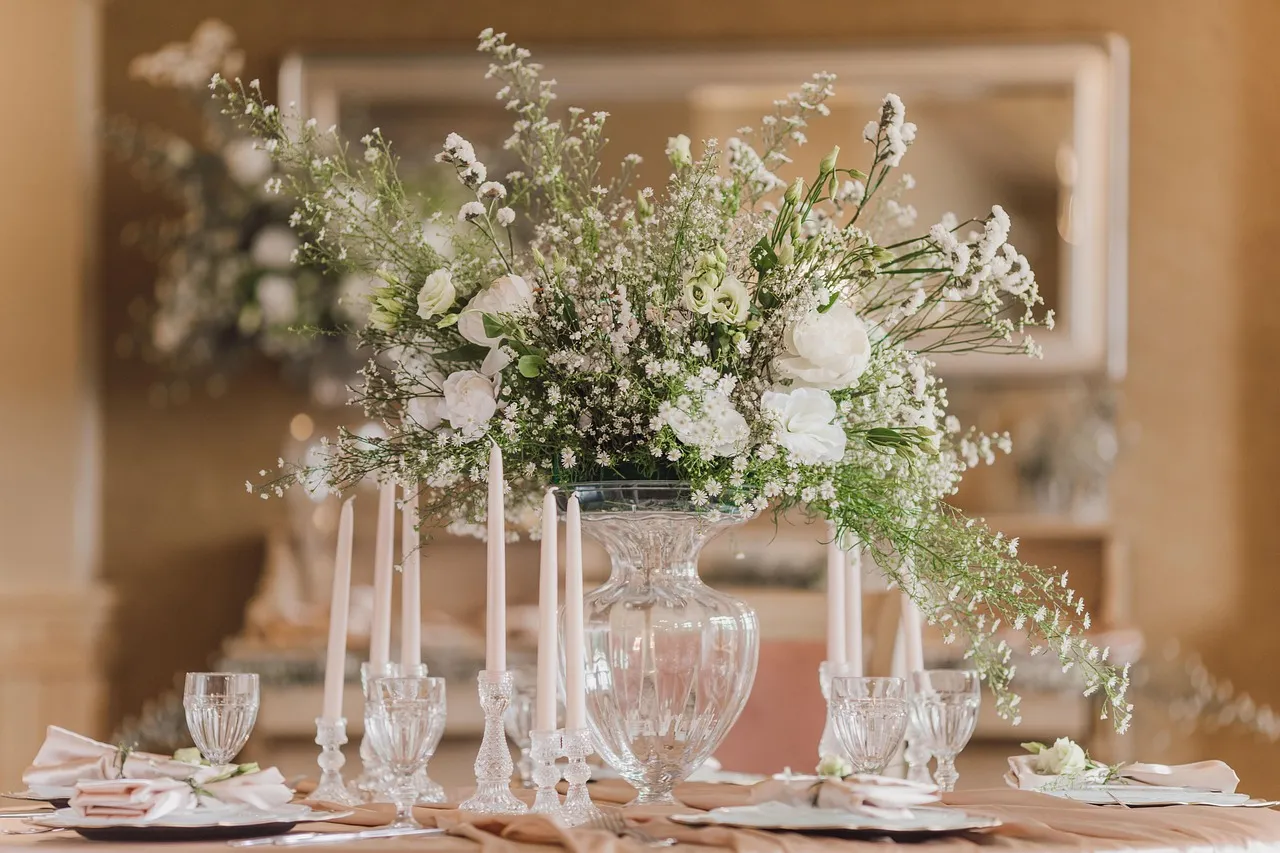
A tall vase in the middle of the table looks lovely in photos and terrible in practice, because nobody can see the person across from them. Hosts are advised to be careful with centerpieces, since a large number of people make mistakes when it comes to arranging candles or flowers on the dining table, and the arrangement shouldn’t block the guest’s view, so pieces should be short or large enough to maintain eye contact without interruption.
This year’s stylists are also rethinking the centerpiece altogether. One design idea gaining traction involves being generous with beautiful ingredients piled up high on footed bowls or platters as an interesting alternative to flowers, plus you can eat them at the end of the meal. It’s a small shift, but it keeps sightlines open and gives the table something to talk about besides the weather.
Overcrowding the Table
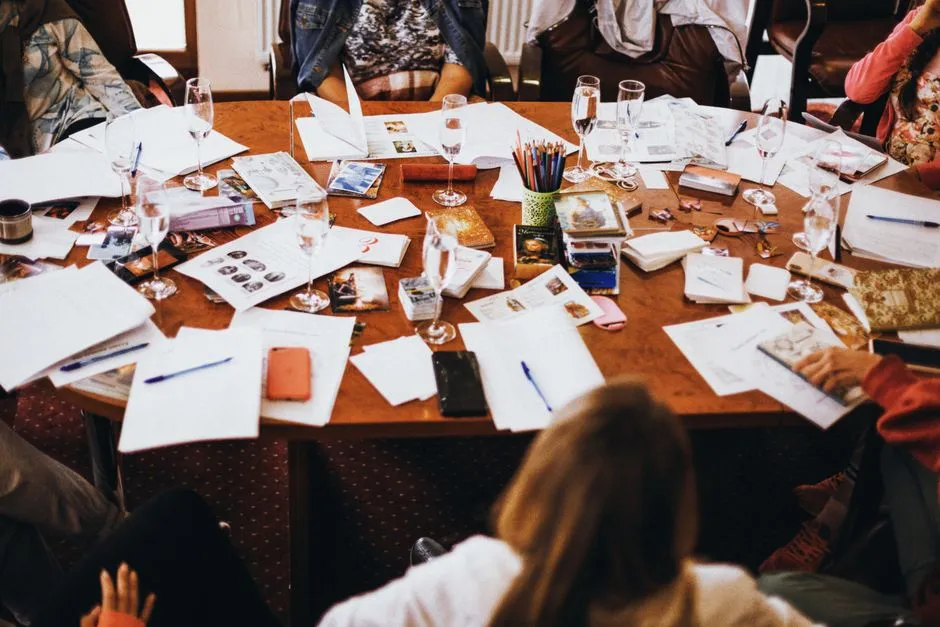
Enthusiasm is not the same as good judgment when it comes to how much goes on a table. Practical guidance keeps repeating the same warning: don’t overcrowd the table and make the arrangements based on the nature of the gathering. Even a beautifully set table can feel cramped and chaotic if there’s no breathing room between plates, glasses, and serving dishes. As one etiquette resource puts it plainly, do not overcrowd the table with unnecessary items, and let the guests enjoy the meal without any hassle.
Rushed Prep and the BMW Rule
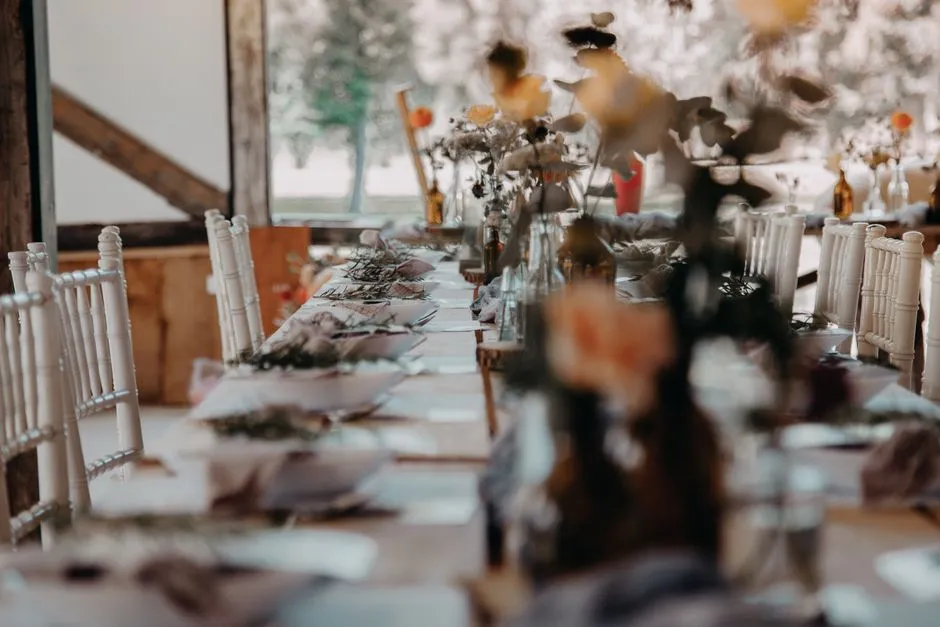
Most table setting errors don’t come from ignorance. They come from rushing. Last-minute preparations might cause the host to rush through the table-setting process, so a host might not follow the BMW rule and end up serving bread on the right side and water on the left. The BMW rule itself is a handy memory device, standing for bread, meal, water, positioned left to right at each setting. It costs nothing to remember and saves you from that mid-dinner scramble when someone reaches for their neighbor’s water glass by accident.
Glassware and the Triangle Trick

Glasses cause almost as much quiet confusion as forks and knives, mostly because people forget there’s a system at all. Traditionally, glasses are placed in a triangle to the right above the knife, with the white wine glass on the left, the red wine glass on the right, and the water glass behind the red wine glass. Modern formal settings follow a similar logic. The water glass is placed directly above the dinner knife, with the white wine glass sitting slightly to the right and below it. You don’t need six pieces of glassware to pull this off well. Two glasses arranged with intention will always beat five arranged at random.
Why Getting the Table Right Matters More Than It Used To
Here’s the part that makes all of this feel higher stakes than it used to be. Dinner parties themselves have become rarer events. Just 4.1 percent of Americans said they attended or hosted a party or ceremony on a typical weekend or holiday in 2023, meaning in any given weekend, just one in 25 US households had plans to attend a social event. That figure represents a 50 percent decline in the amount of time Americans spent attending or hosting a social event between 2003 and 2024.
When a dinner party does happen now, it’s a rarer occasion, which is exactly why the small details, the lighting, the cutlery, the breathing room on the table, tend to leave a bigger impression than they would have decades ago. Interestingly, the desire to host hasn’t disappeared. A Peerspace survey found despite 55% of Americans saying they would like to host more dinner parties, only seventeen percent said they planned to host one in the next 12 months, which suggests the gap is about confidence and logistics as much as interest.
The 2026 Fix: Layered, Intentional, and a Little Imperfect
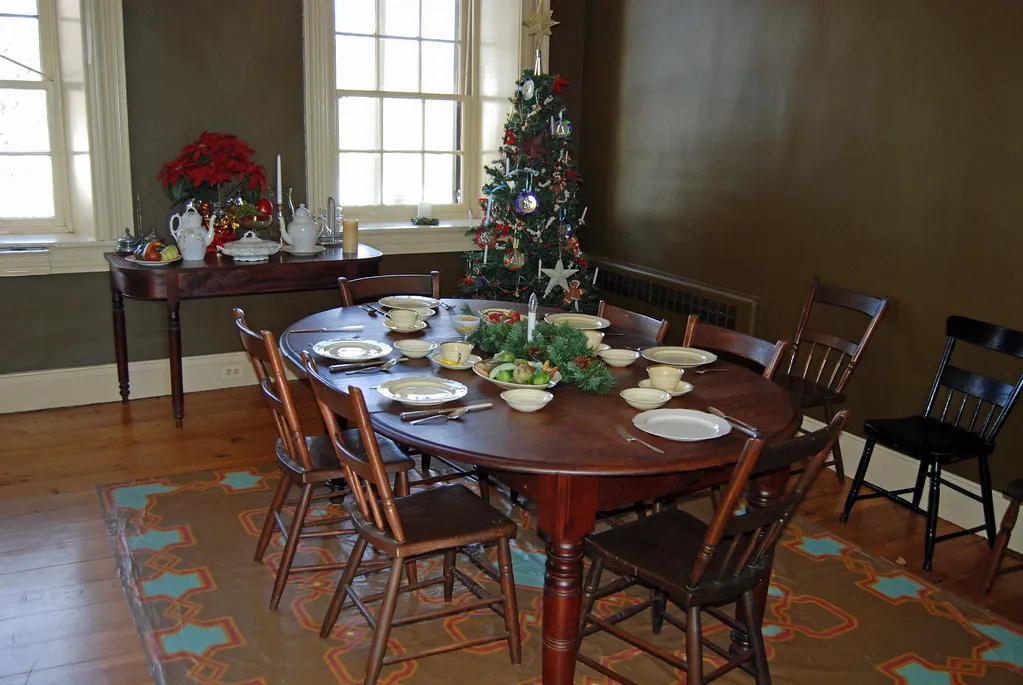
The good news is that current design thinking is moving away from stiff perfection and toward something more forgiving. Designers this year are embracing looser, more textured tablescapes, with one trend described as clashing, where colors, patterns, even styles are paired imperfectly to make for a relaxed, carefree dining experience. Even formal entertaining is loosening its grip a bit, since hosting in 2026 has increasingly shifted toward cocktail buffet-style gatherings where guests graze, mingle, and settle in wherever feels right, setups that feel more relaxed, more social, and honestly more fun. The underlying message across all of this advice is consistent: skip the outdated idea that a dinner party table needs museum-level precision, and instead focus on the handful of details, good layered light, sensible cutlery order, a centerpiece that doesn’t block anyone’s face, that actually shape how a room feels.
Fixing a table setting was never really about impressing anyone with etiquette trivia. It’s about removing the small frictions, an overreaching centerpiece, a knife facing the wrong way, one harsh overhead bulb, that quietly pull attention away from the people sitting around the table. Get those basics right, and the rest of the evening tends to take care of itself.
AI Disclaimer: This article was created with the assistance of AI tools and reviewed by a human editor.