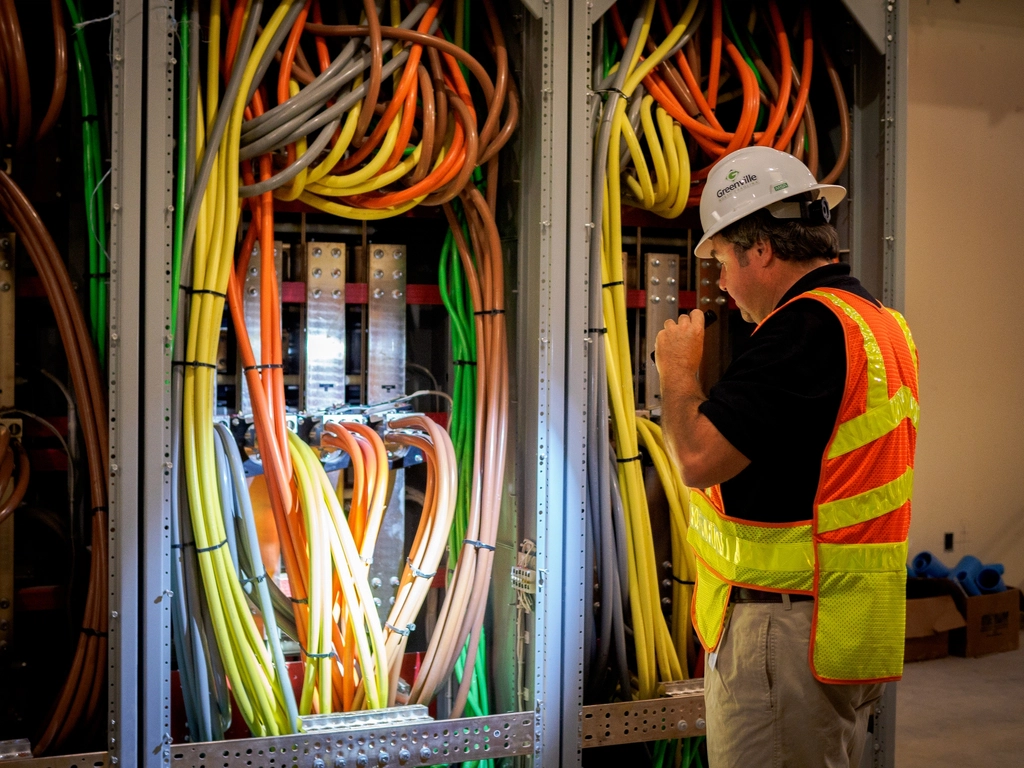

Buying or selling an older home often comes with surprises, and few of them are as consistently inconvenient as a failed electrical inspection. Most homeowners assume that if the lights turn on and the breakers haven’t tripped in years, everything must be fine. That assumption is wrong more often than people expect.
While many homeowners assume their system will pass without issue, the reality is that electrical inspections frequently uncover hidden hazards and outdated components that the homeowner wasn’t even aware of. The gap between “seems to be working” and “actually safe” can be wide in homes built decades ago, and understanding where that gap lives is half the battle.
Knob-and-Tube Wiring: Still Hiding in Millions of Walls
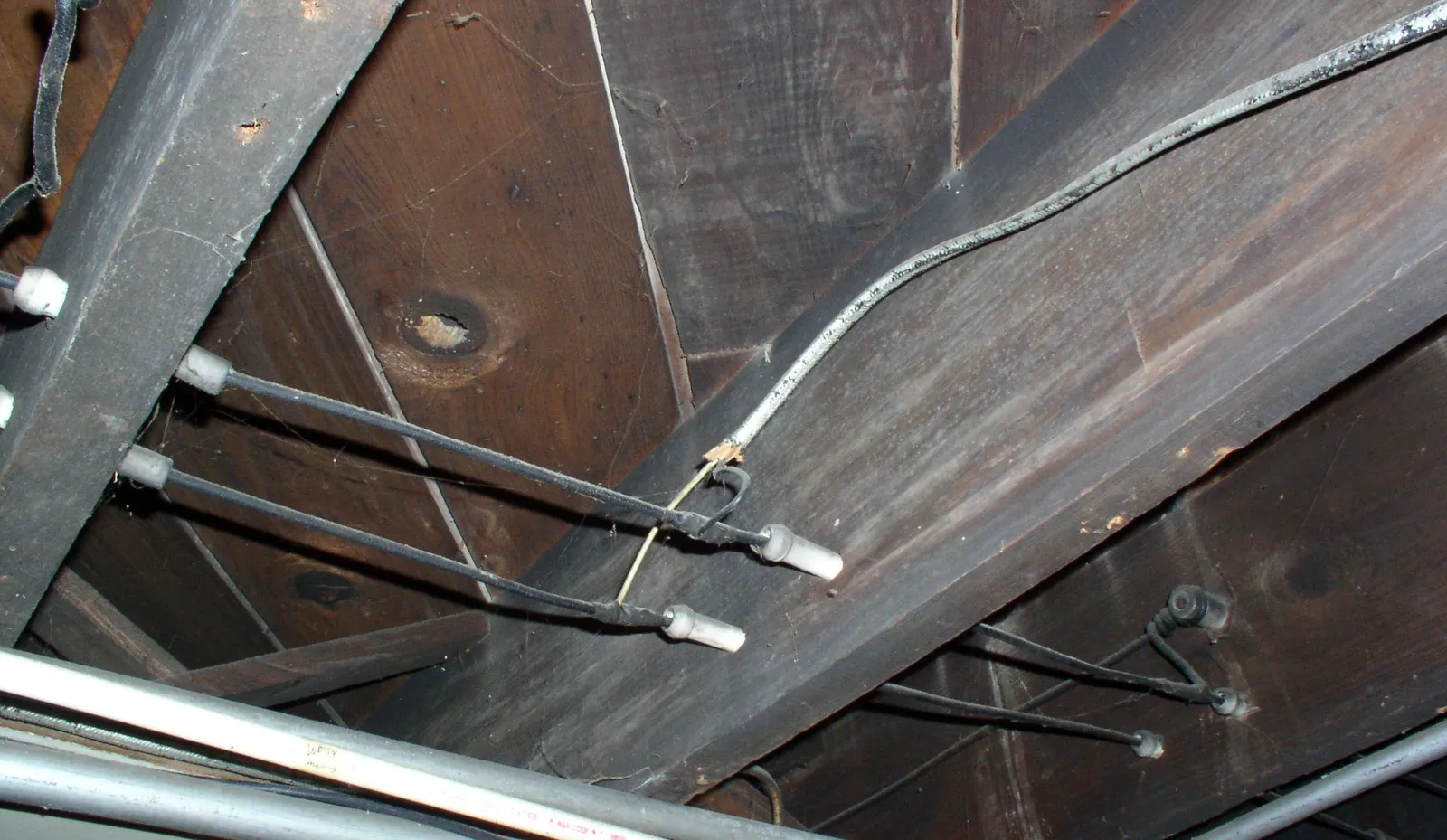
Knob-and-tube wiring was the predominant building wiring method from roughly 1880 to 1940. This type of wiring system is generally considered obsolete today due to its lack of a grounding conductor, its susceptibility to deterioration, increased household electrical demand, and the modernization of wiring methods.
One of the most misunderstood issues with knob-and-tube wiring involves thermal insulation. According to the National Electrical Code (Article 394.12), knob-and-tube wiring cannot be covered with thermal insulation in hollow spaces of walls, ceilings, and attics in most jurisdictions. If you find knob-and-tube wiring buried under insulation during your inspection, this is a reportable deficiency in most areas that will need to be addressed.
Because they’ve been around for such a long time, knob-and-tube wiring systems have had plenty of opportunities to be tampered with by untrained hands and ambitious DIYers. Bending the wiring can cause insulation to crack and peel away, leading to major inefficiencies and fire hazards.
Aluminum Wiring: A Risk That Flew Under the Radar for Decades
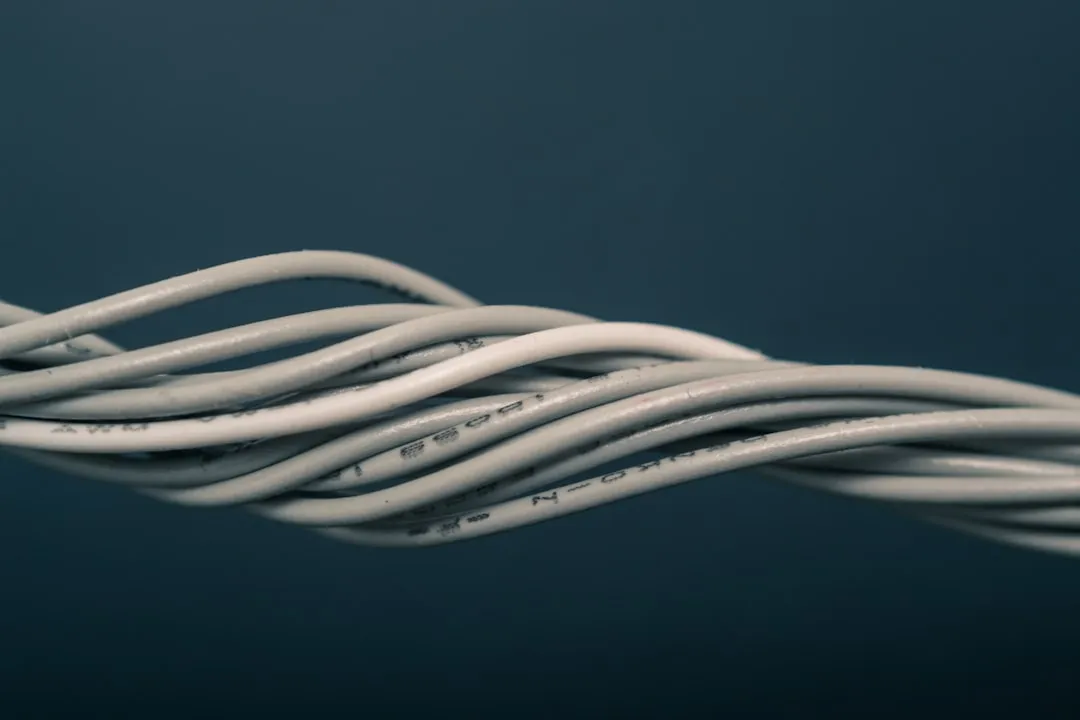
Aluminum wiring, common in homes built in the 1960s and 70s, poses a high fire risk. It was introduced as a cheaper alternative to copper during a period when copper prices spiked, and builders used it widely before the hazards became clear.
One of the most frequent issues discovered in home inspections is outdated or improper wiring. Older homes, especially those built before the 1960s, may still have knob-and-tube wiring or aluminum wiring, which can pose significant risks. Inspectors flag aluminum wiring because its connections tend to loosen over time as the metal expands and contracts with temperature changes, creating points where arcing and overheating can begin.
Outdated or Recalled Electrical Panels
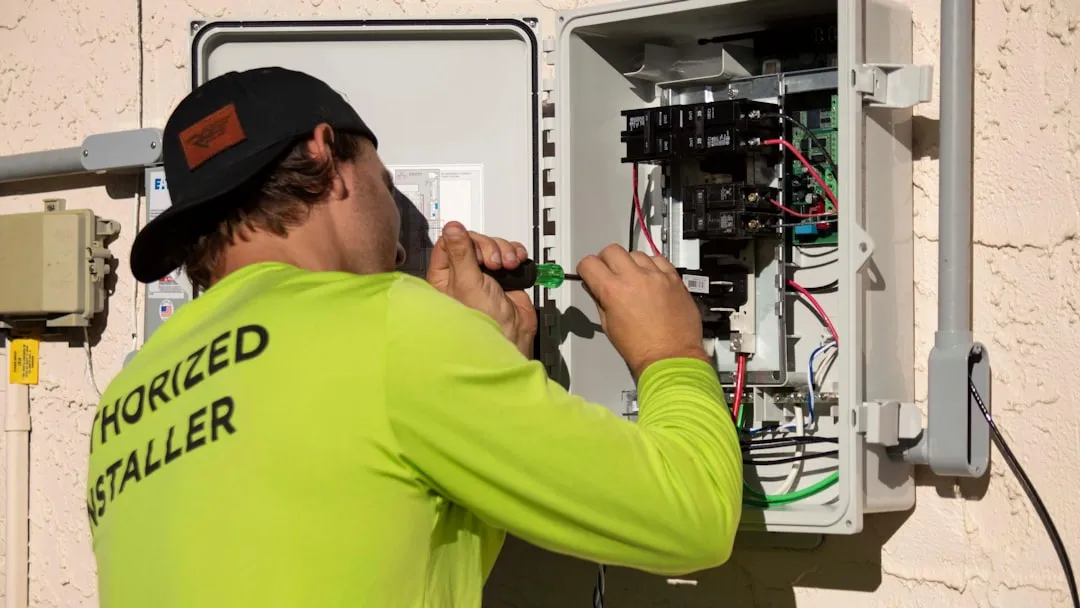
One of the most common inspection failures involves old or unsafe electrical panels. Panels that are outdated, damaged, or recalled are often flagged. A panel that cannot safely support modern electrical demand is considered a serious concern.
Older electrical panels often lack modern safety features, such as circuit breakers that automatically shut off in the event of an overload or short circuit, which can lead to increased risks of electrical fires and equipment damage. Over time, electrical panels can also corrode due to moisture, dirt, or age, causing connections to weaken or become loose, reducing the panel’s efficiency and safety and increasing the risk of malfunction.
Failures in inspections can arise from incorrect installations, outdated panels, or inadequate labeling. Ensuring that the panel is properly sized, securely mounted, and equipped with the correct breakers is essential for passing inspections.
Overloaded Circuits: A Modern Problem in Old Wiring

Each circuit in a home is designed to handle a specific amount of electrical load. Overloaded circuits are a common issue, especially in older homes that haven’t been updated to accommodate modern electrical demands.
An overloaded circuit occurs when too many devices draw power from one breaker. Inspectors also look for double-tapped breakers, which means two wires are connected to a breaker designed for one. Both issues can cause overheating and breaker failure. These are often found in older homes where electrical systems were modified over time.
As homes use more electrical devices, appliances, and systems, older panels may be unable to handle the increased load, which can lead to frequent circuit trips or overheating that compromises the home’s overall safety.
Missing GFCI and AFCI Protection
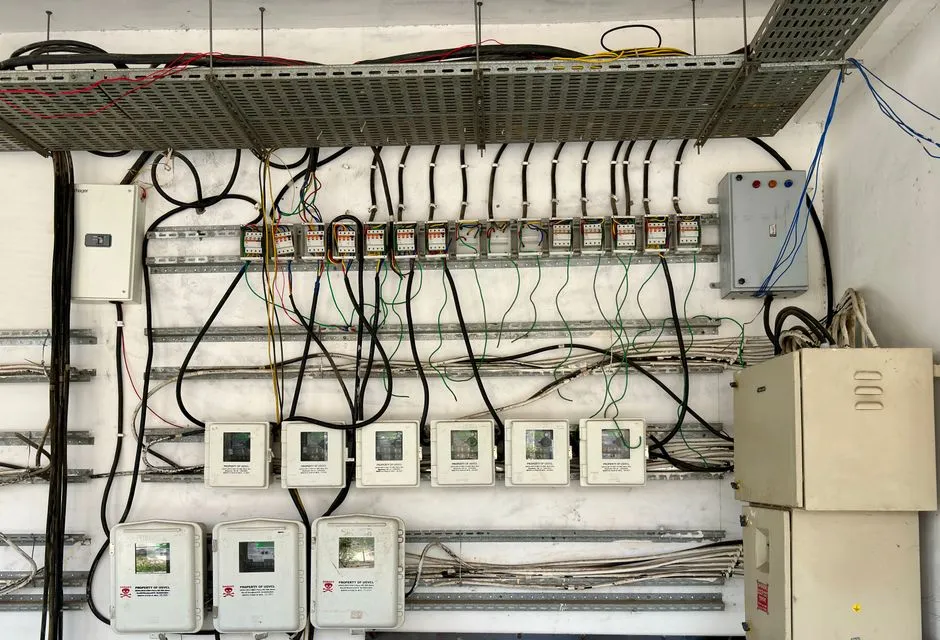
A ground fault circuit interrupter (GFCI) protects people from shock, while an arc fault circuit interrupter (AFCI) protects people from fires that could result from electrical arcing of wiring inside walls. Older homes were built long before either of these technologies existed, so they rarely have them installed where modern code now requires.
Improper grounding and faulty GFCI and AFCI protection are safety hazards that often lead to inspection failure. The National Electrical Code section 210.12 has required AFCI protection in dwelling living spaces since 2008, and inspectors check for it consistently.
More recent GFCI requirements also mean that outdoor outlets, garages, and even certain appliance circuits such as dishwashers and laundry machines must now have GFCI protection. Homes built before the 1980s routinely lack all of these protections, making them particularly vulnerable at inspection.
Improper Grounding: The Silent Hazard
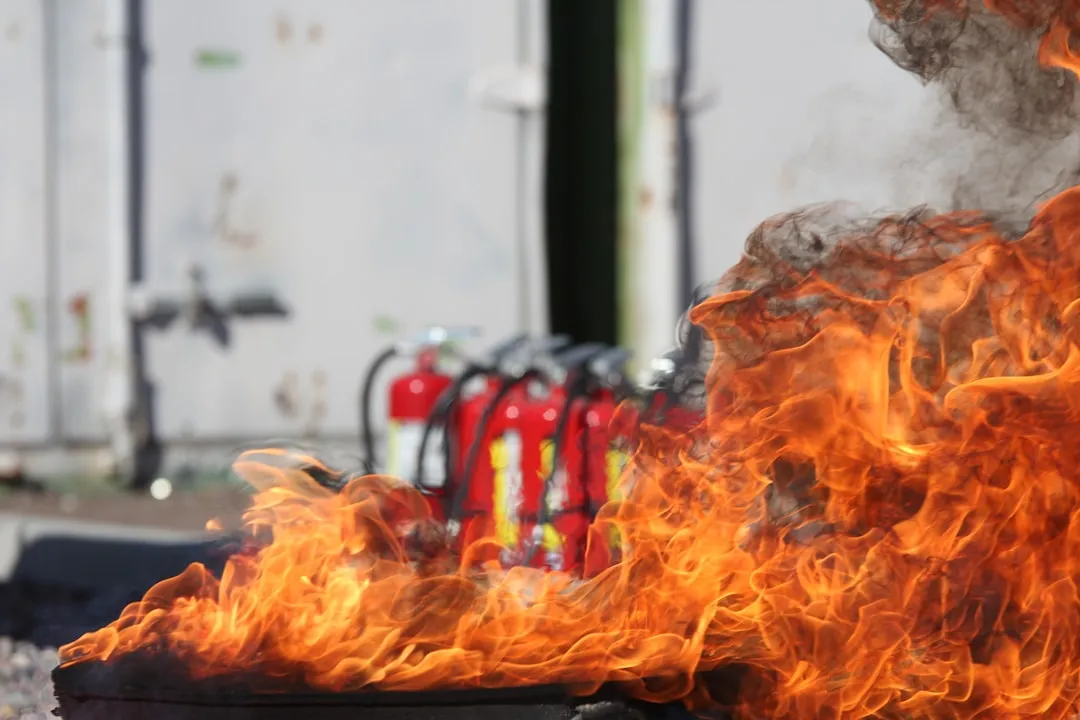
Grounding and bonding are critical for preventing electrical shocks and fires. Inspectors often find that older homes lack proper grounding systems. Ensuring that the electrical system is correctly grounded and that all components are securely bonded is crucial.
Ungrounded outlets are common in older homes. Inspectors flag these because they do not provide modern electrical protection. While two-prong outlets may still function, they are considered unsafe for many appliances and electronics.
Part of the reason knob-and-tube wiring is considered obsolete is its lack of a grounding wire, which is incompatible with modern appliances and can cause them to short out, shock people, or worse. Upgrading to a properly grounded system is one of the most consistent fixes inspectors recommend in older properties.
Exposed Wiring and Open Junction Boxes
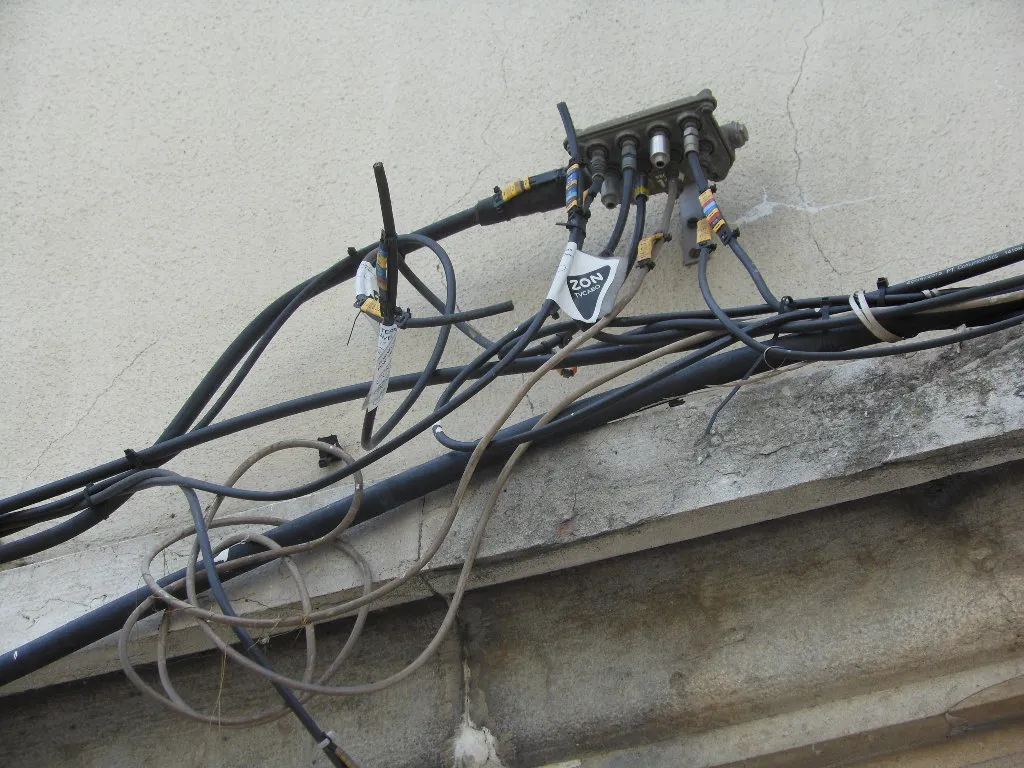
Inspectors look for wires that are not secured properly or are exposed outside of junction boxes. Open splices, uncovered junction boxes, and hanging wires all signal poor electrical safety and must be corrected.
Problems with wiring, such as the use of incorrect wire sizes or poor insulation, are serious concerns. Issues like exposed wires, improperly secured cables, or damaged wiring are not just code violations but also pose significant risks. In older homes, decades of patchwork repairs can leave sections of wiring exposed in attics, basements, and utility rooms without anyone having noticed.
DIY Electrical Work Done Without Permits
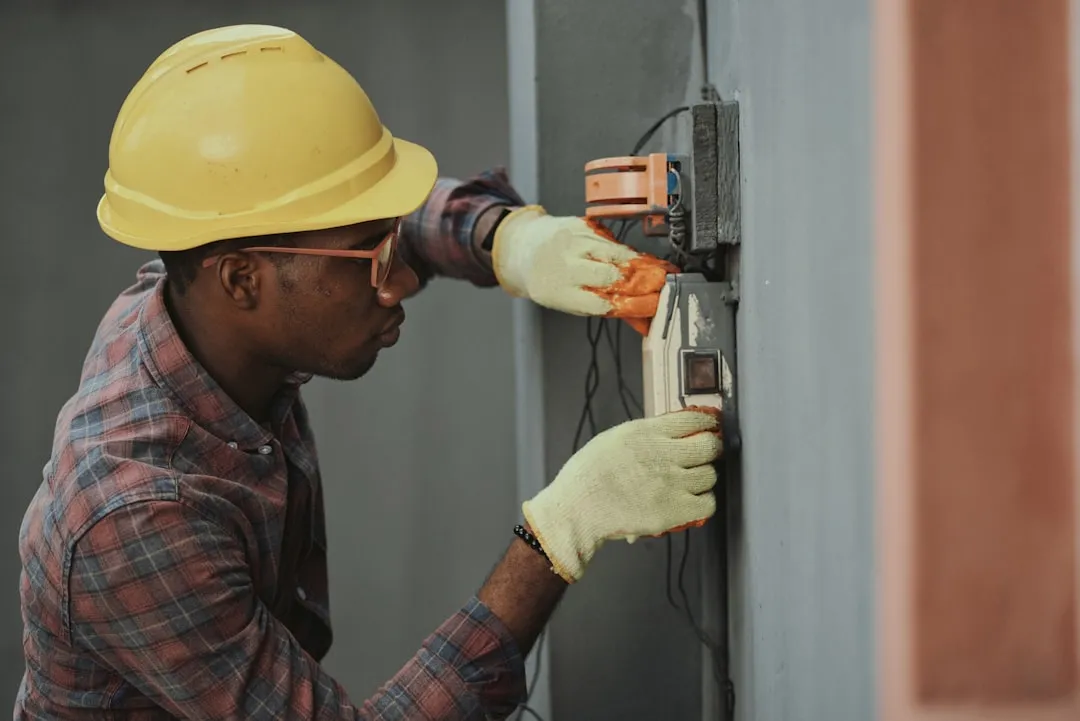
Breakers that do not match the electrical panel, loose connections, and unpermitted DIY electrical work often trigger inspection failures. This is a particularly common issue in homes that have changed hands several times, where previous owners may have added circuits or modified outlets without pulling permits.
Home inspectors can often spot DIY electrical work. This includes mismatched outlets, incorrect wiring, missing covers, and improper connections. Amateur fixes, like loose wiring or missing junction boxes, will almost always result in inspection failure.
Installing light fixtures or outlets incorrectly, such as using the wrong polarity or not securing the connections properly, can put property and electrical systems in danger. The problem compounds over years, as each new owner may add their own unofficial layer on top of the previous one.
Cloth-Covered Wiring and Deteriorated Insulation
In homes built in the 1940s and 1950s, buyers may encounter cloth-covered nonmetallic cable, sometimes called “rag wire” due to its cotton or rayon sheathing. This wiring predates the PVC-sheathed cable that became standard in the 1960s.
The fundamental problem with cloth-covered cable is deterioration. Both the cloth sheathing and the wire insulation become brittle with age, creating potential safety hazards. Over time, insulation can become brittle, crack, or entirely deteriorate, exposing live wires.
Homes built before the 1960s are likely to have outdated wiring. If you think about it, that makes sense, because it would make the insulating materials more than 60 years old. Aged insulation doesn’t just fail code; it creates real, daily fire risk.
Panel Labeling Failures and Breaker Mismatches

Outdated wiring and overloaded circuits are the most common reasons for inspection failure. Poor labeling of circuit breakers and incorrect breaker sizes are also common issues. These might sound minor, but inspectors take them seriously because a mislabeled panel makes emergency shutoff far more dangerous.
A 20-amp breaker on 14 AWG wire, or a 30-amp breaker on 12 AWG wire, is a frequent code violation. Oversized breakers are the top fire hazard that NEC section 240.4 is designed to prevent. In older homes, breakers may have been swapped out over the years without anyone verifying they matched the wire gauge they were protecting.
Blank directories, circuits labeled only as “spare” while still live, or labels by room without specific location all raise flags. The National Electrical Code section 408.4 requires legible, specific labels throughout the panel. It’s a simple fix, but one that many older homes have never received.
The Real Stakes of Failing an Electrical Inspection

Electrical distribution or lighting equipment in the home remains the fourth leading cause of home fires, according to the National Fire Prevention Association. That statistic gives context to why inspectors apply such scrutiny to systems in older properties.
U.S. firefighters from 2010 to 2014 responded to an estimated annual average of 45,210 home structure fires involving some type of electrical failure or malfunction, according to the NFPA. Most of those fires started with the kind of issues that a thorough electrical inspection is designed to catch.
When buying or selling a home, the electrical system is one of the most important areas inspectors check. Electrical problems are considered safety issues, which means they often require repairs before a sale can move forward. Even small problems can raise red flags for buyers and lenders. Understanding these failure points before the inspector arrives is worth far more than scrambling to address them afterward.
Final Thoughts
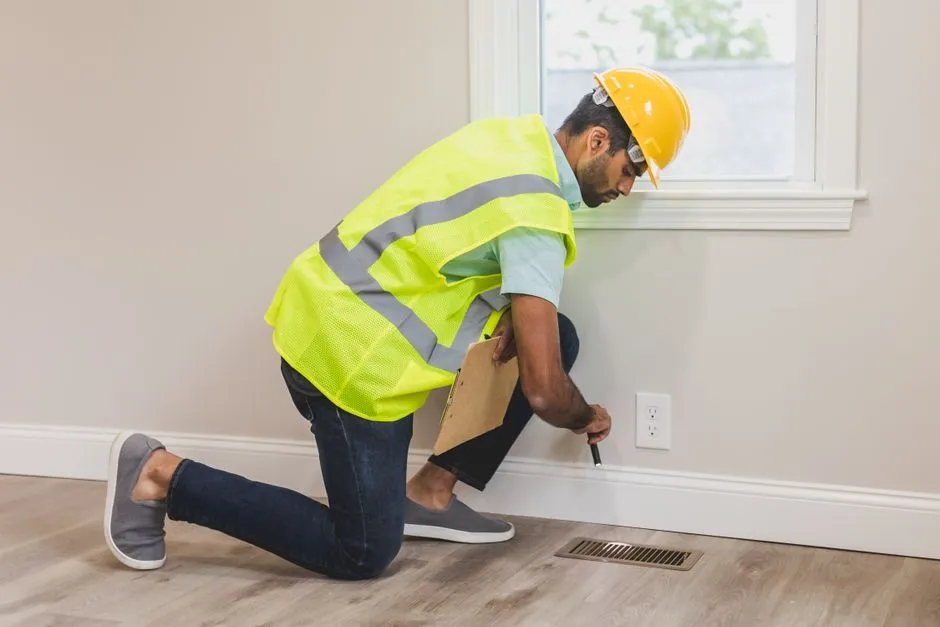
Older homes carry a lot of charm, but their electrical systems often carry something else entirely: decades of accumulated shortcuts, outdated materials, and quiet code violations. The most common reason older homes fail electrical inspections isn’t one single issue but rather a pattern. Systems that were designed for far simpler electrical demands are now being asked to do far more, often without upgrades to match.
The good news is that most of these issues are fixable. Hiring a licensed electrician to inspect and update a system before any inspection, and upgrading panels and replacing old wiring, will not only improve safety but also increase the likelihood of passing. A failed inspection isn’t a verdict on the home; it’s a prompt to finally do what probably should have been done years ago.
AI Disclaimer: This article was created with the assistance of AI tools and reviewed by a human editor.