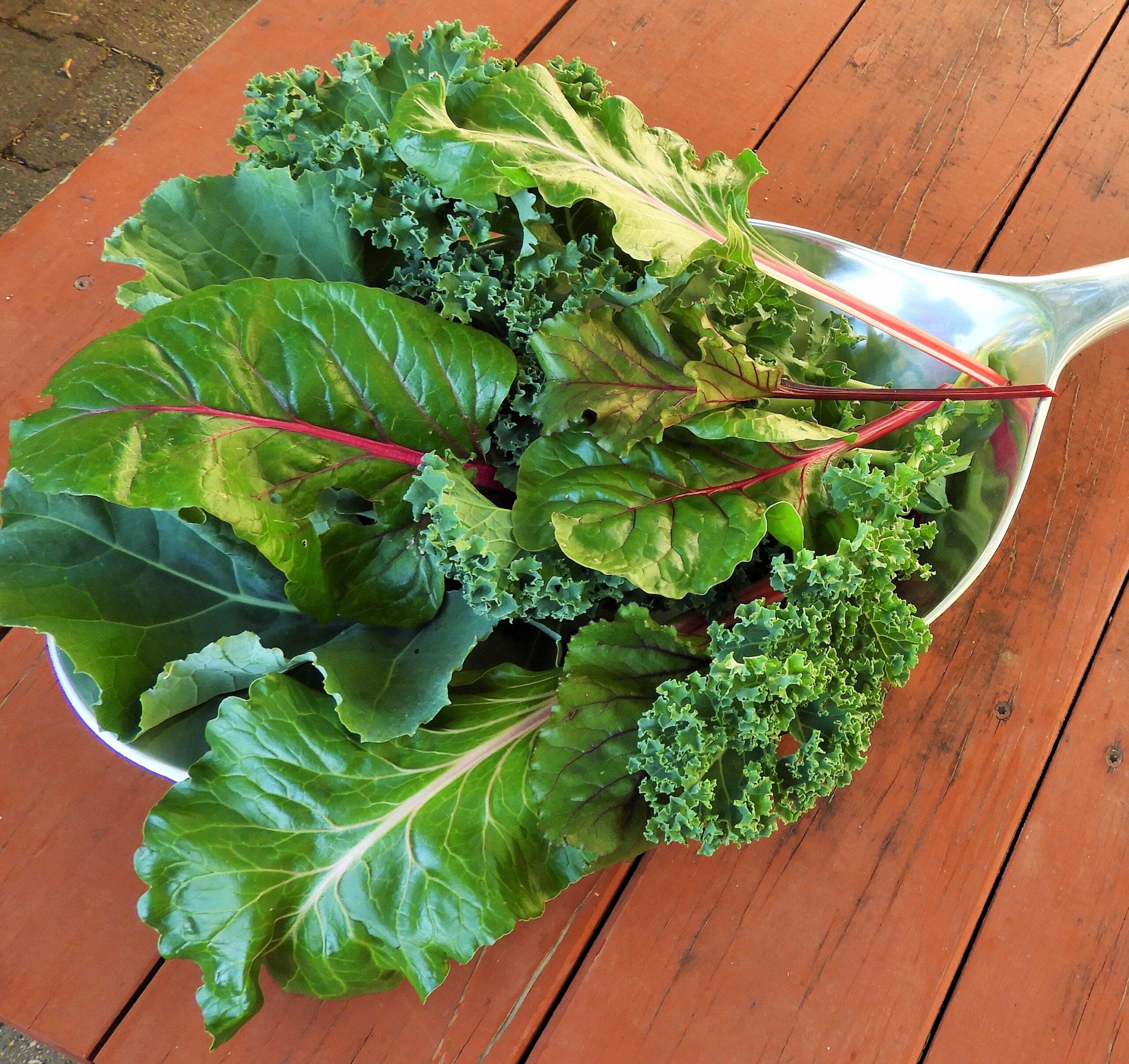

You open the fridge, reach for that bag of salad you bought three days ago, and it’s already a soggy mess. Meanwhile, the head of romaine sitting next to it looks perfectly fine. It’s a frustrating pattern that plays out in kitchens every week, and it’s not a coincidence.
The gap in shelf life between bagged and loose greens comes down to a chain of events that starts long before the bag lands in your cart. Most of it traces back to one foundational issue: cutting. Once a leaf is cut, the clock runs much faster than most people realize.
The Cut Is Where It All Begins
Bagged greens are often harvested from multiple farms, chopped, washed, mixed, and packaged – each a potential point at which bacteria can enter the process. That’s a lot of handling before the product even reaches the shelf.
In fresh-cut vegetables, the cutting and processing leads to increased respiration rates and accelerated senescence. In plain terms, slicing a leaf tells the plant tissue to speed up – and speed up it does, burning through its remaining vitality far faster than an intact leaf would.
The physiological activities of fruits and vegetables are highly enhanced by minimal processing, which involves wounding the plant tissue. This wounding response is the root cause of why convenience and shelf life are often pulling in opposite directions.
Why Intact Greens Hold Up Longer
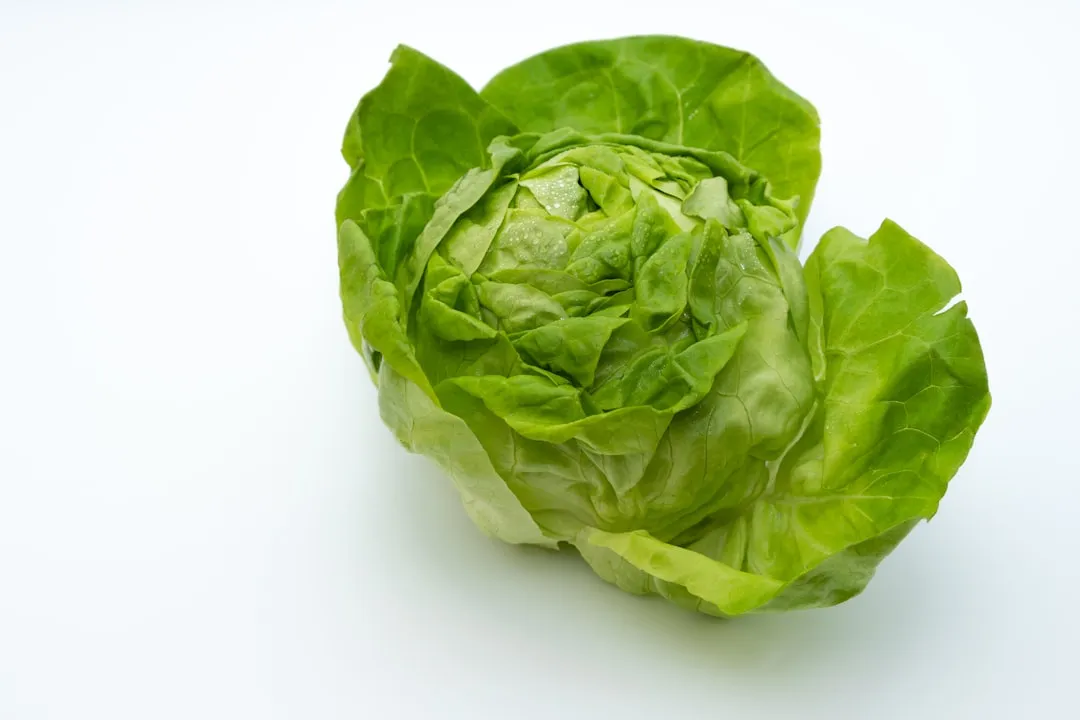
Loose greens, like a head of romaine or bunch of collards, tend to last longer in the refrigerator. They’re intact, meaning there’s less surface area exposed to air, and their natural outer leaves help shield them from spoilage.
A short shelf life in leafy vegetables is commonly associated with their high metabolic activities. They also have a high water content, which determines their freshness. A whole, uncut leaf retains that moisture far more effectively than a shredded one does.
Think of the outer leaves on a head of lettuce as a natural barrier. They slow moisture loss, limit surface exposure, and keep internal tissues in a relatively stable state. Remove that protection by chopping, and everything becomes vulnerable at once.
Cellular Damage Triggers a Flood of Juice
Even microliters of the juices – less than 1/200th of a teaspoon – which leach from the cut ends of the leaves, enabled salmonella to grow in water, even when it was refrigerated, according to research from the University of Leicester’s Department of Infection, Immunity and Inflammation.
The juices from damaged salad leaves increased salmonella growth 2,400-fold over a control group. That figure is striking. It illustrates just how potent even a tiny amount of cell fluid can be inside a sealed, moist environment.
The juices also helped the salmonella attach itself more strongly to the plastic bag surface. So the bag itself becomes part of the problem, acting as a surface where bacteria can establish and persist even through washing.
The Respiration Problem Inside the Bag
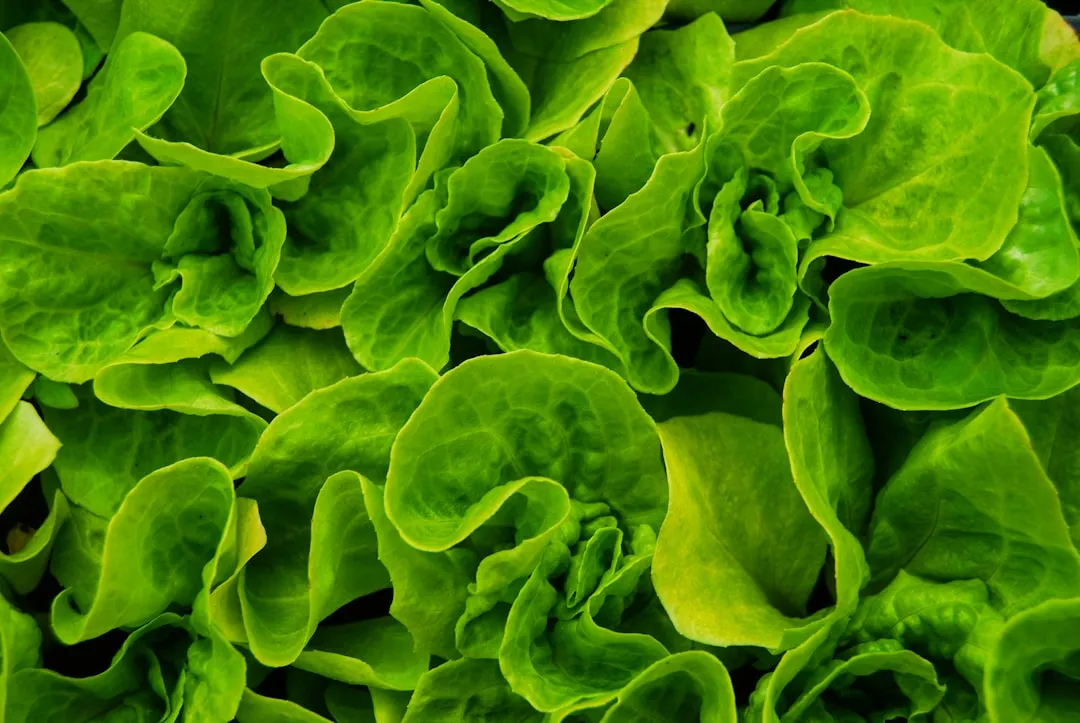
Leafy greens, like all fresh produce, are a living, breathing product. They take in oxygen and release carbon dioxide just like people do. This respiration causes the greens to break down, which can lead to spoiling.
The rate of respiration starts higher in lettuce and is influenced by temperature. Controlling oxygen and temperature surrounding fresh produce can preserve the quality and extend the shelf life of leafy greens. Cut greens respire at a significantly elevated rate compared to their whole counterparts, which is exactly why the timeline inside the bag is so compressed.
The stress of damage and injury increases the rate of respiration, transpiration, and ethylene production, speeding up the senescence of damaged tissue. Breaks and cracks in the skin also result in cellular leakage and increased microbial growth inside the tissue.
Modified Atmosphere Packaging: A Partial Solution
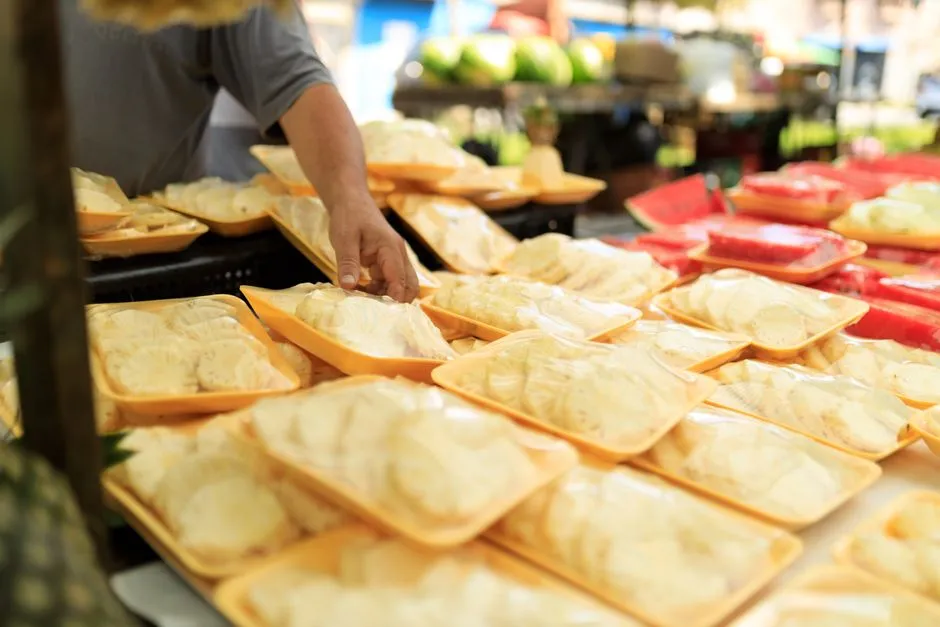
Modified Atmosphere Packaging (MAP) is a well-established packaging technique which, when used in conjunction with refrigeration, helps to keep food safe and fresh. By using a specially selected combination of gases within the product pack, MAP can increase the shelf life of certain foods.
A packet of mixed salad has a typical equilibrium modified atmosphere consisting of 5% oxygen, 15% carbon dioxide, and 80% nitrogen, according to ScienceDirect. That gas mixture is designed to slow down the greens’ biological activity and keep them looking presentable for longer.
The specific environment delays lettuce oxidation, adding roughly four to six days of shelf life to the packaged salad bag. That’s a meaningful extension – but it’s working against the cellular damage that’s already been done, not reversing it. MAP is a conventional method used to prolong the shelf life of fresh-cut vegetables including lettuce. However, MAP-stored lettuce remains perishable, and its deterioration mechanism is not fully understood.
Browning: The Visible Sign of Wound Response
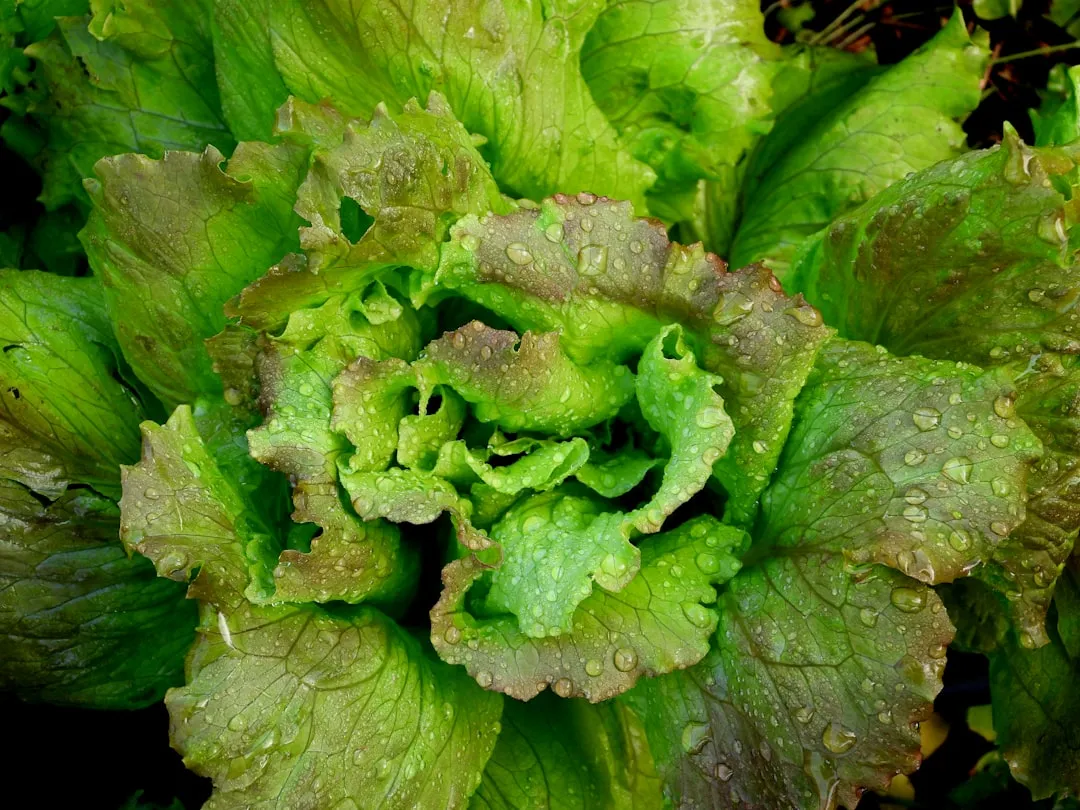
Research reveals a bipartite response to wounding in cut lettuce. In early storage, enzymatic browning was the main response to wounding, evidenced by the accumulation of caffeic acid derivatives and flavonoids, substrates for polyphenol oxidases. This is the same chemistry behind a sliced apple turning brown on the countertop.
That browning is not just a cosmetic issue. It signals real biochemical deterioration happening inside the leaf tissue, driven by the enzymes activated when cells are damaged by cutting. The process is largely irreversible once started.
Packaged greens are often pre-cut and sealed in oxygen-limiting bags. While that might temporarily delay spoilage, the damage from cutting accelerates browning and nutrient loss.
Triple Washing Doesn’t Fully Fix It
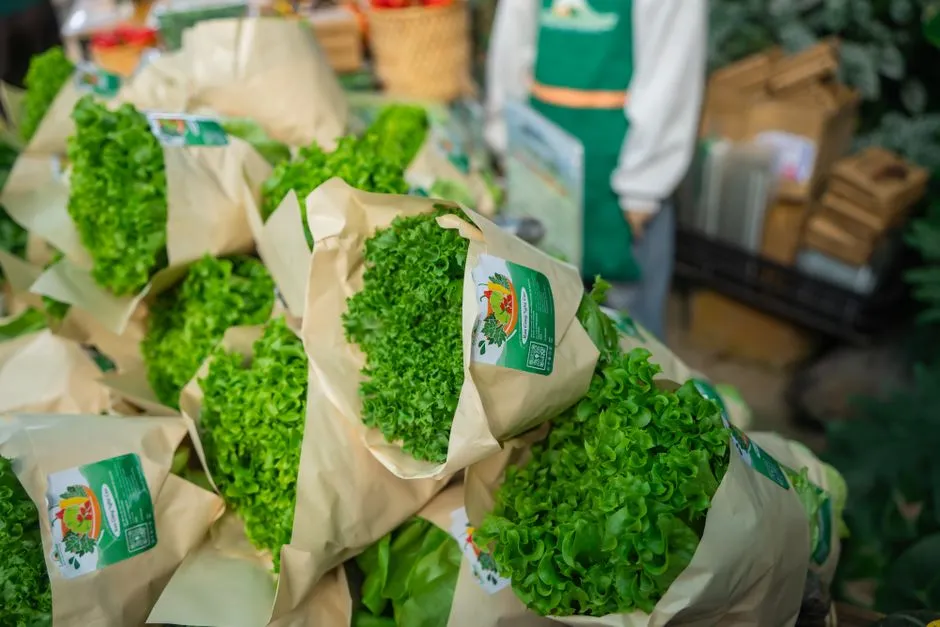
Even triple-washing and modified atmosphere packaging, which limits oxygen to slow spoilage, aren’t foolproof. Many consumers assume the “triple-washed” label on the bag means the greens are essentially clean and stable. The reality is more nuanced.
Bagged salads often trap moisture, which can cause leaves to become soggy and unappetizing. That damp environment also speeds up spoilage. Even triple-washed greens can feel limp right out of the bag.
The washing step is a reduction measure, not an elimination. Any bacteria that have settled into the cut edges or attached to the leaf surface through the juices leaching from damaged cells can persist through the wash and continue multiplying during transit and storage.
Moisture Trapped in the Bag Works Against You
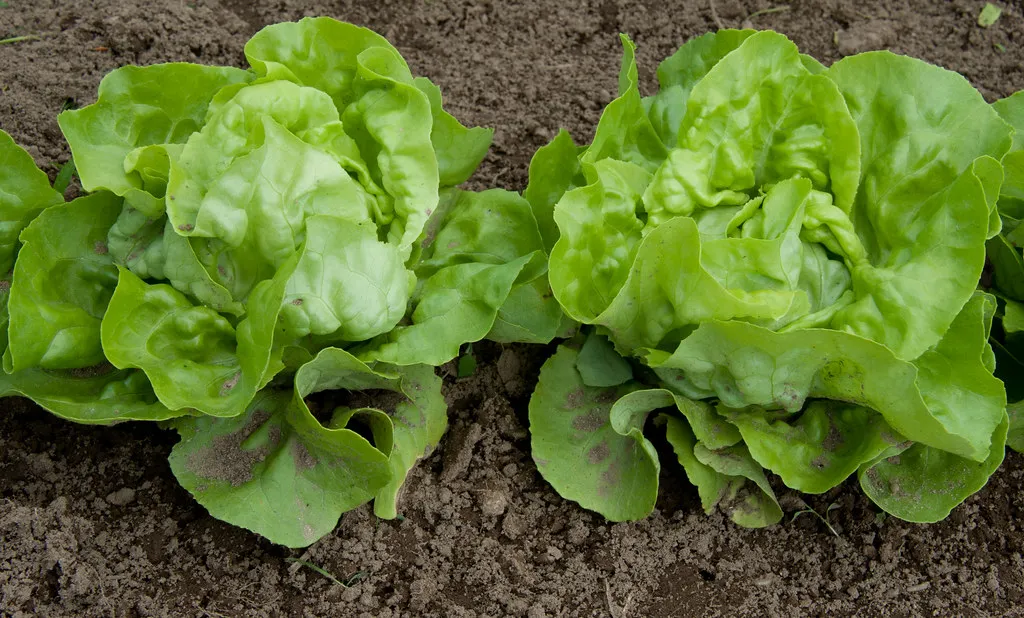
Bagged salad often has a much shorter shelf life than whole heads of lettuce. Once opened, it can wilt and turn slimy within a day or two. Even unopened bags sometimes spoil before the printed date due to trapped moisture.
Torn leaves are more likely to contain bacteria because there are more edges to contaminate. A warm, moist, and sealed environment is a perfect incubator for E. coli, salmonella, and listeria. That sealed bag, kept cold but never dry, creates conditions that microorganisms find quite comfortable.
Experts advise against opening bagged greens until you’re ready to eat them. Not only would that cancel out the benefits of the packaging, but it could expose the greens to bacteria or mold that is naturally present in the environment. Once open, time becomes the critical variable.
Ethylene and Neighboring Produce Make Things Worse
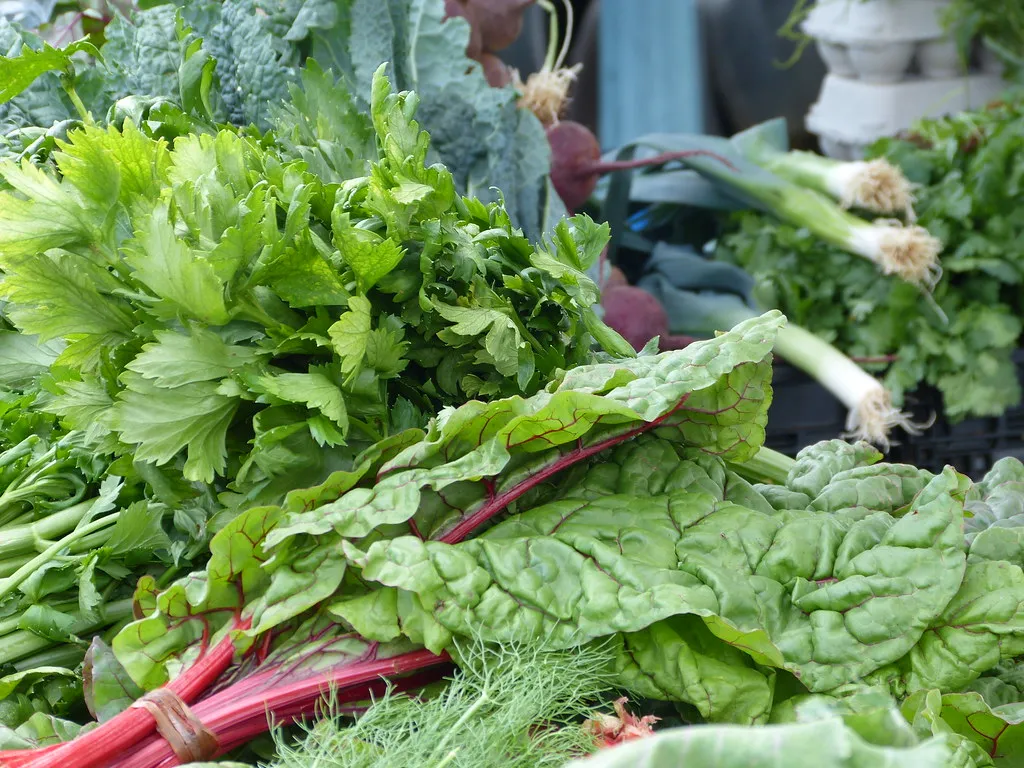
Leafy greens aren’t a major source of ethylene themselves. However, they are sensitive to produce that emits the gas. That’s why greens and salads should be stored away from bananas, apples, tomatoes, and avocados, which can cause them to wilt more quickly.
Ethylene also causes brown stains on lettuce when stored near ethylene-producing items. In a crowded produce drawer, that exposure can happen faster than most people expect, and bagged greens, already compromised by cutting, have much less resilience to absorb that extra stress.
The effects of ethylene senescence on postharvest fresh produce are well-known, even though the mechanisms involved are not fully understood. Controlled atmosphere storage and modified atmosphere packaging aim to reduce ethylene levels using scrubbers and scavengers. Still, none of that technology travels home with the bag.
Loose Greens Are the More Stable Choice
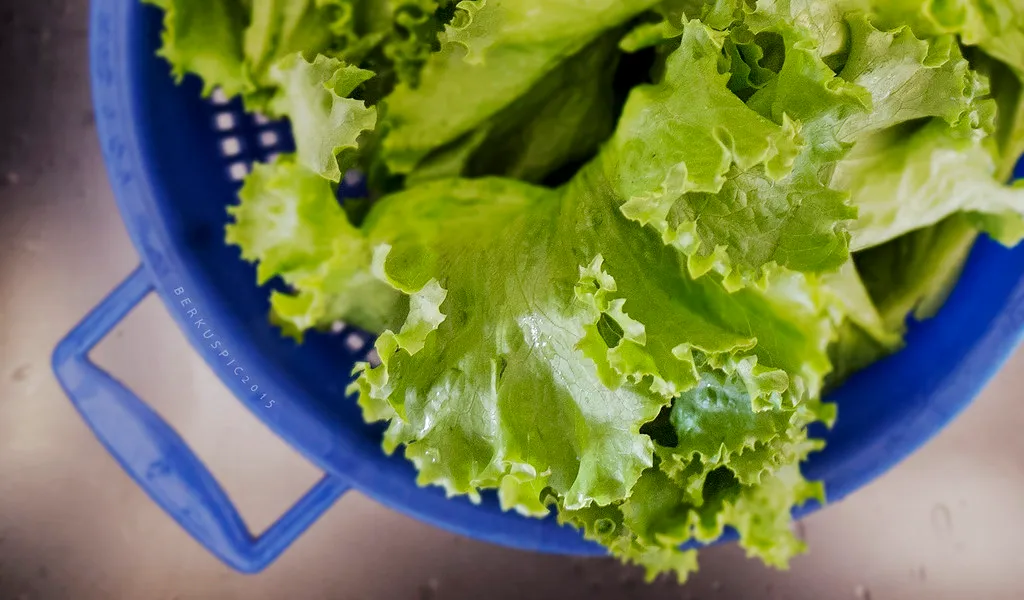
Bagged greens carry a slightly higher risk of bacteria. Experts recommend opting for whole heads of lettuce, loose bunches of spinach or kale, and other non-bagged greens to prepare at home. These products typically undergo less cutting and mixing prior to retail sale.
While there are risks with pre-cut lettuce, properly processed and packaged greens can be safe when handled correctly. Per current FDA and CDC food safety guidelines, keep pre-cut and whole lettuce refrigerated at 40°F or below, follow use-by dates, and practice proper hand hygiene when handling produce.
Researchers advise that consumers who buy bagged salad should try to eat it as soon as possible after the bag is opened. Once opened, the bacteria naturally present on the leaves also grow much faster, even when kept cold in the fridge. That’s a practical rule with real science behind it.
What This Means at the Grocery Store
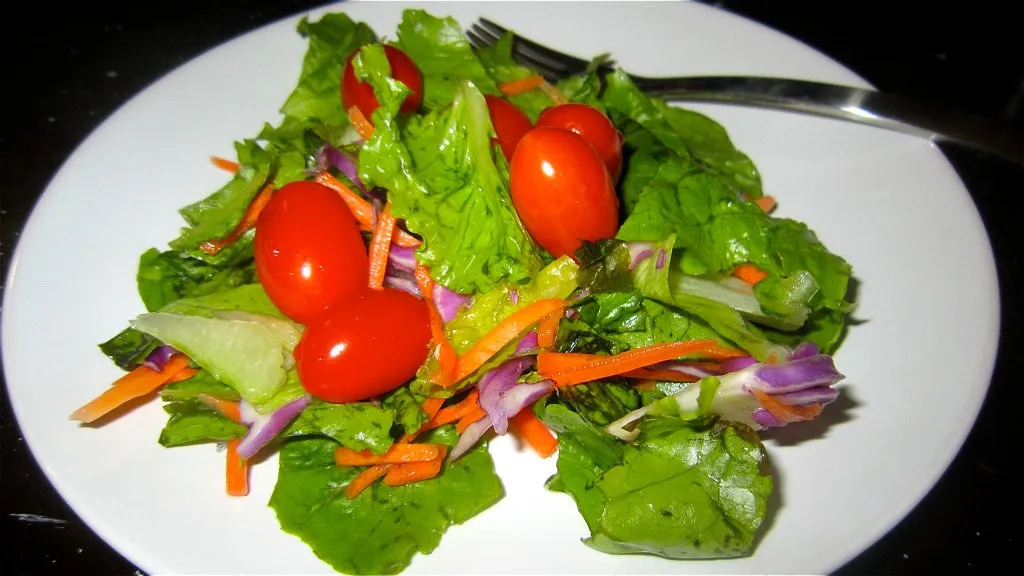
The tradeoff is real and worth understanding clearly. Bagged salad is undeniably convenient, and the science of modified atmosphere packaging does extend usable life compared to nothing at all. The catch is that it starts from a compromised position – leaves that have already been cut, stressed, washed under pressure, and sealed with their own cellular juices.
Controlling oxygen and temperature surrounding fresh produce can preserve quality and extend the shelf life of leafy greens. New technologies that limit the exchange of gases into and out of the fresh produce are potential solutions when it comes to regulating respiration. The industry is actively working on improving these methods. For now, the gap between bagged and loose greens remains a straightforward reality rooted in plant biology.
If you want greens that hold up for nearly a week, a whole head of romaine or a loose bunch of kale is a more reliable option. If you buy the bag, treat the use-by date as a genuine deadline rather than a suggestion – and eat it sooner rather than later.
AI Disclaimer: This article was created with the assistance of AI tools and reviewed by a human editor.