

Most people have done it. A headache strikes, a back seizes up, or a fever climbs, and without much thought, they reach into the medicine cabinet and pull out ibuprofen or naproxen. These pills have earned their place in millions of households, and for good reason. They work, they’re cheap, and they’re sold without a prescription. What doesn’t come printed on the label, though, is how consistently and quietly these drugs can burden one of the body’s most important filtration systems.
The kidneys do a remarkable amount of invisible work. When medications interfere with how they operate, the damage doesn’t always announce itself with obvious symptoms. That’s the particular concern with over-the-counter painkillers known as NSAIDs, or non-steroidal anti-inflammatory drugs. The risks are real, documented in peer-reviewed research, and worth understanding clearly.
What NSAIDs Are and Why So Many People Use Them

Painkillers like ibuprofen, naproxen, and aspirin, known as NSAIDs, are among the most commonly used medications in the world. They help with headaches, muscle aches, arthritis, and everyday discomfort.
NSAIDs constitute roughly five to ten percent of treatment plans in the United States. Their accessibility is a big part of why their risks often go unexamined. People tend to treat them as they would a glass of water, something mild and unremarkable. That perception doesn’t always hold up under scrutiny.
How NSAIDs Interfere with Kidney Function
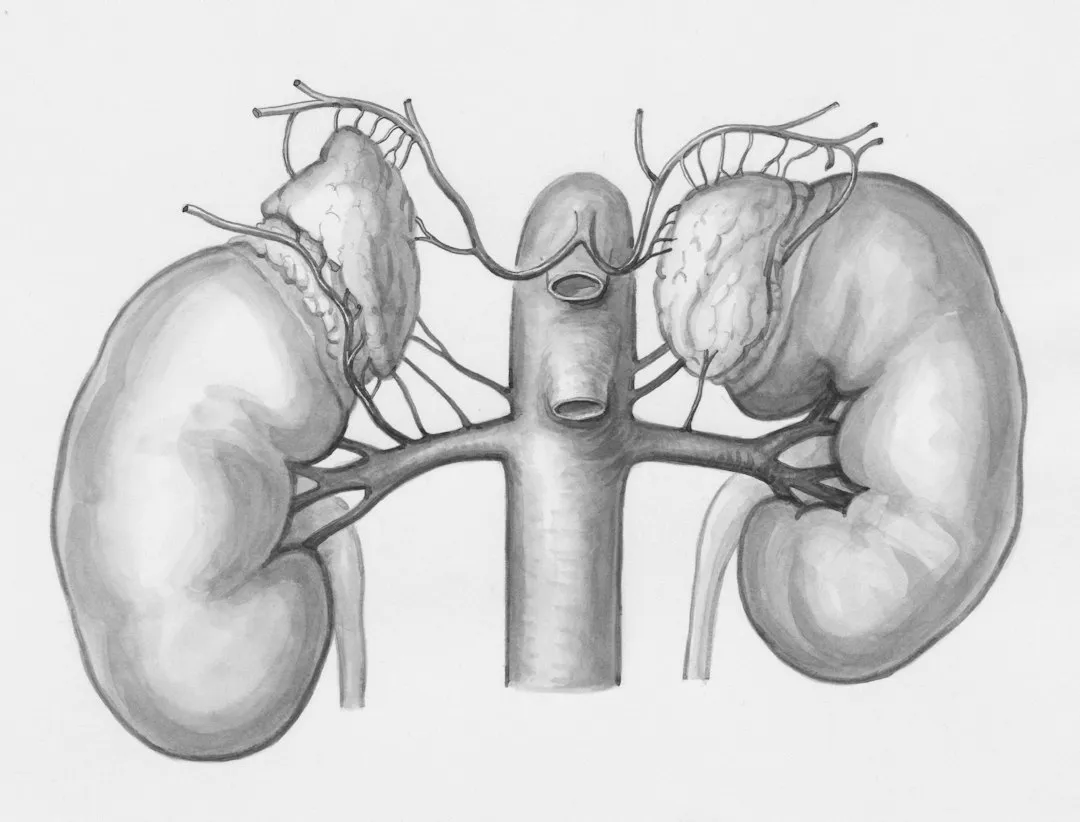
The kidneys filter waste, regulate fluid balance, and maintain electrolyte levels. The National Kidney Foundation reports that NSAIDs may cause an increased risk of sudden kidney failure and even progressive kidney damage.
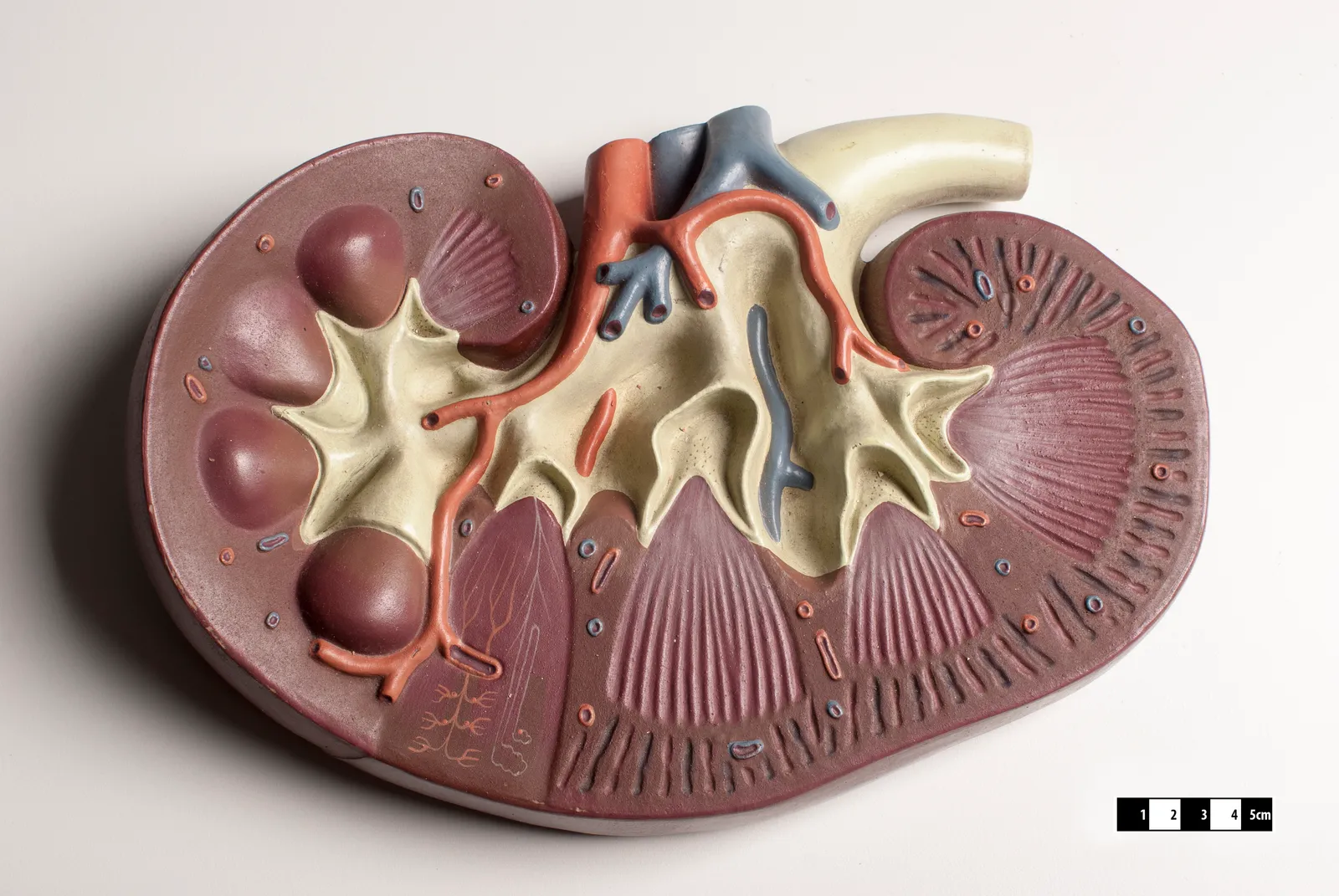
The pathophysiological mechanisms of NSAID-induced kidney damage include prostaglandin inhibition, renal vasoconstriction, and interstitial nephritis. In simpler terms: the drugs block the hormone-like chemicals that keep blood vessels in the kidney open and flowing. These drugs reduce blood flow to the kidneys, leading to a decline in the filtering function of the glomeruli.
NSAIDs can also cause the body to retain sodium and water, leading to swelling and elevated blood pressure, which can worsen existing heart failure or hypertension.
How Quickly the Damage Can Begin

One of the more sobering findings in recent research is how fast kidney stress can appear. The median onset time for renal injury was 6 days, with nearly four out of five adverse events occurring within the first 30 days of use. That’s not months of heavy use, it’s the span of a single short-term course of treatment.
The use of NSAIDs remains widespread among high-risk patients, including those with heart failure, hypertension, and chronic kidney disease. This overlap between vulnerable people and frequent use is where the clinical burden becomes most significant.
The Link Between Regular NSAID Use and Chronic Kidney Disease
A systematic review and meta-analysis examined the link between long-term NSAID use and chronic kidney disease, finding that NSAID use raised the risk of developing CKD by roughly a quarter and the risk of CKD progression by half.
For individuals without CKD at the start of use, the risk was about a third higher, while those already living with CKD faced a risk that was two thirds higher. People without specific chronic conditions showed an even more striking elevation, with roughly three in five facing higher risk. These figures come from peer-reviewed analysis and are not abstract, they represent real shifts in clinical outcomes for real patients.
Ibuprofen and the Volume of Reported Cases

Ibuprofen is the most widely recognized name in this drug class, and it accounts for the largest share of reported kidney injury cases in surveillance data. Among 7,436 cases of NSAID-associated renal injury analyzed from the FDA’s Adverse Event Reporting System, ibuprofen accounted for nearly half of all reports, totalling 3,475 cases.
Ibuprofen also showed the highest signal with renal injury among the NSAIDs studied. Still, it’s worth noting that ibuprofen is also far more widely used than many of its counterparts, which inevitably inflates its report count. The signal, not just the volume, matters here.
One large retrospective cohort study found that overall NSAID treatment was associated with a 71% increased risk of reduced kidney filtering capacity and a 93% increased risk of a significant drop in filtering rate compared with no NSAID use.
Dehydration: The Hidden Amplifier

Dehydration creates the most dangerous scenario because your body already has reduced blood volume, and NSAIDs further restrict kidney blood flow. This combination can trigger acute kidney injury within hours.
When the body is dehydrated, kidney blood flow is already reduced, and NSAIDs exacerbate this by further constricting blood vessels. This is particularly relevant during illness, intense exercise, or hot weather when fluid loss often goes unnoticed until it compounds into something more serious.
Who Is Most Vulnerable
Age plays a critical role in NSAID kidney toxicity. Adults over 65 face higher risks because kidney function naturally declines with age, and their kidneys have less reserve capacity to handle the stress of reduced blood flow from NSAIDs.
People with diabetes, high blood pressure, or heart disease already have compromised kidney function, making them more vulnerable to NSAID damage. The connection between kidney disease and high blood pressure means that NSAIDs can worsen both conditions simultaneously.
Combining NSAIDs with other medications that can harm the kidneys, such as ACE inhibitors, ARBs, or certain antibiotics like aminoglycosides, significantly increases risk. This combination is sometimes called the “triple whammy” in clinical circles.
Children Are Not Exempt

It’s tempting to assume that kidney concerns from painkillers are primarily an adult problem. The evidence tells a different story. In a cohort study of more than 50,000 hospitalized children in China, ibuprofen use was associated with an increased risk of hospital-acquired acute kidney injury, and the effect appeared to be dose-dependent.
Among children with pre-existing chronic kidney disease, the risk was more than double that seen in children without that condition. Studies show that dehydrated children given ibuprofen are roughly twice as likely to develop kidney problems. For parents reaching for children’s ibuprofen, context matters considerably.
Are the Effects Reversible?

This is a fair question, and the evidence is genuinely mixed. For most healthy adults taking occasional ibuprofen, the effects on kidney function are temporary and reversible, with creatinine typically returning to baseline within several days of stopping the medication.
However, longer use carries a different profile. One study found that estimated glomerular filtration rate was significantly reduced following twelve months of daily NSAID administration, dropping from a median of 84.0 to 72.8 mL/min/1.73m². Patients receiving NSAIDs for twelve months displayed both reversible and irreversible reductions in kidney filtering capacity upon stopping. Once the damage becomes irreversible, no amount of stopping will restore what’s been lost.
Safer Alternatives and What the Research Recommends

Ibuprofen and naproxen pose higher kidney risks than acetaminophen for most people, and people with existing kidney problems should limit NSAIDs to fewer than ten days per month. Acetaminophen is generally considered the more kidney-friendly option for everyday pain, though it carries its own liver-related risks at high doses.
Research calls for safer practices, including screening of high-risk individuals, using the minimal effective NSAID dose for the briefest duration, and regularly monitoring kidney function and electrolytes. For those managing chronic pain, that recommendation points toward a meaningful conversation with a physician rather than a reflexive trip to the pharmacy shelf.
Safer practices include using the minimal effective NSAID dose for the shortest duration and regularly monitoring kidney function. The goal isn’t to avoid pain relief, it’s to choose it with a clearer picture of what the trade-offs actually are.
The Takeaway

There’s nothing wrong with reaching for a painkiller when you genuinely need one. The problem isn’t the occasional use in a healthy adult who drinks enough water and has no underlying conditions. The problem is the quiet normalization of daily or near-daily use, often without any awareness that the kidneys are absorbing a sustained, cumulative strain.
Despite relatively low incidence rates, the extensive use of NSAIDs increases the clinical burden of nephrotoxicity across a wide segment of the population. Scale matters. Even a small percentage of harm, multiplied by millions of people using these drugs regularly, adds up to something substantial at a public health level.
The kidneys don’t complain loudly until things are already serious. That silence is worth respecting, even when the headache isn’t.
AI Disclaimer: This article was created with the assistance of AI tools and reviewed by a human editor.