
Walk through almost any neighborhood in spring and you’ll spot it everywhere: dark mounds of mulch heaped high against tree trunks, piled thick across garden beds, looking neat and intentional. It’s one of the most widespread landscaping habits in home gardening, and it’s quietly killing plants.
The mistake isn’t mulching itself. Mulch genuinely works. The problem is doing too much of it, or doing it wrong, in ways that turn a helpful practice into a slow-motion suffocation. Understanding what actually happens beneath an overly thick layer changes how you’ll look at your garden beds forever.
The Volcano Mulching Problem Nobody Talks About Enough
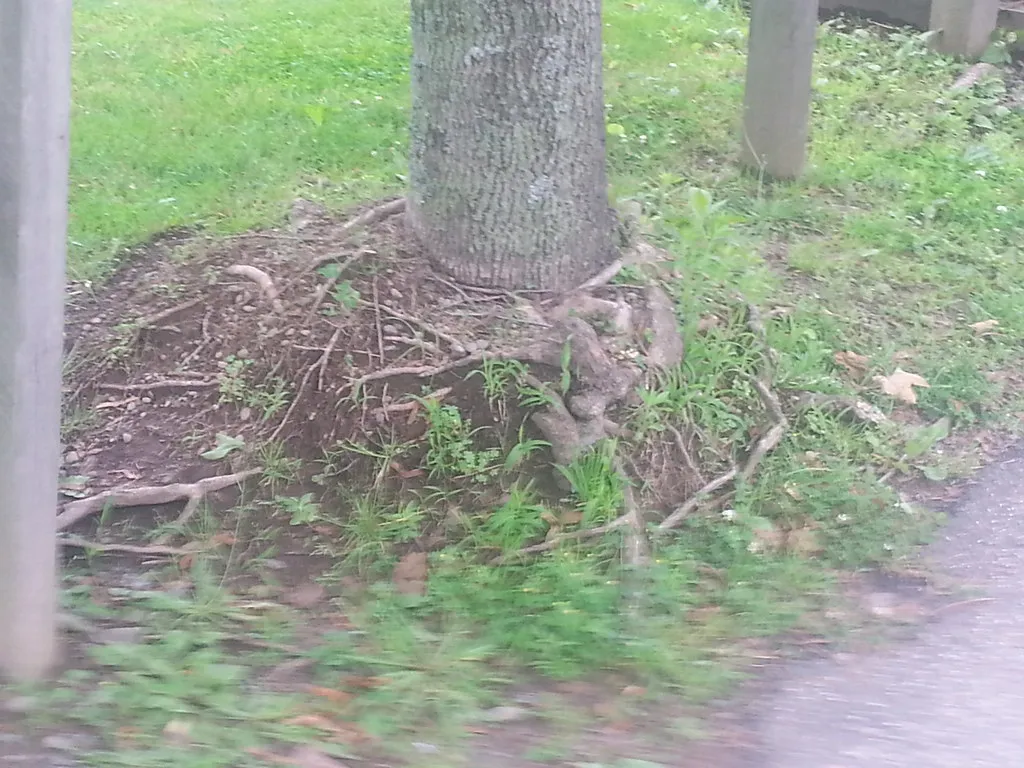
This common mistake happens when mulch is piled high onto the tree’s trunk, forming a cone-shaped mound resembling Mount Vesuvius. It looks deliberate. It looks professional. In reality, it’s one of the most harmful things you can do to a tree or shrub.
Volcano mulching, where mulch is piled high against a tree’s trunk in a cone-like shape, is known to be detrimental to tree health. This harmful practice can lead to bark decay, root suffocation, and increased susceptibility to pests and diseases.
Even though some professional landscapers still do this, it’s potentially harmful as it leads to bark rot and gives cover to rodents such as mice, chipmunks, and voles that chew on bark. The unfortunate irony is that many homeowners see this technique used by landscaping crews and assume it must be the correct approach.
How Thick Mulch Cuts Off Root Oxygen
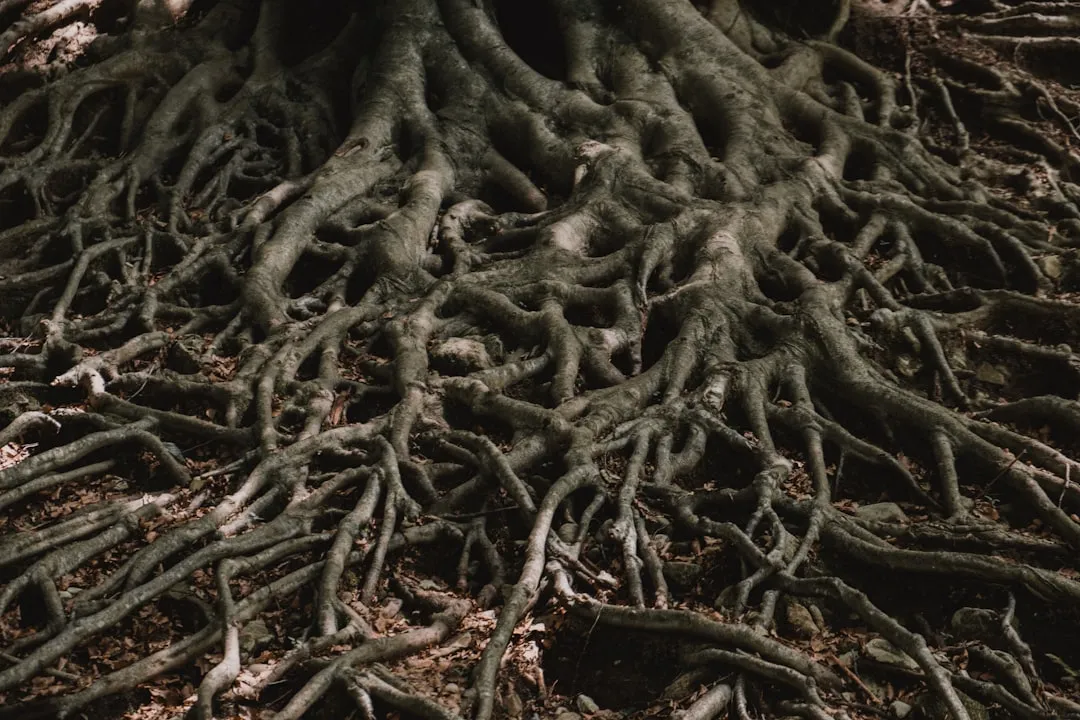
Suffocation of tree roots is the most common cause of tree and shrub death from overmulching. Repeated applications can contribute to waterlogged soil and root zones by slowing soil water loss through evaporation. With water occupying most soil pore space, air content is minimal and diffusion of oxygen is essentially blocked.
Roots need oxygen for respiration. When soil oxygen levels drop below ten percent, root growth declines. Once too many roots decline and die, the plant dies. That threshold matters. It’s not a gradual slide; below that point, the cascade moves quickly.
Over-mulching can smother plant roots, reducing their access to air and nutrients. Roots need oxygen to thrive, and a thick layer of mulch can create anaerobic conditions that stunt growth.
The Signs Your Plants Are Already Struggling
Plants rarely stay quiet when mulch depth gets out of control. Leaves may turn pale green or yellow even after fertilizing, stems can weaken, and growth may slow noticeably despite regular watering. Gardeners often respond by adding even more water, which only worsens the oxygen shortage happening below the surface.
A sour smell near garden beds also signals trouble brewing underneath the mulch layer. Healthy soil smells earthy and fresh, while oxygen-starved soil often develops a swampy or rotten odor because anaerobic bacteria take over in overly wet conditions. Mushrooms, slime molds, and fungal growth can spread rapidly across thick mulch beds that stay damp for long periods after rainfall.
Symptoms may take several years to appear, depending on the plant and the soil type. That delayed timeline is part of what makes over-mulching so insidious. The damage compounds long before the evidence becomes visible.
What Happens to Bark Under Buried Mulch
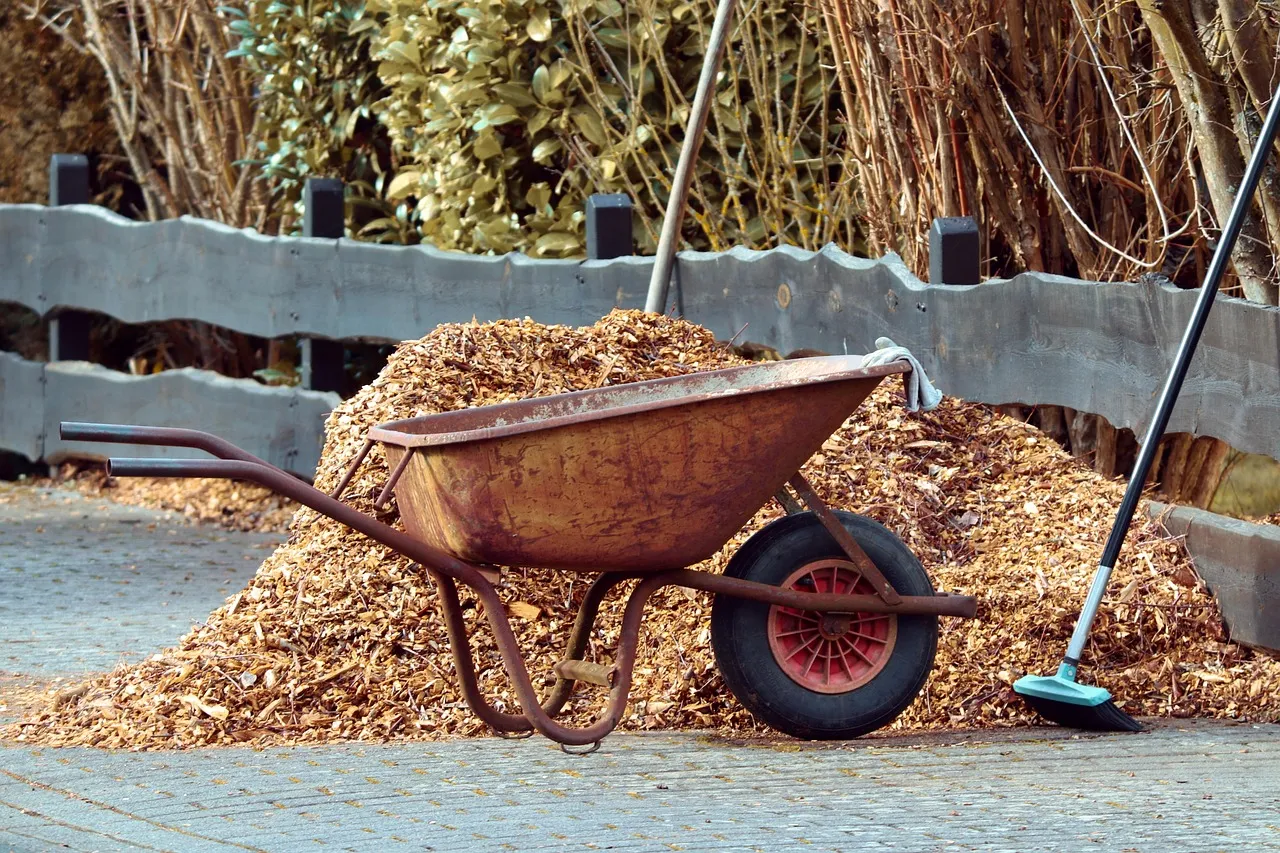
Above-ground stems must be able to freely exchange adequate amounts of oxygen and carbon dioxide through lenticels. When mulch is piled onto the trunks, gas exchange decreases with phloem tissue eventually becoming stressed and later dying. When the phloem dies, roots are malnourished and weakened to the point where they suffer reduced water and nutrient uptake, which subsequently affects the health of the whole plant.
Most fungal and bacterial diseases require moisture to spread and reproduce. Trunk diseases gain a foothold in the moist, decaying bark tissue under the mulch. Once established, the disease organisms ultimately invade the inner bark, disrupting the flow and storage of sugars produced during photosynthesis, starving and finally killing the plant.
Wet mulch layers piled up next to the trunk may begin to heat up when the bark begins to decompose. This scenario is similar to composting, where temperatures within inner mulch layers may reach 120 to 140 degrees Fahrenheit, which may directly kill the inner bark of young plants, or may prevent the natural hardening off period that plants must go through in the fall in preparation for winter.
When Mulch Becomes Water-Repellent Instead of Moisture-Retaining
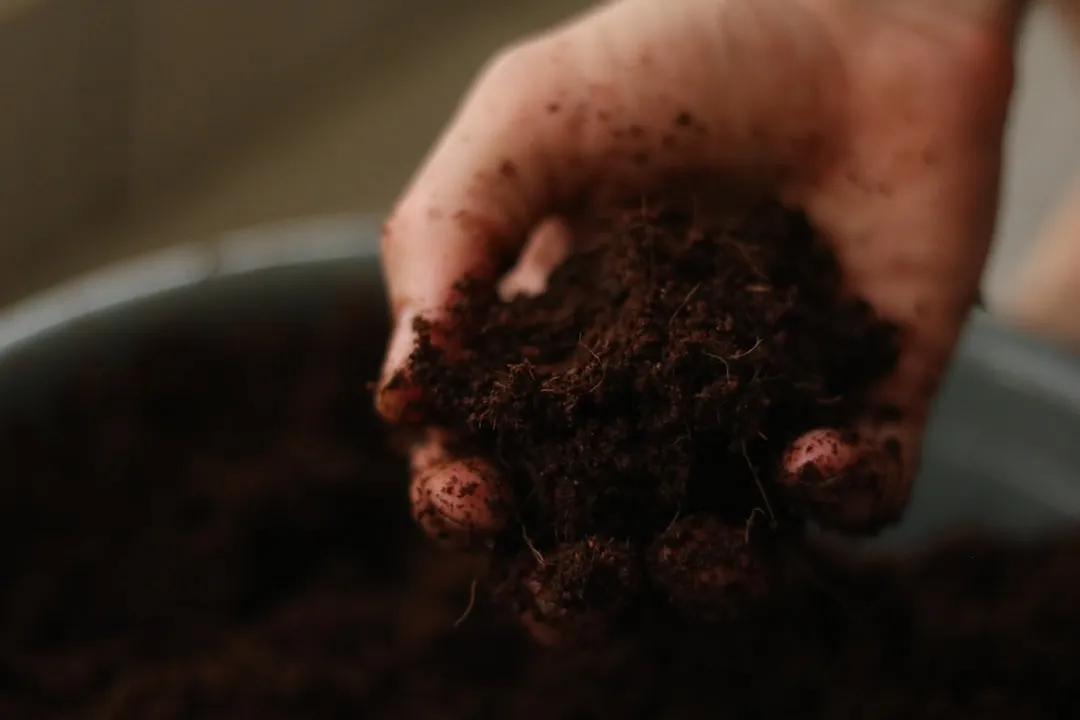
When wood mulches are applied too thickly then allowed to completely dry out, conditions are beneficial for the colonization by certain fungi that create water-repellent conditions throughout the mulch. This condition is coined “hydrophobic” or commonly called “hyper-dry.”
Despite its benefits, excessive layers of mulch can be detrimental to plants. When applied in a thick layer and then allowed to dry out, it can become hydrophobic, acting as a water repellent. Instead of draining into plant roots, the water slides off, leading to a shortage of moisture.
If you keep adding new mulch on top without removing or loosening the old layer, the buildup can cause drainage problems, suffocate roots, and create a dense mat that repels water. This means the very thing you intended to conserve moisture for your plants is actively preventing water from reaching them at all.
The Compaction and Layering Trap
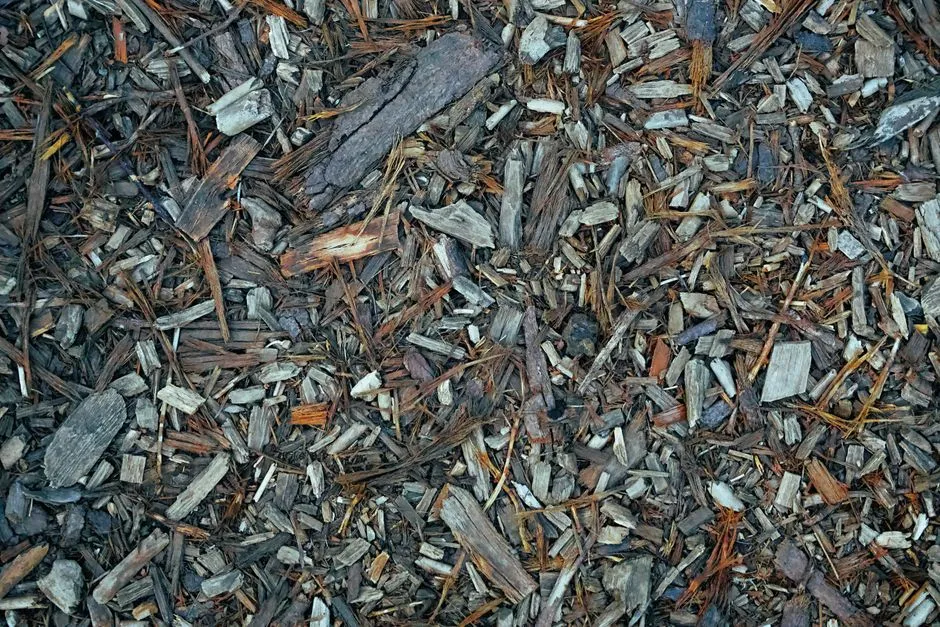
Over time, mulch naturally breaks down and becomes compacted. If you keep adding new mulch on top without removing or loosening the old layer, the buildup can cause drainage problems, suffocate roots, and create a dense mat that repels water. Before adding a fresh layer each season, rake through the existing mulch to aerate it and remove any clumps or compacted areas.
If the mulch is overly matted or slimy, remove it and start fresh. That might feel wasteful, but leaving a deteriorated layer underneath a fresh one compounds the problem season after season.
Instead of adding new mulch blindly, assess depth first. Over-mulching suffocates roots and can mimic the effects of a mulch volcano. A quick probe with your finger before reaching for the mulch bag can save you months of troubleshooting declining plants.
Shallow Roots and Long-Term Structural Damage
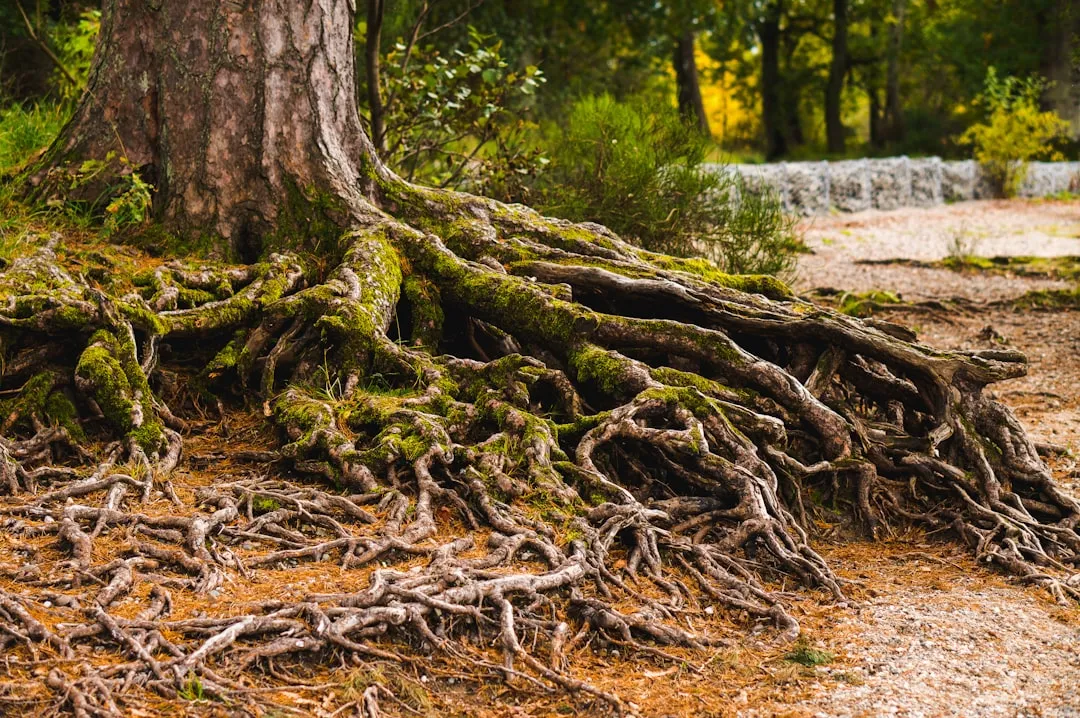
When mulch is too thick or improperly placed, tree roots may grow abnormally close to the surface, leading to instability and poor nutrient absorption. Thick layers of mulch can prevent oxygen from reaching the tree’s root system, which is essential for its health and longevity.
Volcano mulching can also bury the tree’s root flare, a special part of the tree where the trunk expands and transitions to the root system. The flare should remain visible above the soil line to allow for proper oxygen exchange for the roots.
Research shows that a large number of plants have rapidly improved in color and vigor within months of root flare excavations. Professional arborists often employ an industrial pneumatic air spade to expose buried root flares and alleviate soil compaction in mature or specimen trees, leading to remarkable recoveries in overall health and aesthetics. Recovery is possible, but prevention is far simpler.
What the Research and Experts Actually Recommend
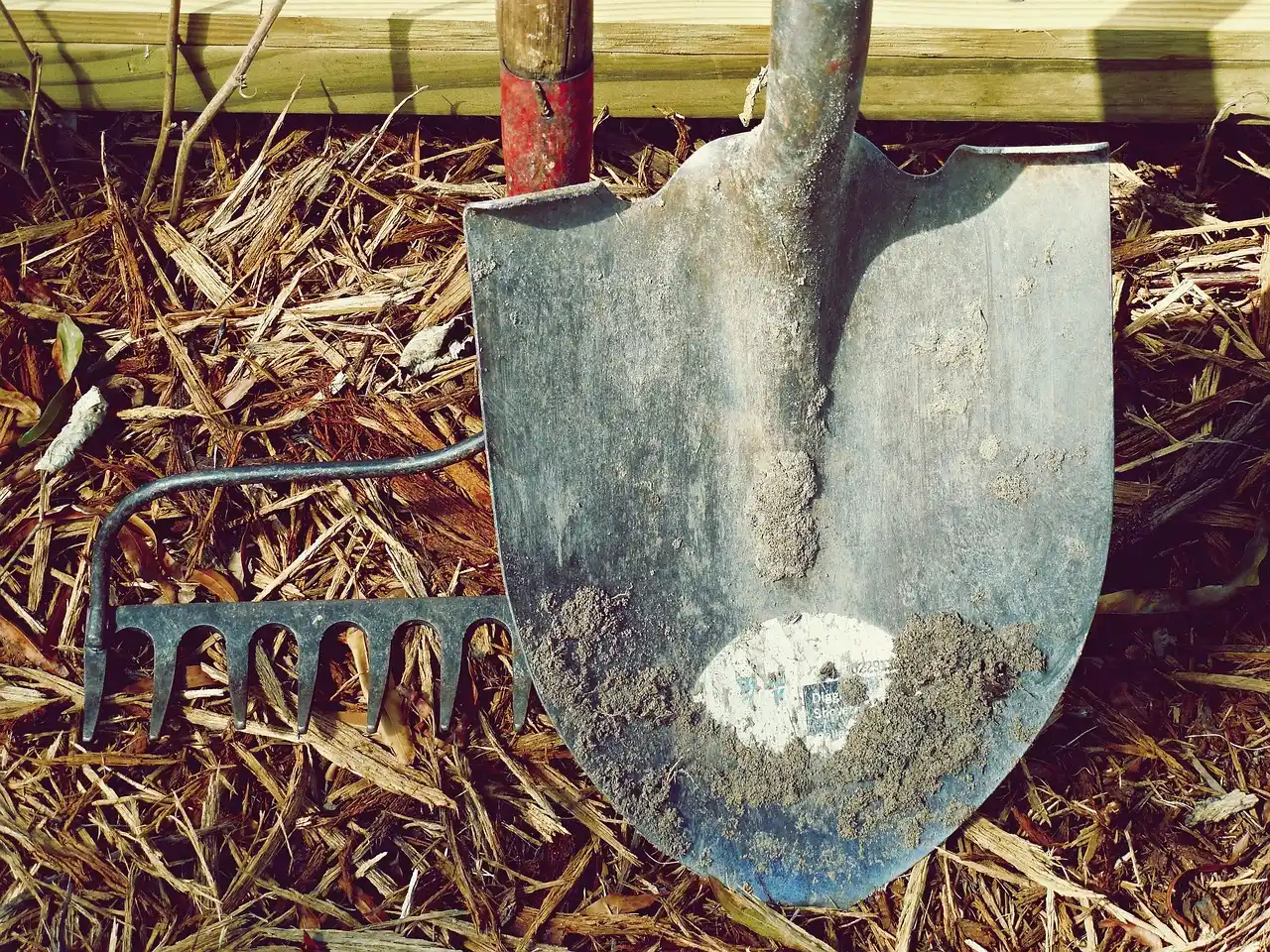
Current industry best practices and trade magazine articles recommend a mulch depth of 5 to 10 centimeters, or 2 to 4 inches, and caution against exceeding this depth, warning of issues affecting stem tissue like stem girdling roots and pathogens.
Iowa State University Extension recommends 3 to 4 inches for trees and shrubs on well-drained sites, dropping to 2 to 3 inches on heavy soils. Excessive mulch can reduce oxygen levels in the soil, leading to poor root metabolism and increased root rot disease. The Brooklyn Botanic Garden advises applying only 2 to 3 inches of mulch on clay soils, somewhat deeper on well-drained sandy soils.
Mulch applied 3 to 6 inches or more, still recommended by some, can lead to serious problems for landscape plants. A mulch that is too thick may severely reduce or eliminate drying and lead to waterlogged soil, particularly during wet seasons or in heavy clay loam soils. Ohio State University Extension has documented this clearly in their horticultural guidance.
The Right Way to Mulch: The Donut Method

Instead of piling mulch like a volcano, aim for a “donut” shape around the tree’s base. Spread mulch evenly in a ring, keeping it 2 to 4 inches deep. Leave a 2 to 3 inch space around the trunk, keeping mulch away from direct contact with the bark.
Keep mulch between 3 and 4 inches deep to retain moisture without suffocating the soil or roots underneath. Spread mulch in a wide, flat “donut” shape, keeping the material 4 to 6 inches away from the trunk of the plant to decrease the risk of rot and moisture buildup.
Timing also plays a role in how effective mulch can be. For best results, this is usually done in mid-to-late spring. The soil is already warm, so there is no risk of trapping cold temperatures, while most of the weeds haven’t germinated yet, allowing mulch to suppress them.
Choosing the Right Mulch Type for Your Beds
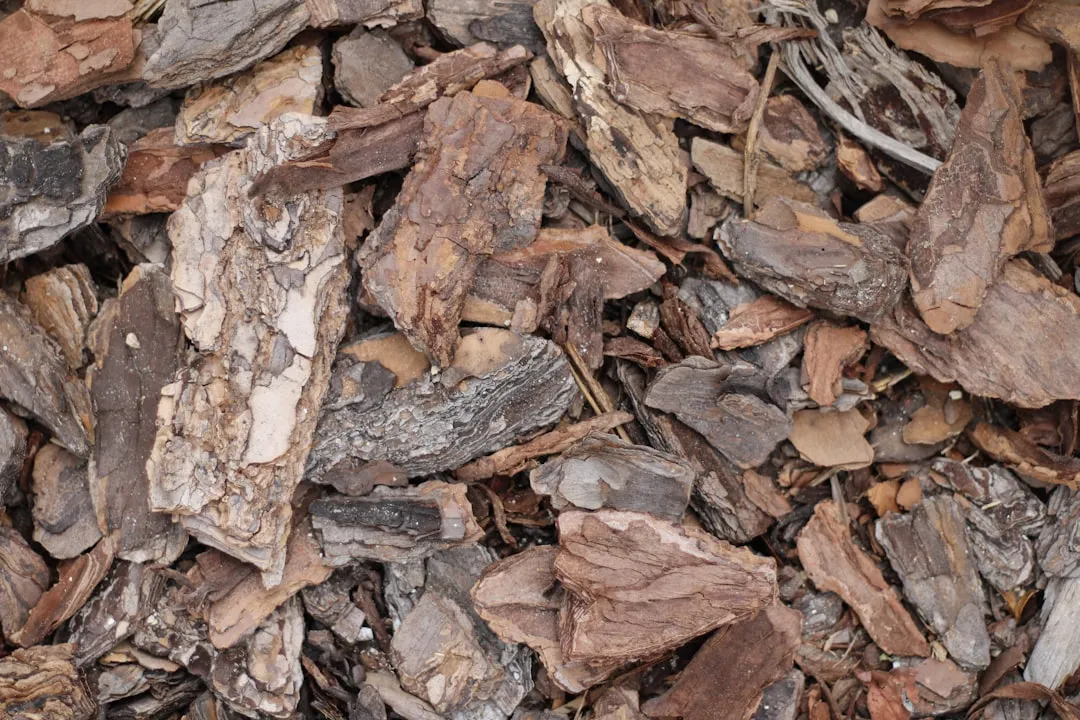
Shredded bark mulch is the most popular choice for flower, tree, and shrub beds. It resists compaction, looks good, and is readily available. That said, not all mulch materials behave the same way, and your choice matters as much as your depth.
Not all mulch is suitable for every landscape. Some types, like fresh wood chips or dyed mulch, may be too acidic or contain chemicals that leach into the soil. Others may decompose too quickly or attract unwanted pests.
Leaf mulch and evergreen needles break down faster and improve the soil better than traditional wood chip mulch. Research from Utah State University Extension notes that mulching around trees, shrubs, and in flower beds can result in a tenfold reduction in evaporative water loss from soil, which is a meaningful benefit, provided you apply the right material at the right depth.
Final Thoughts
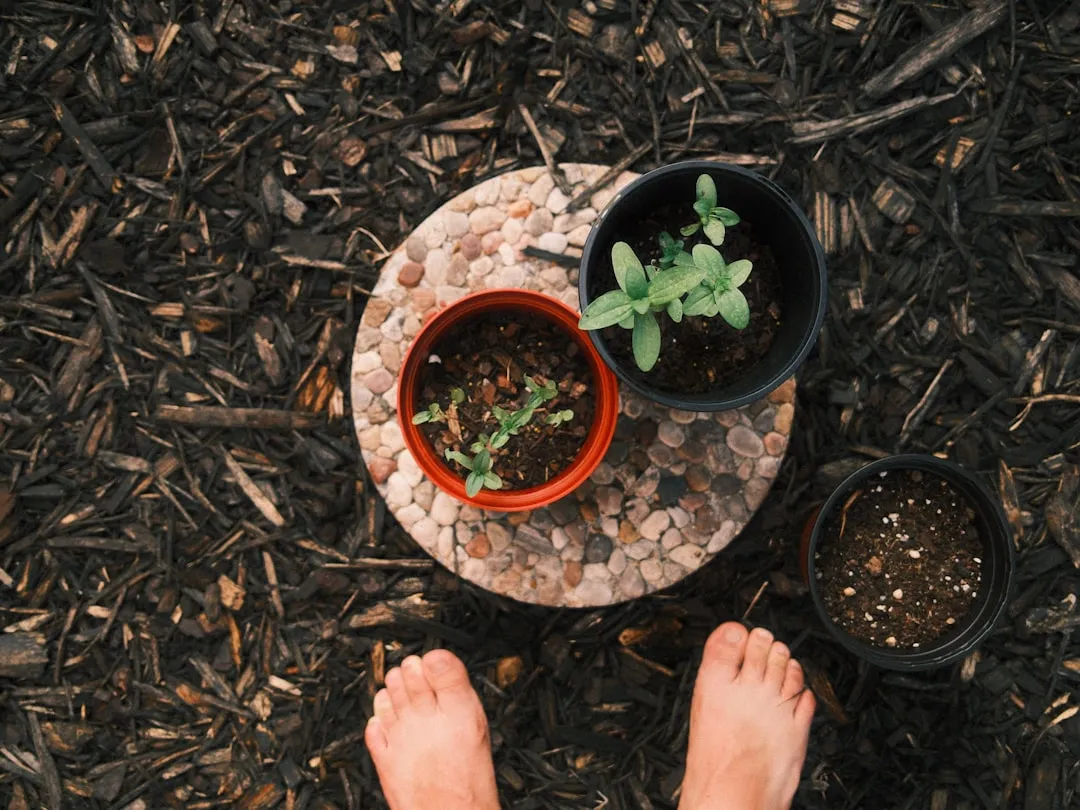
Mulch is one of the most effective tools available to home gardeners. Used correctly, it conserves water, suppresses weeds, moderates soil temperature, and feeds the soil over time. Research shows significant reductions in annual weed pressure in mulched systems compared with bare soil, especially when mulch is applied at recommended depths. Organic mulches directly contribute to soil organic matter as they decompose. Increased organic matter improves soil structure, enhances aggregation, supports soil microbes, and increases nutrient and water-holding capacity.
The problem is almost never the mulch itself. It’s the assumption that more is better, an instinct that feels logical but runs directly counter to what plants actually need underground. Roots require air just as much as they require water, and thick mulch robs them of both.
Two to four inches, pulled back a few inches from every trunk and stem. That’s the whole correction. Small adjustment, significant difference. Your garden beds will show you the results within a single growing season.
AI Disclaimer: This article was created with the assistance of AI tools and reviewed by a human editor.