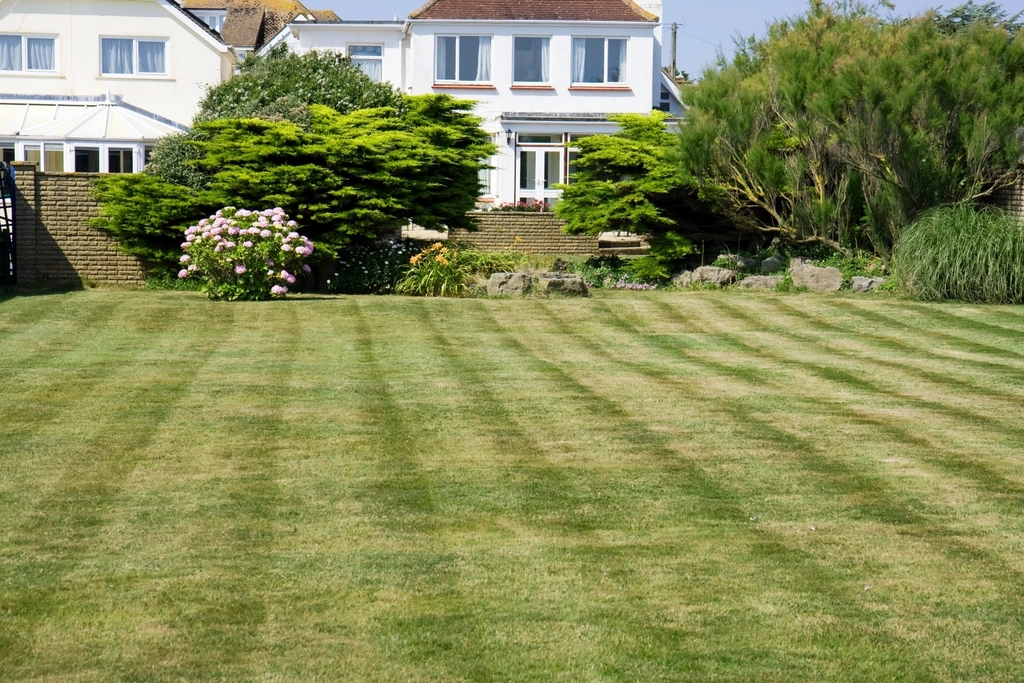

Most homeowners who find brown patches spreading across their yard in late summer assume it’s drought stress or disease. They water more, fertilize, and wait. The grass keeps dying. What they don’t realize is that the real damage happened weeks earlier, underground, and their own watering habits likely helped it along.
Grub infestations are genuinely sneaky. Grubs are particularly harmful because they feed underground, often going unnoticed until the damage becomes severe. Understanding what draws them to your lawn in the first place is the most useful thing you can do before reaching for any treatment.
Overwatering: The Single Biggest Invitation You’re Sending
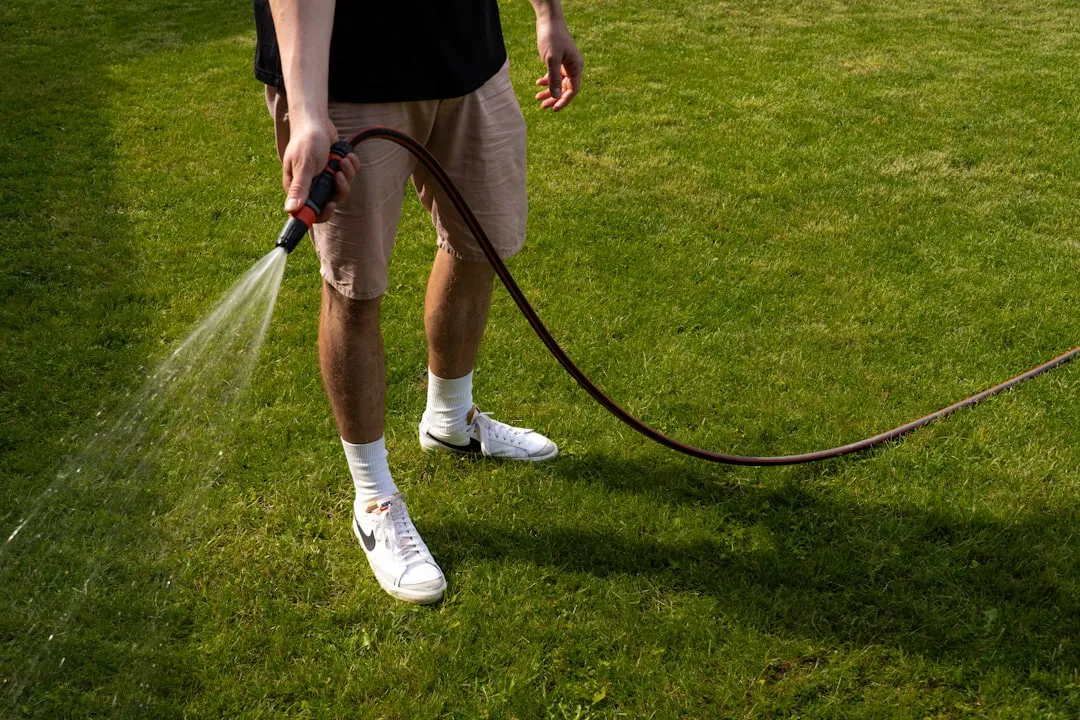
Excessive soil moisture is a major factor behind what causes grubs. Beetle eggs require adequate moisture to survive and hatch successfully, and overwatered lawns, poor drainage, and prolonged rainfall can all create favorable conditions for both egg development and grub growth.
Lawns watered shallow and often are especially inviting. Short, daily watering creates a consistently damp upper soil layer, exactly where eggs are laid. This is the pattern that most homeowners fall into without thinking twice about it.
Beetles actually test soil moisture with their legs. They prefer spots that are not bone dry, because eggs and tiny grubs need consistent moisture to survive. So essentially, every time you run the sprinklers for a short cycle, you may be signaling to female beetles that your yard is the right place to lay their eggs.
What Grubs Actually Are and Why They’re So Destructive
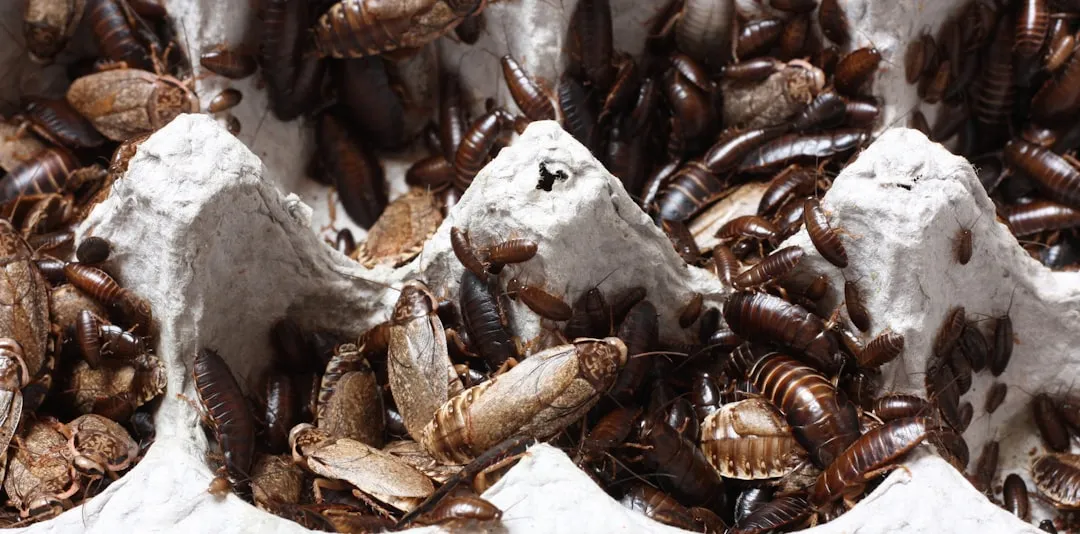
White grubs are the immature form of several beetle species, including Japanese beetles, June beetles, and green June beetles. They live just beneath the soil surface in a curled, C-shaped position and spend their time chewing on the roots of your grass.
When grubs eat the root system, your grass loses its ability to absorb water and vital nutrients. Left untreated, grub infestations can weaken entire sections of your lawn, making it more vulnerable to drought, disease, and weed invasion.
One female beetle can lay over 200 eggs in a single season, meaning a small grub problem can quickly grow into a major infestation. That’s a sobering number for anyone who assumes a few grubs here and there aren’t worth worrying about.
Thick Thatch: A Hidden Welcome Mat for Beetles
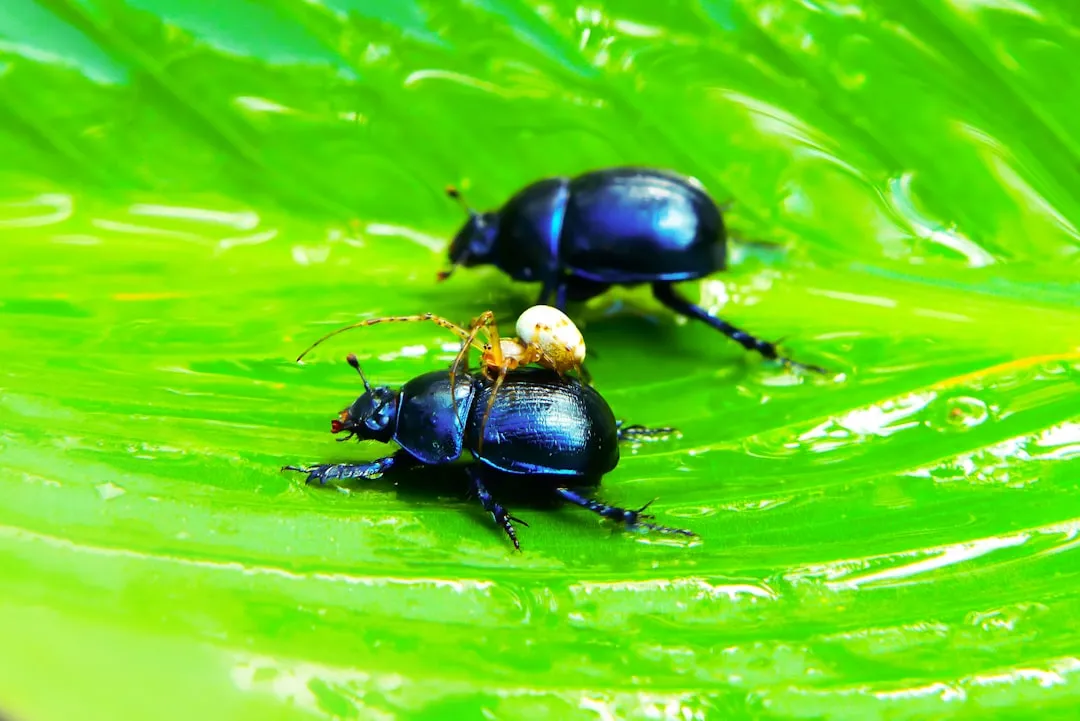
Thatch is another major attractant. Beetles like to hide and lay their eggs in thick layers of grass rich in organic material, so there’s plenty of food for the larvae once they hatch.
Thatch plays a significant role in grub survival. A thatch layer over half an inch holds moisture and hides eggs, and it also insulates grubs from temperature swings as they feed near the surface. In other words, that spongy layer beneath your grass isn’t just unsightly. It’s a functioning nursery for beetle larvae.
Thatch buildup in lawns can also significantly reduce the efficacy of grub control pesticides because the chemical becomes bound to the thatch. Excess thatch also attracts egg-laying green June beetle adults. So letting thatch accumulate creates a double problem: more beetles come in, and treatments work less effectively when you try to fight back.
Mowing Too Short Is Making Things Worse
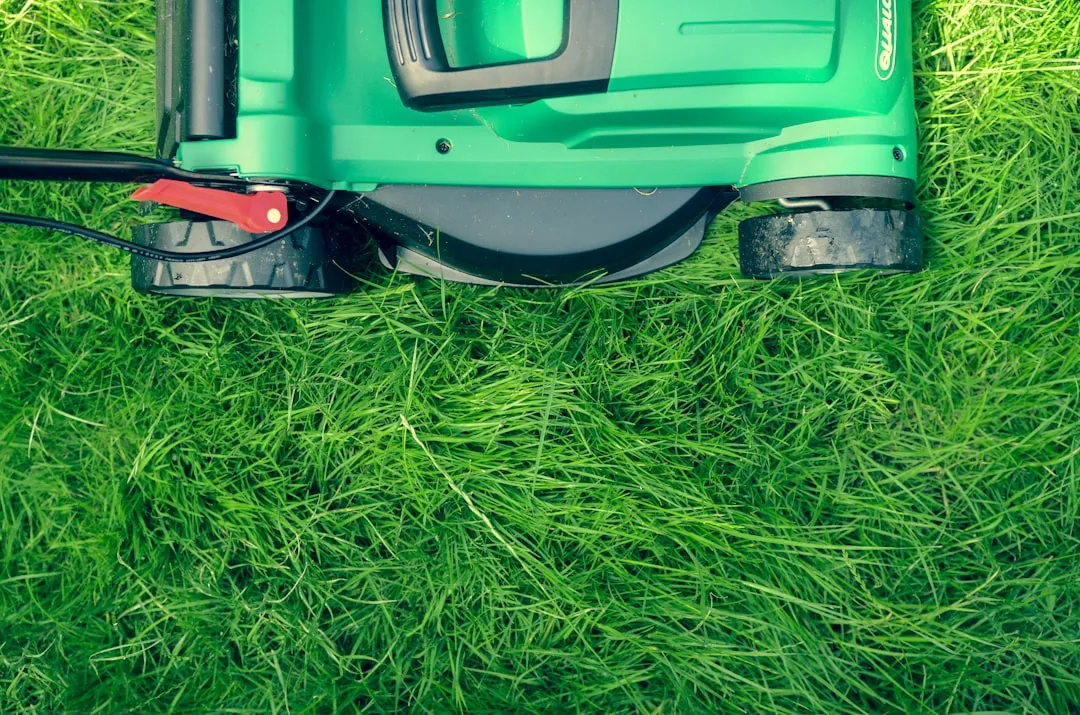
Eggs are laid in the soil in mid-summer, primarily on low-cut, well-watered lawns in full sun, often near pavement. This is based on findings from the University of Illinois Extension, and the low-cut detail matters more than most people realize.
Raising your mowing height to at least three inches through summer on cool-season lawns causes taller blades to shade the soil so it dries slightly at the surface, which beetles dislike for egg laying. A simple mowing adjustment during peak beetle season can meaningfully reduce their interest in your yard.
Cutting grass too short can stress the lawn, making it more susceptible to grub damage. MSU Extension recommends mowing at three to four inches in height and properly fertilizing for maximum root growth. These aren’t complicated fixes. They just require consistency.
The Timing Problem: When Beetles Come Looking

Late June to mid-July is the peak egg-laying time for beetles. Most homeowners have no idea this window exists, and they keep running their irrigation schedules on autopilot straight through those critical weeks.
Avoid overwatering during beetle flight and egg-laying seasons, which run from late spring to midsummer. Keeping your lawn dry during July and August causes beetle eggs to dry and die. Allowing your lawn to go slightly dry during that specific window, rather than treating all of summer the same, is one of the most targeted things you can do.
Warmer soil and moist conditions help eggs hatch and grubs thrive, and recent weather patterns of milder winters and wetter springs are giving grubs a better chance to survive and multiply. The environment is already working in their favor. Your irrigation schedule doesn’t need to add to that.
How to Actually Confirm You Have Grubs
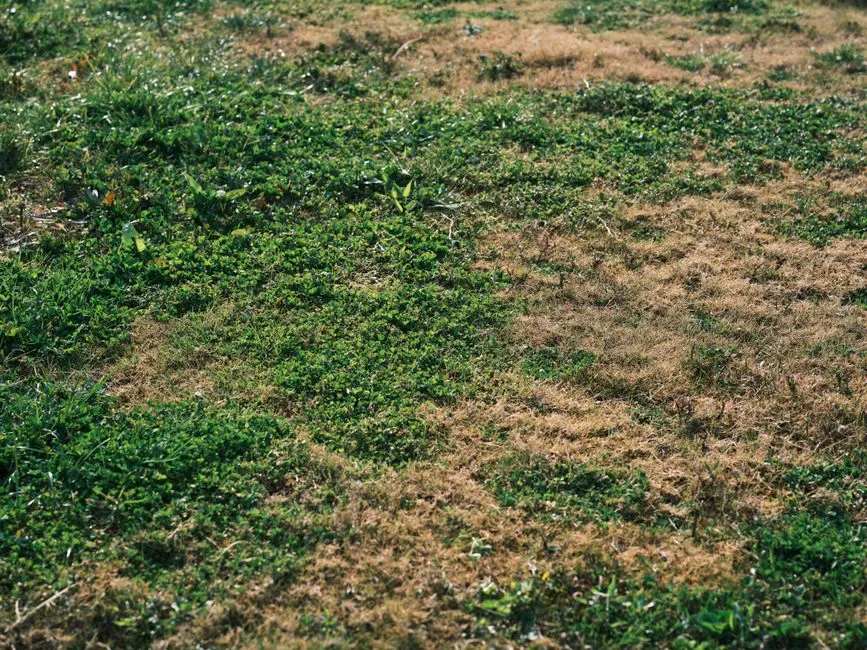
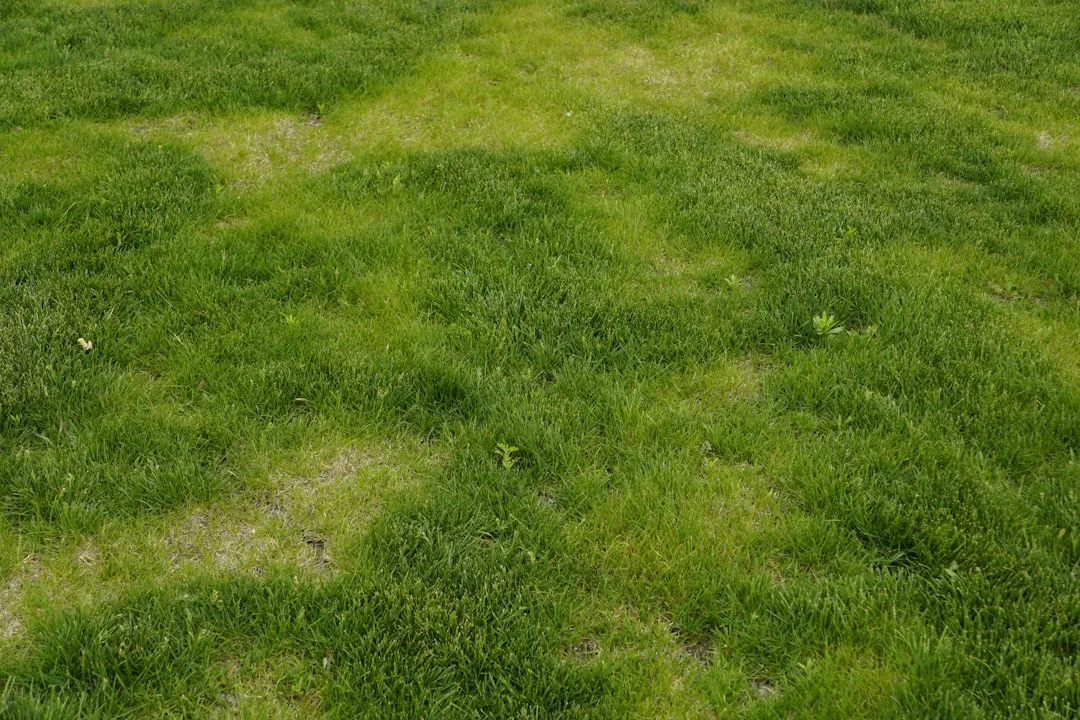
Unlike drought conditions that affect entire lawn areas uniformly, white grub damage appears in scattered patches with irregular shapes. While the damaged grass may look similar to drought stress, grub damage often occurs even in well-watered lawns.
Look for signs such as brown patches of grass that easily pull up like a carpet, or animals digging in your lawn for grubs. Walking your lawn can also alert you to the spongy feel of loose grass being detached from the soil by grubs.
According to lawn care researchers at Cornell University, a population of ten or more grubs per square foot is the typical threshold where significant grass damage occurs and treatment becomes necessary. Finding one or two grubs does not indicate a need to apply a grub control product, and healthy turf with a few grubs may not need an insecticide at all.
Soil Compaction Is Part of the Problem Too
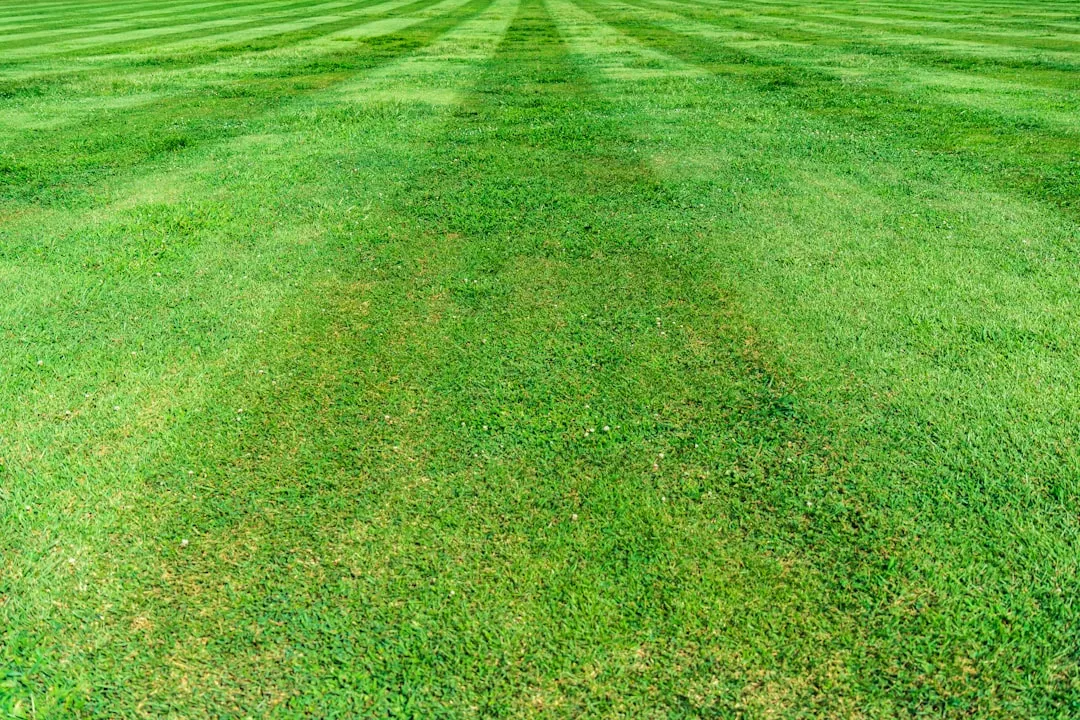
Compacted soil encourages grub activity, but aeration can solve this problem. Compaction reduces the lawn’s ability to drain water properly, which keeps the upper soil layer moist for longer. That’s exactly the condition beetles seek when choosing where to lay eggs.
Aerating your lawn annually improves soil drainage and reduces compaction, which helps grass roots grow stronger and makes it harder for grubs to establish themselves. It’s a straightforward practice that delivers more than one benefit at once.
Compacted soil encourages grub activity, but aeration can solve this. Core aeration removes small plugs of soil while liquid aeration uses a specialized solution to break up hard-packed dirt. Either approach improves the soil structure enough to shift conditions away from what grubs prefer.
The Wildlife Clue Many Homeowners Miss
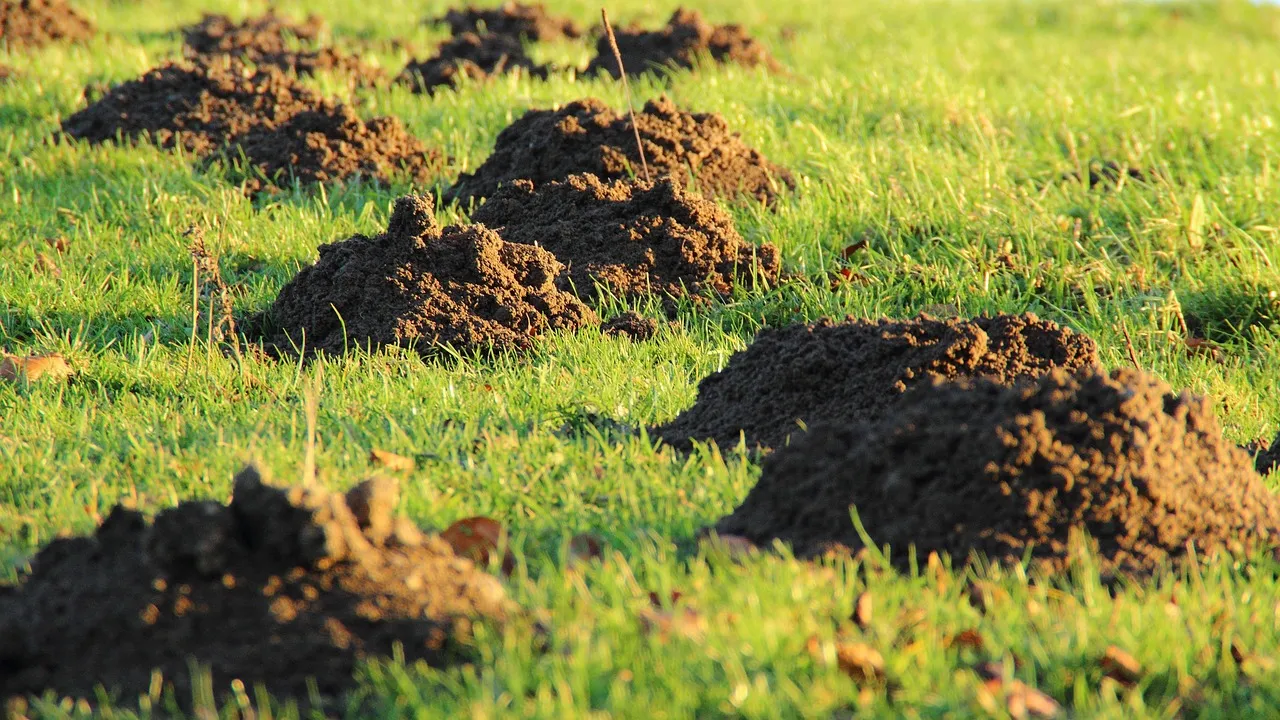
Skunks and raccoons will dig and turn over patches of turfgrass heavily infested with grubs to find a favorite meal, and this is often the first symptom of grubs that people see. Most homeowners blame the animal and try to address the digging, completely missing what’s driving the behavior.
Many homeowners assume the digging itself is the cause of their lawn issue, when the real problem is the grubs attracting the wildlife in the first place. Ignoring the early signs can result in a much bigger, much more expensive mess.
What many homeowners report is believing they have grubs because animals like moles, skunks, crows, and raccoons are digging in the lawn. This isn’t always a reliable clue, however, because grub infestations aren’t always accompanied by animal damage and animal damage doesn’t always result from a grub infestation. Use the tug test and a shovel to confirm before assuming.
Treatment Timing Is Everything
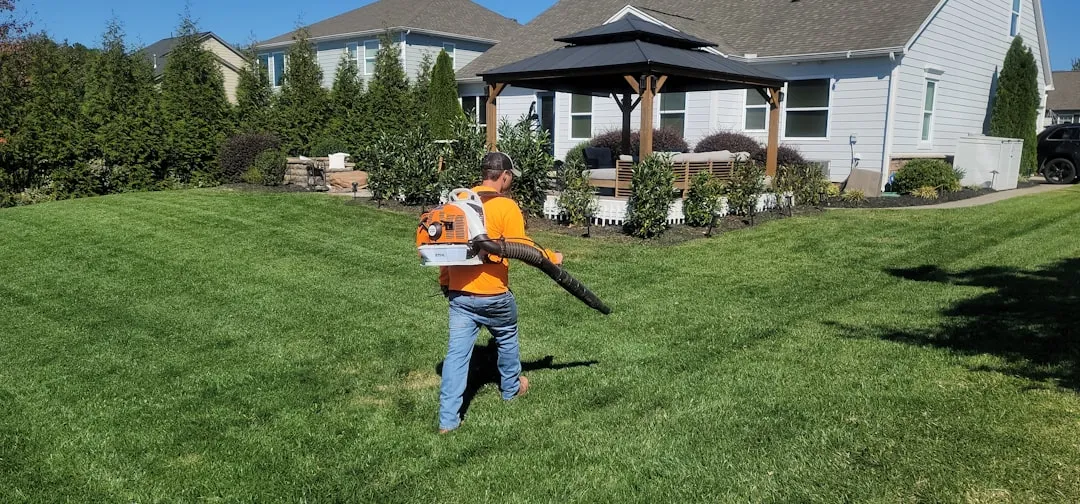
A common mistake is applying grub control at the wrong time of year. Grub control products are most effective when applied in late spring or early summer when grubs are young and actively feeding near the soil’s surface.
If grubs are already mature, preventative products will not help. Instead, you will need a curative treatment designed to stop active feeding. This distinction trips up a lot of people who apply the wrong product type at the wrong point in the season and then wonder why nothing improved.
The most effective control occurs using preventive timing, starting with an application of the active ingredient chlorantraniliprole or other recommended insecticides in late spring or early summer. According to Michigan State University Extension, effective preventive applications of a recommended insecticide for a couple of years should reduce the grub population to the point where it is not necessary to treat in the third year.
A Healthy Lawn Is Your Best Long-Term Defense

Cultivating a healthy, thick turf through proper mowing, fertilization, and watering practices can prevent grub infestations. Healthy grass competes with and suppresses grub populations naturally, reducing the risk of significant damage.
If pesticides are not routinely used, older, well-established lawns tend to have enough natural predators, parasites, and insect-infecting pathogens to keep grub populations below damaging levels. A lawn that has been cared for consistently over years builds its own resilience.
The key to fewer grubs is maintaining a healthy lawn that can better withstand some root feeding while making your yard less attractive to female beetles looking for places to lay eggs. Overwatering and thick thatch are two of the biggest welcome signs for egg-laying beetles in home lawns. Address those two things first, and you’ve already removed the primary reasons beetles chose your yard over your neighbor’s.
The Takeaway
The frustrating truth about grub damage is that it’s largely preventable, and the biggest contributing factor is a habit most homeowners think of as responsible lawn care. Watering frequently, letting thatch build up, and cutting the grass short during peak beetle season all quietly work against you.
None of the fixes here are dramatic. Water less often but more deeply. Mow a little higher in summer. Dethatch once a year. These aren’t major projects. They’re small adjustments that remove the conditions grubs and the beetles that create them actually need.
The lawn that looks well-cared-for on the surface is sometimes the one most at risk underground. A little less water, applied less often, at the right time of year, turns out to be one of the most effective pest control moves a homeowner can make.
AI Disclaimer: This article was created with the assistance of AI tools and reviewed by a human editor.