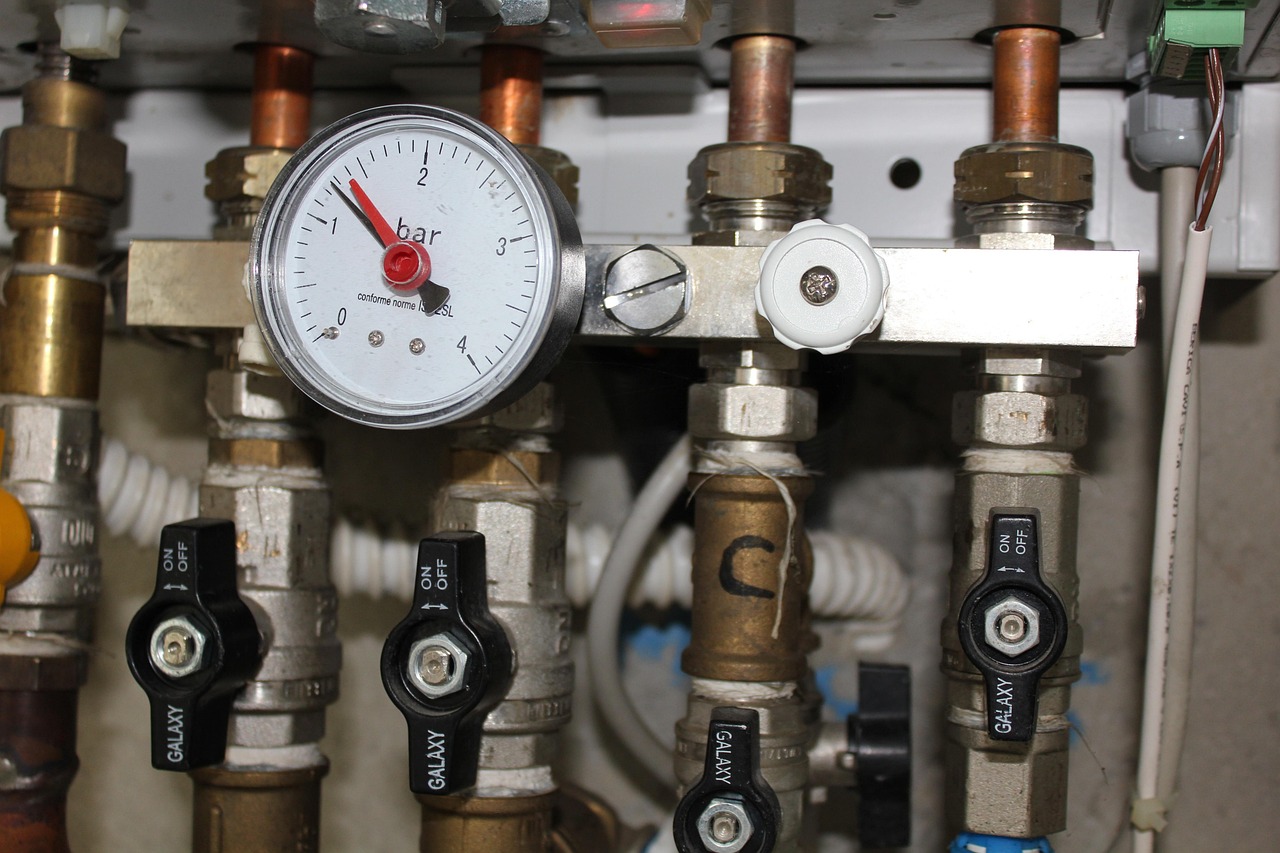

Most homeowners pay close attention to obvious appliances – the refrigerator that hums too loudly, the HVAC unit that struggles in August. The water heater, tucked away in a closet or basement corner, rarely gets the same scrutiny. Yet it quietly handles one of the most energy-intensive tasks in any home, and the habits surrounding it can make or break its efficiency for years.
Water heating accounts for roughly 18% of your home’s total energy costs, making it one of the biggest financial drains most people never examine. The culprit is rarely a dramatic malfunction. More often, it’s a slow, invisible process – something ordinary people do every single day without a second thought.
Never Flushing the Tank
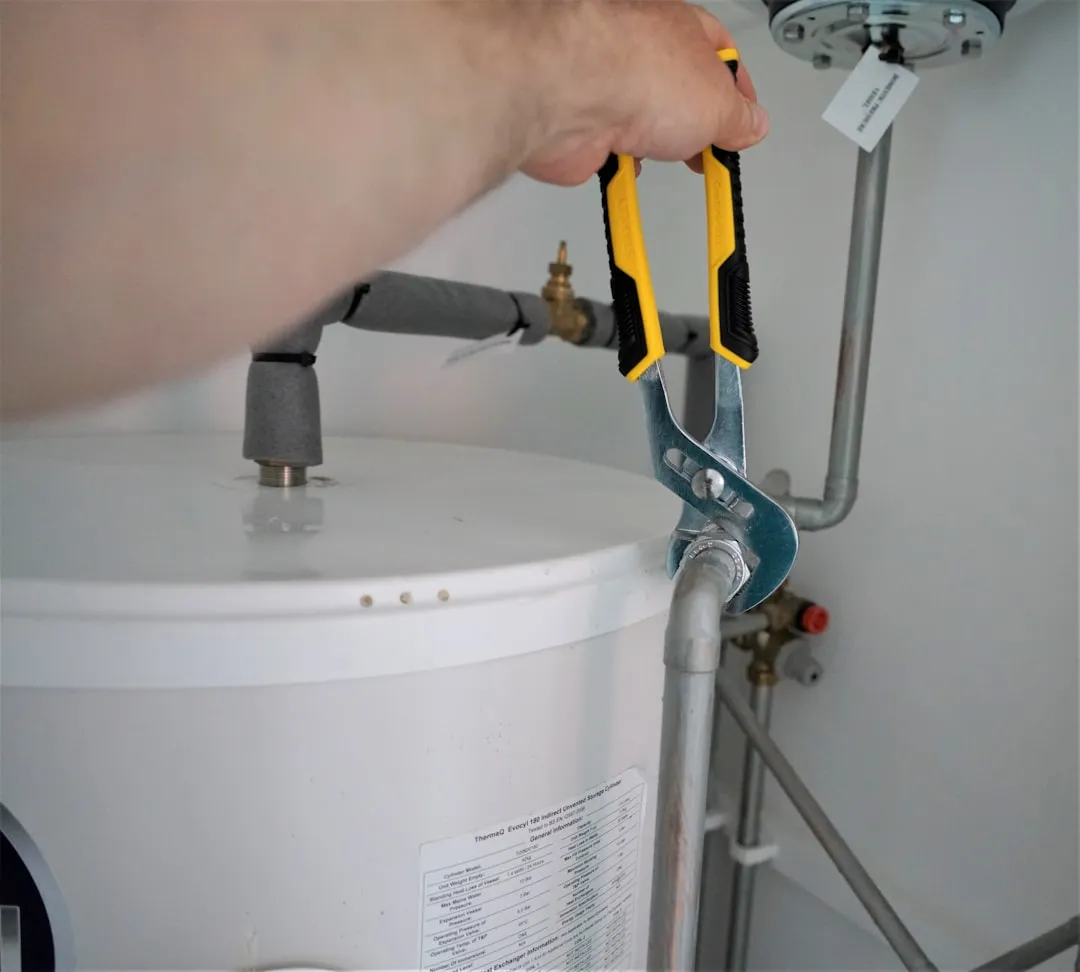
The most common habit silently damaging water heaters is simply ignoring them. Specifically, never draining or flushing the tank to clear out mineral sediment. Over time, sediment can build up inside the tank, affecting its efficiency and lifespan – these mineral deposits settle at the bottom, creating a barrier between the burner and the water.
This sediment can cause several issues: reduced heating efficiency, longer heat cycles, higher energy use, and inconsistent water temperature. These are not abstract technical problems. They show up directly on your monthly utility bill, month after month.
Experts typically recommend draining and flushing the tank to keep your water heater efficient – doing this once a year can prevent sediment buildup and prolong the life of your water heater. Most homeowners never do it at all.
Skipping Annual Maintenance Checks
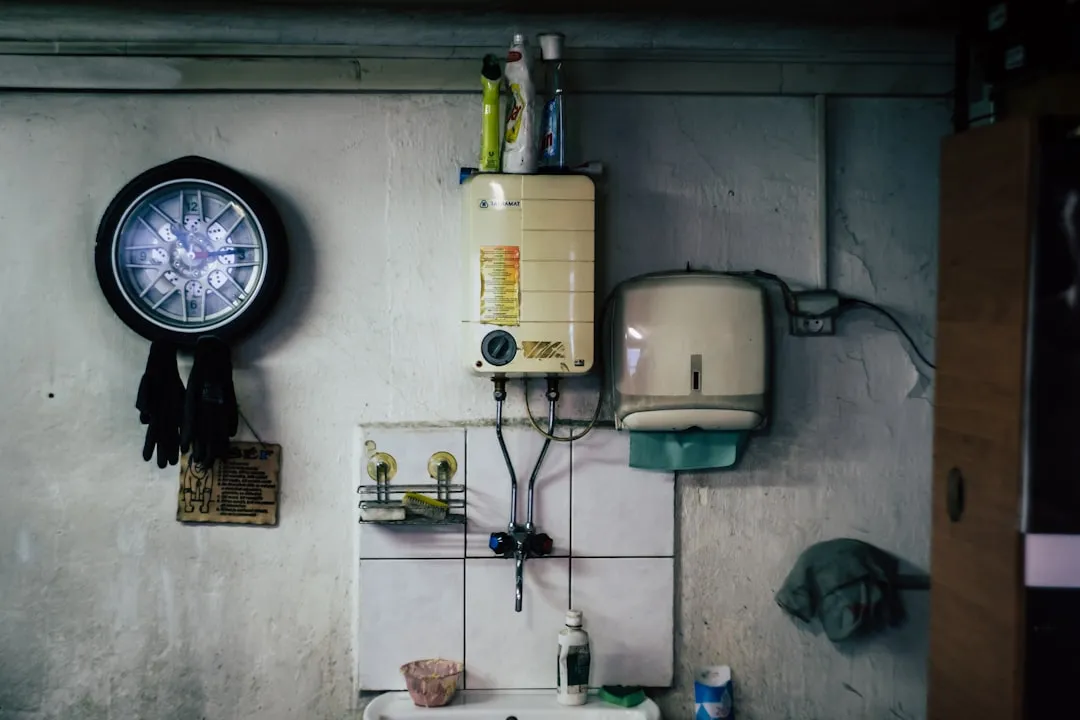
Poor maintenance habits reduce a water heater’s actual lifespan below manufacturer estimates, and most homeowners skip annual maintenance checks and never flush their tanks. This is a widespread problem, not an isolated one.
As a water heater ages, issues such as sediment buildup, worn-out components, or other malfunctions can reduce its efficiency, making it work harder to do its job – which leads to higher energy consumption and unnecessary costs.
Most professionals recommend annual maintenance to remove sediment, inspect components, identify developing issues early, and improve performance, especially in homes with hard water. Skipping even one year in a hard-water area can accelerate the damage considerably.
Setting the Thermostat Too High
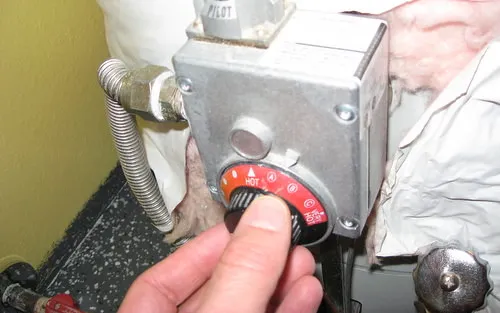
Water heaters set above 140°F cause minerals to harden faster – keeping yours at 120°F helps reduce sediment formation while still providing safe, comfortable hot water. It’s a surprisingly simple adjustment with measurable long-term impact.
Setting your water heater to 120°F provides the best balance of efficiency, safety, and performance – this temperature prevents bacterial growth, reduces scalding risk, and saves 6 to 10% on energy costs compared to the default 140°F setting.
Research published in Energy Informatics found that a substantial number of users still fail to adjust temperatures according to their specific needs, resulting in considerable energy waste. Changing that single setting takes less than a minute.
Ignoring the Rumbling Sounds
That low popping or rumbling noise coming from the basement isn’t the house settling. It’s usually your water heater telling you something is wrong. Sediment buildup is one of the most common and damaging issues affecting water heaters, causing reduced efficiency, noisy operation, and even full system failure.
The sediment layer blocks heat from reaching the water, meaning the system has to work a lot harder just to get to the right temperature – and if the buildup gets bad enough, the tank can actually overheat, putting unnecessary stress on the whole unit.
The sounds are a warning. Extremely loud noise from the tank typically indicates thick, hardened sediment that has been accumulating for quite some time. At that stage, a simple flush may no longer be enough.
Neglecting the Pressure Relief Valve
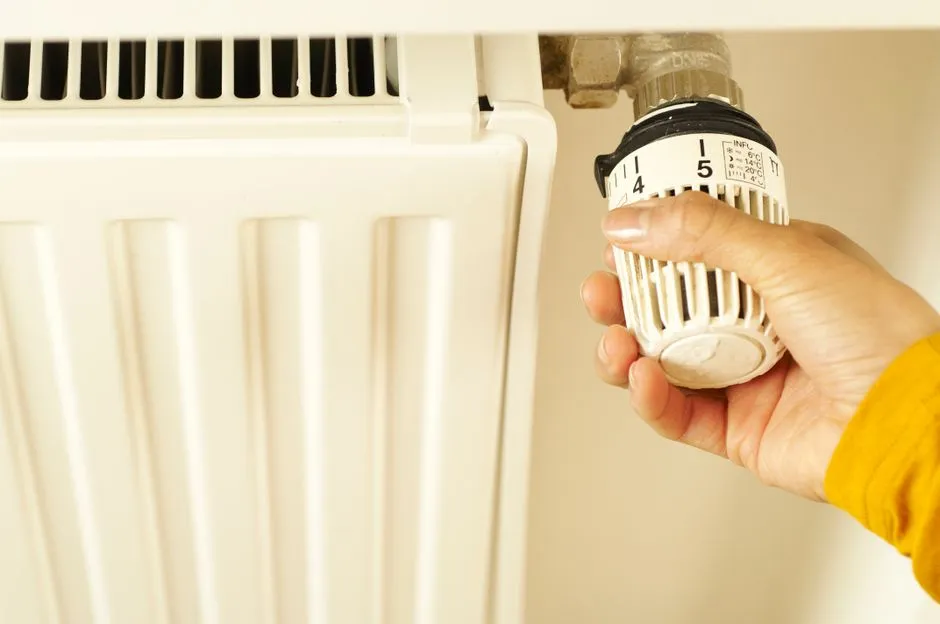
The most neglected safety device on fired pressure vessels is the Temperature and Pressure (T&P) relief valve on water heaters. This small component is often invisible to homeowners until something goes wrong – and when it does, the consequences can be severe.
Water heaters provide many years of trouble-free operation, and because of this, cause complacency on the part of the owner. Because of this complacency, catastrophic failures have resulted in extensive property damage, injuries, and death.
Routine maintenance should include inspecting and testing the pressure relief valve, temperature settings, and sacrificial anode rod – these inspections help identify potential issues early, allowing for timely repairs and preventing more significant problems down the line.
Running Too Many Hot Water Appliances at Once

It seems harmless to run the dishwasher while someone showers and the washing machine is on its rinse cycle. In practice, this habit stresses the system repeatedly throughout the day. Running multiple appliances at the same time, taking long showers, and using large amounts of heated water throughout the day force the system to work harder – frequent heating cycles increase wear on internal components and may shorten the unit’s lifespan.
Activities such as multiple showers, handwashing dishes, and frequent laundry loads require the system to heat fresh water repeatedly – as demand increases, the unit cycles more often, placing extra stress on heating components.
Spreading out laundry, dishwashing, and bathing during the day is a practical and easy change that takes real pressure off the system over time.
Living with Hard Water and Doing Nothing About It
Hard water, which contains high levels of minerals like calcium and magnesium, can lead to sediment buildup in the tank – this sediment can reduce efficiency and corrode the tank, shortening its lifespan. For homeowners in areas with naturally hard water, the problem compounds faster than most people expect.
In areas with hard water, sediment buildup can occur more quickly, meaning the standard once-a-year flush schedule may simply not be enough. If you have hard water, flushing the tank every six months can help prevent excessive mineral buildup and keep the system running efficiently.
A water softener reduces calcium and magnesium levels, dramatically slowing sediment formation – this upgrade helps protect not just your water heater but your entire plumbing system. It’s one of the more impactful long-term investments a homeowner in a hard-water region can make.
Letting Small Leaks Go Unfixed
A dripping faucet might seem like a minor annoyance. For a water heater, it creates a continuous demand that adds up over time. Small leaks force repeated water heating, increasing energy use in ways that accumulate invisibly on every utility bill.
Beyond the water heater itself, hard water and mineral buildup can put strain on your entire plumbing and HVAC system – blockages can restrict water flow and increase plumbing pressure, leading to leaks or breakdowns.
Fixing leaking faucets as soon as possible prevents continuous water demand on the heater. It’s one of those repairs that always pays off faster than homeowners anticipate.
Keeping an Aging Unit Running Past Its Prime

On average, a typical household consumes 64 gallons of hot water daily, which equates to about $600 a year in water heating alone – and the Department of Energy states that about 27 million households in the U.S. have a water heater that’s more than 10 years old. Many of those units are operating well below their original efficiency.
Older water heaters run for longer periods of time because of deteriorating insulation and sediment buildup at the bottom, which makes it harder for heating elements to heat the water – consumers typically see water heater failures and leaks after 10 to 15 years, forcing the need for replacement.
Modern water heaters are much more efficient than those manufactured even a few years ago – ENERGY STAR-certified models can reduce energy use by up to 30% compared to older models. Holding onto an aging tank out of habit can mean paying a real premium every single month.
Skipping the Anode Rod Inspection
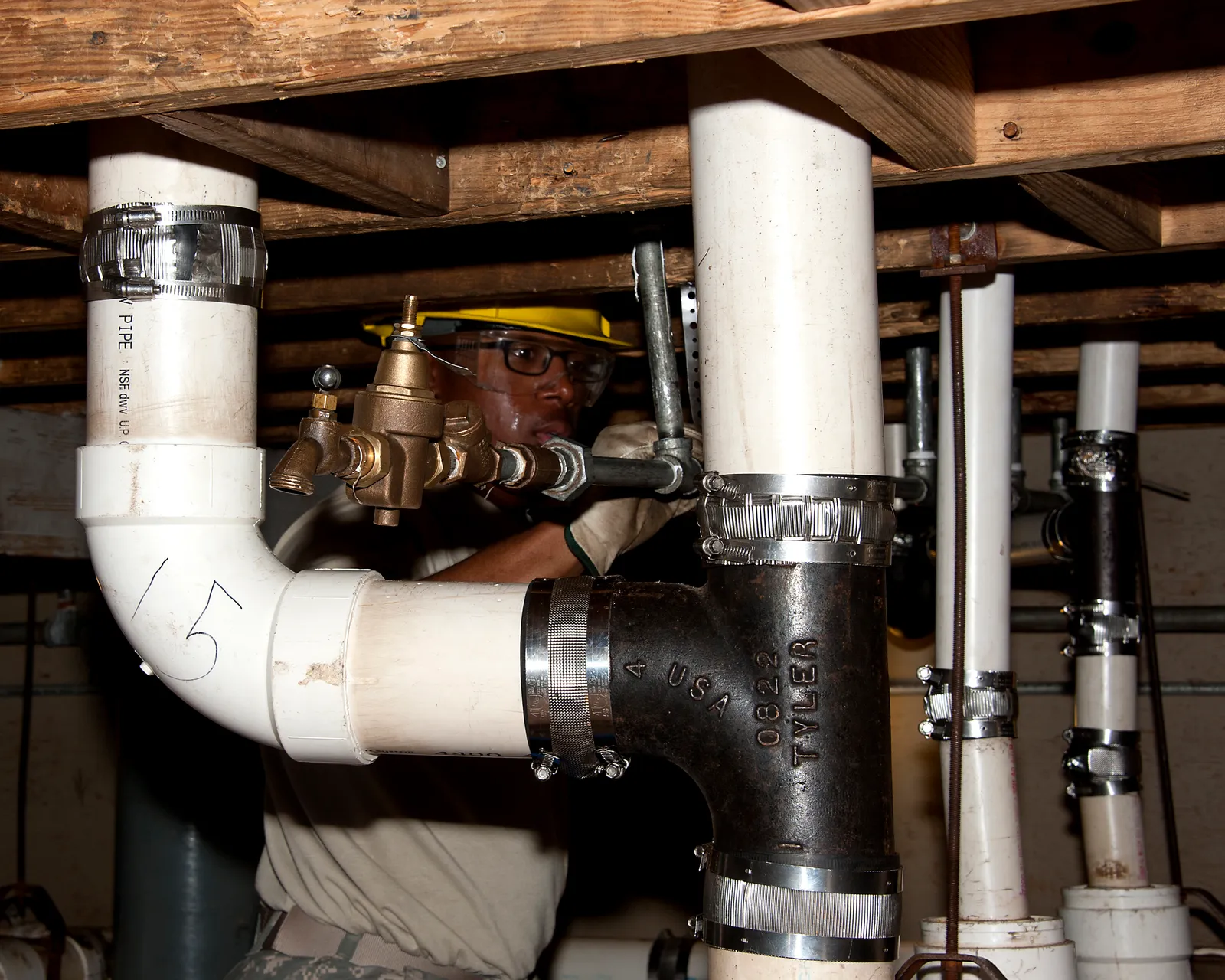
The sacrificial anode rod is one of the least-known components in a residential water heater, yet it’s essential to the tank’s longevity. Without regular flushing and cleaning, sediment can cause overheating, corrosion, and premature wear on internal components – routine maintenance also includes inspecting the pressure relief valve, temperature settings, and sacrificial anode rod.
Regular maintenance is the best way to prevent sediment buildup in a water heater – while you can’t completely stop minerals from settling inside the tank, you can slow the buildup and keep your water heater running efficiently with a few simple maintenance steps.
Buying a new electric water heater can range anywhere from $1,600 to $2,400, including installation and permits – with that kind of price tag, it would benefit homeowners to keep their hot water heater in great shape as long as possible. Replacing a neglected anode rod costs a fraction of that.
The Takeaway
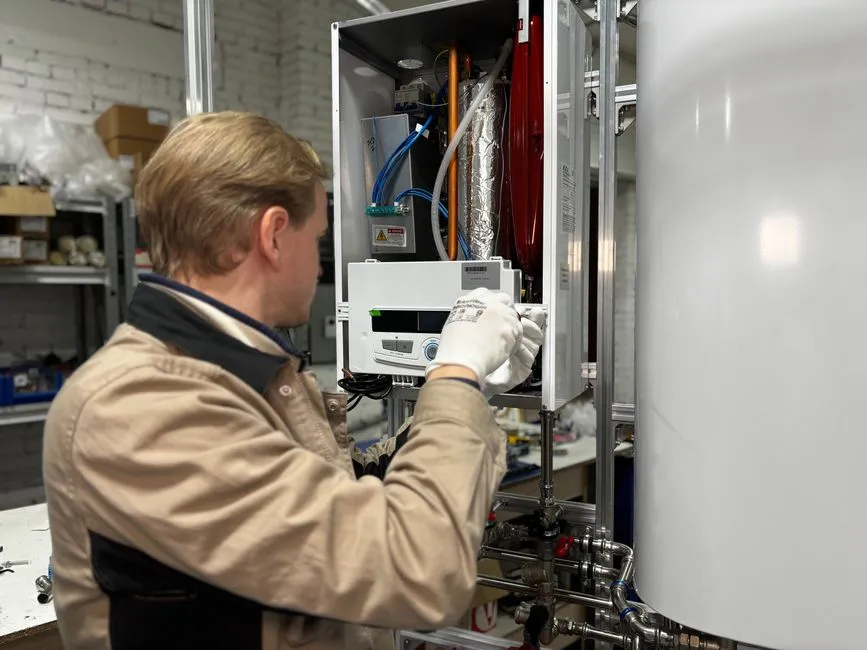
The habit draining your water heater is almost never dramatic. It’s the quiet accumulation of skipped flushes, ignored temperatures, unchecked valves, and deferred inspections. Letting sediment accumulate without flushing the tank annually, skipping regular inspections, incorrect temperature settings, and ignoring signs of trouble are common mistakes that decrease a water heater’s lifespan – and overlooking these issues can put extra strain on the system and even create safety hazards.
The good news is that every single one of these habits is reversible. Most require no tools, no professional, and no more than an hour of attention once a year. Regular maintenance is a simple way to keep energy bills manageable and your water heater running smoothly.
That quiet appliance in the corner is working hard for you every single day. A little attention in return goes a long way.
AI Disclaimer: This article was created with the assistance of AI tools and reviewed by a human editor.