

Most dog owners know that chocolate is off-limits. What far fewer people realize is just how long the list actually gets from there. Some of the most dangerous foods sitting in an average kitchen right now look completely harmless, even healthy. A handful of grapes. A stick of sugar-free gum. A bite of leftover pasta with onion sauce. Each one carries a real risk that vets deal with on a daily basis.
In 2024, the ASPCA Animal Poison Control Center handled more than 451,000 calls related to toxic exposures, a nearly four percent increase from the previous year. Food and drink-related toxins accounted for more than sixteen percent of all exposures, including items such as xylitol, grapes, raisins, onions, garlic, and chocolate. These numbers are not abstract. They reflect real dogs, real emergencies, and far too many cases that could have been prevented.
1. Grapes and Raisins: The Dose That Cannot Be Predicted
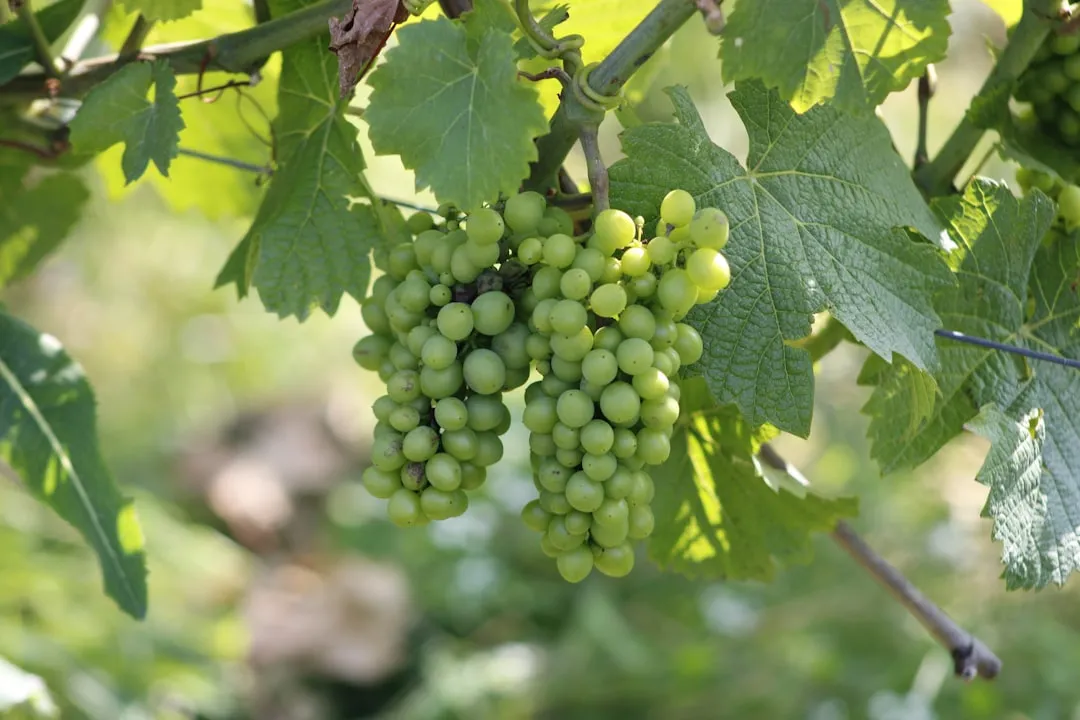
Of all the foods on this list, grapes and raisins are among the most deceptively dangerous. They look harmless. They’re a standard snack. Yet vets treat them as a serious emergency.
Eating grapes, raisins, Zante currants, or sultanas can cause acute kidney injury in dogs. The exact amount of fruit that causes toxicity is unknown, and some dogs may become sicker than others. Since it is impossible to predict which dog will be affected or how much fruit will cause illness, any ingestion should be considered serious.
Raisins and grapes generate more than 9,300 cases referred to ASPCA Poison Control in 2025 alone. ASPCA toxicologists identified tartaric acid as the suspected toxic component in a 2022 study published in the Journal of Veterinary Emergency and Critical Care. Since dogs cannot process tartaric acid, exposure can lead to gastrointestinal upset, lethargy, excessive thirst, tremors, abdominal pain, and in severe cases, irreversible kidney damage.
2. Chocolate: A Well-Known Danger With Nuances Worth Knowing

Most people are aware that chocolate is toxic to dogs. Fewer understand exactly why, or how much the risk varies based on the type of chocolate involved.
Methylxanthines, naturally occurring compounds found in chocolate and coffee products, pose serious risks to dogs. These substances, primarily theobromine and caffeine, affect dogs more severely than humans because dogs metabolize them much more slowly. The darkness of chocolate directly correlates with its danger level. Cocoa powder ranks as the most toxic, followed by baking chocolate, dark chocolate, and then milk chocolate.
Dark and baking chocolate are most dangerous, with theobromine levels far exceeding milk chocolate. The toxic threshold begins around twenty milligrams of theobromine per kilogram of body weight. A twenty-pound dog eating half a dark chocolate bar is a genuine emergency.
3. Xylitol: The Hidden Sweetener in Everyday Products
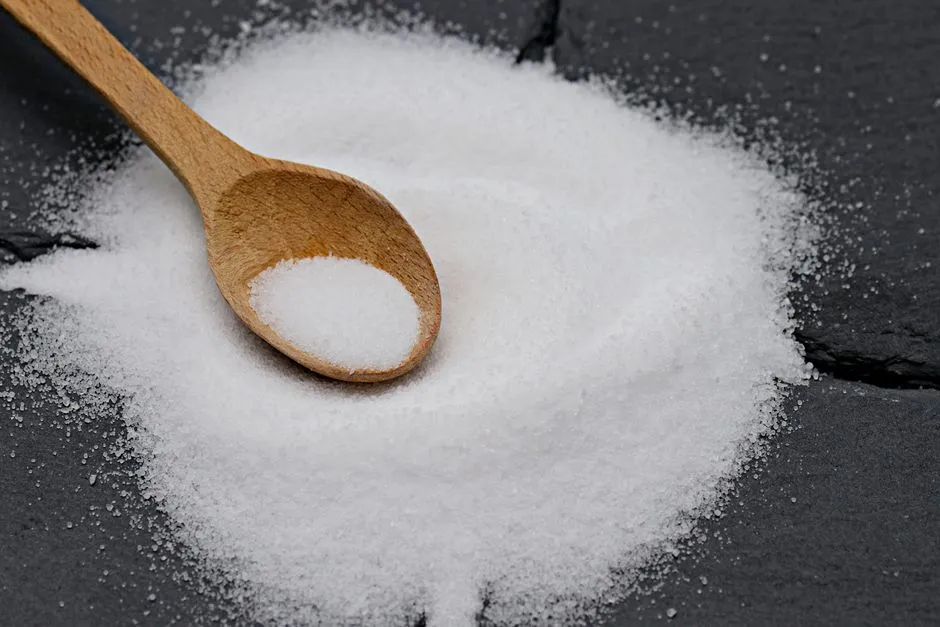
Xylitol is one of the most dangerous substances a dog can ingest, and it hides in products that seem completely ordinary. Sugar-free gum. Certain brands of peanut butter. Mints and baked goods.
Xylitol is a sugar alcohol used to sweeten sugar-free products such as gums, candies, nut butters, and baked goods. Ingestion by dogs has resulted in rapid, severe lowering of blood sugar at lower doses, and liver injury or failure at higher doses. Signs of low blood sugar may appear within thirty minutes of ingestion. Symptoms include vomiting, weakness, incoordination, depression, seizures, and coma.
Signs of liver injury may not occur until one to two days after ingestion, and include depression, vomiting, and yellowing of skin or eye tissues. Diagnosis is based on history of exposure, clinical signs, and blood test results. Because the onset of low blood sugar can be rapid, at-home attempts to induce vomiting are not recommended.
4. Onions and Garlic: The Allium Family Problem
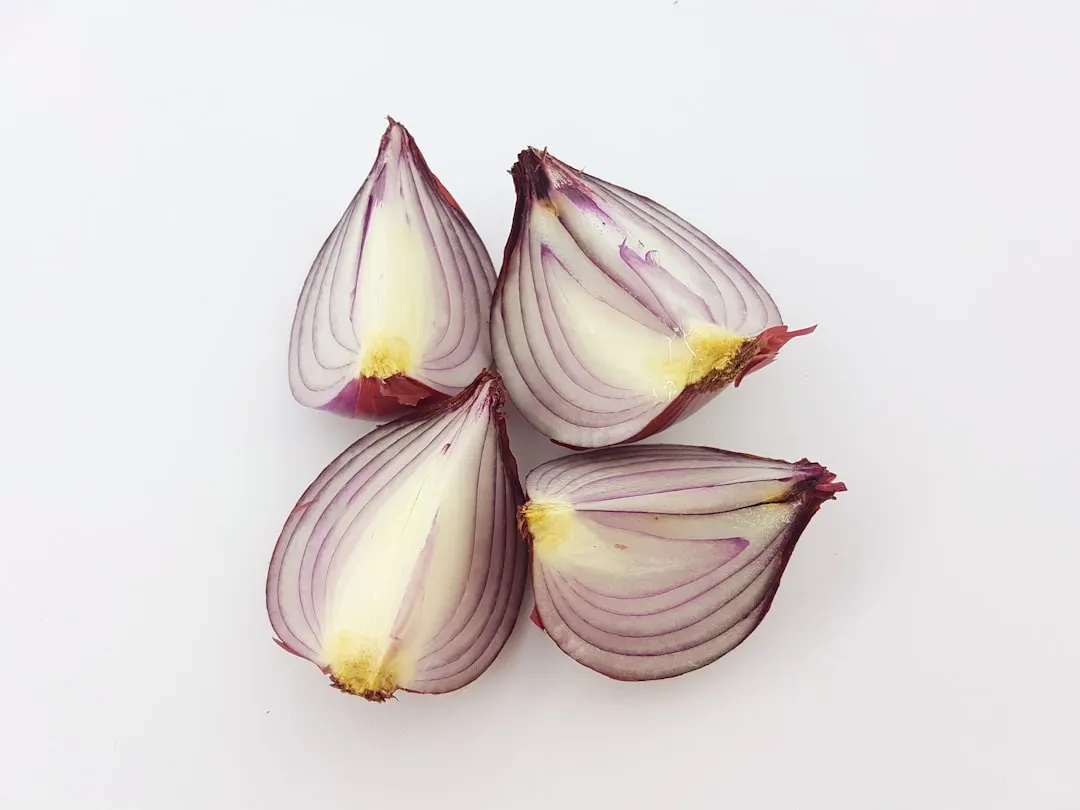
Onions and garlic are in a huge proportion of everyday cooking. Soups, sauces, stir-fries, and seasoning mixes almost always contain one or both. This makes them a particularly common accidental exposure risk.
Garlic, onions, shallots, and chives contain substances that may cause anemia and damage red blood cells. The entire onion family is toxic to dogs whether raw or cooked, and signs of illness may take several days to become apparent.
Eating these vegetables can cause stomach and gut irritation and potentially lead to red blood cell damage and anemia. Onions are particularly toxic, and signs of poisoning often only occur a few days after ingestion. That delay is part of what makes this exposure so easy to miss.
5. Macadamia Nuts: Small Amounts, Serious Symptoms
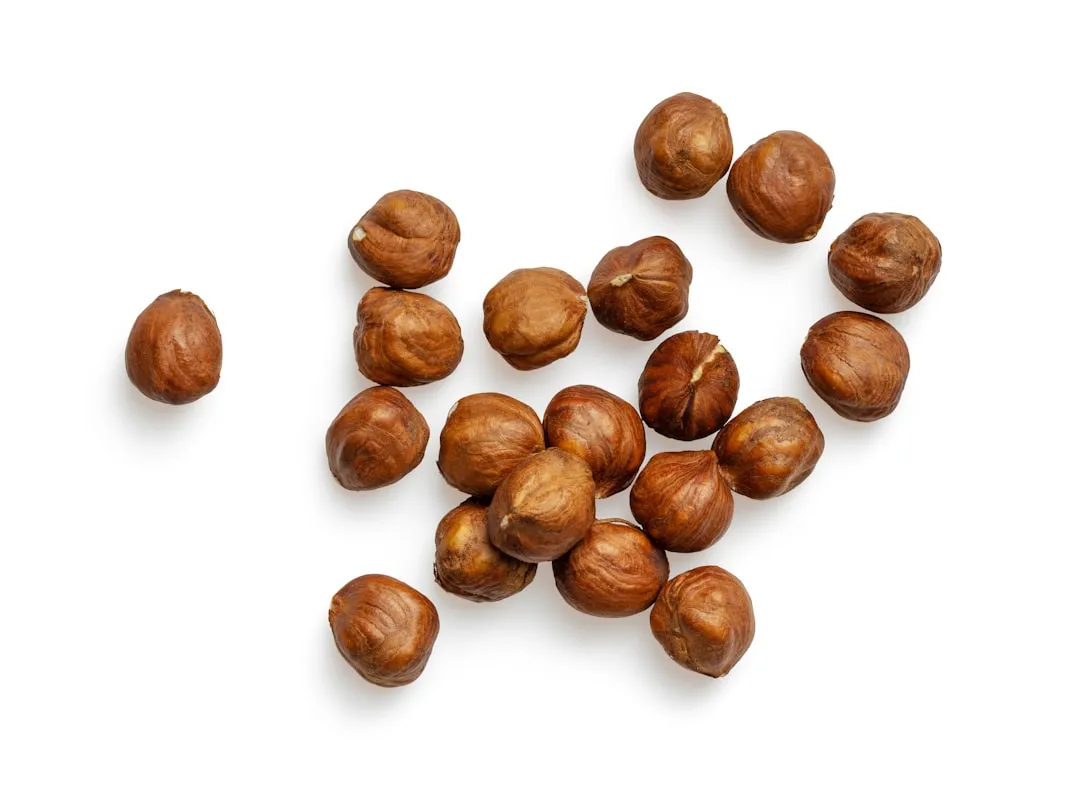
Macadamia nuts are popular in cookies, trail mixes, and flavored chocolates. They’re also one of the more unpredictable toxins when it comes to canine health.
Macadamia nuts can cause weakness, incoordination, depression, vomiting, tremors, and elevated body temperature in dogs. Symptoms usually appear within twelve hours of ingestion, with recovery expected within twenty-four to seventy-two hours.
Dogs consuming just two grams of nuts per kilogram of body weight require immediate medical attention. For example, a ten-kilogram dog may show toxic effects from merely seven grams of macadamia nuts. First signs typically emerge within three to six hours, though symptoms can develop up to twelve hours after consumption.
6. Alcohol: Far More Dangerous Than Most Owners Assume

Alcohol is not just beer or wine. It appears in rum cake, tiramisu, fermented fruit, and some cooking sauces. Dogs are attracted to sweet-smelling drinks, which increases the risk of accidental exposure.
Alcohol is significantly more toxic to dogs than to humans. Even small quantities of alcoholic beverages or food products may cause vomiting, diarrhea, decreased coordination, central nervous system depression, difficulty breathing, tremors, blood changes, coma, and even death.
Alcohol can lurk beyond the obvious beer or cocktail. Some desserts like rum cake and tiramisu contain alcohol, and fermented fruit also can hold it. Alcohol can cause dehydration, low blood sugar, electrolyte imbalances, and kidney and liver issues in pets.
7. Caffeine: More Than Just Coffee

Coffee gets the most attention, but caffeine appears in tea, energy drinks, certain sodas, and even some dietary supplements. Any of these left within reach of a curious dog can become a problem quickly.
A medium-sized dog can show moderate signs of poisoning from just three teaspoons of instant coffee grounds. Coffee beans, grounds, and even used tea bags contain dangerous levels of caffeine. Pets consuming these items may experience symptoms within one to two hours of ingestion.
Chocolate contains stimulants that can cause vomiting, diarrhea, agitation, rapid heart rate, muscle tremors, and seizures, with signs and symptoms depending on the dose. The same stimulant category applies to caffeine, making it a compounding risk in any product containing both.
8. Raw Bread Dough: A Two-Part Risk

This one surprises many people. Raw yeast dough is genuinely dangerous, not just mildly upsetting to a dog’s stomach. The problem unfolds in two distinct ways once it is ingested.
Rising bread dough produces ethanol and carbon dioxide, which can cause alcohol poisoning and painful stomach distention in pets. Unbaked dough should always be kept out of reach during baking sessions.
The expanding dough inside a warm stomach creates pressure that can become life-threatening, while the ethanol produced by fermentation acts as a direct toxin to the dog’s central nervous system. It’s a combination that can escalate from uncomfortable to critical in a short window of time.
9. Blue Cheese and Moldy Foods: A Toxin Inside the Mold
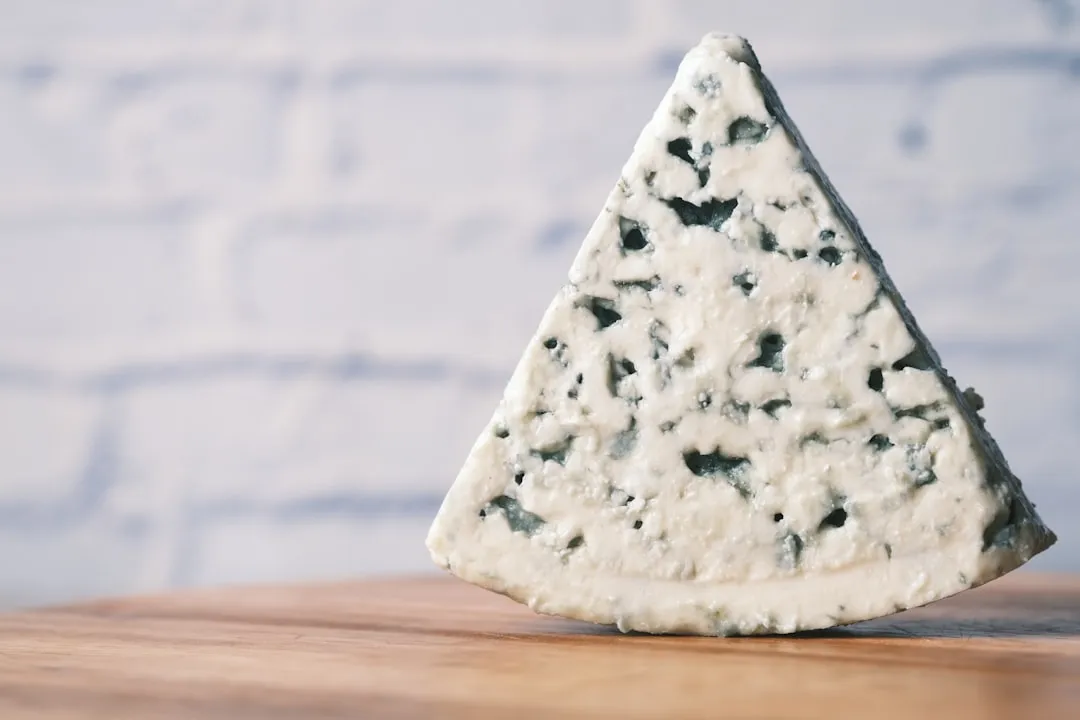
Not every dairy product poses equal risk to dogs, but blue cheese is a specific category of concern that many owners don’t know about. The issue isn’t just the lactose; it’s something produced by the mold itself.
Blue cheeses such as Stilton and Roquefort are particularly dangerous. Many contain a substance called roquefortine C, which dogs are especially sensitive to. Roquefortine C may cause vomiting, diarrhea, tremors, twitching, seizures, and high temperature. If a dog has eaten blue cheese and is showing any of these signs, emergency veterinary advice should be sought immediately.
Moldy food more broadly, including bread, nuts, and dairy products, contain toxins that could make a dog very ill, and food waste bins should always be kept out of reach.
10. Salty and Heavily Seasoned Foods: Sodium’s Overlooked Threat
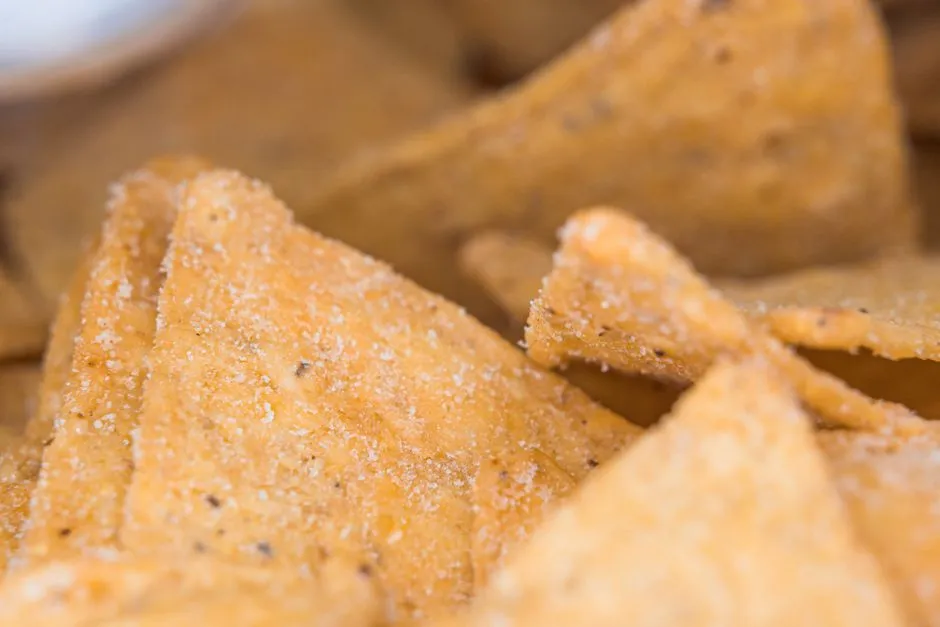
Chips, cured meats, pretzels, and seasoned snacks are common in most households. They’re also foods that dogs frequently manage to sneak, especially when guests are over and vigilance drops.
Too much salt can cause vomiting, tremors, or even seizures in pets. Chips, cured meats, and heavily seasoned foods should be kept out of reach at all times. Salt was once used to make pets vomit after ingesting toxins, but it is no longer considered safe for this purpose and should never be used to induce vomiting.
The concern with excessive salt goes beyond short-term discomfort. High sodium intake can cause sodium ion poisoning in dogs, leading to excessive thirst, neurological symptoms, and in severe cases, brain swelling. Small dogs and puppies are especially vulnerable to lower thresholds of harm.
What to Do If Your Dog Eats Something Toxic

Speed matters more than almost anything else in a poisoning situation. For many of these toxins, decontamination such as inducing vomiting under veterinary direction is only effective within the first one to two hours. Waiting to see if symptoms develop is one of the most common mistakes owners make.
If your dog eats grapes or raisins, or any known toxic food, calling your veterinarian or a pet poison control center immediately is critical. Early action can significantly improve the chance of preventing or minimizing organ damage. The ASPCA Animal Poison Control Center (1-888-426-4435) operates around the clock and handles exactly these situations.
The safest general rule is a straightforward one: if a food wasn’t made for dogs, verify it’s safe before sharing it. Many of the exposures that vets treat every year are accidental, well-meaning, and entirely preventable.
AI Disclaimer: This article was created with the assistance of AI tools and reviewed by a human editor.