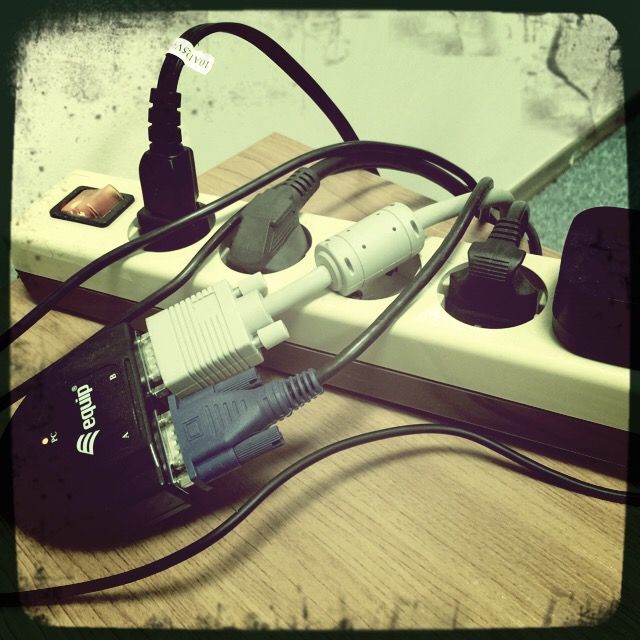

Extension cords are one of those everyday items people rarely think twice about. You grab one, plug something in, and move on. The problem is that this casual relationship with a deceptively simple piece of hardware quietly contributes to thousands of house fires every year.
Most people think the danger is obvious overuse, like plugging in a dozen appliances at once. In reality, the most damaging mistakes are far more subtle, and that’s exactly what makes them so persistent.
The Numbers Are More Alarming Than Most People Realize
The U.S. Consumer Product Safety Commission (CPSC) estimates that about 3,300 residential fires originate in extension cords each year, killing and injuring hundreds of people. That figure alone should give any homeowner pause.
According to the CPSC, approximately 4,600 residential home fires each year are associated with extension cords. The variation in estimates across agencies reflects different reporting criteria, but the consistent thread is clear: these fires happen regularly, and they are preventable.
In November 2025, the FDNY released a public service announcement reminding New Yorkers that overloaded extension cords pose a serious fire threat. To date, extension cords had sparked more than 50 fires in New York City alone in 2025, injuring 27 people and killing five.
Overloading Is the Core Problem
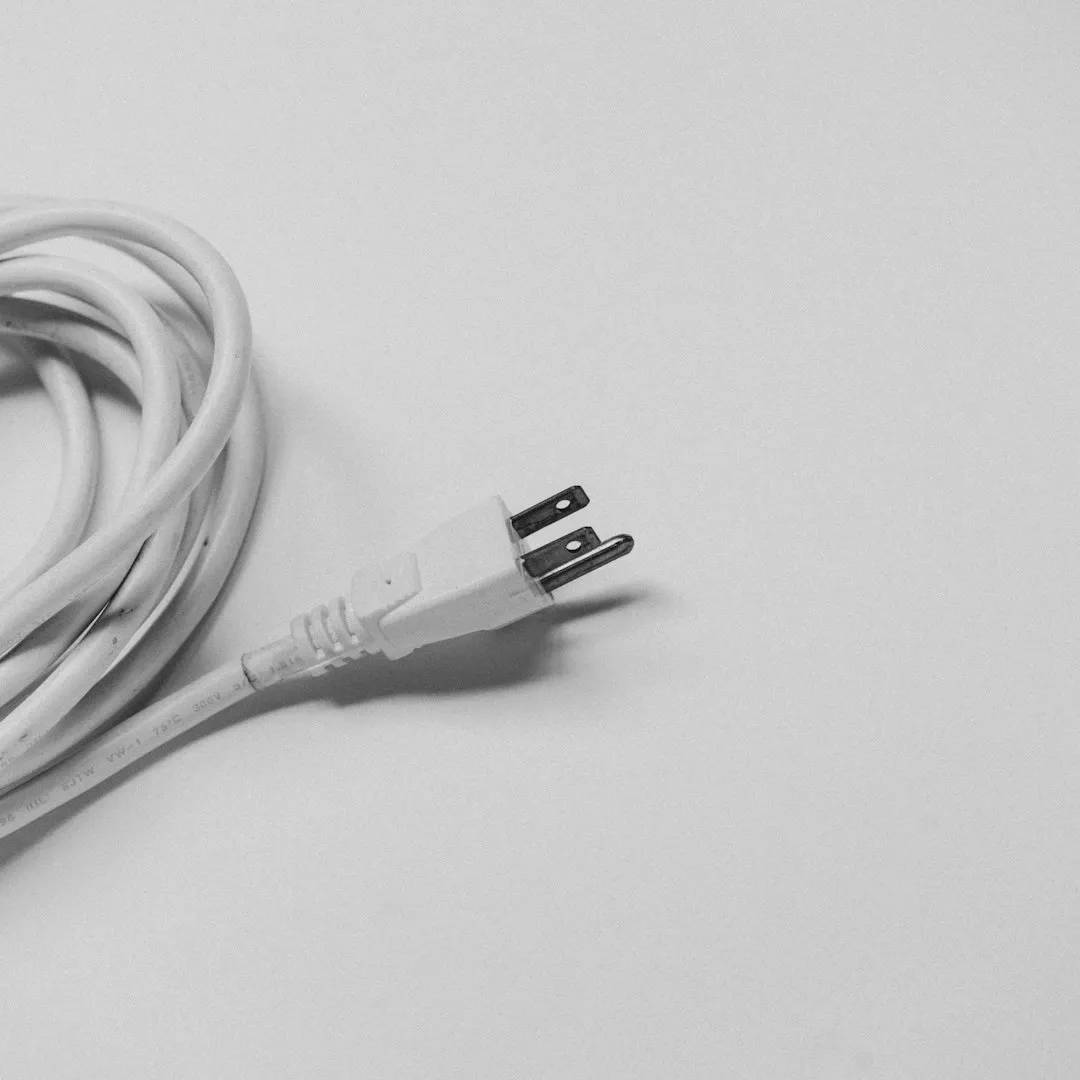
One of the primary hazards is overloading. Many people mistakenly believe that with enough outlets on the cord, it can simultaneously handle multiple high-wattage appliances. However, each extension cord has a maximum capacity, typically measured in amps or watts. Exceeding this capacity can cause the cord to overheat, leading to a potential fire.
Overloading is one of the most prevalent dangers of extension cords, driven by the temptation to plug in too many devices. The majority of extension cords are not designed to handle heavy loads for prolonged periods, leading to overheating and potential fire hazards. The NFPA reports that overloading circuits is a common factor in residential fires, often originating from the misuse of extension cords.
High-Wattage Appliances Are the Biggest Offenders
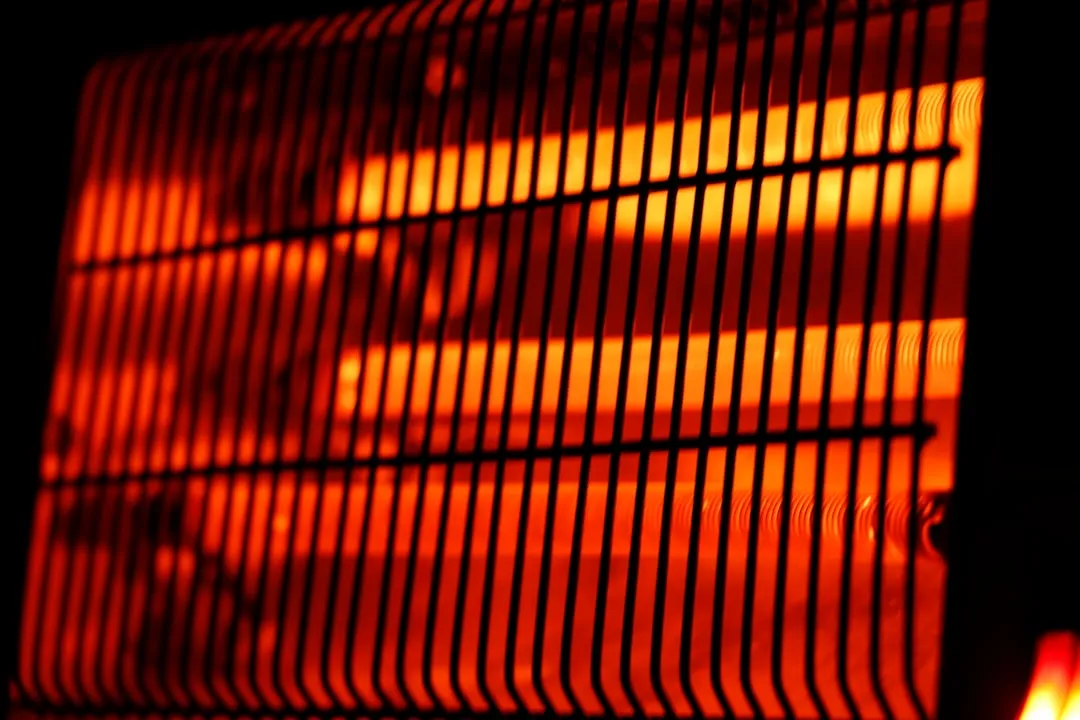
Avoid plugging high-power appliances and heat-producing devices into standard extension cords. This includes items like space heaters, hair dryers, air fryers, microwaves, refrigerators, and air conditioners. These devices draw a significant amount of power, which can cause the extension cord to overheat and potentially catch fire.
This is a common mistake in offices that allow space heaters. All extension cords have wattage limits, and these limits must be respected. Some of the cheaper extension cords use internal wiring that is size 16 gauge, rated for only 10 amps. A typical 1,500 watt space heater draws 12.5 amps, obviously overloading a 16-gauge extension cord.
Wire Gauge: The Specification Most People Ignore
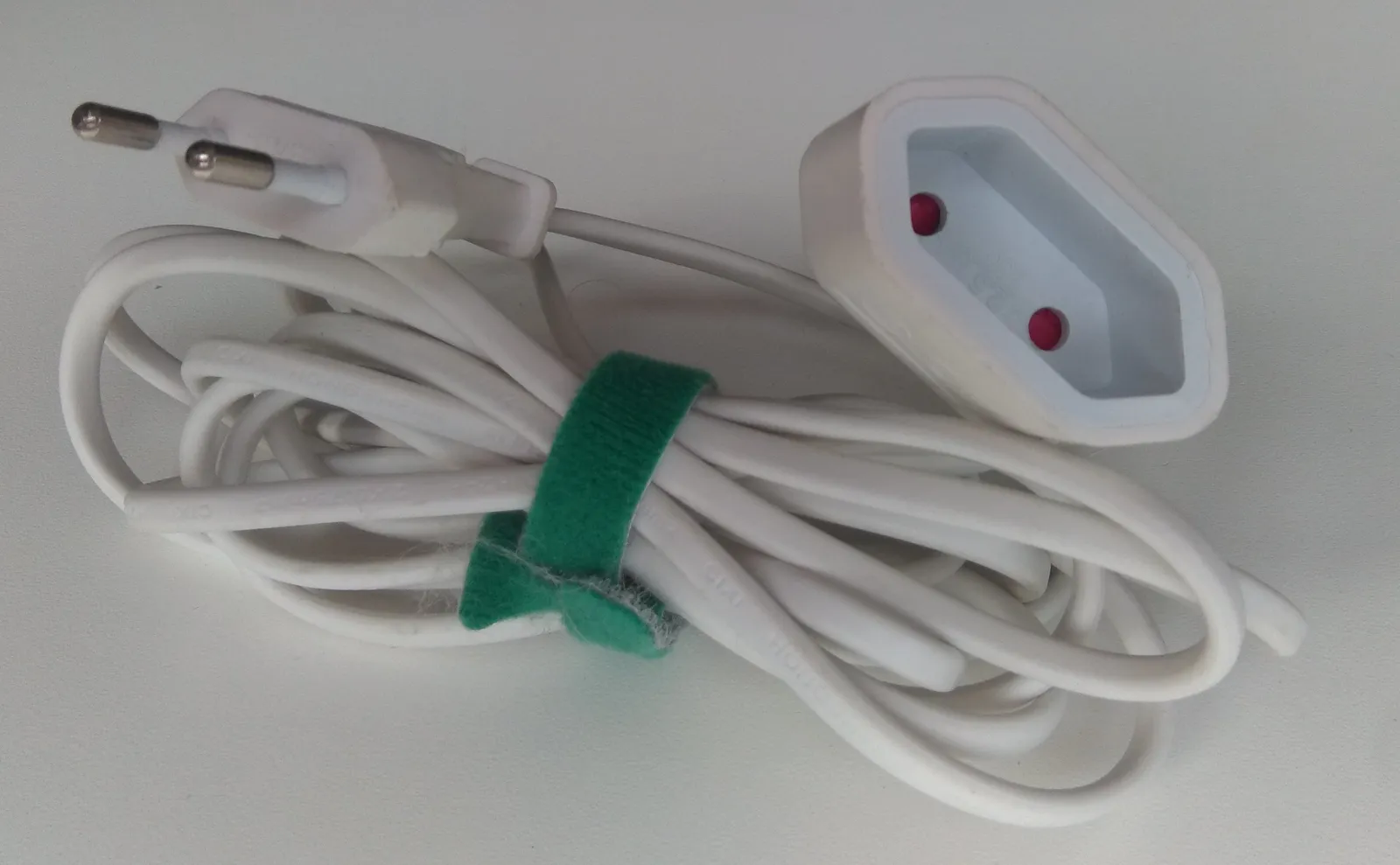
Extension cord capacity depends on wire gauge, which is the thickness of the wire, and on length, with thicker wires carrying more current. A 12-gauge cord typically handles 15 to 20 amps, while a 14-gauge handles about 15 amps maximum. Capacity also decreases with length, meaning a 50-foot cord carries less current safely than a 25-foot cord of the same gauge.
An 18 AWG cord is thin and light, suitable for low-power devices like phone chargers or lamps. A 16 AWG cord is commonly used for household appliances like televisions or microwaves. A 14 AWG cord is a better choice for power tools or space heaters. Choosing the wrong gauge is not just inconvenient, it’s genuinely dangerous.
Always choose an extension cord rated at least 25 percent higher than your calculated load. Understanding how to properly calculate the load ensures your setup remains safe and efficient, preventing potential hazards like overheating, fires, or damage to your equipment.
Daisy-Chaining: A Hidden Circuit Hazard
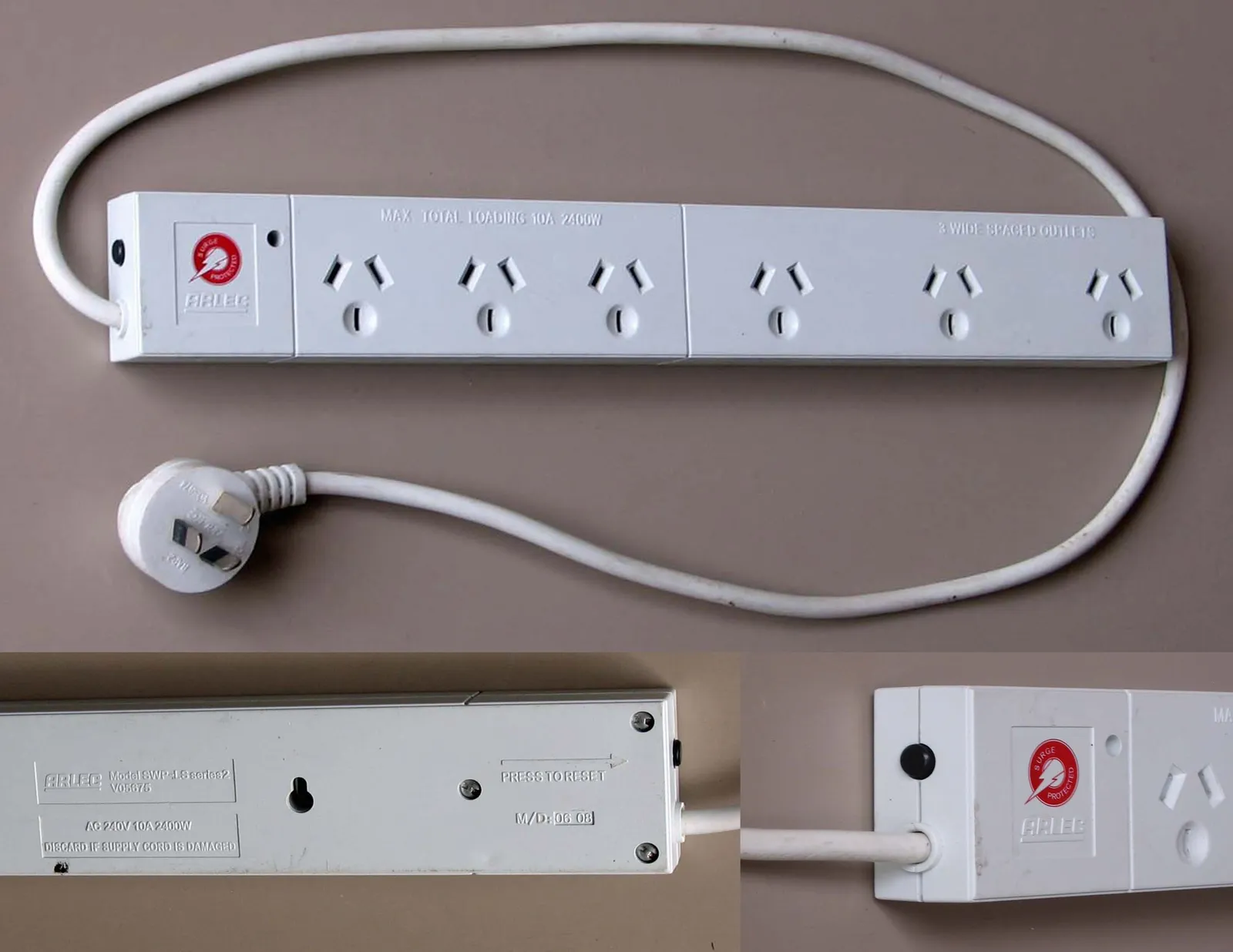
Extending the length of an extension cord by “daisy-chaining” can lead to overheating the cord by overloading it, creating a serious fire hazard. This is surprisingly common in both homes and workplaces, often done simply because someone needs a few extra feet of reach.
Never plug an extension cord into another extension cord. Known as daisy-chaining, this can cause the extension cords to overload, making them overheat, and creating a fire hazard. The combined resistance of multiple cords also causes voltage drop, which can silently damage connected devices over time.
Running Cords Under Rugs and Furniture
Running extension cords under rugs, carpets, walls, or furniture can cause them to overheat and potentially ignite. It looks tidy, but it traps heat with nowhere to go. The insulation degrades, sometimes for weeks or months, before anything visible happens.
When cords are trapped under rugs, sofas, or cabinets, heat cannot dissipate properly. Over time, friction and weight can damage the insulation, increasing the risk of sparks and short circuits. The Electrical Safety Foundation International (ESFI) warns that cords under carpets are a leading cause of home electrical fires.
Using Indoor Cords Outdoors

One of the most common mistakes homeowners make is using indoor extension cords outside. Indoor cords lack the insulation and weatherproofing needed to withstand moisture, heat, and other outdoor elements. This misuse can degrade the cord quickly, increasing the chances of shock or fire.
Indoor cords lack weather-proof features and are meant for indoor use only. Using an indoor cord outdoors can create an electric fire hazard. Outdoor-rated cords carry specific markings, usually a “W” on the label, confirming they are built for exposure to the elements.
Treating a Temporary Solution as a Permanent One
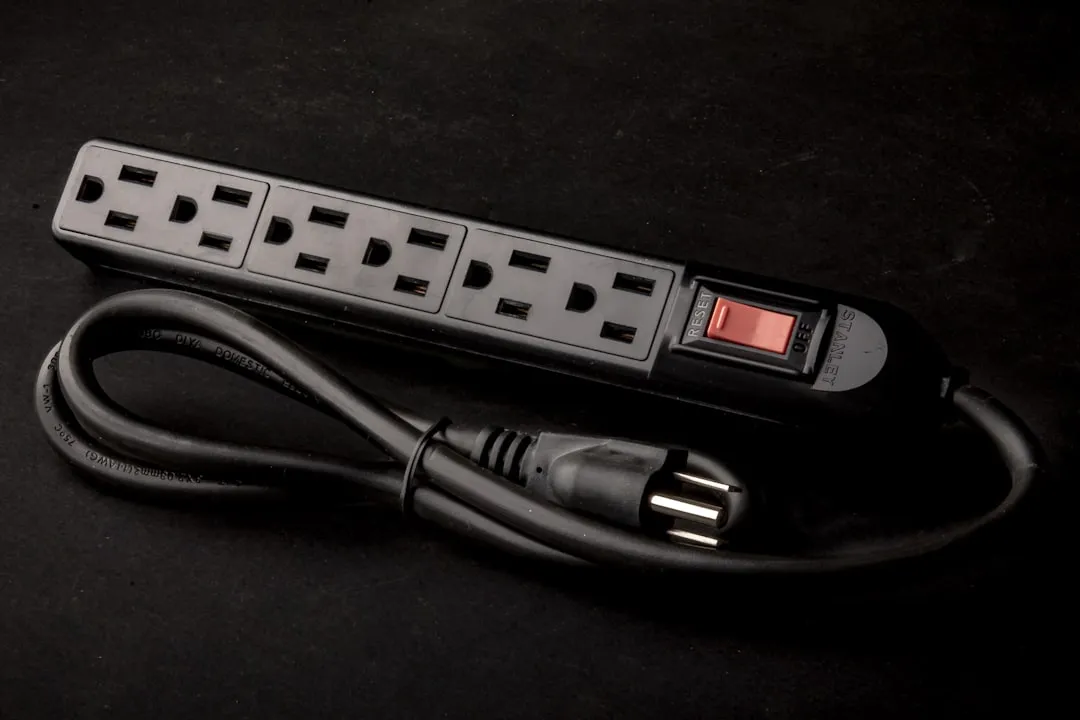
A common mistake when using an extension cord is to treat it like a replacement for permanent wiring. However, extension cords are meant for temporary use. Many households quietly cross this line, using the same cord in the same spot for months or even years without a second thought.
Another common misuse of extension cords is overloading them. These cords are only intended to have a certain amount of electricity drawn through them. When you overload an extension cord, it can overheat and short out. If a cord is being used to permanently power something, the practical fix is having a licensed electrician install an additional outlet.
If you rely on extension cords often, installing additional outlets or upgrading your electrical system is the safest long-term solution.
Plugging Power Strips Into Extension Cords
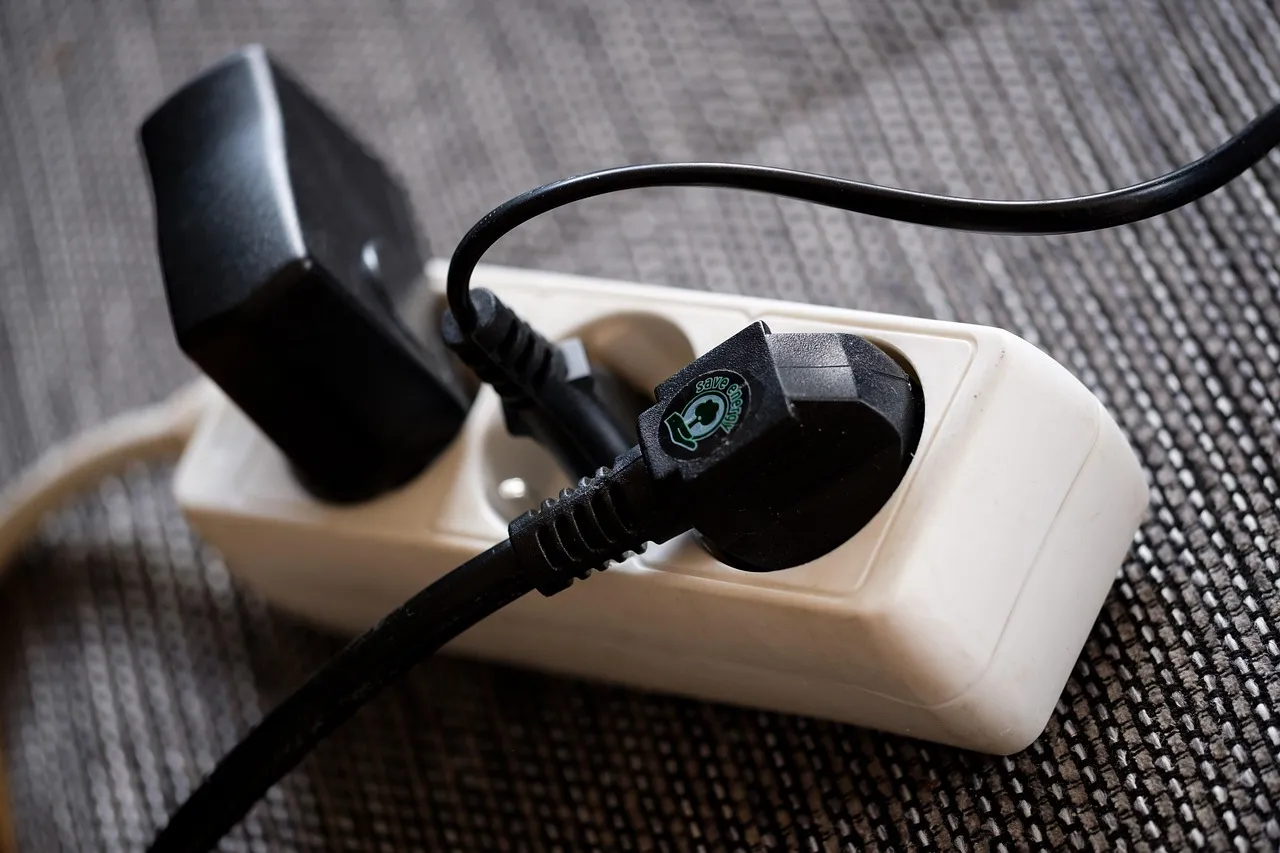
Using extension cords with power strips or surge protectors can overload the cord, leading to overheating and fire hazards. It feels like a practical workaround when you need more outlets than you have, but the math on wattage rarely adds up safely.
Chaining multiple power strips together can overload circuits. The original cord was rated for a specific load, and attaching a strip full of devices pushes well beyond that. Over time, the continuous strain on the electrical system can cause wear and tear, leading to short circuits and sparking. This hidden damage can escalate into a serious fire hazard if left unaddressed.
Damaged Cords That Stay in Rotation
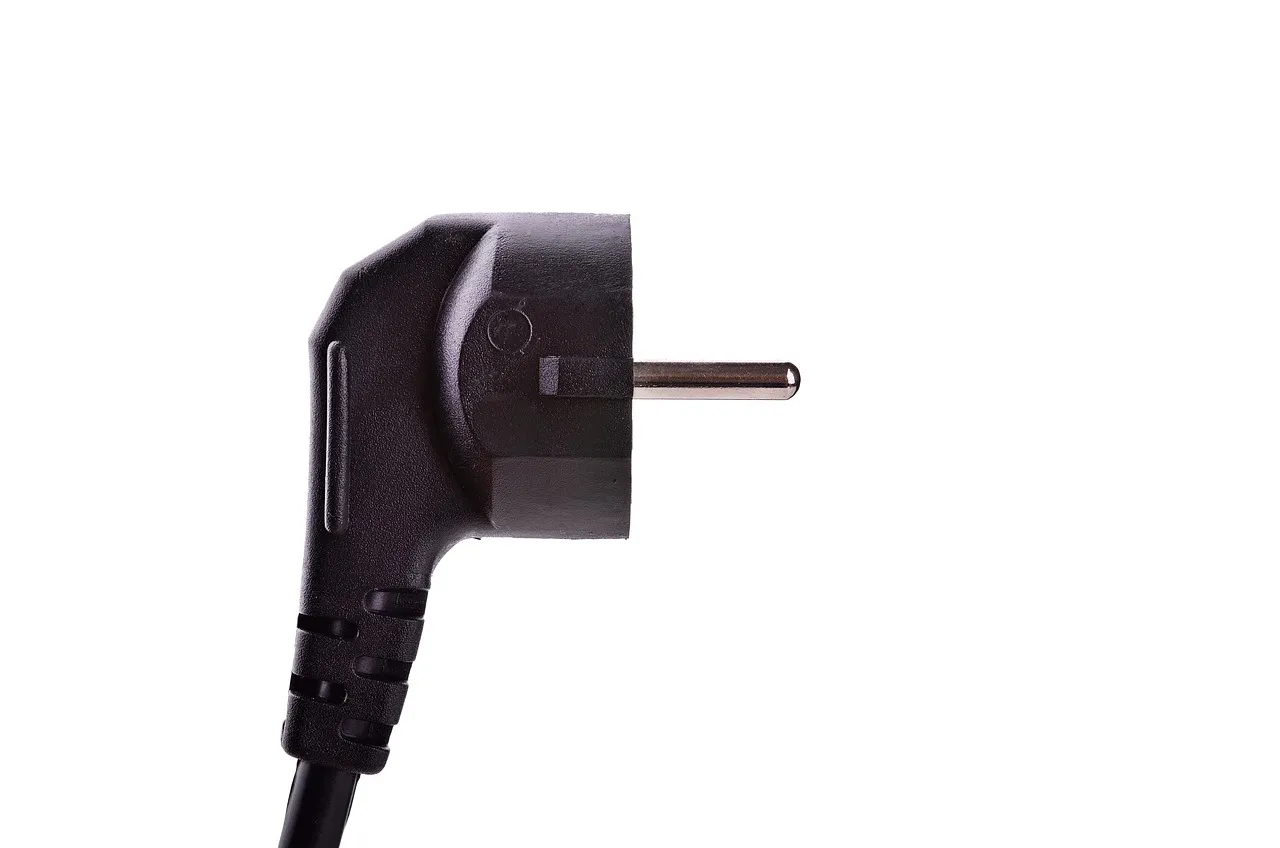
Before plugging in an extension cord, examine it for nicks, cuts, scrapes, and missing prongs on the plug. That goes for cords you haven’t used in years and the one you just brought home from the store. If you see exposed or damaged copper wiring, get rid of the cord. Exposed wires cause electrical arcs, in which the current can jump between the wires, potentially starting a fire in nearby flammable materials.
Another common issue is the use of damaged extension cords. Over time, cords get used and abused, leading to wear and tear and frayed wires or exposed conductors. These damaged areas can create sparks or short circuits, significantly increasing the fire risk.
What a Warm Cord Is Actually Telling You
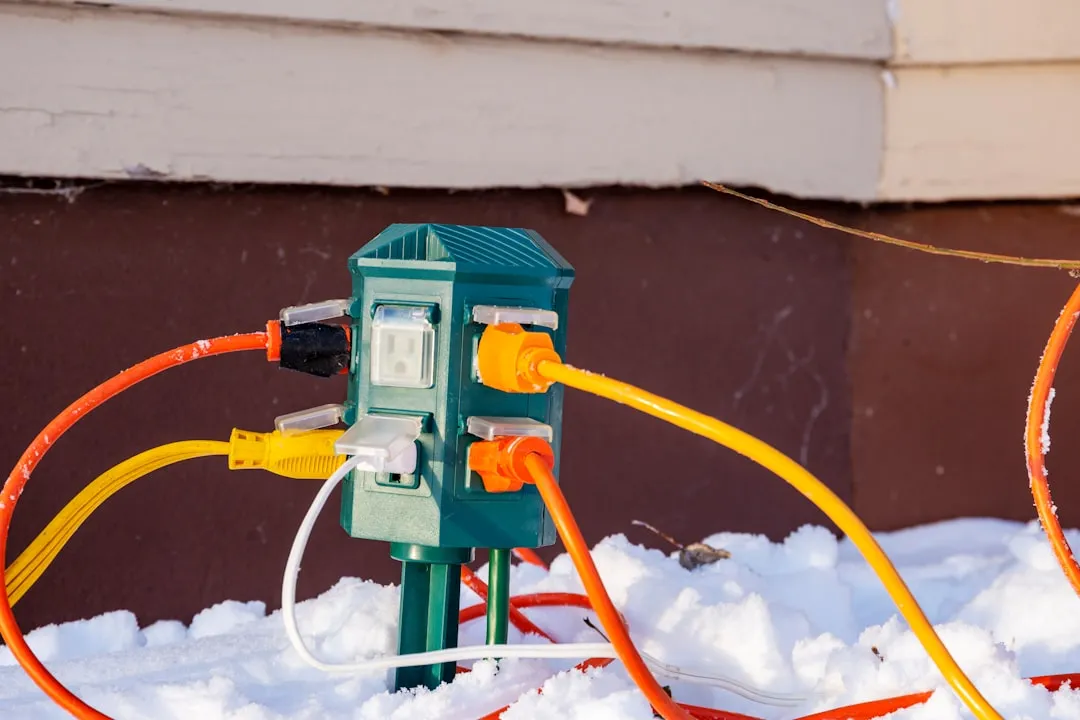
Each extension cord has a maximum wattage rating, which indicates the amount of electrical load it can safely handle. Exceeding this limit can cause the cord to overheat and potentially catch fire. Overheating is a significant cause of fires when extension cords are used improperly. This can happen due to overloading or connecting appliances that consume more watts than the cord can handle.
If a cord feels warm to the touch, it is likely undersized. That warmth is not a minor inconvenience. It’s a sign that the cord is already under stress. Continuing to use it under those conditions is the kind of quiet mistake that turns into a late-night emergency.
Do not use an extension cord that feels hot to the touch. Unplug it, check the wattage ratings of your connected devices against the cord’s label, and replace it with an appropriately sized cord before using it again.
The Takeaway
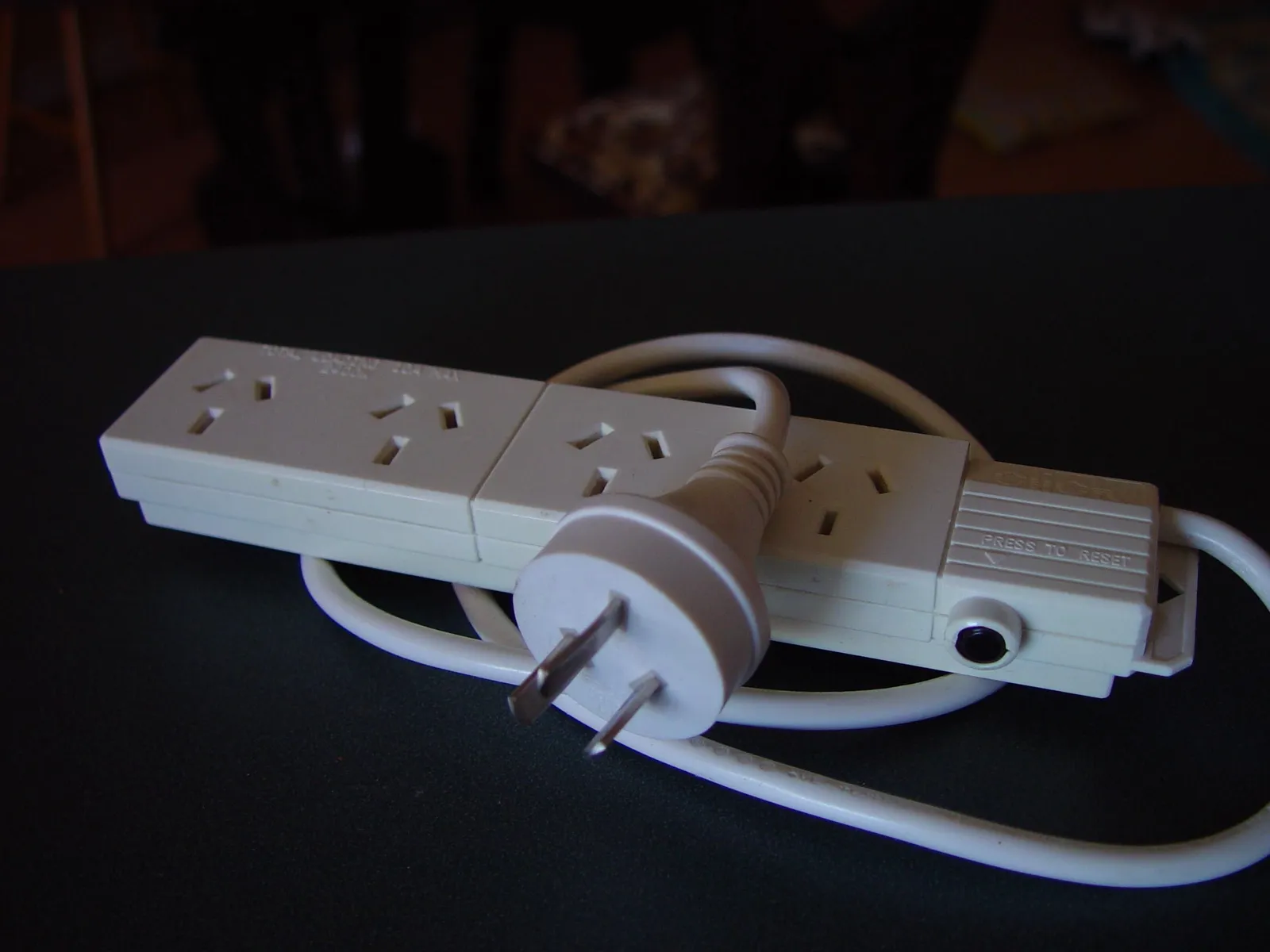
Extension cords are so ordinary that it’s easy to assume they’re harmless. The evidence says otherwise. The CPSC estimates that about 3,300 residential fires originate in extension cords each year, and the most frequent causes are short circuits, overloading, and damage or misuse.
The solution isn’t avoiding extension cords entirely. It’s respecting what they are: temporary tools with fixed limits. Check the gauge, calculate the load, keep cords visible and ventilated, and replace anything that shows wear.
The most dangerous version of this mistake isn’t the dramatic one. It’s the cord that has been quietly overloaded under a rug for two years, in a house where everyone assumed everything was fine.
AI Disclaimer: This article was created with the assistance of AI tools and reviewed by a human editor.