

Every year, millions of people get a phone call, a text, or an email that sets off a chain of events they never saw coming. Someone on the other end of the line has a story, a very convincing one, and that story almost always ends with the same request: go buy a gift card.
According to the FTC, Americans filed more than 41,000 fraud reports tied to gift card and prepaid card scams in 2024, totaling $212 million in losses. The real number is almost certainly higher. Many victims never report these crimes at all. Understanding the specific excuses scammers use is the first line of defense.
1. “You Owe Back Taxes and Will Be Arrested”
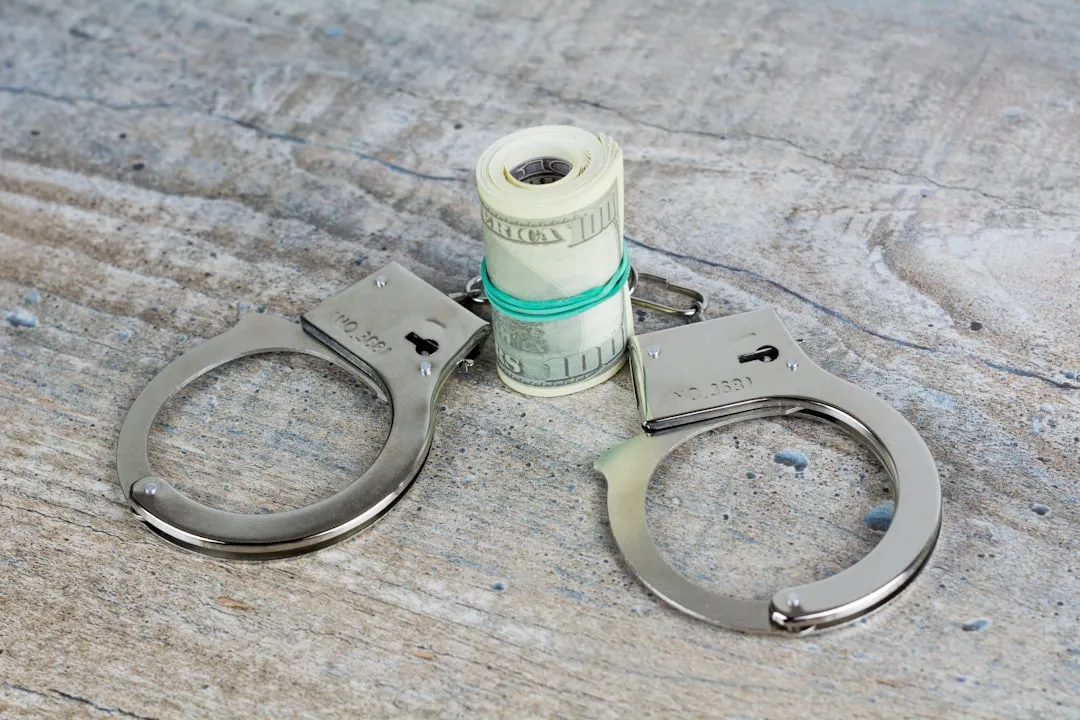
Scammers claim they are from the government, specifically the IRS or the Social Security Administration, insisting that you owe taxes or a fine. The threat is always immediate: pay now or face arrest. In this type of scam, the fraudster may claim they are investigating you for tax fraud and threaten arrest unless you settle the debt by purchasing gift card codes, using scare tactics designed to pressure you into acting quickly.
The IRS never asks for or accepts gift cards as payment for a tax bill. That single fact dismantles the entire script. The scammer may ask the victim to purchase gift cards from different stores to avoid the suspicion of store employees, which is itself a revealing red flag.
2. “There’s an Emergency With Your Grandchild”

Grandparent scams target older adults directly. A caller pretends to be a grandchild in trouble, arrested, in an accident, or stranded abroad. They need money fast, and they need it in gift cards. The emotional urgency is the whole mechanism.
The caller claims to be a close family member in serious trouble, and sounds distressed. They beg the grandparent not to tell anyone else and urgently ask for money to be sent via gift cards. The secrecy element is intentional. Keeping the target isolated from friends or family prevents anyone from reality-checking the story before the cards are purchased.
3. “I’m in the Military and Need Help”

Romance scams prey on trust, loneliness, and emotional vulnerability. They typically begin on dating websites or social media, where scammers create fake profiles using stolen photos and carefully crafted backstories. Over time, they gain the victim’s confidence through daily communication and declarations of love.
Scammers often use excuses like working overseas or being in the military to explain their unavailability. This cover story conveniently justifies why they can never meet in person or video call. Once the target feels secure, the scammer introduces a financial emergency, like a medical bill, travel issue, or family crisis, and asks for help.
4. “Your Computer Has a Virus”
Scammers claim they are from tech support, specifically from Microsoft or Apple, and say there is something wrong with your computer. They ask for remote access and say to pay them to get it fixed. The fictional urgency creates panic, and panicked people make fast, unguarded decisions.
A common gift card scam occurs when fraudsters trick you into thinking your computer or device has a virus and offer to help by impersonating tech support agents. Once they have remote access, the situation escalates quickly. They may lock the screen, display fake alerts, and insist that a gift card payment is the only way to unlock and clean the system.
5. “Your Boss Needs Gift Cards for a Client Meeting”
Scammers may pose as your boss or a coworker, typically reaching out via text or email with an urgent request to buy gift cards as an important, last-minute favor for a client or a meeting. This variation works because it exploits workplace trust and the instinct to help a superior without asking too many questions.
In one documented case, a person received a text that appeared to be from the CEO of the company, urgently requesting $1,200 worth of gift cards to hand out after a client meeting. The fake urgency, combined with the authority of a senior figure, is enough to bypass normal skepticism. Most employees don’t pause to verify whether their CEO would actually send a text like that.
6. “You’ve Won a Prize, But Must Pay Fees First”

A scammer tells the target they have won a prize, lottery, or sweepstakes, or at least that’s what the victim is being told. The twist comes shortly after: before releasing the winnings, the target must pay processing fees, taxes, or administrative costs, always via gift card. There is no prize. The “winnings” are simply bait.
This excuse works because it frames the gift card purchase as a small, logical step toward a large reward. The math feels reasonable to someone who genuinely believes they’ve won something. The flavor texts of scams vary wildly, but in substance they will attempt to convince someone, often someone socially vulnerable, to part with sometimes very large sums of money by buying gift cards and conveying card information to the scammer.
7. “Your Utility Bill Is Overdue and Service Will Be Cut”

Scammers may claim that you owe money immediately, or you will be arrested, your benefits will be suspended, or your power will be shut off. The utility shutoff version is especially effective because losing electricity or gas feels like a real, immediate crisis. To resolve the issue, they demand payment in gift cards because they are easy to exploit and difficult to trace.
The script usually involves a call from someone posing as a representative of the local power company or water authority. They claim a final notice was sent and ignored, and that a technician is on the way to cut service unless payment is made within the hour. The urgency is manufactured entirely to short-circuit clear thinking.
8. “Pay Via Gift Card for Discounted Services”

Scammers are pretending to be businesses and making robocalls about “discounted services” if you pay with a gift card. It is a scam. The offer might sound like a deal on phone service, internet, cable, or even insurance. The discount is enticing enough to create interest, and the gift card payment feels like a simple convenience rather than a warning sign.
This particular approach has been flagged by the FTC’s Consumer Advice team as a growing trend, specifically because robocalls are cheap to deploy at scale. Scammers reach people in many different ways, including phone calls, texts, and emails. The discounted services pitch is versatile enough to rotate through multiple industries, making it difficult for any one warning campaign to cover all its variations.
9. “The Romance Is Real and I Need You Right Now”

Romance scams build fake relationships over weeks or months before a “financial emergency” arrives. The ask is almost always gift cards or wire transfers, payment methods that cannot be reversed. The extended timeline is deliberate. The longer the emotional investment, the harder it is for the victim to accept that the relationship was never real.
These gift card scams are especially harmful because they exploit feelings and connections, making the betrayal both personal and financial. The FTC has tracked romance scams as one of the most financially damaging categories of consumer fraud for several consecutive years. The gift card request, when it finally comes, is presented as a natural extension of care and trust, not a transaction.
10. “It’s Completely Untraceable, So It’s Safer”

A gift card balance has no owner, no account, and no paper trail. Once a scammer has the number and PIN for a gift card, it’s game over. They can drain the balance easily without ever revealing who or where they are. Scammers sometimes even frame this untraceable quality as a benefit for the victim, suggesting that gift cards are more private or “safer” than other forms of payment for whatever invented situation is in play.
Scammers favor gift cards because they are quick to buy, easy to spend or transfer, and utterly untraceable. If a scammer tricks you into sending them a gift card code, there is very little you can do to get the value back. That permanence is precisely the point. Scammers tend to favor gift cards from major retailers such as Apple, Target, eBay, Walmart, and Amazon, among others, specifically because those brands are trusted and their cards are easy to liquidate.
The Scale of the Problem
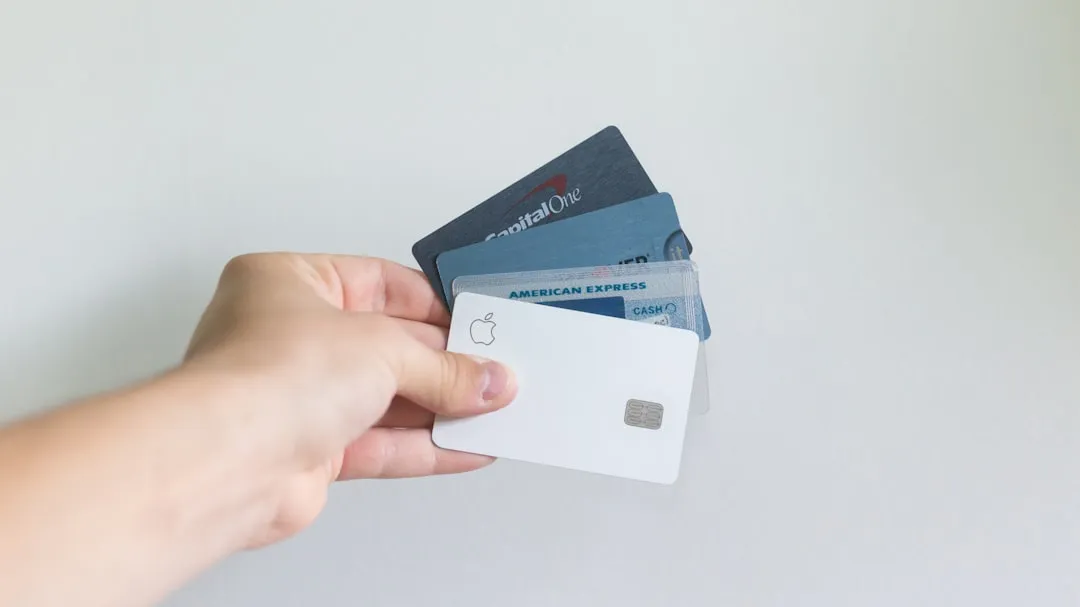
Gift card fraud is the most common form of fraud, with more than a quarter of victims indicating that money was taken using gift cards or reload cards. Roughly a third of U.S. adults have been targeted by scams seeking payment by gift card. That scale is staggering. It means nearly one in three adults in the country has encountered this type of approach at least once.
Consumers reported losing more than $12.5 billion to fraud in 2024 overall, representing a 25 percent increase over the prior year, and gift card scams remained a significant slice of that total. Americans over 60 reported $2.46 billion in fraud losses in 2025, a figure reflecting 400,000 voluntary reports, meaning the actual toll is likely higher, as many victims stay silent out of shame or fear.
A Final Word on Staying Safe

The excuses scammers use are constantly refined, but the demand is always the same: buy gift cards, read us the number, and do it now. That combination, urgency plus gift cards plus secrecy, is the pattern that matters. Government agencies will never contact you to demand immediate payment, and they never demand payment by gift card.
No legitimate business, government agency, court, or employer settles debts through gift card codes read over the phone. Knowing that removes the power from every single script described above. Scammers create a sense of urgency by claiming you or someone you know is in trouble, and that urgency is worth treating as the red flag it actually is, every single time.
AI Disclaimer: This article was created with the assistance of AI tools and reviewed by a human editor.