
Tea tree oil is one of the most recognizable bottles on bathroom shelves across the world. It’s popular for treating acne, soothing minor cuts, and even cleaning surfaces. Millions of households use it, and with the rise of home diffusers, it now drifts through the air in countless living rooms, kitchens, and bedrooms.
The problem is simple and serious: cats and tea tree oil are a genuinely dangerous combination. What smells pleasant to us can be quietly toxic to a cat sharing the same room, and the evidence from veterinary research makes a compelling case for caution.
Why Tea Tree Oil Is Especially Risky
Tea tree oil, also known as melaleuca, is considered to be one of the most dangerous essential oils for cats. It’s widely available, frequently used, and often assumed to be harmless because it comes from a plant. That natural origin is exactly what makes it seem so trustworthy, and so easy to overlook as a risk.
Tea tree oil has been the most commonly reported intoxicant in pets. Essential oils are readily and rapidly absorbed through the GI tract, skin, lungs, and mucous membranes, and systemic absorption should be expected, with multiple signs of toxicosis able to develop.
The Liver Enzyme Problem That Makes Cats Uniquely Vulnerable
Cats are more sensitive to essential oils than dogs because they are deficient in the enzyme glucuronyl transferase. This enzymatic deficiency makes cats very sensitive to phenol and phenolic compounds, which some oils contain.
The lack of this important detoxification mechanism results in a slower elimination of certain compounds, and without the necessary enzymes to break down certain substances and effectively excrete them, it ultimately leads to the buildup of toxins in their bodies. Tea tree oil is packed with phenols and terpenes, making it a direct match for this exact weakness.
Cats are obligate carnivores whose detoxification system evolved to process animal proteins, not plant compounds. They are missing glucuronyl transferase, the Phase II liver enzyme that binds toxic metabolites like phenols, terpenes, and ketones and eliminates them via urine. Without this enzyme, compounds like phenol found in tea tree oil and monoterpenes found in other oils accumulate in the bloodstream.
How Diffusing Tea Tree Oil Exposes Your Cat
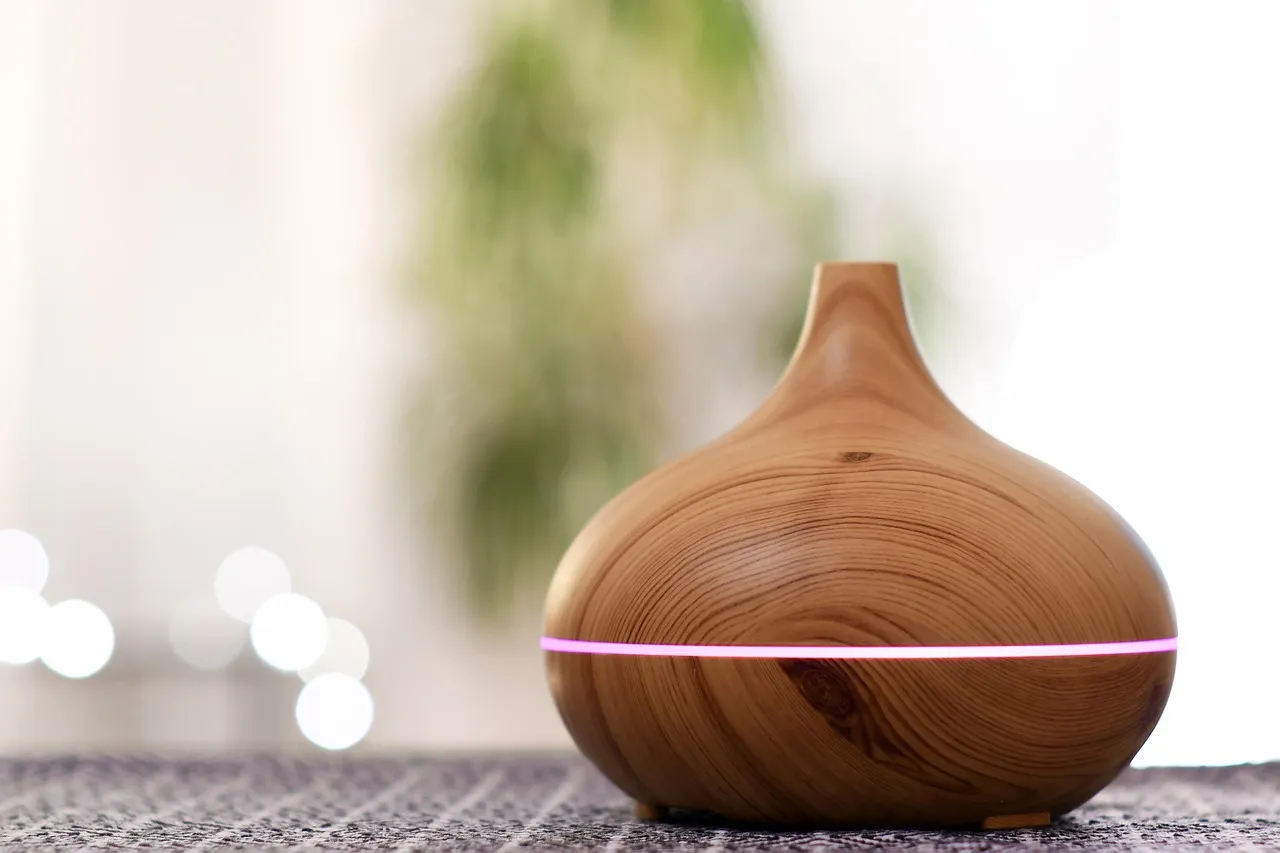
Some diffusers, which act by aerosolizing the oil, release micro-droplets into the air that may collect on the fur of a pet cat. When the cat grooms itself, the oil may be ingested and the cat may suffer serious consequences.
Inhaling essential oils from products such as reed diffusers or plugin diffusers can also be dangerous to cats, and it may also have psychological effects. As the oils used in these products are often very diluted, the effects are quite rare. However, the risk rises considerably with active ultrasonic diffusers, which push far more oil into the air than passive options.
Nebulised or ultrasonically diffused essential oils carry greater risk, and nebulising or ultrasonic essential oil diffusers should be avoided in homes with cats.
What the Research Actually Shows
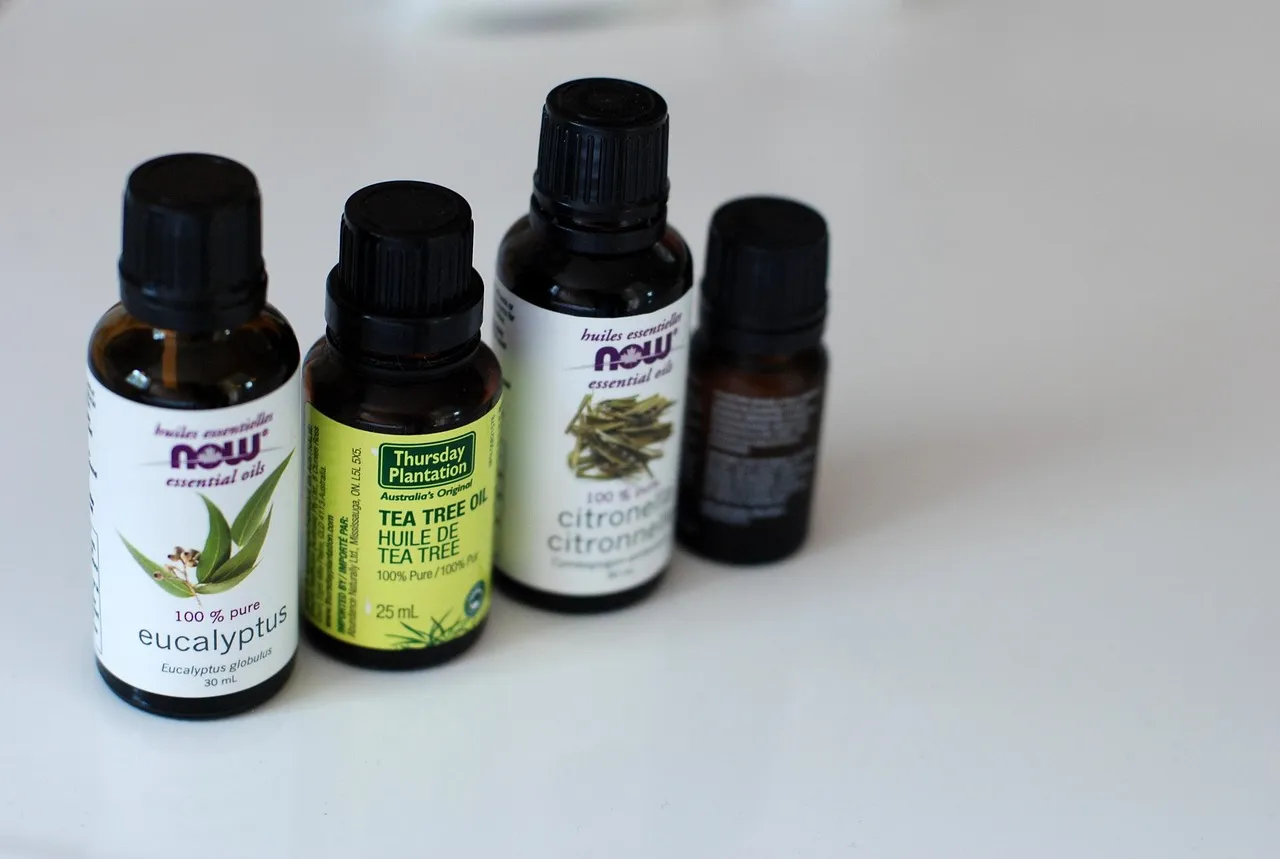
A study reviewed data on 337 dogs and 106 cats with evidence of exposure to 100% tea tree oil, with 10-year incident data retrieved from the ASPCA Animal Poison Control Center database from January 2002 to December 2012, and only evidenced or witnessed incidents assessed as toxicosis or suspected toxicosis were included.
The study concluded that intentional or accidental use of 100% tea tree oil in dogs or cats caused serious signs of CNS depression, paresis, ataxia, or tremors within hours after exposure and lasting up to 3 days. Younger cats and those with lighter body weight were at greater risk of developing major illness.
The oil was intentionally used in nearly nine out of ten cases reviewed, and the amount used ranged from 0.1 to 85 mL. That’s a striking detail. Most of these were not accidents. People genuinely believed they were helping their pets.
How Little It Takes to Cause Harm
As little as 7 drops of 100% tea tree oil have been known to cause severe toxicity, and 10 to 20 mL can easily cause death. These aren’t large quantities by any measure. A few stray drops near a curious cat, or diffuser mist settling on fur over time, can quickly reach concerning levels.
In small concentrations of around 0.1% to 1%, tea tree oil is tolerated and generally considered safer for cats and dogs. Unfortunately, the oil’s popularity has resulted in larger numbers of households with bottles of 100% tea tree oil, and accidental ingestion or improper dilutions of this highly concentrated oil can be harmful to pets.
The Symptoms to Watch For
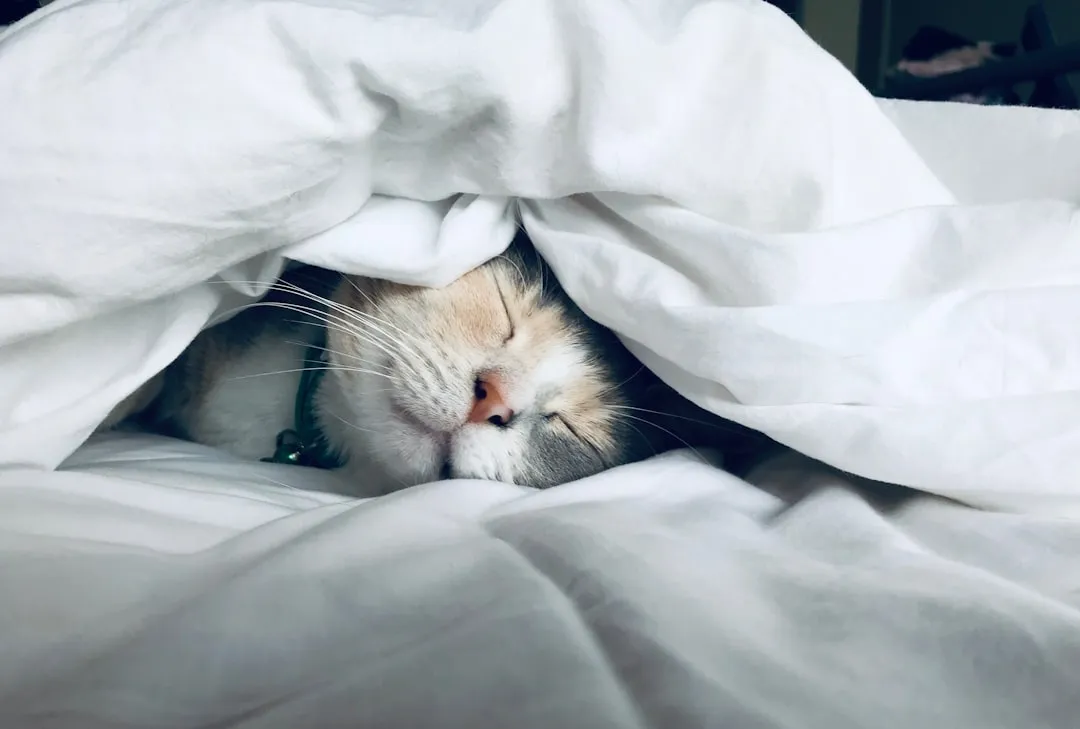
Clinical signs usually developed within 2 to 12 hours and lasted up to 72 hours. The most common clinical signs in cats were increased salivation or drooling, ataxia, signs of depression, lethargy or listlessness, coma, recumbency or unconsciousness, muscle tremors, hypothermia, and dermatitis or rash.
Symptoms of toxicity include elevations in liver enzymes, weakness, low body temperature, incoordination, inability to walk, hind leg paralysis, tremors, coma, and death. These symptoms often appear within 2 to 8 hours after exposure.
Pneumonia is also a possibility for cats who breathe in essential oils diffused in the air. Respiratory signs are easy to miss early on and may be mistaken for a common cold or seasonal irritation.
Other Oils That Share This Risk
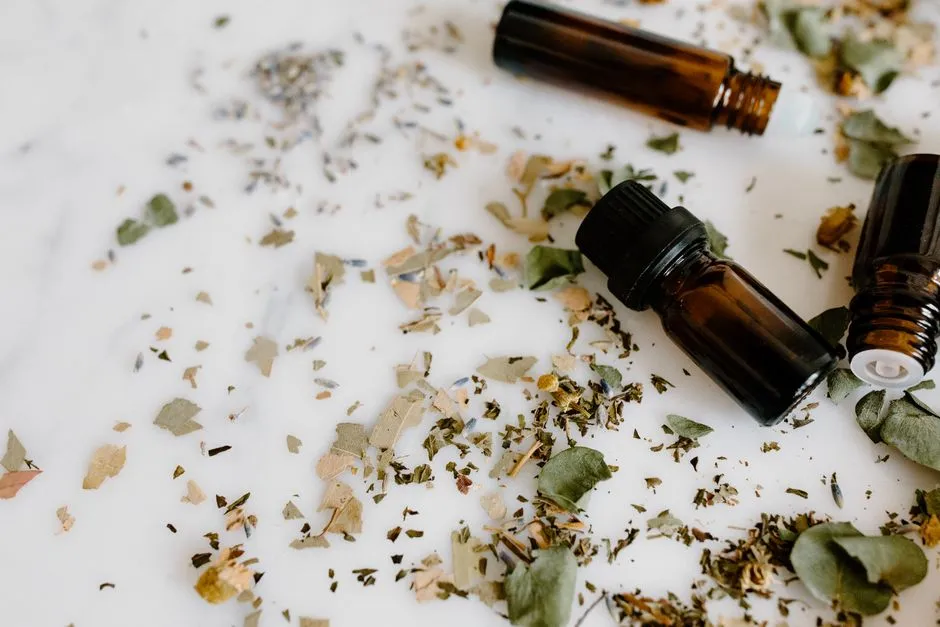
Pennyroyal and melaleuca oils have been implicated in some severe cases of seizures and liver damage, with tea tree oil considered more toxic than many others. Additional essential oils considered particularly dangerous to cats when either ingested or exposed on the skin include cinnamon, citrus, peppermint, pine, sweet birch, wintergreen, and ylang ylang.
Other oils toxic to pets include basil, bergamot, bitter almond, clove leaf, eucalyptus, geranium, juniper, lavender, lemon, lemongrass, lime, mint, myrrh, orange, pine, rose, rosemary, sandalwood, sassafras, tarragon, and thyme. The list is long enough to give any cat owner pause before reaching for the diffuser.
Active vs. Passive Diffusers: Does the Type Matter?
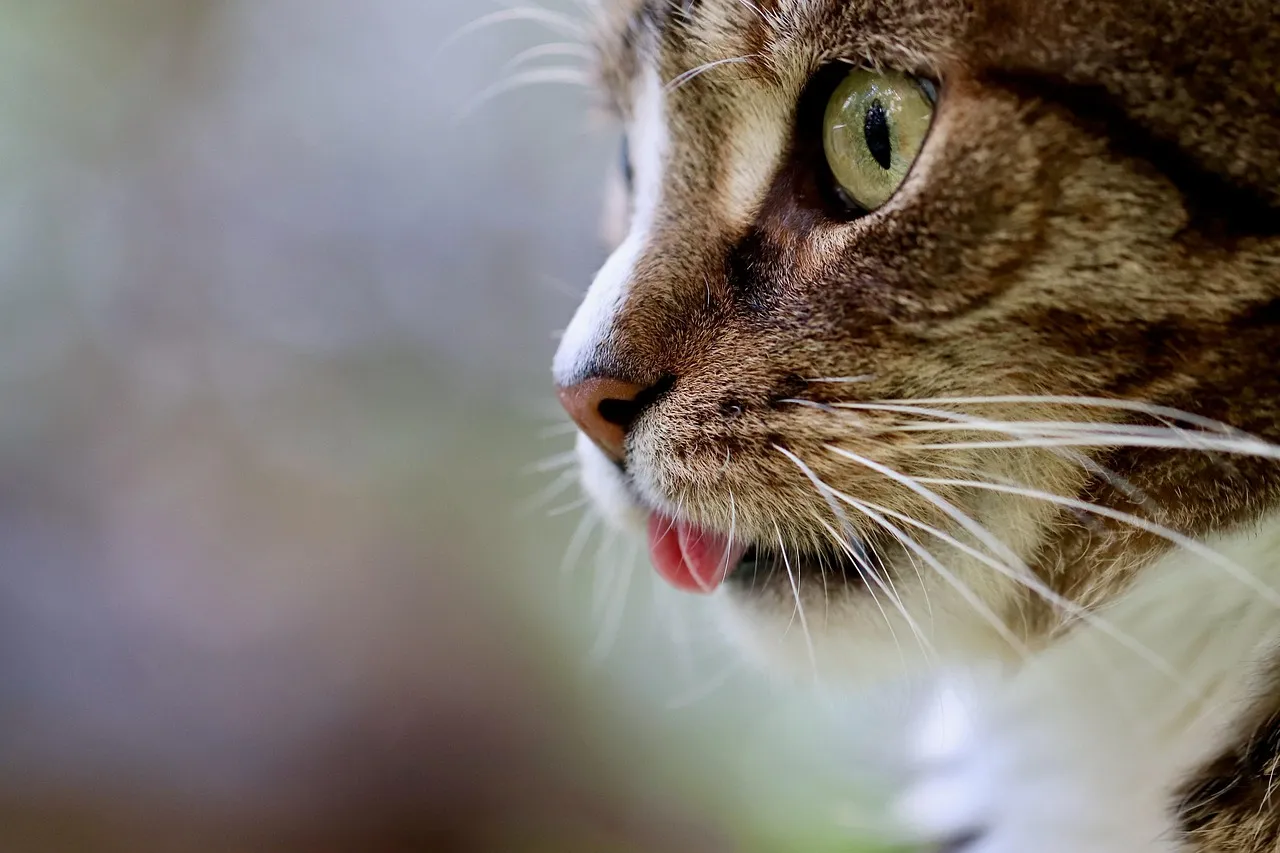
Two popular types of diffusers are passive and active. Passive diffusers work by evaporating the oil, while active diffusers emit microdroplets of the oil into the air in addition to producing the scent. Passive diffusers can sometimes cause respiratory irritation in cats, leading to a watery nose or eyes, a burning sensation in the throat or nose, and coughing or wheezing.
Unless the oil in a passive diffuser gets onto a cat’s skin or is ingested in some way, the main hazard to cats from essential oils dispersed through passive diffusers is respiratory irritation. Active diffusers, by contrast, saturate the air with far more oil particles and carry a significantly higher risk.
What Treatment Looks Like
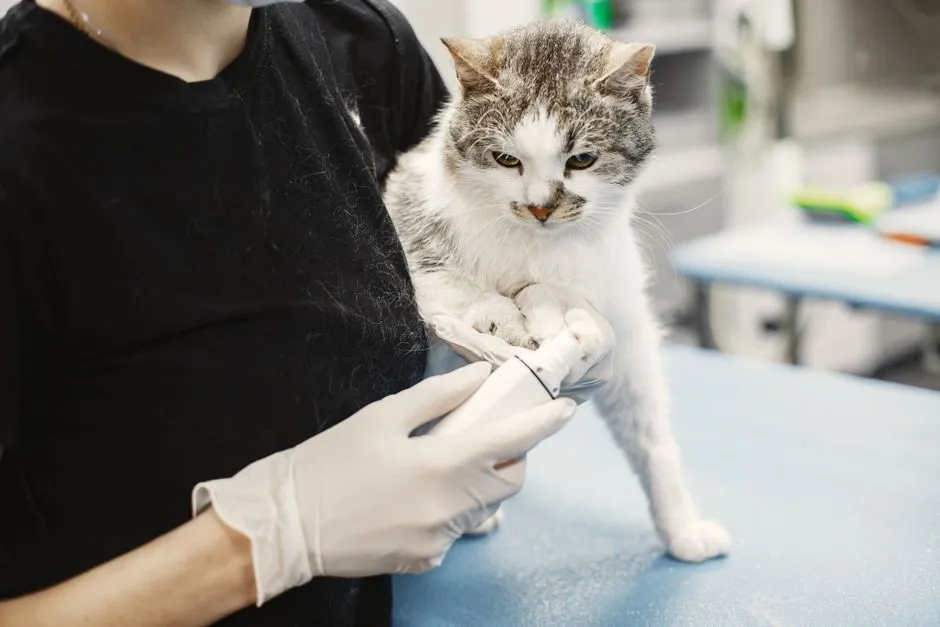
Treatment of tea tree oil toxicity primarily consists of stabilizing any central nervous system signs, decontamination of skin surfaces with dishwashing detergent, and supportive care with intravenous fluid therapy.
There is no cure for tea tree oil toxicity. Bathing to remove all traces of the oil, administration of activated charcoal in the case of ingestion, IV catheterization and fluid administration, and heat therapy are all very important in helping a pet overcome this toxicity. Speed matters. The sooner a cat receives veterinary care, the better the outcome tends to be.
If you think your cat has come into contact with or consumed essential oils, contact your vet immediately, even if they aren’t showing symptoms. It will be helpful for your vet if you can tell them which essential oil your cat may have been exposed to and the concentration of the oil.
How to Protect Your Cat at Home
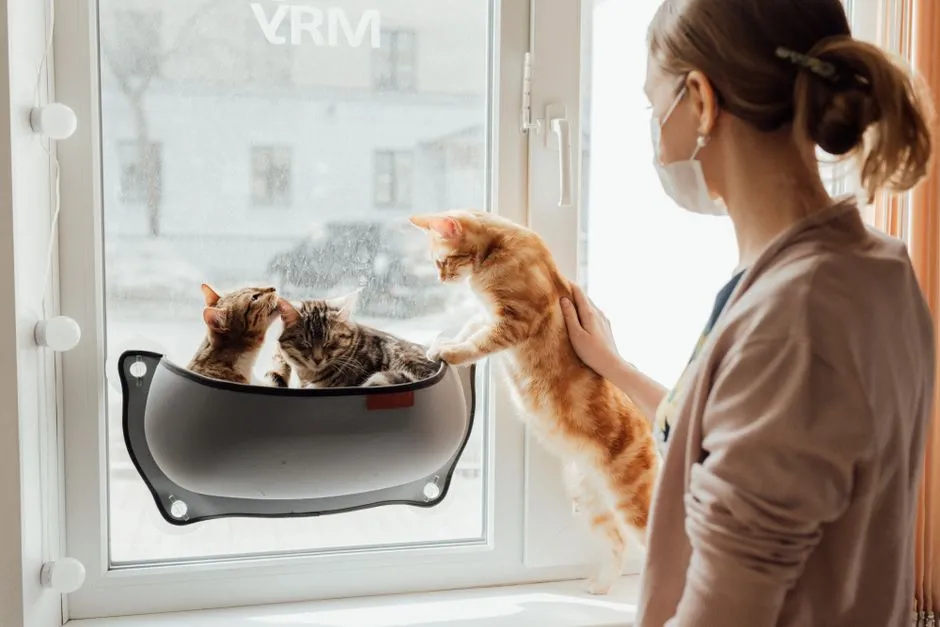
Some experts say that the effect of essential oils varies depending on your cat’s breed, age, size, and health condition. To be on the safe side, it is best to avoid using essential oils around your cat or in areas where your cat frequents.
Oils in the air pose the greatest threat to cats that have asthma or heart disease, and exposure to toxic fumes can heighten these underlying conditions, causing a cat to cough excessively. Cats with pre-existing respiratory conditions deserve extra consideration.
If you use a diffuser, always run it in a ventilated room with an open door. If your cat cannot leave the space, do not diffuse at all. Giving your cat the ability to physically exit the room is one of the most practical and straightforward safeguards available.
Final Thoughts
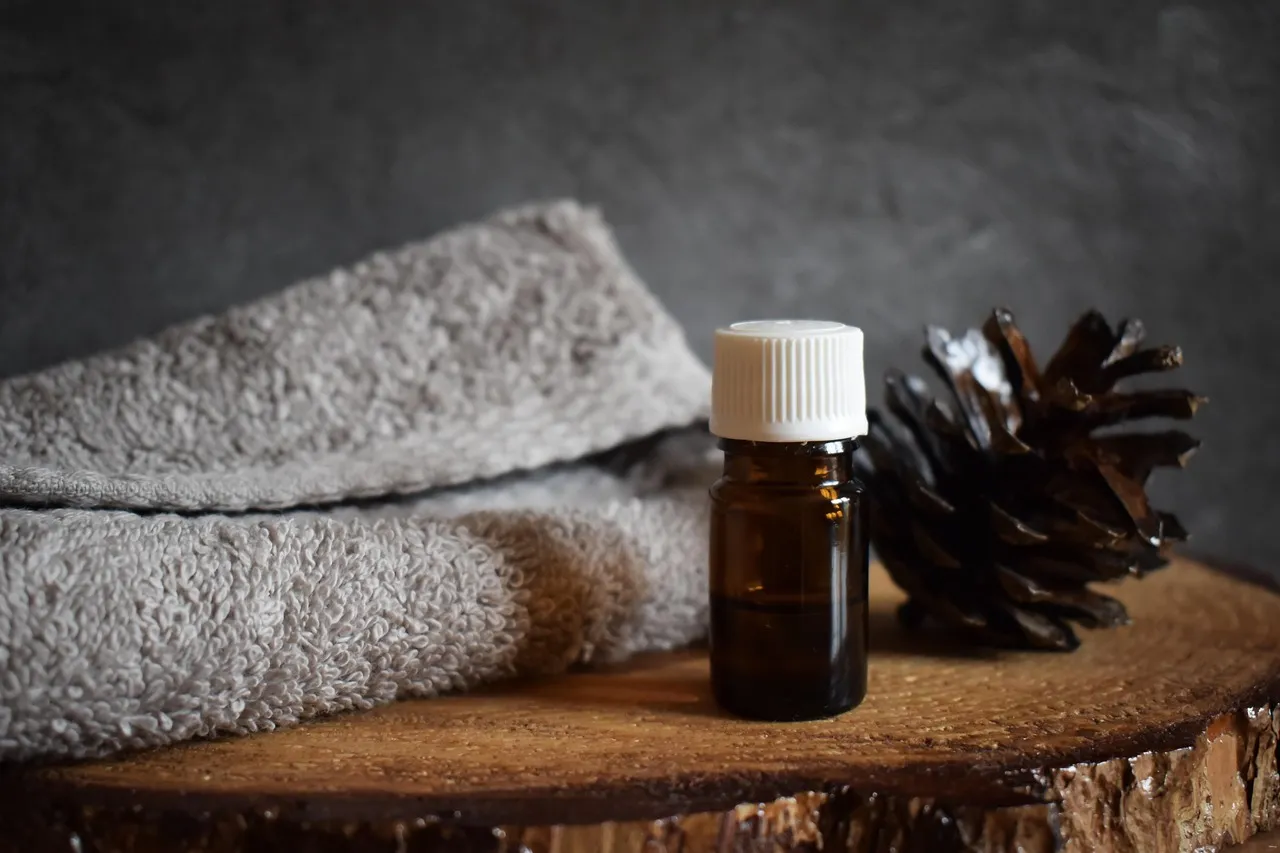
Tea tree oil sits on bathroom shelves and inside diffusers across millions of homes, marketed as natural, gentle, and safe. For humans, that reputation is largely deserved. For cats, the picture is very different.
The veterinary evidence is consistent: the higher the concentration of essential oil, the greater the risk to the animal, and concentrated essential oils should never be directly applied to pets. Diffusing them in a closed space is not much safer, particularly with active diffusers that aerosolize oil into every corner of a room.
Cats are not small humans, and they’re not even small dogs. Their liver chemistry is genuinely different, and that difference matters enormously when it comes to plant-based compounds that most other mammals handle without issue. Knowing this is one of those quiet but important pieces of information that can make a real difference to a cat’s long-term health.
AI Disclaimer: This article was created with the assistance of AI tools and reviewed by a human editor.