

Most gardeners blame the wrong things when grass shows up in their flower beds. They pull it out, curse the weather, maybe add a decorative border from the hardware store. Then it comes back, usually faster than before. The real culprit is almost always a single, quiet mistake with the edging itself – one that’s easy to make and even easier to overlook.
The fix isn’t expensive or complicated. But it does require understanding what grass is actually doing underground, and why your current approach may be working against you without your knowledge.
The Mistake: Edging That’s Too Shallow

The most common mistake is choosing or installing edging that’s too shallow. This sounds simple, but its consequences run deep – literally. Most standard landscape products sold at garden centers sit only about four inches in the ground, which sounds reasonable until you understand how grass spreads.
To effectively stop Bermuda grass from invading garden beds, edging must be installed at a minimum depth of six inches. While many standard landscape products are only four inches deep, Bermuda grass produces aggressive underground rhizomes that can dive deeper in loose, well-aerated soil, making a deeper, solid barrier essential for long-term control.
Rhizomes easily bypass shallow barriers, making them ineffective for long-term control. A minimum depth of eight inches is required to stop most underground rhizome spread. That gap between what most homeowners install and what actually works is where grass finds its opening.
How Grass Spreads Underground

Grass is a notoriously aggressive grower, and many common turf varieties send out sneaky underground runner roots that’ll invade wherever they can reach. These underground stems, called rhizomes, travel horizontally just below the soil surface until they find an opening.
Most rhizomes travel within the top 15 to 20 centimeters of soil, but aggressive varieties like Kikuyu can go deeper. Research confirms that rhizomatous grasses extend horizontally underground until obstructed, allowing them to spread well beyond their original planting area.
Not all grasses creep at the same rate. The biggest factor is whether your grass spreads by runners above ground, called stolons, or below ground through rhizomes, or both. Knowing which type you have changes the containment strategy considerably.
Above-Ground Runners Are a Separate Problem

While Bermuda likes to burrow underground, St. Augustine spreads via above-ground stolons. These creepers move quickly along the surface, rooting wherever they find bare soil. So even edging that reaches the correct depth underground can still fail if it doesn’t also rise above the soil surface.
A raised or visible edge can help discourage stolons from hopping over into your garden beds. This means your edging needs to work in two directions simultaneously: deep enough underground to block rhizomes, and slightly above ground level to redirect surface runners.
The key is to install edging at least four to six inches deep and leave a small portion above ground to stop both rhizomes and stolons. Most shallow-installed edging does neither job well enough to matter.
Why Bermuda and Zoysia Are Especially Difficult

Bermuda grass and Zoysia grass are quite aggressive as they produce both above- and below-ground runners. Edging only goes so deep, and the rhizomes of Bermuda grass and Zoysia grass can, and often do, reside below the depth of the edger blade. This, from a professor at the University of Florida’s West Florida Research and Education Center, captures the problem precisely.
Rhizomes spread aggressively, especially in warm seasons, and pair with stolons for a two-front invasion. To block them, edging must go deep – think six inches minimum.
For most cool-season grasses, a buried depth of three to four inches below the soil surface is sufficient to block the lateral root spread. For aggressive warm-season grasses like Bermuda or Zoysia, bury the edging at least five to six inches deep. If you’re not sure what grass you have, it’s worth finding out before you install anything.
The Material Matters as Much as the Depth
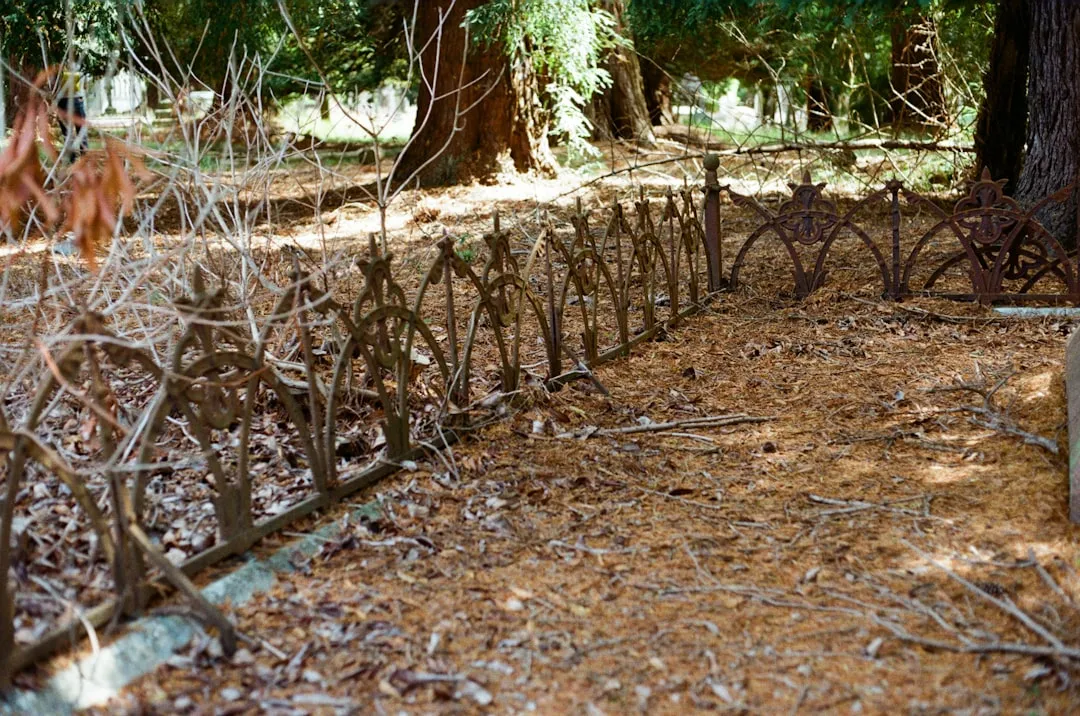
Not just any edging will cut it. Flimsy plastic won’t cut it. You need rigid, deep barriers like metal or concrete, which provide superior durability compared to plastic alternatives. Thin plastic edging warps over time, especially in heat, and once it warps even slightly, gaps form that grass roots find almost instantly.
Flimsy plastic warps, letting roots sneak through. Thick polyethylene or steel works best. Steel or concrete barriers work best for aggressive varieties, as some grasses can grow around or under timber barriers over time.
The perfect edging solution depends on your garden’s layout, your aesthetic preferences, and your type of grass. Curved garden beds often benefit from flexible materials like recycled plastic, while straight, modern designs look stunning with black or stainless steel finishes. Durability, though, should always come first.
Gaps and Overlaps Let Grass Sneak Through

Another common error is leaving small gaps or overlaps where grass can sneak through. Even a well-chosen, correctly buried material can fail if the sections aren’t joined tightly. Grass roots are remarkably thin and persistent – they don’t need much space to establish a foothold in a bed.
Even when edges look perfect on the surface, roots might be spreading underneath. That’s why depth is non-negotiable. The deeper your barrier, the longer your garden stays grass-free.
Always measure correctly, dig deep enough, and check your edges regularly, especially after heavy rain or extreme weather. Heavy rain in particular can shift soil and open up gaps that weren’t there before.
Inconsistent Maintenance Is Its Own Mistake
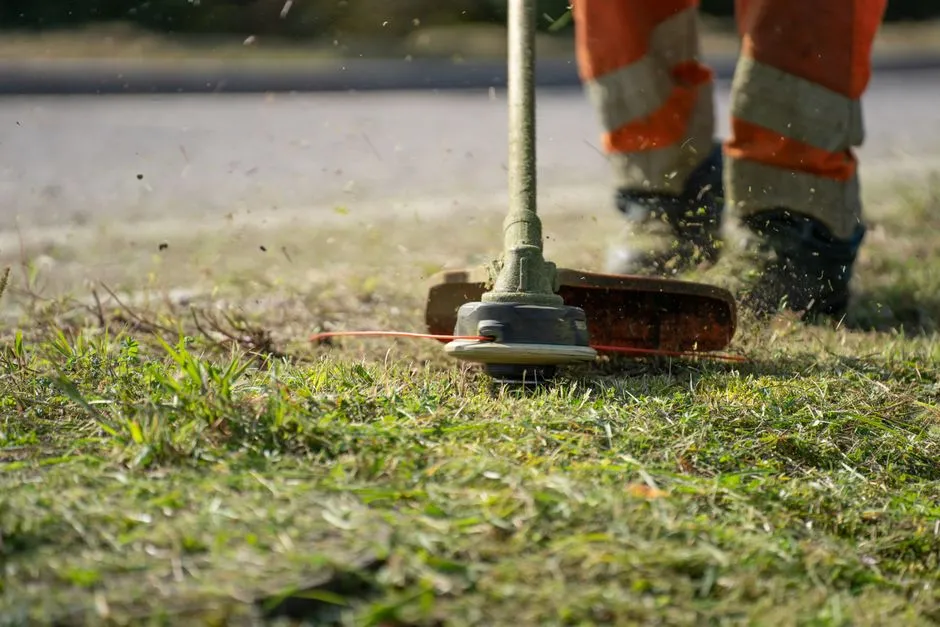
Another frequent error is inconsistent maintenance. Failing to regularly inspect and remove grass that has invaded the edging allows the problem to worsen over time, requiring more extensive effort to correct. What starts as a few stray blades can become a deeply rooted infestation if left alone for even one season.
Most lawns need edging every two to four weeks, but fast grasses like Bermuda grass may need it weekly. Some fast-growing grasses, like Bermuda and Zoysia, may need edging every week or two during peak summer.
Trench-edging garden beds at least two to three times a season maintains curb appeal that holds up to weather and wear. Edge your walkways and lawn borders every time you mow, and re-cut garden bed trench edges two to three times per year for best results.
Mulch Alone Won’t Stop the Invasion
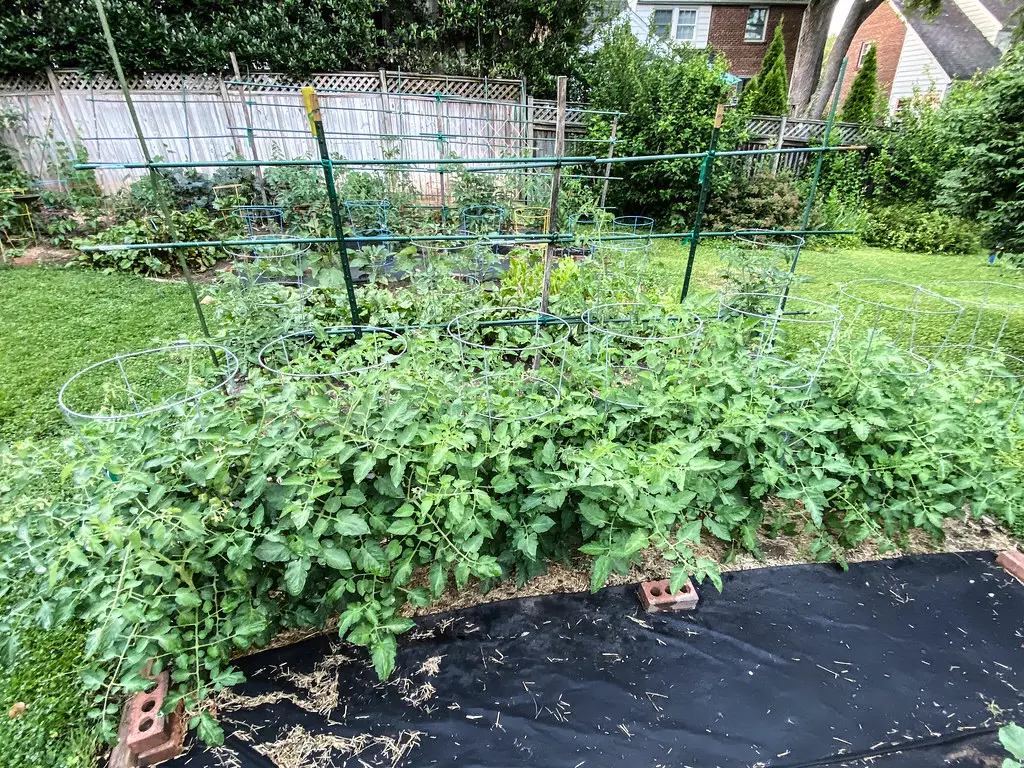
Mulch works best when combined with edging or a weed barrier, creating a layered defense that discourages creeping grass and invasive weeds across all types of garden beds. Many gardeners rely on mulch alone and wonder why grass still appears. Mulch slows things down, but it’s not a barrier in the structural sense.
Apply an adequate amount of mulch to suppress weeds. Mulching is the key to controlling weeds. Mulches prevent weed seed germination by blocking sunlight. According to the UC Statewide IPM Program, you should choose a medium-sized mulch and keep it at a depth of three to four inches.
Under the mulch, consider laying down landscape fabric or biodegradable cardboard. This provides an extra barrier that can help block any sneaky stolons or grass shoots from getting through. That three-layer approach – edging, barrier fabric, and mulch – is the most reliable combination available.
The Trench Edging Method That Actually Works

Instead of buying all kinds of edging border materials, you can simply dig a trench-like edge. This method creates a physical air gap that forces grass to travel upward before reaching your bed, which takes more energy and slows colonization significantly.
A V-shaped slope helps prevent loose dirt or mulch from clogging the trench and gives grass roots somewhere to spread that isn’t your bed. While this trench method is quite effective, it needs fairly regular maintenance to keep that protective air gap in place. Run a string trimmer along the edge of your grass whenever you’re doing your regular lawn care routine to catch any rogue blades and roots.
Then, just once or twice a year, typically during your big spring and fall cleanups, grab your shovel and touch up the whole trench line. That rhythm is manageable for most gardeners and pays off quickly in reduced weeding time.
Irrigation and Lawn Care Habits That Make It Worse

Horticultural observations confirm that grass actively seeks out improved conditions, with rhizomes and stolons naturally growing toward areas with better water and soil quality. Garden beds are typically richer and better-watered than the surrounding lawn, which makes them an attractive destination for encroaching grass.
Direct sprinkler systems away from flower beds and use drip irrigation or soaker hoses in garden areas to avoid accidentally fueling grass growth where you don’t want it. When fertilizing, apply nutrients only where and when necessary and avoid overspray into landscaped zones.
Keeping grass out of flower beds is easier when your lawn care routine supports both healthy turf and clear boundaries. A dense, well-maintained lawn is less likely to send out aggressive runners in search of new territory. That’s worth noting: a lawn under stress actually spreads more aggressively as it seeks resources.
The Takeaway

The edging mistake that lets grass into your beds usually isn’t dramatic. It’s quiet – a barrier installed just a few inches too shallow, sections joined loosely, or a maintenance gap that stretched into months. Grass doesn’t need much of an invitation.
The solution is straightforward once you see it: match your edging depth to your grass type, use a rigid and durable material, close every joint carefully, and stay consistent with maintenance through the growing season. Well-maintained edges serve as physical barriers that prevent grass from encroaching into flower beds and garden areas while simultaneously blocking weeds from spreading from landscaped areas into your lawn.
A garden bed that stays clean all season isn’t the result of luck or a particularly good product. It’s the result of getting the fundamentals right from the start and keeping up with them. That part is entirely within reach.
AI Disclaimer: This article was created with the assistance of AI tools and reviewed by a human editor.