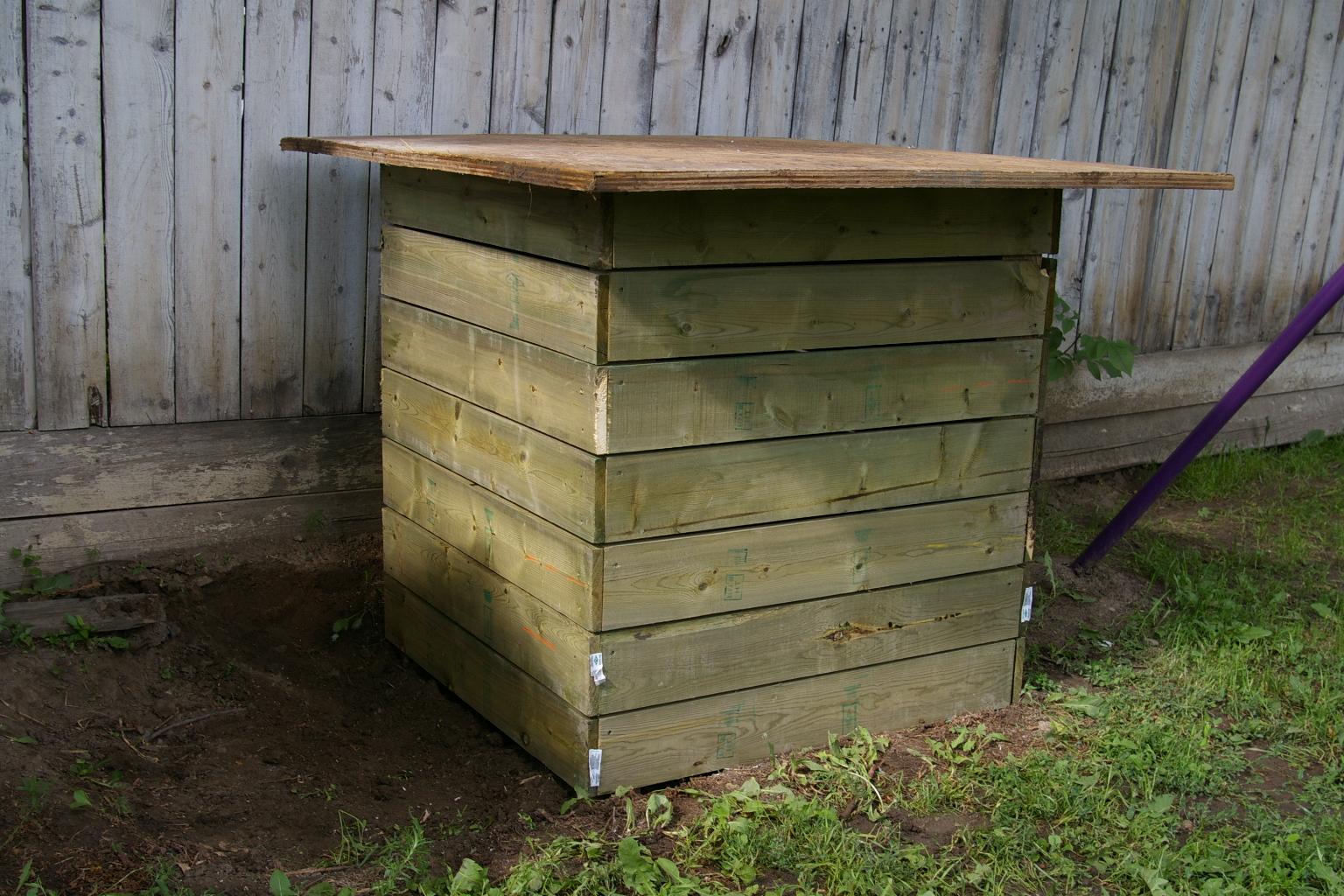

Composting has become one of the most popular sustainability habits in American households, and for good reason. Food waste costs the U.S. an estimated $408 billion annually, and the average household of four throws away roughly $1,500 worth of food each year. Turning that waste into rich soil amendment seems like a smart, straightforward solution.
The trouble is that most people make at least one composting mistake that quietly transforms their bin from a garden asset into a pest magnet. The good news is that once you know what to look for, these mistakes are genuinely easy to fix.
The Core Problem: It’s Not the Compost, It’s the Mistakes
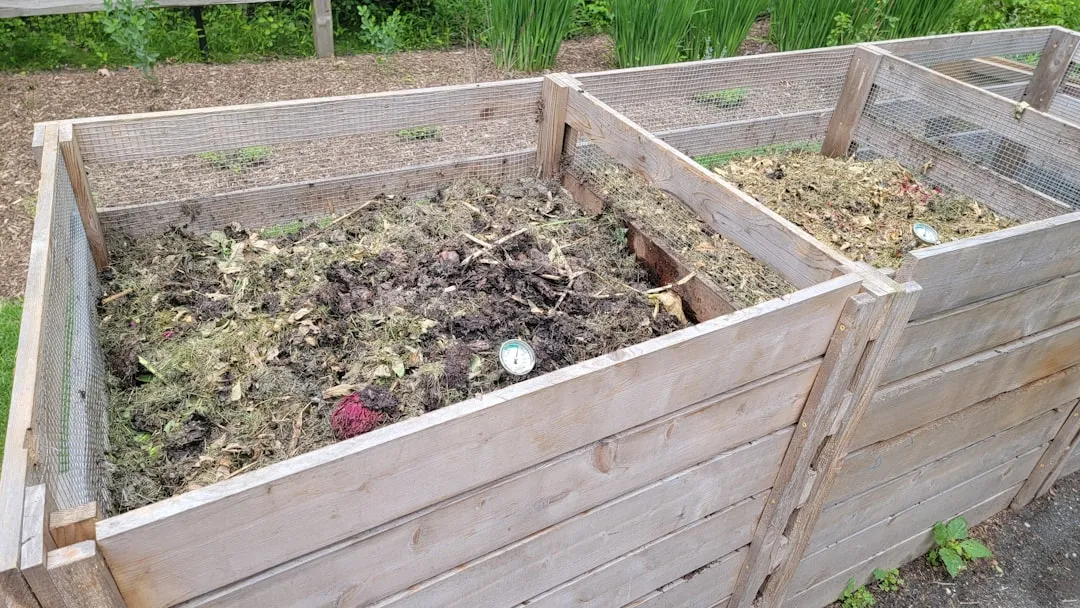
There’s a widespread assumption that composting naturally attracts pests, but that’s not really accurate. A well-managed pile smells like a forest floor and holds little interest for rats, raccoons, or flies. What draws them is exposed food, the smell of rot escaping into the air, and easy physical access, all of which come from a handful of common habits, according to the University of California Agriculture and Natural Resources.
As long as food scraps and other compost materials have sufficient water and oxygen, they will transform into nitrogen and other micronutrients, water, and carbon dioxide. This process smells sweet and earthy, nothing like the rotting smells that attract raccoons and rodents. The moment proper management breaks down, that balance shifts fast.
Mistake #1: Adding Meat, Dairy, and Greasy Foods
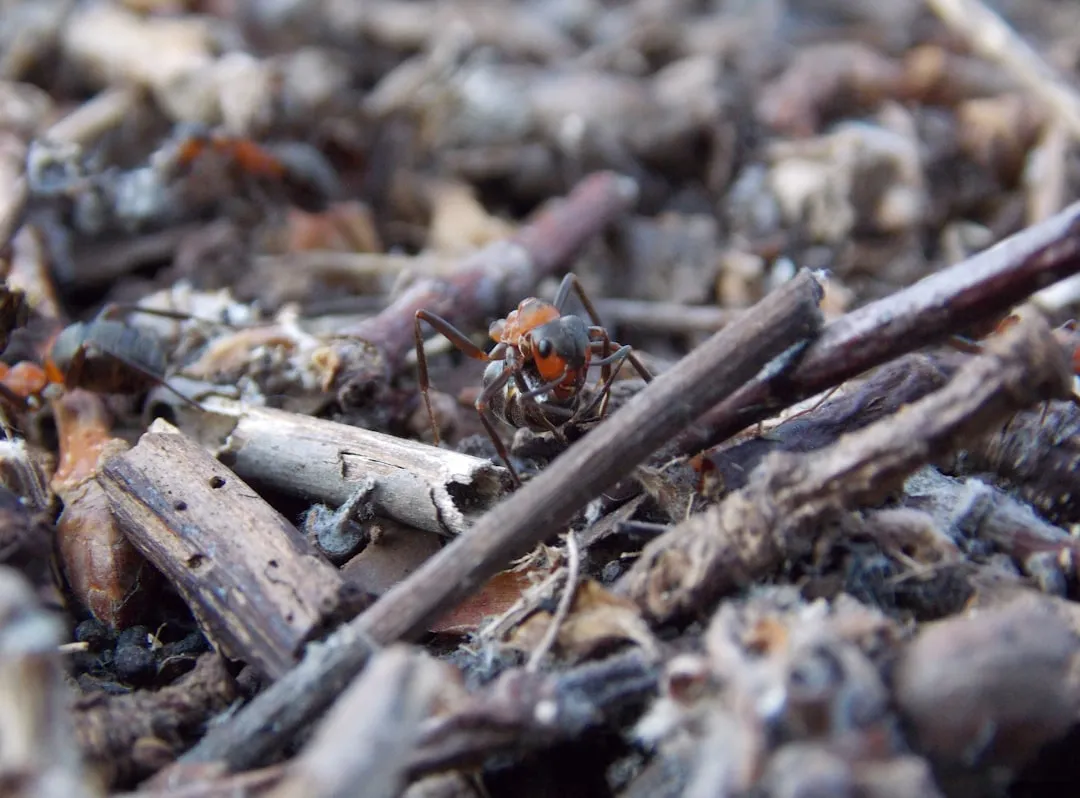
One of the quickest ways to invite pests to your compost pile is by including meat, dairy, or foods high in oil or grease. These items produce strong odors that attract rodents, raccoons, and other scavengers. While they decompose, they can also create unpleasant smells that waft through your garden.
Rodents, raccoons, mice, rats, and voles are drawn to compost bins that contain meat, fish, or poultry scraps, dairy products, cooked foods, and grain-based foods like bread, pasta, and rice. The U.S. EPA’s composting guidance explicitly lists meat, bones, fish scraps, and dairy as materials to avoid in home composting due to pest attraction.
Mistake #2: Leaving Food Scraps Exposed on Top
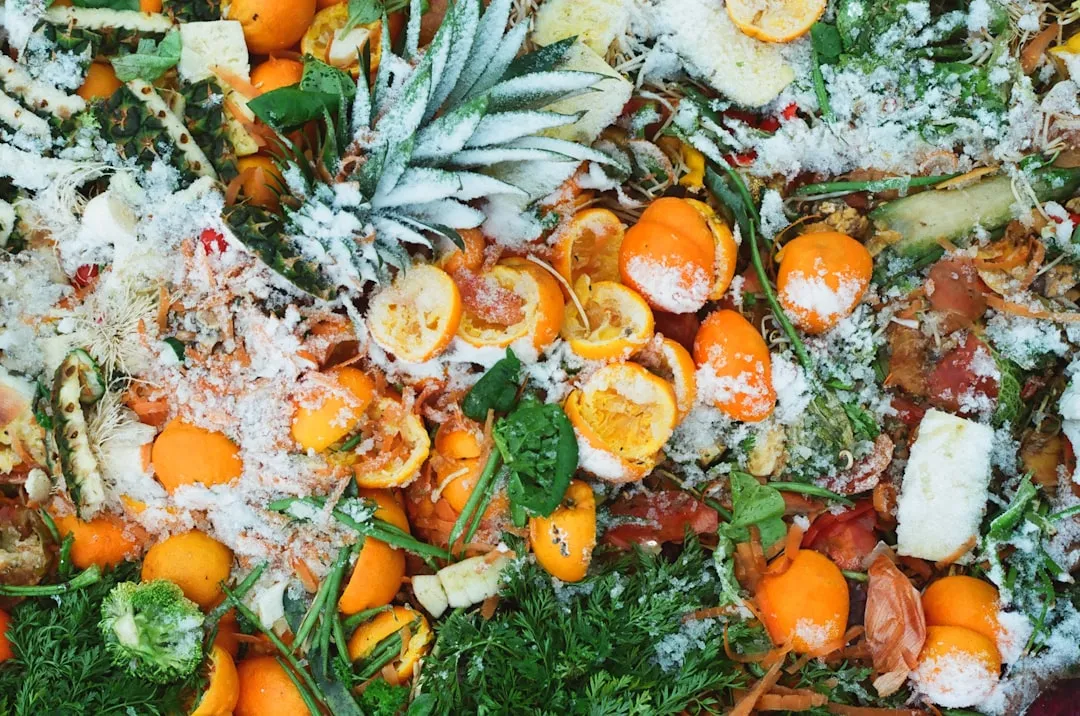
When food scraps are left exposed, they become a beacon for pests like flies, raccoons, and even stray cats. A visible pile of fruit peels or vegetable scraps might seem harmless, but it can quickly turn into a pest magnet.
Always bury food scraps under a layer of browns, such as shredded newspaper, dried leaves, or soil. This not only reduces odors but also hides food from curious critters. It’s one of the simplest fixes in composting and one that most beginners skip entirely.
Mistake #3: Getting the Green-to-Brown Ratio Wrong
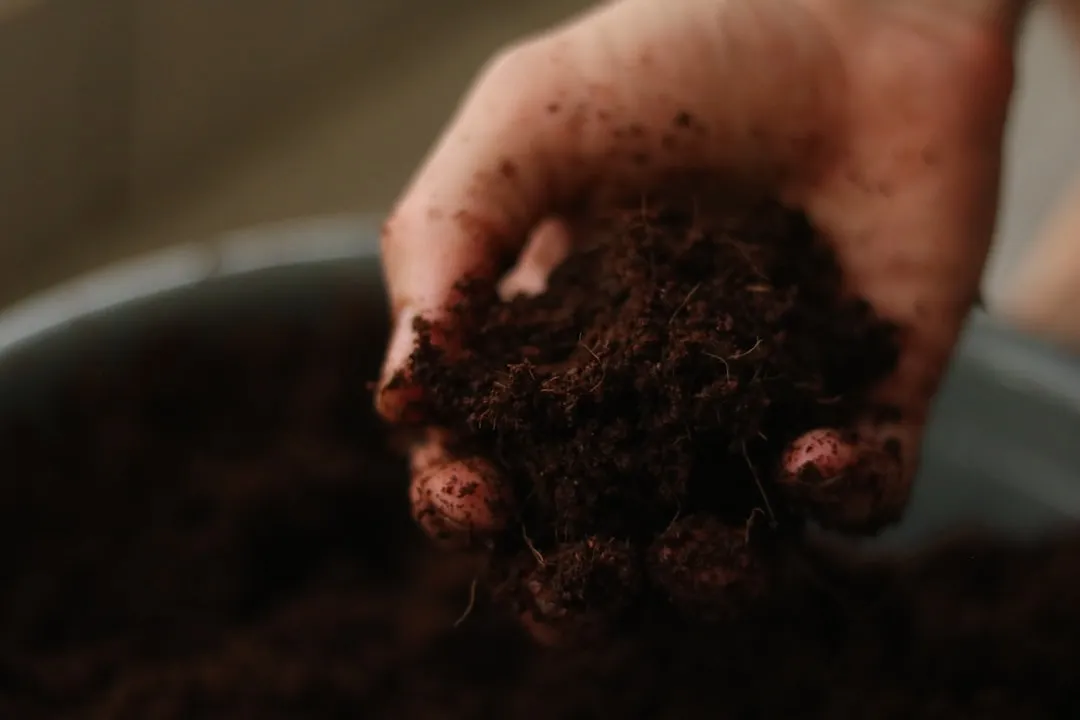
One of the most common composting mistakes is neglecting the balance between green, nitrogen-rich, and brown, carbon-rich, materials. Too many greens create a moist, anaerobic environment perfect for pests and foul odors. When the balance is off, the pile can attract flies and even rodents looking for an easy meal.
Scientifically, the ideal ratio for making a compost bin less attractive to pests is 20 parts carbon to one part nitrogen materials. Minimizing odors produced by compost depends largely on sticking to this ratio when mixing the composting materials. In practice, aim for a pile that contains roughly fifty to eighty percent brown matter.
Mistake #4: Skipping Regular Turning
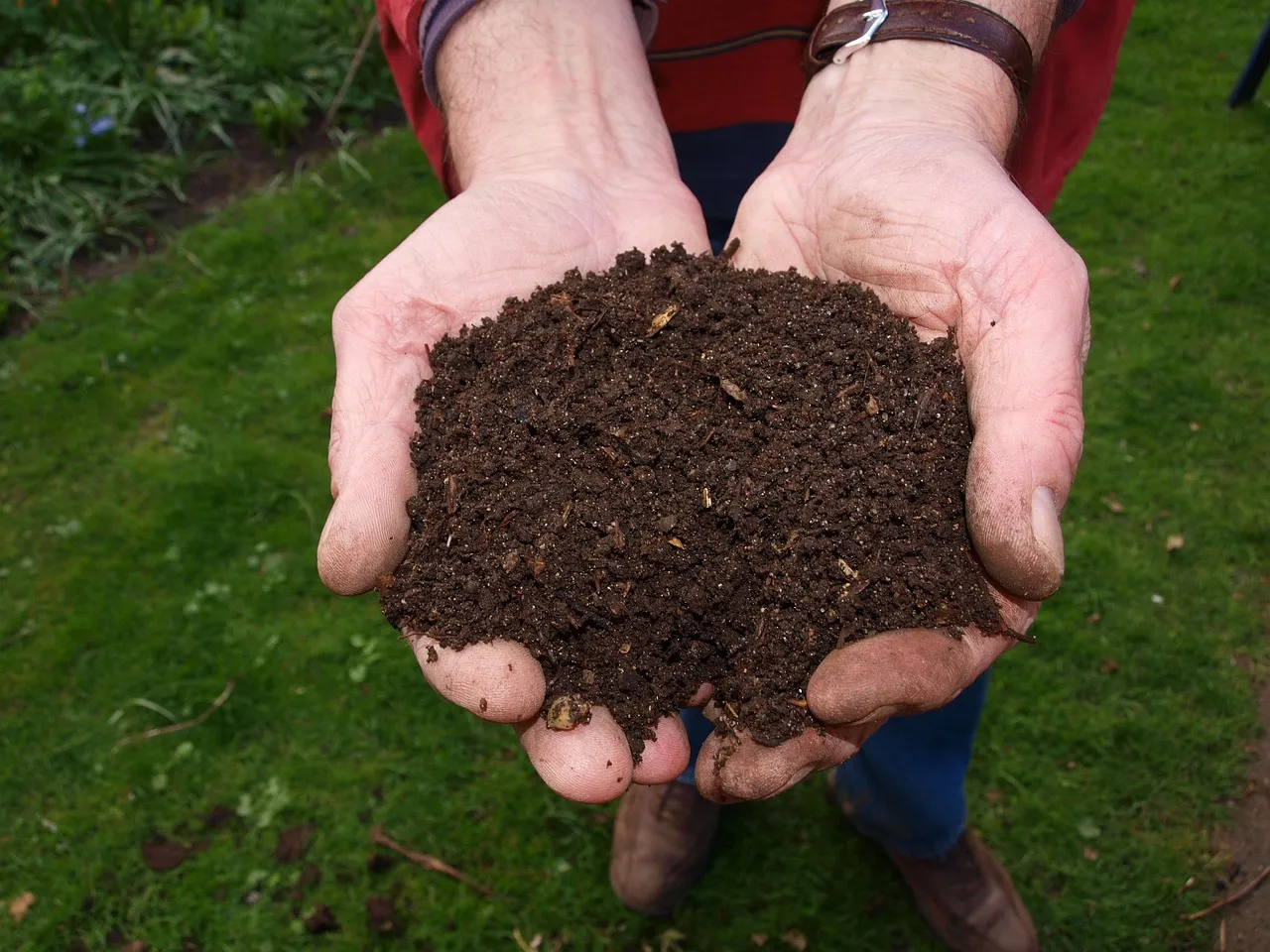
Turning your compost at least monthly not only helps break down the scraps but also disrupts nesting sites before they become established. Pests, particularly rodents, prefer undisturbed material where they can burrow comfortably and nest safely without being disturbed.
Structural complexity within compost materials creates protected spaces where organisms avoid predation and environmental extremes while accessing food resources, with undisturbed areas particularly attractive to nesting rodents and colonizing arthropods. Regular turning breaks up these cozy arrangements entirely.
Mistake #5: Letting the Pile Get Too Wet or Too Dry
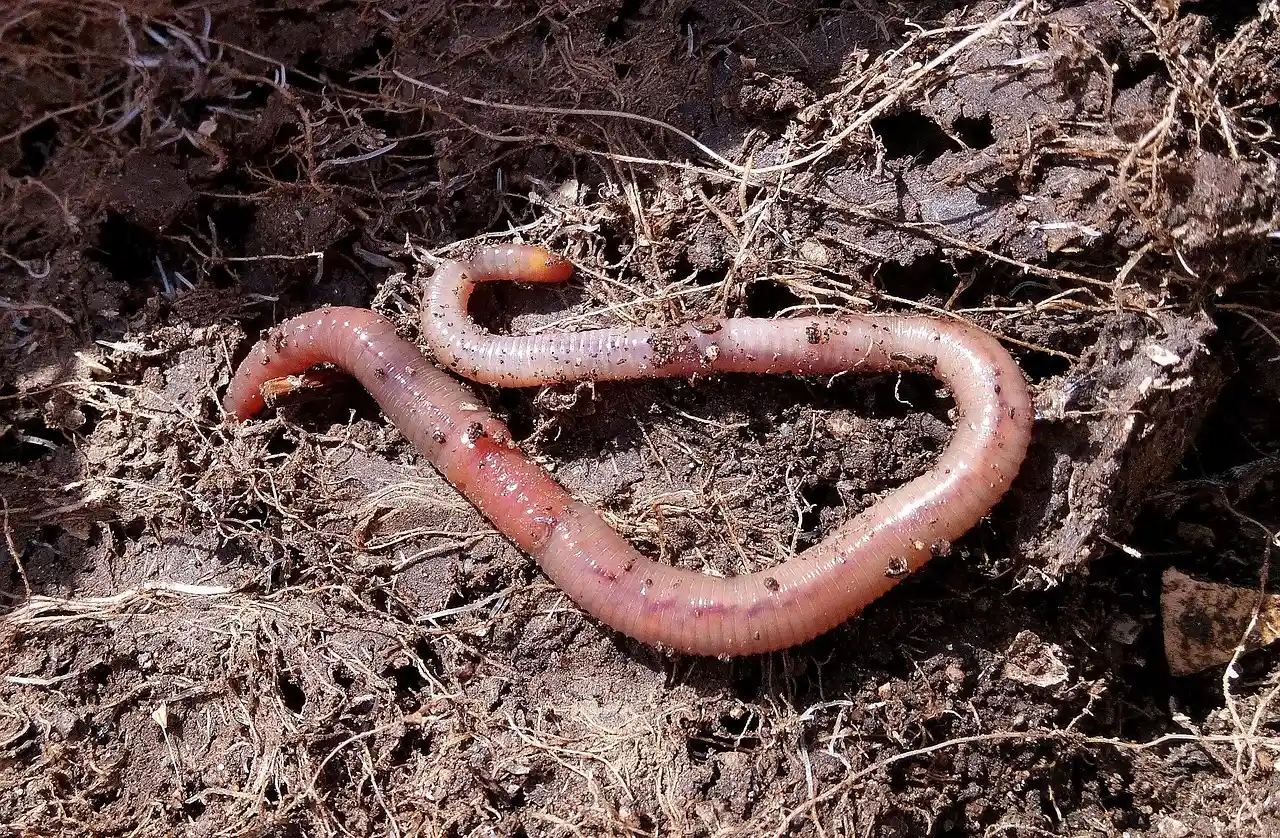
A compost pile needs some moisture for the decomposition process to start, but too much moisture can attract bugs and slow the breakdown process. Monitoring the dampness of your pile carefully, and avoiding adding more water until absolutely necessary, is a key management habit.
Many homeowners who let their compost piles dry out have created a perfect haven for mice, rats, and other creatures to seek refuge. Keeping the compost pile moist can go a long way toward preventing wildlife from making a permanent home there. As you add each layer, keep it moist so as to discourage nesting.
Mistake #6: Using an Unsecured or Open Bin
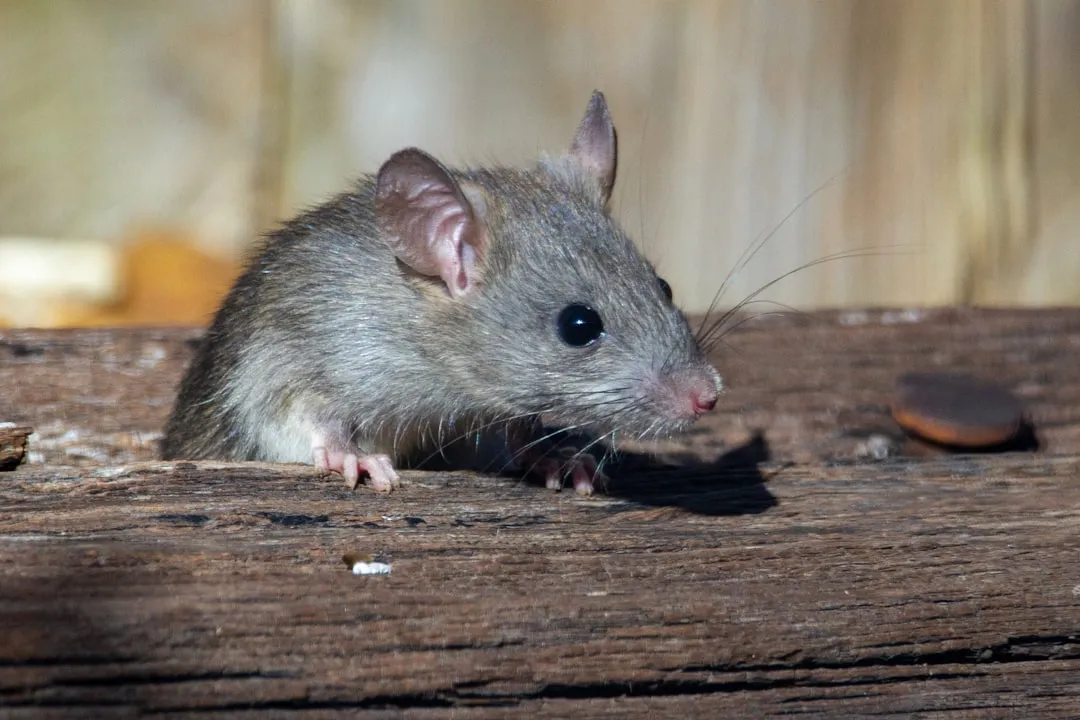
Covering a compost pile with mesh can keep many of the larger pests out. The tighter the knit of the mesh, the better. Open, accessible bins are effectively an open invitation, particularly for raccoons, which are surprisingly capable of lifting lightweight lids.
Switching to a rodent-proof enclosed bin, a solid-sided container with a secure lid and wire mesh base, is one of the most effective structural solutions. For open piles, a hardware cloth base of one-quarter inch galvanized wire mesh is a practical and durable alternative.
Mistake #7: Storing Scraps on the Counter Too Long Before Adding Them
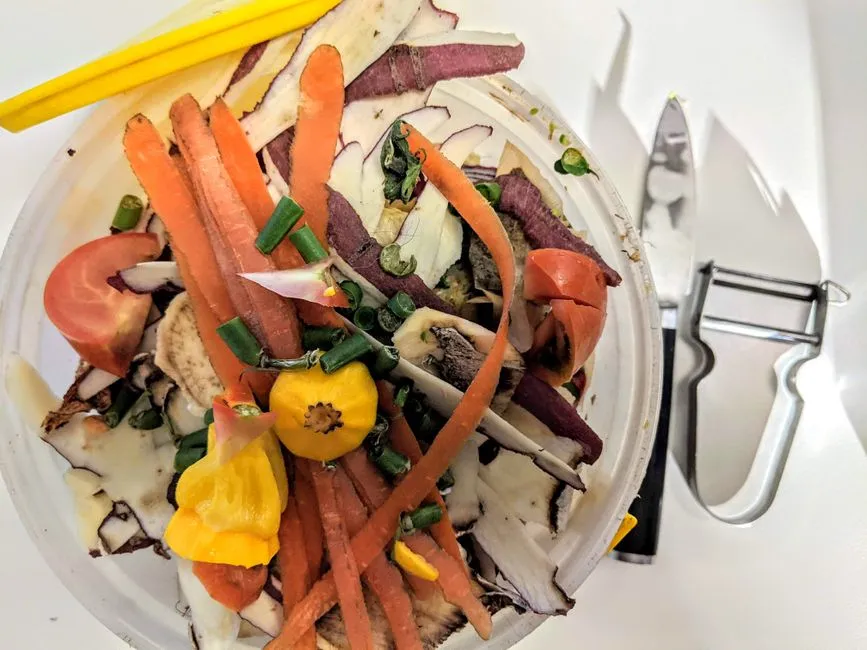
Most people assume composting pests originate from the outdoor pile, but fruit flies typically breed in the open bowl or unsealed pail where scraps sit for days before they ever reach the pile. That countertop collector becomes a warm, fermenting nursery, and eggs laid there hatch in about a day, according to University of Kentucky Entomology research.
The fix is surprisingly practical. Keeping a lidded container in the freezer and adding scraps as you generate them prevents fermentation entirely. Nothing smells, nothing breeds, and you can transfer the frozen scraps to your outdoor bin whenever it’s convenient.
Mistake #8: Adding Large Pieces of Food or Yard Waste
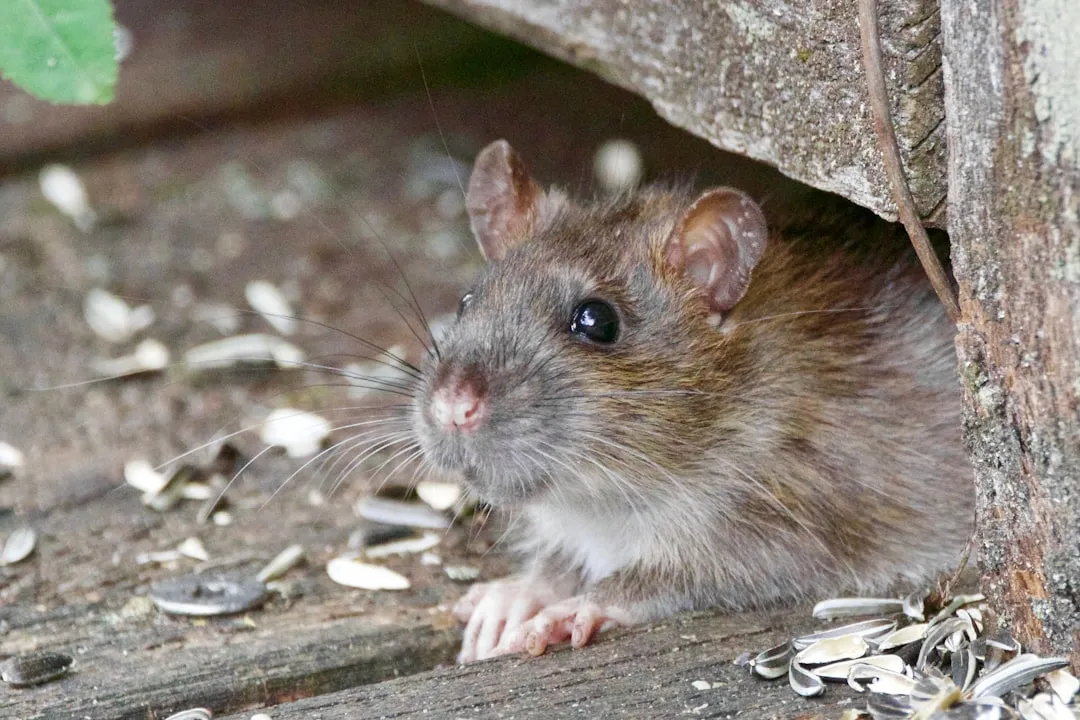
Large pieces, like corn cobs or leftover cabbage centers, attract hungry rodents that pick them out of the pile. When composting, it helps to add items that break down rapidly and readily. Chopping or shredding materials before adding them makes a real difference, both for decomposition speed and for pest deterrence.
Smaller pieces offer less to grab onto and less structural surface area for rodents to burrow around. The pile processes faster, generates more internal heat, and produces fewer of the lingering odors that signal an easy meal to wildlife passing nearby.
Mistake #9: Placing the Bin in the Wrong Spot
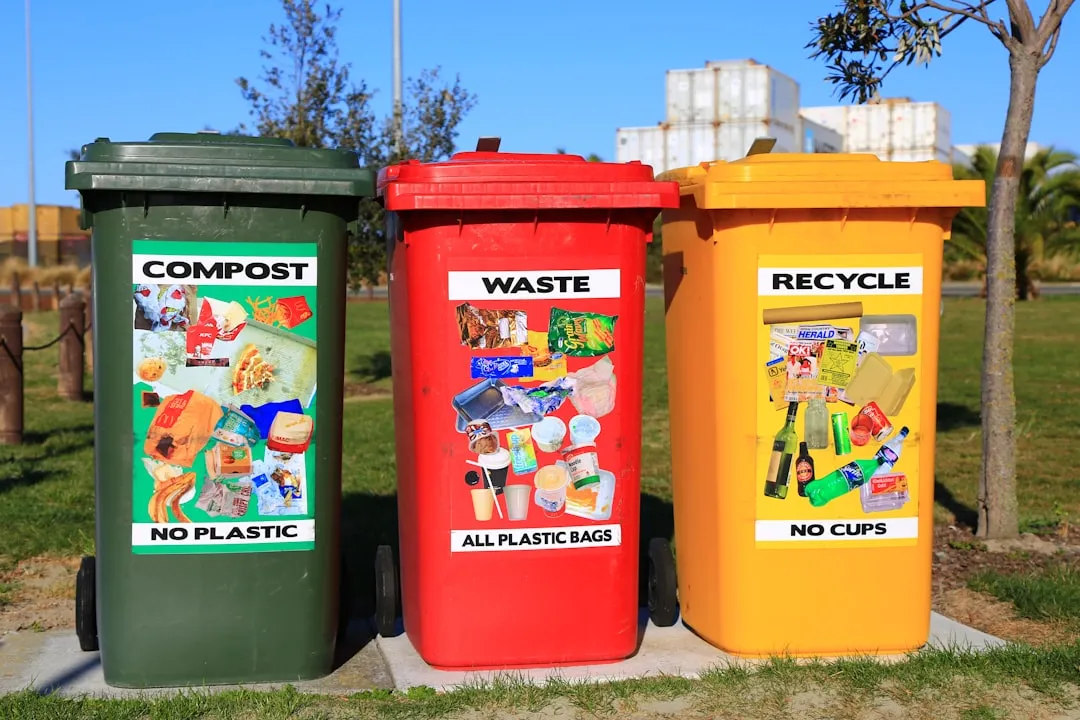
Compost bins can attract pests mainly due to odors, but the temperature in the bin and its positioning also invite pests to take up residence. Bins placed directly against a fence, wall, or dense shrub give rodents both cover and quick access, which is a combination they strongly prefer.
Placing the bin in an open area with at least a foot or two of clearance on all sides removes that shelter advantage. Pests that are hesitant to cross open ground are far less likely to investigate a bin that’s fully exposed and regularly disturbed by human activity nearby.
Mistake #10: Ignoring Warning Signs Until the Problem Is Large
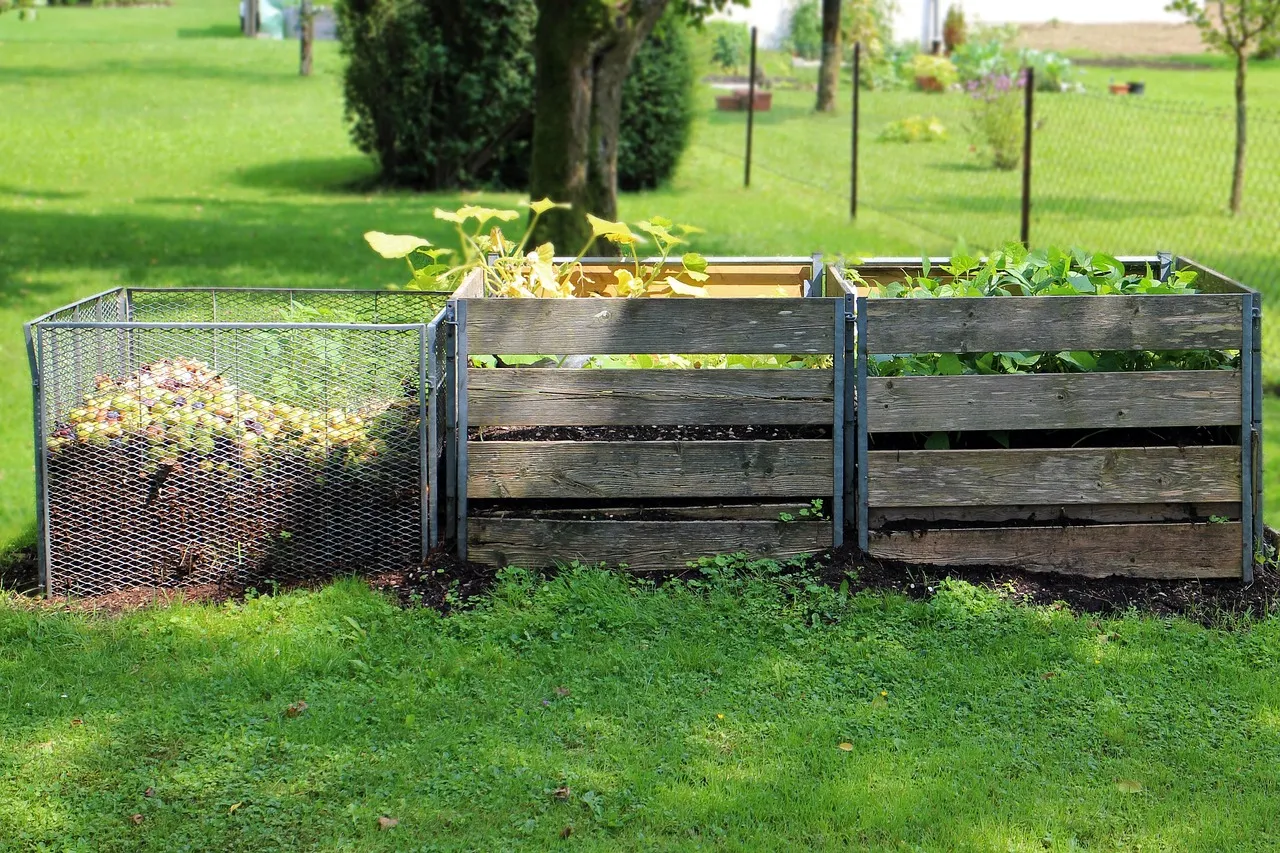
Visible signs of trouble include burrows or droppings around the compost bin, increased ant activity around decomposing food, flies buzzing persistently around the pile from excess moisture, and a foul odor that usually signals an imbalance in the compost. Each of these is worth acting on immediately rather than hoping the problem resolves on its own.
Fruit flies, for instance, can colonize fermenting fruit and vegetable waste within twenty-four to forty-eight hours of exposure, with females depositing four hundred to five hundred eggs during thirty-day lifespans, creating exponential population growth under favorable conditions. Waiting a week to address an early warning sign can mean facing a genuinely entrenched infestation.
The Bigger Picture: Why This All Matters
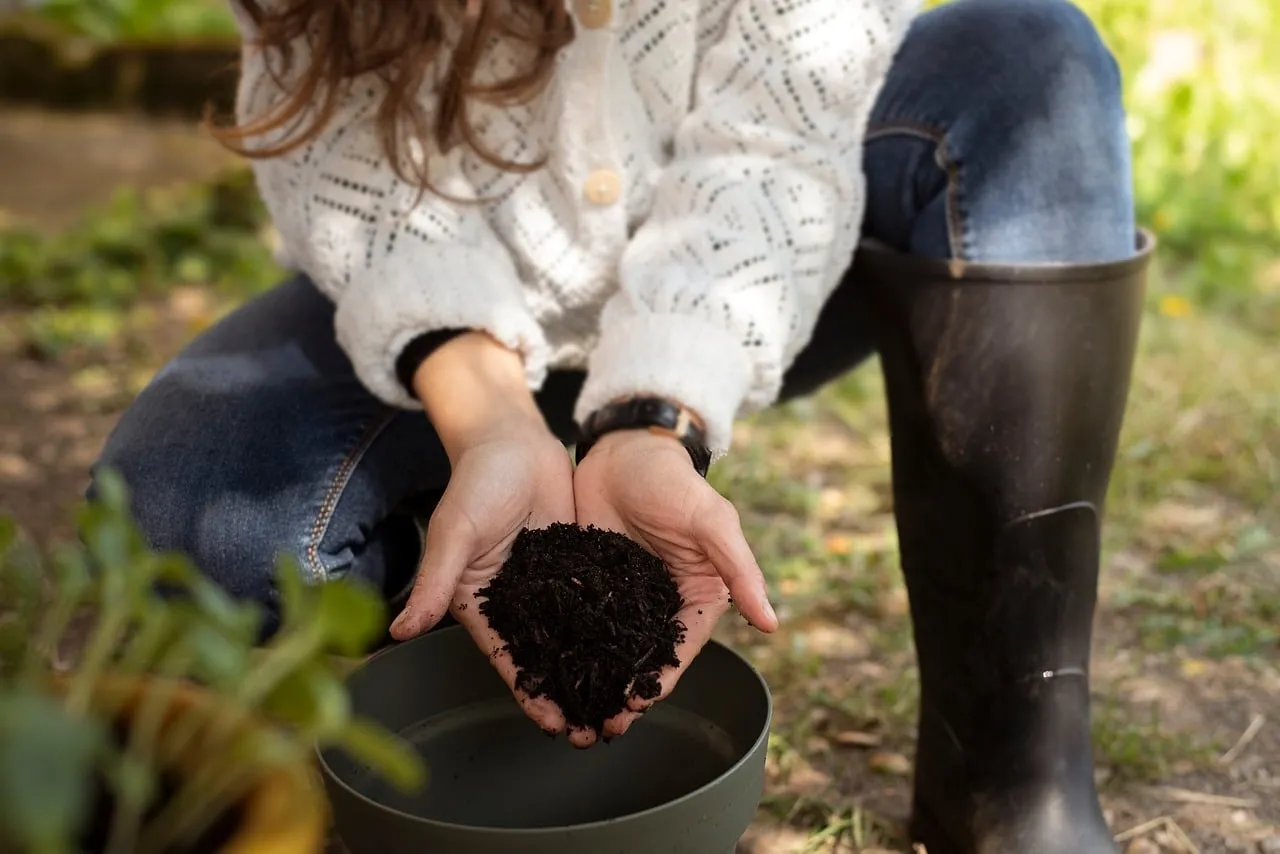
More people are composting than ever before, which is a genuinely positive shift. Approximately twenty-one percent of a typical U.S. household’s trash is composed of compostable food waste, and more Americans are finding value in creating a compost area in their yard or investing in a composting bin. The practice scales, and the environmental payoff is real.
Composting just the food scraps from one household can offset approximately 0.39 metric tons of CO2 equivalent per year. That’s a meaningful number for something that costs almost nothing. The only thing standing between a healthy pile and a pest problem is a handful of habits, most of which take only seconds to change.
Final Thoughts
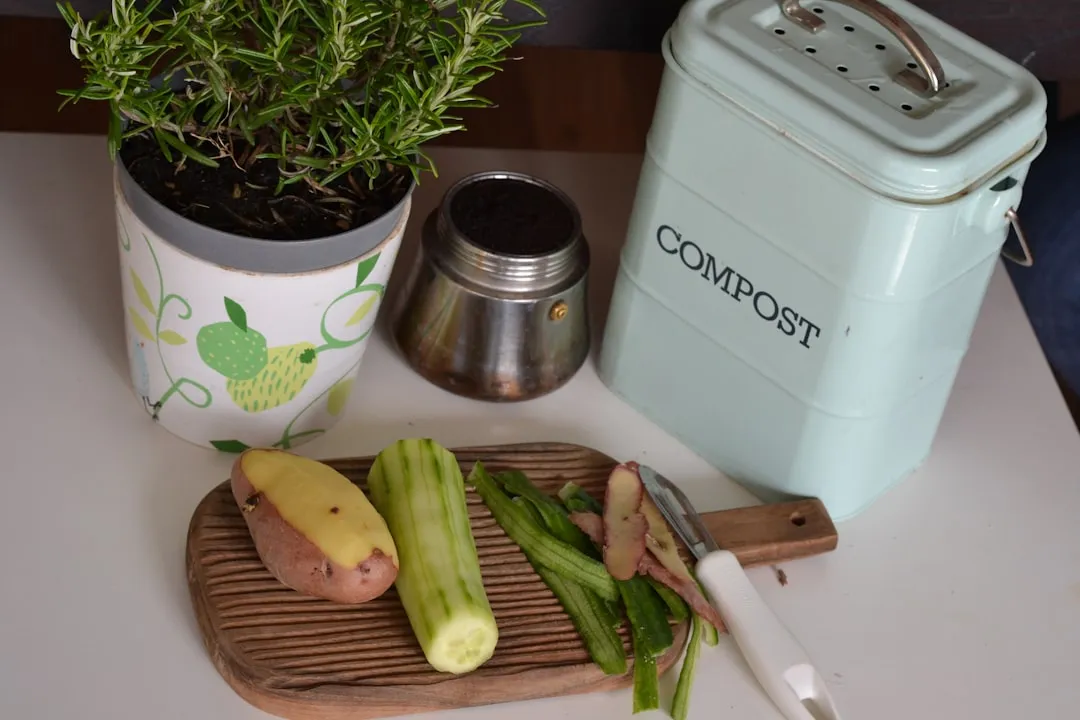
The composting mistake that attracts pests isn’t one dramatic error. It’s usually a cluster of small oversights: the wrong scraps, a pile left undisturbed too long, a bin without a proper lid, or food sitting exposed at the surface. Separately, each is minor. Together, they create exactly the conditions that rodents, flies, and raccoons look for.
A well-tended compost pile genuinely doesn’t need to be a pest problem. The forest floor composts constantly without drawing infestations, and a backyard bin can do the same. Keep the ratio balanced, bury the scraps, secure the bin, and turn it regularly. The result is rich, earthy compost that feeds your garden, not your local wildlife.
AI Disclaimer: This article was created with the assistance of AI tools and reviewed by a human editor.