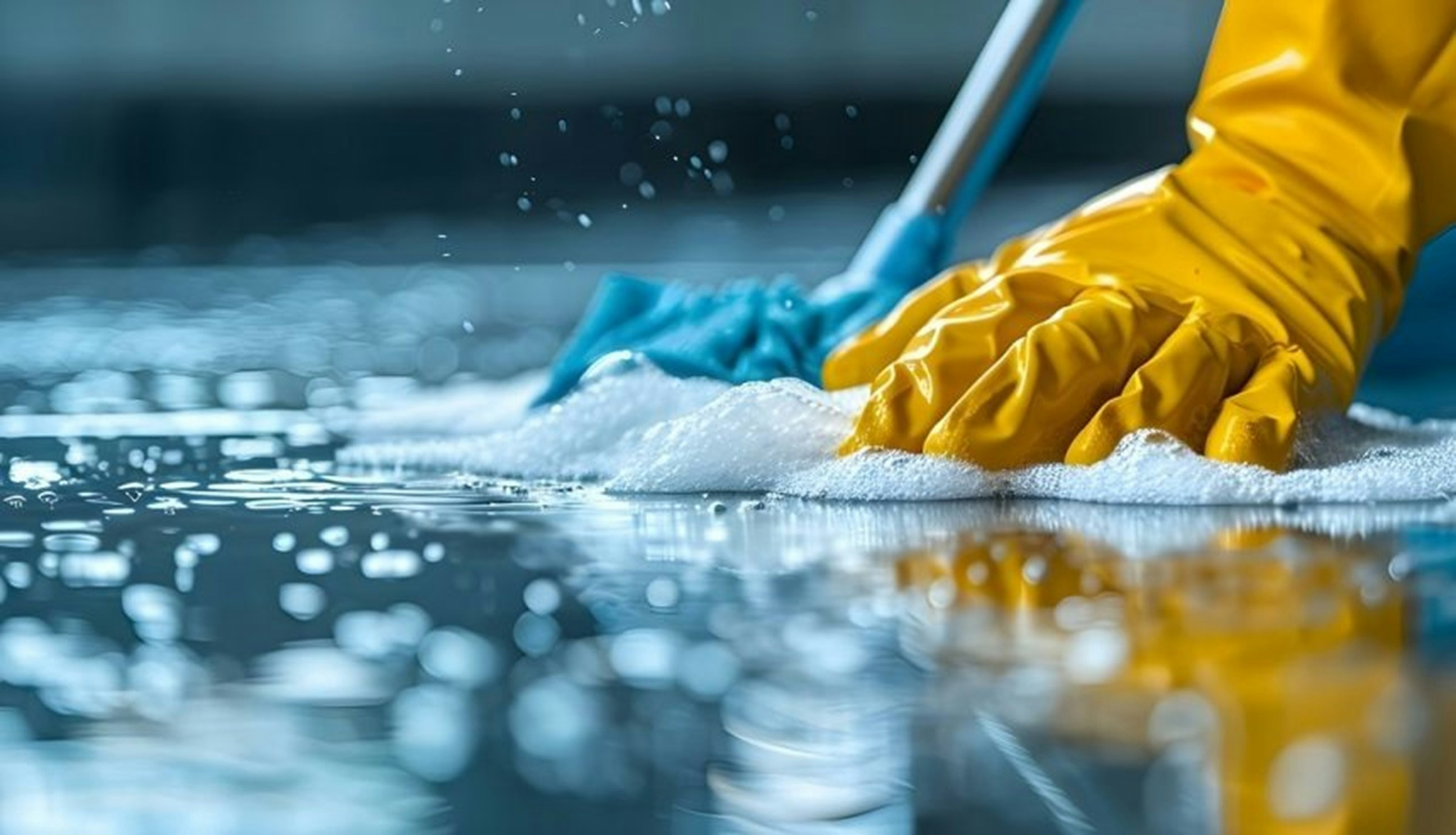

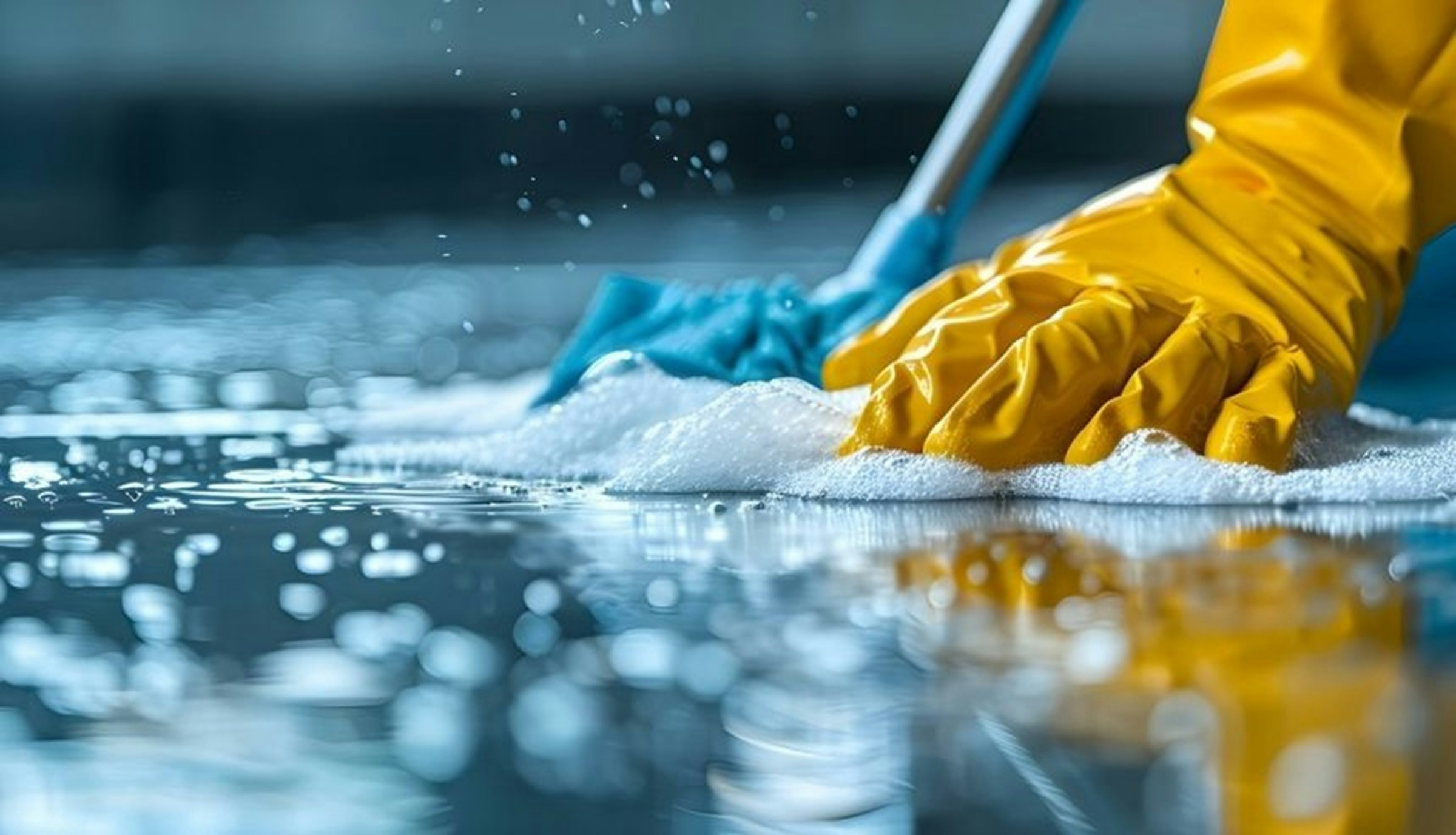
Most people assume that reaching for a sponge or cloth is a protective act. It feels productive, responsible, even careful. The problem is that one of the most universal cleaning habits in the home, wiping down surfaces with the same reused tool again and again, can quietly do the opposite of what it’s meant to do.
The science on this has grown considerably sharper in recent years. Studies published between 2024 and 2026 have confirmed what microbiologists suspected for decades: the humble kitchen sponge and the reused cloth towel are among the most reliably contaminated objects in any household. What follows is a closer look at exactly how this happens, why we keep doing it anyway, and what a smarter routine actually looks like.
The Sponge Is Not Your Friend
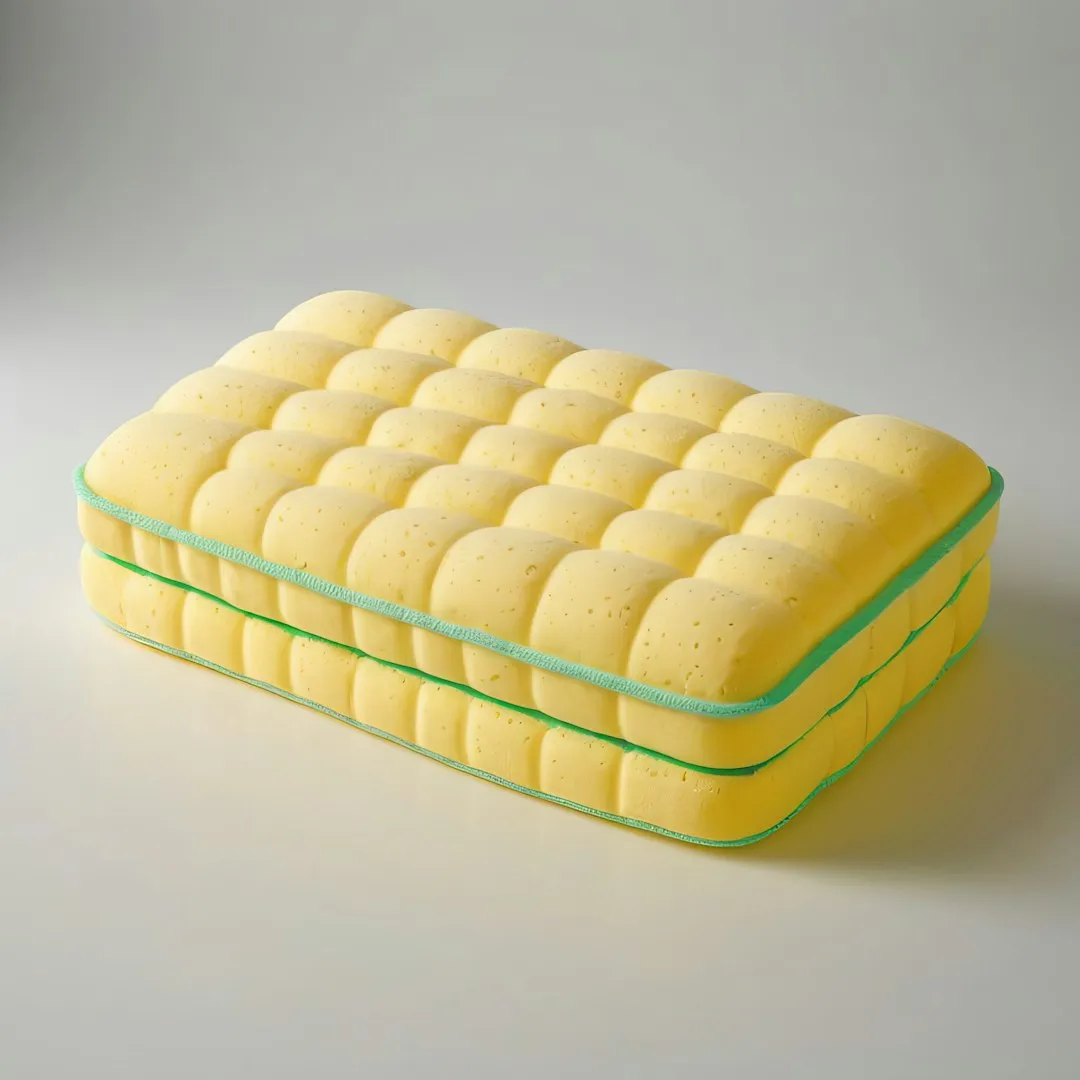
The kitchen sponge is arguably the single most bacteria-laden object in the average home. The dominance of Gram-negative bacteria, especially Enterobacteriaceae and Pseudomonas spp., is of particular concern, as these groups include opportunistic pathogens and spoilage organisms capable of forming resilient biofilms. These are not minor, harmless microbes. They belong to the same bacterial families associated with foodborne illness and hospital-acquired infections.
Bacterial density in used kitchen sponges can locally exceed ten billion bacterial cells per cubic centimeter, based on fluorescence in situ hybridization analyses. That’s a number that can be difficult to visualize, but consider this: each pass of that sponge across a cutting board or countertop is redistributing that microbial community across your kitchen. The sponge doesn’t remove bacteria so much as relocate them.
Cross-Contamination Happens More Often Than You’d Think
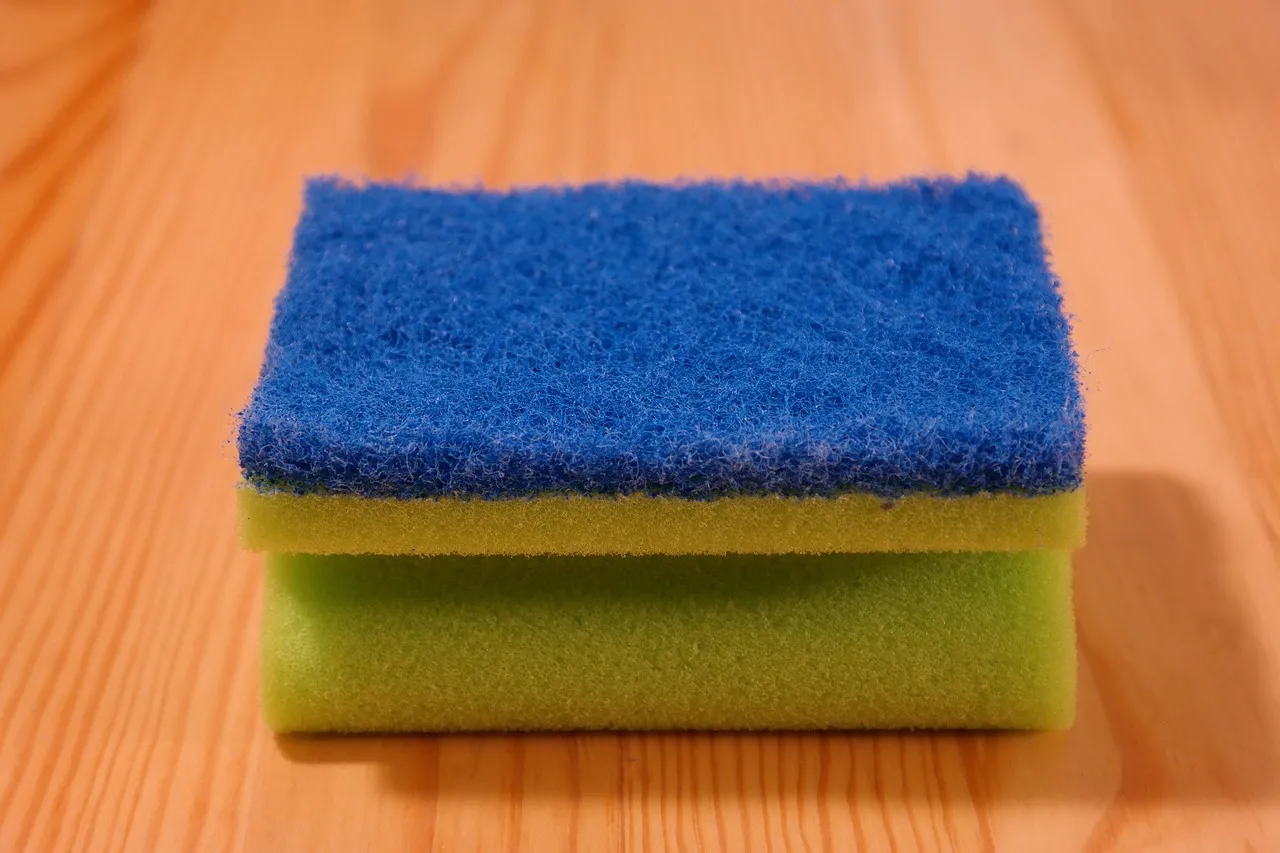
Once bacterial populations reach a critical density, contaminated sponges can transfer pathogens to surfaces such as cutting boards and countertops. Subsequent contact of these surfaces with food may realistically lead to transmission to consumers. This is what researchers call the cross-contamination pathway, and it’s one of the primary routes through which foodborne illness begins in domestic settings.
Despite this risk, one European study found that over seventy percent of consumers do not change their dish sponges until after three or more days of use. Additionally, more than half of consumers use their dish sponges to clean the kitchen countertop, which may contribute to cross-contamination. These two habits, combined, create a near-perfect environment for pathogen transfer.
Kitchen Towels Are Just as Problematic
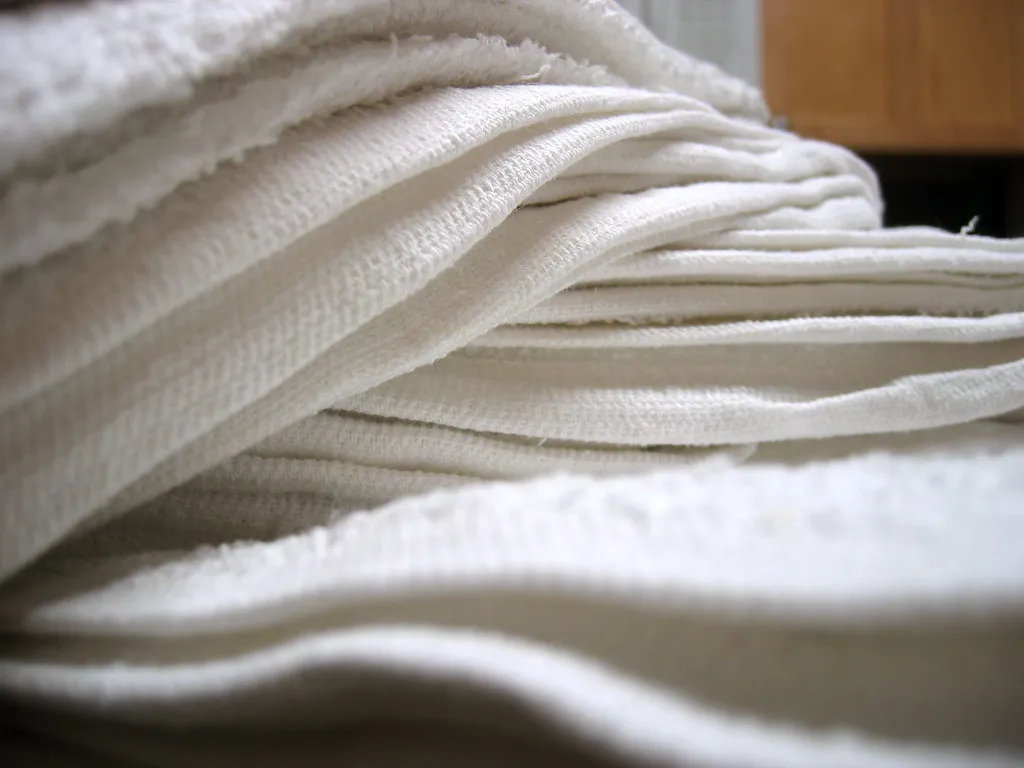
If the sponge gets most of the attention, the kitchen cloth or dish towel tends to fly under the radar. That’s a mistake. Researchers investigating biofilm development on towels used continuously for ten weeks by twelve volunteers found apparent biofilms composed of bacteria and extracellular polymeric substances on all used towels. No exceptions. Every single towel in the study had developed a substantial microbial community.
Dish towels are known conduits for bacterial growth because they provide nutrients and moisture for bacteria to thrive. Bacteria can survive at least two days on surfaces, which is more than enough time to spread somewhere else if not disinfected. The damp, warm, nutrient-rich environment of a used kitchen towel is, from a bacterium’s perspective, an ideal home.
Observations have shown that members of households use a tea towel or cloth to clean various items, from spillages on countertops to wiping dirty shoes, only to place the cloth back on the kitchen counter. That sequence of events effectively turns the towel into a relay vehicle for whatever is on the floor or shoe sole.
Wiping With a Dirty Cloth Spreads, Not Reduces, Bacteria
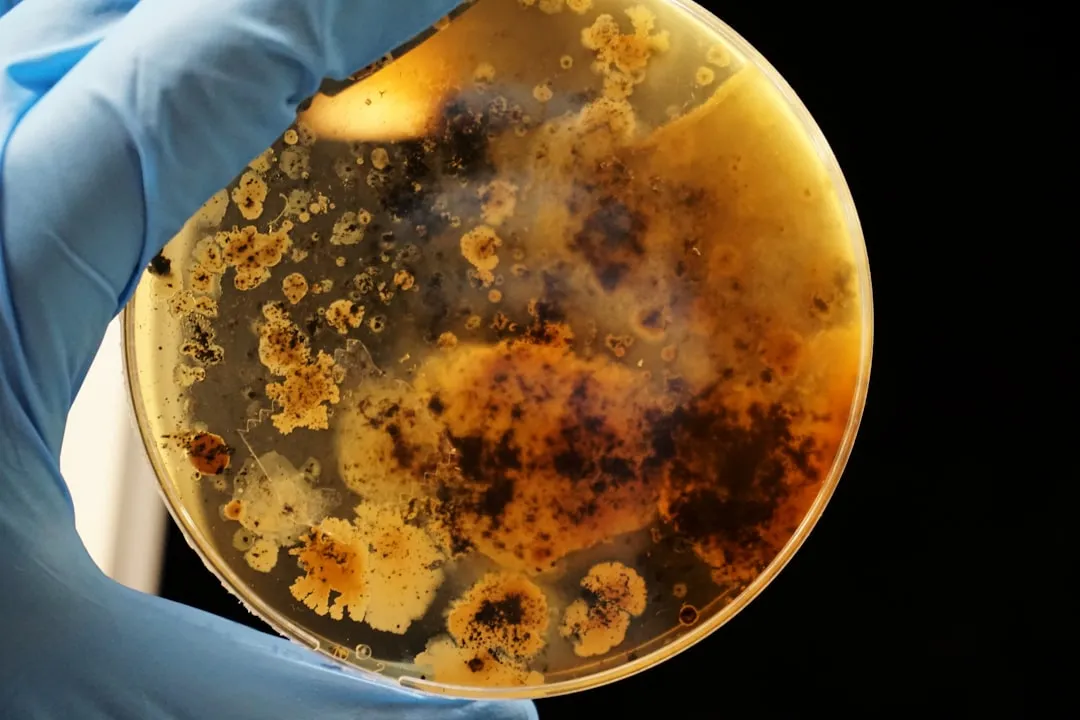
Research has confirmed that disinfectant wipes transfer bacteria from an inoculated surface to previously uncontaminated surfaces. Certain wipe chemistries also retain a high level of viable bacteria after disinfection of the surface area. In other words, even some purpose-designed cleaning wipes can become vectors under the wrong conditions. A reused household cloth poses a far greater risk than a purpose-made wipe.
An ethnographic study conducted in Italy reported that improper use of towels, dishcloths and sponges promoting cross-contamination was observed in eleven out of fourteen families. That’s not a marginal finding. It suggests this habit is widespread, normalized, and rarely questioned inside the home.
The Illusion of Visible Cleanliness
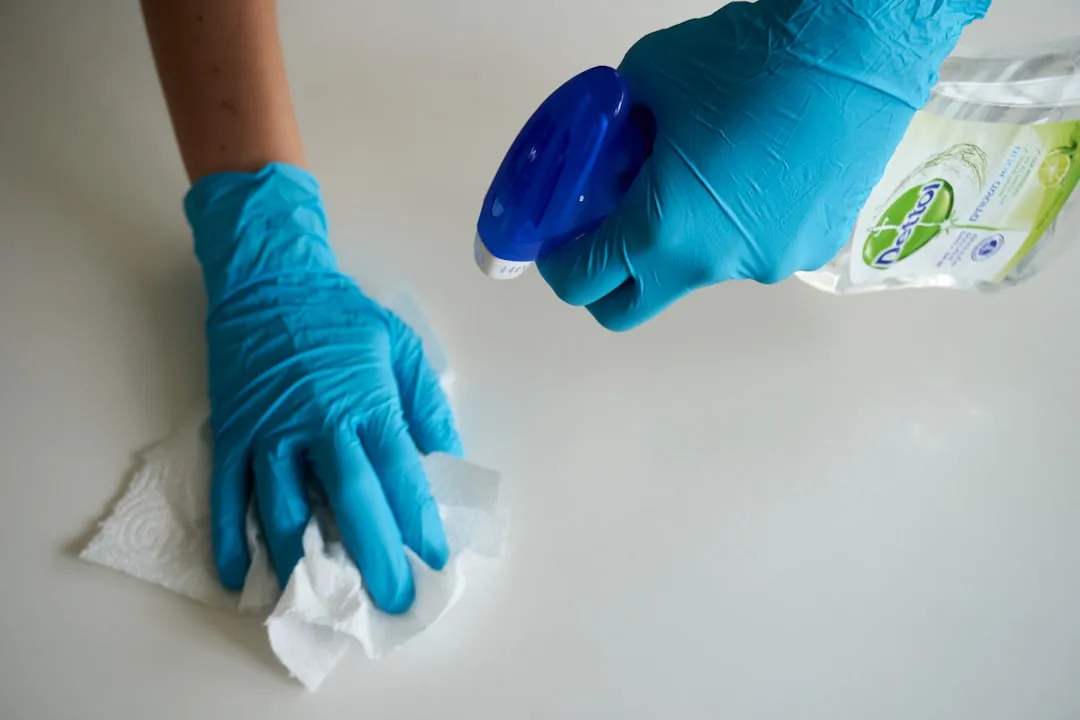
There’s a particular cognitive trap at work here. When a surface looks clean after being wiped, most people feel reassured. The reality is that visual cleanliness tells you almost nothing about microbial load. A central finding of recent research on kitchen sponges is the absence of statistically significant associations between sponge condition, as assessed by visual and functional criteria, and microbiological contamination levels. A sponge can look perfectly fine and still carry enormous quantities of bacteria.
While disinfectant solutions eliminate germs, they don’t leave behind a truly bare surface. They deposit a thin film that doesn’t get wiped up, even after giving the surface a good polish. A 2024 study published via the American Chemical Society shows that residues left by commercial cleaning products contain a wider range of compounds than previously thought. The takeaway: even products that kill bacteria may leave chemical residues behind that complicate the picture further.
The Foodborne Illness Connection Is Real
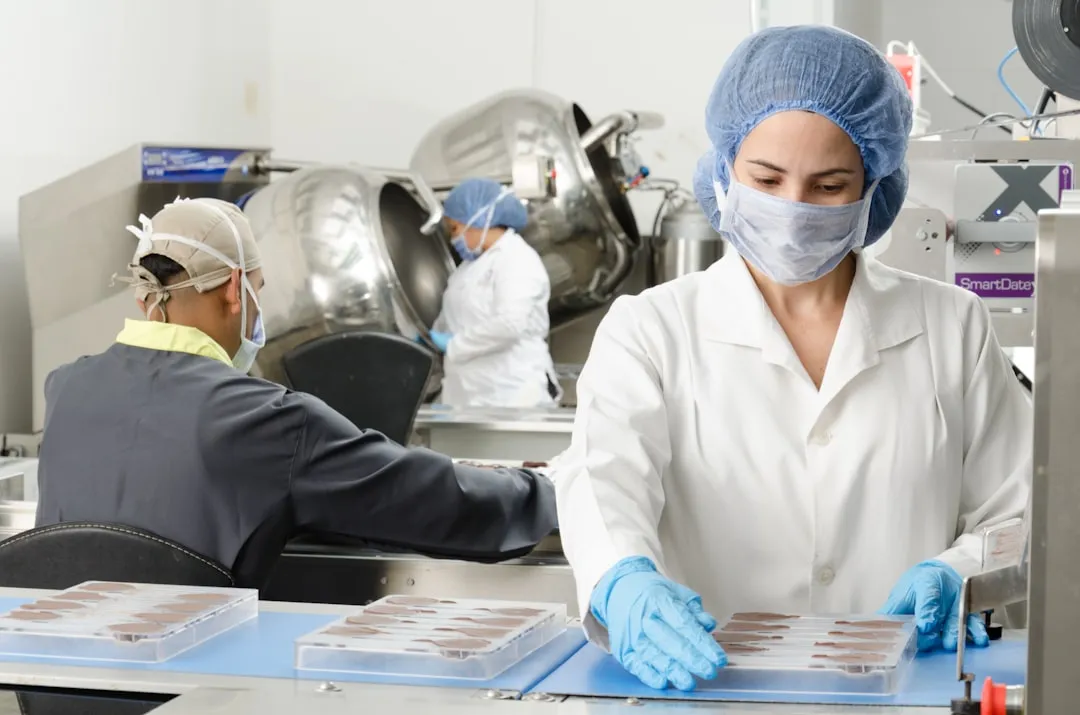
According to the World Health Organization, an estimated six hundred million cases of foodborne illness occur annually, resulting in substantial morbidity, mortality, and economic burden worldwide. The ingestion of pathogenic microorganisms, such as Salmonella and enterohaemorrhagic Escherichia coli, is a common cause of bacterial foodborne infections. The domestic kitchen is one of the main arenas where these pathogens gain access to food.
The domestic environment, in particular the kitchen setting, is a well-established source of microbial contamination. Kitchen sponges represent an important vehicle of microbial transmission and maintenance of spoilage bacteria and pathogenic strains responsible for foodborne diseases. This isn’t a theoretical risk. The bacteria documented in sponge studies include pathogens directly linked to real illnesses.
Poor Seasonal Hygiene Habits Compound the Problem

Seasonal habits remain unbalanced, with roughly three in five Americans deep cleaning in spring, but only about one in four doing so in winter, the season when colds and flu spread most easily. This seasonal gap is particularly unfortunate, since it means the household cleaning effort often peaks at precisely the wrong time of year.
While nearly three in four Americans say they change their cleaning habits in some form during cold and flu season, just about one in five proactively adjust routines for the entire season. Even more, nearly half admit to unhygienic behaviors when sick. Using the same germy sponge to wipe down a surface right after someone in the household has been ill is one of the most counterproductive things a person can do.
Even Washing Machines Can Spread Contamination
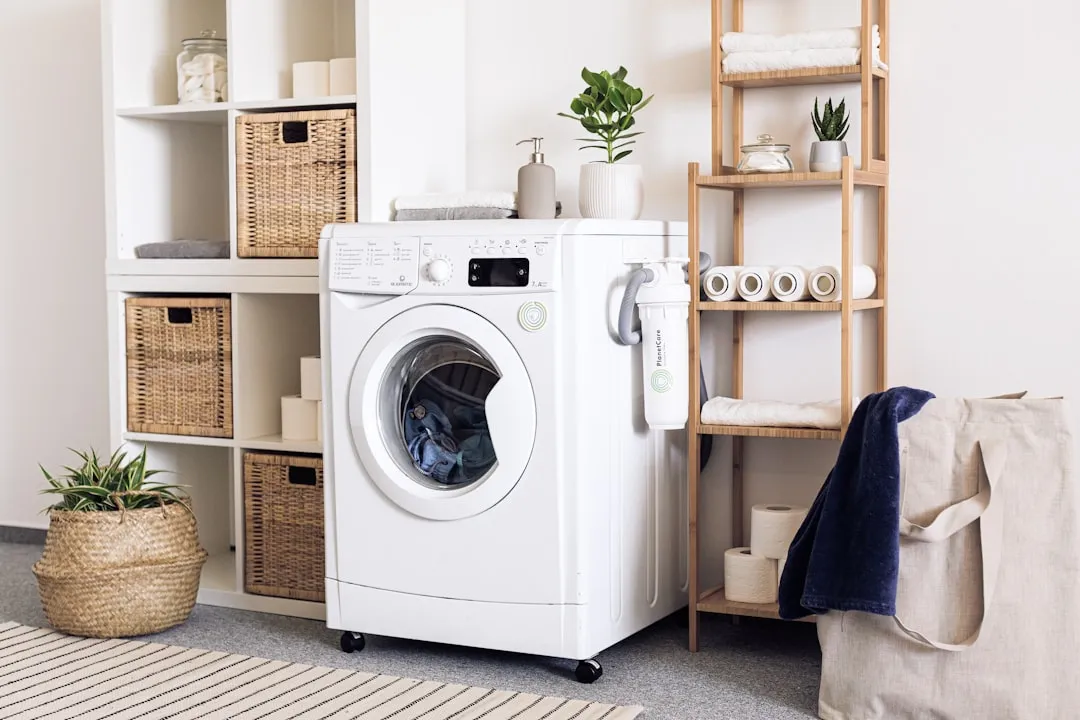
Cleaning the dish towel sounds like the logical fix. Throwing it in the wash seems responsible. However, the washing machine itself is not a germ-free environment. Household washing machines host diverse microbial communities that may include opportunistic pathogens, potentially impacting laundry hygiene and human health.
Front-load machines in particular have significantly higher microbial loads than top-load machines, with average bacterial counts roughly six times greater. If a contaminated towel or cloth is washed at too low a temperature or in an already-dirty machine, the wash cycle may not fully eliminate the problem. The towel that comes out the other side may still carry viable bacteria.
What the Food Standards Agency and Hygiene Researchers Actually Recommend
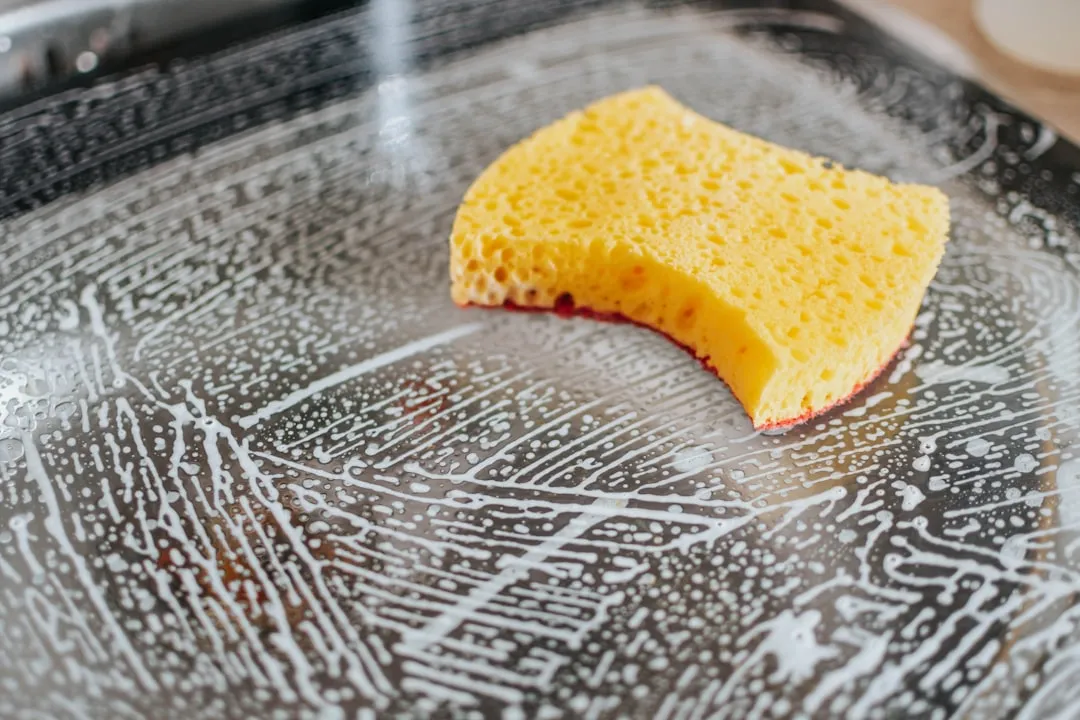
The UK Food Standards Agency recommends washing or changing dishcloths, tea towels, sponges and oven gloves regularly. Their guidance also notes the importance of letting the item dry before it is used again, because dirty, damp cloths allow bacteria to breed. Dryness matters considerably. A moist sponge left in a warm kitchen is a bacterial incubator.
For food businesses, guidance highlights the importance of using disposable cloths wherever possible and disposing of them after each task, and always using a new or freshly cleaned and disinfected cloth to wipe work surfaces, equipment or utensils that will be used with ready-to-eat food. The underlying principle is simple and applies at home too: one cloth, one task.
Findings from contamination studies emphasize the importance of consistent hygiene practices and support the development of strategies aimed at improving food safety, including promoting proper dish towel and sponge replacement and the separation of utensils for raw and cooked foods. The key word there is “consistent.” Occasional hygiene bursts don’t offset the daily accumulation of risk.
Smarter Habits That Actually Work
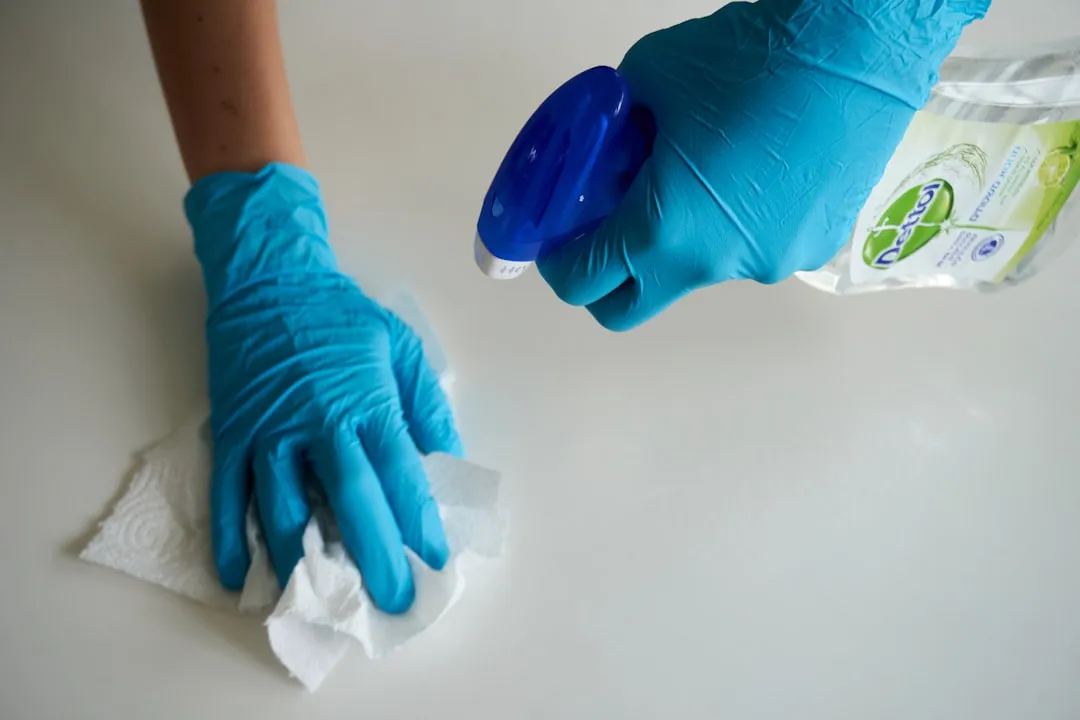
The research points toward some clear behavioral shifts. Replacing sponges frequently, at least once a week for active households, removes the problem before bacterial density becomes dangerous. Using separate cloths for different kitchen tasks, one for surfaces, another for hands, another for dishes, reduces the cross-contamination chain significantly.
When using a disinfectant product, allowing it to sit on the surface for the time specified on the label (usually two to ten minutes) helps ensure germs are effectively killed. The surface must stay wet for the entire dwell time. Most people wipe disinfectant off almost immediately, which dramatically reduces its effectiveness.
Simple habits like wiping down doorknobs, light switches and phones, and washing hands more often can go a long way toward keeping families healthier and avoiding days lost to illness. These are low-cost, low-effort changes that address the actual mechanism of germ transmission rather than just making surfaces look clean.
The Takeaway
The cleaning habit that’s making things worse isn’t laziness. It’s the well-intentioned routine of picking up the same sponge or cloth, day after day, and trusting it to do a job it stopped being capable of doing a long time ago. The research is clear: a contaminated tool spreads contamination.
Cleaning smarter isn’t complicated. It mostly comes down to replacing tools more often than feels necessary, keeping wet cloths out of warm environments between uses, and matching the cleaning method to the actual task. The goal isn’t a sterile kitchen. It’s simply not making things worse than they already are.
AI Disclaimer: This article was created with the assistance of AI tools and reviewed by a human editor.