


Millions of people burn candles every single day without giving it a second thought. The warm glow, the familiar scent, the sense of calm – it all feels harmless enough. What most people never realize is that a few common habits, done repeatedly in a closed room, are gradually coating their walls, ceilings, and furniture in a thin layer of black carbon residue.
The damage tends to be invisible at first. Over weeks and months, though, it accumulates in corners, along wall studs, above baseboards, and around vents. By the time it’s noticeable, it’s already deep in the paint.
What Candle Soot Actually Is
Soot is a fine black powder made up of carbon particles released when a candle’s flame burns incompletely. It’s not smoke in the dramatic sense, but it behaves similarly. Complete combustion happens when wax combines with oxygen to produce carbon dioxide and water vapor. Incomplete combustion occurs when there’s insufficient oxygen or too much fuel, creating carbon particles instead.
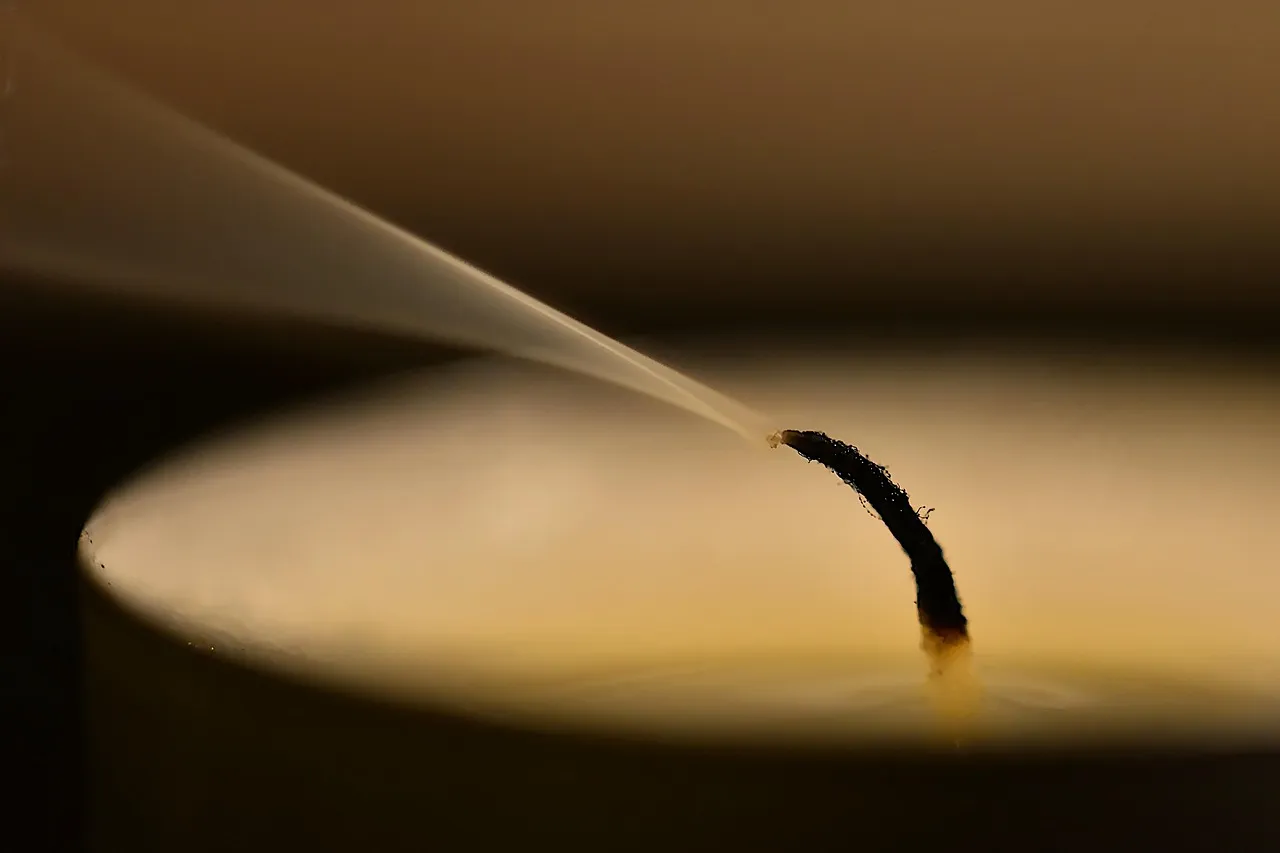
The visible black smoke you see is actually millions of tiny carbon particles being released into the air. Some settle on surfaces as residue, while others remain airborne as particulate matter. Most people only notice the residue inside the candle jar, long after it’s already made contact with their walls.
The One Mistake Almost Everyone Makes: Not Trimming the Wick
Wicks that are too long create a larger, less stable flame that produces more smoke and unburned carbon particles. This is the most common cause of excessive soot. It’s a step most people skip entirely because they don’t know it matters.
Burning a candle for too long without trimming the wick causes the wick to become “mushroomed” at the tip, creating an oversized flame that smokes excessively. Trimming wicks to exactly one quarter inch before each lighting can reduce soot production by up to 90%. That single number puts the entire problem in perspective.
How Soot Travels Through Your Home
Soot is distributed by air currents in the home and is deposited in certain areas due to attractive forces including temperature, humidity, and static charges. It doesn’t just float straight up to the ceiling above the candle. It moves with the air.
Soot is very light and floats easily. It deposits wherever air slows or changes direction. Areas with less insulation, such as edges of studs on exterior walls or ceilings, are cooler. Soot deposits more readily on these cooler surfaces due to air slowing down around them. That’s why you often see those faint gray lines tracing the wall framing – it’s not coincidence, it’s physics.
The Particle Problem: What Research Shows
The concentration of fine particles generated during candle burning varies based on combustion characteristics, with investigations revealing concentrations approximately 20 times higher under unstable burning conditions. Unstable burning means flickering, and flickering happens more often than most people realize.
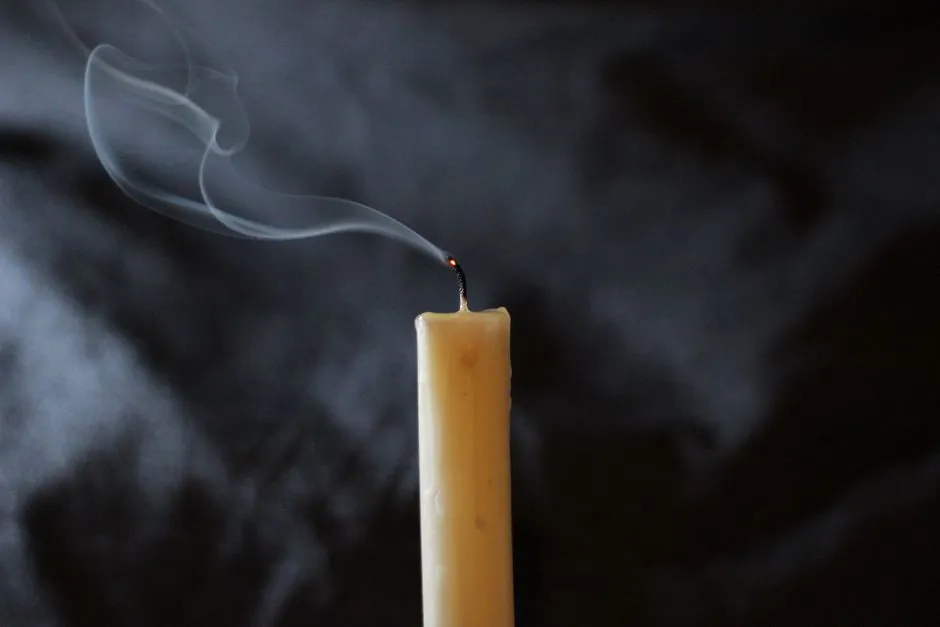
Studies by the Danish Environmental Protection Agency conclude that if a candle produces soot or flickers, it emits 30 to 70 times as many carbon particles. Interestingly, more particles are generated during the extinguishing phase of candles than during the burning phase, which is one reason simply blowing out a candle releases a visible puff of dark smoke directly into your room.
Why Paraffin Candles Are Worse Than You Think
Paraffin candles, derived from petroleum, tend to produce more soot and a different VOC profile than soy or beeswax alternatives. They’re also the most commonly sold candle type at mass-market stores. Scented candles are even worse, as the synthetic fragrance they contain creates more soot than unscented varieties.
When a candle has too much fragrance oil, the excess can’t fully combust and turns into soot instead. This matters because heavily scented candles, particularly the large jar varieties that are popular for home decor, often carry some of the highest fragrance loads on the market. No candle type is emission-free. Even beeswax and soy candles with cotton wicks produce particulate matter and combustion byproducts during normal use.
The Cost of Ignoring It

If soot builds up over time and penetrates porous paint, it can be harder to remove and may require repainting. That alone can cost hundreds of dollars in a single room. The damage isn’t always dramatic or sudden – it creeps up over months of regular candle use.
Damage can be expensive. Some homeowners have spent as much as $80,000 to clean and replace household furnishings that have been marred by candle soot. That figure reflects extreme cases of long-term, heavy candle use in poorly ventilated spaces, but it illustrates how seriously professionals in the indoor air and restoration industry treat this issue. Fresh soot can usually be cleaned with proper techniques, but prolonged exposure can stain paint and wallpaper permanently. Prevention through proper burning practices is much easier than remediation.
Drafts and Placement: The Hidden Amplifier
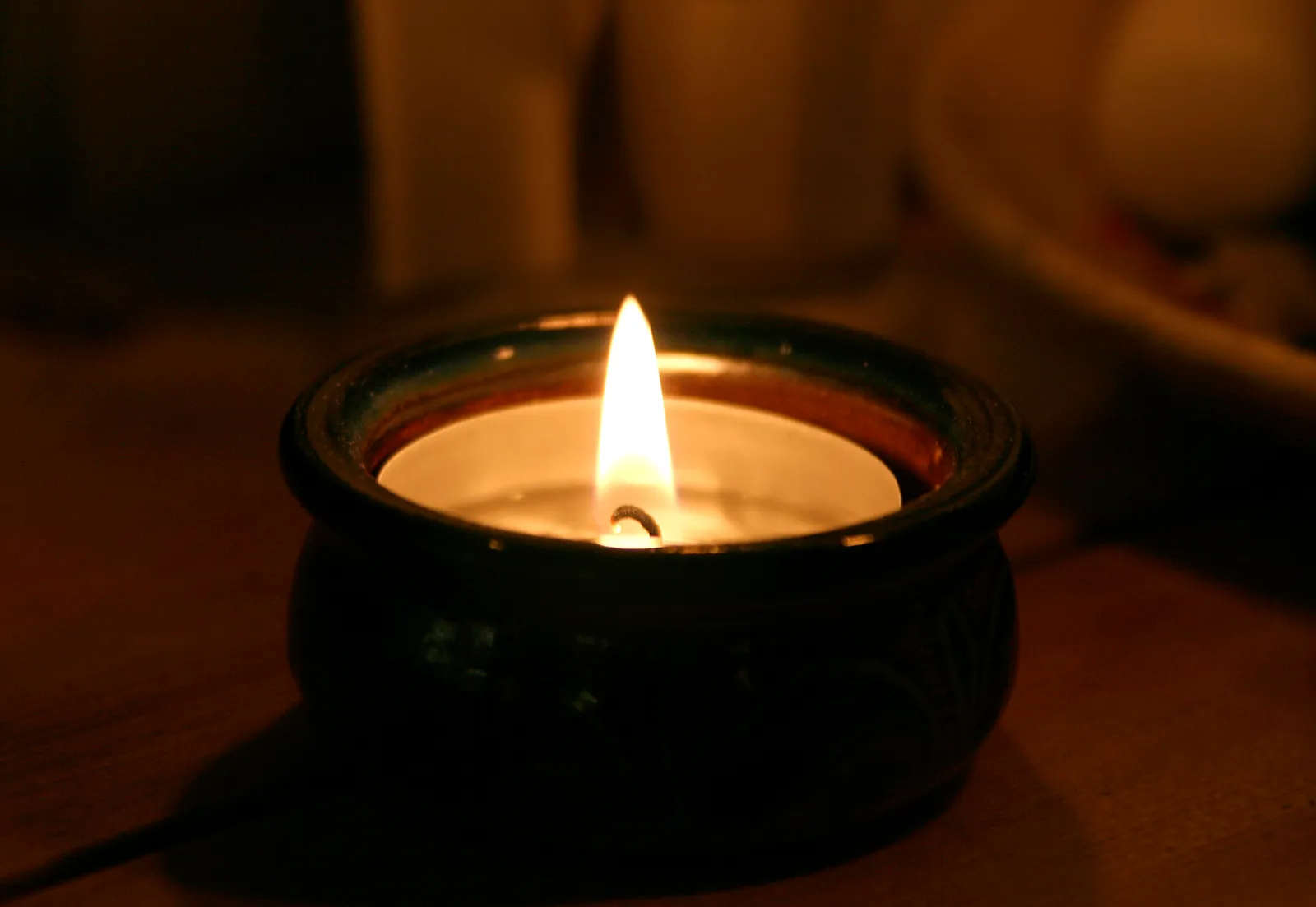
Drafty rooms that disturb the flame cause it to flicker and burn unevenly, which increases soot production. Most people place candles near windows or on shelves close to vents without realizing the flame is constantly disturbed. A flickering flame looks cozy; it’s actually burning dirty.
Position candles at least one to two feet away from walls and avoid areas near air vents, ceiling fans, or high-traffic zones where air currents disrupt flame stability. Most soot marks on walls happen because the person has placed the candle too close to the wall. It’s a straightforward fix that makes a real difference.
What Happens When Soot Gets Into Your HVAC System

Research shows that scented candles can produce significantly more soot when burned near air movement like HVAC vents. This microscopic soot travels through return ducts and settles on filters, coils, and other components. Once it’s inside the system, it gets redistributed throughout every room in the house.
Soot stains walls and furniture, and it can contaminate your home’s ventilation system. Respiratory irritation is often the first sign that something is wrong. Children and elderly family members are particularly vulnerable, as are anyone with asthma or allergies. The HVAC system essentially becomes a delivery mechanism for the particles a single candle produced.
How to Clean Soot Without Making It Worse
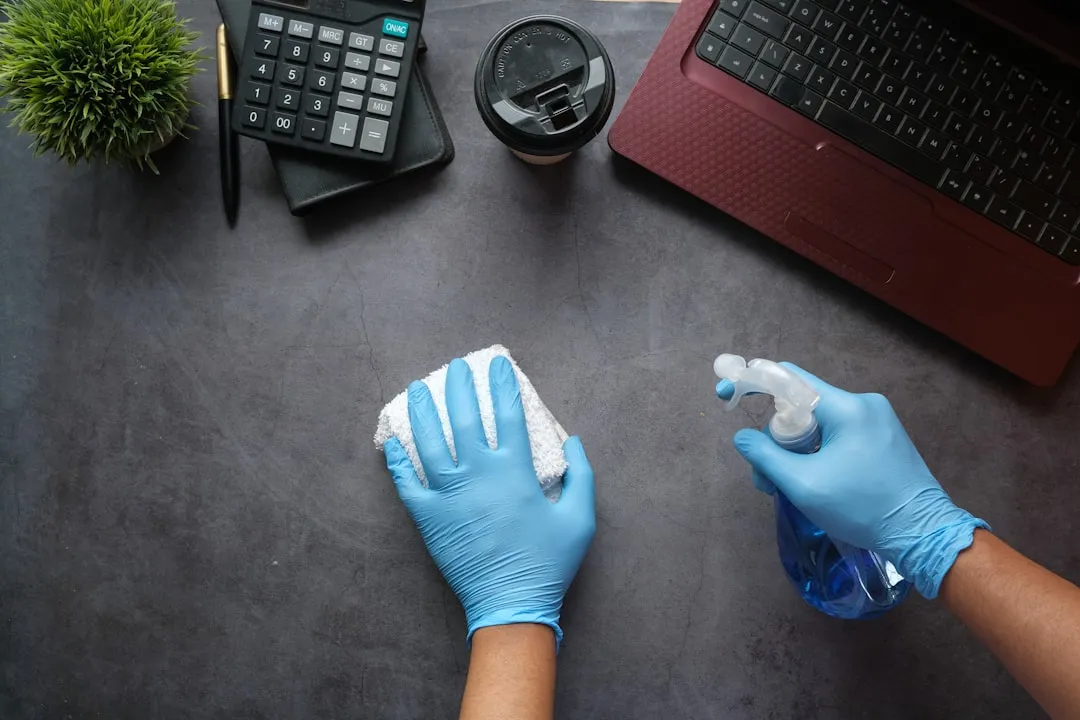
Take a chemical sponge and start wiping in a downward motion to pick up the black soot. Do not use a scrubbing or rotating motion, because this may cause the soot to embed further into the wall or spread the stain further. This is the step most people get wrong when they first try to clean it themselves.
The key is to act sooner rather than later. Fresh soot is much easier to remove than old, set-in stains. Bleach and harsh chemicals can damage paint finishes and may not be more effective than gentle methods. Start with a dry-cleaning sponge and mild soap. These gentler methods work well for most candle soot without risking wall damage.
Smarter Alternatives and Cleaner Burning Habits

Natural waxes burn significantly cleaner than petroleum-based alternatives. Beeswax produces the least soot, burning at higher temperatures with more complete combustion. Avoid candles with metal-core wicks, which can produce heavy soot. Cotton and wooden wicks burn cleaner and create less smoke.
Instead of blowing out your candle, which creates a puff of smoke and soot, dip the wick into the melted wax using a wick dipper, then pull it back up. Electric wax warmers and ultrasonic diffusers eliminate combustion entirely. They still disperse fragrance compounds into the air, but they remove the particle and combustion VOC burden. For people who burn candles daily, even switching to a wax warmer a few days a week reduces cumulative exposure meaningfully.
The Quiet Accumulation No One Talks About

AI Disclaimer: This article was created with the assistance of AI tools and reviewed by a human editor.