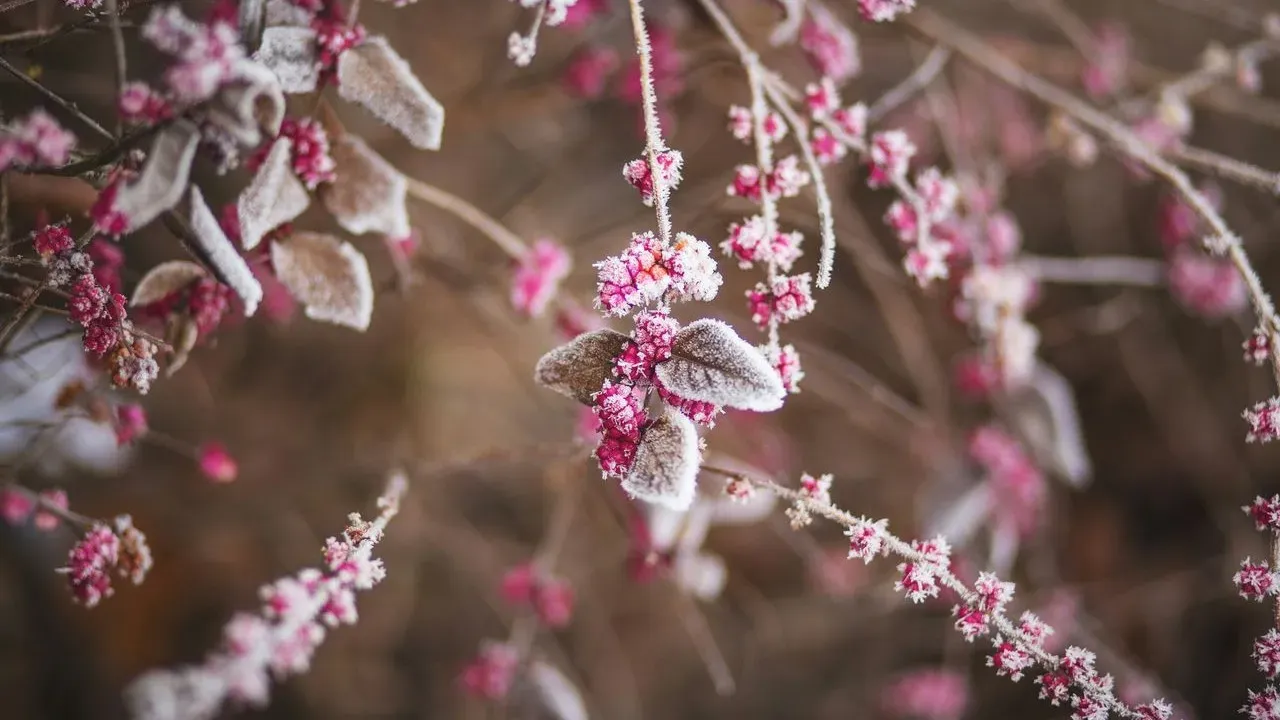

Cold-climate gardeners often assume their options for color are limited once temperatures drop, yet a selection of flowering annuals can deliver vivid displays from early spring well into late autumn. These plants tolerate frost and cooler conditions that would finish off more tender varieties, stretching the season in shorter growing zones. The result is a garden that remains lively without relying on permanent perennials.
Why Cold-Hardy Annuals Matter in Shorter Seasons
Shorter summers in northern regions leave little room for extended color, which makes strategic plant choices especially valuable. Annuals that handle cool weather fill gaps at both ends of the season, providing blooms when many other plants have finished or have not yet started. This approach turns what might otherwise be a brief window of interest into months of continuous display. Gardeners in these areas benefit from focusing on species labeled frost tolerant or cold hardy on seed packets and plant tags. Such selections withstand light freezes and continue growing when nights turn crisp, offering reliable performance without extra protection in most cases.
Key Traits to Look for When Selecting Plants
The most useful annuals for cold climates share a few practical characteristics. They germinate and grow steadily in lower temperatures, often requiring less heat to reach flowering stage than typical summer annuals. Many also self-seed readily, returning the following year with minimal intervention once established.
Look specifically for mentions of early-spring planting, autumn sowing, or tolerance to light snow on product descriptions. These indicators help identify varieties that align with local conditions rather than forcing tender types into unsuitable spots.
Practical Timing for Spring and Fall Displays
Planting schedules play a central role in maximizing color. Some annuals can be set out in fall once nighttime temperatures reach around 40 degrees Fahrenheit, producing blooms before winter fully sets in. Others are best started indoors in late winter or sown directly outdoors in autumn so they overwinter as seeds and emerge early the next spring.
Direct sowing in prepared beds during fall works well for species that benefit from cold stratification, a natural period of freezing that improves germination rates. Spring sowing as soon as soil thaws extends the show further into the season when combined with successive plantings every few weeks.
Standout Annuals That Perform Well in Cold Conditions
Several species consistently deliver results across cooler zones. Sweet alyssum forms low mats of fragrant blooms in shades of white, pink, purple, and yellow, suiting borders and containers. Bachelor’s buttons, also known as cornflowers, produce tall stems topped with blue, pink, or white flowers that make excellent cut material.
Pansies offer familiar faces in a wide palette and tolerate frost readily, while poppies bring delicate petals in vibrant reds, pinks, and oranges that self-sow easily. Snapdragons add upright spikes of color that hold up well into cooler weather. Calendula, marigolds, and sunflowers also extend interest as temperatures fall. These options allow gardeners to mix heights, colors, and bloom times for layered interest without complicated care routines.
Extending the Season Without Extra Effort
Regular removal of spent flowers encourages continued blooming on many of these annuals, keeping displays fresh longer into the season. Once established, the plants generally require only basic watering and weeding, making them accessible even for newer gardeners. By choosing varieties suited to local conditions, cold-climate gardens can maintain visual interest across a longer portion of the year. The payoff comes in reliable color that rewards thoughtful selection rather than intensive intervention.
AI Disclaimer: This article was created with the assistance of AI tools and reviewed by a human editor.