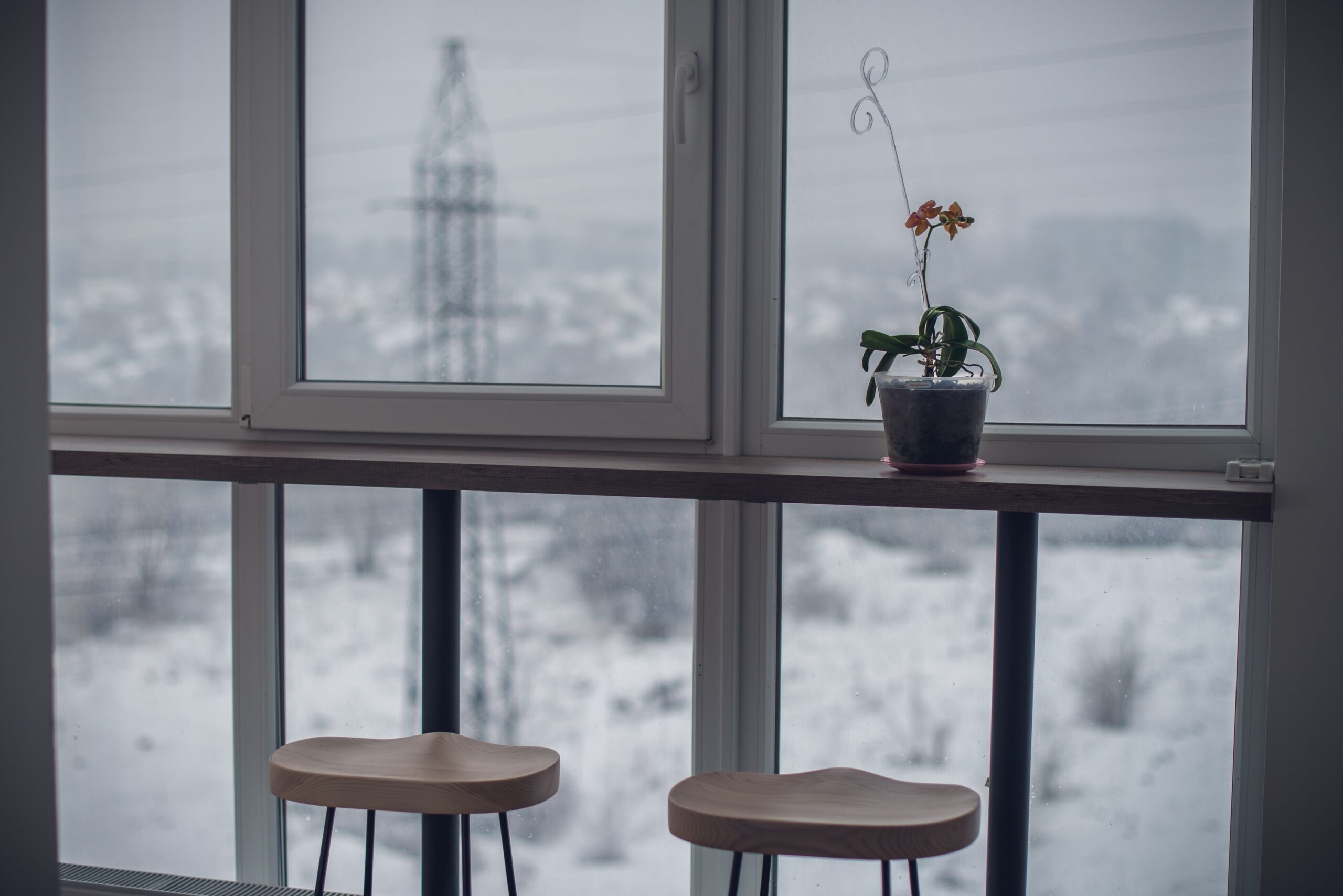

How Window Glass Becomes a Cold Trap After Dark

During daylight hours, a south- or east-facing window is genuinely one of the warmest spots in the house. The glass absorbs solar radiation, and the surrounding air stays relatively mild. Once the sun drops below the horizon, however, that same pane begins radiating cold inward toward the room.
The window is a plant’s best source of scarce daylight in winter, but at night it turns into the coldest surface in the room. The reversal is dramatic and happens faster than most people expect. A plant that sits comfortably in a 70°F room during the day may be experiencing 45°F temperatures on a cold windowsill once the sun sets and the window glass cools.
On a freezing night, a single-glazed window surface can sit at 2 to 4 degrees Celsius, and leaves resting on the glass experience hours of chilling injury even if the room reads 20°C. That gap between what the thermometer says and what a leaf actually experiences is the core of the problem.
The Science of Chilling Injury: Why Warmth in the Room Isn’t Enough
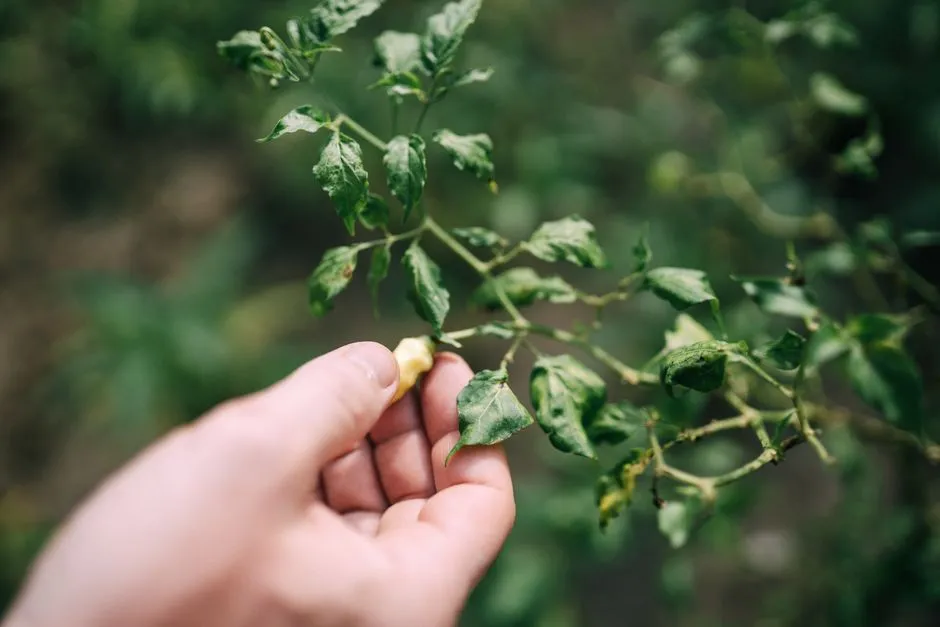
Chilling injury is different from frost and freeze injury. It is caused by tissue exposure to temperatures above the freezing point and below roughly 8 to 12 degrees Celsius, according to documented research. Plants do not need to freeze to be seriously harmed. The damage mechanism is cellular, not structural.
Chilling injury is primarily caused by disruption of cell membranes, and the extent of damage differs with plant species and cultivars, temperature, exposure time, type of plant organ, and developmental stage. This is why two plants of different species sitting side by side at the same window can respond very differently to the same overnight cold.
Research from the University of Florida on tropical foliage plants such as dieffenbachia notes that chilling injury depends on both how cold it gets and how long the plant is exposed, with damage possible at temperatures well above freezing but below roughly 10 degrees Celsius. Duration matters as much as intensity.
Which Plants Are Most Vulnerable
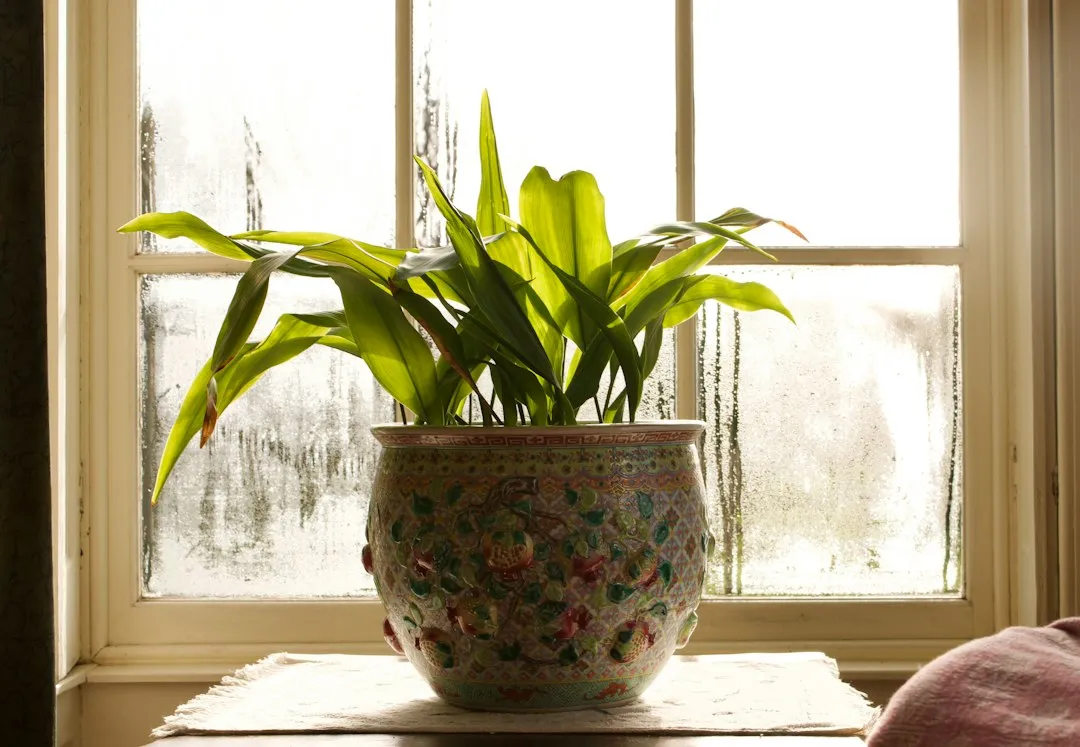
Tropical houseplants, the group that includes almost every popular species from Monstera deliciosa to Pothos to Calathea, evolved where temperatures rarely drop below 18 degrees Celsius. That evolutionary baseline explains why a cold window pane feels catastrophic to them even in a heated home. They simply have no biological toolkit for dealing with it.
A prayer plant, for example, thrives in warmth and would suffer if its leaves were allowed to touch a cold window. For tropical plants like anthuriums and philodendrons, which are used to less temperature fluctuation, the cold can be fatal.
Large plants like fiddle leaf figs and monstera deliciosa commonly develop this problem as their broad leaves naturally spread toward light sources. The bigger the leaf, the more surface area is in direct contact with the glass, and the faster the damage accumulates through the night.
What the Damage Actually Looks Like

Chilling injury and frost damage produce distinctive symptoms. Unlike overwatering, which yellows older leaves slowly over weeks, cold damage tends to appear suddenly and often affects the side of the plant facing the cold surface. That directional pattern is a reliable diagnostic clue.
Leaves may develop dark patches, water-soaked or translucent areas, browning, wilting, or sudden leaf drop, and damage may be concentrated on the side facing the window. Contact damage can appear as brown or black spots exactly where leaves touched the glass, spreading outward as the damaged tissue dies.
Cold damage to leaves is irreversible. Affected leaves turn black, translucent, or collapse into a mushy texture. Once that process begins, no amount of warmth or fertiliser will reverse it. The tissue is gone.
The Delayed Reveal: Why You Don’t See It Immediately
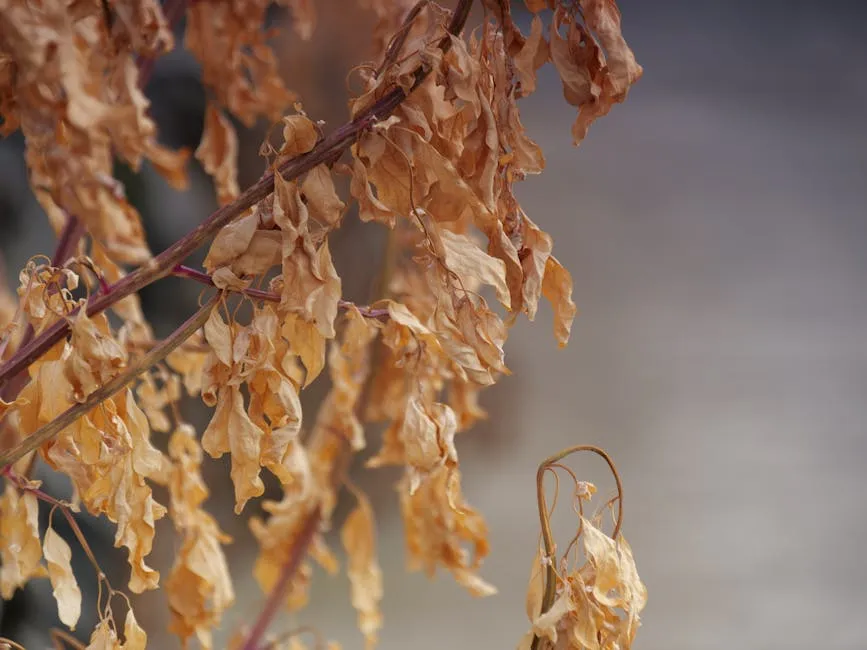
One of the most confusing aspects of cold glass damage is that it rarely shows up while it is happening. Plants can look perfectly healthy when you draw back the curtains in the morning, only to deteriorate noticeably over the next few days. This delay causes many gardeners to misidentify the cause entirely.
Damage from chilling injury often appears 24 to 72 hours after exposure, not during the cold itself. By the time you notice the wilting or browning, the cold event that caused it may have been forgotten. Chilling damage can even take weeks to show in some cases.
Cold draft or chilling damage tends to follow an open door, a transport event, a cold night, or contact with glass, and it develops on the exposed side or leaves nearest the cold source. Tracking that timeline backward is often the only way to correctly diagnose what happened.
The Hidden Danger Zone Behind Drawn Curtains
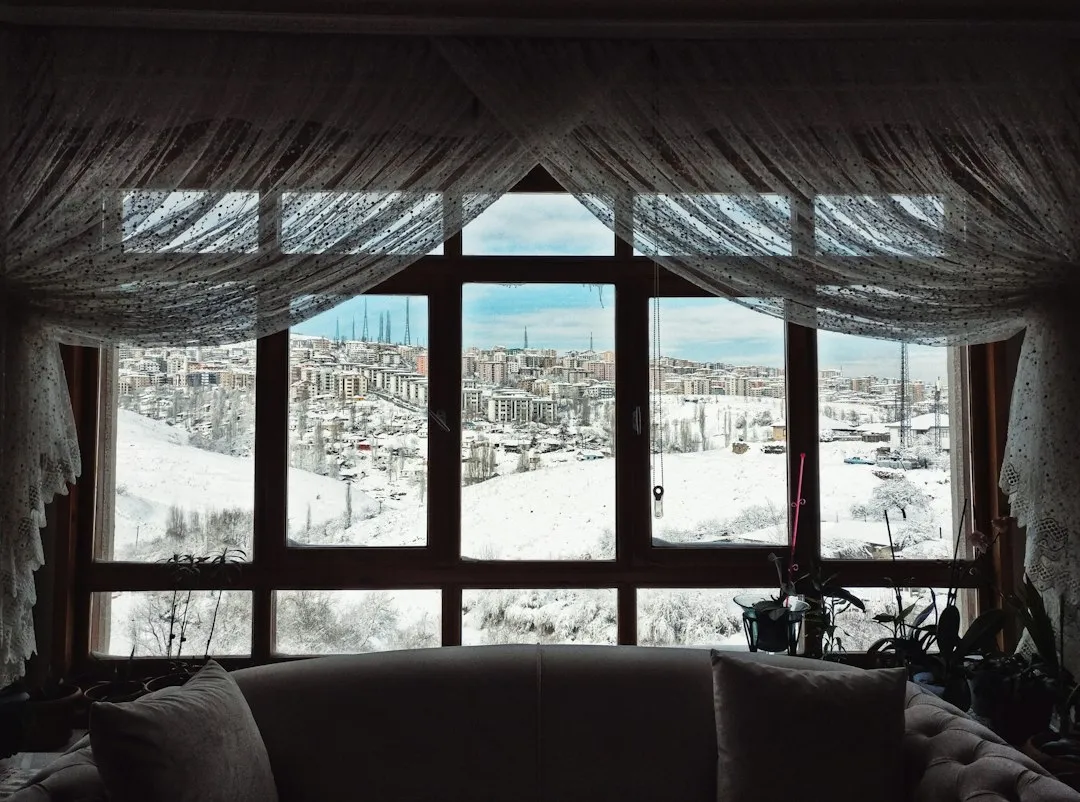
Many plant owners believe that pulling thick curtains across a window at night protects their plants. It does protect the rest of the room. For any plant left between the curtain and the glass, however, the situation actually gets worse.
The danger spot is the pocket of air between the window pane and a closed curtain, which on a frosty night gets much colder than the room. The curtain effectively seals the plant inside a cold box, cutting off the warmer air circulating through the rest of the space.
Plants should not be trapped between a closed curtain and the window. Iowa State University Extension notes that space gets warm by day and cold at night, and the Royal Horticultural Society says it can become very cold. Moving the plant forward of the curtain line, or into the room entirely, resolves this specific risk.
Drafts from Window Frames: A Separate but Related Problem

Direct glass contact is the most commonly discussed hazard, but poorly sealed window frames create a secondary risk that is easy to overlook. Cold air moving across foliage even without direct contact can cause significant stress, particularly in older homes with single-glazed or poorly weatherstripped windows.
Poorly sealed windows can send cold air directly across foliage, and sudden temperature changes and cold drafts can stress tropical houseplants even when they are not actually touching the pane.
Cold drafts can damage houseplants in two ways. First, the cold temperatures can damage the cells of tropical plants, which have not evolved to withstand cold temperatures and begin to exhibit signs of damage when conditions approach freezing. A simple draft test with a candle or a damp hand near the frame can reveal whether cold air is moving into the room along the edges of the glass.
How Far Back Is Far Enough?
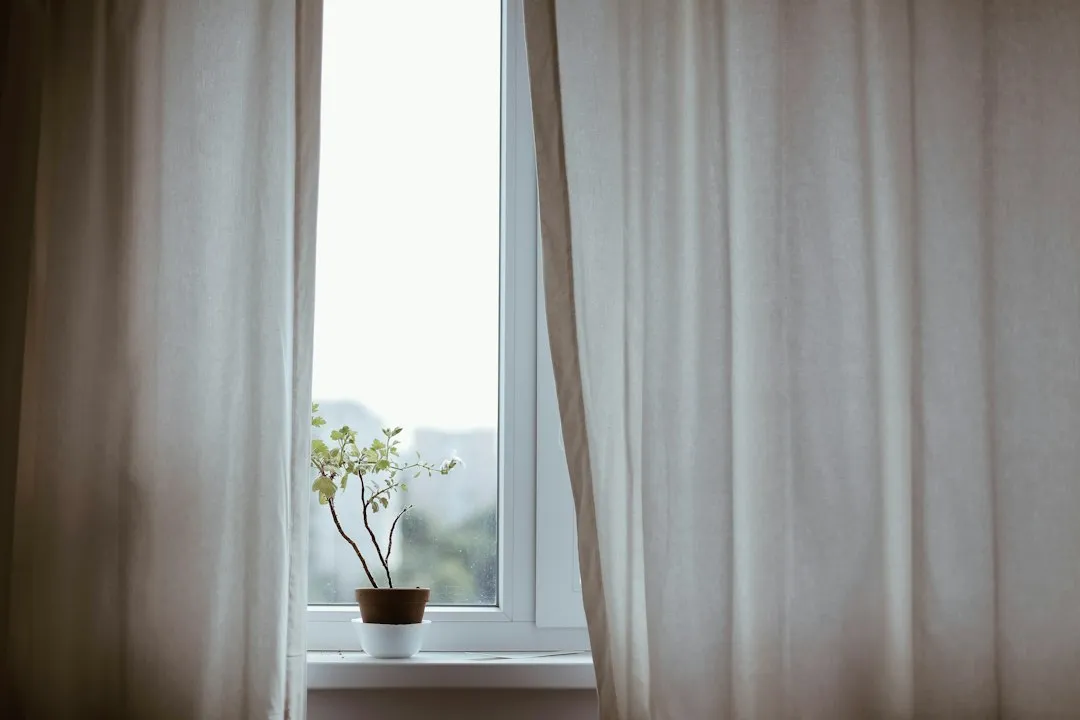
The good news is that even a modest distance between a leaf and the cold glass makes a meaningful difference. Air is a poor conductor of cold relative to solid glass, which means that just a centimetre or two of air gap changes the thermal equation considerably.
Plants do not need to be moved far back. Air is a fairly poor transmitter of cold, so just a one-inch gap between the glass and the plants will keep them from harm. For more sensitive tropicals, a slightly larger buffer provides added insurance.
NC State University recommends moving plants about 15 centimetres, or roughly 6 inches, back from a window, which usually protects them from excessive heat or cold. That guidance balances the need for light during the day with protection from the glass surface at night.
Cold Combined with Wet Soil: The Worst-Case Scenario
Cold glass exposure alone is damaging enough. When it combines with another common winter mistake, wet soil, the outcome is considerably worse. Overwatered roots in a cold root zone are far less able to support and repair stressed leaf tissue, compounding the injury across the whole plant.
The chilling injury threshold for most aroids sits at around 10 degrees Celsius, and the worst combination is cold exposure paired with wet soil, which can double the damage.
Cold seasons often produce a combined problem: cold exposure injures leaves or roots, and moving the plant away from the window without adjusting repeated overwatering leaves half the problem in place. Addressing both issues together is necessary for recovery. Wet weather combined with cold temperatures can worsen cold injury considerably.
Practical Steps to Protect Plants Without Sacrificing Light
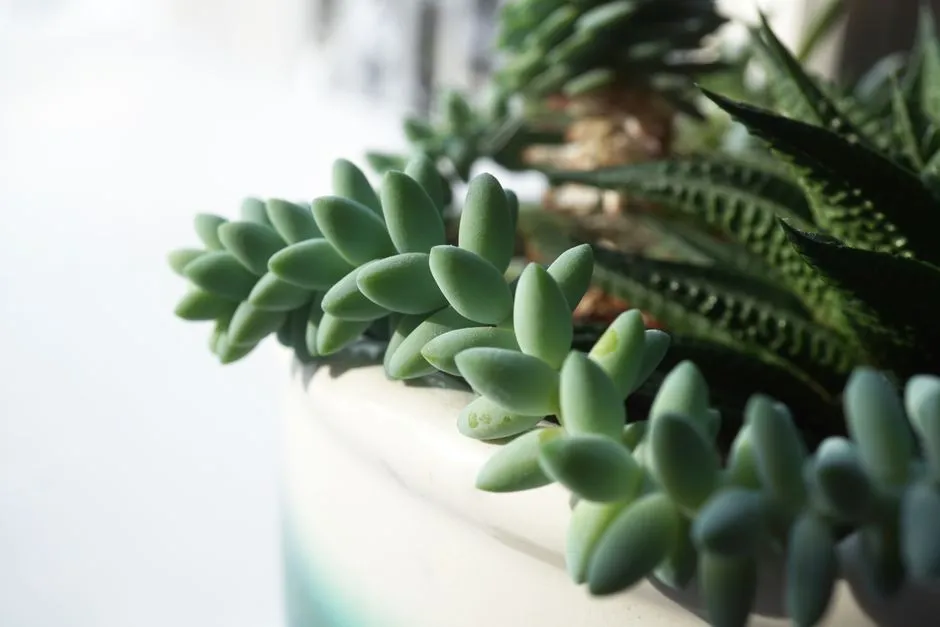
The challenge with winter plant care is that the window is both the problem and the solution. Plants need its light during the short winter days, but they need protection from the same glass surface when darkness falls. The practical answer involves movement rather than a fixed position.
Moving sensitive plants back from the glass overnight, then returning them to their brighter position in the morning, is a straightforward and effective protective strategy. It takes only a few seconds per plant and avoids the need to find an entirely different location for the winter.
Plants can slowly lean toward the glass without the owner noticing. To prevent frost damage, regularly checking all houseplants positioned near windows and gently pulling them away from the glass is advisable. Starting by using a thermometer to check how cold the windowsill actually gets overnight gives you a concrete baseline for deciding which plants need to be moved and which can safely stay put.
The Takeaway
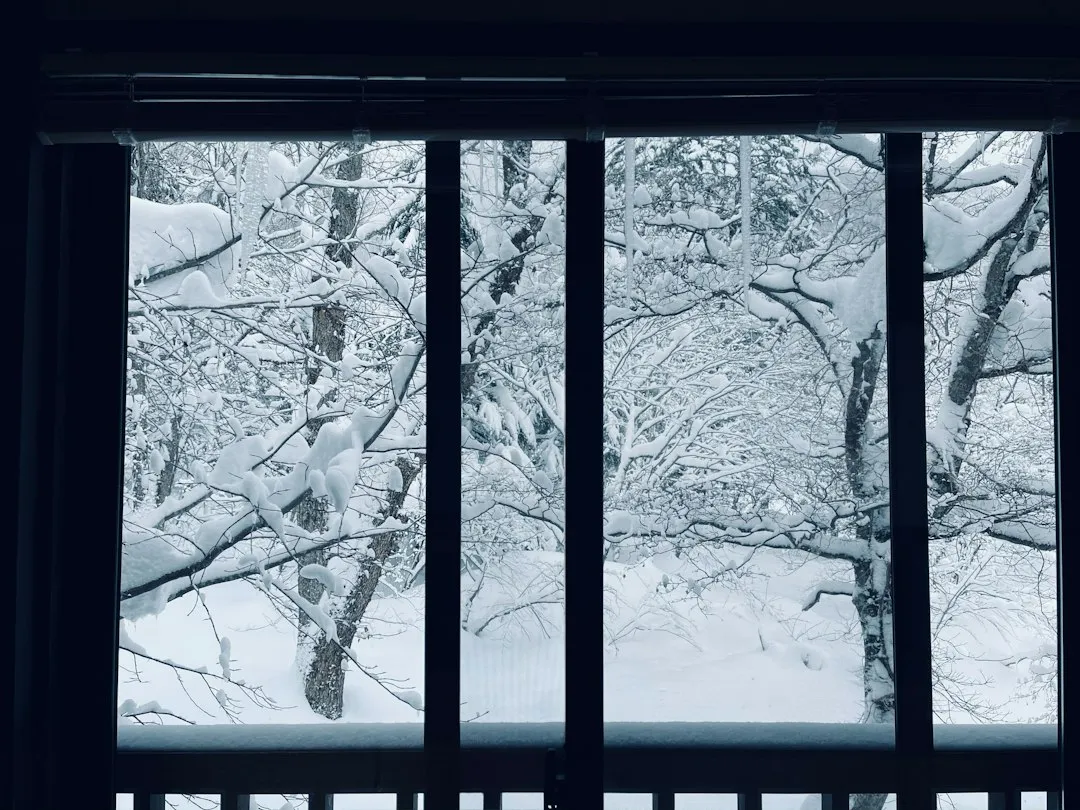
Window glass is one of those household surfaces that almost no one thinks about until something goes wrong. It seems neutral, passive, inert. In winter, it is none of those things. At night it becomes the coldest point in the room, pulling warmth from any leaf resting against it with quiet efficiency.
The science behind chilling injury, confirmed by institutions including the University of Florida IFAS Extension, Iowa State University, NC State, and the Royal Horticultural Society, is clear: tropical plants suffer cellular membrane damage at temperatures well above freezing, and window glass can reach those temperatures on any ordinary winter night.
The fix requires no special equipment and costs nothing. A small gap, a nightly check, and an awareness of what happens to a windowpane after dark are genuinely enough to keep most houseplants safe through the colder months.
AI Disclaimer: This article was created with the assistance of AI tools and reviewed by a human editor.