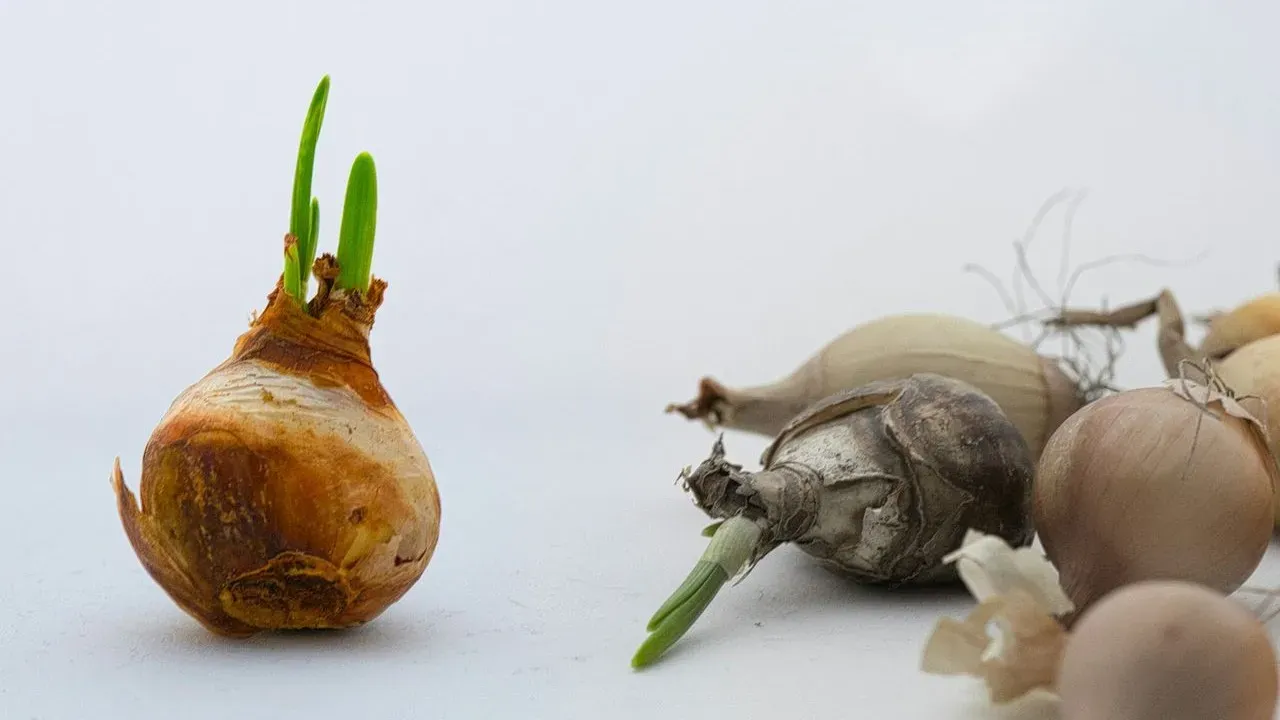

Gardeners who pot tulips, daffodils, or hyacinths in the fall often expect blooms by midwinter, yet many find the results disappointing. The difference usually traces back to how long the bulbs spend in cold conditions before they are brought into warmth. A widely repeated guideline suggests eight to ten weeks of chilling is sufficient, but that timeframe consistently proves too brief for strong stems and full flowers.
The Practical Stakes of an Incomplete Chill
Bulbs that receive only a partial cold period still develop roots, yet the flower stalks that emerge tend to be short and weak. The internal processes that prepare a bulb for blooming simply do not finish on an abbreviated schedule. Home gardeners who follow the shorter recommendation frequently end up with sparse displays that fail to brighten a room as intended.
Extending the cold phase to the minimum required by each type produces noticeably better outcomes. Stems reach proper height, buds open fully, and the overall display lasts longer once the pots are moved indoors. The extra weeks of preparation represent a modest investment of space and attention that yields more satisfying results during the darkest months.
Recommended Chilling Durations by Bulb Type
University extension guidance and experienced growers now point to longer minimum periods than the older rule of thumb. These durations assume consistent temperatures between 35 and 48 degrees Fahrenheit in complete darkness.
- – Tulips generally need 14 to 16 weeks.
- – Hyacinths require 12 to 16 weeks.
- – Daffodils and other narcissus types need 12 to 14 weeks.
Pre-chilled bulbs sold by some suppliers can shorten or eliminate this step for those who prefer a faster route. For standard bulbs, however, the full interval remains essential. Keeping the soil evenly moist throughout the cold phase is equally important; any drying out during this time prevents recovery later.
Putting the Process Into Practice
The sequence begins with potting in October. Choose containers with drainage holes and place bulbs close together, with their tips just below the soil surface. After thorough watering, move the pots to a suitable cold, dark location such as an unheated garage, cellar, or the vegetable drawer of a refrigerator kept away from ripening fruit.
Check the pots periodically to ensure the soil remains damp but not waterlogged. Once each container has completed its required minimum chill, bring it into a bright, cool room. Flowers typically appear within two to three weeks under these conditions. To extend the season of color, pot several batches and introduce them to warmth at staggered intervals once each meets its own chilling requirement.
Why a Single Calendar Date Rarely Works
A fixed schedule that promises blooms by late January after October potting overlooks the variation among bulb types and the need for adequate cold exposure. Nine weeks after planting remains too early for reliable results across tulips, daffodils, and hyacinths. The more dependable approach centers on tracking each pot’s individual chilling time rather than relying on a universal date.
Paperwhite narcissus stand apart from these three types because they flower without any cold treatment at all. For the hardy bulbs discussed here, however, the extended dark period cannot be shortened without compromising flower quality. Gardeners who respect these longer timelines generally find the effort worthwhile when the first blooms open indoors. The difference between a modest display and a satisfying one often comes down to patience during the coldest weeks of the year.
AI Disclaimer: This article was created with the assistance of AI tools and reviewed by a human editor.