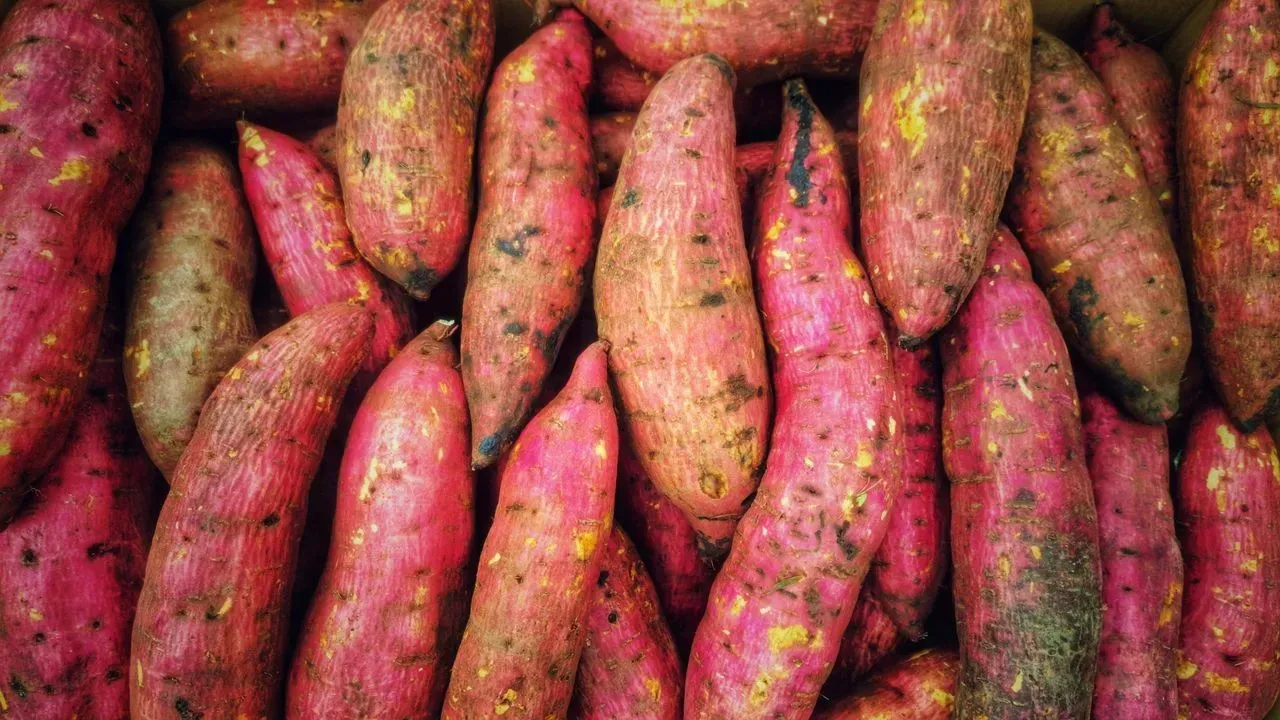

Many home cooks reach for the refrigerator as soon as they bring home fresh produce. Sweet potatoes follow their own set of rules, and placing whole raw roots in the cold can quietly change their texture and flavor in ways that show up only after cooking. University extension services across several states have documented the same pattern for years.
The Chilling Effect on Whole Roots
Refrigeration below roughly 50 to 55 degrees Fahrenheit triggers what experts call chilling injury in sweet potatoes. The result often appears as a hard center once the potatoes are cooked, along with a bitter or otherwise unpleasant taste that reduces eating quality. Multiple extension programs, including those at Utah State, NC State, Missouri, Oregon State, and Penn State, have linked the same symptoms directly to cold storage. Penn State Extension describes the damage as a classic case of chilling injury and explicitly advises against refrigerating fresh roots. The hard center can remain even after cooking, which means the problem is not limited to raw texture. Brief exposure does not always ruin every potato, yet the risk grows with longer time in the fridge.
Where Whole Sweet Potatoes Actually Belong
A cool, dark, dry, and well-ventilated spot keeps raw sweet potatoes in better condition. Ideal temperatures fall between 55 and 60 degrees Fahrenheit according to Penn State, or slightly broader ranges noted by NC State. A pantry shelf, a cabinet away from the stove, or an open basket in a cooler room usually meets these conditions. High humidity combined with poor airflow can encourage surface mold, while very low humidity may cause shriveling. An open container or loosely covered basket allows enough air movement without sealing in moisture. Missouri Extension notes that room-temperature storage works for up to a week, while a cooler dark location can extend usability to two or three weeks.
Handling Cut, Peeled, and Cooked Sweet Potatoes
Once sweet potatoes are cut or peeled, the rules change. General produce guidance from the FDA and USDA calls for refrigerating these pieces within two hours to maintain freshness and limit bacterial growth. No sweet-potato-specific shelf life appears in the reviewed sources, so cooks are advised to use the pieces promptly after refrigeration at 40 degrees Fahrenheit or below. Cooked sweet potatoes, whether mashed, baked, or part of a casserole, also require prompt chilling. USDA guidelines recommend refrigerating leftovers within two hours, or one hour if the room temperature exceeds 90 degrees Fahrenheit, and using them within three to four days. Reheating should reach an internal temperature of 165 degrees Fahrenheit. Sweet potato pie made with eggs or milk follows the same two-hour refrigeration rule applied to pumpkin and custard pies.
What to Do If the Potatoes Have Already Been Refrigerated
Finding whole raw sweet potatoes in the refrigerator does not automatically require discarding them. The primary concerns remain texture and flavor changes rather than immediate safety issues. Inspect each root for visible mold, rot, or an off odor, and cook any that pass inspection as soon as possible. Moving the potatoes back and forth between cold and room temperature offers no benefit and may increase stress on the roots. If the kitchen runs consistently warm, cooking the batch and then refrigerating or freezing the cooked portions provides a safer long-term option than repeated cold exposure.
Practical Storage Reminders for Fall Harvests
Sweet potatoes sold as “yams” in most U.S. stores are almost always sweet potatoes, so the same storage advice applies. Canned versions follow package directions, while true yams follow different guidance not covered here. For longer storage of cooked portions, freezing in airtight containers can extend usability for several months, though quality gradually declines. The key distinction remains simple: whole raw sweet potatoes thrive outside the refrigerator in a properly chosen cool spot, while any cut or cooked form moves into the fridge without delay. Following these extension-backed practices helps preserve both texture and taste through the season.
AI Disclaimer: This article was created with the assistance of AI tools and reviewed by a human editor.