
The Water Reservoir Is the Dirtiest Part of Your Kitchen
![The Water Reservoir Is the Dirtiest Part of Your Kitchen (EraPhernalia Vintage . . . [''playin' hook-y''] ;o, Flickr, CC BY-SA 2.0)](https://nvmwebsites-budwg5g9avh3epea.z03.azurefd.net/thegardenmagazine/361bb9c72c66bf04208b1fbc9b2f4f85.webp)
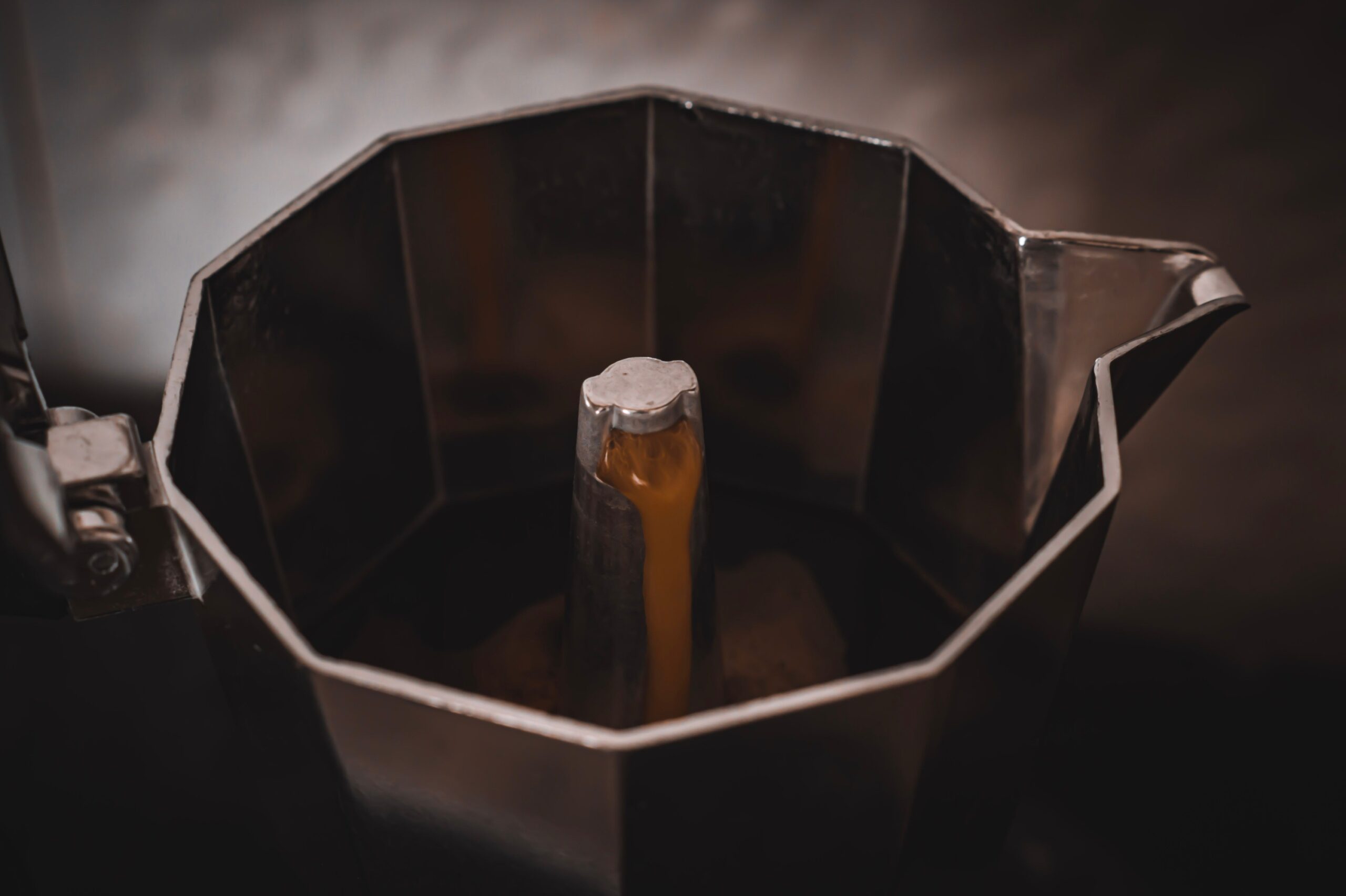
The water reservoir often gets treated like it’s self-cleaning, when in reality it’s one of the most neglected surfaces in the average home. NSF International has pointed to the water reservoir as one of the dirtiest parts of the kitchen if not cleaned regularly. The combination of sitting water, enclosed space, and warmth creates conditions that microbes find very hospitable.
An NSF International study of kitchen products found that roughly half of the sampled reservoirs in coffee makers had mold or yeast present. That’s not a small percentage. That’s basically a coin flip every time you fill up your machine.
The Germ Count Is Staggering Compared to What You’d Expect
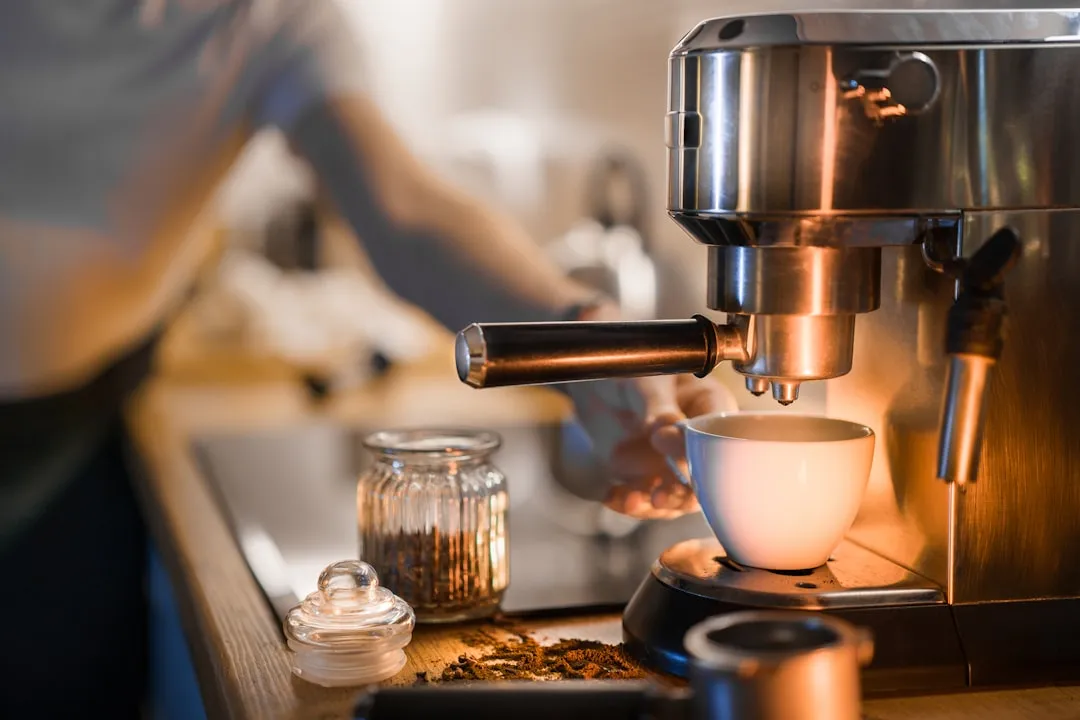
The germ count, including mold, yeast, coliform, and E. coli, in the coffee maker was higher per ten square centimeters than on a toilet seat – reaching over 548,000 per ten square centimeters in the coffee reservoir versus roughly 515 per ten square centimeters on a toilet seat. Numbers like those are genuinely hard to wrap your head around, especially when you’re thinking about the object you use to make your morning brew.
On average, home coffee reservoirs had higher germ counts than both bathroom door handles and toilet seats. The reason isn’t that coffee makers are inherently dangerous – it’s that they’re cleaned far less thoroughly than most people assume they need to be.
Coliform Bacteria: A Bigger Concern Than Mold Alone
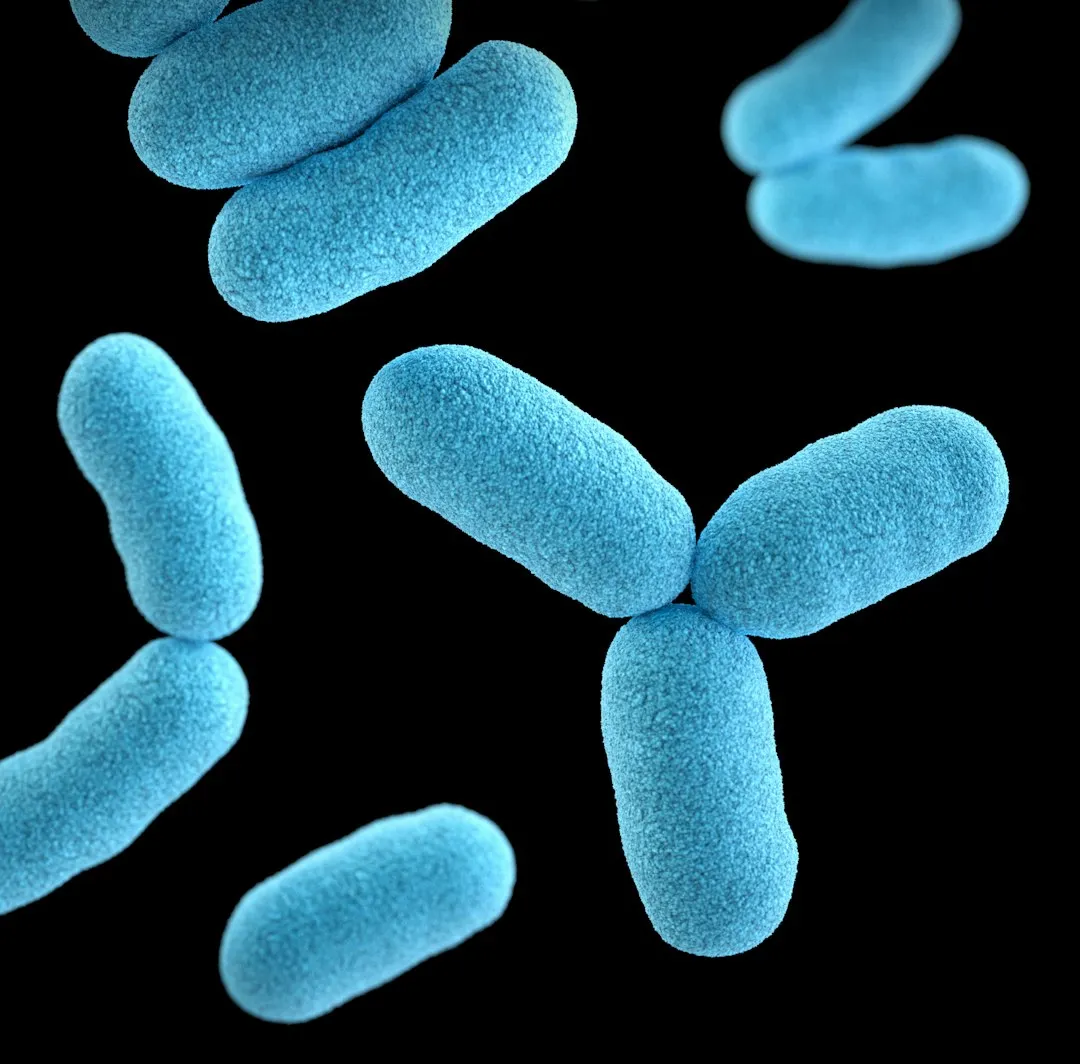
About half of coffee makers had yeast and mold growing in their reservoirs, and roughly one in ten were home to coliform bacteria. Coliform is the broader category of bacteria that includes strains associated with fecal contamination, and its presence in a kitchen appliance is a meaningful red flag.
The detection of coliform bacteria in some machines indicates that Salmonella and E. coli could potentially be present – both of which can have serious consequences if consumed. That said, actual illness from a home coffee maker is uncommon, but the conditions that allow these bacteria to grow are far more common than people realize.
The Drip Tray and Waste Reservoir Are Thriving Microbial Ecosystems
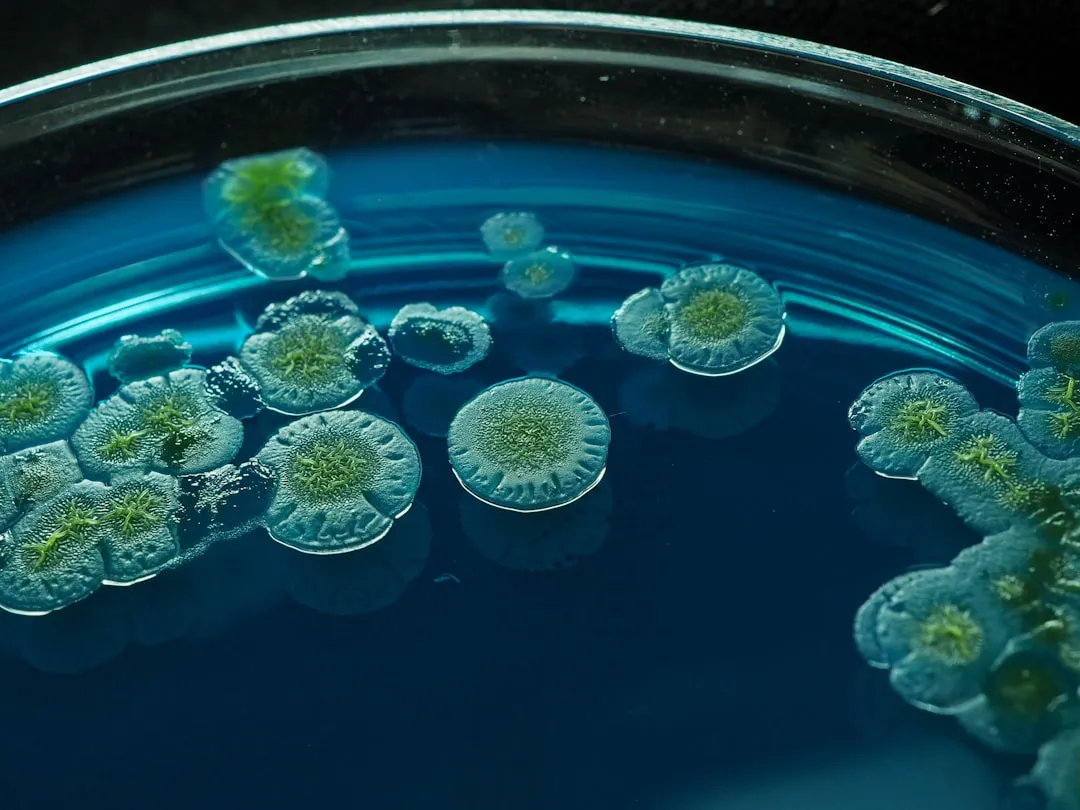
Researchers who sampled the coffee waste reservoirs of ten different Nespresso machines found a varied bacterial community in all machines sampled, along with a rapid colonization process. The community developed from a pioneering pool of enterobacteria and other opportunistic organisms to a mature, highly variable microbiome rich in coffee-adapted bacteria.
What’s notable about this research is that even a brand-new machine develops this bacterial community quite quickly once it’s put into regular use. The results revealed the existence of a varied bacterial community in all machines sampled and a rapid colonization process of the coffee leach. The drip tray, which most people empty but rarely scrub, is a primary site for this colonization.
Milk Frothers Amplify the Problem Significantly
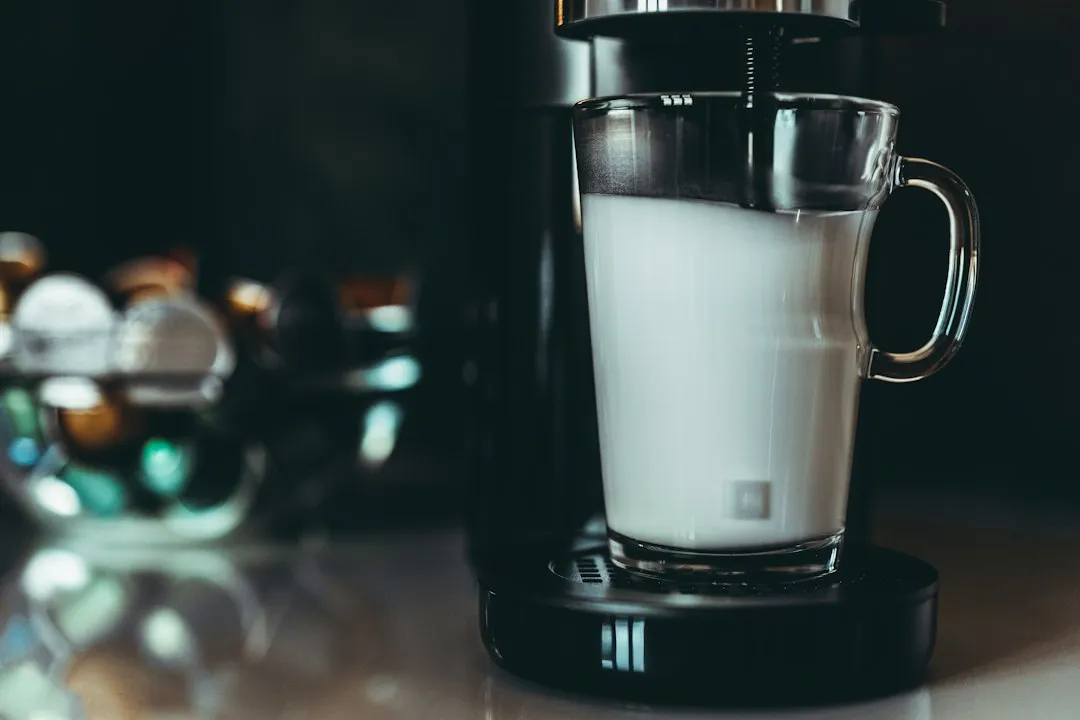
Studies have shown that neglected coffee equipment can harbor harmful bacteria and molds, especially in components exposed to milk or moisture. Milk frothers, in particular, can become breeding grounds for pathogens if not properly cleaned. Milk residue left inside the frother or internal tubing begins to break down rapidly at room temperature, giving bacteria something rich to feed on.
Cappuccino machines showed higher total viable bacterial counts, possibly due to improper cleaning of the milk frother and inner tubing. This is a common pattern across both home and commercial machines – anything that handles milk and isn’t cleaned within hours becomes a problem area.
Public and Office Coffee Machines Carry a Heavier Bacterial Load
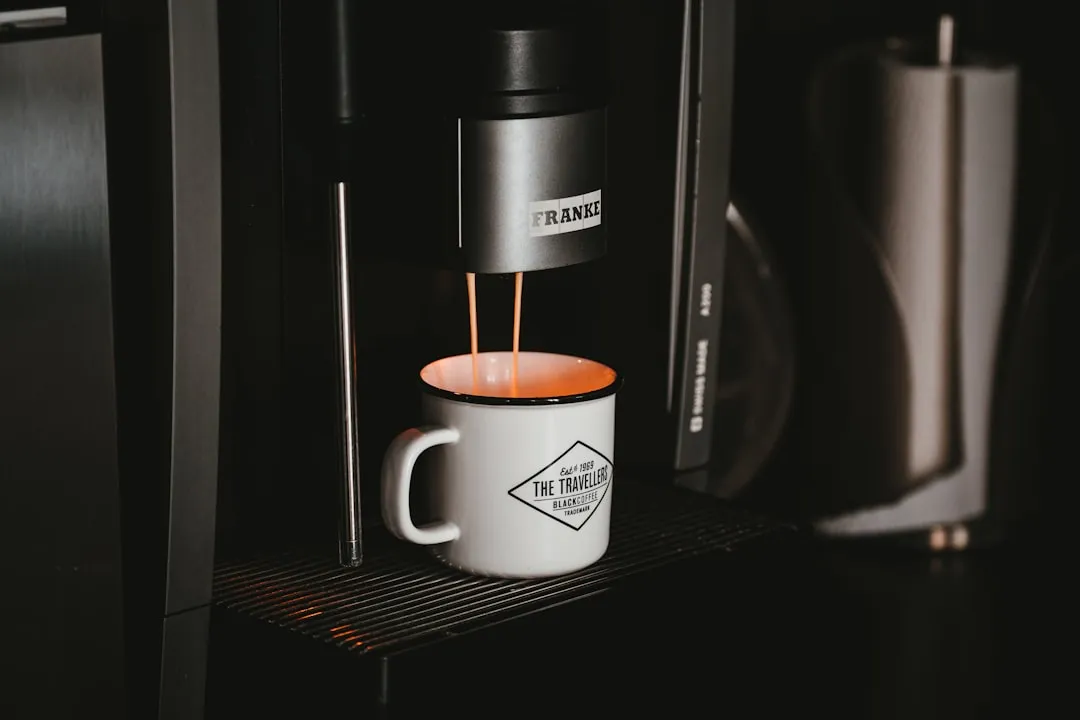
Significant microbial growth was detected on every coffee machine tested in one study, while public hospital coffee machines were about three times as heavily colonized by bacteria as home machines – with 360 strains isolated from 72 positive swabs. More hands touching the machine, combined with less personal accountability for cleaning, drives that number up considerably.
Professor Chuck Gerba, a microbiologist at the University of Arizona, noted that coffee break rooms have more bacteria than washrooms in most office buildings. In offices with a coffee pot, the handle of the pot tends to be among the germiest surfaces. It makes sense when you think about how many people use it throughout the day without ever washing their hands first.
Intestinal Bacteria Found in Commercial Coffee Machine Milk Drinks
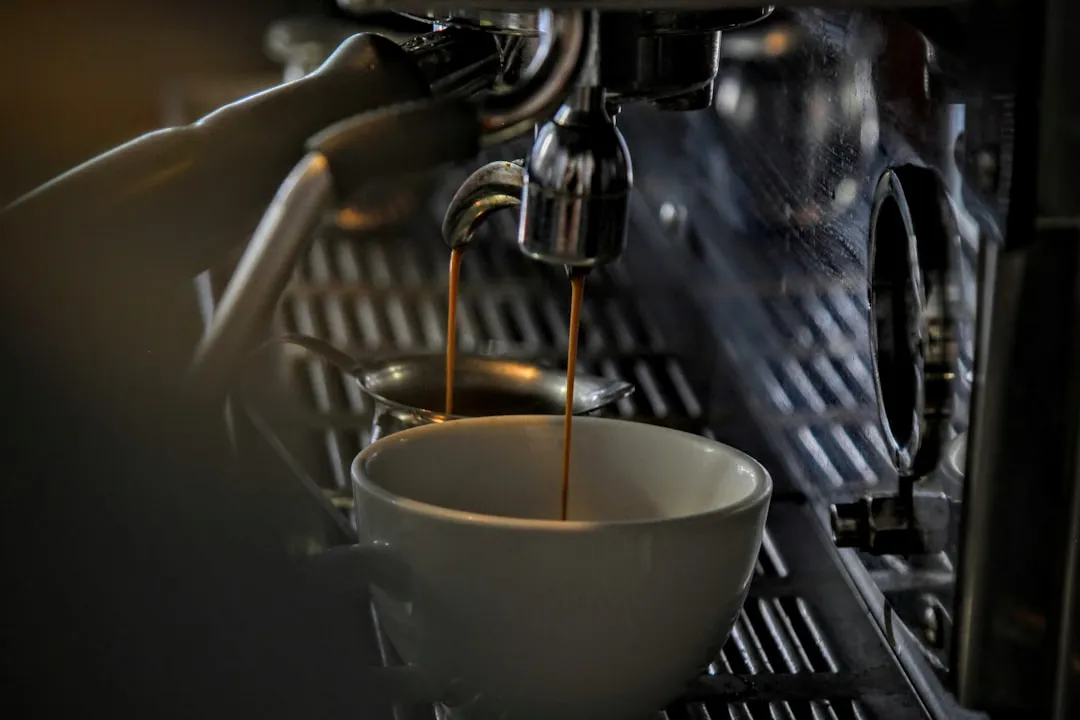
The Zurich Cantonal Laboratory found defects in one in four samples of milk drinks from coffee machines, with too many intestinal bacteria present in a number of samples. This was a real-world public health finding from Switzerland in 2024, not a controlled lab experiment – which makes it more relevant to everyday consumers.
Most coffee machines that also prepare milk drinks use pasteurized or UHT-treated milk, meaning the milk entering the machine is usually almost germ-free. The problems arise inside the machine when germs colonize milk residues. In other words, the milk itself isn’t the issue – the uncleaned interior surfaces are.
The Warm, Damp Environment Is the Real Culprit
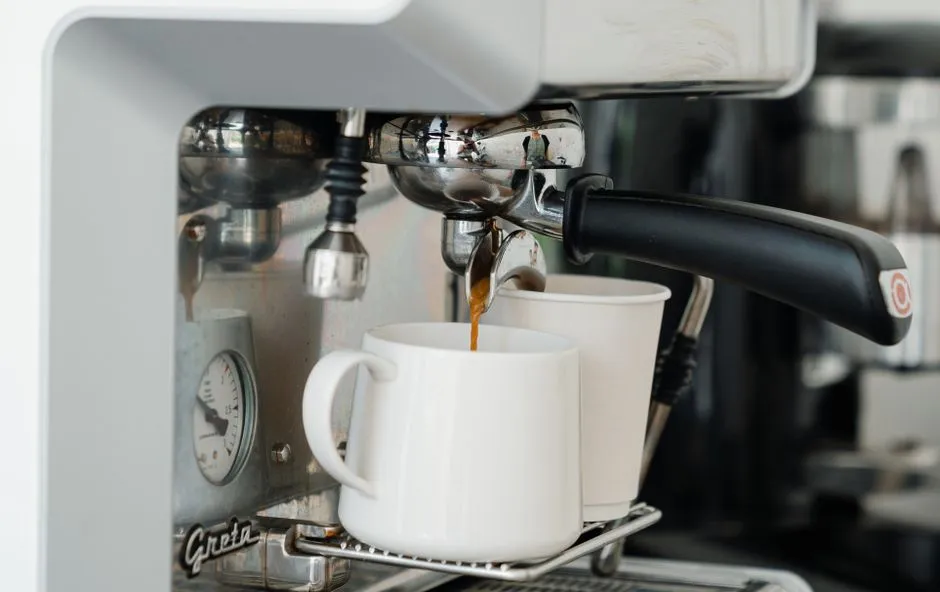
Research has suggested that coffee makers can harbor twice as many bacteria as toilet seats because the warm and damp environment inside a coffee maker creates an ideal breeding ground for microorganisms, including bacteria and mold. Temperature and moisture are the two things microbes need most, and the inside of a coffee machine provides both consistently.
The combination of leftover coffee residue, water, and the dark, enclosed space further promotes bacterial growth. Simply put, the design of a coffee maker – while efficient for brewing – is also highly efficient for cultivating microbial life when not properly maintained. Leaving water in the reservoir between uses is one of the most common habits that speeds this process along.
The One Mistake Most People Make: Not Letting It Dry
Skipping the drying step after cleaning is probably the single most widespread mistake among coffee maker owners. Leaving the reservoir lid and filter basket open helps the machine dry out between uses and can help prevent bacterial growth by reducing the amount of moisture trapped inside.
After cleaning, making sure all parts are completely dry before reassembling the coffee maker prevents mold and bacteria from growing in moist environments. A machine that’s wiped down but then immediately snapped back together traps whatever moisture remains, restarting the bacterial growth cycle almost immediately.
How Often You Should Actually Be Cleaning It
Most people clean their coffee maker far less often than the evidence suggests they should. The frequency of descaling depends on the hardness of your water and how often you use the machine, but in general, descaling should happen about once a month if you brew daily.
Cleaning experts recommend cleaning the coffee maker each time it’s used and giving it a thorough deep clean at the end of the day, so it doesn’t sit around dirty overnight. Descaling should happen every month or every hundred cups of coffee, whichever comes first. For the actual descaling solution, vinegar is a cost-effective and safe method, since it’s a natural cleaner that effectively breaks down calcium deposits and keeps the machine clean.
Practical Steps That Actually Make a Difference
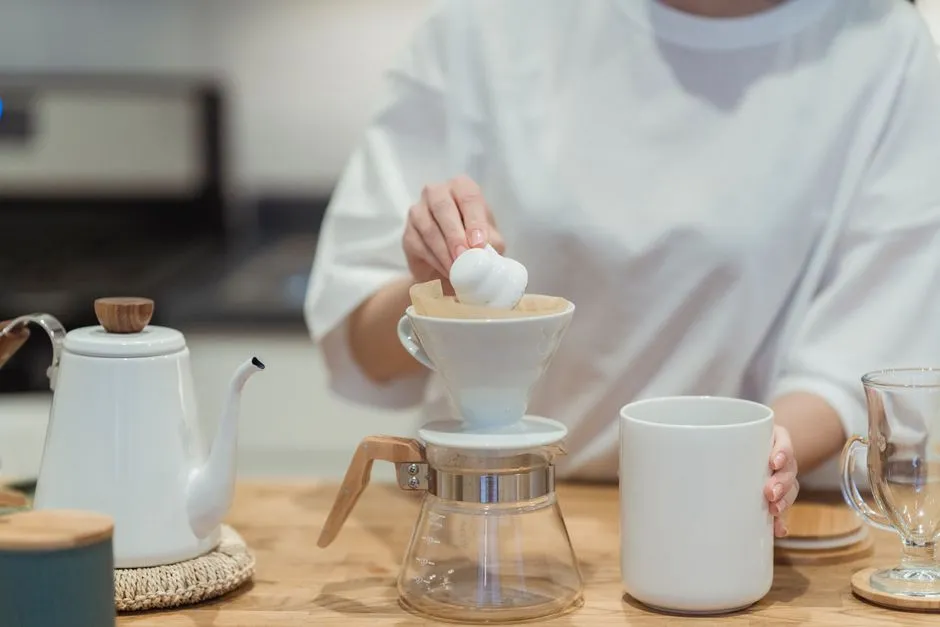
The good news is that none of this requires expensive equipment or a lot of time. Using filtered water reduces mineral buildup significantly, especially for those in hard water areas. Mineral deposits create surface texture that gives bacteria more places to cling and colonize, so softer water genuinely helps.
Emptying the carafe immediately after brewing and leaving the reservoir lid open to allow air drying between uses discourages mold growth effectively. A more thorough weekly cleaning should include washing all removable parts – the carafe, filter basket, and any detachable components – with warm, soapy water to remove coffee residue and oils.
The Takeaway
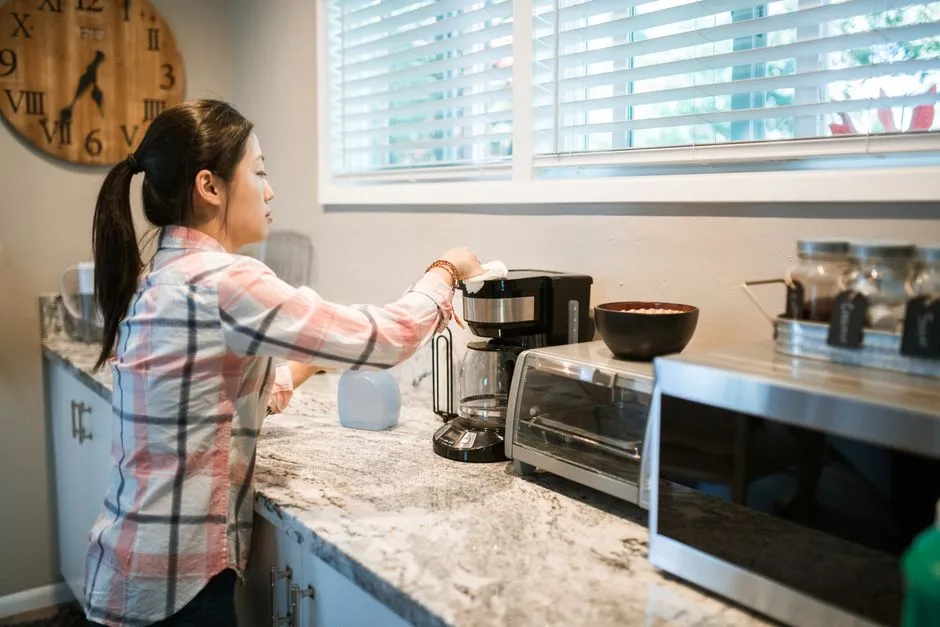
The mistake isn’t using a coffee maker. It’s assuming the machine cleans itself because hot water runs through it. Hot water doesn’t sterilize the reservoir, the drip tray, or the internal tubing – it just brews the coffee. The bacteria that grow in those overlooked spaces can accumulate to remarkable levels before any visible sign of a problem appears.
Regular cleaning, proper drying, and monthly descaling aren’t optional extras – they’re the baseline for using this appliance safely. Your coffee maker is one of the most-used items in your kitchen. It deserves more than a weekly carafe rinse, and so does the cup of coffee it makes you every single morning.
AI Disclaimer: This article was created with the assistance of AI tools and reviewed by a human editor.