

The “Just in Case” Habit That Never Stops Growing

One of the most common and least recognized clutter triggers is the “just in case” mindset. People keep items they don’t use, need, or even particularly want, simply out of fear they might need them someday. Clutter can be defined as having a disorganized and overwhelming amount of possessions, including things kept even though they are not used, needed, or wanted.
An overabundance of possessions may impede one’s quality of life by interfering with space livability, social connections, and by prompting negative affect and financial problems. That’s a meaningful cost for items that rarely, if ever, get used. The logic of “just in case” feels rational in the moment, but the accumulated weight of hundreds of those small decisions is anything but.
Your Brain Is Already Paying the Price
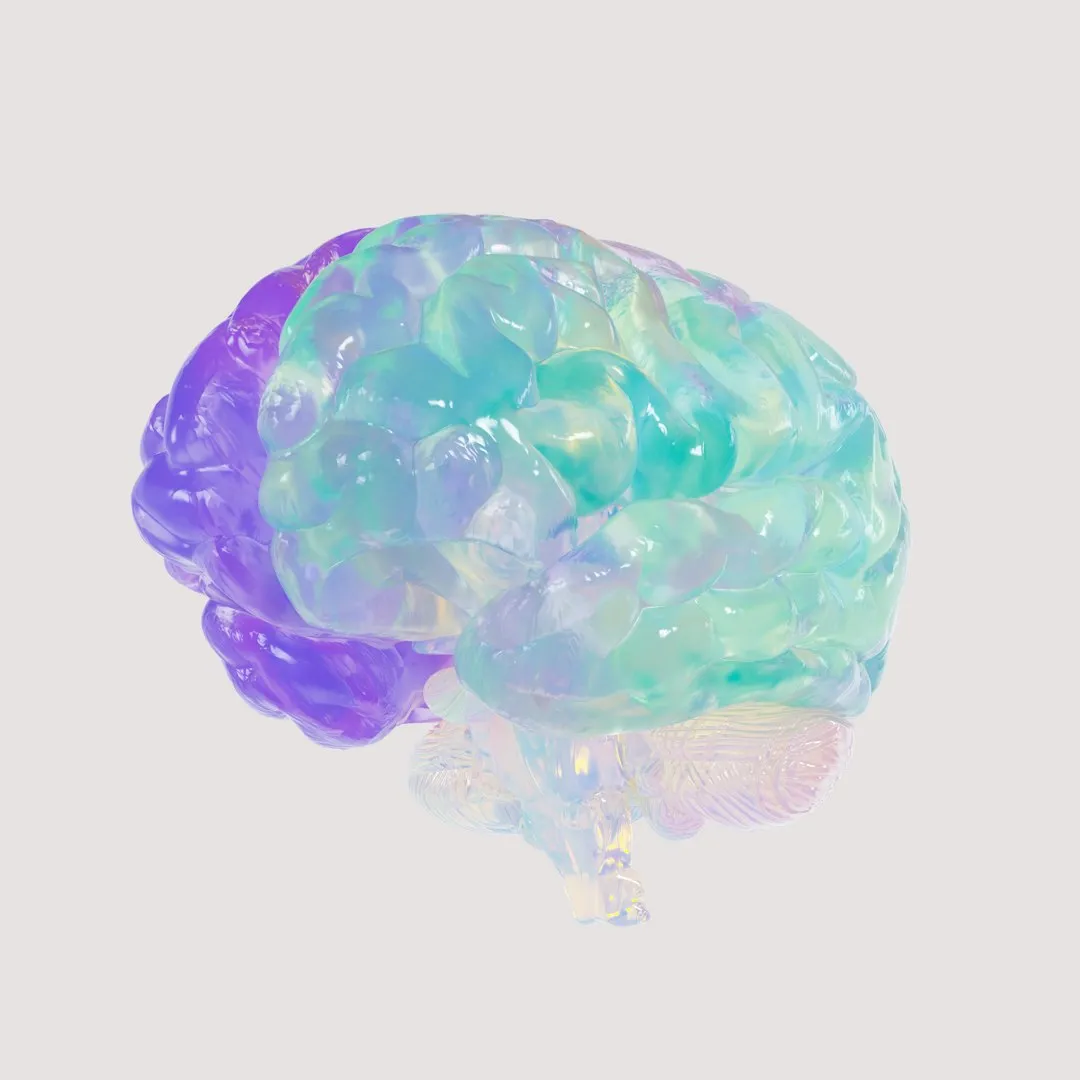
A 2024 study by Yale researchers found that visual clutter alters information flow in the brain’s primary visual cortex, directly reducing your ability to concentrate. This is not a vague feeling. It’s a measurable neurological effect happening whether you’re consciously bothered by the mess or not.
Over time, the brain learns to tune out persistent mess, but this suppression carries a metabolic price: greater activation of the anterior cingulate cortex, the region that suppresses competing stimuli. The result is mental fatigue, even if you believe you’ve stopped noticing the mess. That quiet drain is easy to mistake for tiredness, low motivation, or simply a bad day.
The Cortisol Connection: Clutter as a Chronic Stressor

Clutter can trigger the release of the stress hormone cortisol, which increases tension and anxiety and can lead to unhealthy habits. Cortisol is produced by the hypothalamus-pituitary-adrenal axis, and chronic clutter can create prolonged stress, throwing people into a state of low-grade, perpetual fight-or-flight.
Research published in Personality and Social Psychology Bulletin and related investigations suggests that cluttered environments correlate with cortisol elevations ranging from about 18 to 25 percent compared to organized spaces. That’s a significant hormonal burden to carry as a background condition of daily life. Most people absorb this stress without ever connecting it to the boxes in the corner or the counter they can’t quite clear.
The Gender Gap in Clutter Stress Is Real
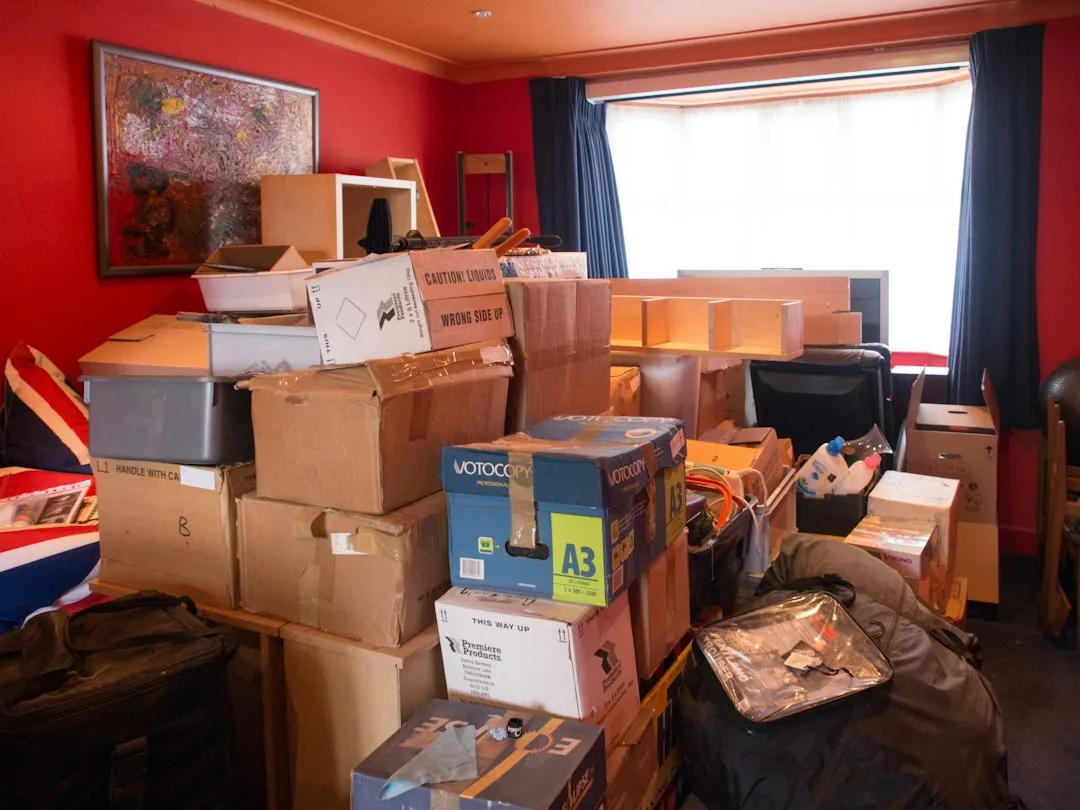
Women find a cluttered home more stressful than men do, on average, and this leads to detrimental daily patterns of the stress hormone cortisol. While stressful home scores did not influence husbands’ moods, for wives, a higher stressful home score was associated with a more depressed mood as the day went on.
The UCLA research also revealed notable gender differences in cortisol response to household clutter. Women who used more stressful descriptors for their homes showed steeper cortisol increases during home tours, while men’s cortisol levels remained relatively stable regardless of clutter levels. This doesn’t mean men are unaffected, only that the burden often lands unevenly in shared spaces.
Procrastination and Clutter Are a Closed Loop
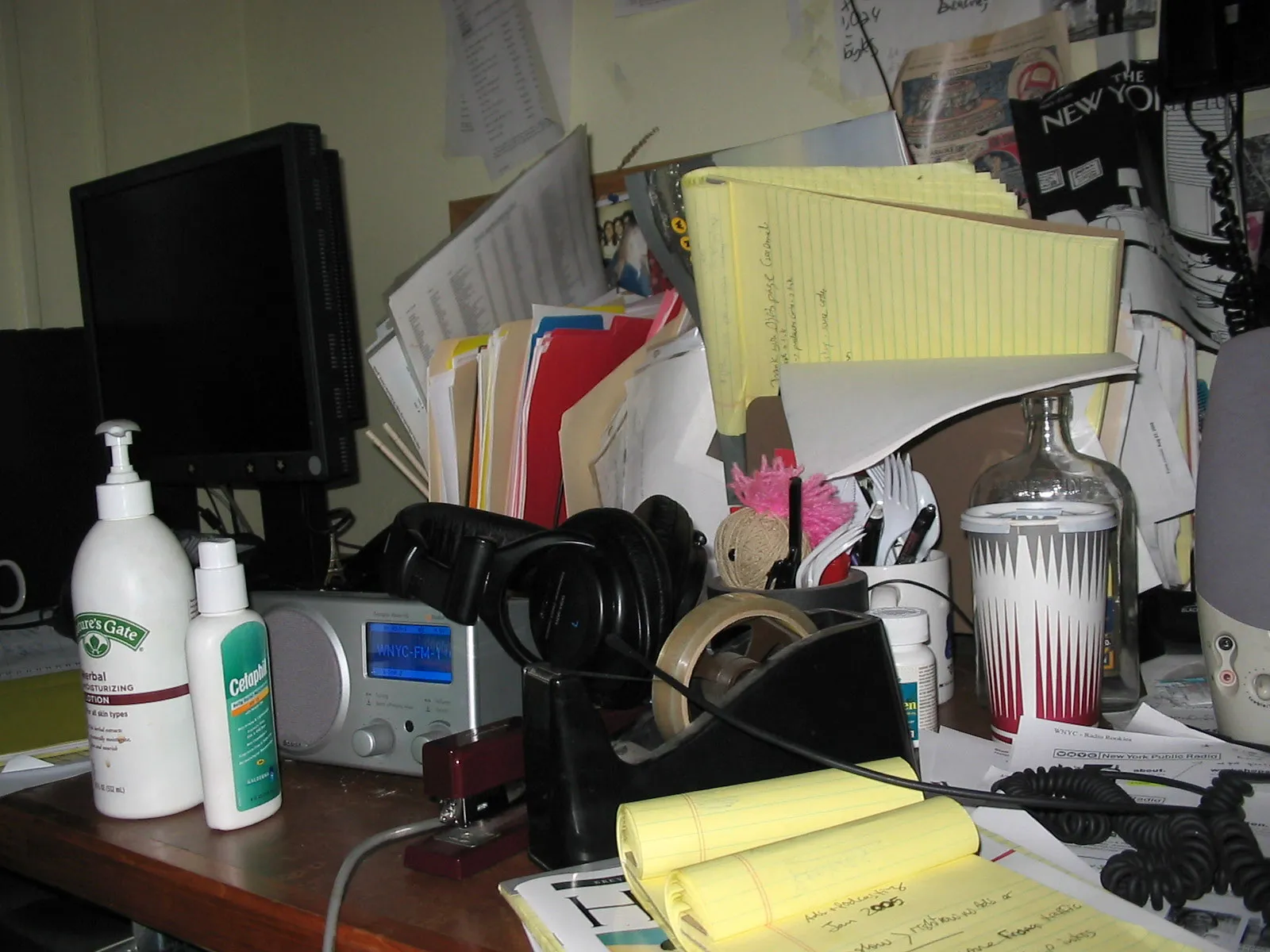
Clutter and procrastination feed each other in a cycle. When your space is disorganized, starting a task feels harder because you first need to clear space, find your materials, and mentally transition. That friction leads to avoidance, which leads to more clutter, which leads to more avoidance.
Procrastination has been identified as a predictor of clutter accumulation. Reciprocal causation is also possible: low well-being leads to increased clutter, which in turn makes well-being worse. Recognizing this loop is genuinely important, because breaking it requires addressing both sides simultaneously, not just tidying up and hoping the avoidance disappears on its own.
Life Satisfaction Drops With Every Added Layer

A 2025 study in the Journal of Environmental Psychology found that people who considered their homes more cluttered had lower levels of well-being and life satisfaction, as well as higher levels of negative feelings. These were not people with clinical hoarding disorder. They were ordinary adults living with ordinary levels of accumulated stuff.
The Journal of Environmental Psychology also tracked the psychological impact on around 1,600 different adults in an earlier study. That research revealed a clear negative impact and a significant correlation between the level of clutter and overall life satisfaction. The higher the clutter levels rose, the more stress subjects reported, and the lower their life satisfaction scores sank.
Digital Clutter Is the Trigger Nobody Sees
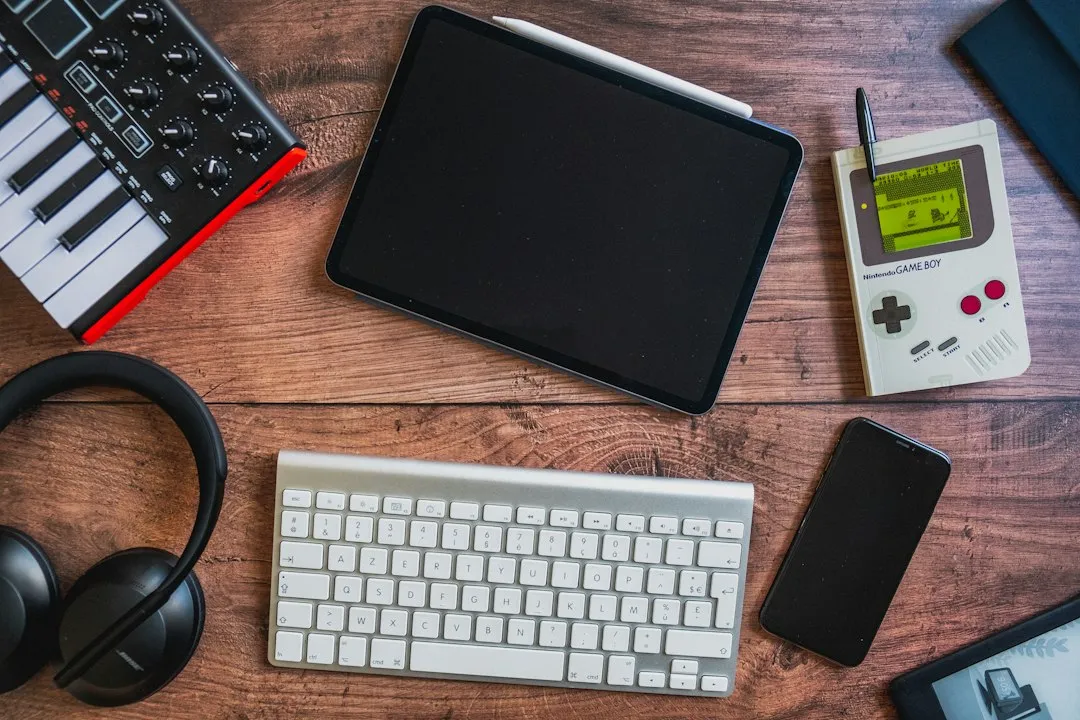
Your physical desk might be spotless, but digital clutter activates many of the same stress responses as physical mess, and for the millions of people who work from home, this creates a compounding effect that researchers are just beginning to understand. Hundreds of unread emails, unused apps, and browser tabs left open are not neutral background noise.
Research shows that digital clutter can increase anxiety, reduce focus, and even disrupt sleep patterns. Too much digital hoarding is also linked to increased stress, decision fatigue, and procrastination. Studies suggest that while physical clutter can reduce productivity by roughly 15 percent, digital and mental clutter can cut performance by nearly a third, more than double the impact, and digital clutter is especially draining as it constantly taxes cognitive resources.
Clutter Quietly Steals Your Sleep
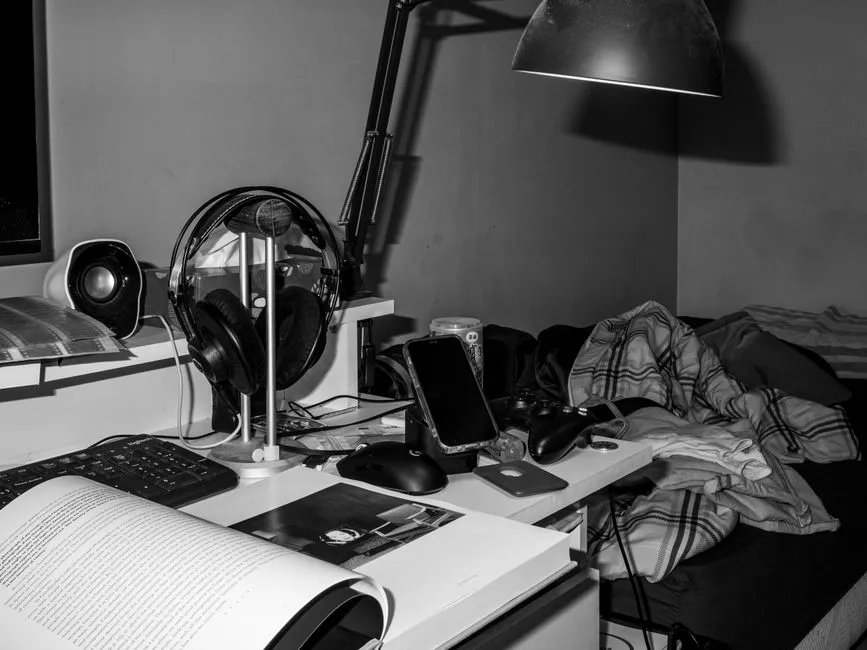
A study published in the journal Sleep found that people in cluttered rooms take longer to fall asleep and experience more restless nights. The visual presence of unfinished tasks and physical disorder signals to the brain that the day is still unresolved, making it harder to fully switch off.
A study in the Sleep journal linked bedroom messiness with delayed sleep onset and fragmented REM cycles. The brain struggles to downshift when piles of unfinished business sit within view. Poor sleep then compounds the other effects: lower focus, higher irritability, and less energy to actually deal with the clutter the next day.
Emotional Clutter: The Invisible Layer Underneath

For some people, clutter creates a constant low-grade stress response as their brain struggles to filter out irrelevant visual information. Others experience shame, overwhelm, or a sense of losing control over their environment. The effects can include difficulty concentrating, increased irritability, sleep disruption, and avoidance of having guests over.
There is a clear link between clutter and depression, with an increase in clutter triggering elevated levels of depression and mood disorders and a lower sense of psychological health. Emotional attachment to objects, unprocessed grief, or a period of burnout can each quietly accelerate accumulation. The clutter becomes a symptom, not just a cause, and treating it as purely a tidying problem misses the point entirely.
The Moment It Becomes Overwhelming Has a Pattern

A 2025 study of 501 adults found that greater home clutter was associated with lower mental well-being, lower life satisfaction, less positive affect, and more negative affect. The relationships were relatively modest, and researchers were careful to point out that because the study was cross-sectional, it cannot establish that clutter caused lower well-being. Still, the consistent direction of findings across multiple studies is hard to ignore.
Therapy may be worth considering if clutter is significantly impacting daily life, relationships, or mental health. Warning signs include avoiding having guests over, feeling shame about your living space, procrastinating on important tasks due to environmental chaos, or experiencing panic attacks when trying to organize. If multiple organizing approaches have failed to produce lasting results, therapy can address the root psychological factors maintaining the problem.
The Takeaway
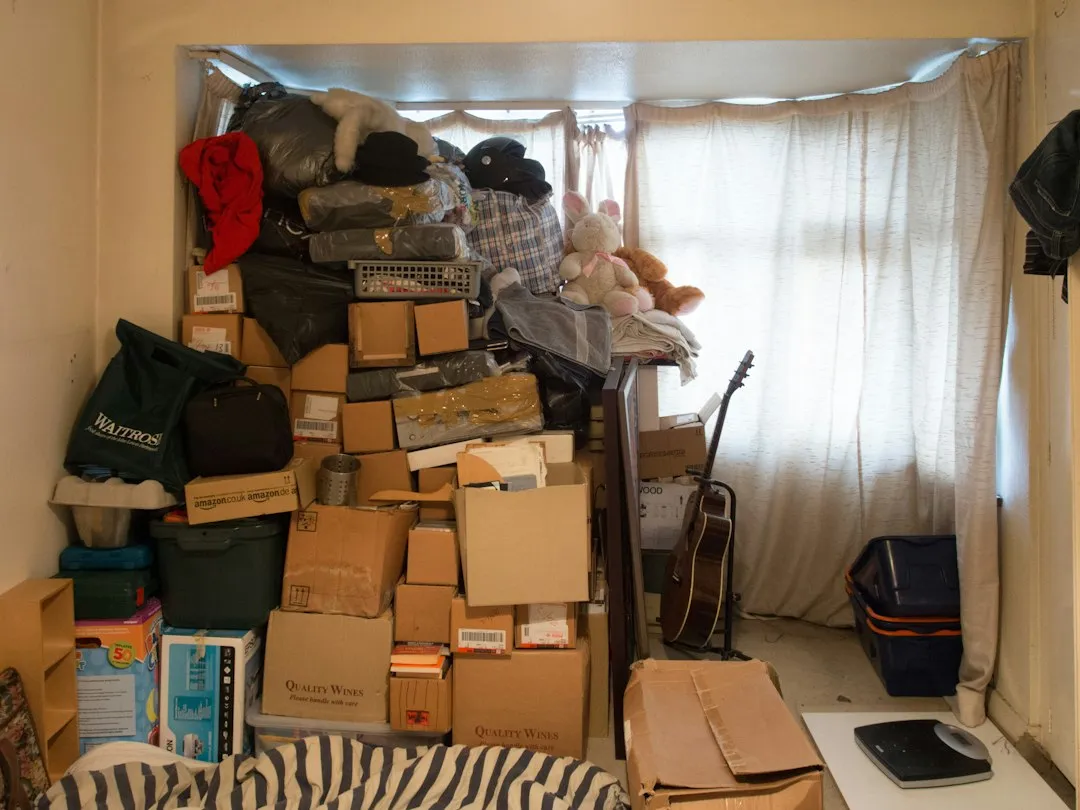
Clutter doesn’t usually arrive all at once. It accumulates through small, repeated decisions that feel harmless in isolation: keeping things “just in case,” delaying a digital clean-up, letting one surface become two. By the time it feels overwhelming, it’s been building pressure for a long time.
The research is fairly consistent in showing that the toll is real, measured in cortisol levels, sleep quality, focus, and life satisfaction. Noticing the invisible triggers, the emotional attachments, the digital backlog, the procrastination loop, is not about perfectionism. It’s about reclaiming the mental bandwidth that clutter quietly takes without asking.
AI Disclaimer: This article was created with the assistance of AI tools and reviewed by a human editor.