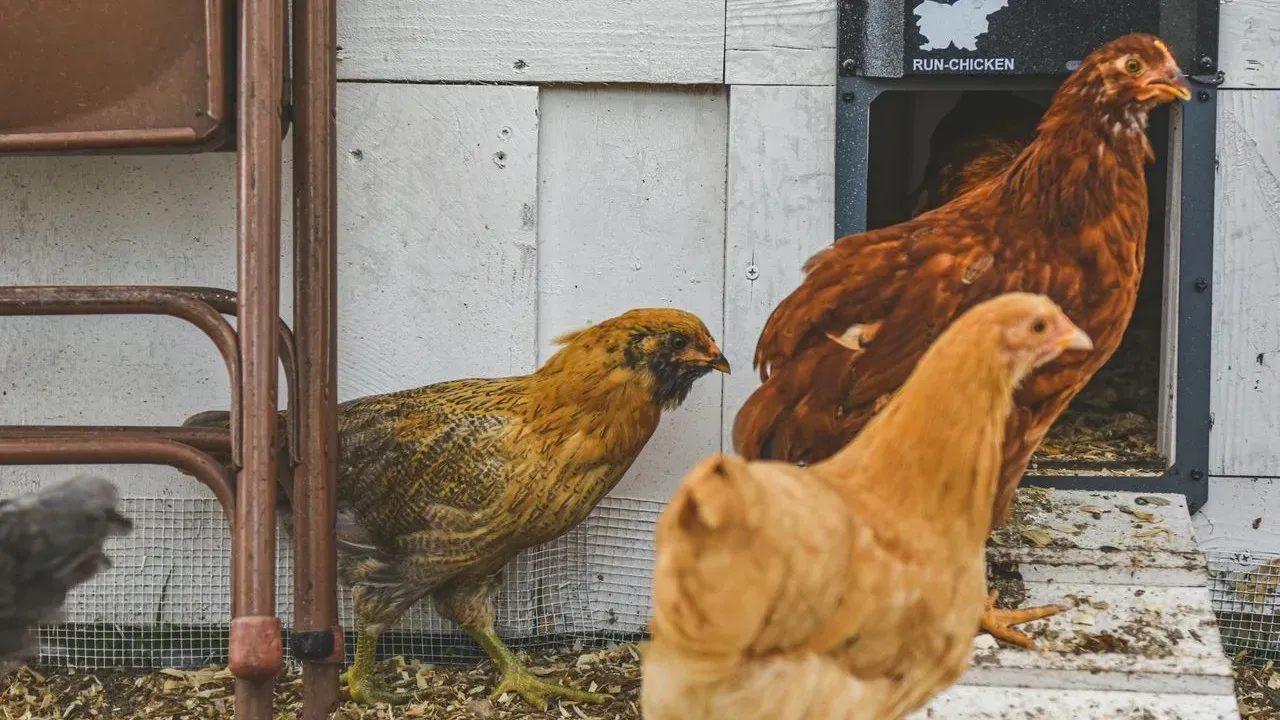

Backyard chicken keepers often face the same early-morning and late-evening obligation regardless of the weather. When temperatures drop and daylight fades quickly, the walk to the coop becomes a chore that many would rather avoid. Automatic chicken coop doors address this routine by handling the opening and closing on a schedule or through light sensors, giving keepers more flexibility during the colder months.
The Familiar Chore That Wears on Keepers
Many people who raise chickens in their yards describe the same pattern each day. They step outside at dawn to let the birds out and return at dusk to secure the coop against the night. In fall and winter the task grows more demanding because low light and cold air make the trip less appealing. The repetition adds up over weeks and months, especially for those with busy schedules or limited mobility. ([1])
Predators add another layer of concern. Raccoons, foxes, and other animals are active at night and can exploit an unsecured door. Manual operation leaves room for human error when someone forgets the final check or arrives home late. These pressures turn a rewarding hobby into something that feels more like an obligation during the darker season.
How Automation Eases the Load
Automatic chicken coop doors operate on timers or sensors that respond to sunrise and sunset. Once installed, the system manages the daily cycle without further input from the keeper. This shift removes the need to bundle up and head outside in the dark or during freezing temperatures. Keepers report greater peace of mind knowing the door follows a consistent pattern even when their own routine changes.
The convenience extends beyond simple scheduling. Many models include battery backup or solar options that keep the mechanism running during power outages or remote setups. Installation typically involves mounting the unit over the existing opening and programming the basic settings. After that initial step, the daily chore largely disappears from the keeper’s list.
Added Security for the Flock
Predator protection ranks high among the reasons keepers consider automation. A door that closes reliably at dusk reduces the chance of an open entry point overnight. Some units include reinforced materials or locking features that make forced entry more difficult. This layer of security works alongside good coop construction to keep the birds safer without constant human oversight.
Keepers who have dealt with losses in the past often notice the difference once automation is in place. The door no longer depends on someone remembering the final task after a long day. Consistent closure also limits the window during which curious animals can investigate the coop. The result is a more stable environment for the flock through the winter months.
Practical Benefits During Cold, Dark Mornings
Winter brings shorter days and earlier sunsets that compress the time available for outdoor tasks. Automatic doors align with these changing conditions so the coop stays on the birds’ natural rhythm. Keepers can focus on other responsibilities or simply enjoy a later start without worrying about the flock. The technology supports both the animals’ welfare and the keeper’s quality of life.
Many users also appreciate the reduced exposure to harsh weather. Fewer trips through mud, snow, or icy paths mean less wear on boots and clothing. The system handles the exposure instead, which matters when temperatures stay low for weeks at a time. Over an entire season the accumulated time and effort saved becomes noticeable.
Key points to weigh before adding automation:
- Power source options and backup reliability
- Compatibility with existing coop size and door opening
- Sensor accuracy in varying light conditions
- Durability of materials in cold and wet weather
- Simple override features for manual use when needed
Automatic chicken coop doors represent a practical response to the seasonal challenges that backyard keepers face each year. By handling the daily cycle and strengthening predator protection, these systems restore flexibility to a routine that otherwise demands attention at inconvenient hours. The upgrade fits the needs of anyone who values both convenience and the safety of their flock as winter approaches.
AI Disclaimer: This article was created with the assistance of AI tools and reviewed by a human editor.