

Understanding winter citrus means rethinking a few assumptions about when fruit tastes best. The following gallery of varieties offers a closer look at ten standout citrus fruits that reach their fullest flavor right in the heart of winter.
Navel Oranges: The Dependable Winter Classic
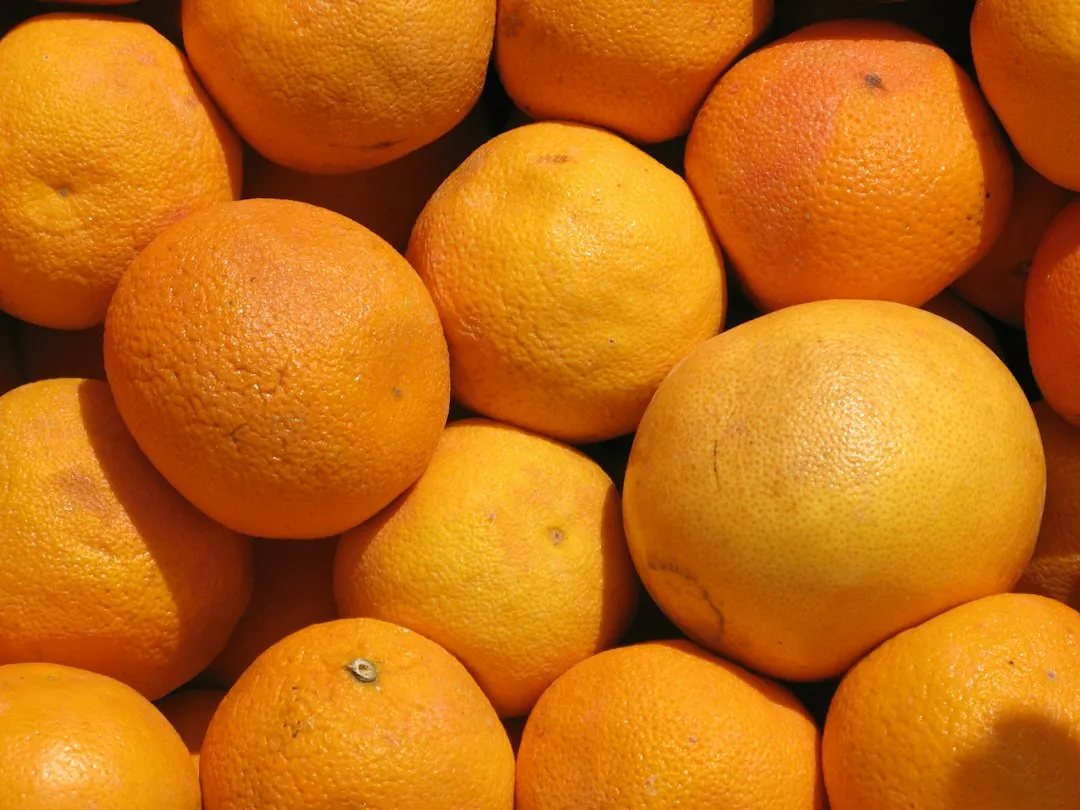
Navel oranges are at their best from about December to March, and they’ve earned their reputation as a winter staple through sheer consistency. Their growing season runs from November to May, making them an ideal citrus to enjoy in the winter and early spring months. Navel oranges have a sweet and robust flavor, with a juicy and meaty texture that holds up well both for snacking and cooking.
A medium orange contains about 70 mg of vitamin C, fulfilling roughly 78% of the recommended dietary allowance for adult women and about 93% for adult men. That makes the navel orange not only a pleasure to eat but a genuinely useful nutritional source during cold-season months.
Blood Oranges: Winter’s Most Dramatic Fruit
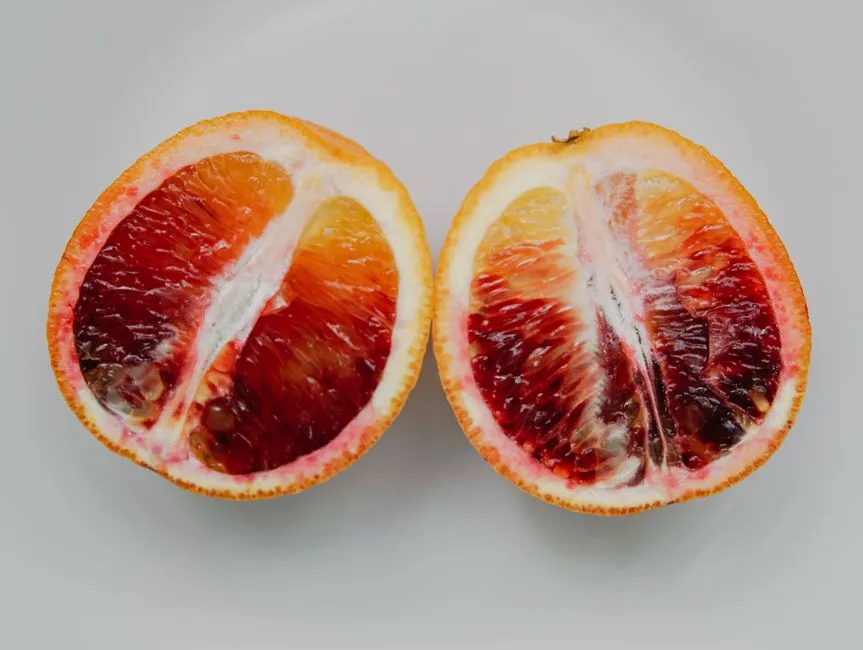
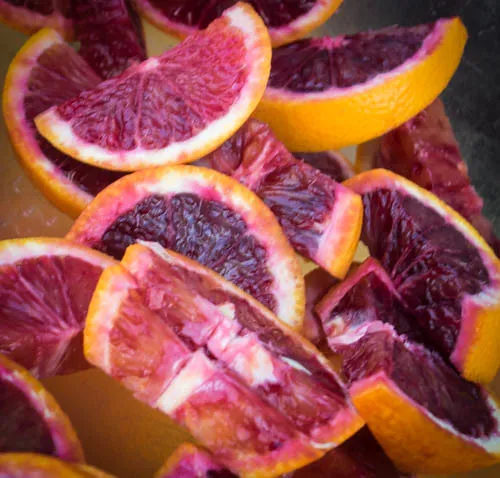
Blood oranges have a relatively short season compared to other oranges, running from December through April, which makes their winter availability a prized treat during the colder months. Their complex flavor profile is a result of anthocyanins, the same natural pigments that give blueberries and raspberries their color, which develop in the flesh and sometimes the rind when the fruit experiences cold nights.
There are various types of blood orange, including the Tarocco, which boasts the highest vitamin C content of any orange variety, along with the Sanguinello, Moro, and Red Valencia. The fact that cold temperatures are what trigger the deep crimson color makes the blood orange a genuinely winter-born fruit.
Cara Cara Oranges: The Berry-Scented Surprise
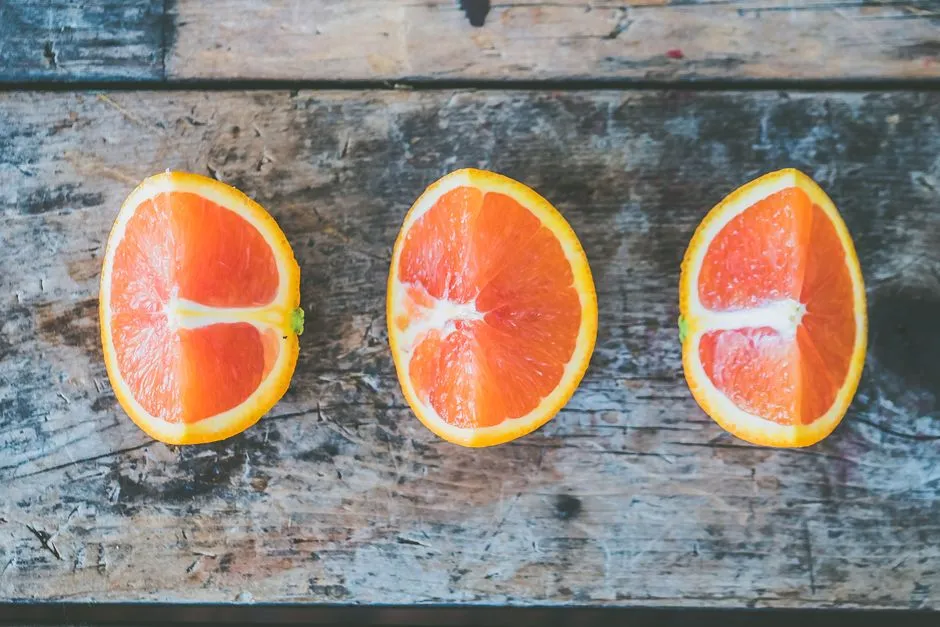
Cara Cara oranges are a hybrid of two different navel oranges, the Washington navel and the Brazilian Bahia, and unlike the traditional navel, they have pinkish-red flesh and a milder, slightly more tangy flavor profile. They are considered a mid-winter fruit, with a shorter seasonality than many other citrus types, available between December and April when they are at their peak.
Their aromatic flavor is low in acid and richly sweet with notes of berries. The Cara Cara also contains more vitamin C and vitamin A compared to the most common type of navel orange, which adds a layer of nutritional interest to their already exceptional taste.
Clementines and Mandarins: Easy Peeling, Hard to Stop Eating
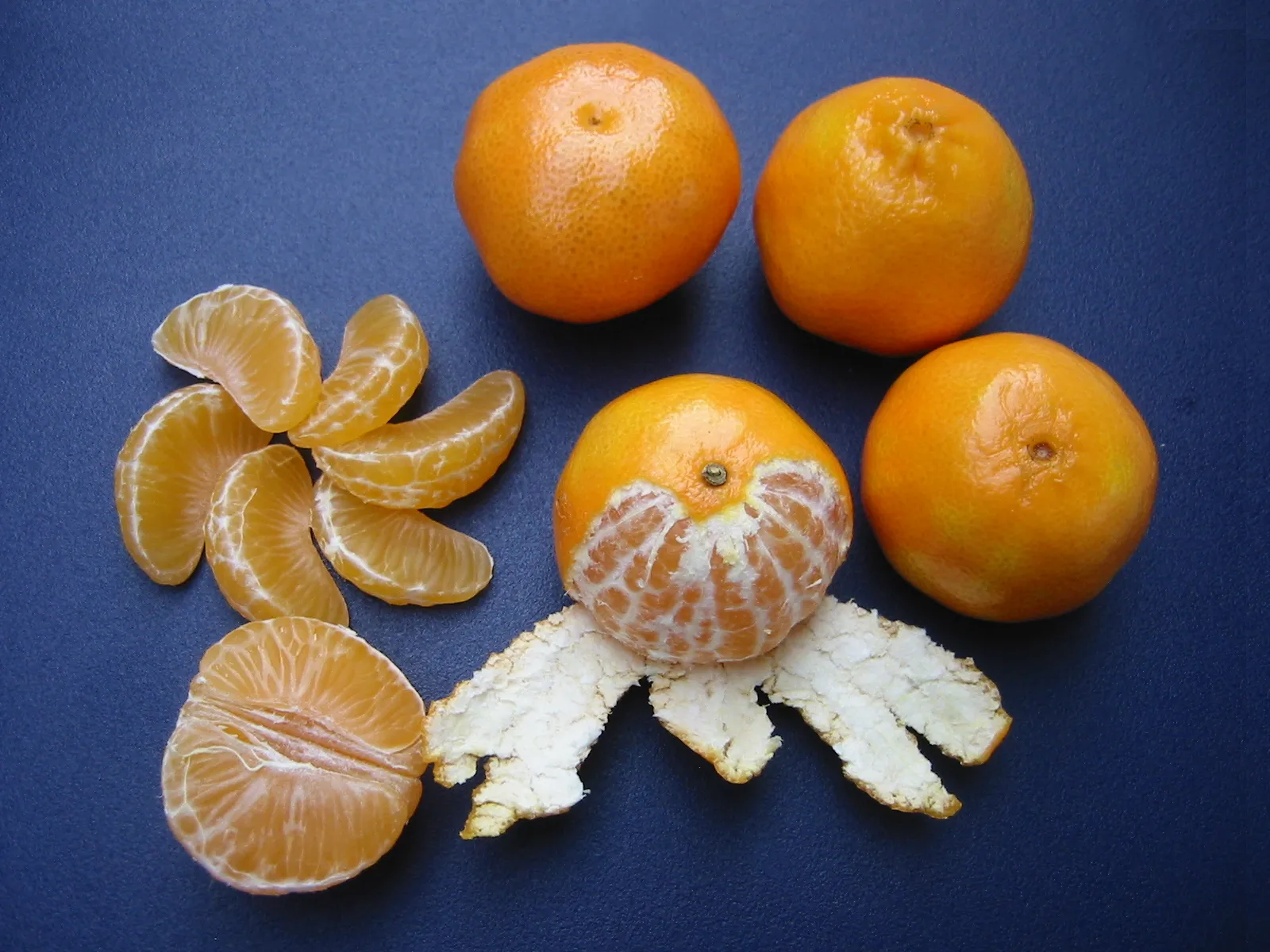
These small citrus fruits are in season from November through March, with clementines peaking between October and January. The terms “mandarin” and “tangerine” are often used interchangeably for the same type of small, sweet citrus, and they rank among the best winter fruits because they’re typically sweet, easy to peel, and convenient to snack on.
California mandarin season for Wonderful Halos, for instance, begins in November and runs through May. Their thin skins and segment-friendly structure make them a natural choice for lunches, lunchboxes, and late afternoons when you want something sweet without any real effort.
Meyer Lemons: The Softer, Sweeter Lemon
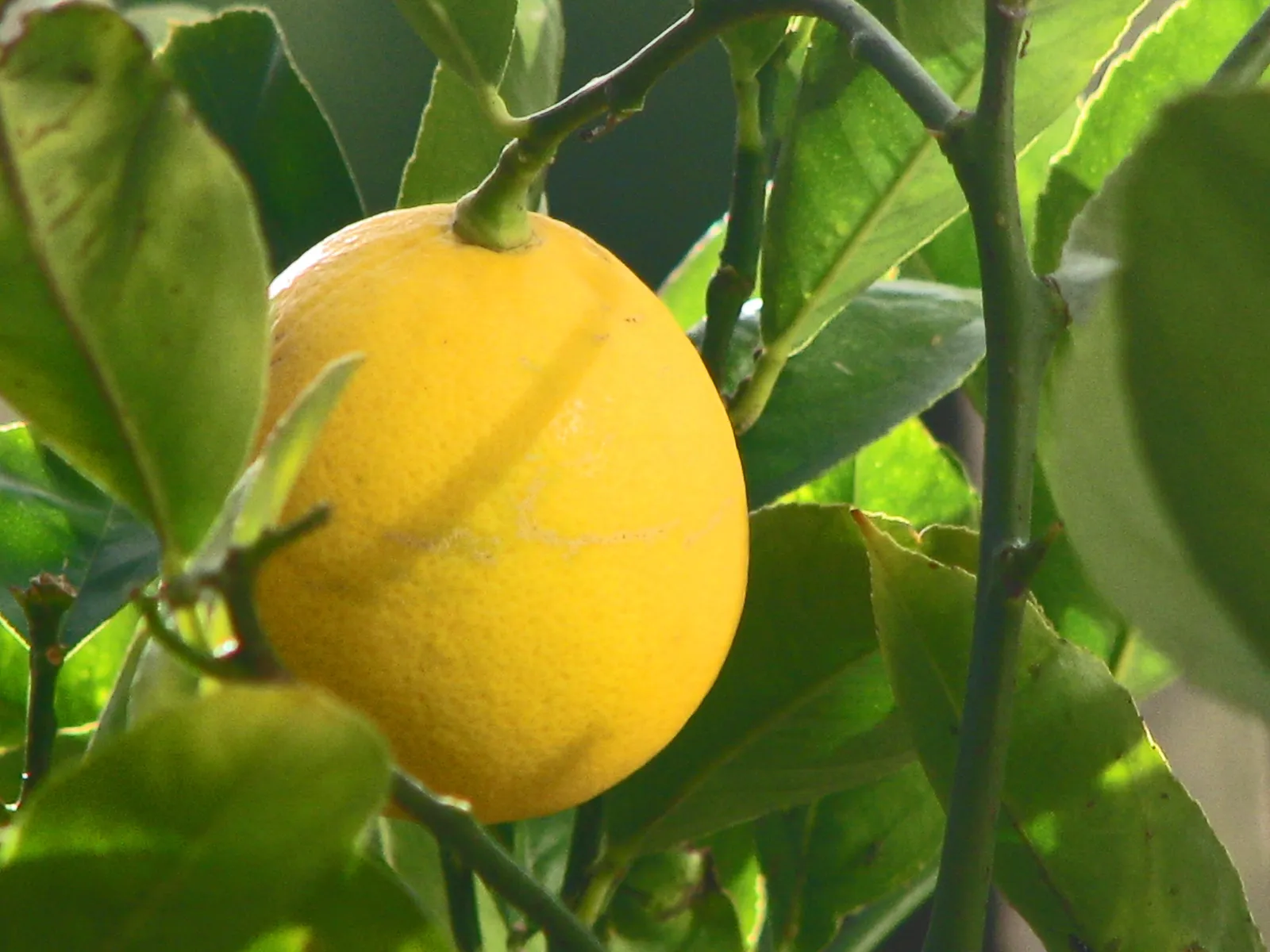
Meyer lemons follow a winter window from roughly December to February in the Northern Hemisphere, setting them apart from the year-round commercial lemon. The Meyer is believed to be a cross between a standard lemon and a mandarin or orange, and that hybrid origin explains why it tastes noticeably sweeter and less sharp than what most people picture when they think “lemon.”
From December until mid-February, Meyer lemons arrive alongside some of the best eating varieties of the season, including heirloom navel oranges and full-colored Cara Cara navels. Their thin rind and fragrant zest make them especially prized by bakers and cooks who want lemon flavor without the sting of high acidity.
Grapefruit: Peak Sweetness Comes in the Cold
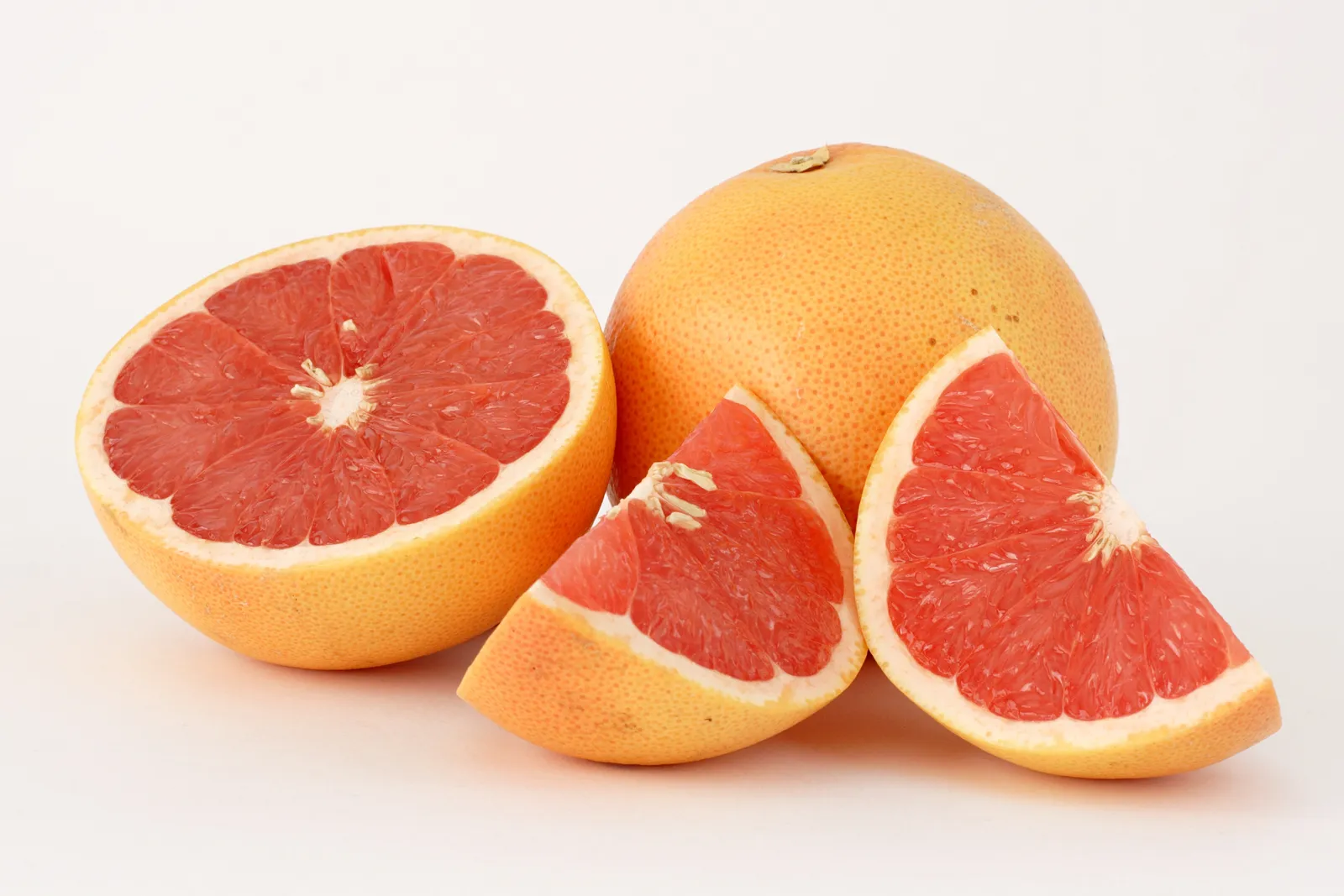
Grapefruits reach optimal sweetness from October through April, which surprises many people who assume tropical-looking fruit should peak in warmer months. Florida produces a substantial portion of the total citrus in the United States, making it a crucial source for winter citrus fruits, and grapefruit is among the state’s signature crops.
Grapefruit contains about 31 mg of vitamin C per 100 grams, along with meaningful levels of vitamin A, potassium, and dietary fiber. The Ruby Red variety in particular grows sweeter as the season progresses into January and February, making mid-winter the best time to catch it at its most balanced.
Pomelo: The Quietly Magnificent Giant
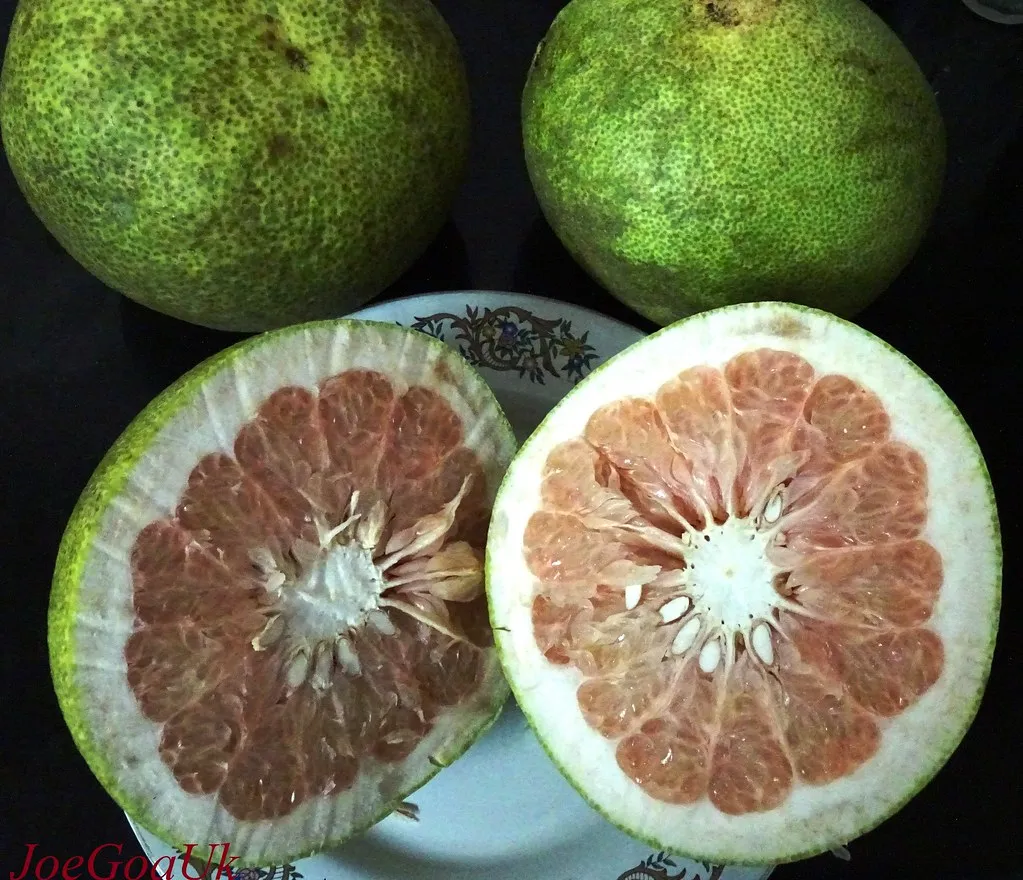
Pomelos follow a late fall to early spring season, roughly from November through March. They are the largest citrus fruit in the world and the ancestor of the modern grapefruit, though their flavor is gentler and considerably less bitter. The thick, cushiony pith can be intimidating at first glance, but the segments inside tend to be dry in texture, intensely sweet, and easy to pull apart.
Citrus fruits like the pomelo offer a range of health benefits due to their rich nutritional profile, including vitamin C, flavonoids, carotenoids, and fiber. Pomelos remain underappreciated in most Western grocery stores, but specialty Asian markets and farmers markets during the winter months are reliable places to find them at their best.
Satsuma Mandarins: First Arrivals of Citrus Season
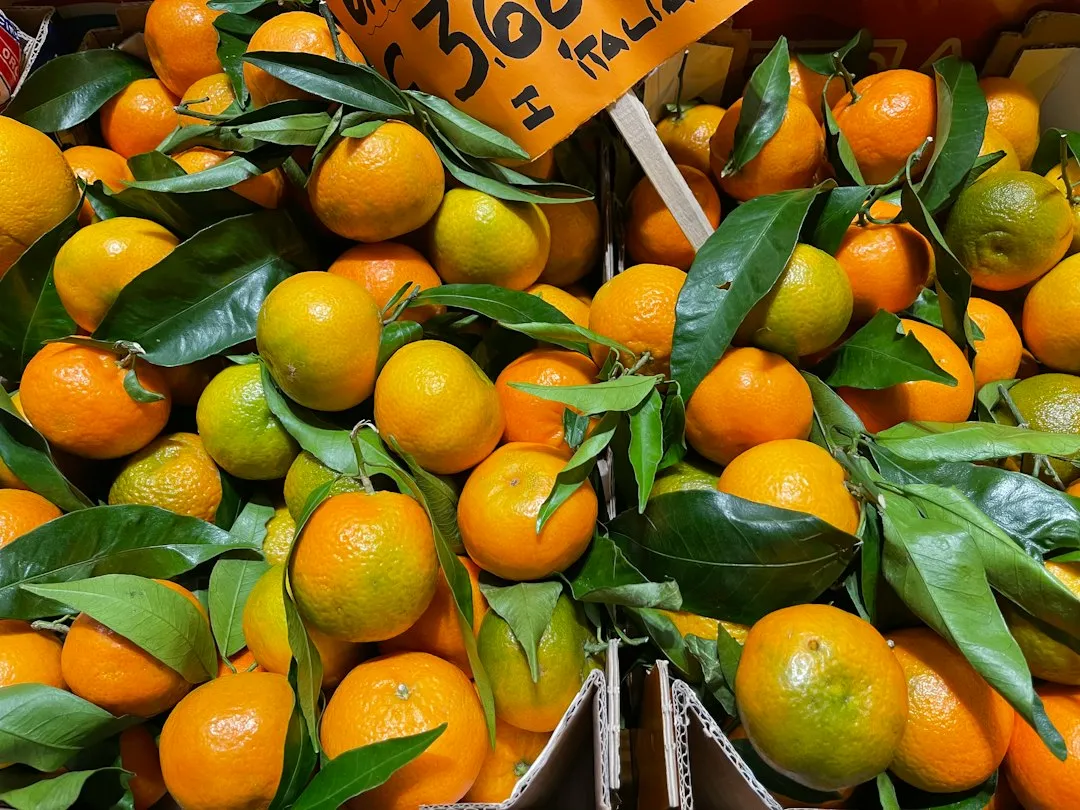
Citrus season starts around November 1st with Satsuma mandarins, which are among the first early varieties to mark the beginning of winter citrus. Satsumas are a Japanese variety, and they are particularly valued for their loose skin that practically slips off without any effort and for their almost complete lack of seeds. The flavor is mild and sweet with a gentle floral note that distinguishes them from the bolder mandarins that follow later in the season.
They don’t travel as well as other citrus varieties because their skins are so delicate, which is part of why locally grown Satsumas, particularly those from California and Louisiana, tend to taste noticeably better than those that have spent time in transit.
Kumquats: The Tiny Fruit You Eat Whole
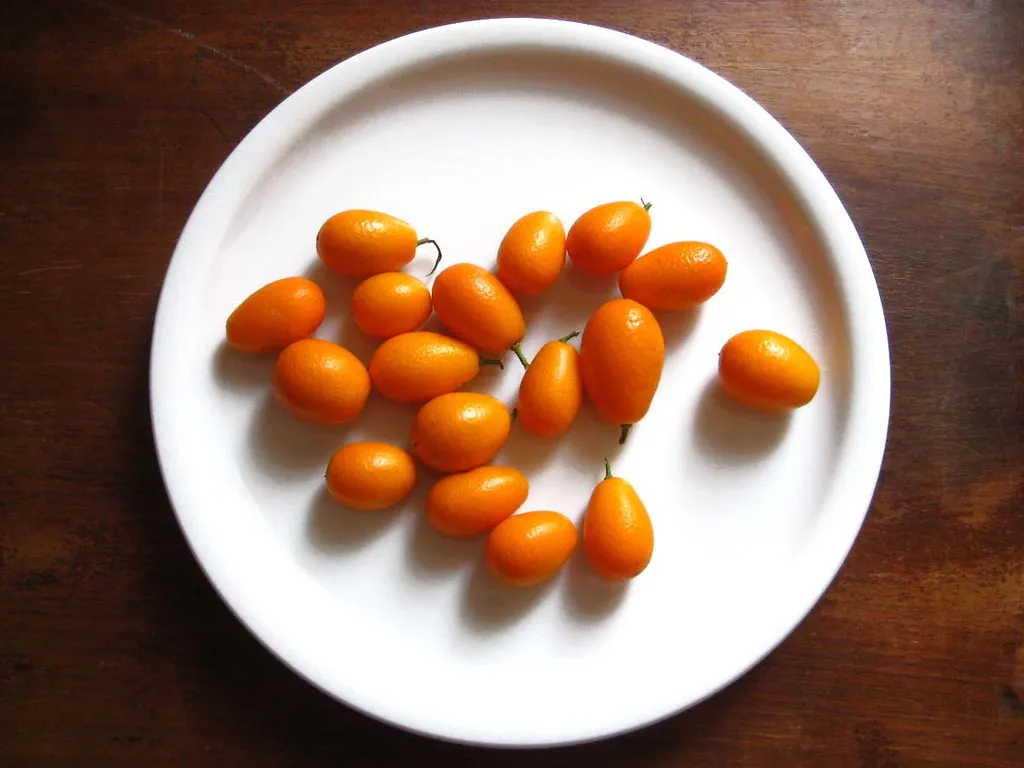
Kumquats arrive during the peak citrus window from December until mid-February, alongside some of the most irresistible selections of the season. They are the citrus world’s smallest offering and the only one where you eat the entire fruit, peel included. The skin is sweet while the flesh is tart, and that reversal of expectation is exactly what makes them interesting.
Ultra-sweet and easy-to-peel Sumo mandarins, tiny and tangy kumquats, and fragrant yuzu are worth keeping an eye out for during the winter citrus season, especially at specialty and international grocers. Kumquats can be sliced into salads, simmered into marmalade, or just eaten out of hand, a few at a time.
The Health Picture: Why Winter Citrus Actually Matters
More recent human clinical trials have explored the health effects of consuming citrus fruit or taking dietary supplements of bioactive compounds to help prevent the increase of chronic diseases including type 2 diabetes, cardiovascular disease, and obesity. Even if geographic origin influences the accumulation of carotenoids and flavonoids in different citrus species, the health benefit results from a synergistic action of numerous phytochemicals that varies more by citrus species than by geographic origin.
Oranges provide approximately 70 mg of vitamin C per medium fruit, lemons around 30 to 50 mg, limes about 29 mg, and grapefruits roughly 38 mg per half fruit. Across the board, winter citrus delivers a meaningful contribution to daily micronutrient intake, at a time of year when fresh produce options tend to narrow considerably.
The Takeaway
Winter citrus is one of those seasonal truths that rewards paying attention. The fruit is not in season because nothing else is available. It’s in season because cold nights, the right soils, and months of slow ripening have built up something genuinely worth tasting. Citrus season spans from late fall through early spring, typically November to March, when these fruits reach peak ripeness.
That window matters. A blood orange in February is a different experience from one in August. The color is deeper, the flavor is rounder, and the whole thing makes more sense. Winter is not citrus season by default. It’s citrus season by design.
AI Disclaimer: This article was created with the assistance of AI tools and reviewed by a human editor.