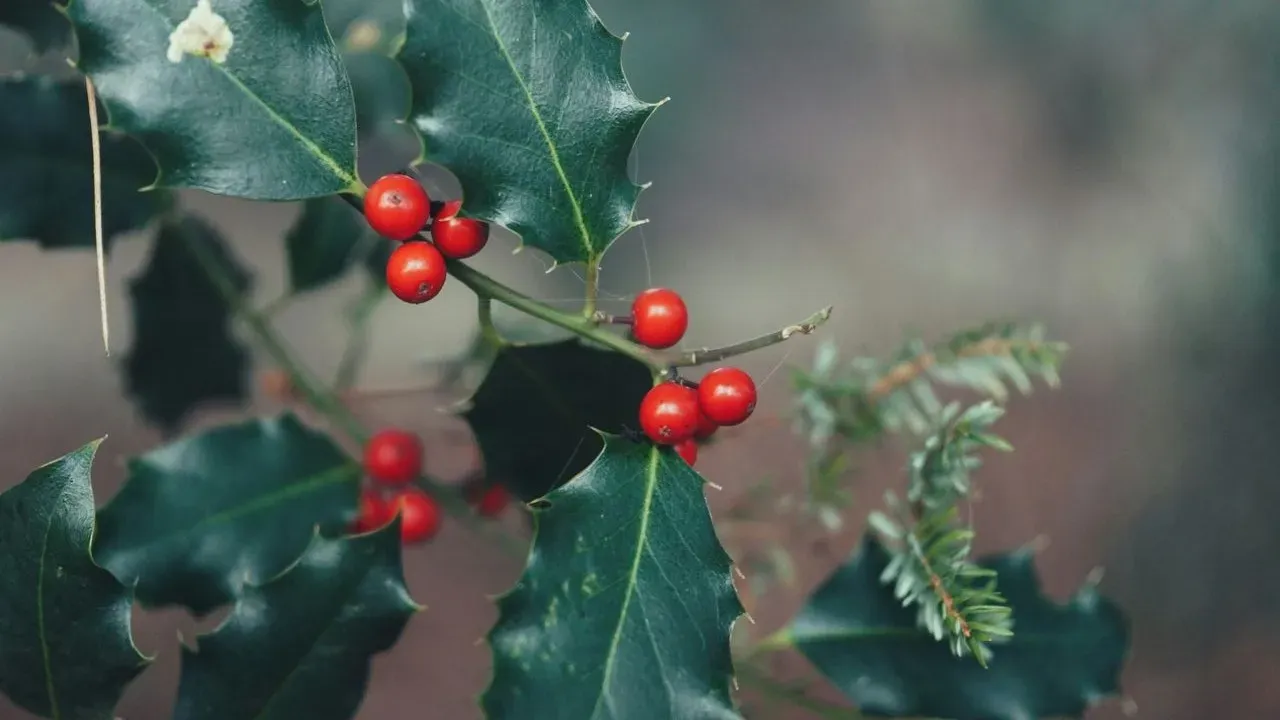

English holly brings a distinctive touch of winter cheer to gardens across temperate regions. Its glossy evergreen leaves and clusters of bright red berries stand out against bare branches, offering both visual interest and practical value for seasonal displays. Many gardeners now see the plant as a living alternative to cut trees, one that supports birds while providing material for wreaths and arrangements year after year.
A Plant That Captures the Holiday Spirit
The combination of deep green foliage and vivid berries has long made English holly a symbol of the season. Homeowners and designers alike turn to the shrub or small tree when they want natural elements that last through the coldest months. Unlike deciduous plants that lose their leaves, this species maintains its structure, creating reliable backdrops for outdoor lighting or indoor centerpieces. Gardeners appreciate how the berries persist into early winter, adding color precisely when most landscapes appear muted. The plant’s compact growth habit also suits smaller yards, where a full-sized evergreen might otherwise feel overwhelming. This balance of beauty and manageability explains its rising popularity among those seeking low-maintenance holiday flair.
Creating Habitat for Songbirds
Beyond decoration, English holly plays a quiet but important role in local ecosystems. The berries serve as a food source for several bird species during periods when other resources dwindle. Gardeners who plant it often notice increased visits from robins, thrushes, and other winter residents that rely on the fruit. The dense evergreen canopy offers shelter as well. Birds use the thick foliage for protection from wind and predators, turning a single specimen into a small wildlife hub. This dual purpose – ornamental and ecological – resonates with people who want their gardens to do more than simply look attractive.
Growing English Holly as a Tree or Shrub
The species adapts well to training as either a single-trunk tree or a multi-stemmed shrub. Gardeners typically start with young plants purchased from nurseries, then guide their shape through selective pruning over several seasons. The plant tolerates a range of soil conditions provided drainage remains adequate. Placement matters. English holly performs best in locations that receive morning sun and afternoon shade in hotter climates, or full sun in cooler areas. Once established, it requires only occasional watering during extended dry spells. These straightforward requirements make it accessible even for newer gardeners.
Practical Uses in Winter Decor
Fresh cuttings from established plants supply wreaths, garlands, and table arrangements without the need for purchased materials. The stiff, glossy leaves hold their shape and color for weeks when kept in cool conditions. Many families now incorporate home-grown holly into traditions that once relied entirely on commercial sources. Because the plant is evergreen, clippings can be taken without harming the overall appearance of the specimen. This sustainable approach appeals to those who prefer to reduce their reliance on imported or plastic decorations during the holidays. The appeal of English holly ultimately lies in its ability to connect seasonal celebration with year-round garden value. Those who plant it gain both festive elements and a living feature that continues to support wildlife long after the decorations come down.
AI Disclaimer: This article was created with the assistance of AI tools and reviewed by a human editor.