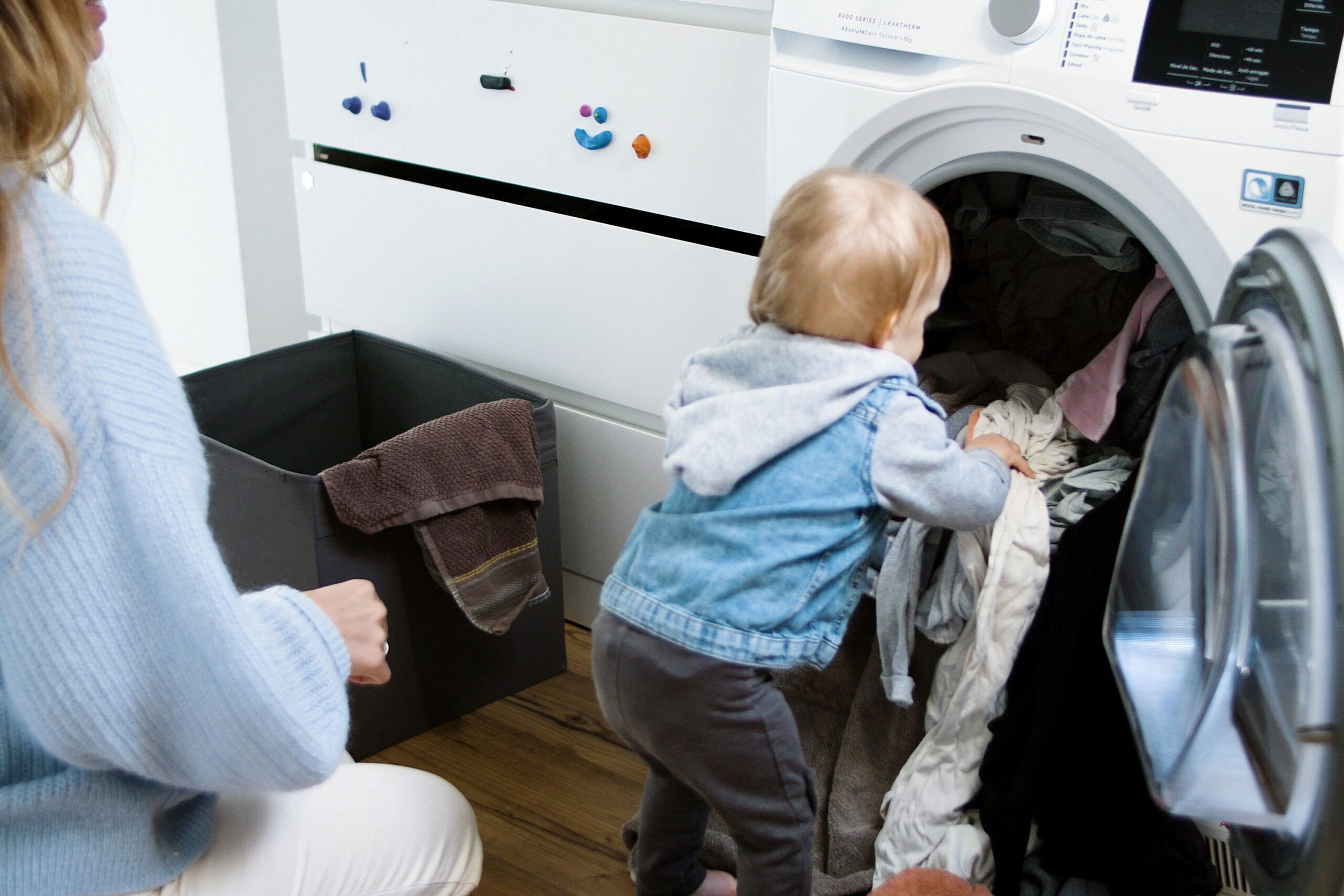

There’s a quiet but significant gap between how today’s children grow up and how previous generations spent their afternoons. It’s not just about screen time or extracurriculars. The actual physical work that once filled a child’s daily routine has largely disappeared, replaced by appliances, convenience products, and shifting parenting priorities.
In a survey of a thousand adults, the vast majority said they had to do regular chores growing up, but fewer than one in three said they require their own children to do the same. That’s a steep cultural shift, and it’s happened in less than a generation. The chores that follow weren’t just tedious tasks. Many of them shaped responsibility, physical endurance, and an understanding of how a household actually works.
Hauling and Heating Water by Hand

Before indoor plumbing became standard in American homes, fetching water was one of the most time-consuming daily chores assigned to children. Kids carried heavy buckets from wells, pumps, or nearby streams to supply the kitchen and washing area. Before modern appliances and automation transformed daily life, children often performed physically demanding chores that helped keep households running, including hauling water, chopping wood, scrubbing laundry by hand, and tending fires.
A manual laundry day once required over 50 gallons of water to be hauled and heated by hand, and today a simple button press handles what used to be a half-day of manual labor. For children growing up in that era, water wasn’t a tap away. It was something you earned through effort, and often several trips back and forth before the day even really started.
Scrubbing Laundry on a Washboard

Washing clothes by machine is so routine now that it’s barely thought about. It wasn’t always that way. Before washing machines, laundry meant buckets, soap bars, and long afternoons, with clothes scrubbed against washboards or pounded against stones, then wrung out and hung up. Children were regular participants in this process, especially wringing garments by hand.
Over the past century, technology dramatically changed domestic life, and washing machines, indoor plumbing, central heating, refrigerators, and other conveniences eliminated much of the manual labor that once consumed hours every day. The washboard is now a museum piece or a quirky piece of folk decor. Most kids today have never touched one.
Cleaning Out the Fireplace Ashes

When wood and coal were the primary sources of heat, the fireplace wasn’t just ambiance – it was survival infrastructure. When the primary source of heat was wood or coal, every morning a child would have to shovel out the cold gray ashes and carry them outside to a pit, because a buildup of ash would prevent the fire from burning efficiently the next night.
This wasn’t an optional chore. It was the difference between a warm and a cold house. Heating industry data reveal a massive shift away from solid fuels, and statistics from the U.S. Census Bureau show that coal heating in homes dropped from 55 percent in 1940 to less than one percent by the year 2000, saving families hundreds of hours of labor and significantly improving indoor air quality.
Defrosting the Freezer

Frost-free refrigerators are so common today that most people don’t realize freezers once required regular manual defrosting. Before the invention of frost-free technology, freezers would slowly fill with a thick layer of rock-hard ice, the entire unit had to be shut down and its contents moved to a temporary cooler, and kids were often tasked with using a hairdryer or a bowl of hot water to melt the ice chunks away.
It was messy, wet, and could take several hours to complete properly. Nobody was excited about it. This is the kind of chore that disappeared so completely that younger generations don’t even know they’re missing it.
Ironing Clothes and Linens
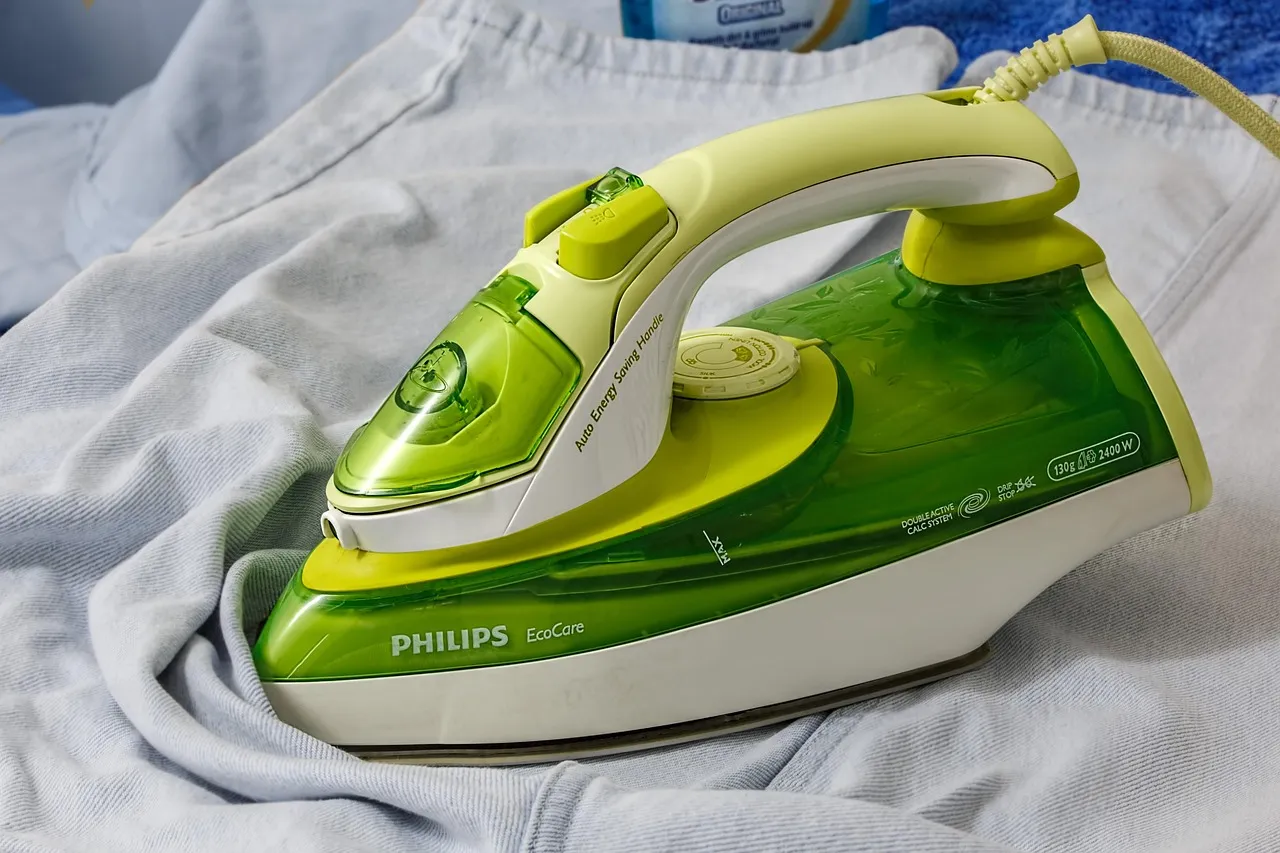
Ironing was once a serious household task, not a quick fix before a job interview. People used to iron bedsheets with smooth cotton and no wrinkles, spreading them out line by line, making sure every edge lay flat, whereas now most sheets go from washer to dryer to mattress. Children were regularly assigned ironing duty, working through piles of shirts, trousers, and even tablecloths.
While kids are likely still responsible for doing laundry or loading dishwashers, younger generations are largely off the hook for chores like ironing and polishing shoes. The rise of casual wear and wrinkle-resistant fabrics has made the iron itself an increasingly rare tool in modern households.
Mowing the Lawn Without Automation
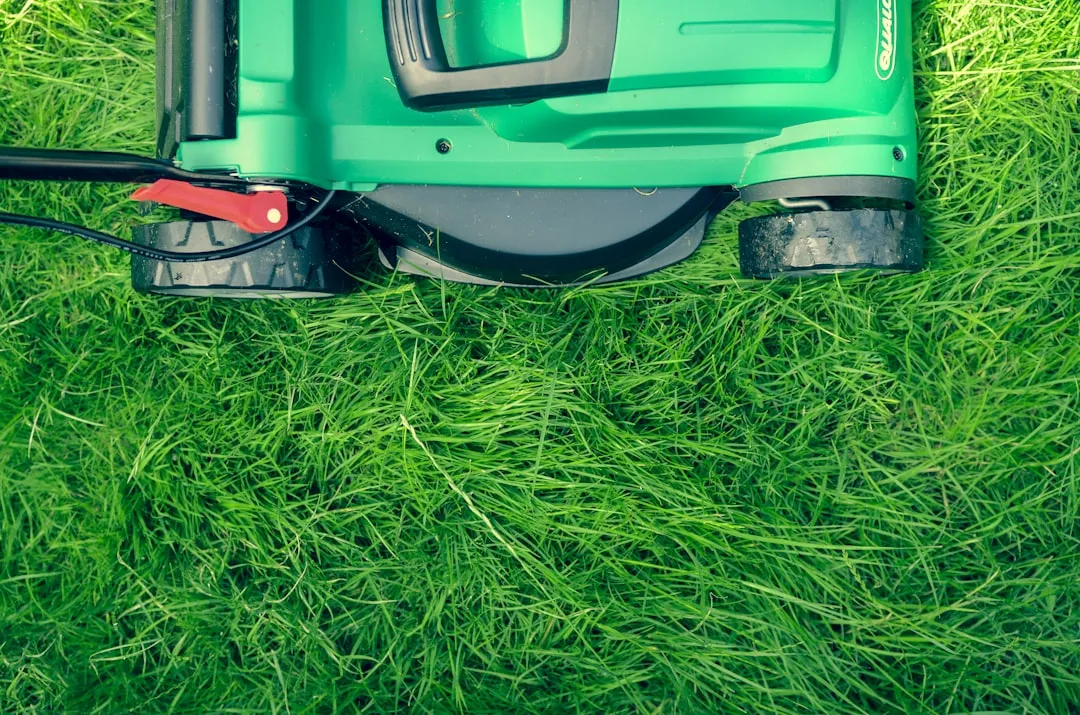
Gas-powered rotary mowers became increasingly common in postwar suburbia as larger lawns spread with new housing developments, and by the 1970s, mowing the lawn had become a familiar summer chore for plenty of older kids. It was considered a natural step toward responsibility, a real job with real consequences if skipped.
Today, the picture is different for multiple reasons. As the cost of homes continues to rise and more families live in apartments or condos, mowing the lawn is one chore that kids today largely avoid, with Pew Research Center finding that new families and individuals below 35 are far more likely to rent, meaning they’re also less likely to have a yard or outdoor chores. Robotic mowers are also increasingly handling what’s left.
Polishing Shoes

Shoe polishing used to be a regular weekend ritual in many households. Leather dress shoes were treated as investments worth maintaining, and children were taught early how to apply polish, buff, and shine. With the rise of casual wear and the popularity of sneakers, even in professional wardrobes, younger generations of kids today are off the hook for chores like polishing shoes.
It’s a subtle shift, but a telling one. A generation ago, scuffed shoes were something you fixed. Now, sneakers don’t require polish at all, and most households don’t even own a tin of shoe wax. The whole craft has quietly retired itself.
Scrubbing Floors on Hands and Knees

Before the Swiffer, the steam mop, and the robotic vacuum, floor cleaning was physical work. Children were assigned sections of tiled or wooden floors and expected to scrub them by hand with a brush and soapy water. It was unglamorous and hard on the knees. In the era of Swiffers and hardwood floor vacuum cleaners, it’s impossible for younger generations of kids today to imagine having to clean the floors on their hands and knees.
As a result of technological change, childhood responsibilities shifted from physically intensive household work toward lighter maintenance tasks and school-centered routines. Floor scrubbing by hand is nearly gone from the average American childhood, replaced by tools that do most of the work themselves.
Shucking Corn and Preparing Raw Produce

Food prep once started long before anything touched the stove. Children were regularly given produce that needed to be cleaned, peeled, shelled, or shucked before it was usable. Corn was a common example. Most modern families now purchase their produce in a ready-to-eat format from the store, sales of pre-shucked or frozen corn have risen as people seek more convenience in the kitchen, industrial processing plants now handle the bulk of this work before the vegetables reach the aisle, and most children today only see corn when it is already clean and bright on a plastic tray.
This convenience has real trade-offs. Children who prep raw food learn patience, knife skills, and an understanding of where meals actually come from. That hands-on education has largely been outsourced to factories and food companies.
The Shift Away from Chores – and What It Costs

Four in five children don’t do any housework, even though doing chores is proven to be one of the strongest predictors of success in life, and children seem to do fewer household chores than their counterparts of even a generation ago. The disappearance of these tasks isn’t just about technology – it’s also about parenting philosophy. Many parents today prioritize academics and extracurriculars above domestic contribution.
A study by the University of Minnesota found that children who began chores as young as three and four grew up to be more successful academically, socially, and in their early careers. According to an ongoing Harvard research study, chores help kids develop greater self-worth, confidence, work ethic, and empathy for others. The loss of hard physical chores isn’t just a lifestyle change. It may also be quietly shaping what kind of adults children grow into.
The Takeaway

Many of the chores on this list vanished because technology made them unnecessary, and that’s genuinely a good thing. Nobody needs to haul water or dig ash out of a fireplace anymore. From the 1980s onwards, children have spent fewer hours doing chores around the house as living conditions and technology, including the invention of washing machines and dishwashers, have improved.
Still, there’s a real difference between chores becoming easier and children doing no chores at all. Research suggests there are benefits to including chores in a child’s routine as early as age 3, and children who do chores may exhibit higher self-esteem, be more responsible, and be better equipped to deal with frustration, adversity, and delayed gratification – skills that can lead to greater success in school, work, and relationships.
The old chores were hard, often unreasonable, and shaped by necessity. The lesson they carried, that contributing to a household matters, hasn’t expired. It’s just waiting for a modern version worth passing on.
AI Disclaimer: This article was created with the assistance of AI tools and reviewed by a human editor.