
Most people think about chimney safety only when something goes wrong. A strange smell, a puff of smoke in the living room, or a crackling sound from inside the wall. By that point, however, the problem has already been building for months, maybe seasons.
The habit in question is simple enough: skipping chimney maintenance and burning wood without any real thought about what accumulates inside the flue. It doesn’t feel dangerous. The fire looks fine. The house stays warm. Yet the evidence from fire safety organizations is consistent and clear, and what they describe is a slow, invisible buildup that can turn an ordinary evening by the fire into a genuine emergency.
The Invisible Residue Every Fire Leaves Behind
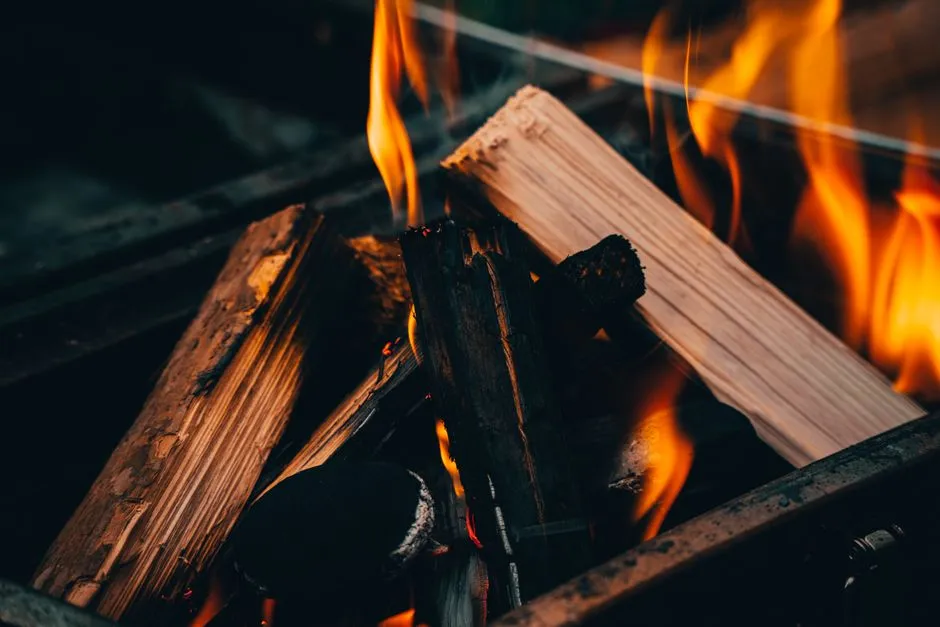
Creosote is a byproduct of wood combustion that forms inside chimneys during fireplace use. As wood burns, it produces smoke containing particles and vapors, and when these cool and condense on the inner walls of the chimney, they form creosote.
Creosote is a dark brown residue that sticks to the inner walls of chimneys and stovepipes. It can appear flaky, sticky, or shiny, and hardened to the surface. It is very combustible due to its flammable compounds, such as phenols and cresols.
If you have a wood-burning fireplace or stove, creosote buildup occurs to some extent with each use. That’s the part most homeowners don’t fully absorb. There’s no way to avoid it entirely. The only real answer is regular removal.
Why Creosote Doesn’t Just Stay Put
When the smoke travels upward and mixes with cold air and moisture near the top of the chimney, it hardens and sticks to the chimney liner or the brickwork itself. Over repeated fires, those layers compound on each other.
Creosote doesn’t go away on its own. That’s a point worth sitting with. Unlike dust or ordinary soot, it does not dissipate or dry out harmlessly over time. It accumulates, hardens, and becomes progressively more difficult to remove.
Over time, especially during the winter months when the fireplace is in high use, this residue accumulates in layers, gradually hardening and building up enough to block the flue.
The Three Stages, and Why the Third One Is Serious
Creosote starts as a loose, flaky deposit that’s easily brushed away. If you fail to remove it during the first stage, it morphs into a tar-like deposit that’s more difficult to remove. Finally, creosote hardens and drips like wax if the temperature is too high.
Third-degree creosote buildup is the most serious. It occurs when flue temperatures are low and fuel combustion is incomplete. It looks like tar coating and can result in chimney fires.
Creosote at stage two and three require a professional to remove it thoroughly. Stage one is manageable. By stage three, a homeowner is well beyond what a chimney brush from the hardware store can address.
How Much Buildup Does It Take to Become Dangerous?
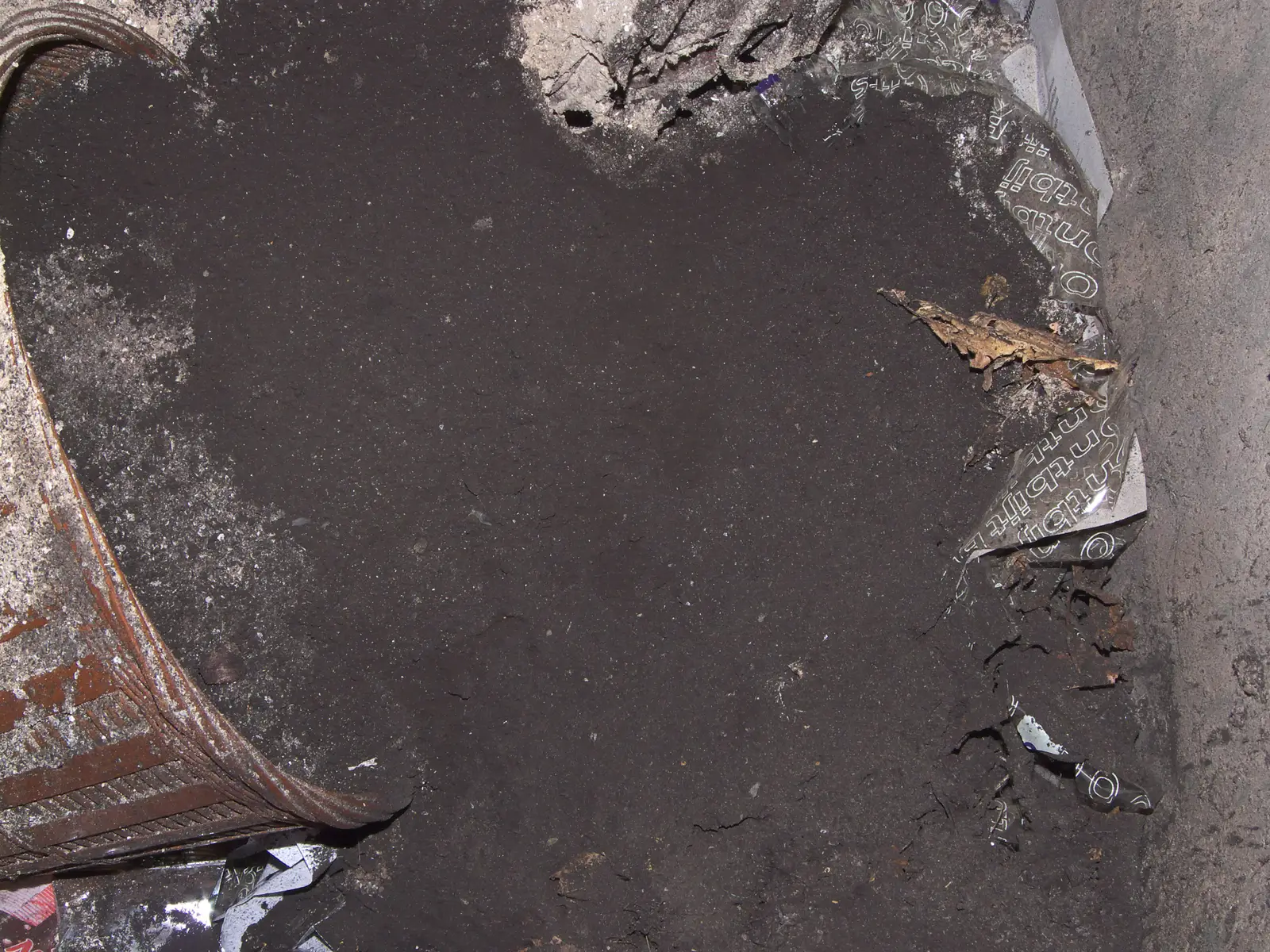
The most worrying thing about creosote buildup is that it’s highly flammable. According to the Chimney Safety Institute of America (CSIA), creosote is one of the leading causes of chimney fires, and it only takes about 1/8 inch of buildup to become a hazard.
The CSIA sets its cleaning threshold at 1/8 inch of creosote or soot buildup inside the liner. If any glazed creosote is present, cleaning should not wait regardless of the depth, because glazed creosote is extremely flammable even in very thin layers.
That threshold is surprisingly thin. Many homeowners imagine a serious buildup would be obvious, a thick black crust visible at a glance. The reality is that the risk point arrives far earlier, long before any visible warning from the firebox.
Burning the Wrong Wood Accelerates Everything
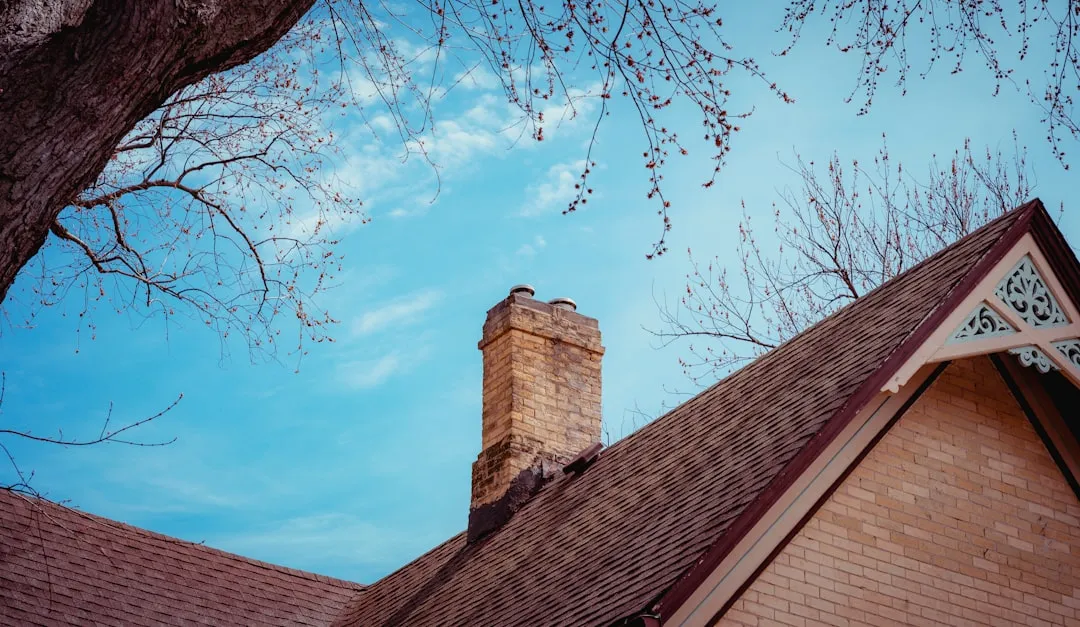
The type of wood you burn dramatically impacts how quickly creosote accumulates. Resinous softwoods like pine contain higher concentrations of sap and volatile compounds that produce significantly more creosote than hardwoods. Research from forestry departments shows that burning green or improperly seasoned wood can increase creosote formation by up to 300%.
The moisture in unseasoned wood creates cooler smoke that condenses more readily, while the resins in softwoods leave behind thicker, more combustible deposits.
This process is especially accelerated when burning wet or unseasoned wood, as these produce more moisture and smoke, contributing to faster creosote buildup. Choosing the right fuel is not just about heat output. It’s about how much residue you’re depositing inside the flue with every fire you light.
What a Chimney Fire Actually Looks Like
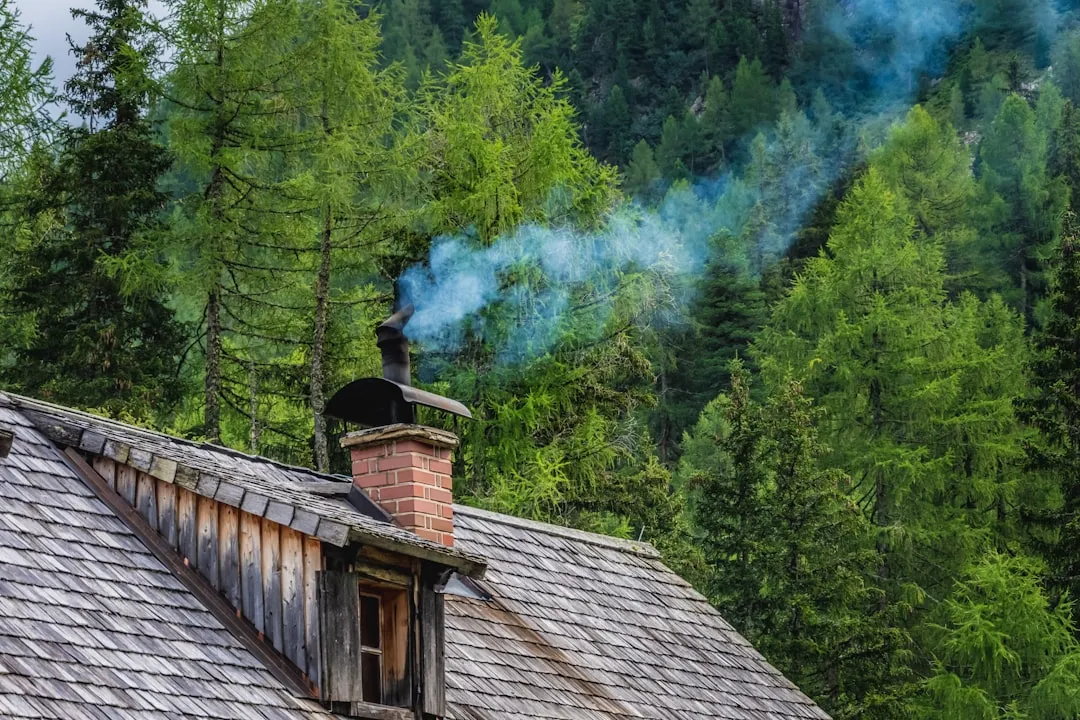
Creosote is a highly flammable substance. Once it ignites, it can produce a chimney fire that reaches dangerous temperatures, destroying your chimney’s components, leading to structural damage or collapse, and potentially spreading to the rest of your home.
Chimney fires can start without warning and spread rapidly, damaging the chimney and potentially spreading to the rest of the house. The heat from a chimney fire is often so intense that it can crack masonry, warp metal liners, and even cause structural damage.
The more creosote there is inside the chimney, the longer a chimney fire has the fuel it needs to keep burning and increasing in intensity. When a chimney fire does serious damage to the chimney flue, the flames can easily and quickly spread into the home.
The Carbon Monoxide Risk That Goes Overlooked
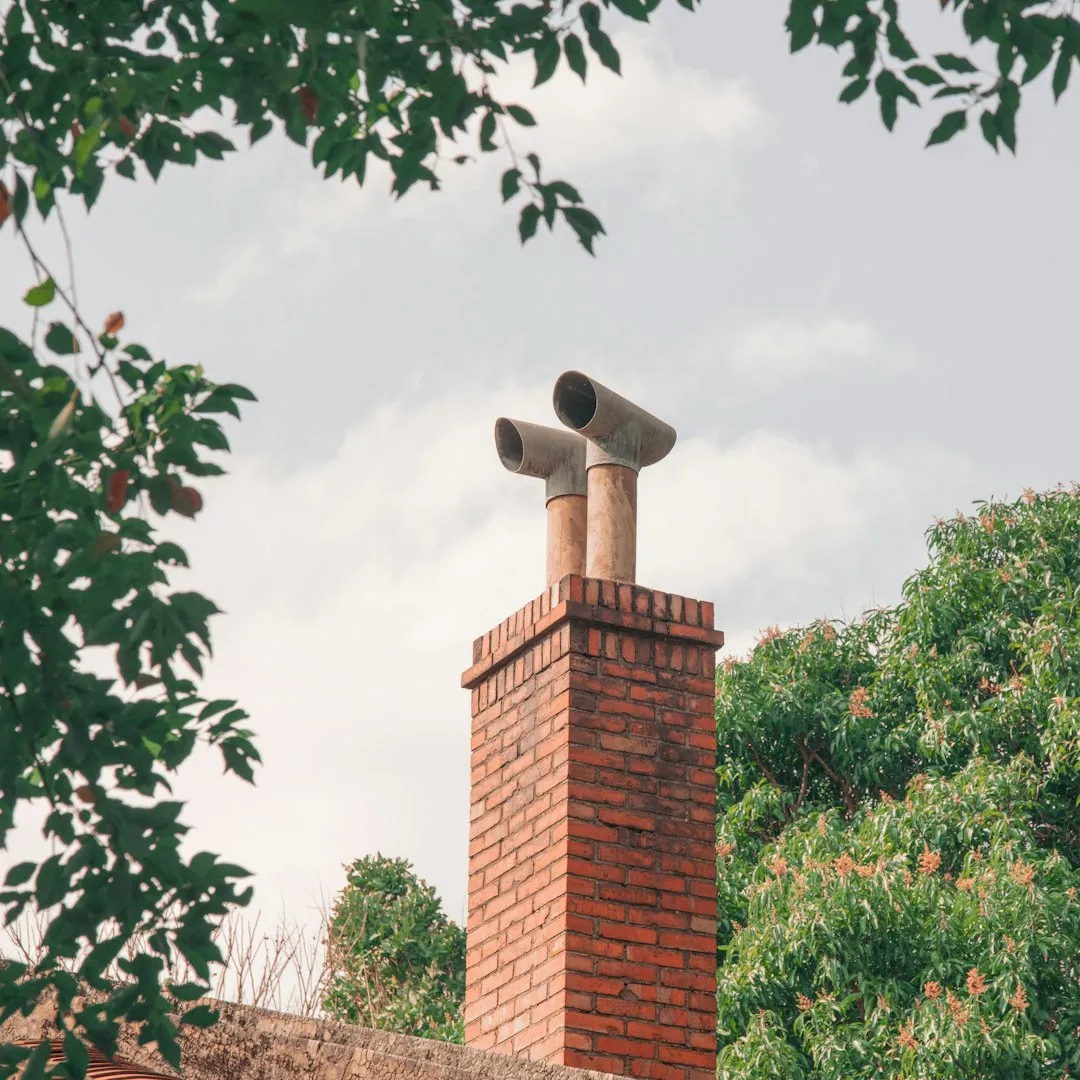
Another danger creosote poses is chimney obstruction. When creosote deposits thicken, they restrict the flow of gas and smoke, which can put you at risk of carbon monoxide poisoning. Restricted airflow poses health risks and reduces your fireplace’s efficiency, causing lower heat output and higher wood consumption.
A clogged or narrowed chimney flue restricts the ventilation of smoke and gas. This increases the risk of smoke backdrafting into your space, potentially leading to dangerous exposure to carbon monoxide and smoke inhalation.
An annual chimney inspection performed by a qualified professional can help prevent carbon monoxide intrusion and chimney fires. These inspections can also identify potential system issues to address them before they become costly. Carbon monoxide has no smell, no color, and no taste, which is precisely what makes a blocked flue so quietly dangerous.
When Chimney Fires Peak Across the Year
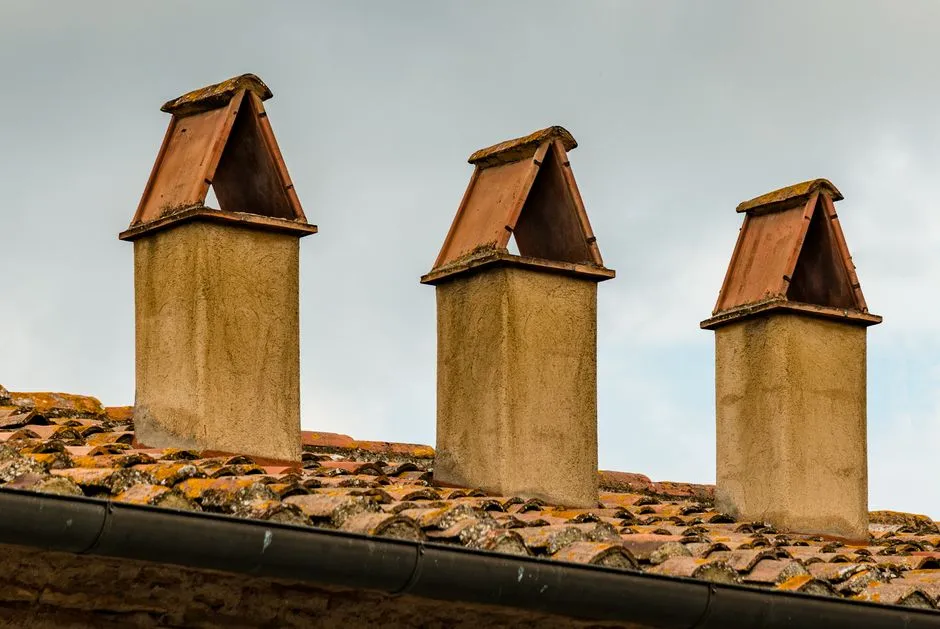
The total number of chimney fires in England during 2024 to 2025 was 2,019, with incidents peaking January through March. Statistics show that roughly four in ten chimney fires in England, Scotland, and Wales take place over these three months, coinciding with the period where people are using their stoves the most.
Devon and Somerset Fire and Rescue Service responded to 181 chimney fires between April 2024 and March 2025, the highest total recorded across all English counties, according to government fire and rescue service statistics reviewed by HETAS for Chimney Fire Safety Week.
The pattern is consistent year after year. Fires burn most frequently in the coldest months, creosote accumulates fastest during those same months, and the risk climbs precisely when people feel the most settled and comfortable in front of their hearths.
How Often Experts Say You Should Actually Sweep
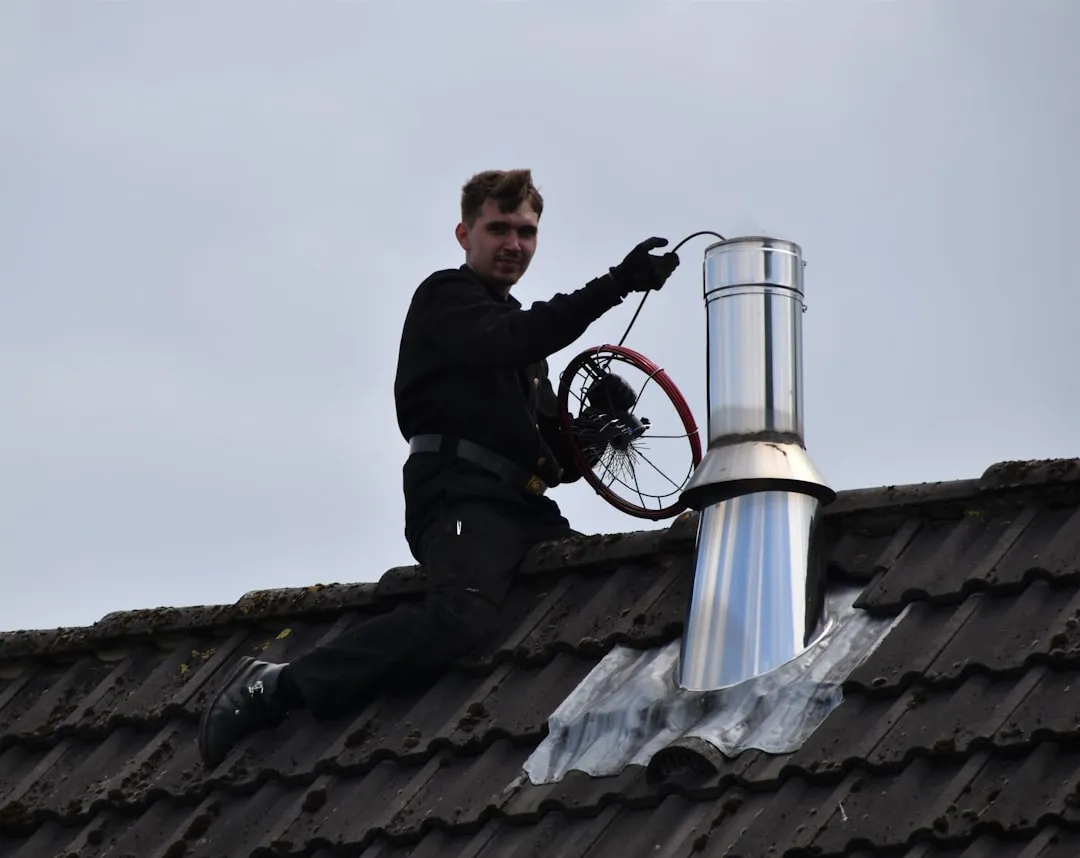
NFPA Standard 211, the governing document for chimneys, fireplaces, vents, and solid fuel-burning appliances, states clearly that chimneys, fireplaces, and vents shall be inspected at least once a year for soundness, freedom from deposits, and correct clearances, with cleaning, maintenance, and repairs performed if necessary.
If creosote buildup reaches 1/8 inch, immediate professional cleaning is required as it represents a fire-risk threshold. Daily wood burners may require quarterly sweepings.
Research shows that burning green or improperly seasoned wood can increase creosote formation by up to 300%. This is why the CSIA recommends twice-yearly cleanings for households that frequently burn softwoods or who don’t have access to properly dried firewood. Annual sweeping is the floor, not the ceiling, for how often maintenance should happen.
What Structural Damage Builds Up Silently Over Time
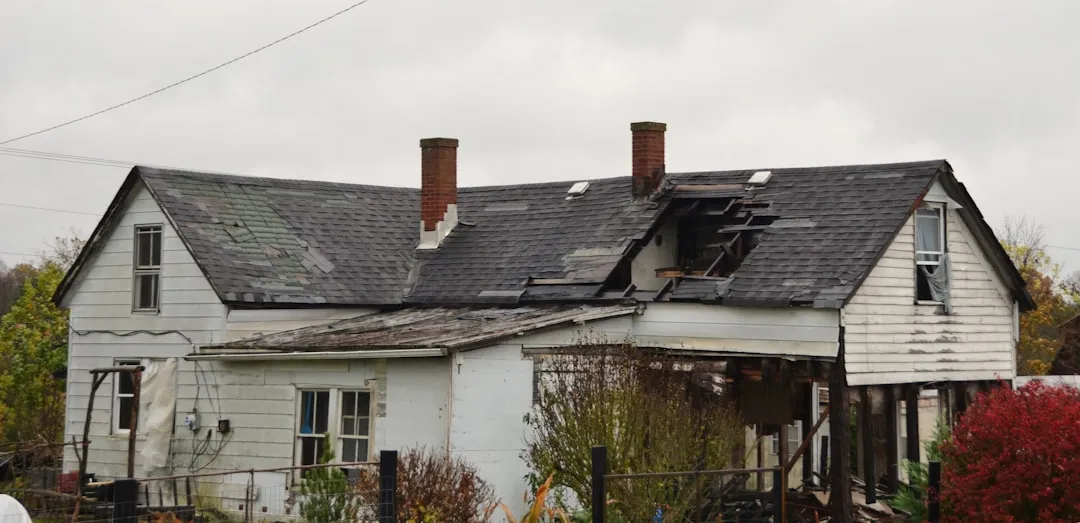
In addition to increasing fire risk, heavy creosote buildup can corrode chimney liners, damage masonry, restrict airflow, and cause smoke or carbon monoxide to back up into your home.
Soot and creosote are acidic and will, over time, eat away at the flue liner and damage the mortar joints in a brick chimney. This slow decay can lead to hugely expensive structural repairs down the road. A good sweep won’t just clean the chimney but will spot early signs of wear and tear, giving homeowners a chance to fix them before they become serious problems.
Cracks in the masonry, liner, crown, and other components can lead to water leaks that increase the risk of fire, structural problems, and exposure to carbon monoxide gas. The costs of repair compound quickly once that structural degradation takes hold, and the damage is rarely visible from ground level or from inside the home.
The Simple Step That Breaks the Cycle
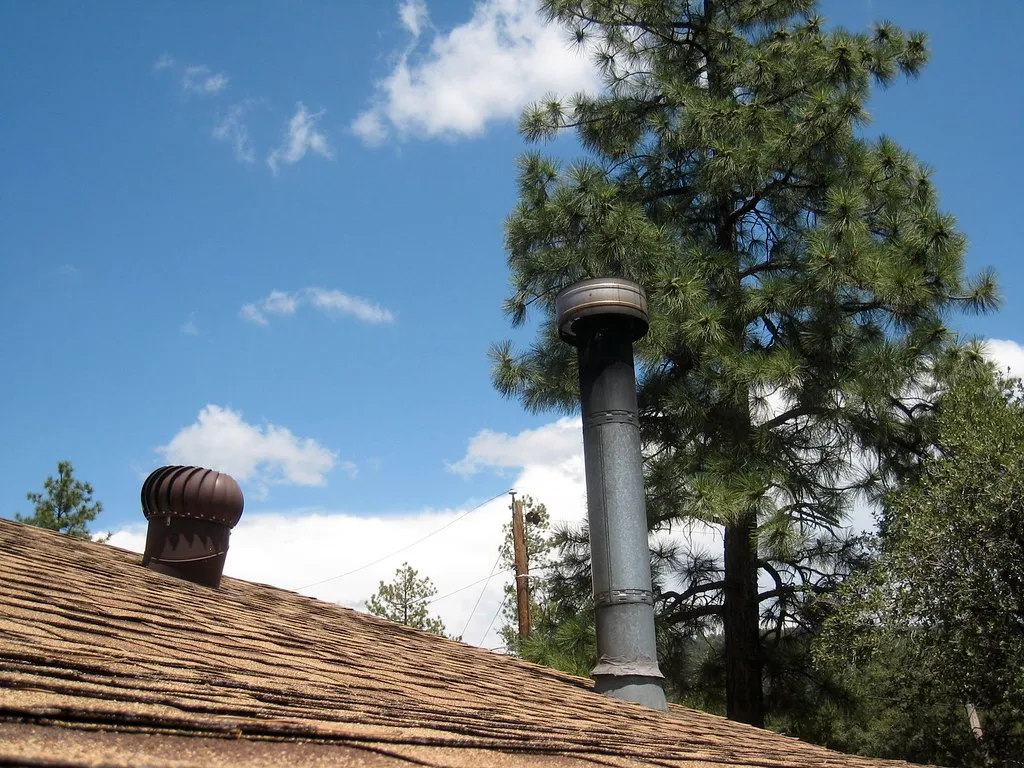
The chimney habit that raises fire risk every winter is not dramatic. It’s just not paying attention. Burning unseasoned wood, lighting fires in a flue that hasn’t been inspected, and skipping the annual sweep because nothing obvious went wrong last year. Each season adds another layer.
The good news is that chimney fires are almost entirely preventable. A regular sweep is the simplest and most effective thing you can do to keep your fireplace safe and efficient.
Scheduling an annual inspection in late spring means any needed repairs are completed before heating season begins. Routine chimney cleaning protects your home from fire risk and keeps your fireplace running efficiently. Most chimney fires don’t announce themselves. The work that prevents them happens quietly, well before the first fire of the season is ever lit.
AI Disclaimer: This article was created with the assistance of AI tools and reviewed by a human editor.