

Cold Air Is a Real Cardiovascular Stressor

When temperatures drop, cold causes blood vessels to contract and coronary arteries to constrict, which can raise blood pressure and increase the risk of heart attack, stroke, or even cardiac arrest. This isn’t a theoretical risk. It’s a physiological response that plays out every cold season in hospitals across the country.
Cold weather affects the heart because it causes the body’s blood vessels to narrow to preserve heat, which raises blood pressure and causes the heart rate to go up. That combination puts real extra work on the heart, especially for people who don’t know they have an underlying problem.
Vasoconstriction and sympathetic activation cause systolic blood pressure to rise by 15 to 20 mm Hg and heart rate to rise up to 5 to 10 beats per minute, research shows. Add even light physical activity in the cold, and the numbers climb further.
The Statistics Are More Alarming Than You’d Expect

Researchers estimate that cold temperatures contributed to about 40,000 additional cardiovascular deaths each year during a multi-decade U.S. study period, accounting for roughly 6.3 percent of all cardiovascular deaths, totaling around 800,000 deaths over two decades. That is not a small number. It points to cold as a quiet but consistent killer of the heart.
One way the research frames it is straightforward: about one in 16 cardiovascular deaths were linked to colder weather, compared with about one in 300 linked to heat. Cold, in other words, poses a far larger population-level threat to the heart than heat does.
The message to clinicians from this body of research is simple: treat cold exposure like a real cardiovascular risk factor, not an afterthought. Risk rises during colder months, especially for older adults and people with preexisting cardiovascular disease.
What Cardiologists Mean by “Chest Tightness to Pay Attention To”
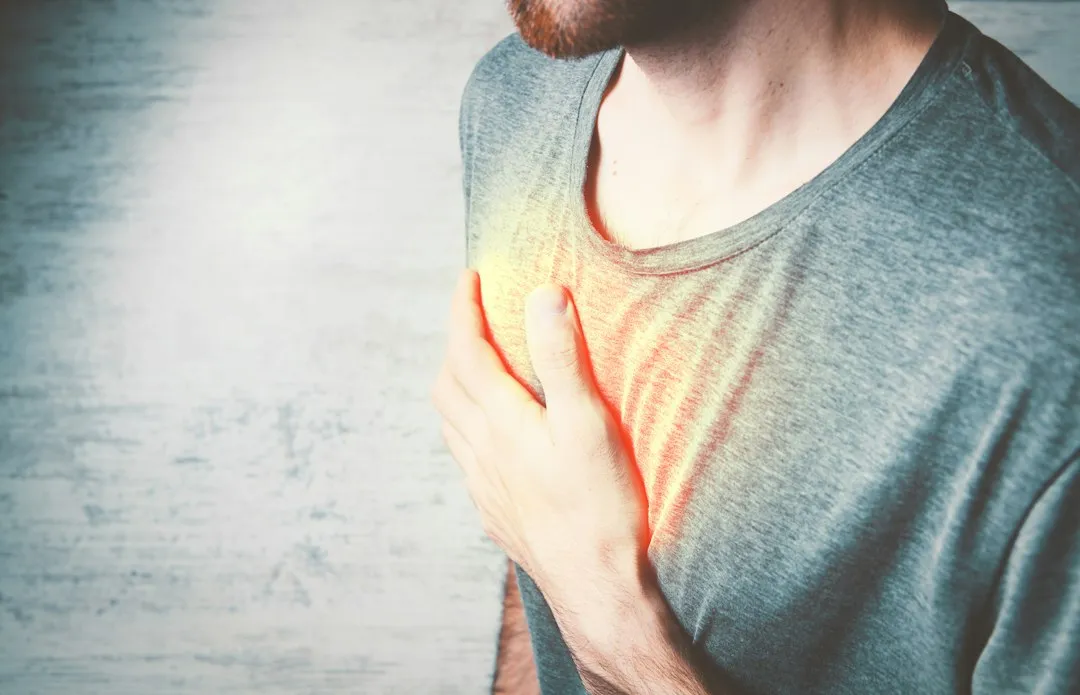
People with heart disease often suffer angina pectoris, which is chest pain or discomfort, when they are in cold weather. The sensation is frequently described as pressure, heaviness, or a squeezing feeling rather than a sharp stab. That distinction matters.
Angina, also called angina pectoris, is chest pain or discomfort that occurs when the heart isn’t receiving enough blood. It may feel like pressure, tightness, or a squeezing sensation. This is different from the fleeting sharpness that comes from a muscle twitch or a gasp of cold air hitting the throat.
Chest pain, known as angina, may be noticed when the heart doesn’t get enough oxygen, and cold weather can reduce the blood flow to the heart. When that tightness appears specifically during cold exposure, especially with physical effort, it deserves immediate attention.
The Delayed Risk Nobody Talks About
A nationwide study reveals that short-term exposures to lower air temperature and cold spells are associated with an increased risk of myocardial infarction hospitalization after two to six days, suggesting that individuals may be particularly vulnerable to acute cardiac events during periods of cold stress. The danger, in other words, doesn’t always show up the same day.
Tracking 120,380 individuals from the SWEDEHEART registry, researchers examined how short-term exposure to lower air temperatures and cold spells influenced the risk of heart attack hospital admissions during Sweden’s cold season from 2005 to 2019. The findings, published in the Journal of the American College of Cardiology in 2024, added important weight to what cardiologists had long suspected.
The investigators found that exposure to a lower air temperature during the cold season was associated with roughly ten percent higher odds of heart attack hospitalization, and multiday cold spells were linked to an additional eight percent higher odds than non-cold spell periods. A few days of cold weather, strung together, compounds the risk in ways a single chilly morning might not.
Why the Heart Struggles More in the Cold

Vasoconstriction, the narrowing of blood vessels, increases blood pressure and forces the heart to work harder. Cold temperatures can also cause blood to thicken, which may elevate the risk of clot formation. Both of these processes happen quietly, without any obvious warning sign.
The body tries to preserve heat through vasoconstriction, which narrows blood vessels and can raise blood pressure, increasing the risk of chest pain, abnormal heart rhythms, and blood clots. That constellation of effects is why cardiologists pay close attention to cold-weather complaints from patients who already carry some cardiac risk.
The external cold air delivers less oxygen to the blood, which in turn delivers less oxygenated blood to the heart, putting more strain on the heart precisely when it is needed most. Less oxygen, higher pressure, thicker blood. The combination is hard on any heart, and harder still on one that already has narrowed arteries.
Who Is Most Vulnerable

Certain groups are more vulnerable to cold-weather-related heart issues, including older adults, individuals with existing cardiovascular disease, smokers, and those with high blood pressure or diabetes. These are the people cardiologists most want to hear from when chest tightness appears in the cold.
For people who live with existing heart conditions, including atrial fibrillation, heart failure, and high blood pressure, cold weather is especially dangerous. The risk is not evenly distributed across the population. It concentrates in people who already carry a higher cardiac burden.
Cardiologists note that winter is a time of year that can put significant strain on the heart, especially for those who might not know they are at risk for heart disease or are just beginning to show symptoms. That last group, people who have never been diagnosed, is perhaps the most vulnerable of all, precisely because they aren’t watching for signs.
Angina vs. Heart Attack: A Distinction That’s Hard to Make Alone

The critical point is that you cannot reliably distinguish between angina and a heart attack based on symptoms alone. This is one of the most important things cardiologists want the public to understand. The overlap in how both conditions feel is substantial.
Both angina and a heart attack are consequences of coronary artery disease. Angina doesn’t cause permanent damage to the heart, while a heart attack does. That’s because angina signals a temporary reduction in blood flow to the heart. The difference lies in what happens to the tissue, not how the chest pain feels in the moment.
Women in particular may experience atypical symptoms for both conditions, including unusual fatigue, upper back discomfort, nausea, or jaw pain without classic chest pressure. For women, the absence of dramatic chest pain is not reassurance. It can be a reason to seek care faster.
The Physical Activity Factor in Cold Weather

Activities like shoveling snow can exacerbate cold-weather cardiac risks. The combination of cold weather and physical exertion can lead to heart attacks. Snow shoveling is particularly deceptive because it feels routine but is actually an intense workout performed under the worst possible cardiovascular conditions.
Elevated heart rate from activities like shoveling snow or outdoor exercise can strain the heart, especially for those unaccustomed to such exertion. The problem is that people often push through discomfort because they feel it would be embarrassing to stop. That hesitation carries real danger.
At rest, cold alone can raise blood pressure by 20 to 25 mm Hg. With exercise and cold together, blood pressure can go up to 37 mm Hg higher. That kind of spike during physical effort in cold weather is where many cardiac events are born.
Warning Signs That Demand Immediate Action

Heart-related chest pain symptoms can include pressure, tightness, pain, squeezing or aching in the chest, pain that spreads to the shoulder, arm, back, neck, jaw, teeth or upper belly, and shortness of breath. Any of those, especially in combination, are serious flags in cold conditions.
If you are experiencing chest pressure, squeezing, or tightness lasting more than a few minutes, pain spreading to the arm, jaw, neck, or back, or chest pain with sweating, nausea, or shortness of breath, call 911 now. Waiting to see if it passes is not a safe strategy.
If chest discomfort has been happening for more than 15 minutes and isn’t relieved with rest, you should seek urgent medical attention by calling 911. The clock matters more than comfort in these situations, and early treatment is what prevents permanent damage.
What Cardiologists Recommend for Cold-Weather Heart Protection
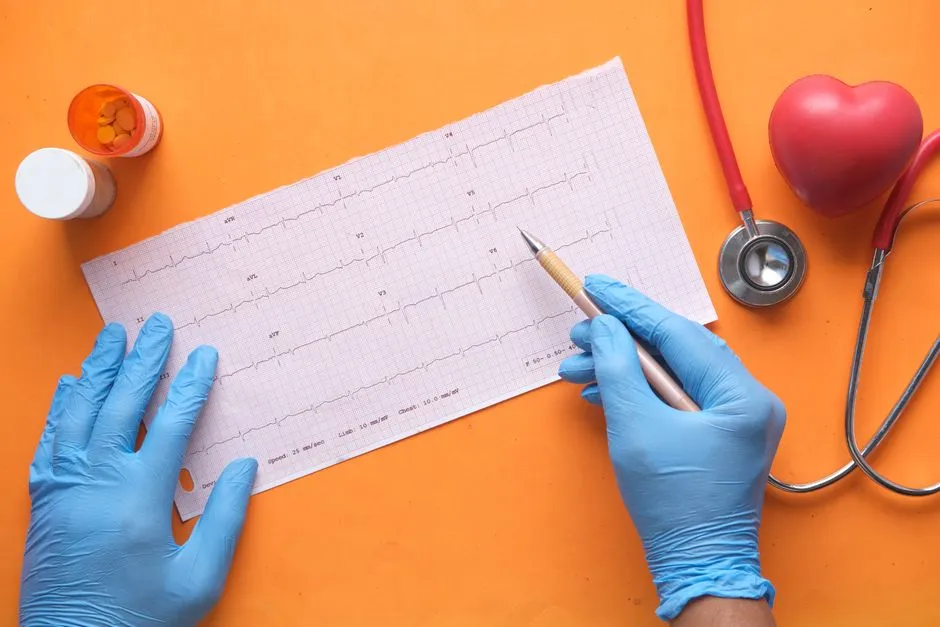
If you have an existing heart condition, talk to your cardiologist before the colder weather or winter months arrive so you can take the right precautions and avoid engaging in any activity that worsens your condition. Proactive planning before the cold season is far better than reactive care after symptoms appear.
Physicians urge everyone to consider their heart health in winter, with moderate activity being key: not overexerting oneself, but also not remaining inactive. Staying completely sedentary through cold months carries its own risks. The goal is measured, steady movement, not avoidance.
A change in the pattern of angina symptoms, such as becoming more frequent, occurring with less exertion, or happening at rest, should always prompt immediate medical attention, as this, by definition, is considered unstable and could indicate unstable angina leading to a heart attack. Pattern changes are the most important signal. If familiar chest tightness starts showing up in new ways, that is the body’s clearest warning.
The Takeaway

Cold air is not a neutral backdrop. For a meaningful portion of the population, it is a cardiovascular trigger with real, documented consequences. The chest tightness that appears when stepping outside in January, or shoveling after a snowfall, or simply walking faster in freezing wind, is not automatically benign just because it fades when you warm up.
Cardiologists aren’t asking people to panic at every winter chill. They’re asking people to pay attention to the quality, timing, and pattern of chest symptoms, and to stop treating the cold as an unlikely culprit. Angina is not usually life-threatening on its own, but it is a warning sign that you could be at risk of a heart attack or stroke. That warning is worth taking seriously.
When doubt exists, the guidance from cardiology is consistent and clear: when in doubt, always treat chest pain as a potential heart attack and call emergency services. That one decision, made quickly, is often the difference between a close call and a catastrophic outcome.
AI Disclaimer: This article was created with the assistance of AI tools and reviewed by a human editor.