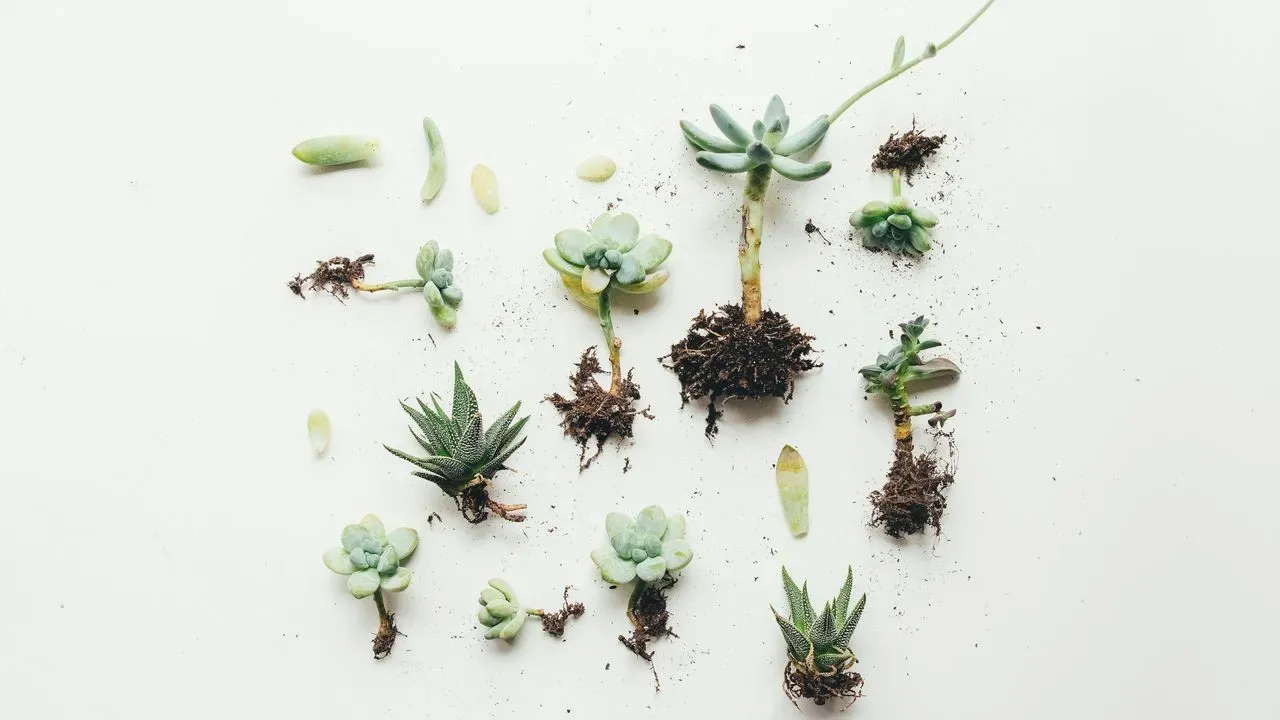

Gardeners looking to expand their landscapes without stretching their budgets have a practical option available during the dormant season. Bare-root plants, sold without soil around their roots, typically cost far less than container-grown alternatives while offering the same long-term results. The planting window runs from late fall through early spring, when many trees, roses, and hedges are available in this form. ([1])
Why Bare-Root Stock Delivers Real Savings
Retailers and nurseries ship bare-root plants with minimal packaging and no heavy pots or soil, which lowers production and transportation costs. Those savings pass directly to buyers, often making a young tree or shrub half the price of its potted counterpart. Homeowners planning multiple plantings for hedges or orchard rows notice the difference quickly when ordering in quantity.
The plants themselves remain healthy because they are harvested and shipped while dormant. Without soil, they weigh less and experience less transplant shock once placed in the ground. Gardeners who compare prices at local nurseries or online suppliers consistently find bare-root selections offer the strongest value for common landscape additions.
Timing the Planting Window Correctly
The dormant period from late fall into early spring keeps plants in a resting state, so they establish roots before warm weather arrives. In many regions this means planting can begin once the ground thaws enough to dig and continues until buds swell in spring. Missing this window forces reliance on more expensive container plants later in the year.
Soil temperature and moisture levels during these months also favor root development over top growth. Gardeners who prepare beds in advance can move plants into the ground as soon as they arrive, reducing the time roots spend exposed. Checking local frost dates helps determine the safest start and end points for each climate zone.
How to Handle and Plant Bare-Root Stock
Upon arrival, gardeners should soak the roots in water for several hours to rehydrate them before planting. A hole wide enough to spread the roots fully and deep enough to cover the root flare produces the best results. Backfilling with native soil and watering thoroughly settles the plant and removes air pockets.
Staking is rarely needed for smaller specimens, though a light mulch layer helps retain moisture during the first season. Pruning any damaged roots or broken branches at planting time encourages strong regrowth. Following these steps turns an inexpensive purchase into a thriving addition to the landscape within a year or two.
Which Plants Perform Well as Bare-Root Stock
Many deciduous trees, including fruit varieties and shade trees, ship successfully bare-root because they tolerate the handling. Roses, both shrub and climbing types, establish quickly when planted this way and often bloom in the first full season after planting. Hedge plants such as privet, beech, or hornbeam create dense screens faster when installed in quantity at lower cost.
Perennial favorites like certain berry bushes and ornamental shrubs also appear in bare-root catalogs each winter. Gardeners who focus on these categories can complete larger projects without exceeding typical seasonal budgets. Checking supplier catalogs early helps secure popular varieties before stock sells out.
Long-Term Results and Next Steps
Plants started from bare-root stock reach mature size on the same schedule as more expensive options once established. The initial savings allow gardeners to plant more specimens or invest in soil amendments and irrigation improvements. Over several seasons the difference in upfront cost becomes even more noticeable when compared with repeated purchases of container plants.
Reviewing local nursery availability or reputable mail-order sources now positions gardeners to act during the current dormant season. Preparing planting sites ahead of delivery removes one more barrier to success. Those who try bare-root methods this year often return to the same approach for future projects.
AI Disclaimer: This article was created with the assistance of AI tools and reviewed by a human editor.