
Most people who own a ceiling fan think they’re using it correctly. They flip it on when the room feels warm, maybe adjust the speed, and assume that’s all there is to it. What they often don’t realize is that one tiny switch on the motor housing, usually ignored after installation, could be costing them real money every single month of summer.
The fix takes about ten seconds. The savings, however, can last the entire season.
The Core Problem: Most Fans Are Spinning the Wrong Way
Running your ceiling fan in the wrong direction wastes energy year-round. In summer, a clockwise-spinning fan pushes hot air down on you, which is the opposite of what you want. That’s a fan working against your comfort, not with it.
Walk into any home in July, and there’s a real chance the ceiling fan is spinning the wrong direction. When a fan spins clockwise in summer, it pulls air upward, which means you don’t feel the breeze. Your instinct then says “turn it up higher,” so you crank the speed, wasting electricity for a fan that’s actually working against you.
Most people set the direction once at installation and forget. The fan works half the year and fights them the other half. It’s a surprisingly common and entirely avoidable situation.
What Counterclockwise Actually Does in Summer
The ceiling fan direction in summer should be counterclockwise to help create a downdraft, which creates that direct, cooling breeze. This isn’t just a comfort quirk. There’s real physics behind it.
When your fan spins counterclockwise as seen from below, blades push air straight down. This creates a wind-chill effect: your sweat evaporates faster, and you feel noticeably cooler without the room temperature actually changing. Your body cools through evaporation.
When your fan spins counterclockwise, blades push air straight down, creating a wind-chill effect where your sweat evaporates faster and you feel four to eight degrees cooler without the room temperature actually changing. That perceived temperature drop is significant enough to reduce your reliance on air conditioning.
The Thermostat Connection That Saves You Real Money
In the summer, the breeze from a ceiling fan creates a wind-chill effect. According to the Department of Energy, this feeling of cooler air can allow you to set your thermostat four degrees higher. That single adjustment is where the real savings begin.
For every degree you raise your thermostat, you save roughly three to five percent on cooling costs. Using ceiling fans allows you to comfortably raise your thermostat by four degrees without sacrificing comfort, resulting in savings of twelve to twenty percent on your cooling bills.
For a household spending two hundred dollars per month on summer cooling, raising the thermostat four degrees with fans in occupied rooms could save thirty to sixty dollars per month. Over a four-month cooling season, that is one hundred twenty to two hundred forty dollars saved for a device costing one to three dollars per month to run. The math is hard to argue with.
How Little Energy a Ceiling Fan Actually Uses
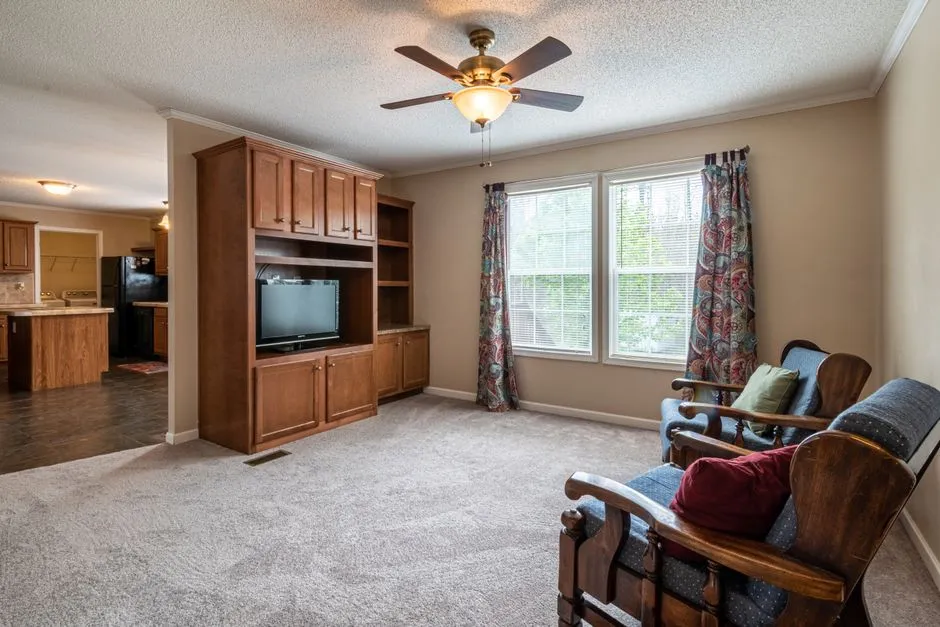
A typical ceiling fan uses fifty to one hundred watts, while air conditioners consume five hundred to three thousand watts, making fans cost just thirty-seven to seventy-four dollars annually versus two hundred to fourteen hundred dollars for AC systems. That difference in energy draw is enormous.
Central air uses three thousand to five thousand watts. A ceiling fan uses fifteen to seventy-five watts, about one to two percent of your AC’s draw. Running both together strategically is far more efficient than running your AC alone at a lower thermostat setting.
Running a ceiling fan for an entire summer costs less than running a portable AC for two days. You could run fifteen ceiling fans simultaneously and still use less electricity than a single window AC unit. That’s a useful way to put the scale of the difference into perspective.
Why Clockwise at High Speed in Winter Is Also a Mistake
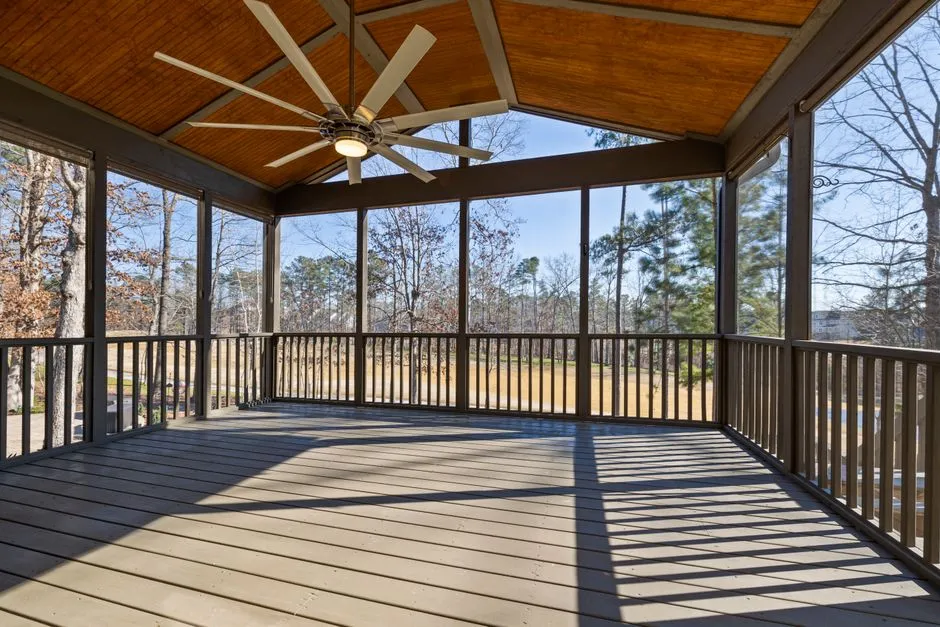
In winter, rotating the fan clockwise helps redistribute warm air that accumulates near the ceiling. This makes the room feel warmer, allowing you to lower the thermostat setting. The fan uses less energy than heating systems, enhancing overall energy efficiency.
Running clockwise at high speed in winter creates a cold draft and defeats the purpose entirely. Clockwise means low speed only. This is the second most common mistake people make with fan direction, especially after they’ve figured out the summer setting.
By redistributing warm air more evenly, you can comfortably lower your thermostat by about two degrees. The DOE states that each degree you lower your heating thermostat for eight hours saves roughly one percent on your heating bill. The Home Depot and MacroAir estimate total heating savings of up to fifteen percent, especially in rooms with high or vaulted ceilings where thermal stratification is most severe.
The Wind Chill Myth: Fans Cool People, Not Rooms
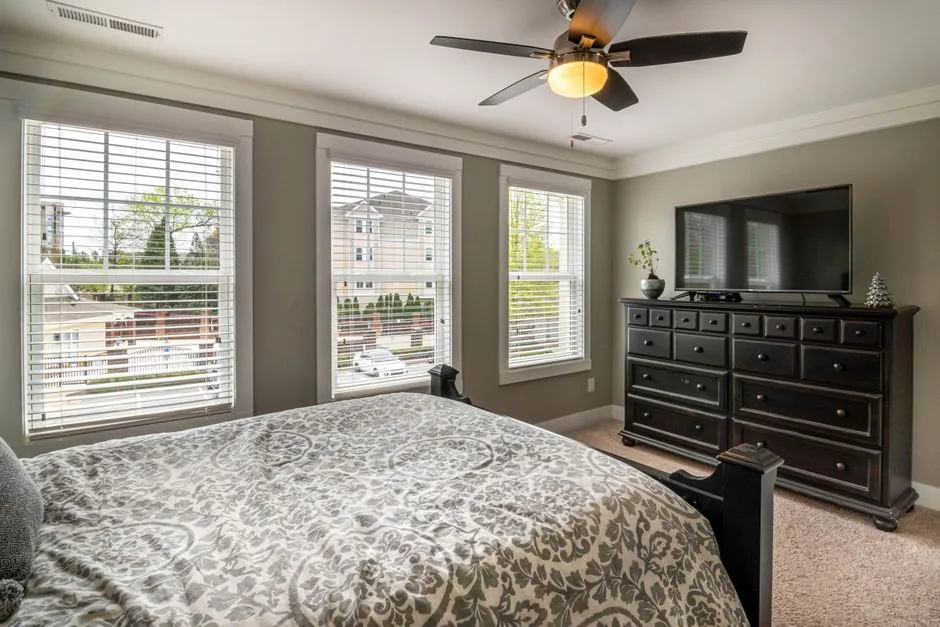
Rather than cooling the room, a ceiling fan encourages perspiration to evaporate, so it’s not effective unless you’re actually in the room. This is one of the most widely misunderstood things about how ceiling fans work.
Fans cool people, not rooms. A fan running in an empty room just wastes electricity. The wind-chill effect only works when someone is in the room to feel it. This means every time you leave a room with the fan running and no air conditioner involved, you’re simply burning electricity for no benefit.
Running fans in every room of the house defeats the purpose. You will spend more on fan electricity than you save by raising the thermostat. Targeted use in occupied rooms is what actually moves the needle on your energy bill.
How to Check Your Fan’s Current Direction Right Now
Not sure which way your fan is currently set? Turn the fan on and stand directly underneath it. Look up at the blades and watch the direction of rotation. If the blades are moving counterclockwise to the left at the top of the sweep, you’re in summer mode. If you feel a breeze hitting you from above, the fan is pushing air down and summer mode is confirmed.
Look up at the fan: if blades move left-to-right, that’s counterclockwise and summer mode. Right-to-left, or clockwise, is winter mode. Standing under it for a few seconds tells you everything you need to know.
The easiest test: if you feel a direct breeze, it’s summer mode. If you don’t, it’s winter mode. From there, flipping the small switch on the motor housing, or toggling the app on a smart fan, takes roughly ten seconds.
When to Switch and How Often
Most people set the direction once and never touch it again. Changing twice a year in May and October takes twenty seconds total and saves one hundred to two hundred dollars per year in energy costs. That’s one of the best energy returns on ten seconds of effort you’ll find anywhere in your home.
Plan to change your fan direction twice a year, at the turn of the seasons. Switch to counterclockwise in spring as the weather warms and you begin cooling your home. Reverse to clockwise on low in fall when you start running the heat.
Mild climates need fewer changes. If your area sees little seasonal swing, you can leave the fan in its summer setting for most of the year and adjust only during a cold snap. It’s a flexible habit, not a rigid rule.
Vaulted Ceilings Make the Mistake Even More Expensive
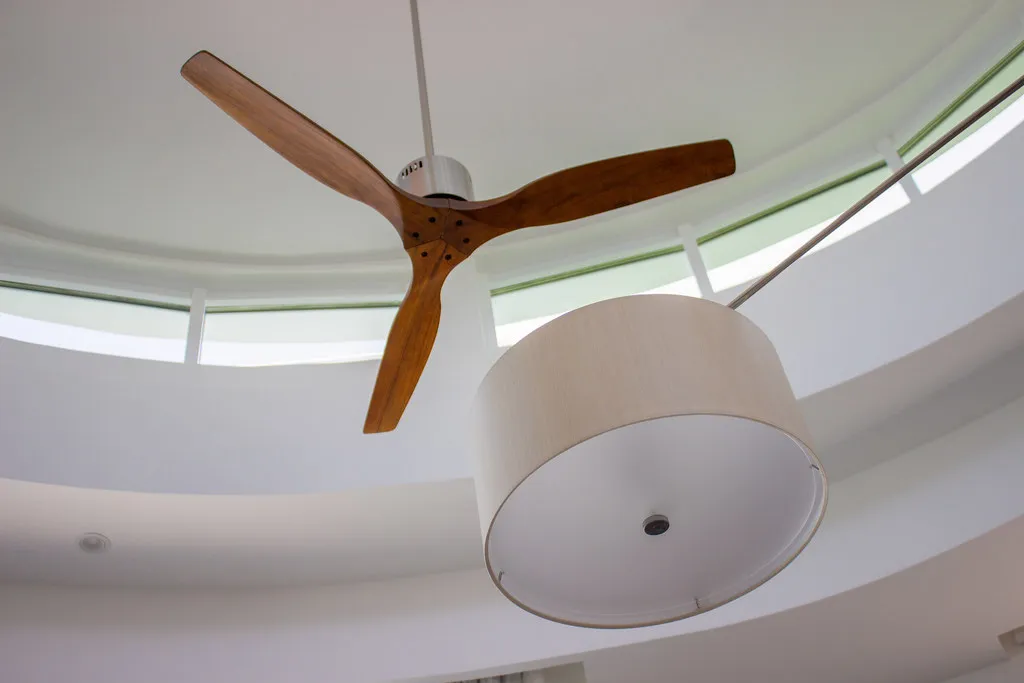
The higher your ceilings are, the more warm air will be trapped high up. Running the fan in the correct direction will result in your building relying less on your heating unit. That saves you money on heating bills. Vaulted and cathedral ceilings in particular trap large pockets of heated air that simply never reach the people below.
In rooms with standard eight or nine-foot ceilings, the temperature difference between ceiling and floor level is modest. In rooms with twelve-foot or higher ceilings, that gap can be several degrees. The Home Depot and MacroAir estimate total heating savings of up to fifteen percent, especially in rooms with high or vaulted ceilings where thermal stratification, meaning hot air trapped up high and cold air at floor level, is most severe.
Modern DC motor ceiling fans use only fifteen to thirty watts compared to fifty to one hundred watts for traditional AC motor fans, with superior speed control and quieter operation. In tall rooms especially, upgrading to a more efficient fan compounds the savings from using the correct direction setting.
Smart Fans and Modern Controls Make It Even Easier
DC motor fans reverse via remote. AC motor fans have a physical switch on the motor housing. The mechanism varies by fan type, but every modern reversible fan has one, and they’re all straightforward to use once you know where to look.
Smart fans use an app, and most have a “Summer/Winter” toggle or a “Reverse Direction” option. Some models even integrate with smart home systems and can be set to switch direction automatically based on the season or temperature thresholds.
Using technology such as occupancy sensors, timers, or smart switches helps ensure fans run only when needed, keeping electricity use low without sacrificing comfort. Combined with the correct direction setting, these tools turn a passive appliance into an active part of your home’s energy strategy.
The Takeaway
There’s a certain irony in the fact that a ten-second fix can affect your energy costs across an entire summer. The ceiling fan direction switch is one of those overlooked details hiding in plain sight, or rather, above your head at all times.
The correct use of ceiling fans, counterclockwise in summer to create a cooling breeze and clockwise in winter to circulate warm air, can optimize indoor comfort while minimizing energy consumption. It’s not complex advice. It’s just advice that most people have never actually followed.
Before the hottest weeks of the year set in, it’s worth standing under your ceiling fan, looking up, and taking ten seconds to confirm it’s working for you rather than against you. Given what that single check can save over a season, it might be the most productive ten seconds you spend all summer.
AI Disclaimer: This article was created with the assistance of AI tools and reviewed by a human editor.