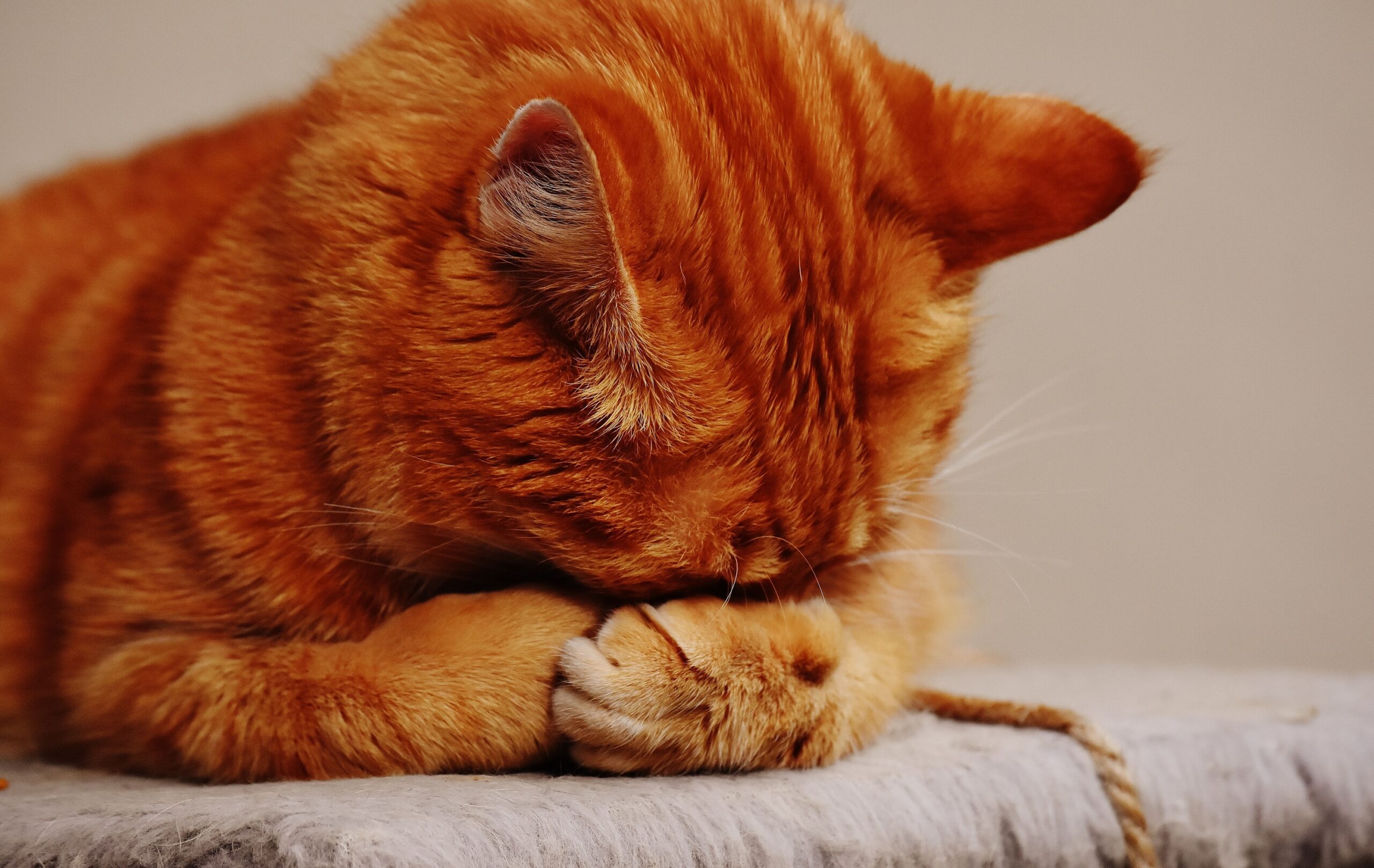

Cats have a remarkable talent for appearing fine when they’re not. It’s not stubbornness or aloofness – it’s survival biology. Although seemingly counterintuitive for modern indoor cats, hiding pain and weakness is a feline survival tactic rooted in the wild, where visibly sick animals make easy prey. Veterinary experts have now pinpointed several reliable pain indicators that cats communicate through unusual behaviors and personality shifts rather than obvious signs like limping or whimpering.
Veterinarians are often asked whether a cat is in pain, but it can be difficult to determine during a brief exam room visit – especially with stoic or stressed cats. In many cases, vets must rely on the owner’s direct observations of behavioral changes at home. Knowing what to watch for can make a meaningful difference, often well before a condition becomes serious.
Hiding Away More Than Usual
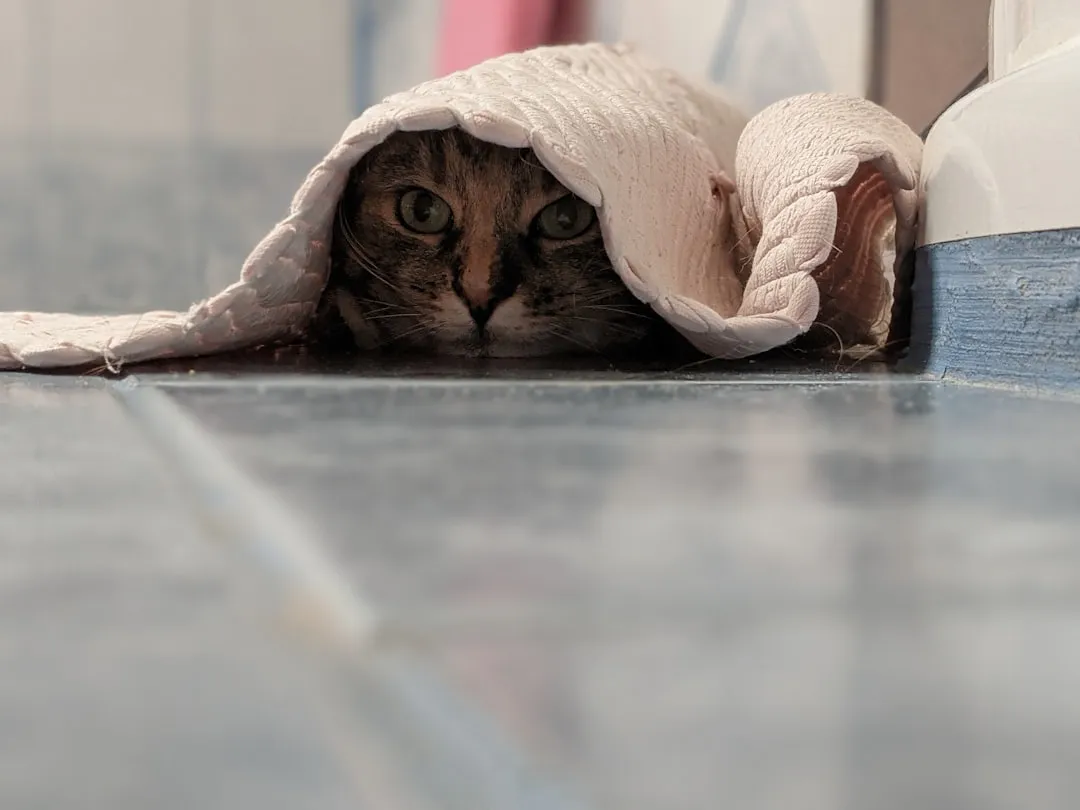
Though cats enjoy the occasional hideaway nap, frequent or extended hiding can indicate stress or pain. Spending more time hiding, avoiding attention, or interacting less with other animals can be key indicators of pain, according to veterinary professionals.
Pain is a strange and unusual sensation for animals because, unlike people, they cannot rationalize their physical discomfort. When a cat retreats to a closet, under the bed, or behind furniture for prolonged periods, it’s worth paying attention rather than assuming they simply want solitude.
Sudden Aggression Toward People or Touch
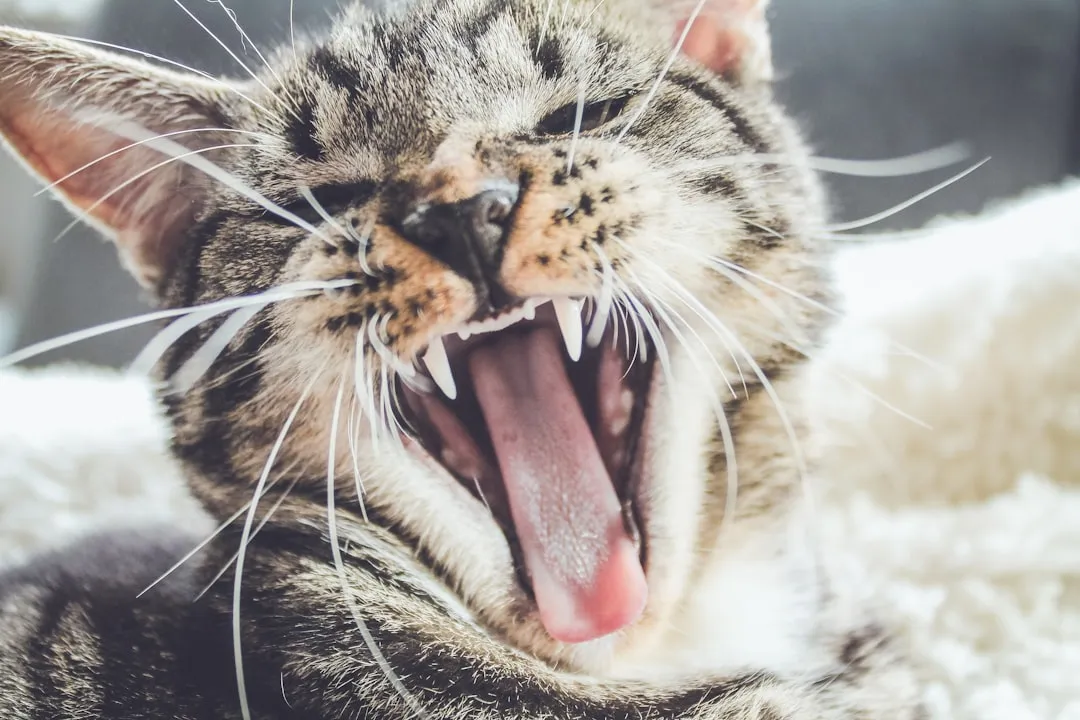
A gentle cat may hiss, bite, scratch, or growl if touched near a painful area. Aggression does not always mean bad behavior. Cats may resent being touched or petted in painful areas, resulting in hissing, growling, swatting, and biting – behavioral changes that can be especially distressing for owners as they negatively impact the human-animal bond.
A lap cat who suddenly cannot stand being held may be experiencing pain when touched or petted. If your cat’s reaction to physical contact changes noticeably, a veterinary visit is worth scheduling sooner rather than later.
Purring When Nothing Seems to Warrant It
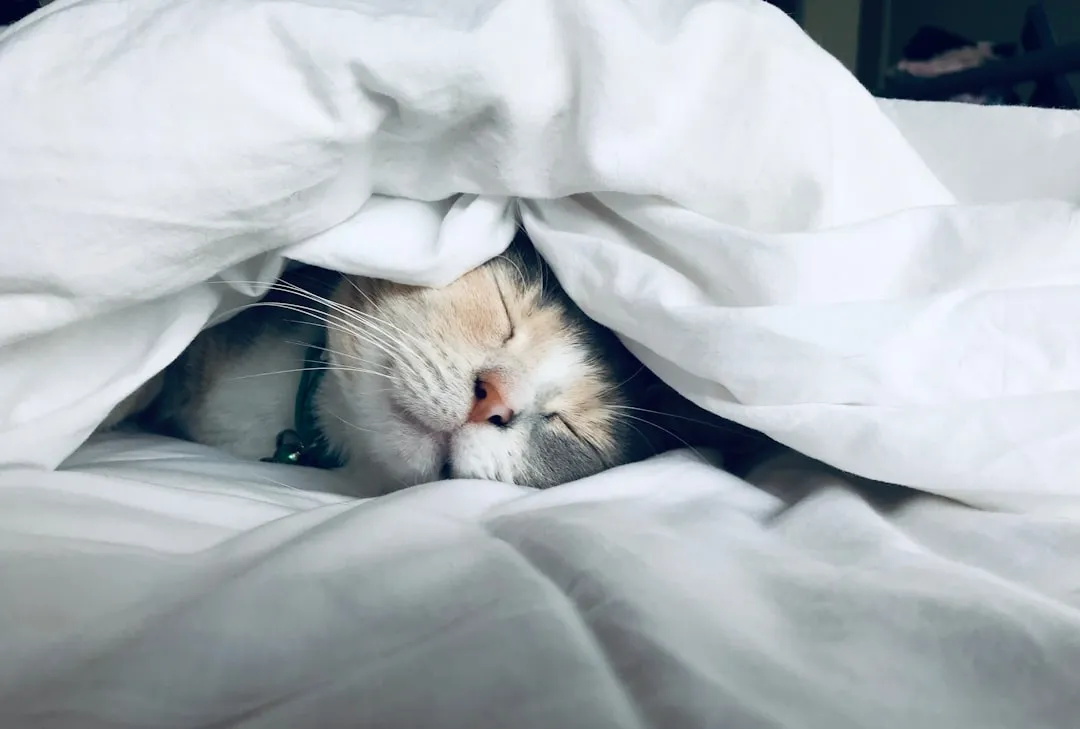
Purring is usually thought of as a sign of contentment, but some cats purr when they are frightened or hurting – and this is particularly true for cats with easygoing or gentle personalities. We often associate purring with contentment, and that’s often true, but in some cases cats experiencing discomfort may also purr. It’s an unusual finding that’s not as common, but it does occur in clinical settings.
Yes, cats in pain will still purr. The challenge is reading that purr in context. A cat who purrs while crouching tensely, refusing food, or showing other changes is communicating something very different from a cat curled up contentedly in a sunlit spot.
Changes in Grooming – Both Too Much and Too Little
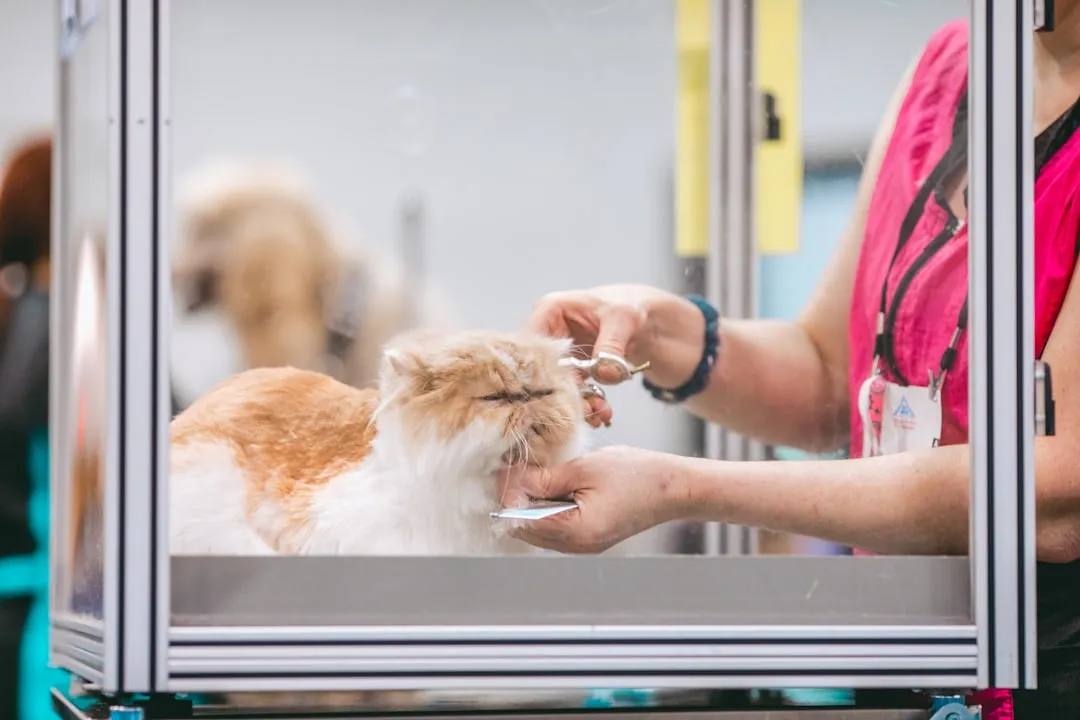
A change in a cat’s grooming habits can signal pain. Some cats will overgroom a specific area, licking or chewing excessively, while others may neglect grooming altogether, leading to a dull or unkempt coat. A sudden drop in grooming resulting in a matted or greasy appearance can be a warning sign, while on the other hand excessive grooming in a specific area might indicate pain or discomfort there.
Overgrooming can show up as bald spots or self-mutilation that manifests as actual wounds. Both extremes – the neglected coat and the obsessively licked patch – deserve the same attentiveness from owners. Neither is simply quirky grooming behavior.
Avoiding the Litter Box or Going Outside It

Cats that suddenly have accidents in the house after years of using the litter box may be in too much pain to get in and out of a box with high sides, or they may be too sore to reach where the box is located. Cats may urinate or defecate outside the box because climbing in or squatting is painful, or they may avoid the litter box because of urinary blockages, gastrointestinal problems, or arthritis-related discomfort.
Cats do not refuse to use the litter box out of spite or a desire to punish. Inappropriate elimination by a cat that faithfully uses the litter box is a sure sign that something is wrong and the cat needs help. This is one of the most commonly misunderstood feline behaviors, and it’s often met with frustration when it should prompt concern.
Hunched Posture or Reluctance to Jump
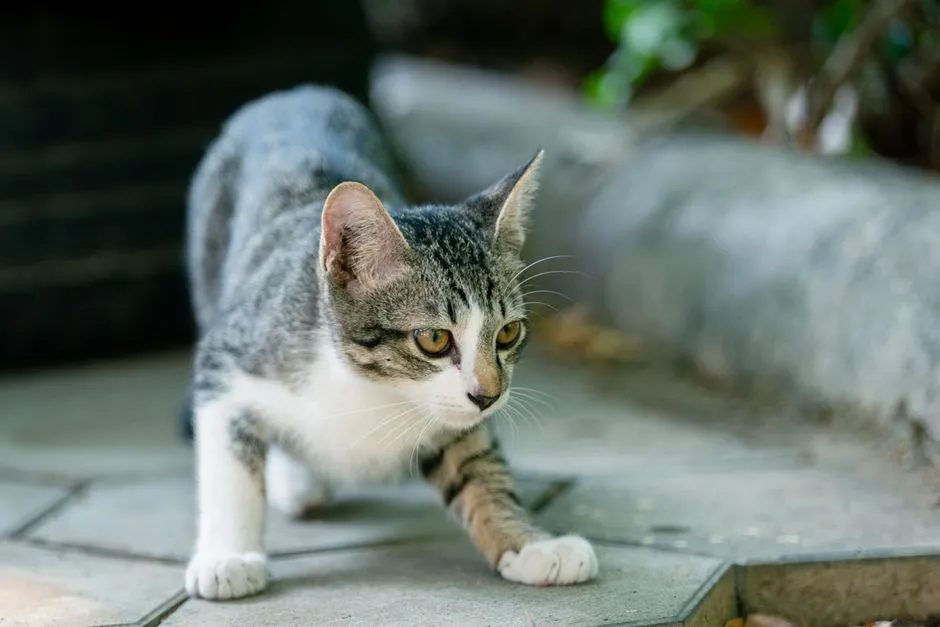
Cats in pain may crouch with a hunched back, walk stiffly, or avoid jumping onto furniture they once scaled effortlessly – and these posture changes often point to arthritis, injury, or internal issues. Specific ethogram-based behaviors documented in pain research include “crouched or hunched-up positions,” restlessness, and lying in unusual dorsoventral positions with limbs extended or contracted.
Mobility changes are a reliable sign of pain in cats, but the observed changes are often more subtle than those owners associate with pain in dogs. A cat that used to leap onto the kitchen counter and now sits at the base staring up at it is showing you something important.
Decreased Playfulness or Sudden Lethargy
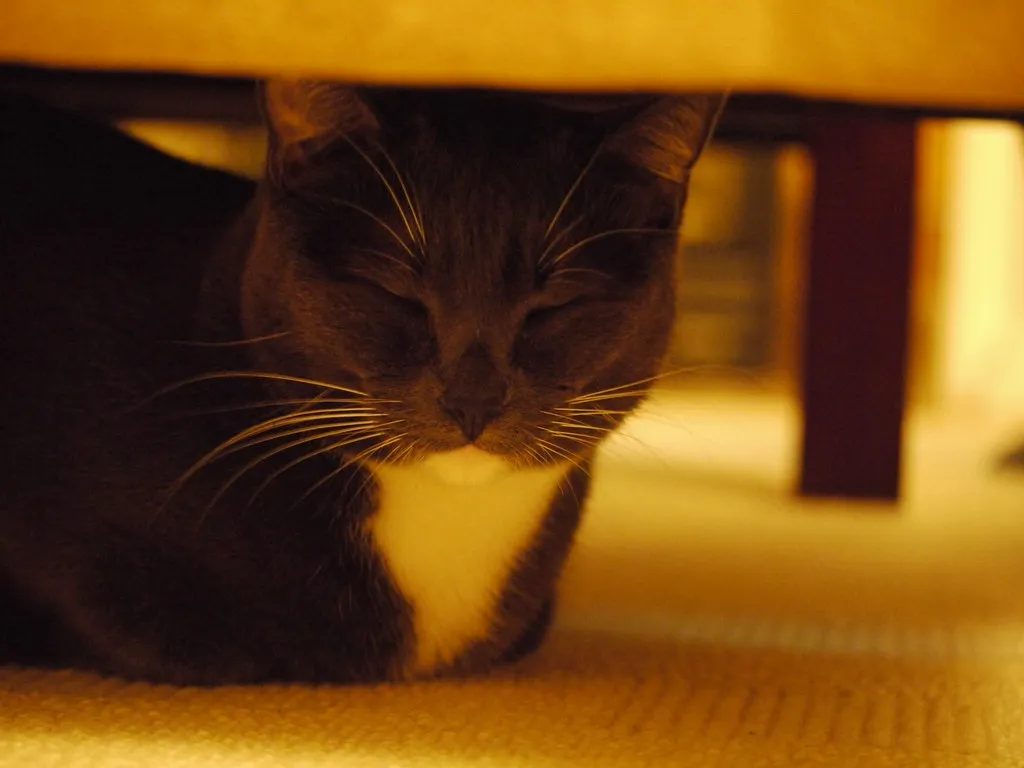
Decreased playfulness can be a behavioral indicator of pain and has been described in cats with oral pain in particular. A sudden decrease in activity, especially in a normally playful cat, can be a red flag. While resting becomes more common with age, a sudden change in a cat’s daily ritual may indicate something is off.
Previously sociable, playful cats may become withdrawn and spend more time isolated or hiding from their family. This shift is easy to dismiss as a cat simply “having an off week,” but when it persists for more than a day or two, it warrants a closer look.
Changes in Vocalization
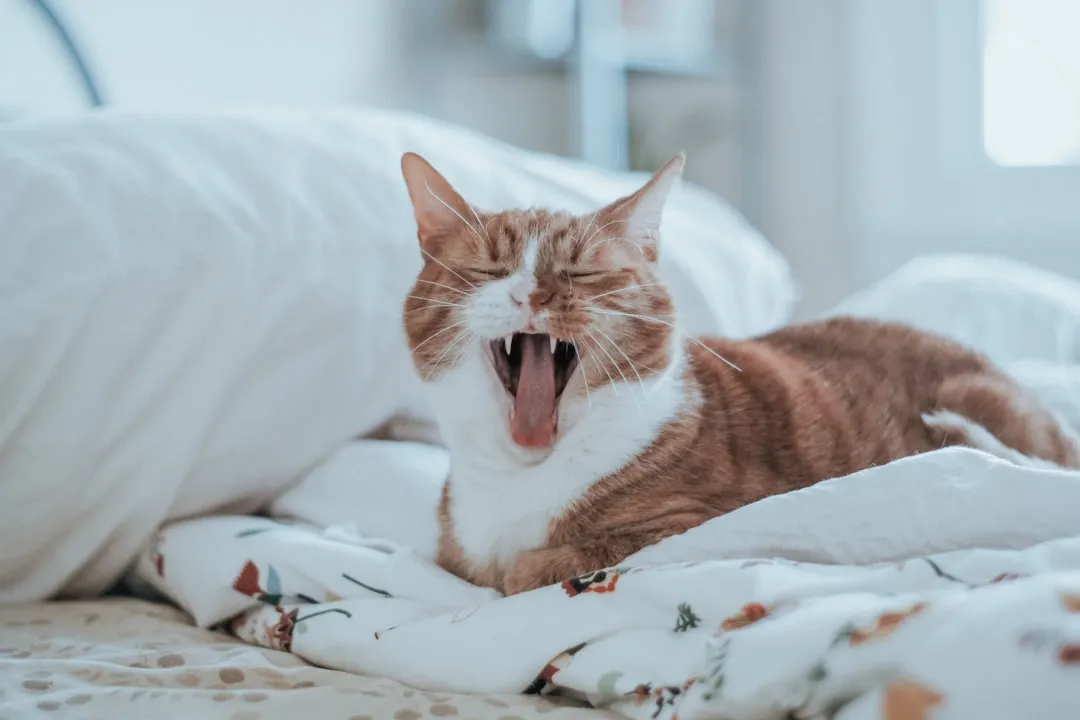
Some cats who are in pain will cry or vocalize more often than normal. A change in the character of their vocalization, the frequency, or the volume may be an indication of pain. A change in a cat’s vocalization can indicate the cat isn’t feeling well. It deserves attention if an unusually quiet cat becomes unrelentingly talkative, and other signs of a problem include caterwauling, hissing, or growling.
Some cats become very quiet while experiencing pain, while others meow more than normal. Both extremes matter. A cat that has gone unusually silent after being vocal, or one who has suddenly found a loud, persistent voice, is likely trying to tell you something through the only language available to them.
Loss of Appetite or Changes in Eating Habits
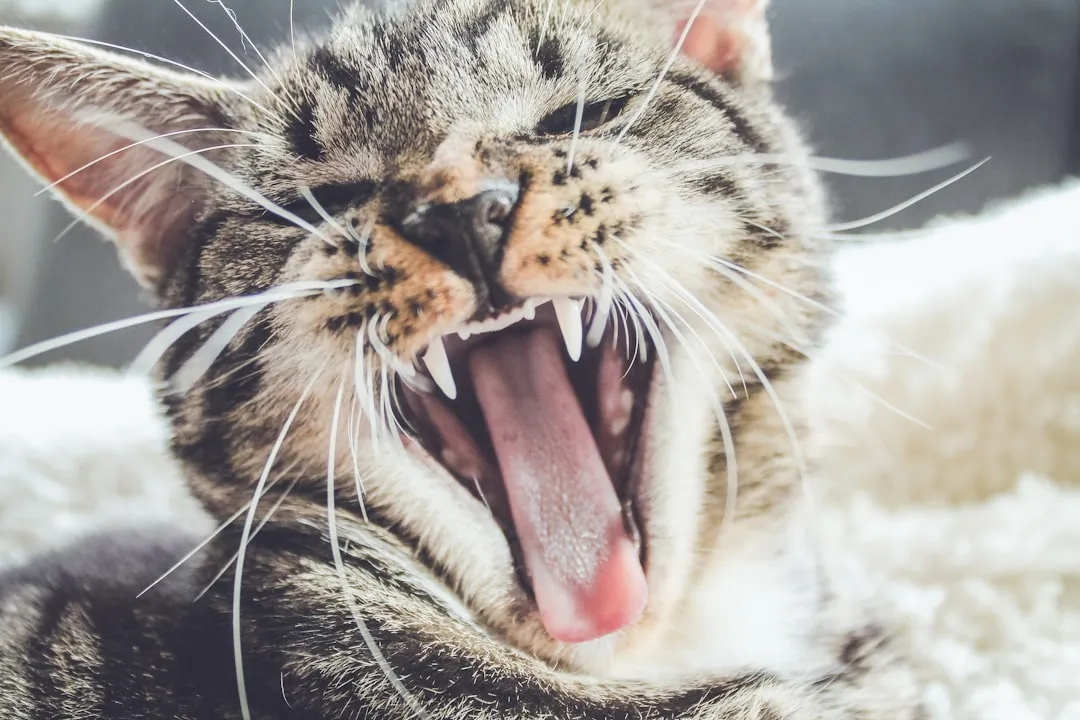
Cats in pain may stop eating, especially if it hurts to chew – and dental disease is a common culprit. A cat whose appetite suddenly drops may be feeling too much pain to eat, or they may be experiencing nausea from a disease.
Slow weight loss can happen without owners noticing. Pain, dental disease, digestive illness, kidney problems, and cancer may all reduce food intake. Regular weight checks at home – even just lifting your cat and getting a rough sense of their feel – can help catch this early. Regular weight checks help catch problems before they advance.
Facial Expression Changes and the Feline Grimace Scale
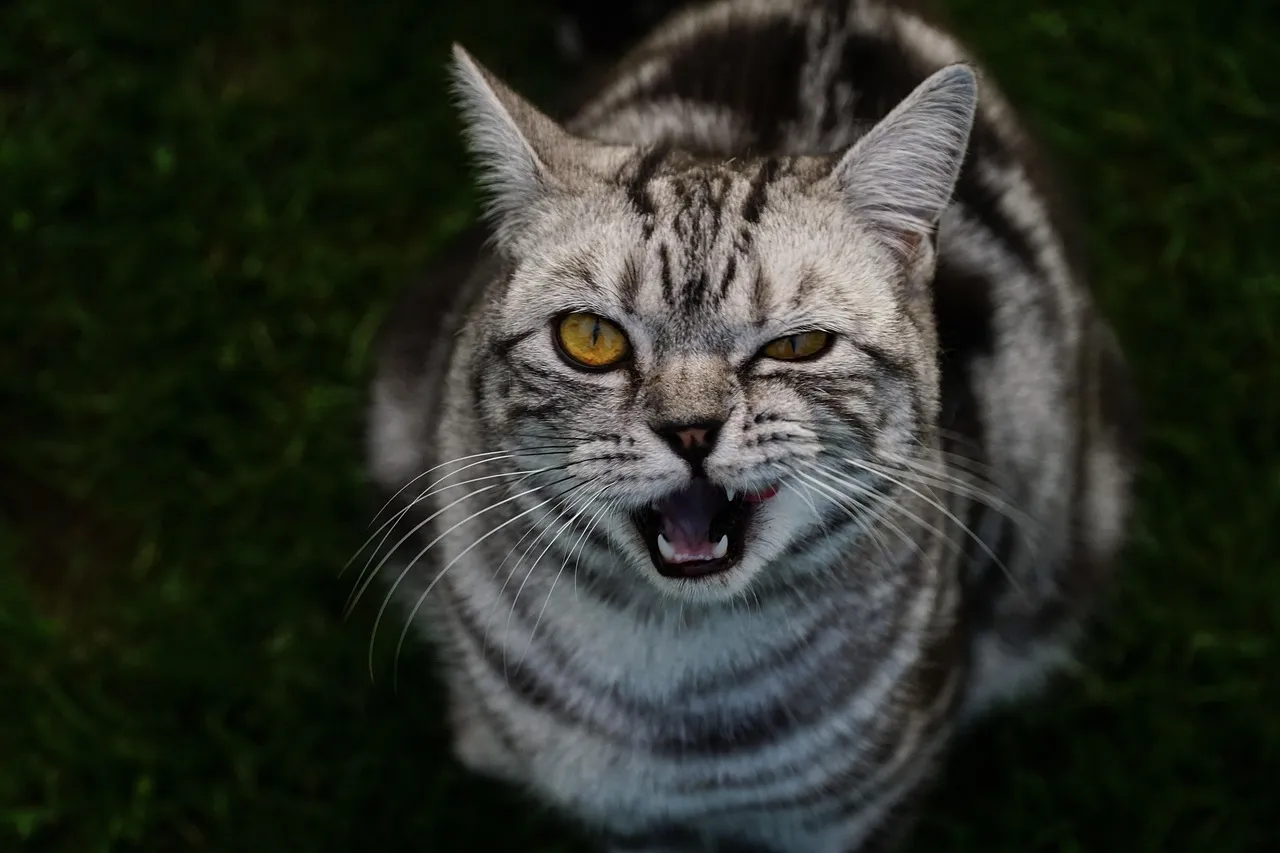
The Feline Grimace Scale (FGS) is a useful tool for assessing pain in cats. Developed by veterinarians for use in clinical practice, this scale measures subtle changes in a cat’s facial expression. While many cats show little or no change in their facial expression while experiencing pain, some cats are very expressive – and often signs of pain in cats are missed until the cat’s condition is advanced.
An improved understanding of behaviors reflecting acute pain in cats is a priority for feline welfare, and researchers have worked to create and validate a comprehensive ethogram of acute pain behaviors in cats that can help discriminate between painful and non-painful individuals. Tools like the Feline Grimace Scale give owners and vets a more structured way to assess what a cat’s face is quietly communicating about how it feels.
What to Do When You Notice These Signs
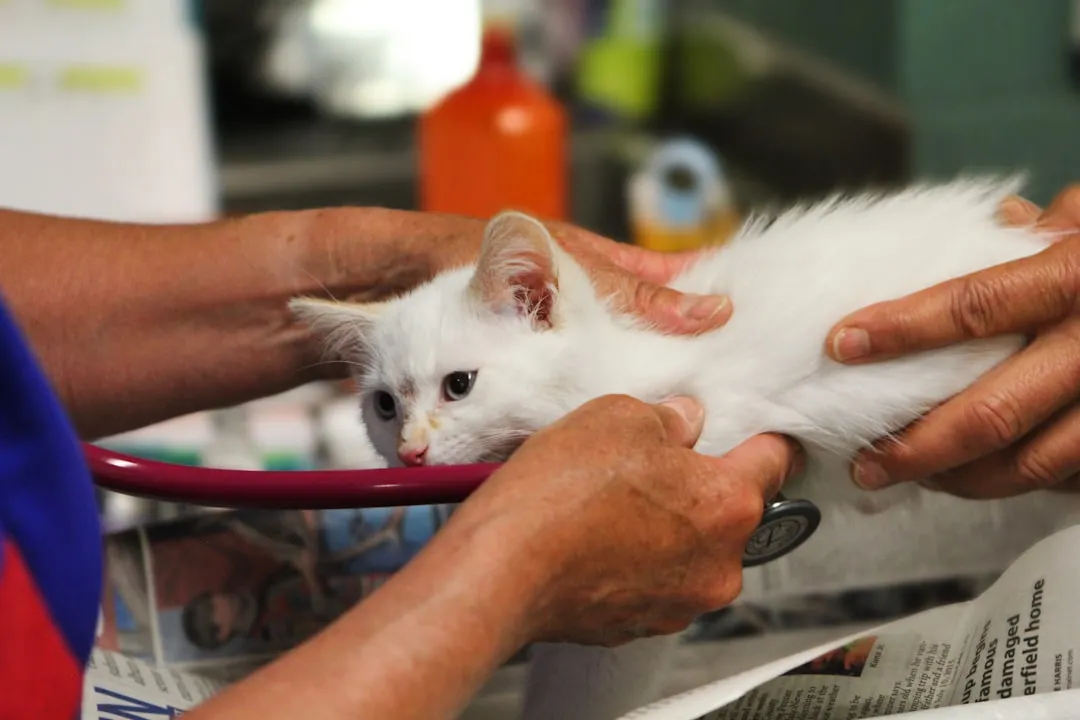
Pay close attention to your cat’s behavior and physical symptoms. Note any changes in grooming, posture, activity level, or appetite. Documenting these observations can help your veterinarian make an accurate diagnosis.
Never attempt to treat your cat’s pain at home – many over-the-counter medications are toxic to felines. Veterinary evaluation is essential, as human pain medications are toxic to cats and proper diagnosis leads to safe, effective treatment. Early action genuinely matters here. Early care can protect your cat from serious illness, reduce suffering, and improve recovery.
Final Thoughts
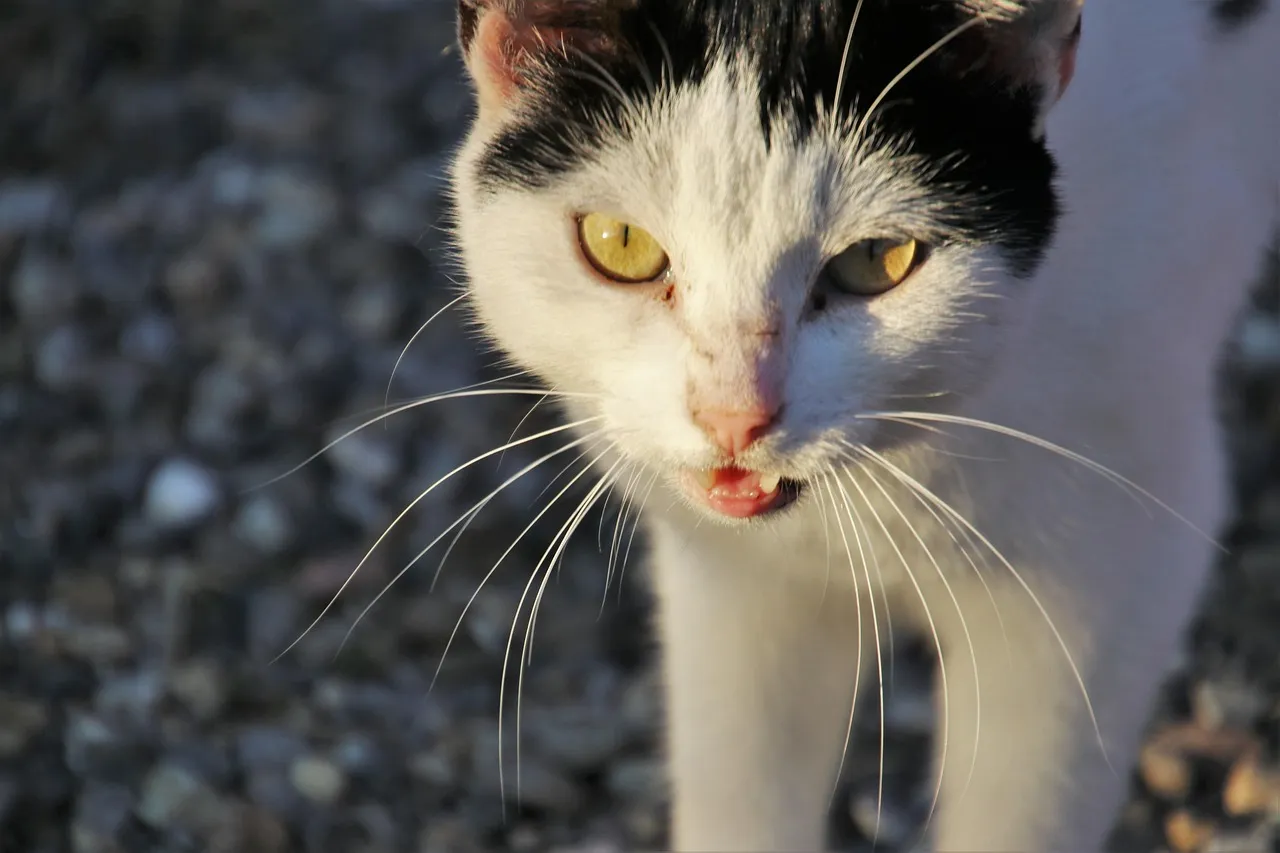
Research has focused specifically on assessing cat guardians’ concern levels and veterinary care decisions related to behaviors that might signify pain – and the consistent finding is that education changes outcomes. Most owners, once informed, become far more responsive to what were once overlooked signals.
Cats don’t ask for help the way we might hope they would. They’re quietly stoic by nature, shaped by thousands of years of instinct that says showing weakness is dangerous. Cats have lived alongside humans for thousands of years, yet still carry instincts from life in the wild. A cat showing pain could become an easy target, so hiding illness became a natural habit – and even inside a safe home, this instinct remains strong. Knowing that the hiding, the unexpected aggression, the litter box avoidance, or the strange purring might actually be a pain signal changes how you see your cat. It shifts the response from frustration to action. That shift, for many cats, makes all the difference.
AI Disclaimer: This article was created with the assistance of AI tools and reviewed by a human editor.